
Generating Multiple Sequence Alignments with Clustal W Clustal
- Slides: 21
Generating Multiple Sequence Alignments with Clustal. W
Clustal. W: creating a multiple sequence alignment • You identify sequences to align • Get Fasta sequences and copy and paste into window or put all sequences in one document and attach (example: copy and paste into one Word document)
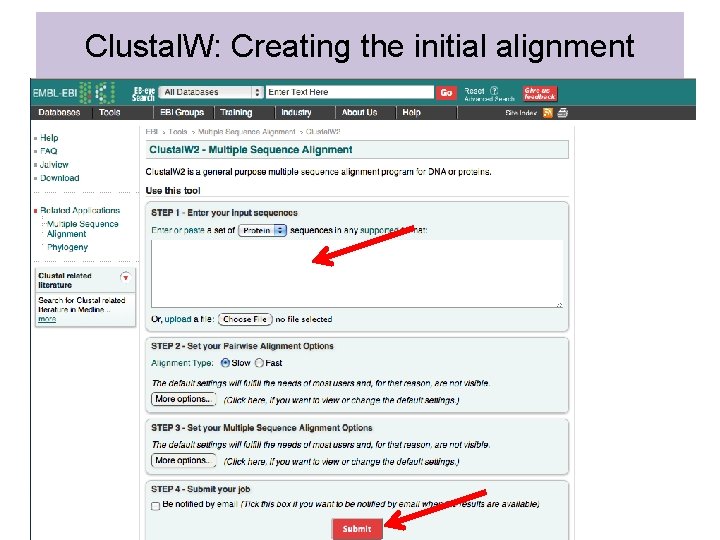
Clustal. W: Creating the initial alignment
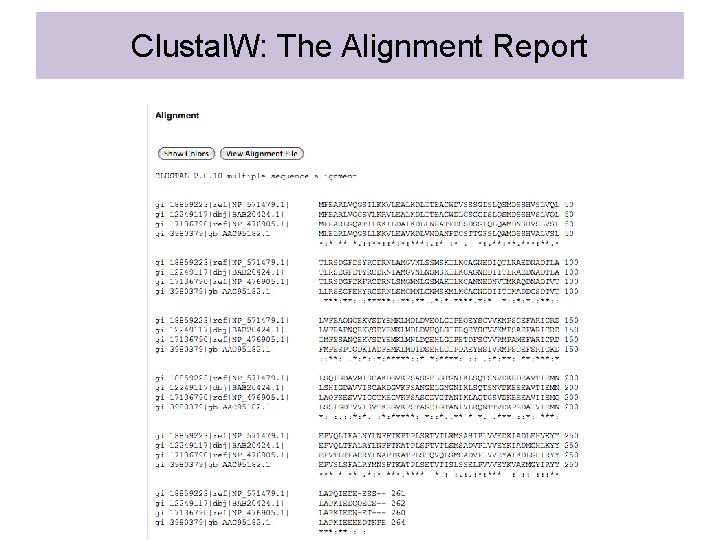
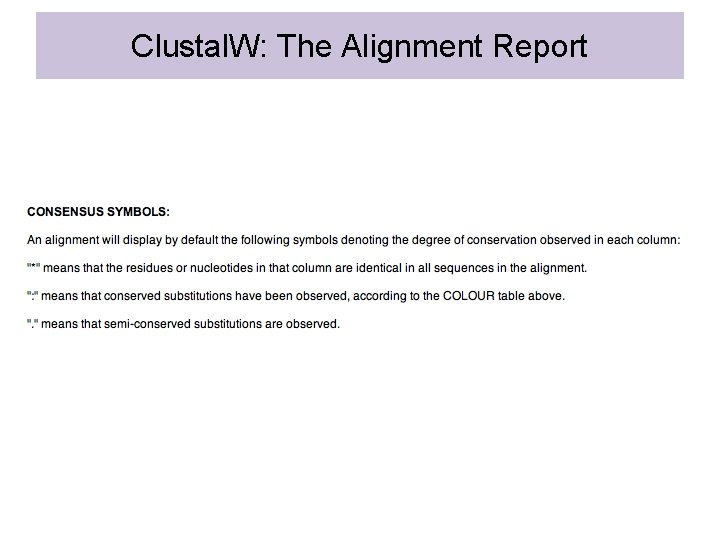
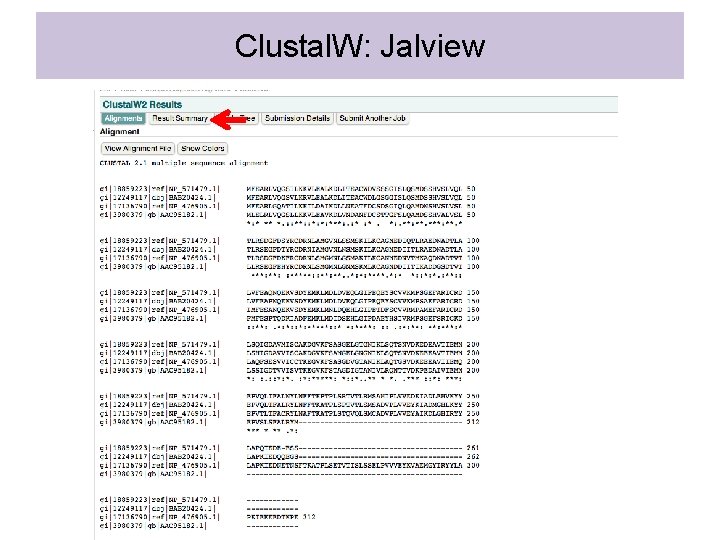
Clustal. W: The Alignment Report
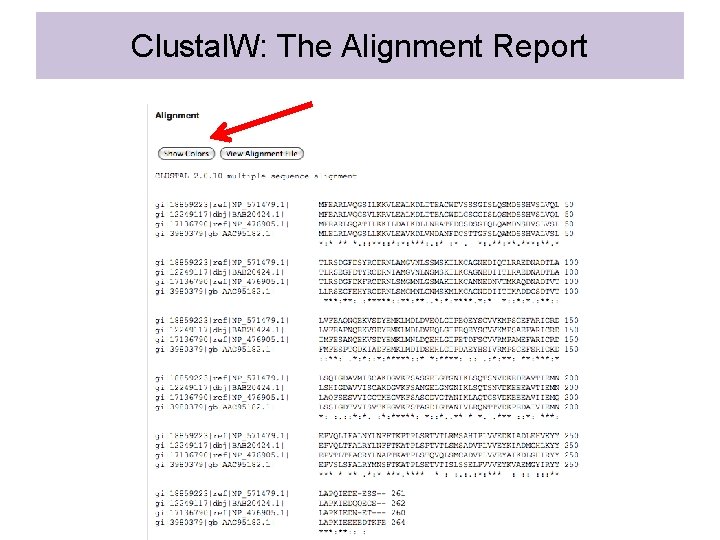
Clustal. W: The Alignment Report
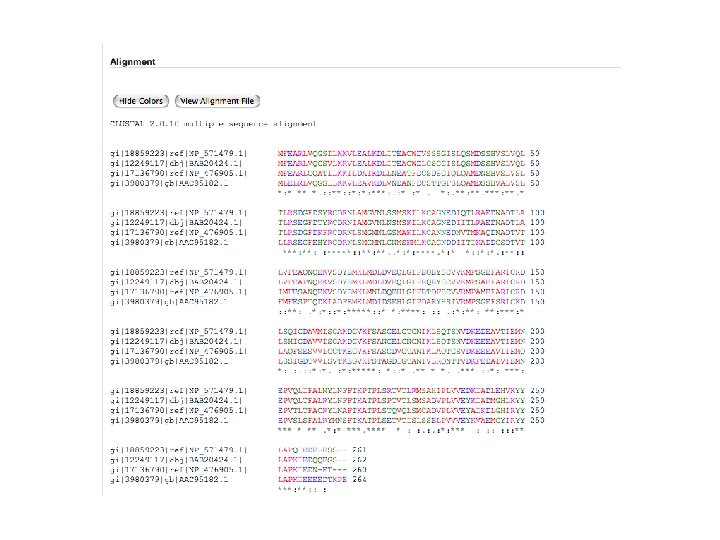
Clustal. W: The Alignment Report
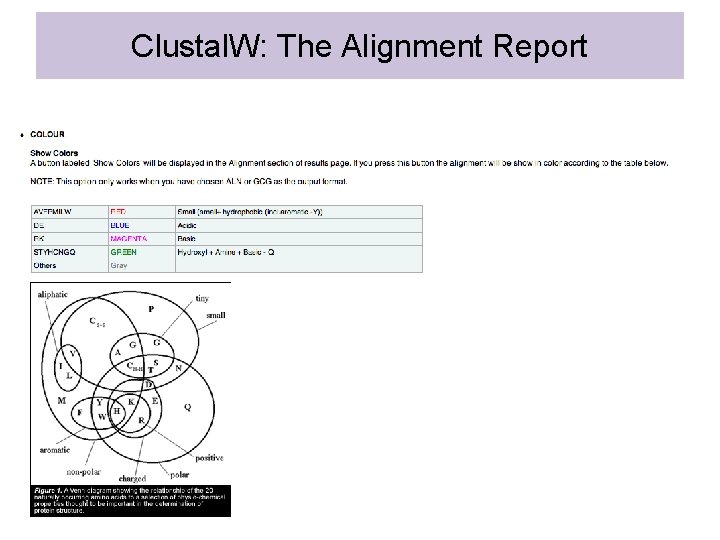
Clustal. W: The Alignment Report
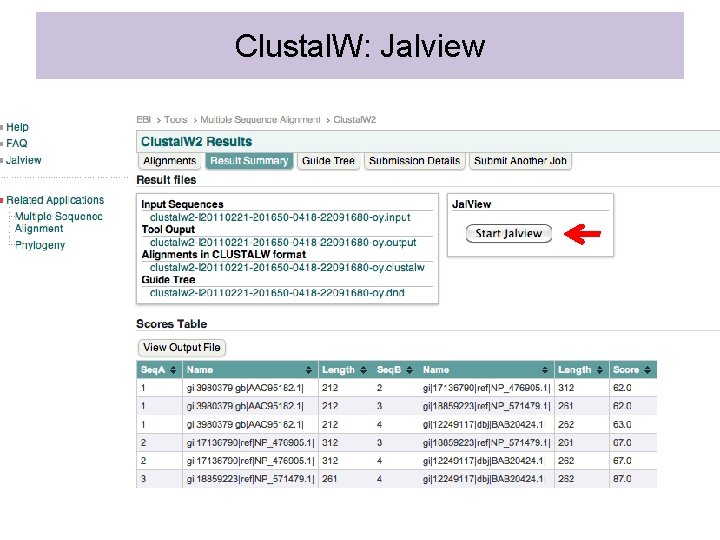
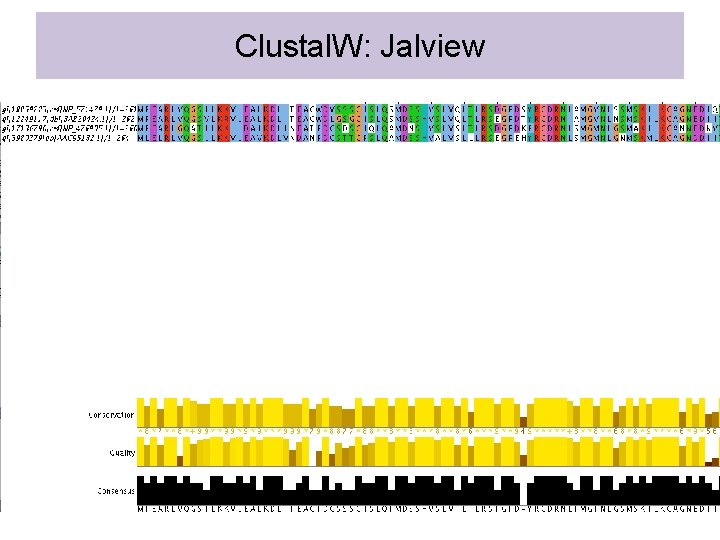
Clustal. W: Jalview
Clustal. W: Jalview
Clustal. W: Jalview
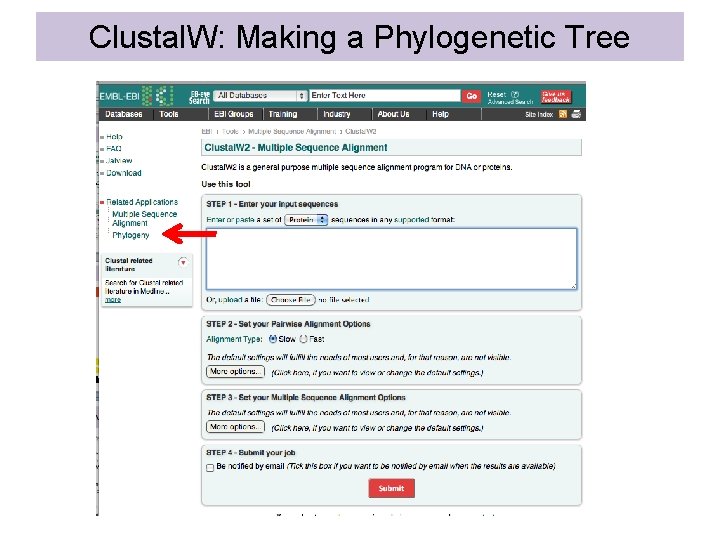
Clustal. W: creating a phylogenetic tree • Clustal. W can only assemble a phylogenetic tree from multiple sequence alignments generated by Clustal. W
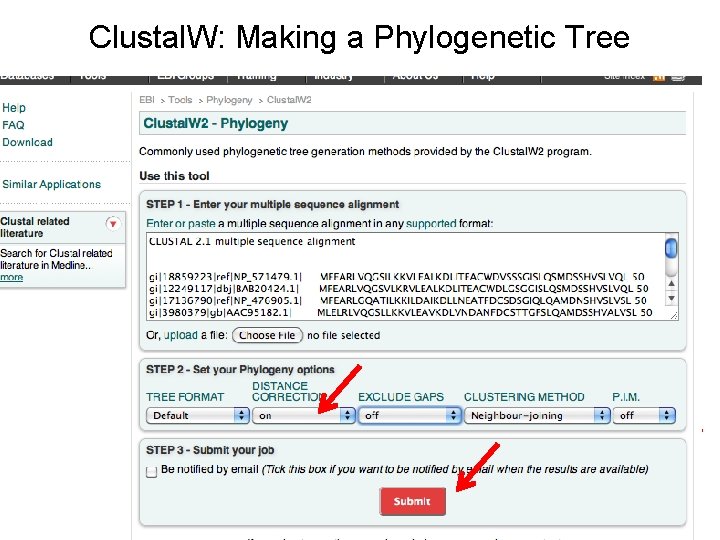
Clustal. W: Making a Phylogenetic Tree
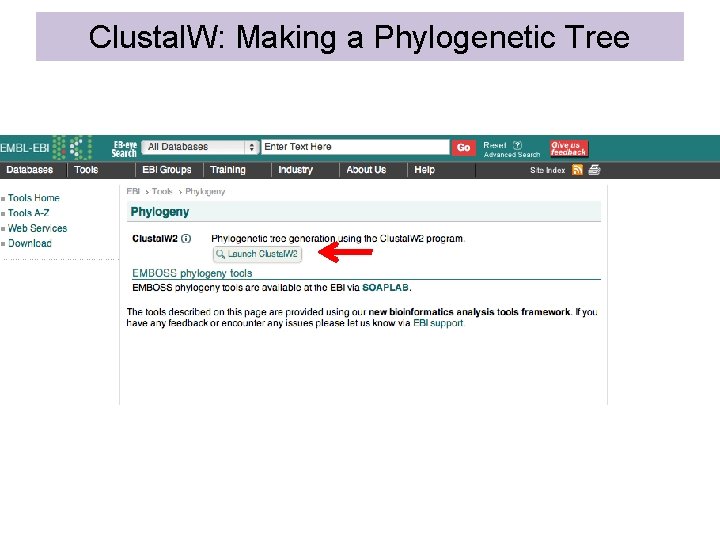
Clustal. W: Making a Phylogenetic Tree
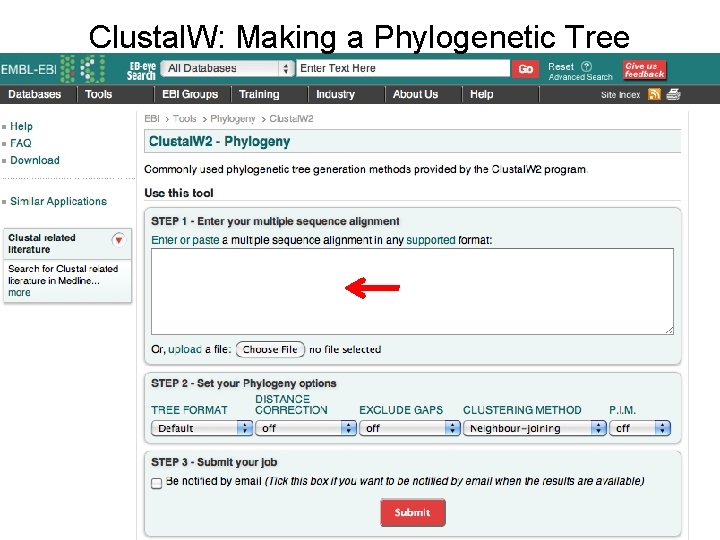
Clustal. W: Making a Phylogenetic Tree
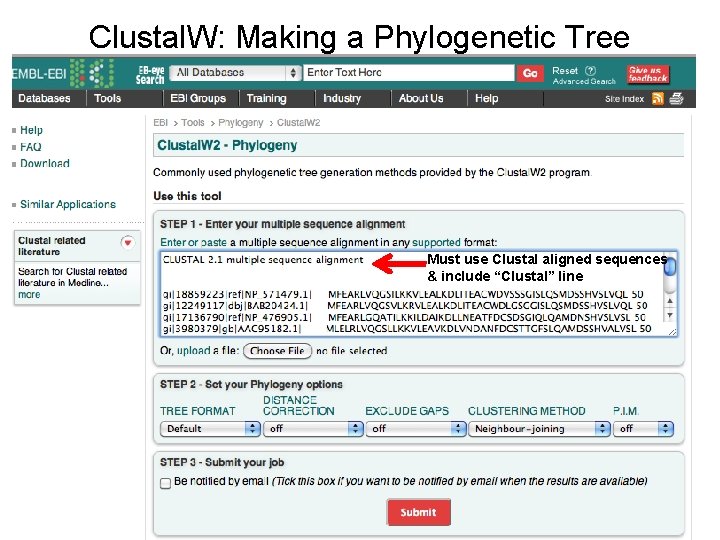
Clustal. W: Making a Phylogenetic Tree Must use Clustal aligned sequences & include “Clustal” line
Clustal. W: Making a Phylogenetic Tree
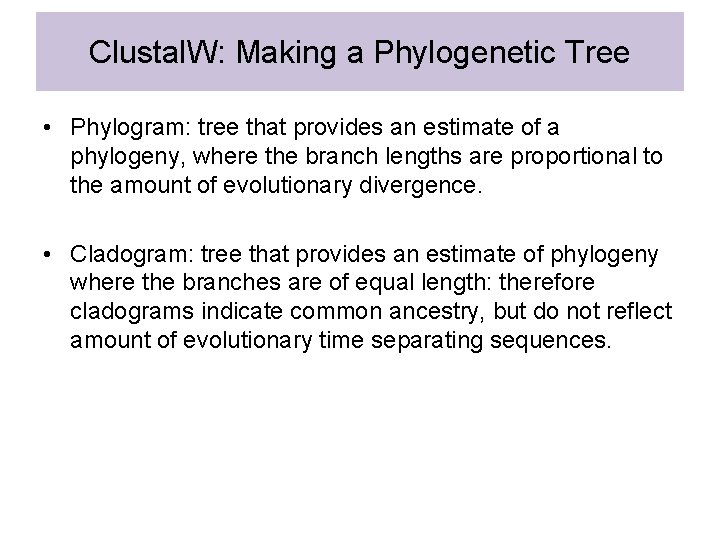
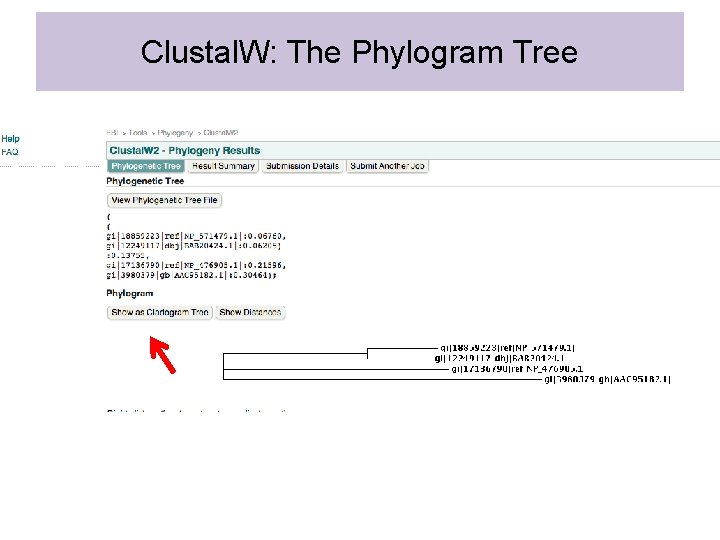
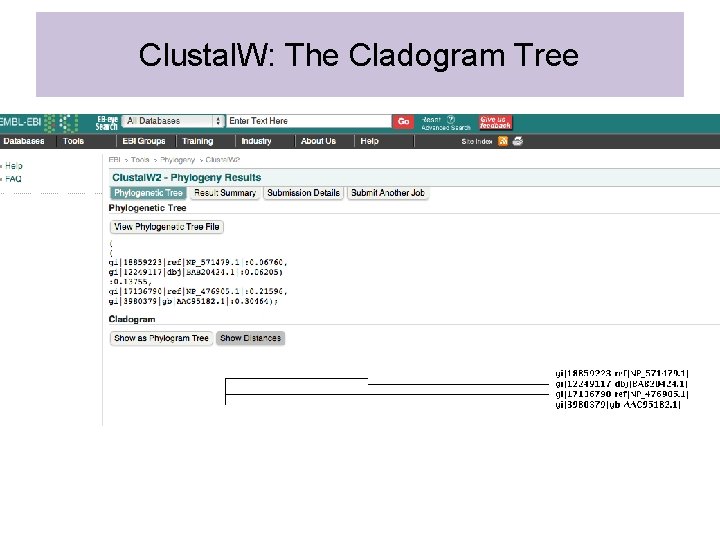
Clustal. W: Making a Phylogenetic Tree • Phylogram: tree that provides an estimate of a phylogeny, where the branch lengths are proportional to the amount of evolutionary divergence. • Cladogram: tree that provides an estimate of phylogeny where the branches are of equal length: therefore cladograms indicate common ancestry, but do not reflect amount of evolutionary time separating sequences.
Clustal. W: The Phylogram Tree
Clustal. W: The Cladogram Tree
Clustal. W: Practice Weblem • Align the refseq protein sequences of Arabidopsis thaliana RDR 6, Schizosaccharomyces pombe Rdp 1, Caenorhabditis elegans rrf-2, Caenorhabditis elegans rrf-3, and Aspergillus fumigatus Sad-1 using Clustal. W. Print out this alignment. • Generate and print out a phylogram and cladogram using this alignment. • Given what you know about the evolutionary relationships between these organisms, does the phylogram and cladogram make sense? Why or why not?