
Generating forensic DNA profiles Dan E Krane Wright



- Slides: 25
Generating forensic DNA profiles Dan E. Krane, Wright State University, Dayton, OH Forensic DNA Profiling Video Series Forensic Bioinformatics (www. bioforensics. com)
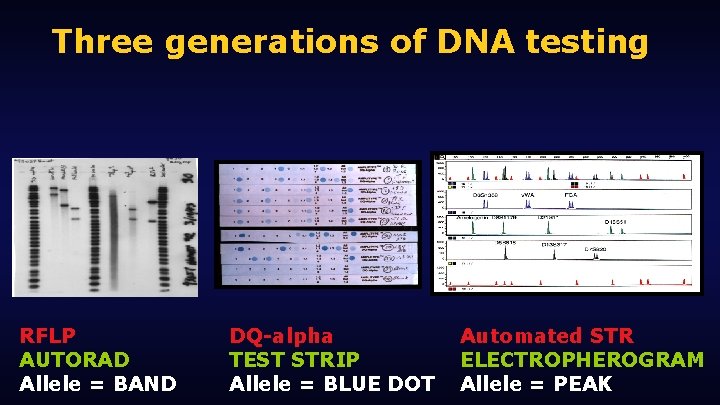
Three generations of DNA testing RFLP AUTORAD Allele = BAND DQ-alpha TEST STRIP Allele = BLUE DOT Automated STR ELECTROPHEROGRAM Allele = PEAK
Two additional DNA tests Mitochondrial DNA mt. DNA sequence Sensitive but not discriminating Y-STRs Useful with mixtures Paternally inherited
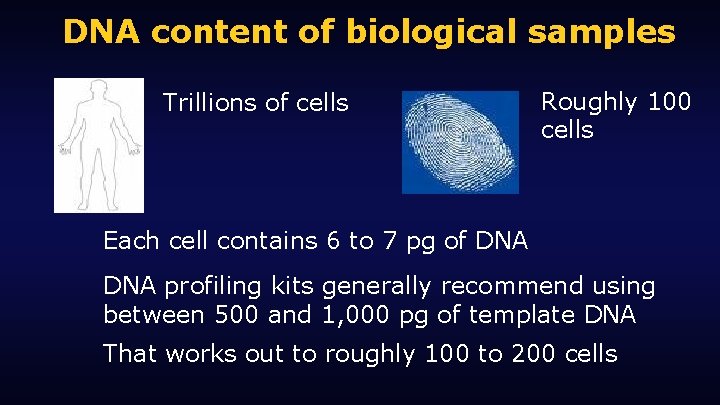
DNA content of biological samples Trillions of cells Roughly 100 cells Each cell contains 6 to 7 pg of DNA profiling kits generally recommend using between 500 and 1, 000 pg of template DNA That works out to roughly 100 to 200 cells
What is a picogram? • 1 gram = 1/4 th of a packet of sugar • 1 milligram = a single crystal of sugar • 1 nanogram = one 1000 th of a crystal of sugar • 1 picogram = one billionth of a gram
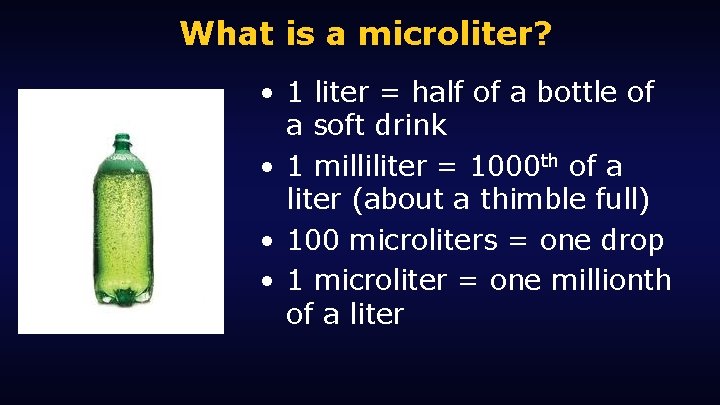
What is a microliter? • 1 liter = half of a bottle of a soft drink • 1 milliliter = 1000 th of a liter (about a thimble full) • 100 microliters = one drop • 1 microliter = one millionth of a liter
Basic terminology: Genetics • DNA Polymorphism (“many forms”) – Regions of DNA which differ from person to person • Locus (plural = loci) – Site or location on a chromosome • Allele – Different variants which can exist at a locus
Basic terminology: Technology • Amplification or PCR (Polymerase Chain Reaction) – A technique for ‘replicating’ DNA in the laboratory (‘molecular Xeroxing’) – Region to be amplified defined by primers • Electrophoresis – A technique for separating molecules according to their size
Automated STR Test
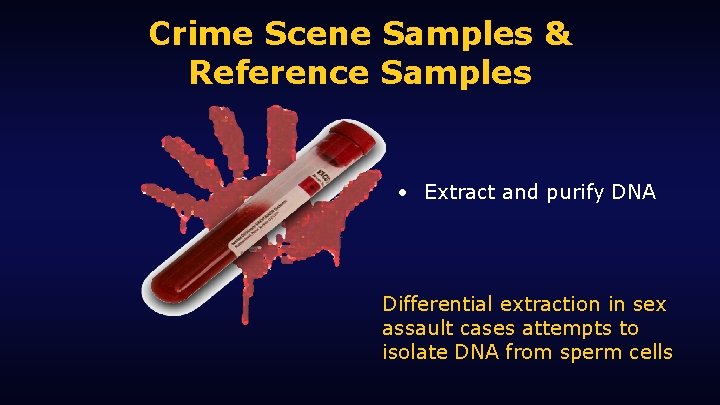
Crime Scene Samples & Reference Samples • Extract and purify DNA Differential extraction in sex assault cases attempts to isolate DNA from sperm cells
Extract and Purify DNA • Add primers and other reagents
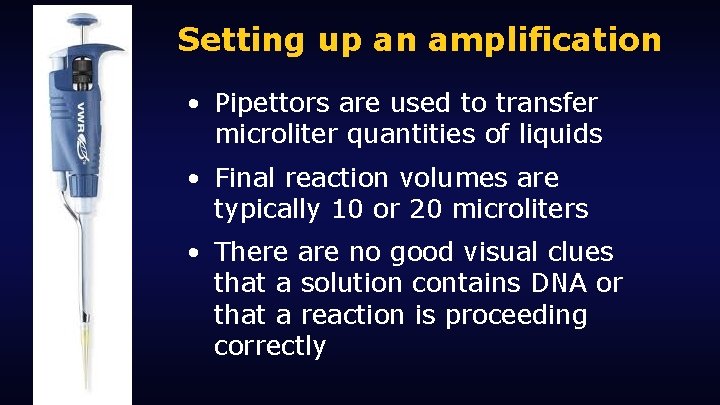
Setting up an amplification • Pipettors are used to transfer microliter quantities of liquids • Final reaction volumes are typically 10 or 20 microliters • There are no good visual clues that a solution contains DNA or that a reaction is proceeding correctly
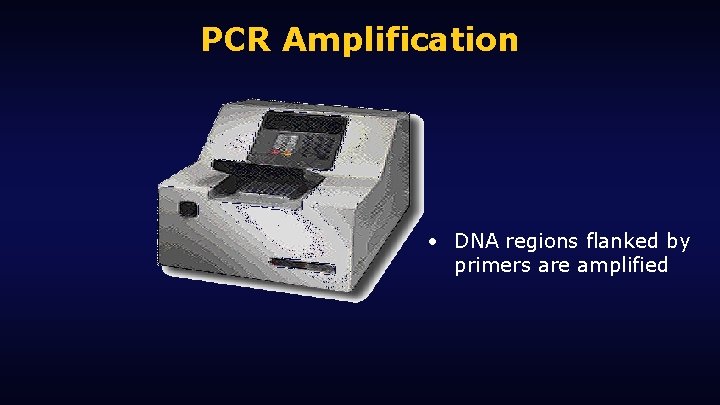
PCR Amplification • DNA regions flanked by primers are amplified
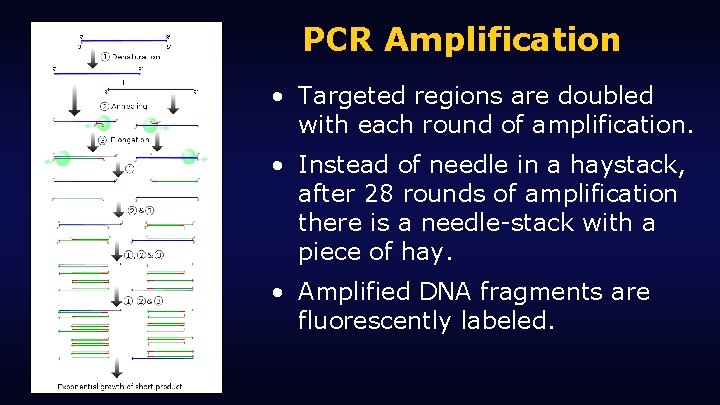
PCR Amplification • Targeted regions are doubled with each round of amplification. • Instead of needle in a haystack, after 28 rounds of amplification there is a needle-stack with a piece of hay. • Amplified DNA fragments are fluorescently labeled.
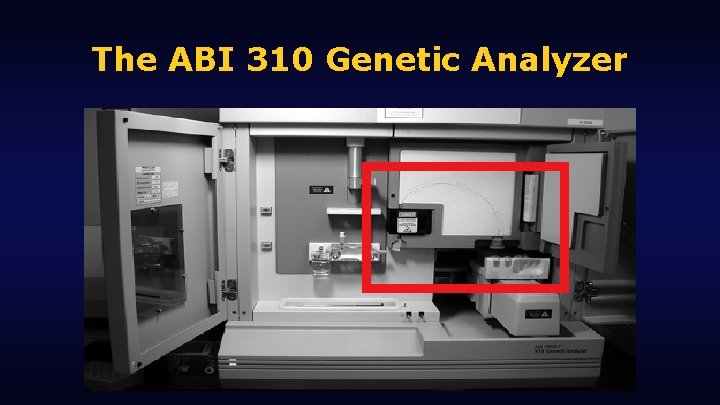
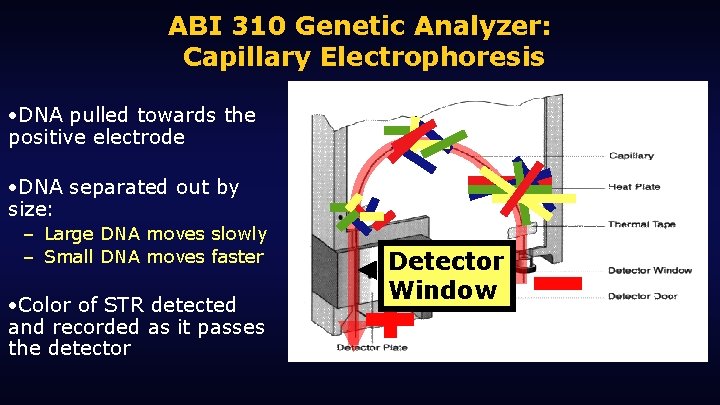
The ABI 310 Genetic Analyzer
ABI 310 Genetic Analyzer: Capillary Electrophoresis • DNA pulled towards the positive electrode • DNA separated out by size: – Large DNA moves slowly – Small DNA moves faster • Color of STR detected and recorded as it passes the detector Detector Window
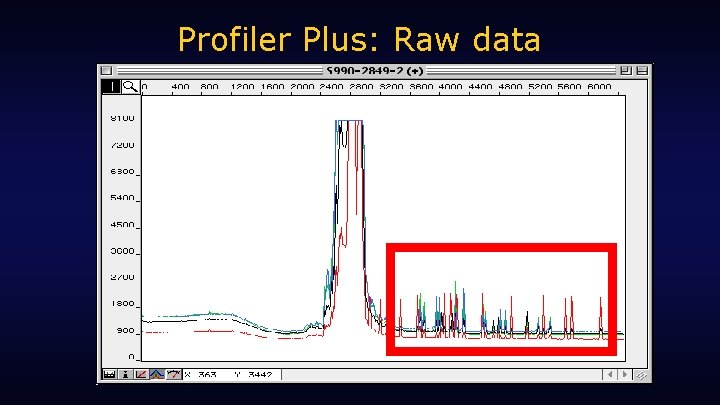
Profiler Plus: Raw data
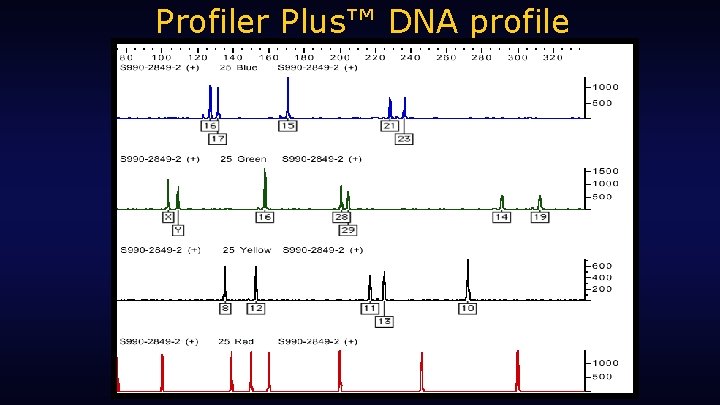
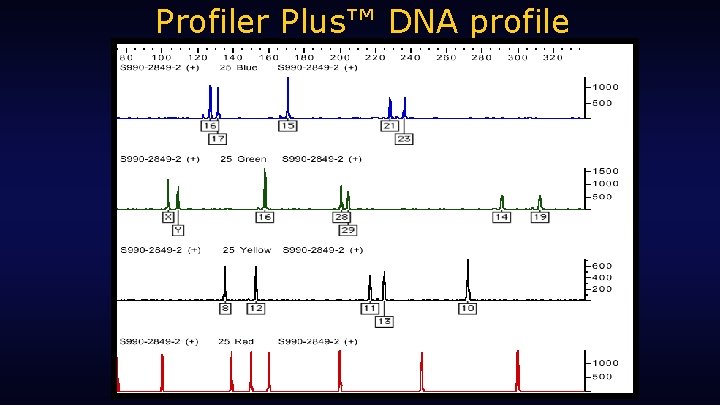
Profiler Plus™ DNA profile
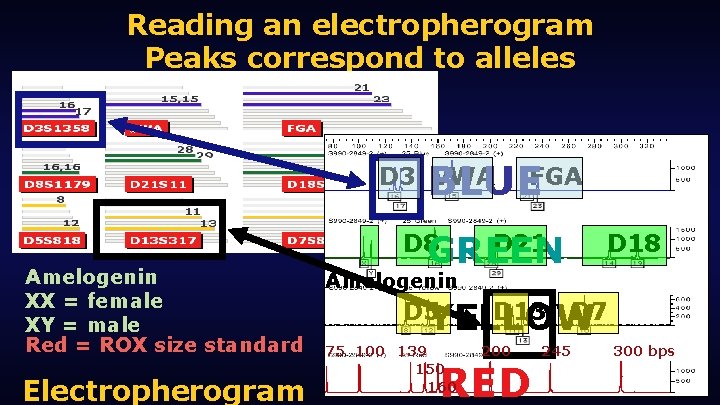
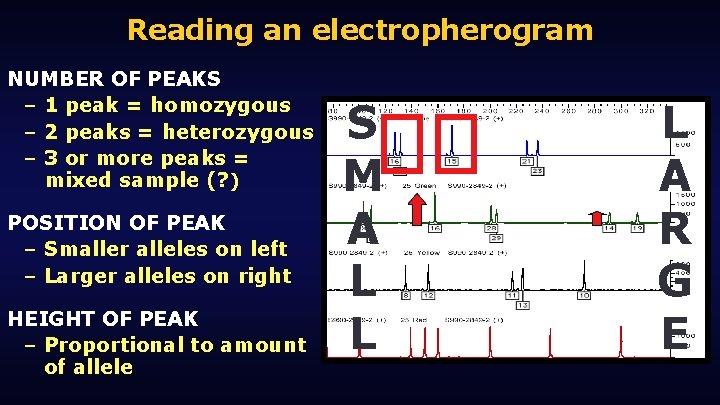
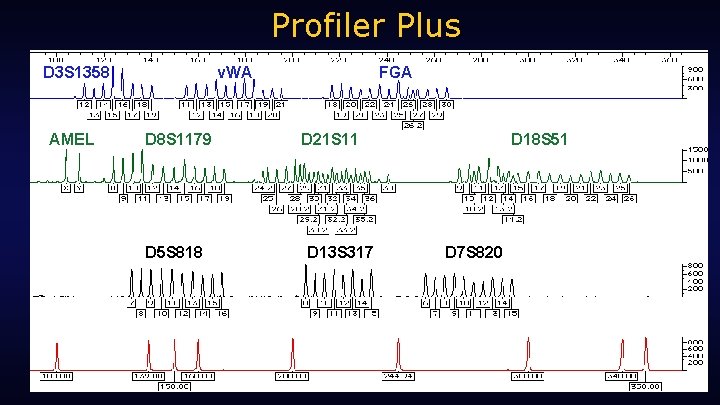
Reading an electropherogram Peaks correspond to alleles BLUEFGA D 3 v. WA Amelogenin XX = female XY = male Red = ROX size standard Electropherogram D 8 D 21 GREEN D 18 Amelogenin D 5 D 13 D 7 YELLOW 75 100 139 150 160 200 RED 245 300 bps
Reading an electropherogram NUMBER OF PEAKS – 1 peak = homozygous – 2 peaks = heterozygous – 3 or more peaks = mixed sample (? ) POSITION OF PEAK – Smaller alleles on left – Larger alleles on right HEIGHT OF PEAK – Proportional to amount of allele S M A L L L A R G E
Profiler Plus D 3 S 1358 AMEL v. WA D 8 S 1179 D 5 S 818 FGA D 21 S 11 D 13 S 317 D 18 S 51 D 7 S 820
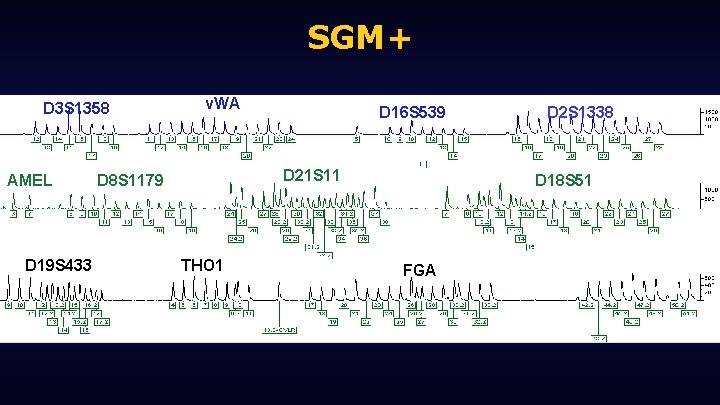
SGM+ D 3 S 1358 AMEL D 19 S 433 v. WA D 16 S 539 D 21 S 11 D 8 S 1179 THO 1 D 2 S 1338 D 18 S 51 FGA
Profiler Plus™ DNA profile
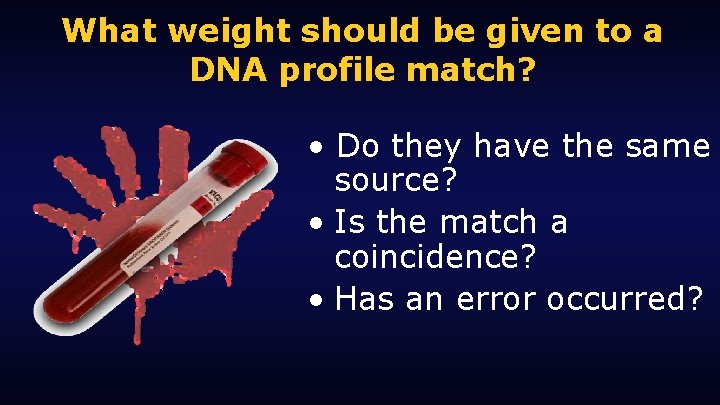
What weight should be given to a DNA profile match? • Do they have the same source? • Is the match a coincidence? • Has an error occurred?
Generating forensic DNA profiles Dan E. Krane, Wright State University, Dayton, OH Forensic DNA Profiling Video Series Forensic Bioinformatics (www. bioforensics. com)