
General Summary of DM with Medications part I
- Slides: 15
General Summary of DM, with Medications (part I, Summary) 영양병원 내과 이준엽
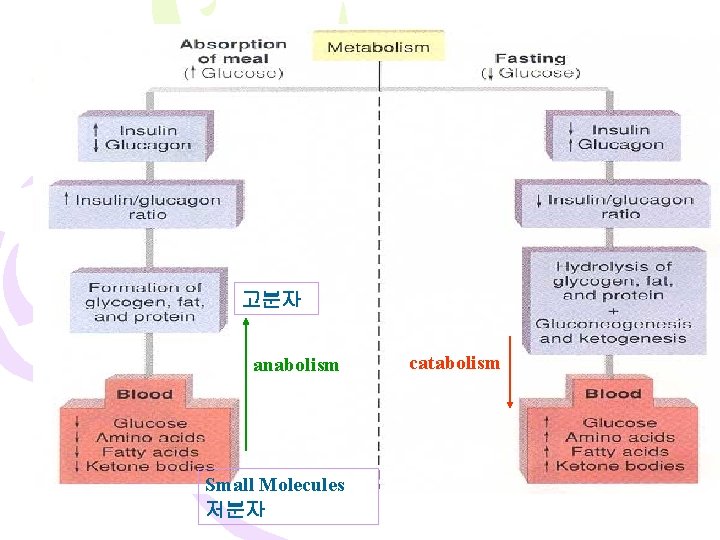
고분자 anabolism Small Molecules 저분자 catabolism
Normal Insulin Physiology • Homeostasis of glucose 1) liver – glucose production (glucogenesis/gluconeogenesis) 2) peripheral tissues – uptake & utilization of gulcose 3) insulin secretion - autocrine
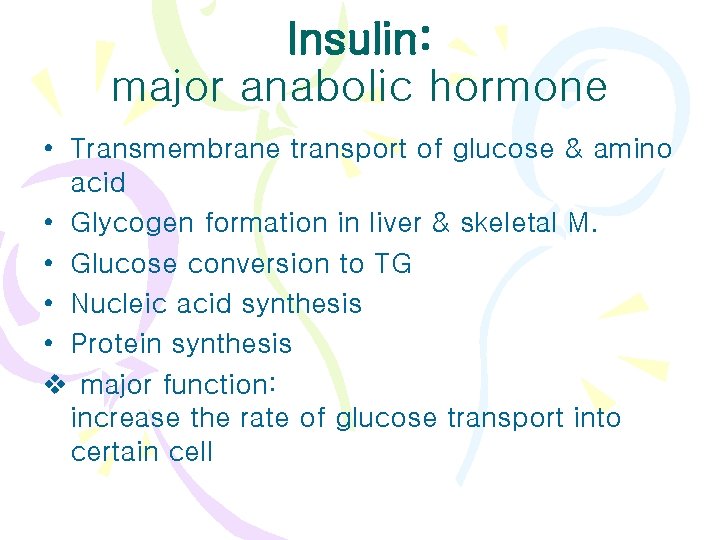
Insulin: major anabolic hormone • Transmembrane transport of glucose & amino acid • Glycogen formation in liver & skeletal M. • Glucose conversion to TG • Nucleic acid synthesis • Protein synthesis v major function: increase the rate of glucose transport into certain cell
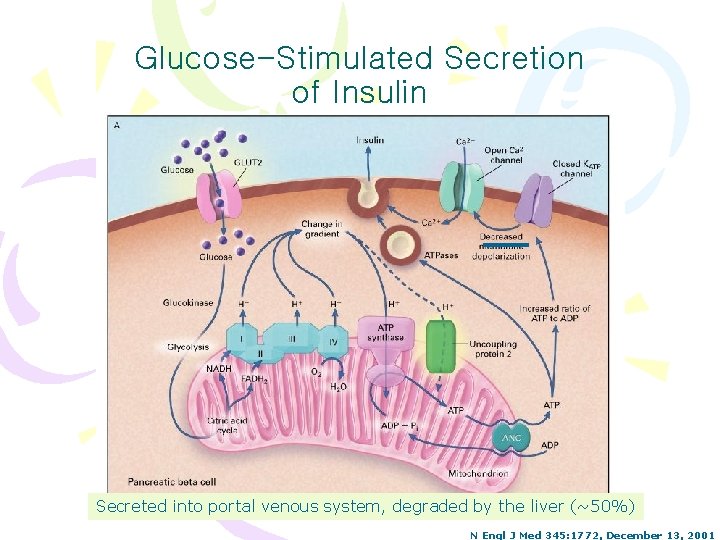
Glucose-Stimulated Secretion of Insulin Secreted into portal venous system, degraded by the liver (~50%) N Engl J Med 345: 1772, December 13, 2001
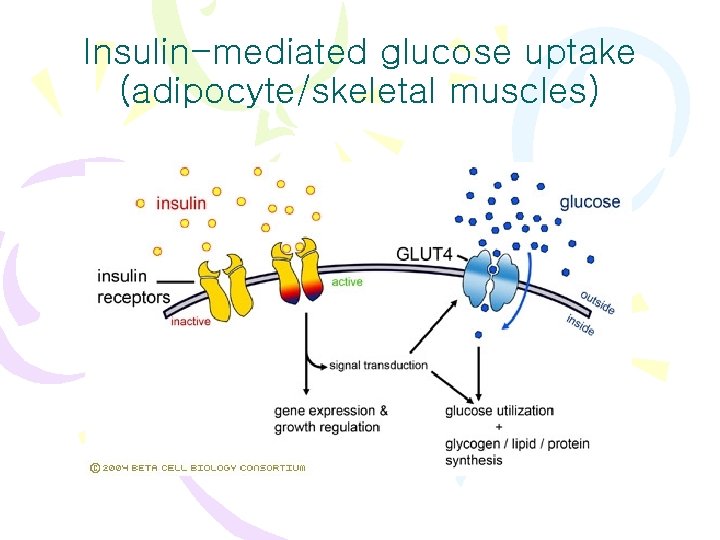
Insulin-mediated glucose uptake (adipocyte/skeletal muscles)
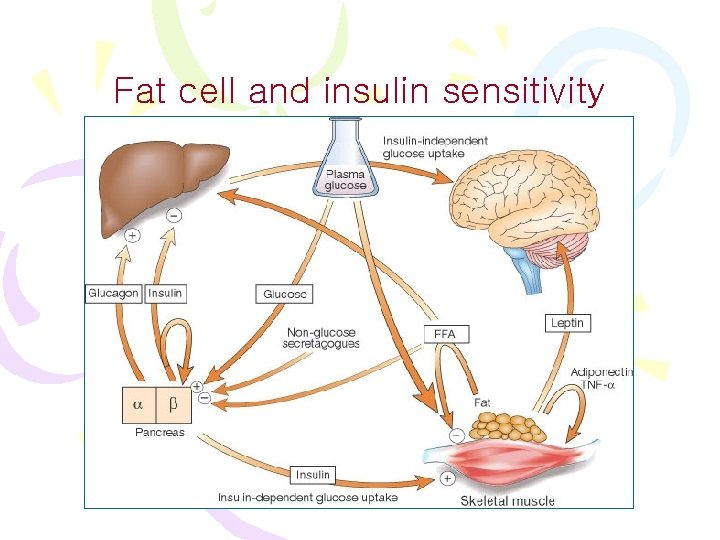
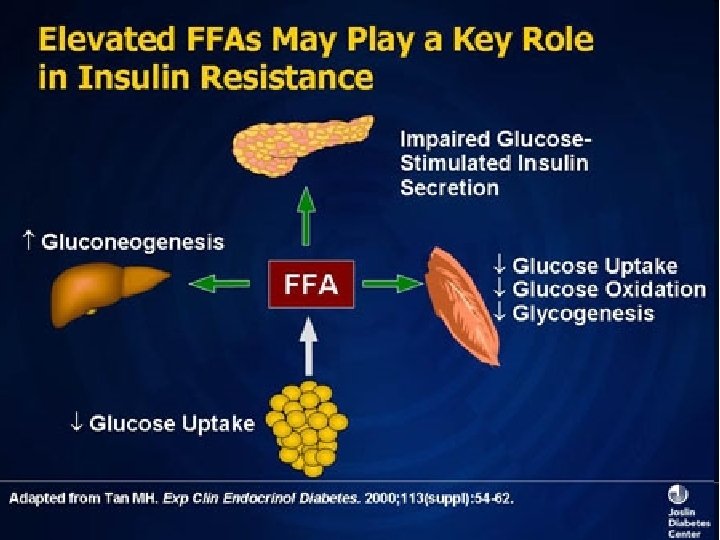
Fat cell and insulin sensitivity
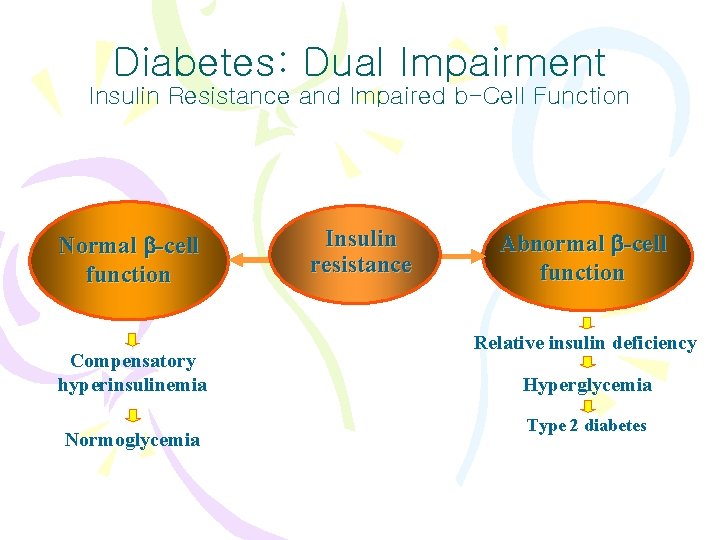
Diabetes: Dual Impairment Insulin Resistance and Impaired b-Cell Function Normal -cell function Compensatory hyperinsulinemia Normoglycemia Insulin resistance Abnormal -cell function Relative insulin deficiency Hyperglycemia Type 2 diabetes
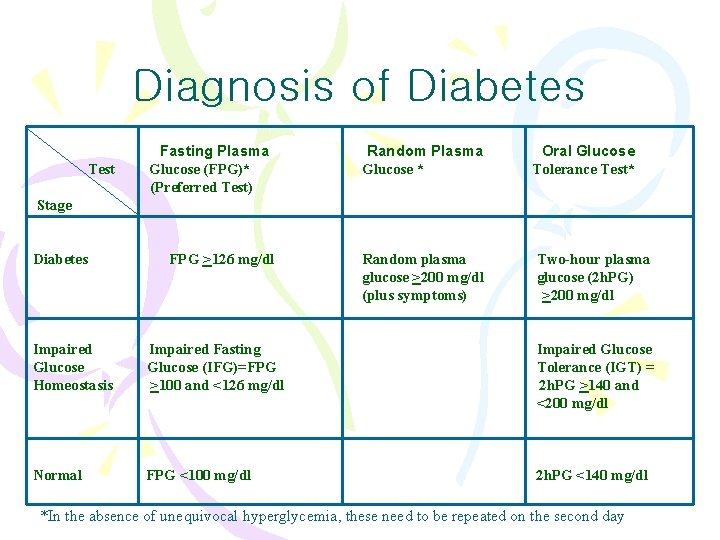
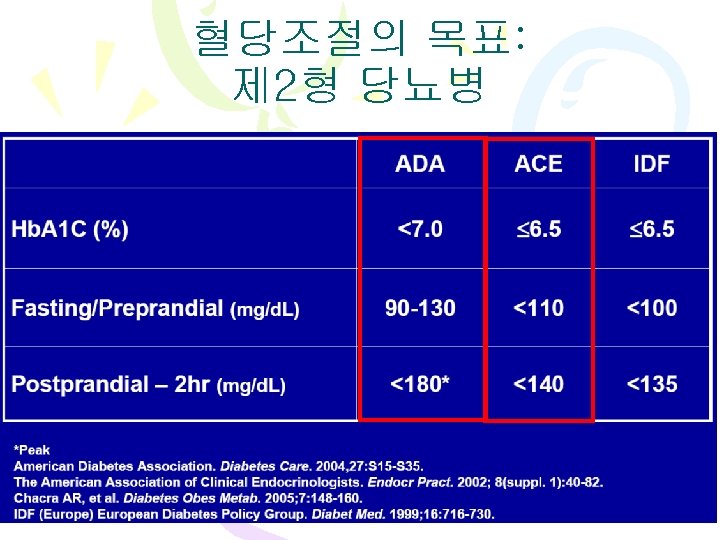
Diagnosis of Diabetes Test Fasting Plasma Glucose (FPG)* (Preferred Test) Random Plasma Glucose * Oral Glucose Tolerance Test* Random plasma glucose >200 mg/dl (plus symptoms) Two-hour plasma glucose (2 h. PG) >200 mg/dl Stage Diabetes FPG >126 mg/dl Impaired Glucose Homeostasis Impaired Fasting Glucose (IFG)=FPG >100 and <126 mg/dl Impaired Glucose Tolerance (IGT) = 2 h. PG >140 and <200 mg/dl Normal FPG <100 mg/dl 2 h. PG <140 mg/dl *In the absence of unequivocal hyperglycemia, these need to be repeated on the second day
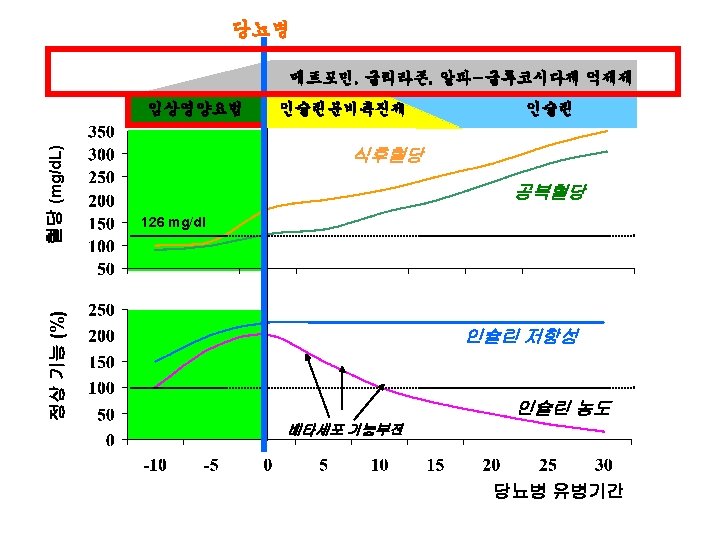
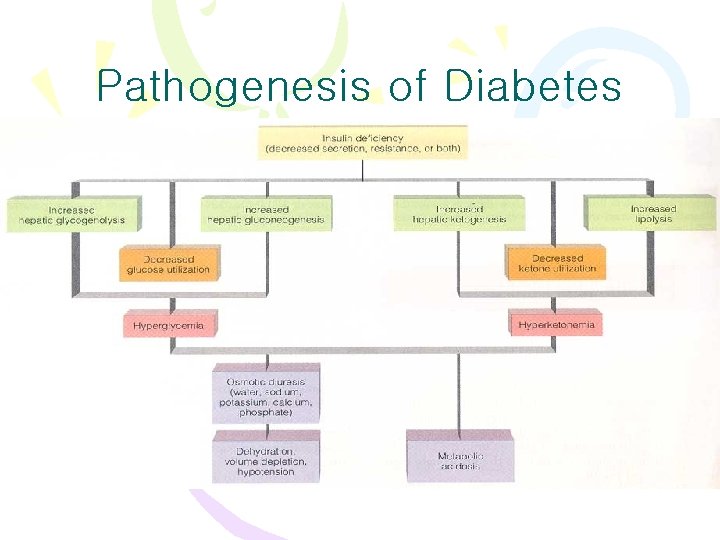
Pathogenesis of Diabetes