
General Features and Major Evolutionary Trends of Apes




- Slides: 30
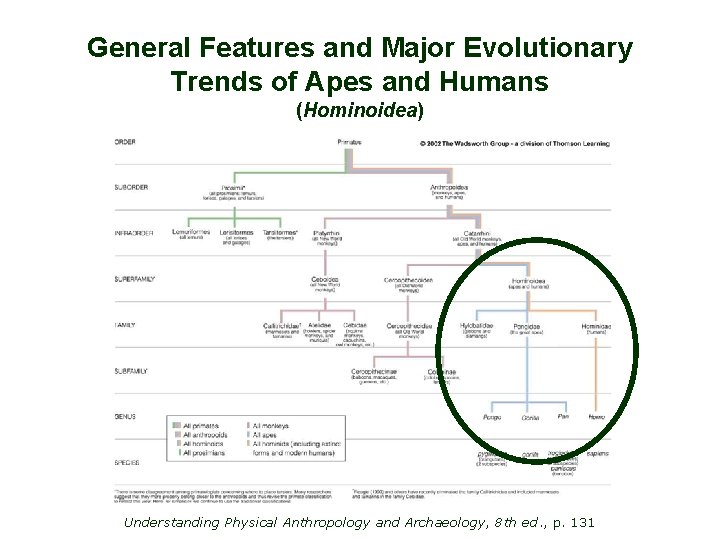
General Features and Major Evolutionary Trends of Apes and Humans (Hominoidea) Understanding Physical Anthropology and Archaeology, 8 th ed. , p. 131
First, Some Important Terms
“Anthropoids” = all living and extinct monkeys, apes and humans
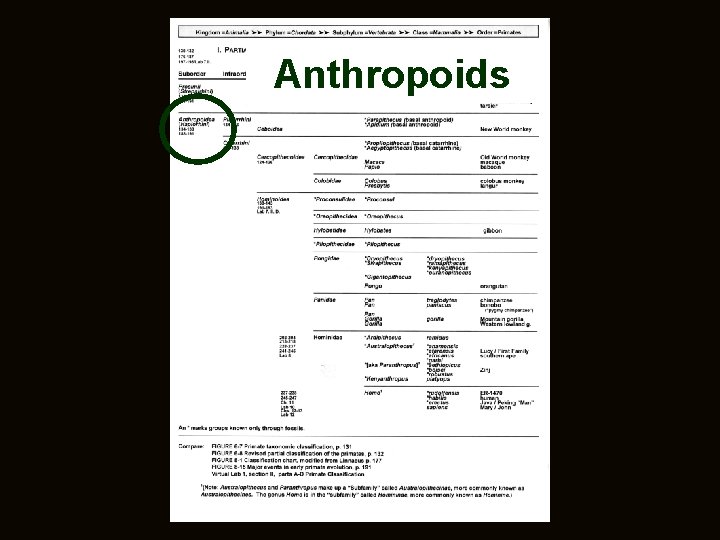
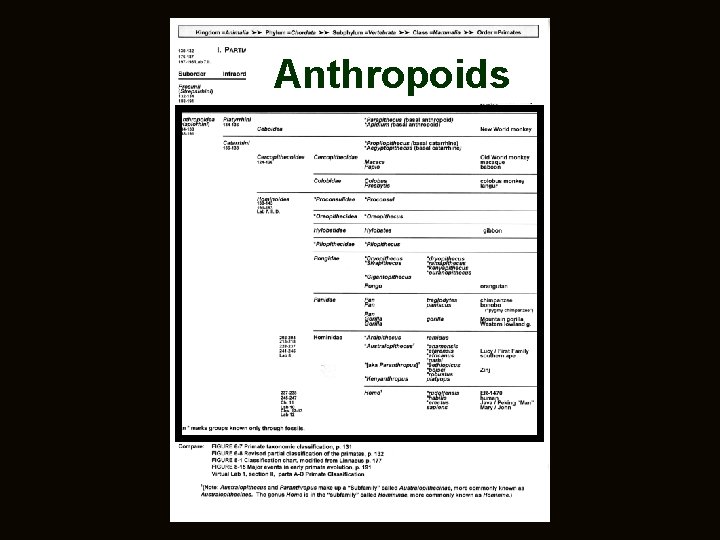
Anthropoids
Anthropoids
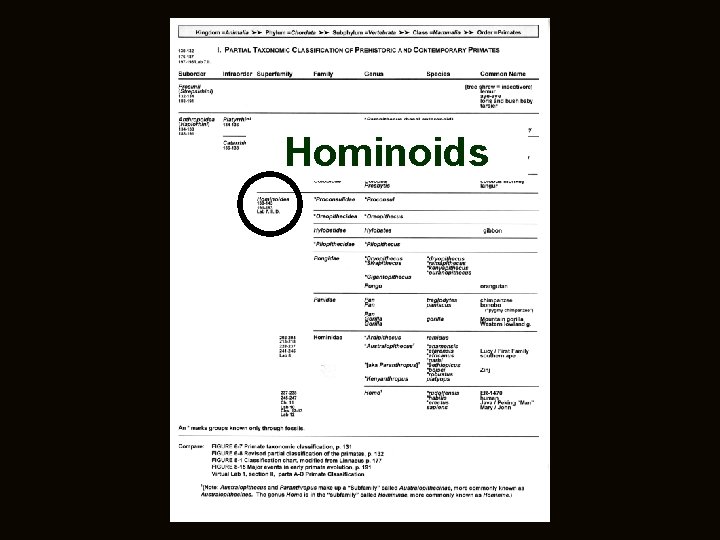
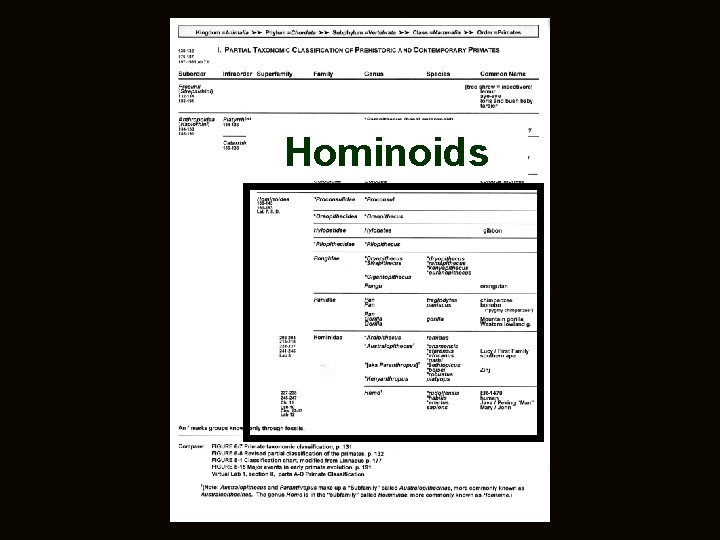
“Hominoids” = all living and extinct apes and humans
Hominoids
Hominoids
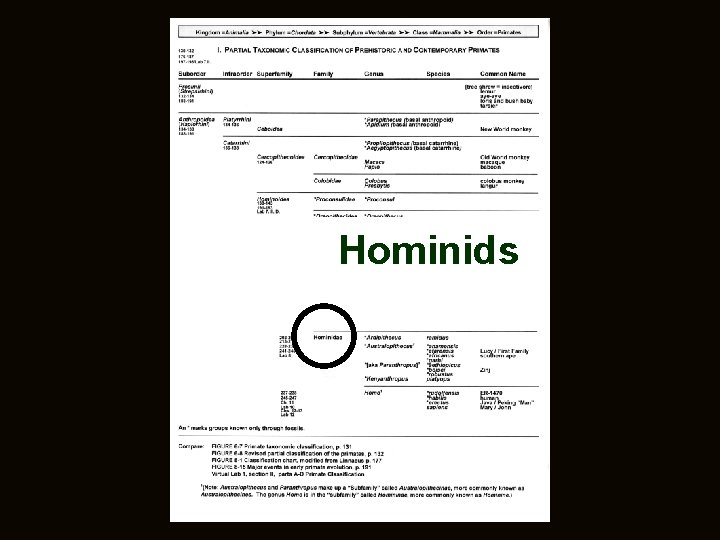
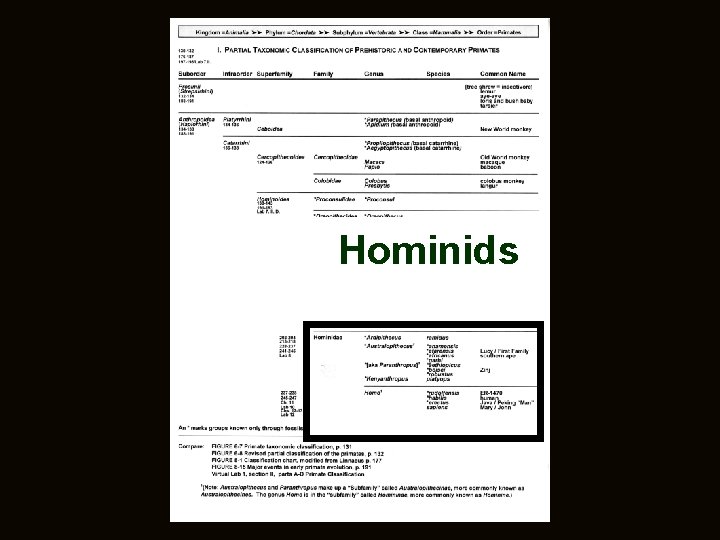
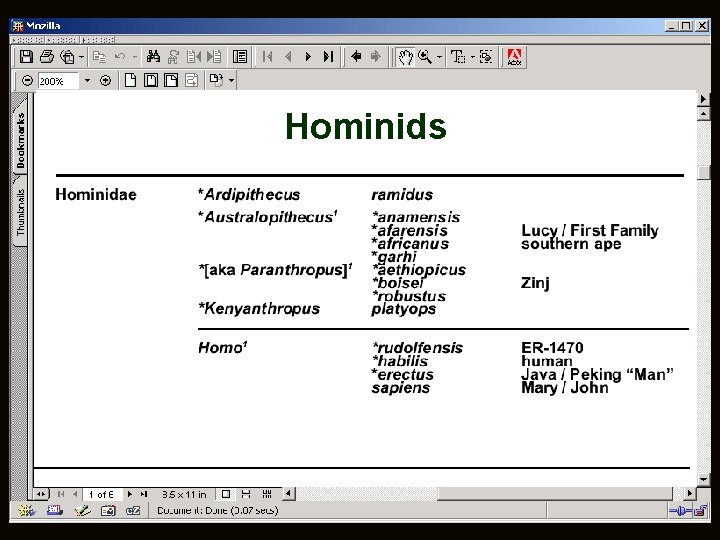
“Hominids” = modern humans and their nearest predecessors
Hominids
Hominids
Hominids
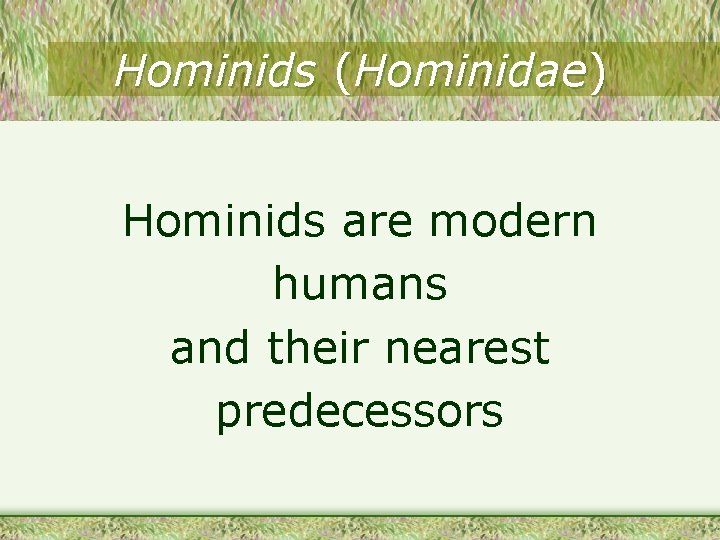
Hominids (Hominidae) Hominids are modern humans and their nearest predecessors
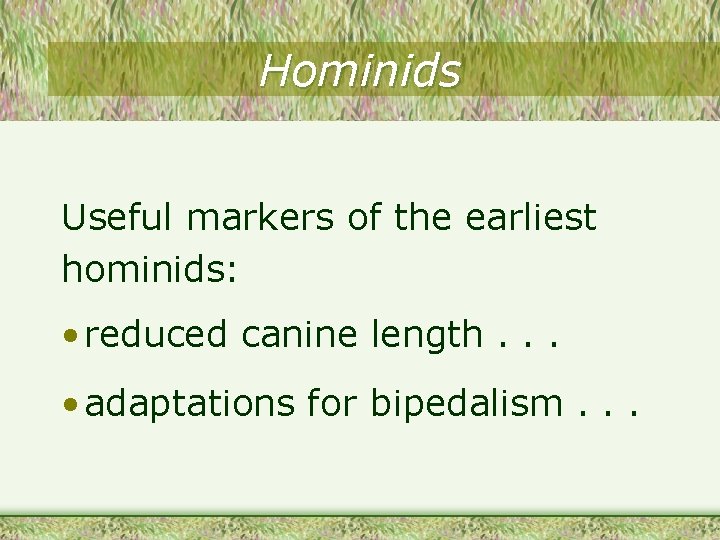
Hominids Useful markers of the earliest hominids: • reduced canine length. . . • adaptations for bipedalism. . .
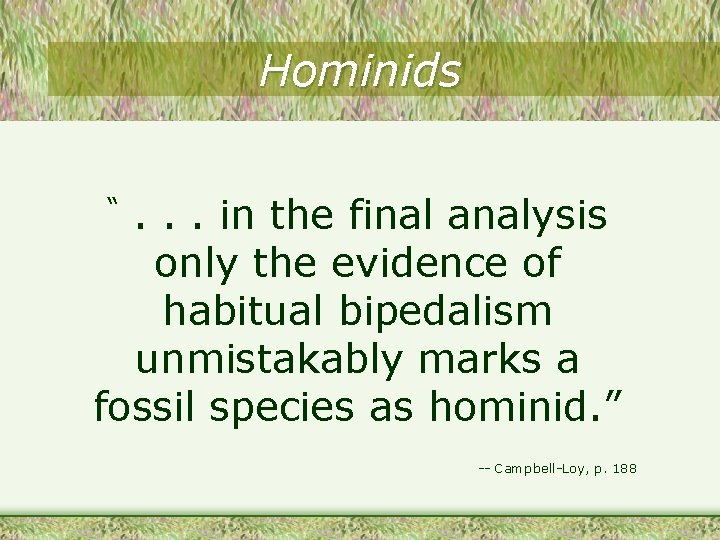
Hominids. . . in the final analysis only the evidence of habitual bipedalism unmistakably marks a fossil species as hominid. ” “ -- Campbell-Loy, p. 188
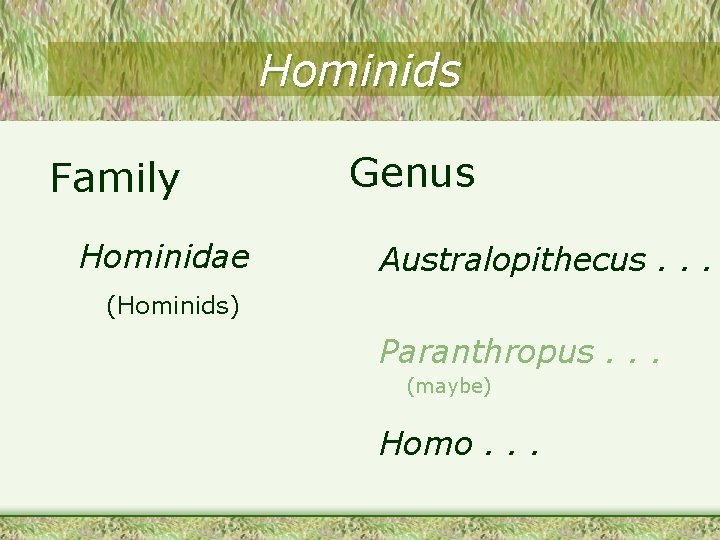
Hominids Family Hominidae Genus Australopithecus. . . (Hominids) Paranthropus. . . (maybe) Homo. . .
Hominids Over-all Comparisons Gibbon Orangutan Chimpanzee Gorilla Modern Human
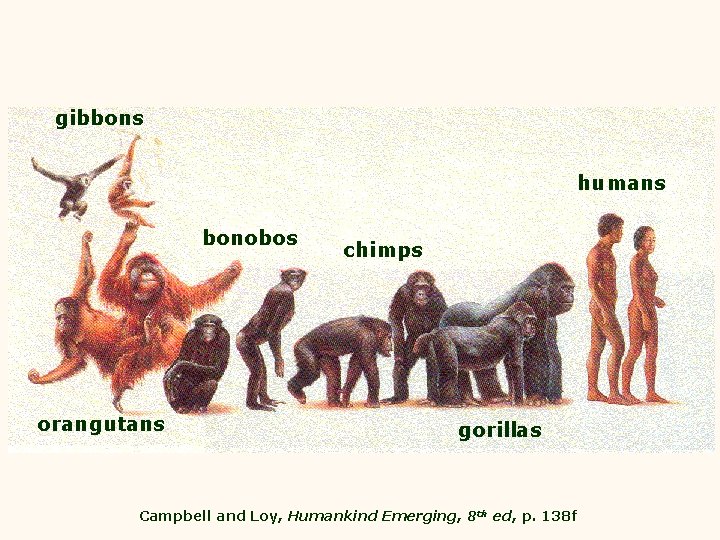
gibbons humans bonobos orangutans chimps gorillas Campbell and Loy, Humankind Emerging, 8 th ed, p. 138 f
General Features and Major Evolutionary Trends of Apes and Humans (Hominoidea) Understanding Physical Anthropology and Archaeology, 8 th ed. , p. 131
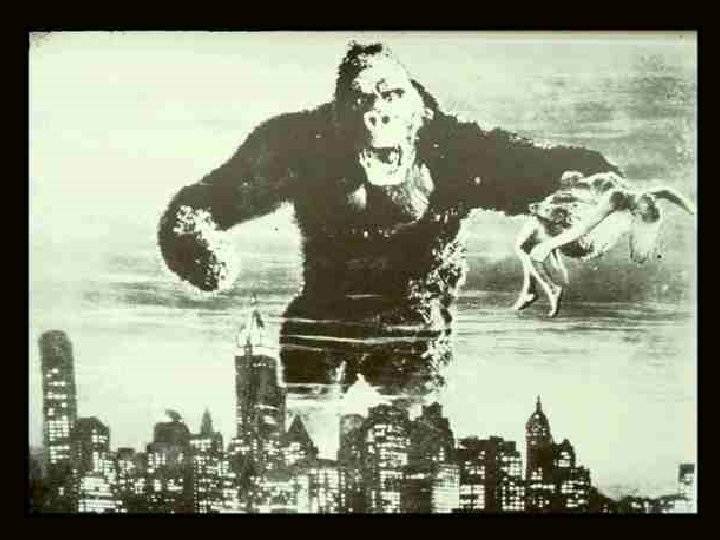
General Features / Trends of Apes / Humans 1. As a group the apes have been the subject of much mythology and many misconceptions
Understanding Physical Anthropology and Archaeology, 8 th ed. , p. 168
General Features / Trends of Apes / Humans 2. “Dental apes” probably originated in the early Oligocene
Understanding Physical Anthropology and Archaeology, 8 th ed. , p. 183
General Features / Trends of Apes / Humans Dental apes are “apes” with monkey-like bodies who did not hang or swing
General Features / Trends of Apes / Humans Dental apes are Oligocene Anthropoids
Next: Oligocene Anthropoids Understanding Physical Anthropology and Archaeology, 8 th ed. , p. 191