
General Biology II Lab IRSC Protists Exercise 2
General Biology II Lab IRSC Protists, Exercise 2
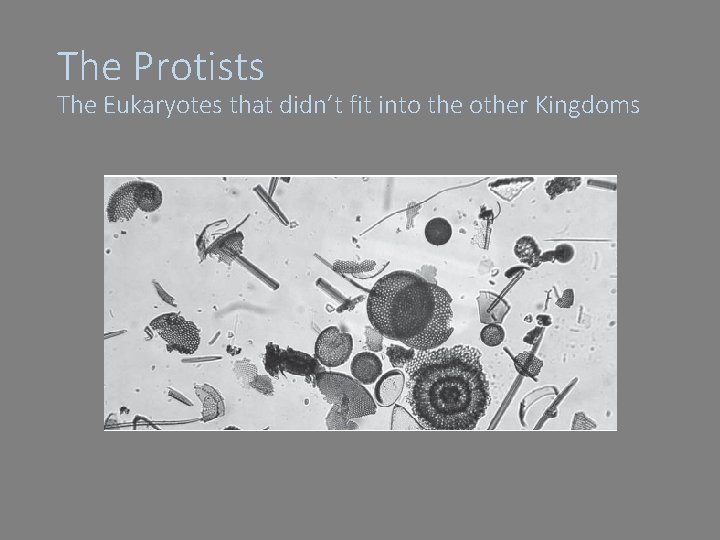
The Protists The Eukaryotes that didn’t fit into the other Kingdoms
• Domain Eukarya includes all organisms made up of eukaryotic cells • Includes protists, fungi, plant and animals • This exercise focuses on the protists
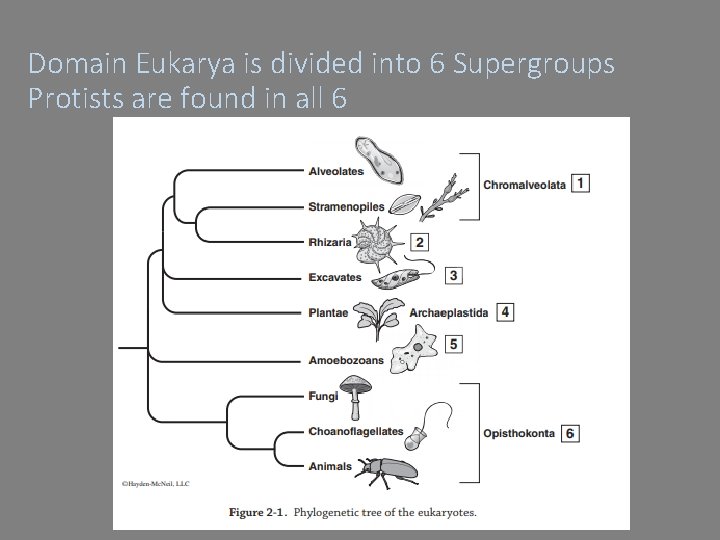
Domain Eukarya is divided into 6 Supergroups Protists are found in all 6

• Some protists are unicellular, some are multicellular • Methods of protist motility • Some have flagella • Some have pseudopodia • Some have cilia • Protozoans – heterotrophic protists (some cause disease) • Algae – autotrophic protists • Microscopic algae – phytoplankton • Macroscopic algae - seaweed
Protozoan examples • Protozoans are heterotrophic • Some of them can cause disease
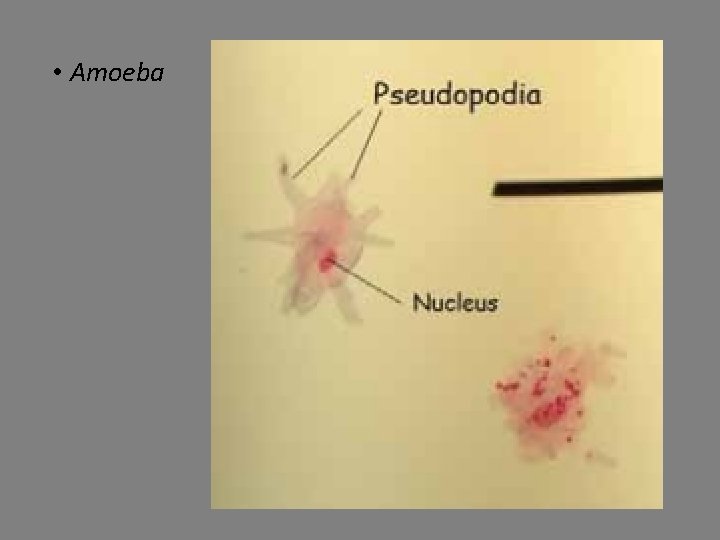
• Amoeba
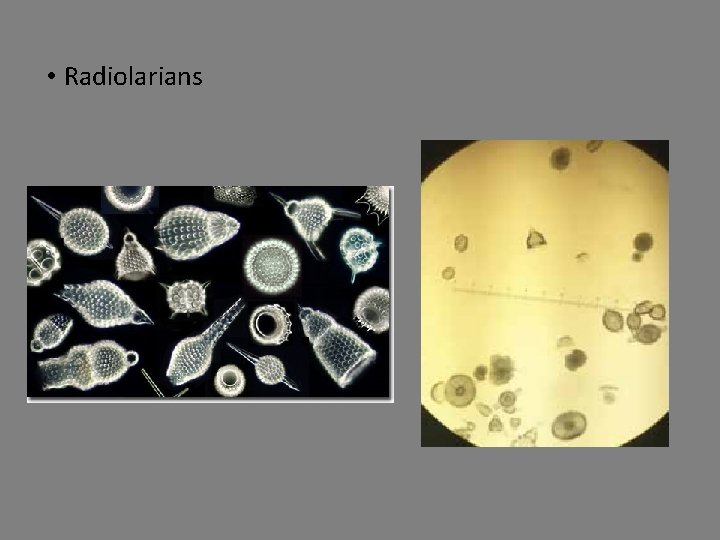
• Radiolarians
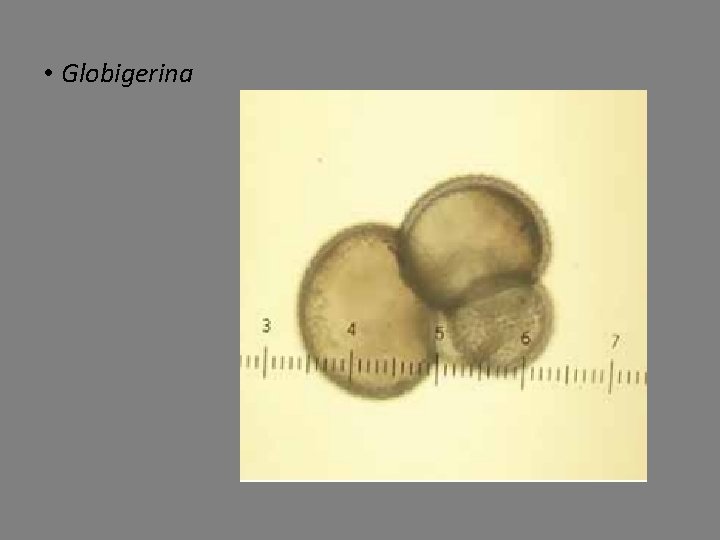
• Globigerina
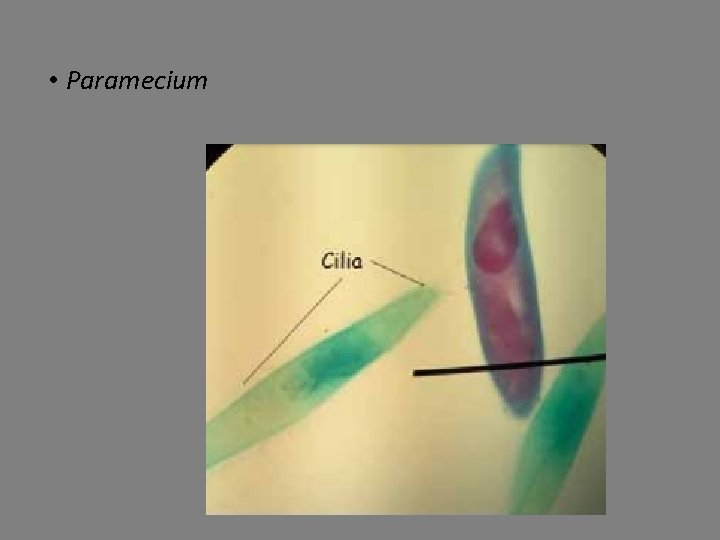
• Paramecium
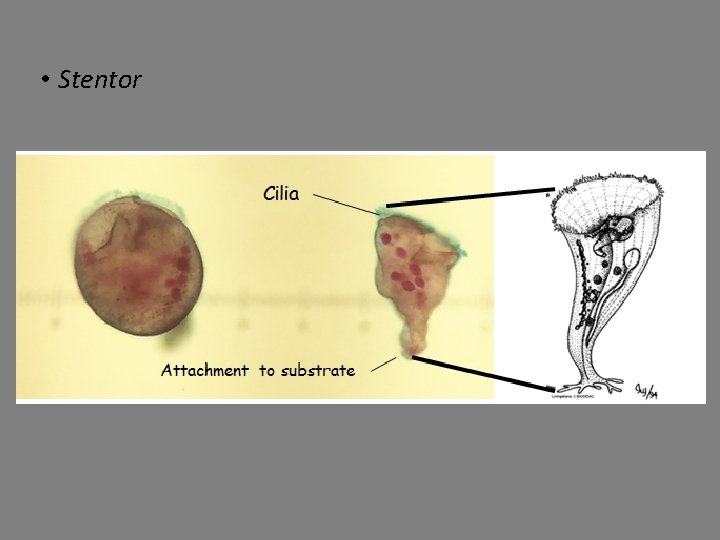
• Stentor
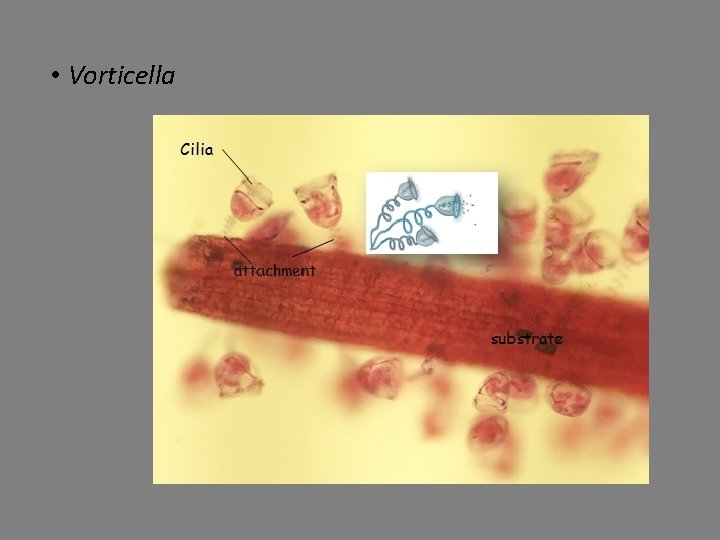
• Vorticella
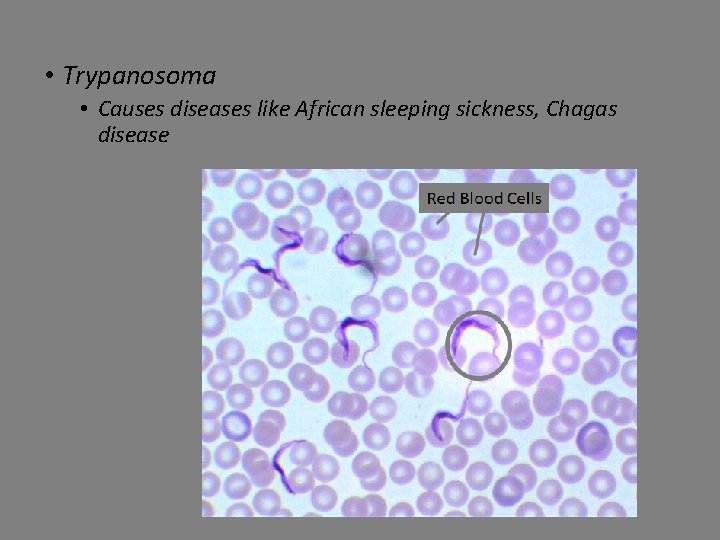
• Trypanosoma • Causes diseases like African sleeping sickness, Chagas disease
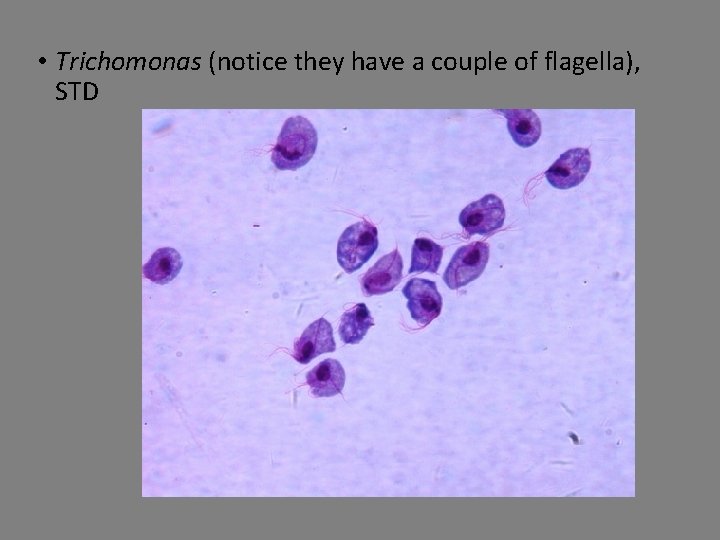
• Trichomonas (notice they have a couple of flagella), STD
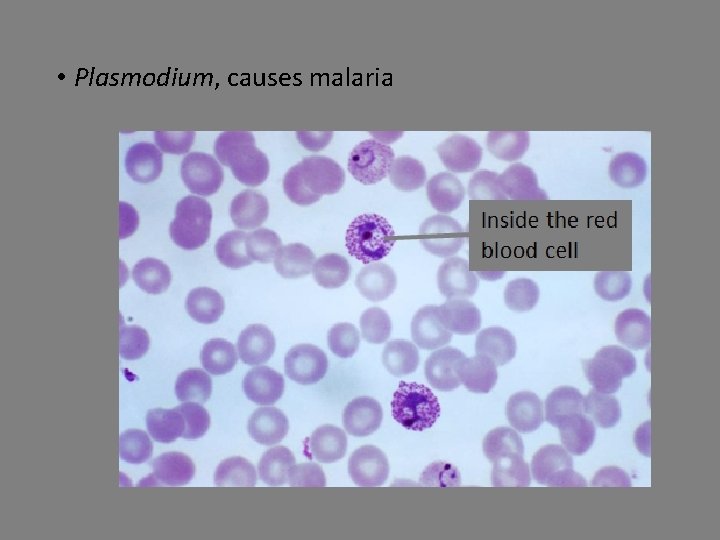
• Plasmodium, causes malaria
Algae examples • Algae are photosynthetic • Unicellular algae are phytoplankton • Multicellular algae are seaweeds
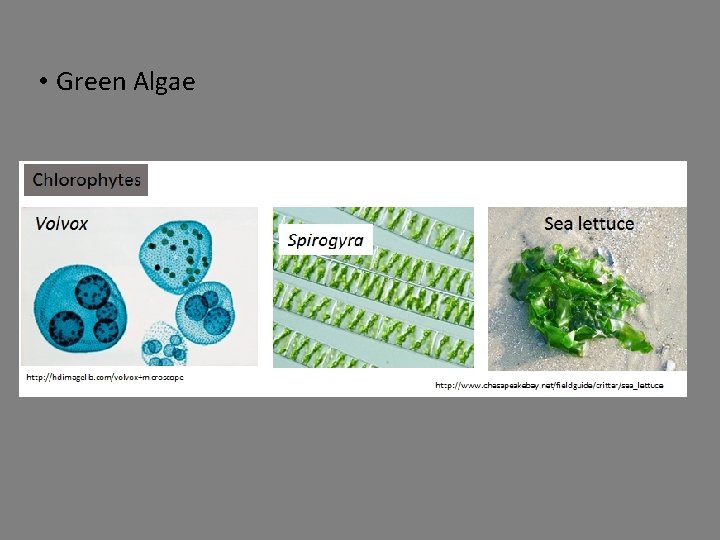
• Green Algae
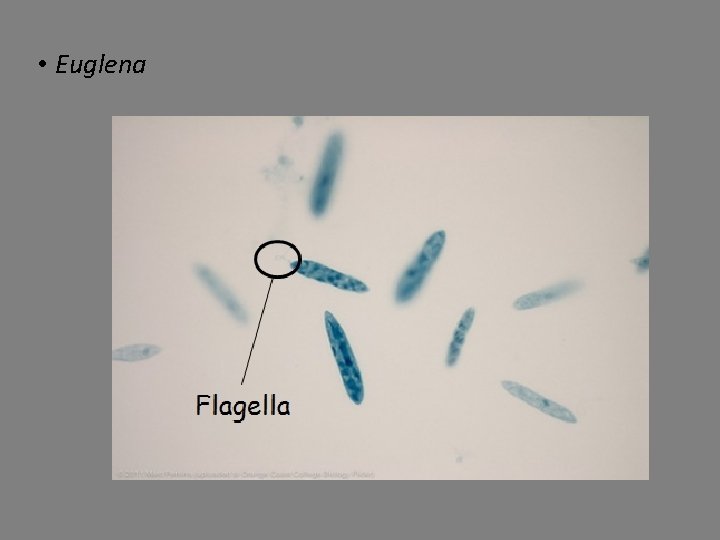
• Euglena
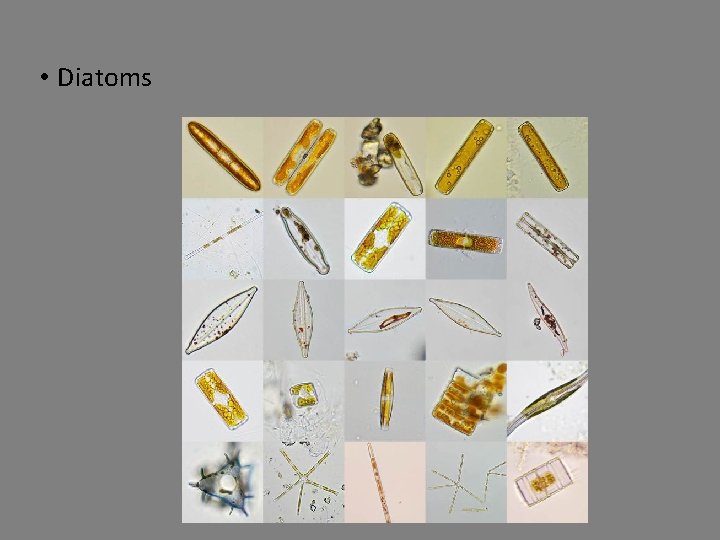
• Diatoms
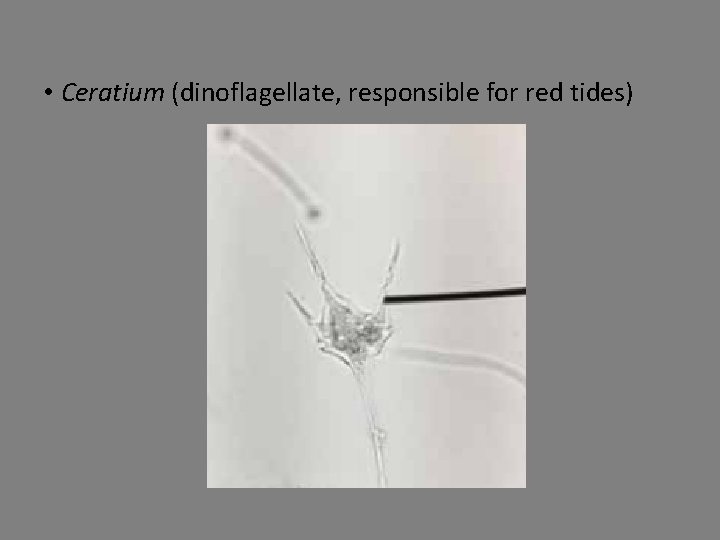
• Ceratium (dinoflagellate, responsible for red tides)
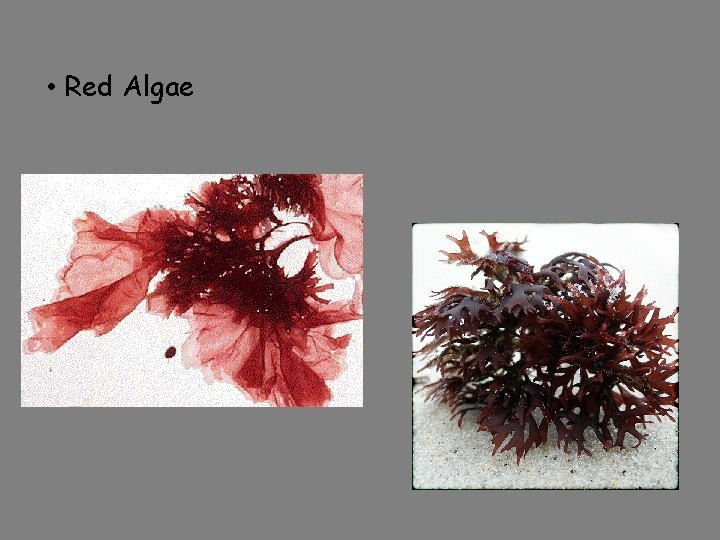
• Red Algae
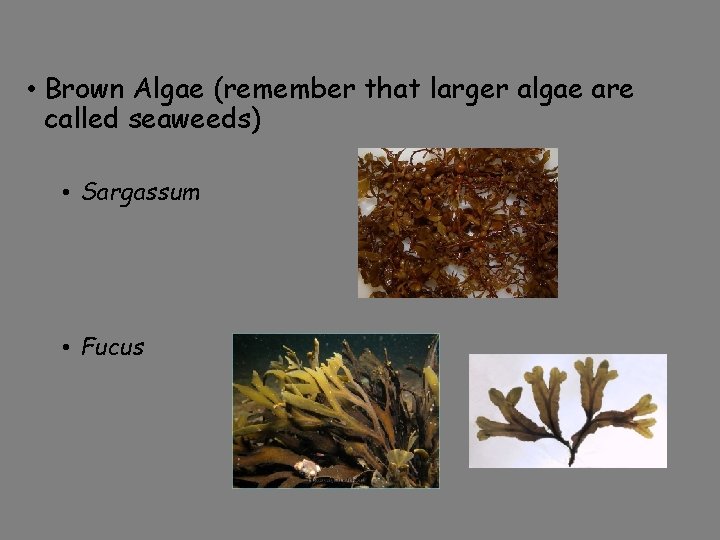
• Brown Algae (remember that larger algae are called seaweeds) • Sargassum • Fucus
Slime molds • Once thought to be Fungi • Group of eukaryotic cells that can live freely as single cells but will aggregate together to form multicellular reproductive structures • Amoeba-like • They can move like an animal but act like a fungus
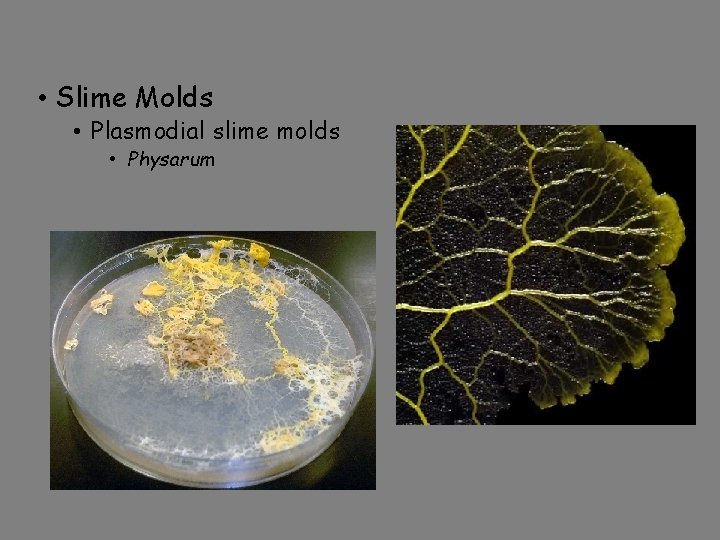
• Slime Molds • Plasmodial slime molds • Physarum
• Are protists prokaryotic or eukaryotic? • Are photosynthetic protists called protozoans or algae? • What are microscopic algae called? • What are macroscopic algae called? • Make flashcards
- Slides: 26