
Gender Equality Index and intersectionality Conference 11 October
Gender Equality Index and intersectionality Conference // 11 October 2017, Brussels
What is intersectionality?
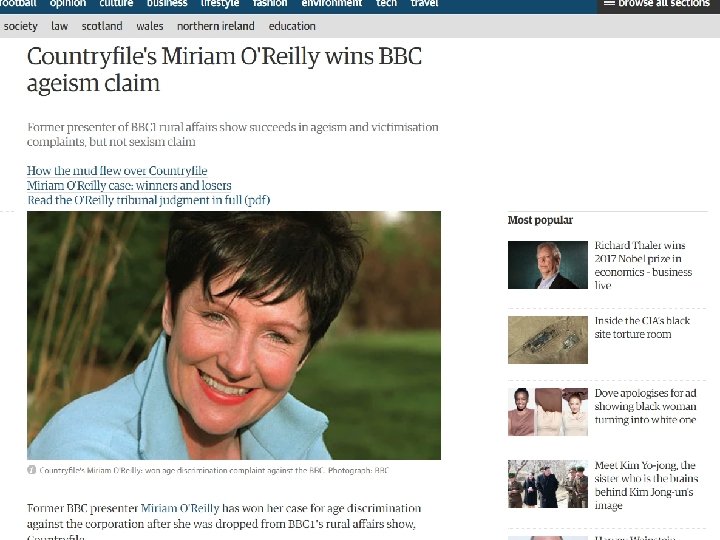
Intersections covered by the Gender Equality Index Gender gaps GENDER + Age Country of birth Dis/ability Parenthood and family type Level of education

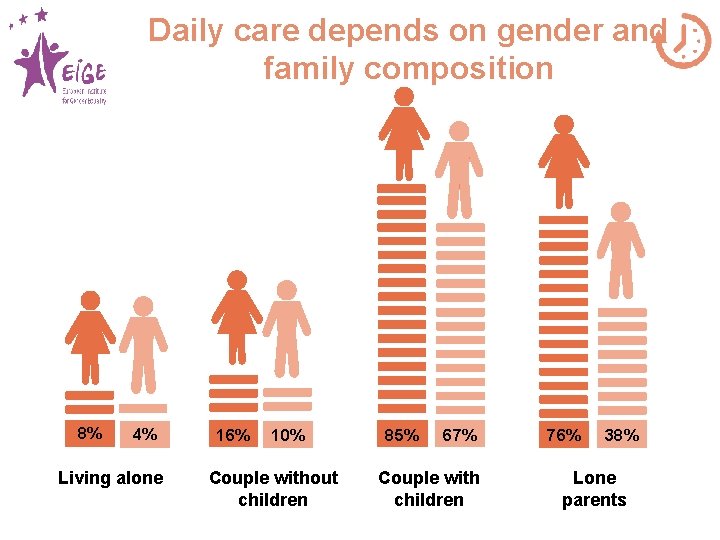
Daily care depends on gender and family composition 8% 4% Living alone 16% 10% Couple without children 85% 67% Couple with children 76% 38% Lone parents
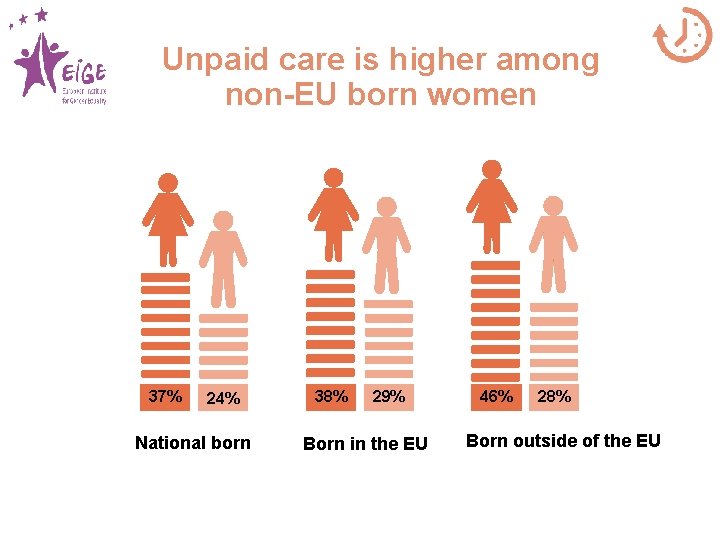
Unpaid care is higher among non-EU born women 37% 24% National born 38% 29% Born in the EU 46% 28% Born outside of the EU
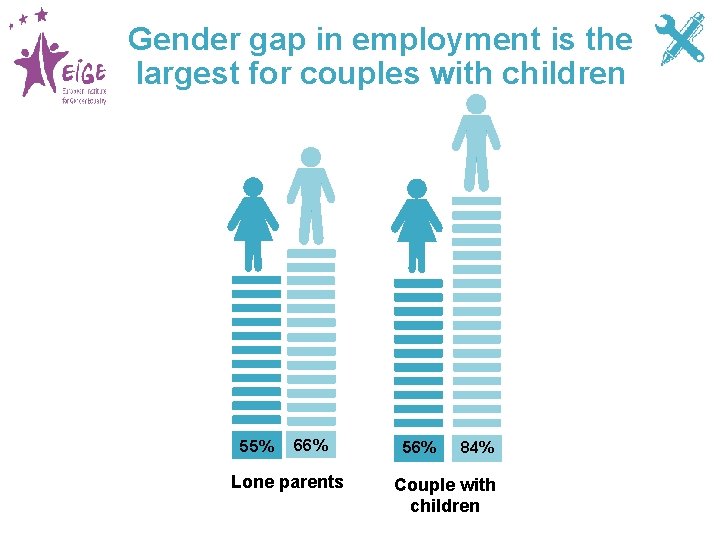
Gender gap in employment is the largest for couples with children 55% 66% Lone parents 56% 84% Couple with children
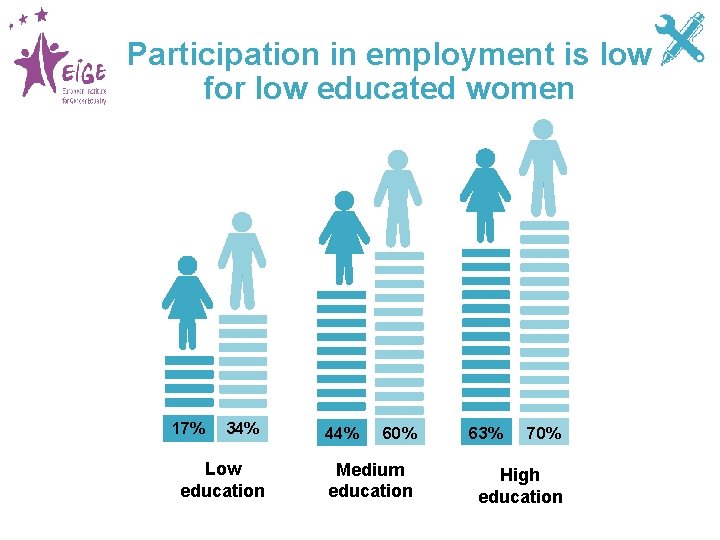
Participation in employment is low for low educated women 17% 34% Low education 44% 60% Medium education 63% 70% High education
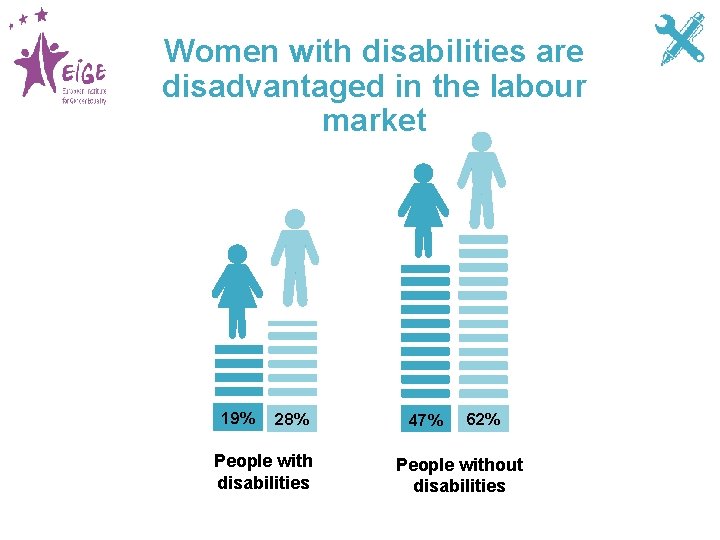
Women with disabilities are disadvantaged in the labour market 19% 28% People with disabilities 47% 62% People without disabilities
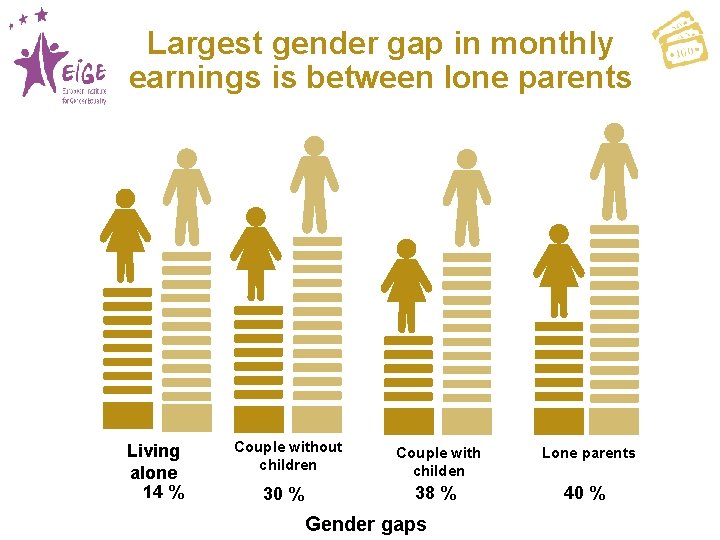
Largest gender gap in monthly earnings is between lone parents Living alone 14 % Couple without children 30 % Couple with childen Lone parents 38 % 40 % Gender gaps
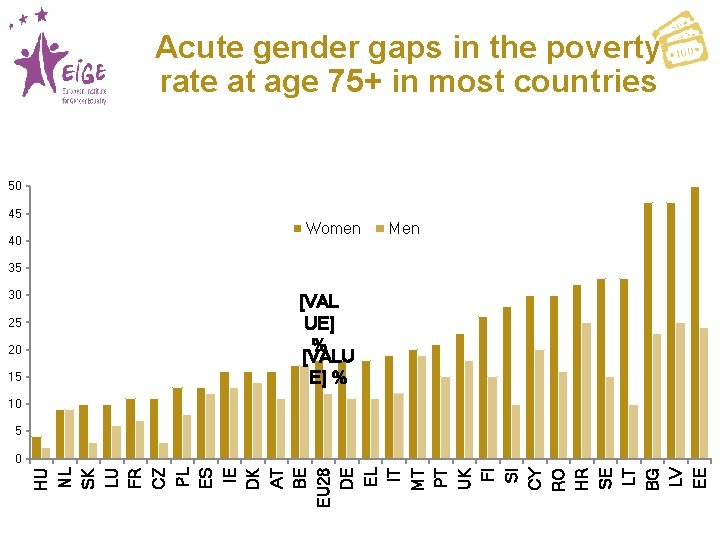
Acute gender gaps in the poverty rate at age 75+ in most countries 50 45 40 Women Men 35 30 25 20 15 [VAL UE] % [VALU E] % 10 5 HU NL SK LU FR CZ PL ES IE DK AT BE EU 28 DE EL IT MT PT UK FI SI CY RO HR SE LT BG LV EE 0
Policies need to reach everyone! Gender is an underlying ground of all inequalities. Implementation of gender and intersectional perspective helps to develop more equitable and effective policies. We need more and better data for intersectional analysis.
- Slides: 13