
Gastrointestinal Tract Infections Done By Mona ElNa JJar
Gastrointestinal Tract Infections Done By : Mona El-Na. JJar Fatma F. Abu-Qados Farha El-Toom TO : Dr. Ayham Abu-lealah
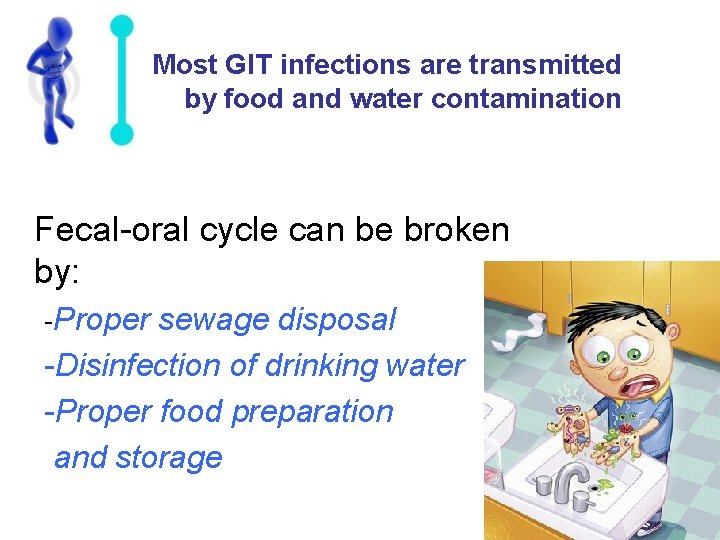
Most GIT infections are transmitted by food and water contamination Fecal-oral cycle can be broken by: -Proper sewage disposal -Disinfection of drinking water -Proper food preparation and storage
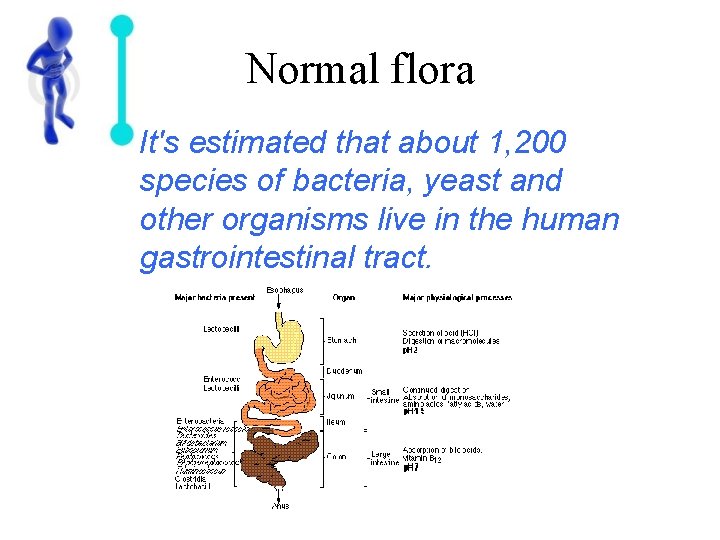
Normal flora It's estimated that about 1, 200 species of bacteria, yeast and other organisms live in the human gastrointestinal tract.

Dental Caries Figure 25. 3 a, b
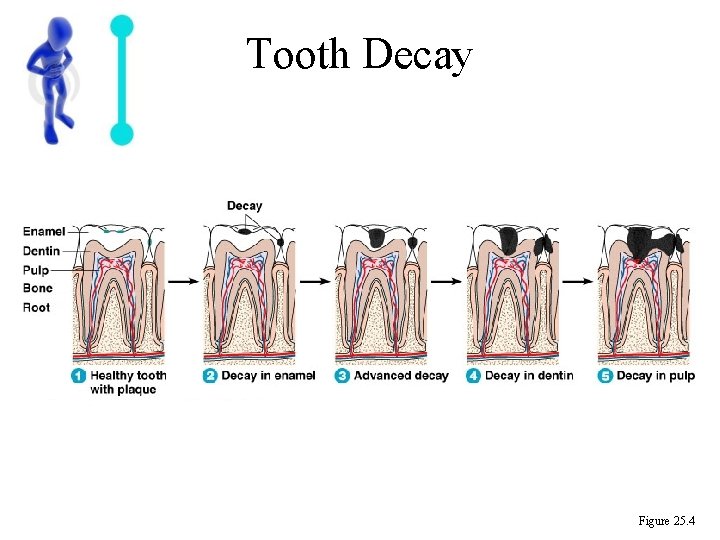
Tooth Decay Figure 25. 4
Diseases of the Lower Digestive System Food Poisoning • Acute enteric infection caused by bacteria or toxins present in food at consumption.
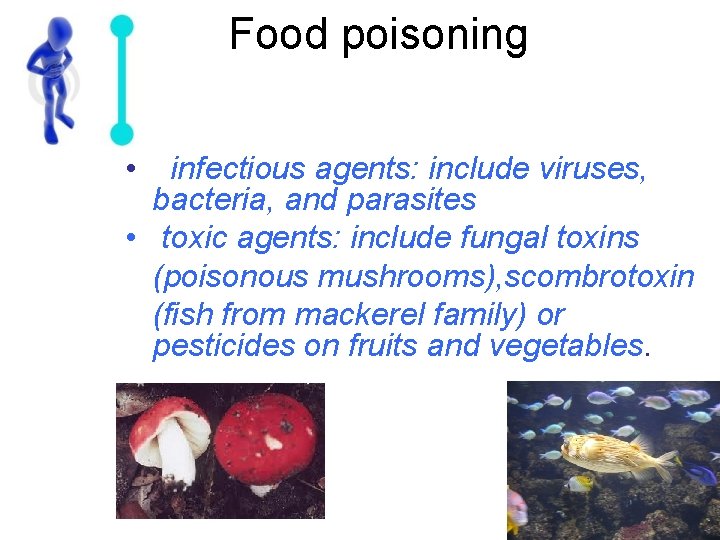
Food poisoning • infectious agents: include viruses, bacteria, and parasites • toxic agents: include fungal toxins (poisonous mushrooms), scombrotoxin (fish from mackerel family) or pesticides on fruits and vegetables.
• symptoms can develop rapidly, within 30 minutes, or slowly, worsening over days to weeks. • Most of the common contaminants cause: nausea, vomiting, diarrhea, and abdominal cramping. • Usually food poisoning is not serious, and the illness runs its course in 24 -48 hours.

• If vomiting occurs only an hour or so after food consumption … • What's the causes ?
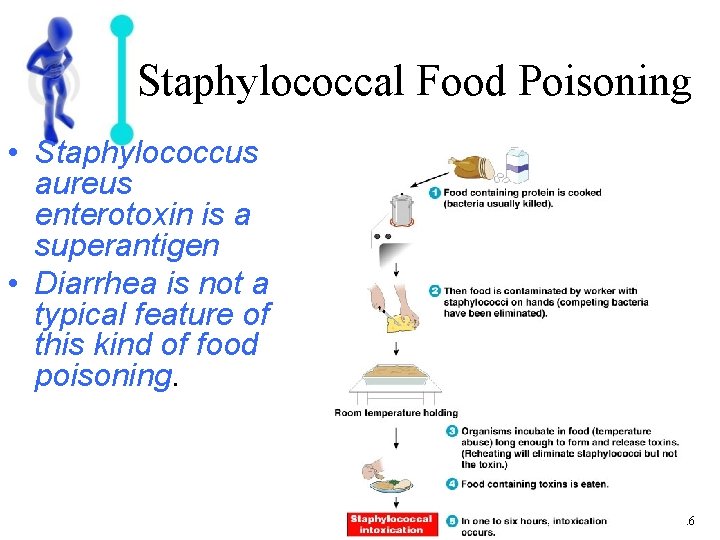
Staphylococcal Food Poisoning • Staphylococcus aureus enterotoxin is a superantigen • Diarrhea is not a typical feature of this kind of food poisoning. Figure 25. 6

Bacillus cereus • B. cereus : spore-forming bacillus that associated with reheated fried rice. • Ingestion of bacterial exotoxin produces mild symptoms
• If the vomiting is less pronounced but there abdominal pain 12 -24 after contaminated food consumption? ? ?
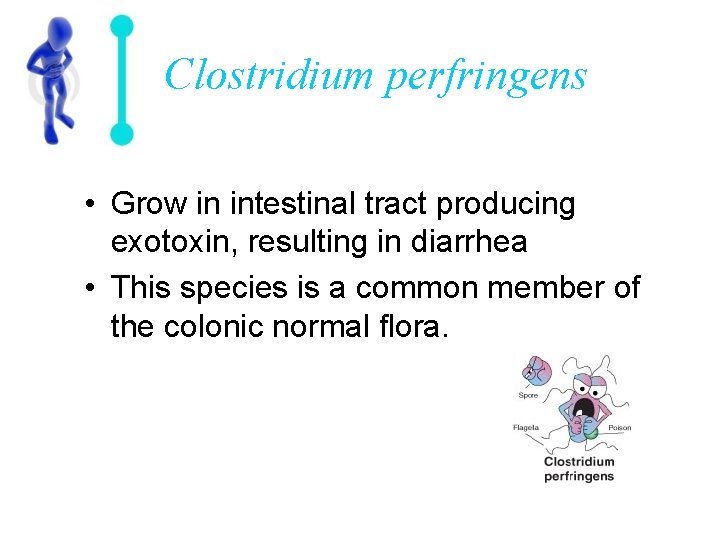
Clostridium perfringens • Grow in intestinal tract producing exotoxin, resulting in diarrhea • This species is a common member of the colonic normal flora.
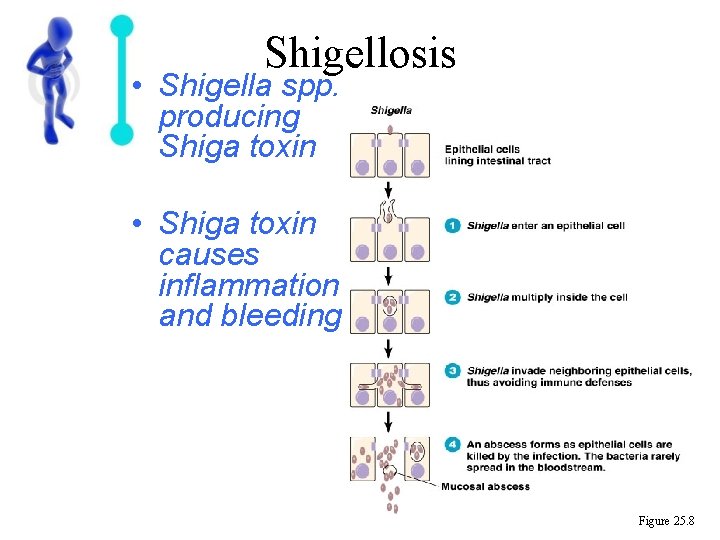
Shigellosis • Shigella spp. producing Shiga toxin • Shiga toxin causes inflammation and bleeding Figure 25. 8
• High-level contamination with salmonella or campylobacter spp. May result in a food poisoning-like syndrome. • But, these species are more typically associated with enteritis caused by bacterial invasion of the intestinal mucosa.

Salmonellosis • Salmonella spp. such as S. enterica Typhimurium • Mortality (<1%) due to septic shock caused by endotoxin Figure 25. 9

What if Chickens Wanted to Rule the World…would they Sabotage Eggs? OK, Chickens…phase 1 of our plan for global domination, “Operation Rotten Eggs” is a success!

Campylobacter Gastroenteritis • Campylobacter jejuni • Usually transmitted in cow's milk and related products.
Infective diarrhea • gastroenteritis • Loose and/or watery stools caused by the action of microorganisms or their toxins on the intestine. • Secretory diarrhea may result in torrential outpouring of fluid into the intestine, with a risk of subsequent hypovolaemic shock and renal failure.
Cholera • Vibrio cholerae serotypes that produce cholera toxin • Toxin causes host cells to secrete Cl –, HCO–, and water, result in diarrheal disease.
Escherichia coli Gastroenteritis • Occurs as traveler's diarrhea and epidemic diarrhea in nurseries • Enterohemorrhagic strains such as E. coli O 157: H 7 produce Shiga toxin
Yersinia Gastroenteritis • Y. enterocolitica • Can reproduce at 4°C • Usually transmitted in meat and milk
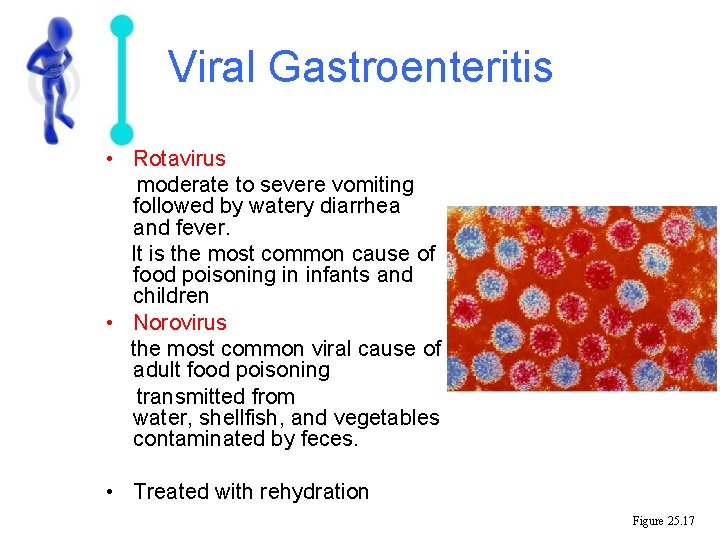
Viral Gastroenteritis • Rotavirus moderate to severe vomiting followed by watery diarrhea and fever. It is the most common cause of food poisoning in infants and children • Norovirus the most common viral cause of adult food poisoning transmitted from water, shellfish, and vegetables contaminated by feces. • Treated with rehydration Figure 25. 17
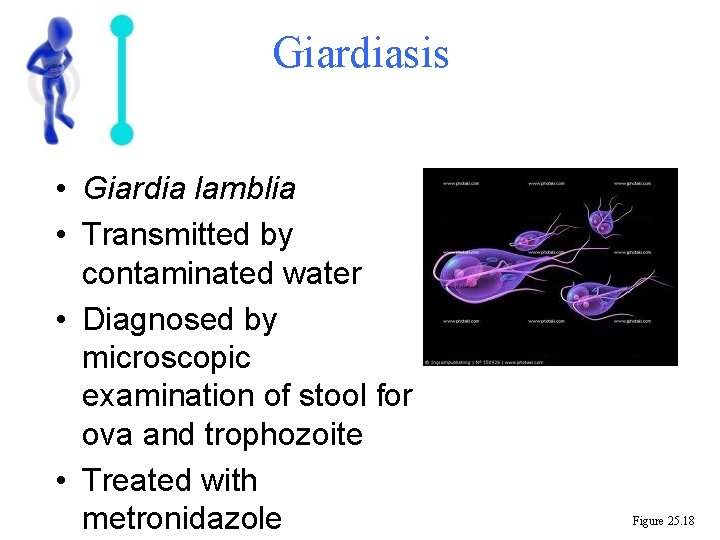
Giardiasis • Giardia lamblia • Transmitted by contaminated water • Diagnosed by microscopic examination of stool for ova and trophozoite • Treated with metronidazole Figure 25. 18
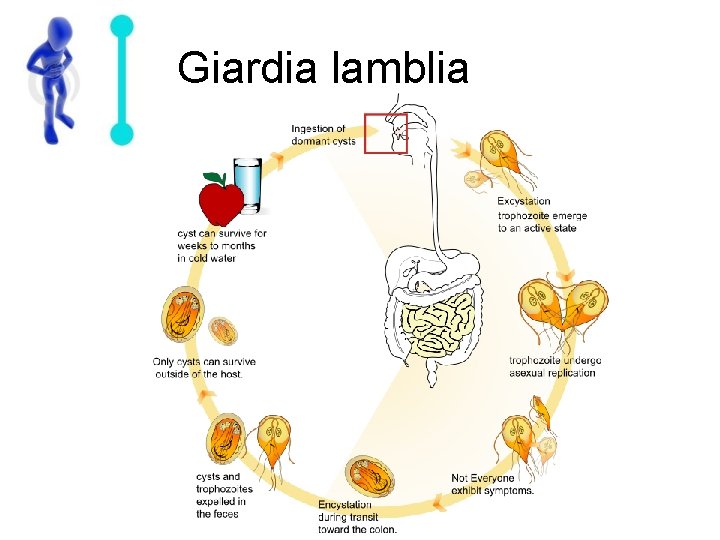
Giardia lamblia
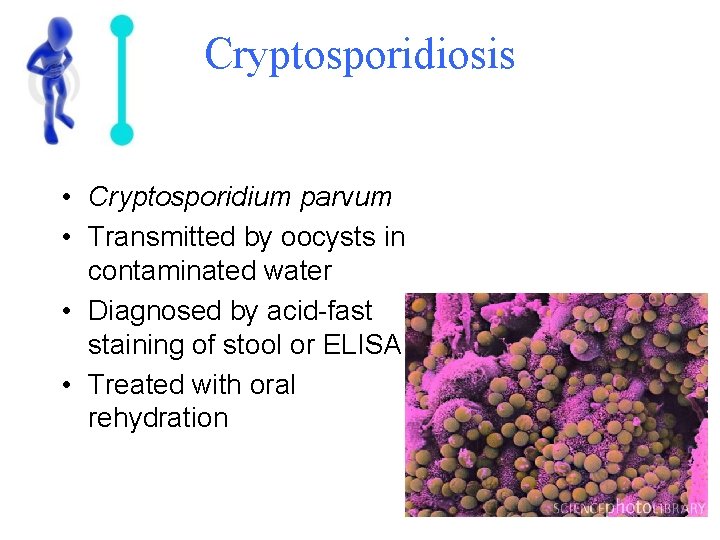
Cryptosporidiosis • Cryptosporidium parvum • Transmitted by oocysts in contaminated water • Diagnosed by acid-fast staining of stool or ELISA • Treated with oral rehydration
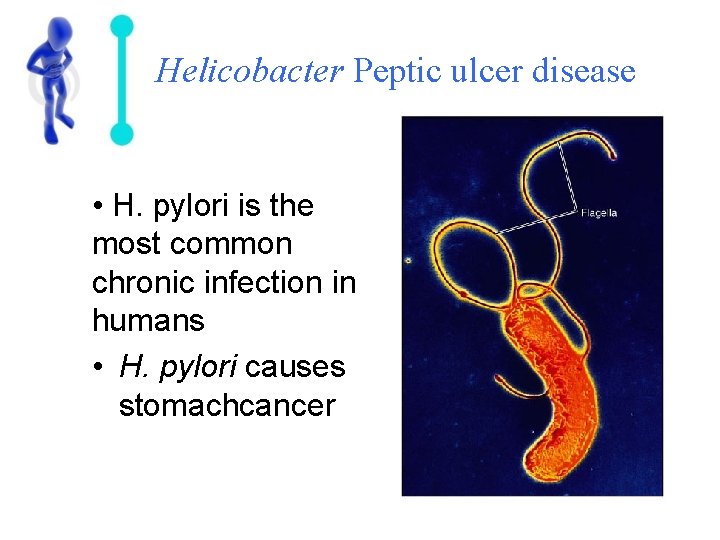
Helicobacter Peptic ulcer disease • H. pylori is the most common chronic infection in humans • H. pylori causes stomachcancer
Typhoid Fever • Salmonella typhi and paratyphi • Bacteria spread throughout body in phagocytes, cause systemic infection • Diarrhea is uncommon in early stage

Systemic complications • Despite invasion, bacteria that cause infective diarrhea rarely reach the systemic circulation. • Gastroenteritis is often self-limiting, and the care is supportive to control symptoms and prevent dehydration.


Colitis Infective colitis Ischemic colitis Inflamatory bowel disease Pseudomembranous colitis Microscopic colitis
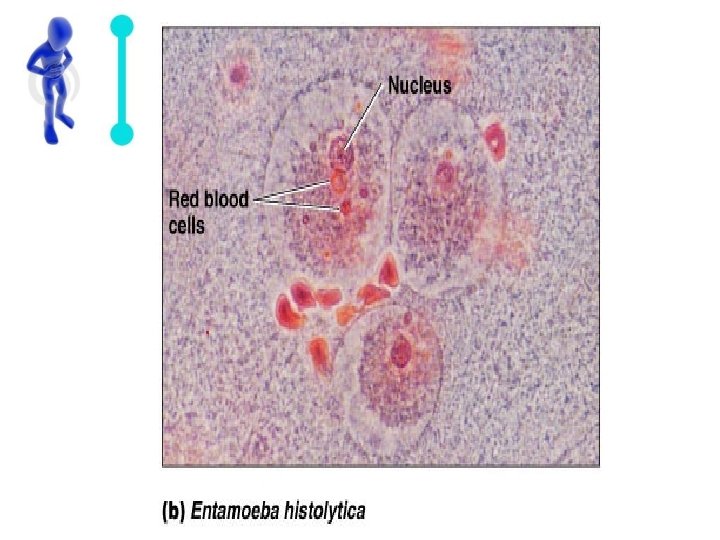
Infective colitis • • Campylobacter Shigella E. Coli Salmonella Bacillus dysentry • Giardia or E. histolytica Amoebic dysentery
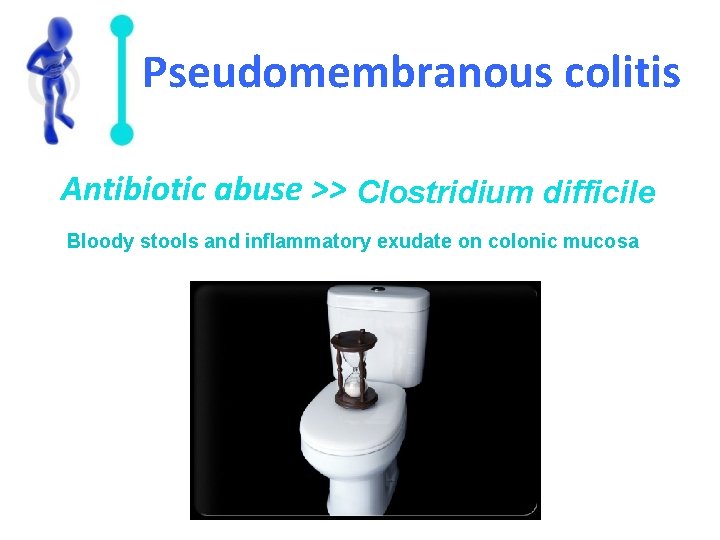
Pseudomembranous colitis Antibiotic abuse >> Clostridium difficile Bloody stools and inflammatory exudate on colonic mucosa
Infective Malabsorption is difficulty absorbing nutrients (sugars, fats, proteins, or vitamins ) from food. • Causes • • • Parasite infection, including Giardia lamblia Tapeworm infection (diphyllobothrium latum) Biliary atresia Celiac disease Certain medications (tetracycline, some antacids ) Certain types of cancer (lymphoma, pancreatic cancer) Cholestasis Chronic liver disease Crohn's disease Vitamin B 12 malabsorption may be due to: Pernicious anemia , Bowel resection
Symptoms • Bulky stools • Chronic diarrhea (may not occur with vitamin malabsorption) • Failure to thrive • Fatty stools (steatorrhea) • Muscle wasting • Weight loss
Malabsorption ( cont. . ) • Treatment • Vitamin and nutrient replacement is often necessary. • Complications • • • Anemia Gallstones Kidney stones Osteoporosis and bone disease Malnutrition and vitamin deficiencies
Hepatitis – Viral or Non viral – HAV, HBV, and HCV cause more than 90% of cases of acute viral hepatitis in the United States.
Hepatitis A – Epidemiology: – picornavirus – HAV accounts for 25 -50% of new cases per year. – Transmission • spreads from person to person via the fecal-oral route. • Contaminated water and food, including shellfish collected from sewage-contaminated water, have also resulted in epidemics of hepatitis A virus.
HAV ( Cont. . ) – Clinical course • Fatigue, nausea, vomiting, fever, hepatomegaly, jaundice, dark urine, anorexia, and rash. • Occurs as a mild self-limited disease and confers lifelong immunity to hepatitis A virus. • Chronic infection does not occur.

Hepatitis B – Epidemiology • A major cause of infectious hepatitis worldwide • hepadna viruses. . • Estimates suggest that 350 million people worldwide are hepatitis B virus carriers, The virus leads to 1 million deaths annually as a result of viral hepatitis – induced liver disease. – Transmission • parenterally and sexually • perinatal transmission
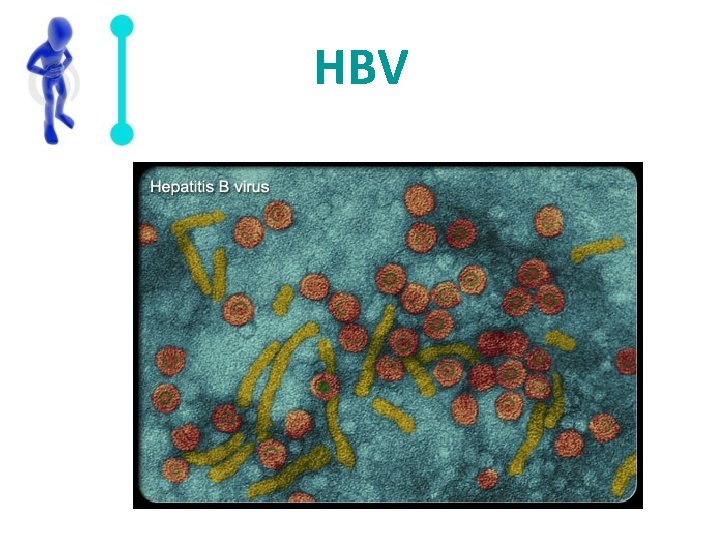
HBV
HBV (cont. . ) – Clinical course • • • anorexia, malaise, and fatigue. right upper quadrant pain. illness resembling serum sickness fever, arthritis, arthralgias, or an urticarial rash. tender liver >> jaundice develops. Dark urine and pale stool – Complication • development of chronic infection • hepatocellular cancer. • fulminant hepatic failure.

Hepatitis B Virus
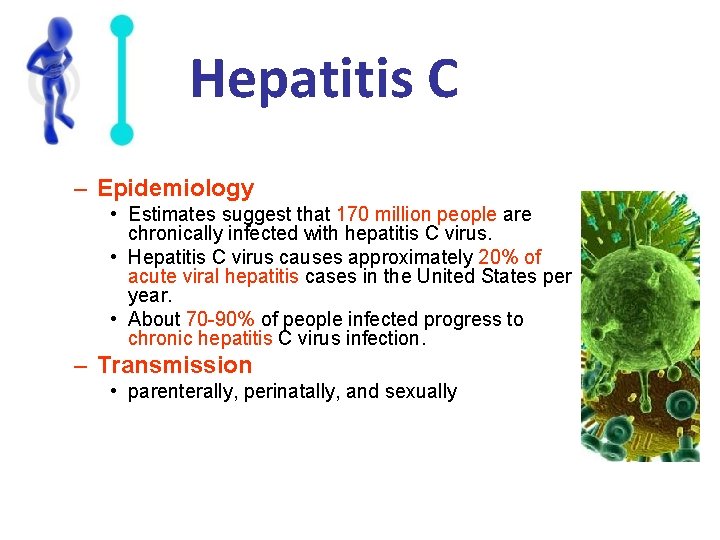
Hepatitis C – Epidemiology • Estimates suggest that 170 million people are chronically infected with hepatitis C virus. • Hepatitis C virus causes approximately 20% of acute viral hepatitis cases in the United States per year. • About 70 -90% of people infected progress to chronic hepatitis C virus infection. – Transmission • parenterally, perinatally, and sexually
HCV ( cont. . ) – Clinical course • symptoms may appear similar to those of hepatitis B virus infection. • In up to 80% of cases are asymptomatic ! – Complications • • • rarely cause fulminant hepatic failure. Chronic hepatitis May develop cirrhosis. ( Take 20 yrs !) strongly linked to the development of hepatocellular cancer, 20 -25% may progress to liver failure and death ! cirrhosis -HBV infection is a leading indication for liver transplant
Hepatitis D – Epidemiology • Defective >> requires the presence of hepatitis B virus to replicate. • co-infection OR super-infection • 7500 infections each year ! • Approximately 4% of cases of acute hepatitis B virus are thought to involve co-infection with hepatitis D virus. – Transmission: • similar to those for hepatitis B virus – Clinical course • Co-infection >> acute, self-limited infection • super-infection >> tend to have a more severe acute hepatitis

Hepatitis E – Epidemiology • Hepatitis E virus is the primary cause of enterically transmitted non-A, non-B hepatitis; most outbreaks occur in developing countries. – Transmission • • Fecal-oral route Person-to-person transmission is rare Vertical transmission does occur Zoonotic spread is possible as some nonhuman primates (cows, pigs, sheep, goats, and rodents) are susceptible to the disease – Clinical course • acute self-limited disease similar to hepatitis A virus. • Fulminant disease does occur in about 10% of cases. • In pregnant women, hepatitis E virus infection has a case-fatality rate of 15 -20%
Other types of viral hepatitis – Hepatitis G virus >> is associated with acute and chronic liver disease. It is transmitted through blood and blood products. – Other known viruses (eg, cytomegalovirus, Epstein-Barr virus, herpes simplex, varicella-zoster) may also cause inflammation of the liver, but they do not primarily target the liver.
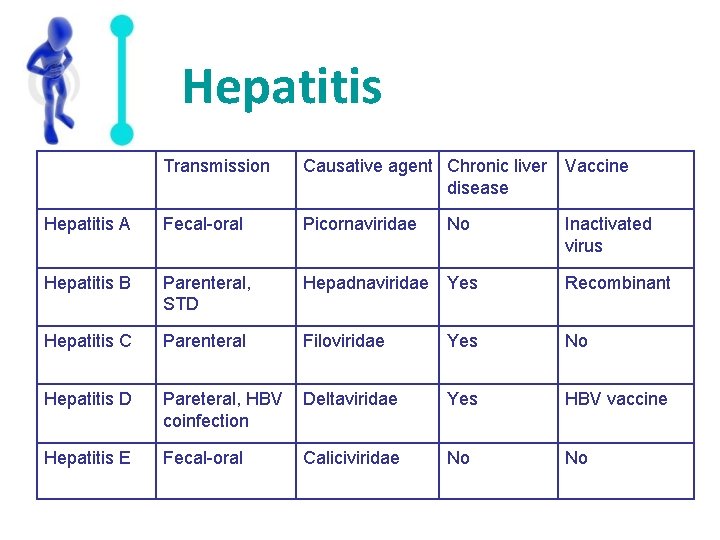
Hepatitis Transmission Causative agent Chronic liver Vaccine disease Hepatitis A Fecal-oral Picornaviridae Hepatitis B Parenteral, STD Hepadnaviridae Yes Recombinant Hepatitis C Parenteral Filoviridae Yes No Hepatitis D Pareteral, HBV Deltaviridae coinfection Yes HBV vaccine Hepatitis E Fecal-oral No No Caliciviridae No Inactivated virus

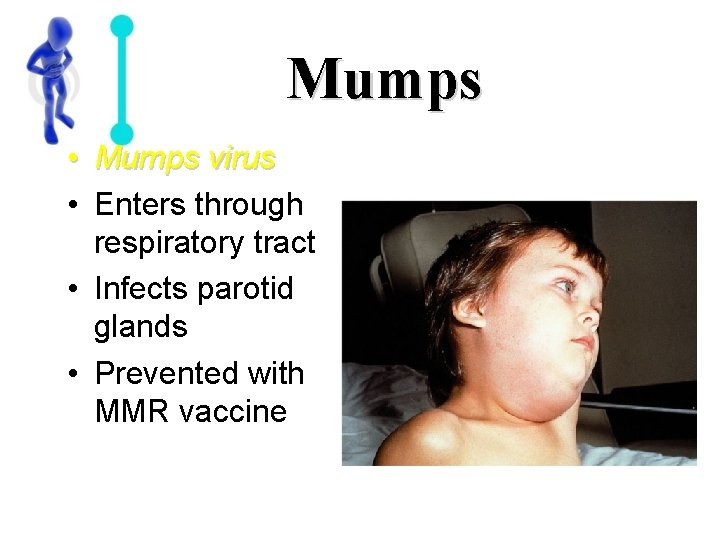
Mumps • Mumps virus • Enters through respiratory tract • Infects parotid glands • Prevented with MMR vaccine

Liver abcess v Bacteria Ø E. coli the most prevalent organism Ø Klebsiella Ø Streptococcus Ø Bacteroides species. v. Parasite Ø E. histolytica
• Diagnostic ultrasound is helpful and shows a focal, fluid-filled lesion. • If abscess is easily accessible, percutaneous drainage. But complete drainage may require laparotomy. • Aspirated pus can be sent for bacterial culture and microscopy for ameaba. Ampicillin, gentamicin, metronidazole for bacteria, metronidazole for amoabic liver abcess
cholangitis Ø Enterobacteriaceae Ø Enterococci Ø anaerobic bacteria A high percentage of patients have bacteraemic spread and positive blood culture. compination of Ampicillin, Gentamicin, Metronidazole,
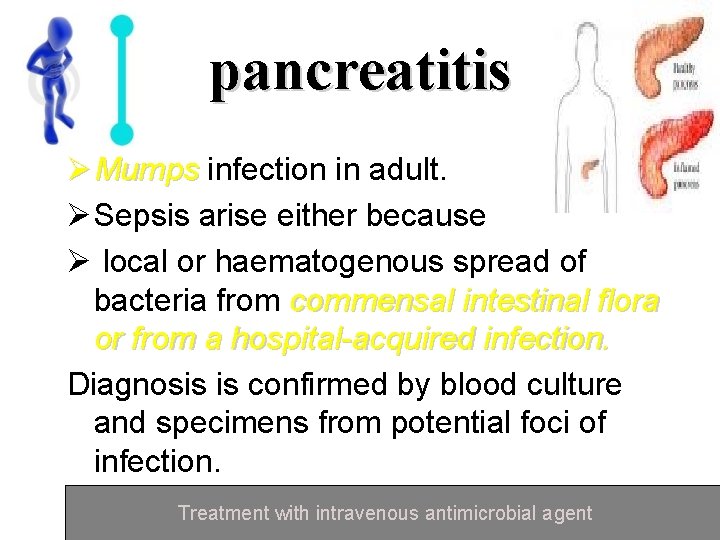
pancreatitis Ø Mumps infection in adult. Mumps Ø Sepsis arise either because Ø local or haematogenous spread of bacteria from commensal intestinal flora or from a hospital-acquired infection. Diagnosis is confirmed by blood culture and specimens from potential foci of infection. Treatment with intravenous antimicrobial agent

proctitis Ø Infective causes less common but include bacteria and parasites that cause colitis (i. e. shigella, Entamoaba spp. ) Ø Sexually transmitted infections (N. gonorrhea, C. trachomatis) trachomatis Better to wait for the result of laboratory investigation before commencing treatment
Peritonitis Primary: Caused by the spread of an infection from the blood & lymph nodes to the peritoneum. Very rare < 1% – E coli is the most frequently recovered E coli pathogen – followed by Klebsiella pneumoniae – S. pneumoniae, – streptococcal species, including enterococci. – Anaerobes and microaerophilic organisms are Anaerobes infrequently reported. infrequently
Secondary: Caused by the entry of bacteria or enzymes into the peritoneum from the gastrointestinal or biliary tract. – an ulcer eating its way through stomach wall or intestine – injury to an internal organ which bleeds into the internal cavity.
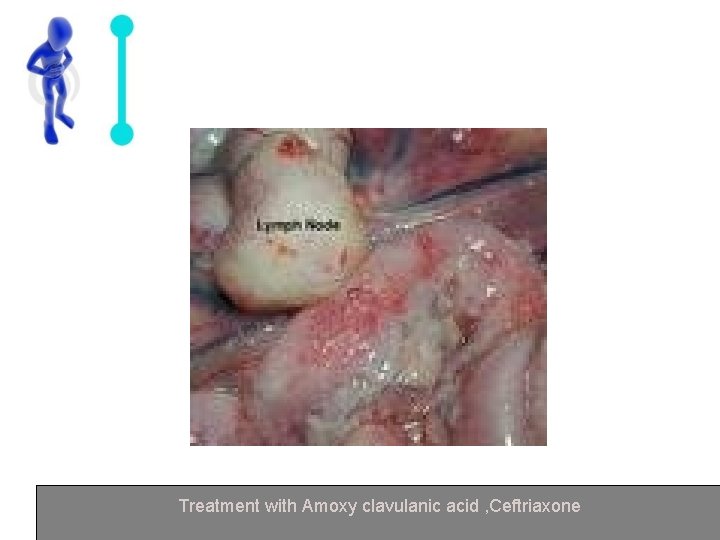
Treatment with Amoxy clavulanic acid , Ceftriaxone
Halitosis • bad breath – Formed by bacterial putrefaction of food debris, cells, saliva and blood. – Results from any form of sepsis : increased anaerobic activity of pathogens (inc. Treponema denticola, P. Gingivalis and Bacteroides forsythus). • the cause can associated with H. Pylori Treatment with empirical therapy with metronidazole
MOST WANTED LIST • Compounds commonly produced by mouth bacteria and their odours. – Hydrogen Sulphide – Methyl mecaptan – Skatole – Cadaverine – Putrescine – Isovaleric acid Rotten Eggs Faeces Corpses Decaying meat Sweaty Feet
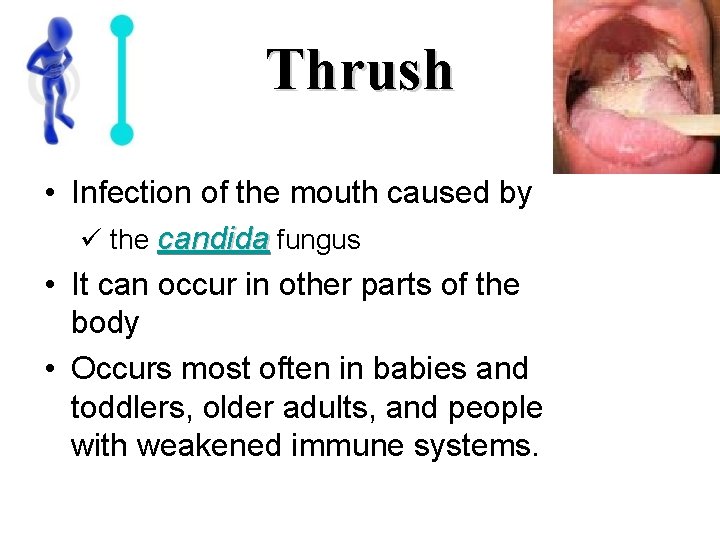
Thrush • Infection of the mouth caused by ü the candida fungus • It can occur in other parts of the body • Occurs most often in babies and toddlers, older adults, and people with weakened immune systems.

Thank you
- Slides: 64