
Ganglionknotlike mass or group of nerve cell bodies
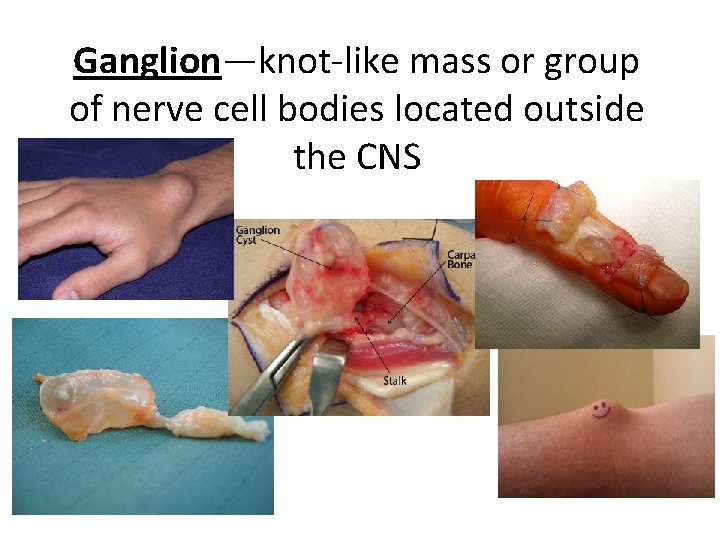
Ganglion—knot-like mass or group of nerve cell bodies located outside the CNS

Reflex—automatic, involuntary response to a change inside or outside the body
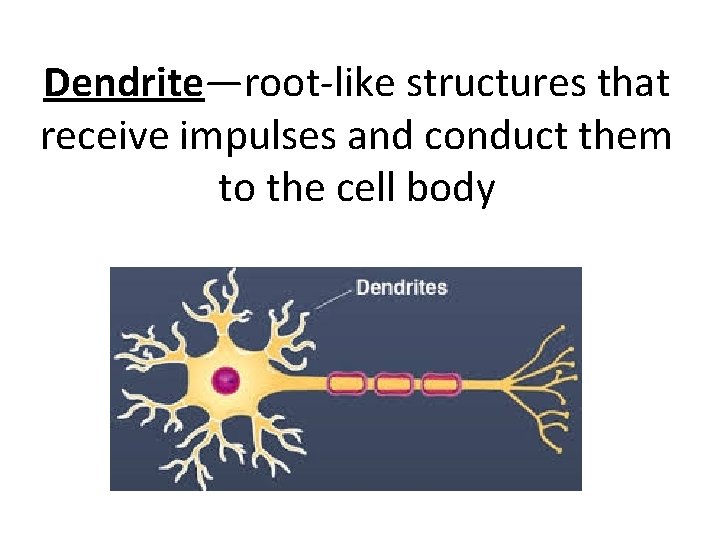
Dendrite—root-like structures that receive impulses and conduct them to the cell body
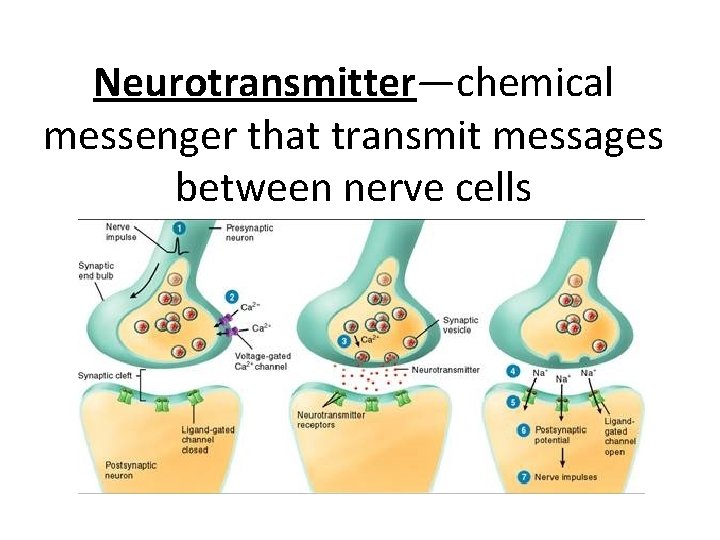
Neurotransmitter—chemical messenger that transmit messages between nerve cells
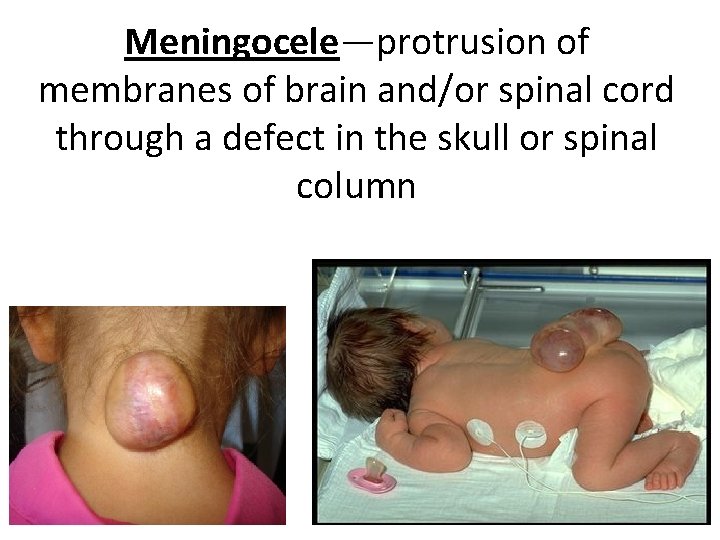
Meningocele—protrusion of membranes of brain and/or spinal cord through a defect in the skull or spinal column
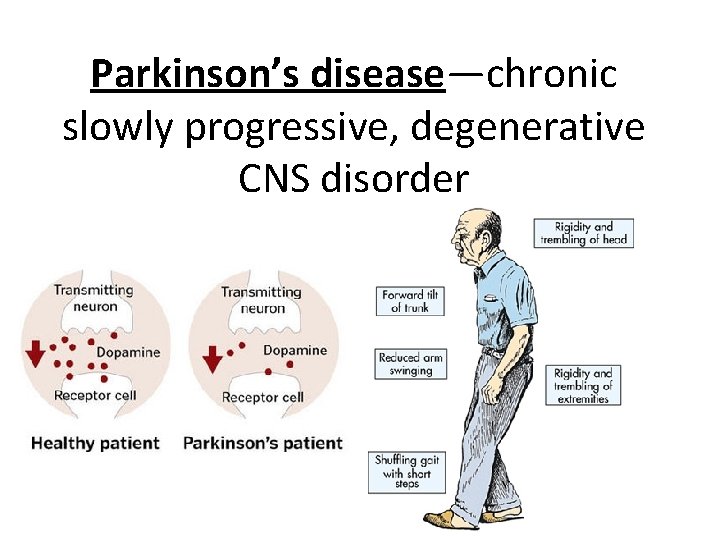
Parkinson’s disease—chronic slowly progressive, degenerative CNS disorder
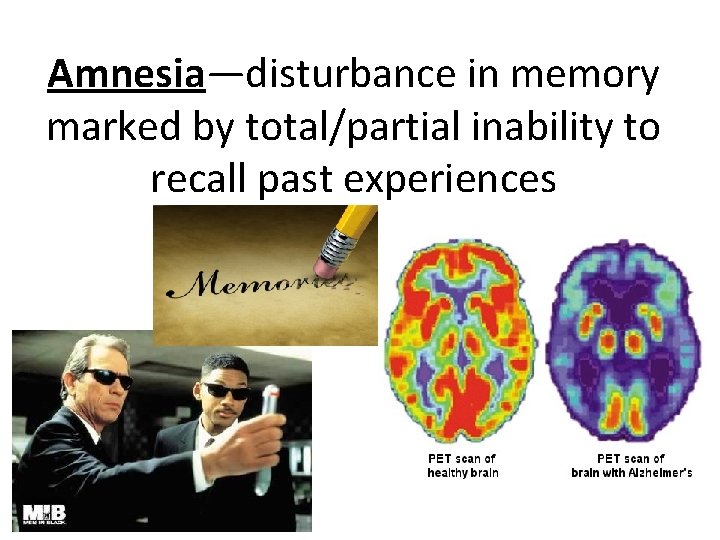
Amnesia—disturbance in memory marked by total/partial inability to recall past experiences
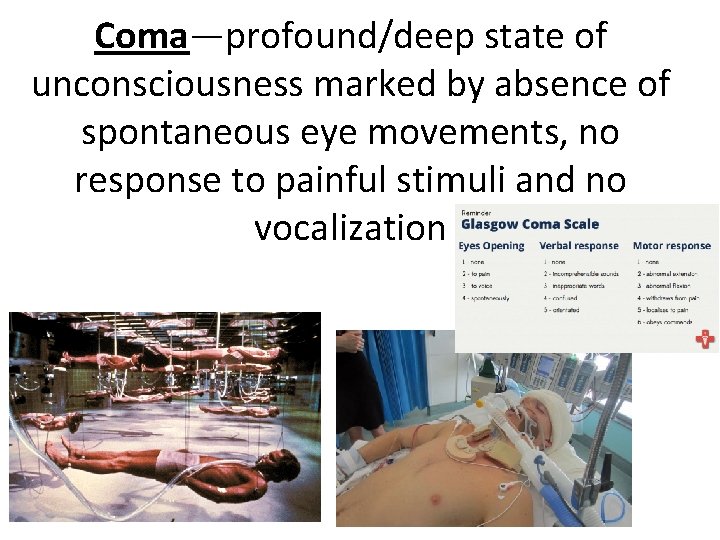
Coma—profound/deep state of unconsciousness marked by absence of spontaneous eye movements, no response to painful stimuli and no vocalization
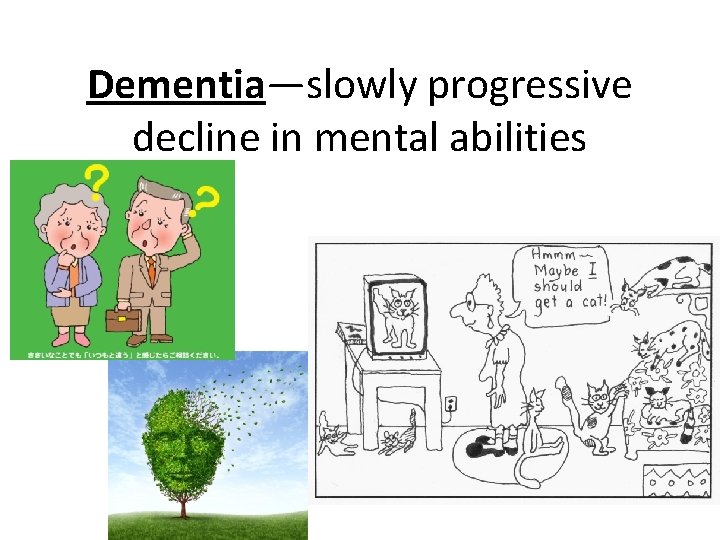
Dementia—slowly progressive decline in mental abilities
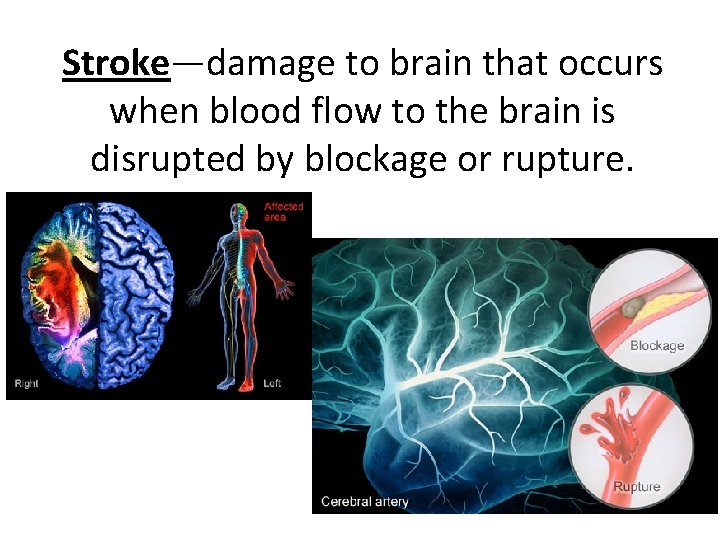
Stroke—damage to brain that occurs when blood flow to the brain is disrupted by blockage or rupture.
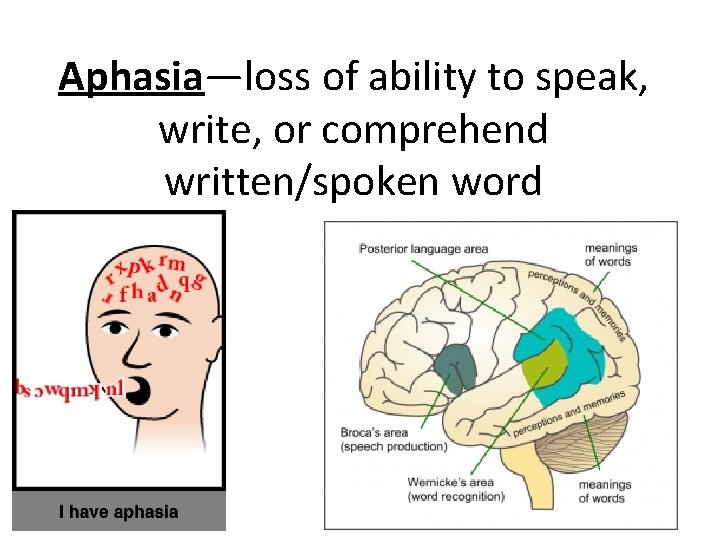
Aphasia—loss of ability to speak, write, or comprehend written/spoken word
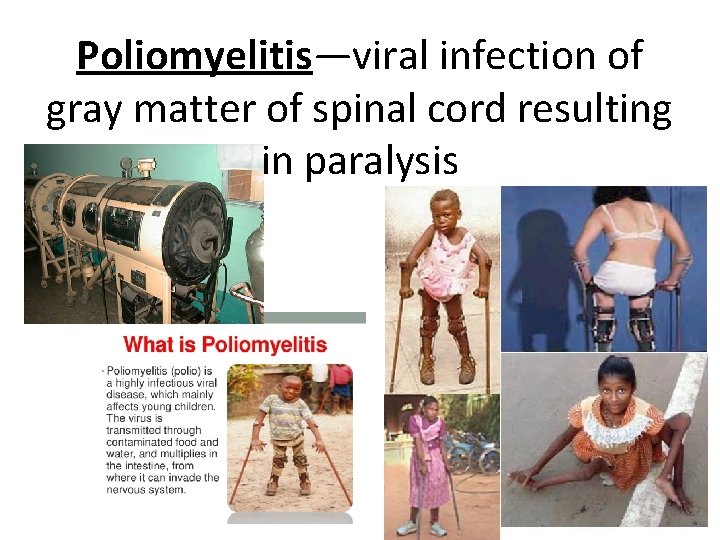
Poliomyelitis—viral infection of gray matter of spinal cord resulting in paralysis
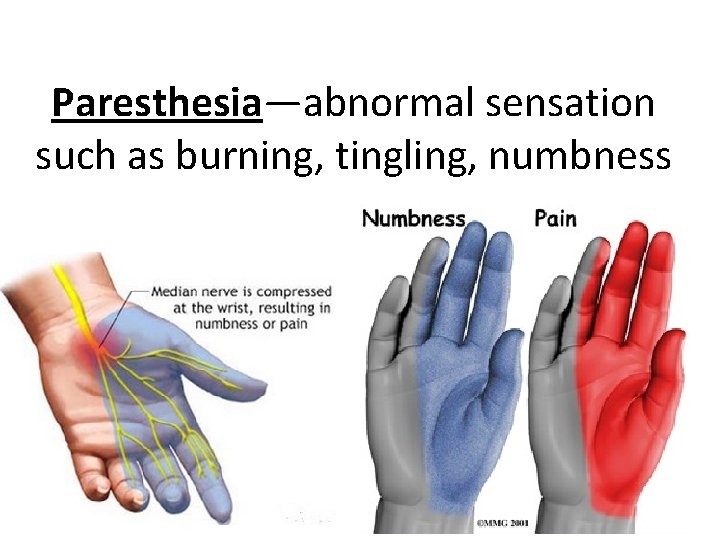
Paresthesia—abnormal sensation such as burning, tingling, numbness
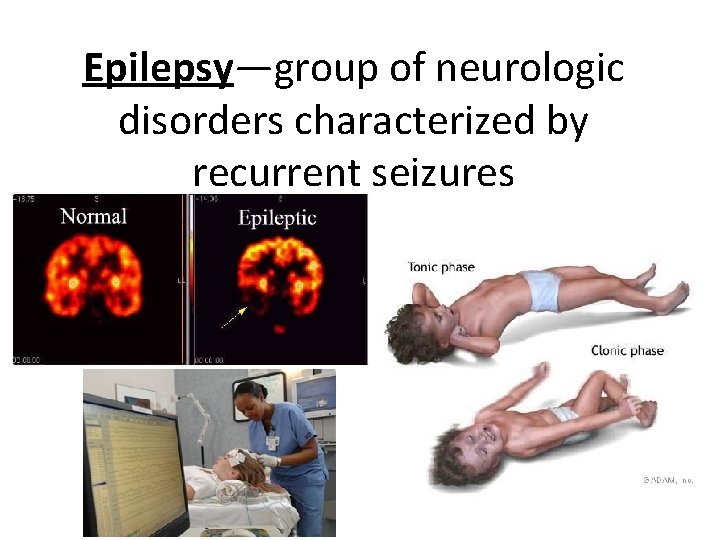
Epilepsy—group of neurologic disorders characterized by recurrent seizures
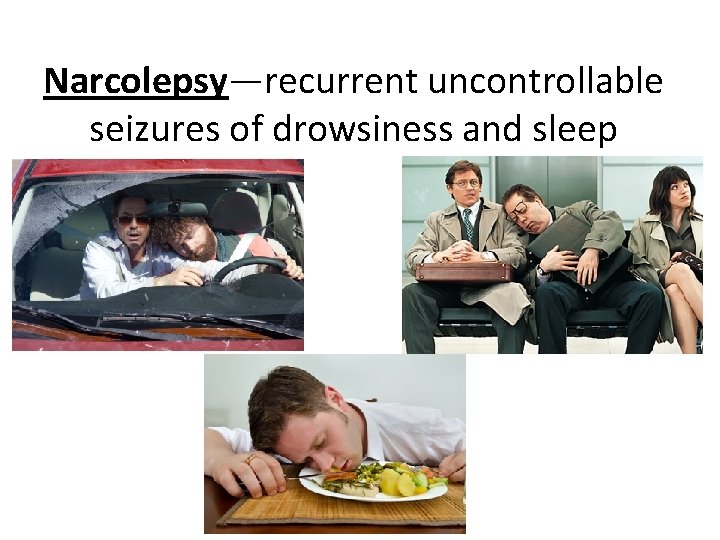
Narcolepsy—recurrent uncontrollable seizures of drowsiness and sleep
- Slides: 15