
Gamma ray astronomy Patrizia Caraveo Istituto di Astrofisica


- Slides: 88
Gamma ray astronomy Patrizia Caraveo Istituto di Astrofisica Spaziale e Fisica Cosmica- Milano
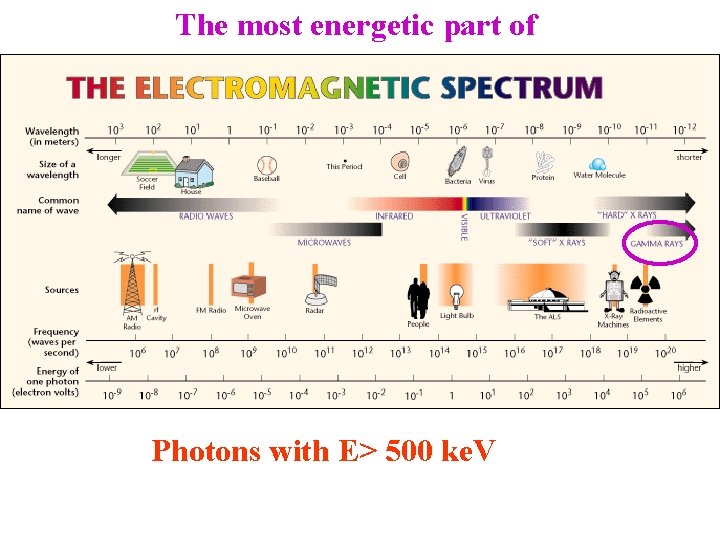
The most energetic part of Photons with E> 500 ke. V
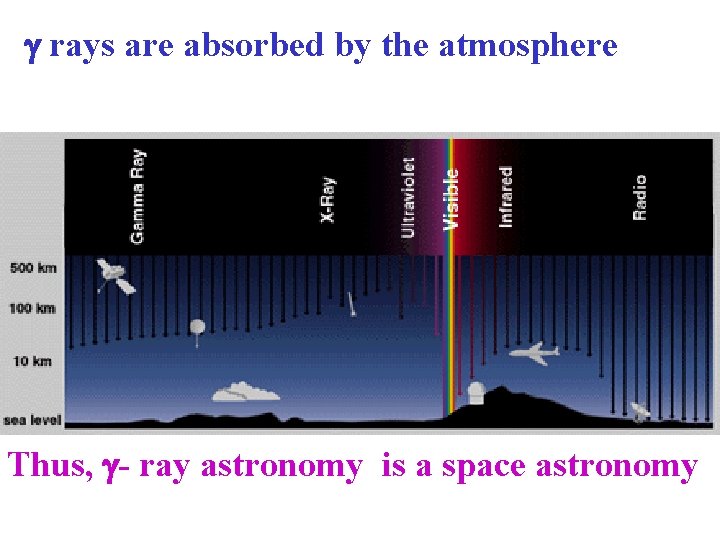
g rays are absorbed by the atmosphere Thus, g- ray astronomy is a space astronomy
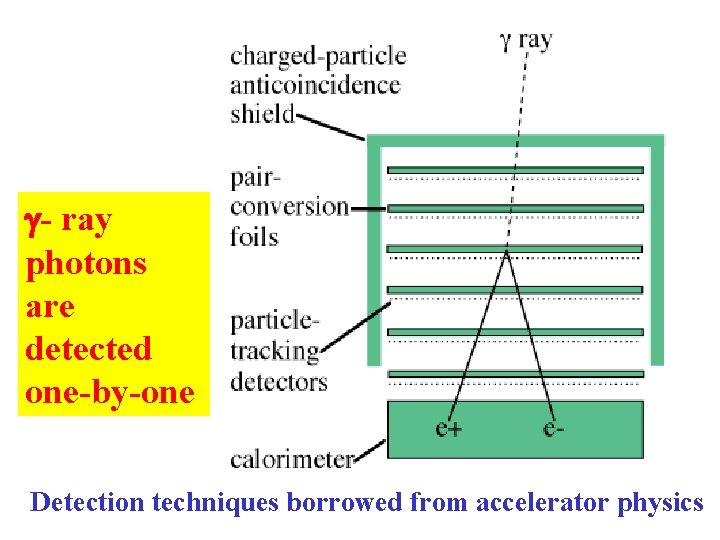
g- ray photons are detected one-by-one Detection techniques borrowed from accelerator physics
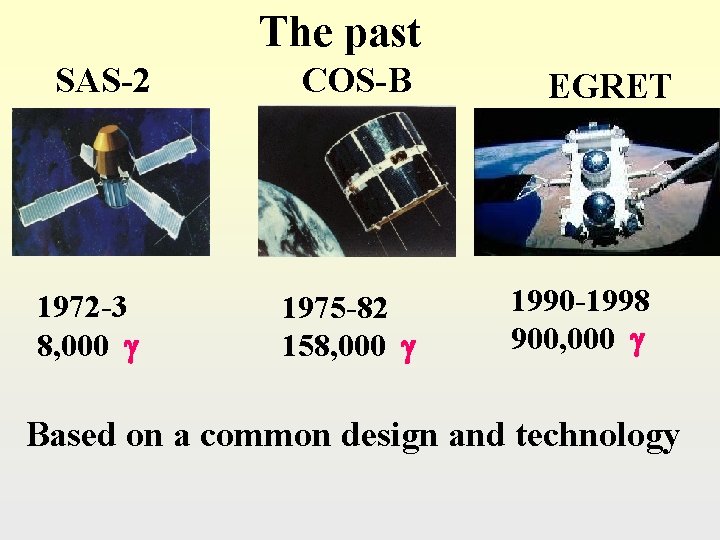
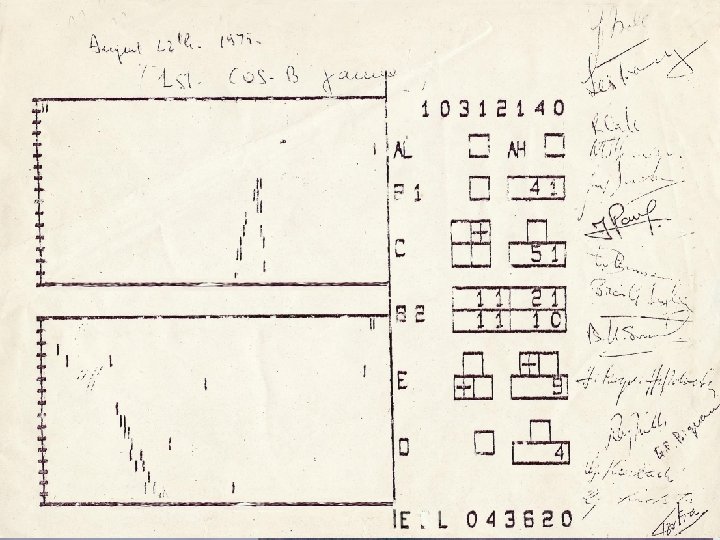
The past SAS-2 1972 -3 8, 000 g COS-B 1975 -82 158, 000 g EGRET 1990 -1998 900, 000 g Based on a common design and technology
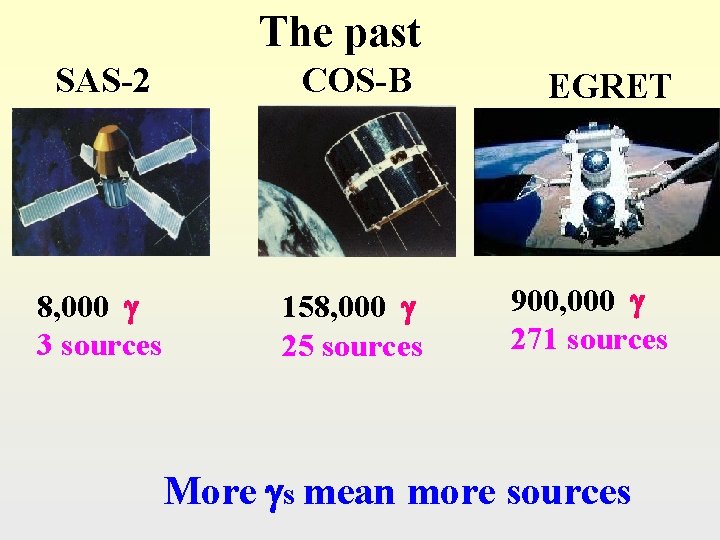
The past SAS-2 COS-B 8, 000 g 3 sources 158, 000 g 25 sources EGRET 900, 000 g 271 sources More gs mean more sources
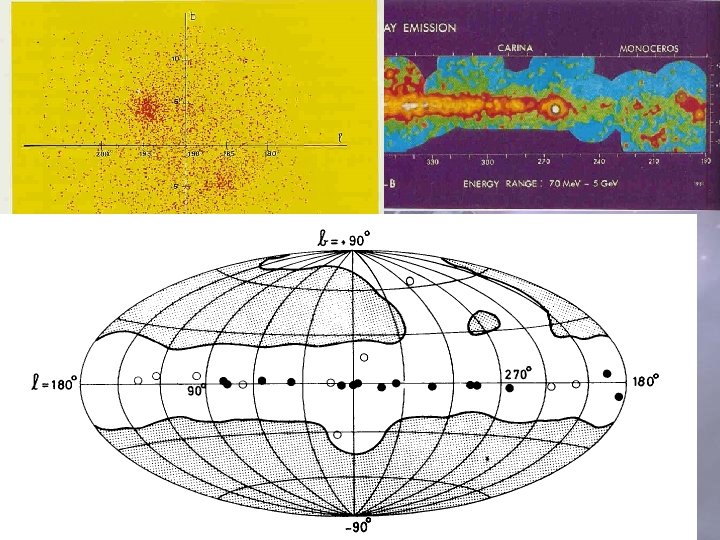
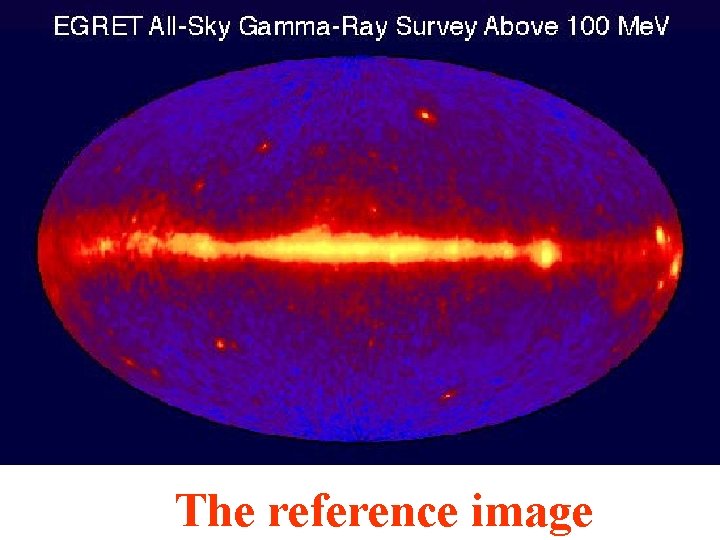
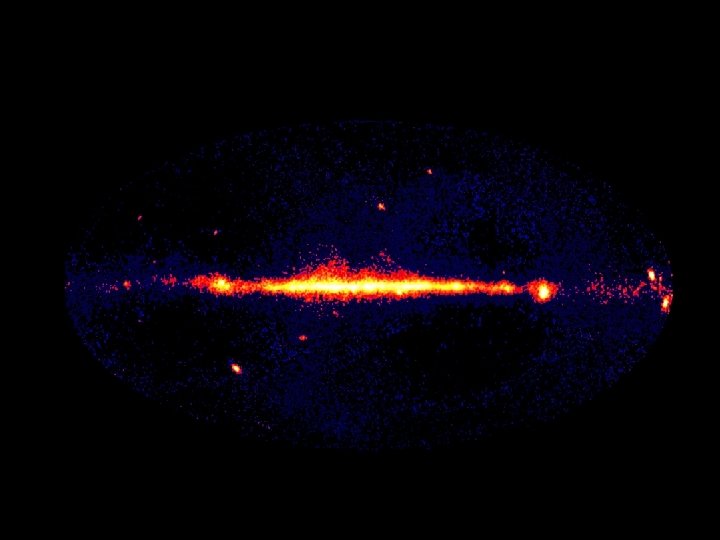
The reference image
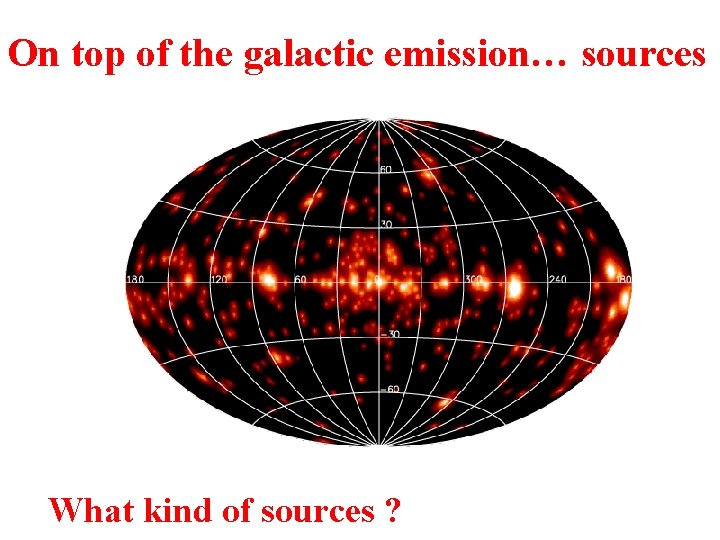
On top of the galactic emission… sources What kind of sources ?
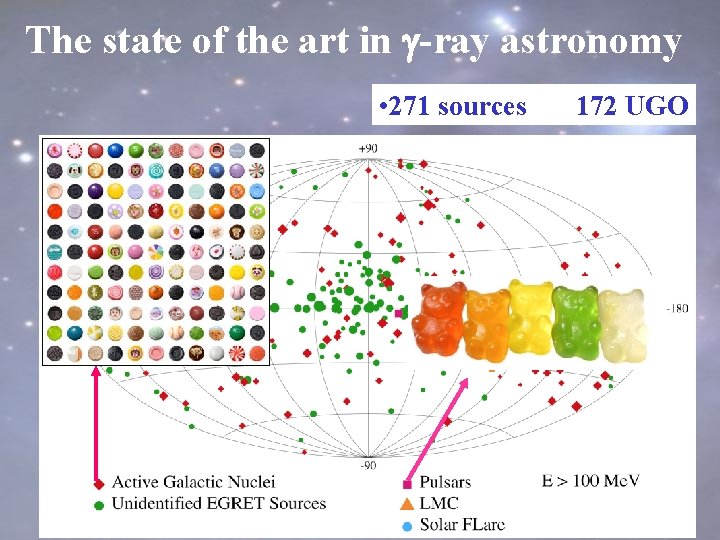
The state of the art in g-ray astronomy • 271 sources 172 UGO
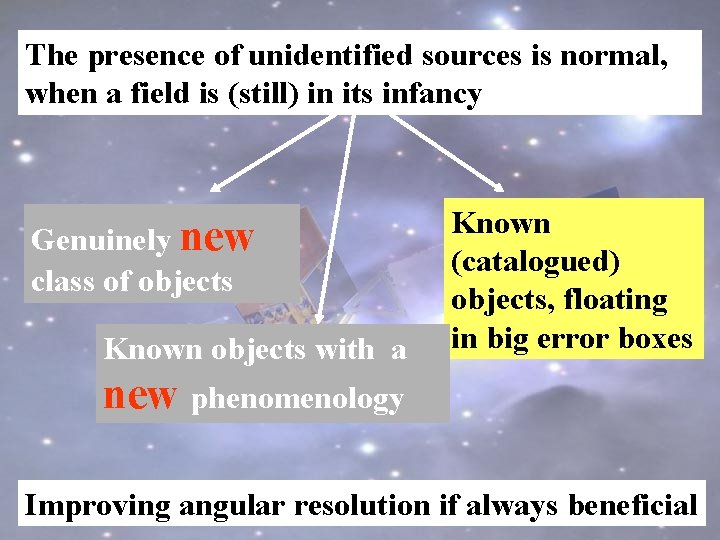
The presence of unidentified sources is normal, when a field is (still) in its infancy Genuinely new class of objects Known objects with a Known (catalogued) objects, floating in big error boxes new phenomenology Improving angular resolution if always beneficial
The anomaly with g-rays is the time needed (so far) to identify sources and the very limited choice of source type AGN (Blazars) Neutron Stars (Pulsars)
Big error boxes require additional inputs variability is the only viable tool If not, multiwavelength strategy Long, complex, success is not guaranteed ID rate: 1 per decade
A Multilll Strategy can yield àa good candididate which can be confirmed à a good candidate which cannot be confirmed àtoo many candidates
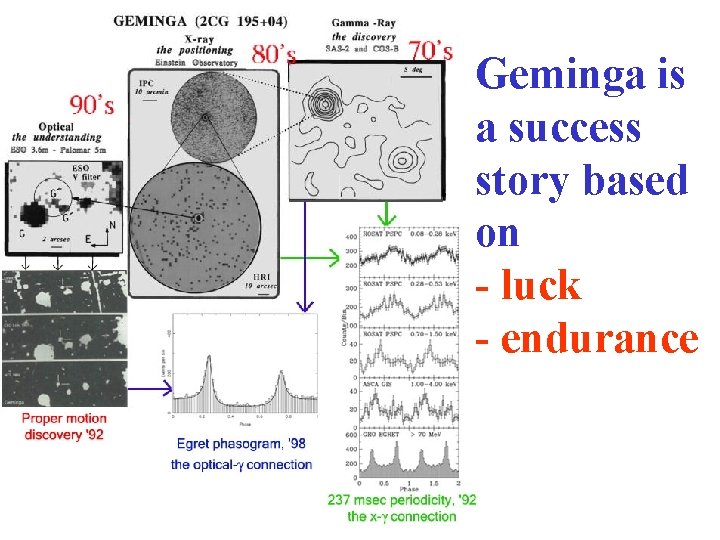
Geminga is a success story based on - luck - endurance
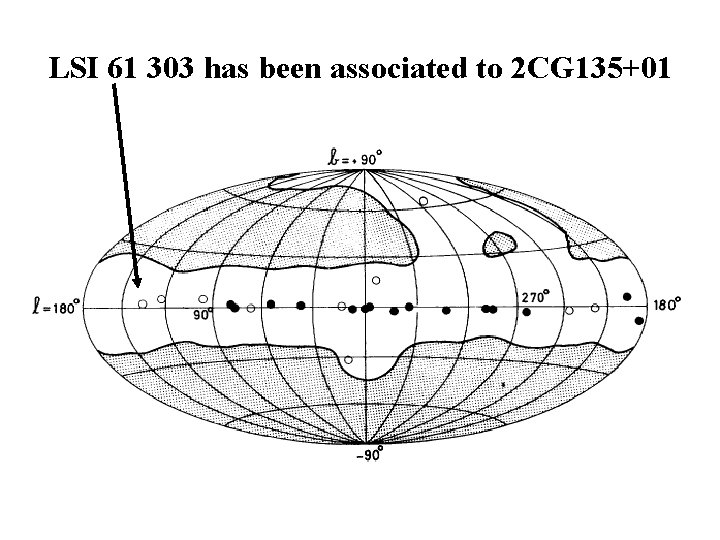
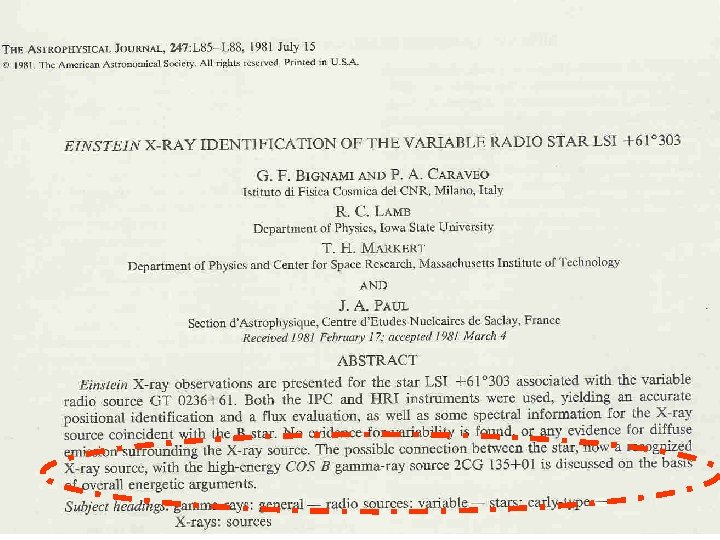
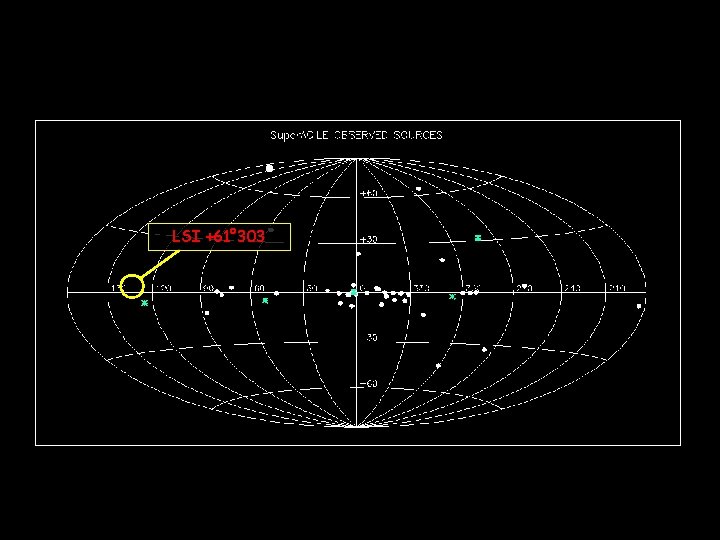
LSI 61 303 has been associated to 2 CG 135+01
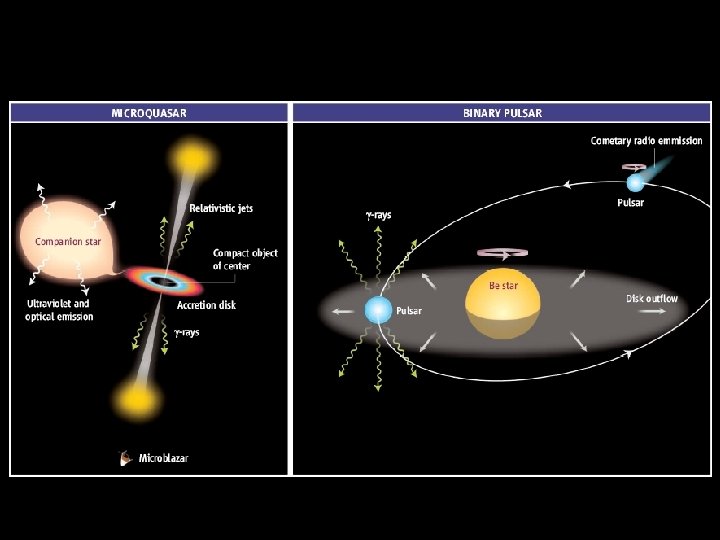
MAGIC detection of a microquasar
From association to ID • Correlated variability has not been detected, yet • 25 y to go one step forward Ars longa, vita brevis
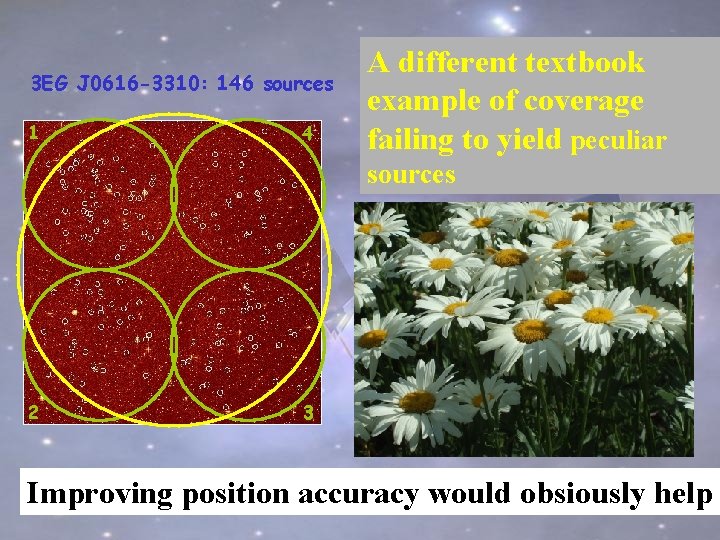
3 EG J 0616 -3310: 146 sources 1 4 A different textbook example of coverage failing to yield peculiar sources 2 3 Improving position accuracy would obsiously help
To solve the problem of Unid sources, we need a new generation of instruments
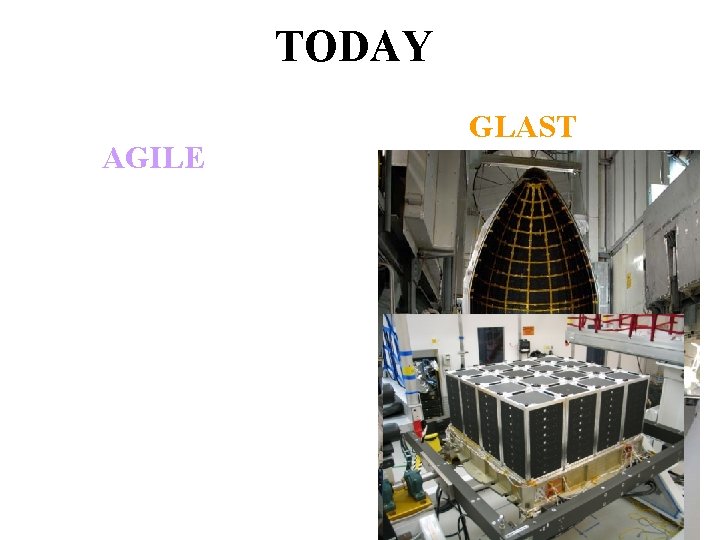
TODAY AGILE GLAST
Second generation instruments Based on silicon technology more compact big FOV instrument is always active negligible dead time no consumables
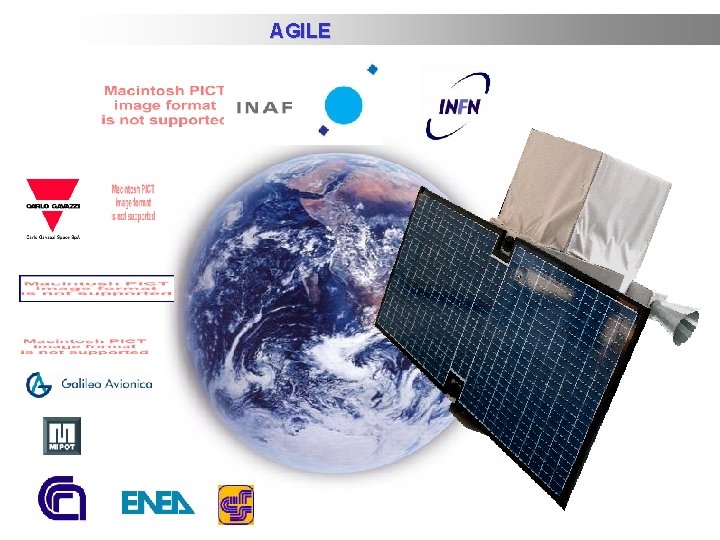
AGILE
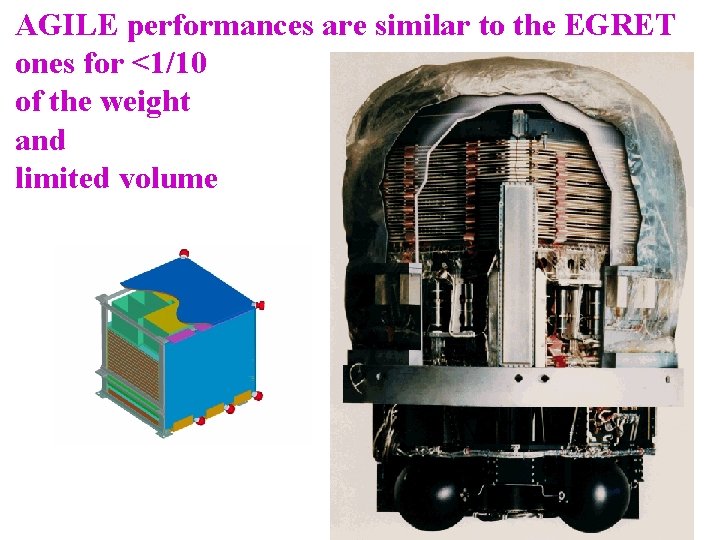
AGILE performances are similar to the EGRET ones for <1/10 of the weight and limited volume
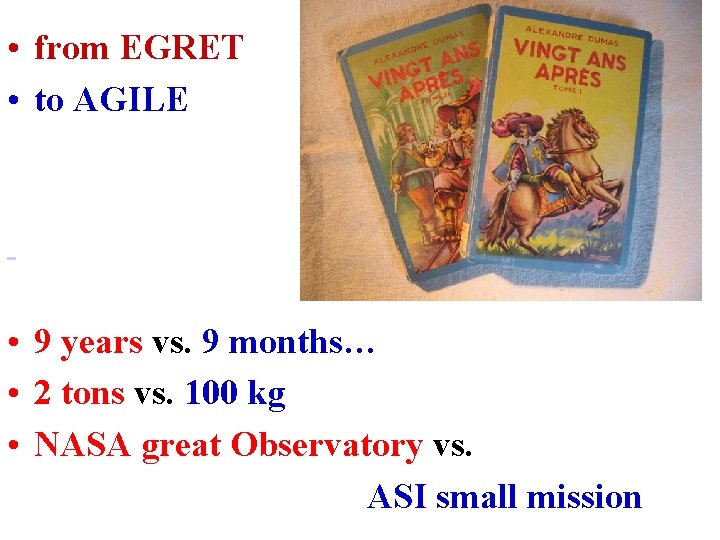
• from EGRET • to AGILE • 9 years vs. 9 months… • 2 tons vs. 100 kg • NASA great Observatory vs. ASI small mission
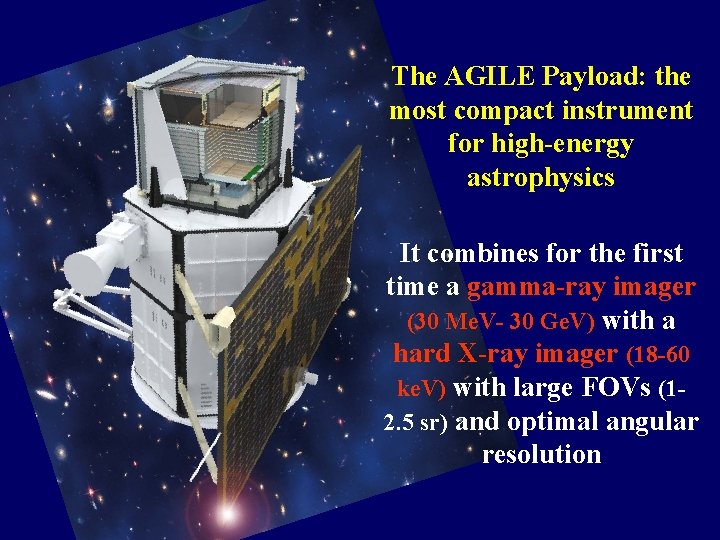
The AGILE Payload: the most compact instrument for high-energy astrophysics It combines for the first time a gamma-ray imager (30 Me. V- 30 Ge. V) with a hard X-ray imager (18 -60 ke. V) with large FOVs (12. 5 sr) and optimal angular resolution
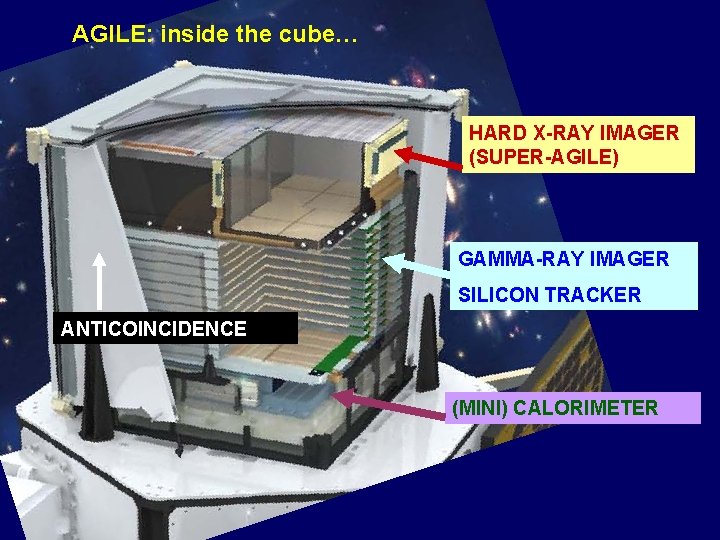
AGILE: inside the cube… HARD X-RAY IMAGER (SUPER-AGILE) GAMMA-RAY IMAGER SILICON TRACKER ANTICOINCIDENCE (MINI) CALORIMETER
AGILE: 1 year in orbit… • Launch on April 23, 2007 (Sriharikota, India) • >6500 orbits • Scientific program open to the community: Cycle-1 Guest Observer Program started on Dec. 1, 2007.
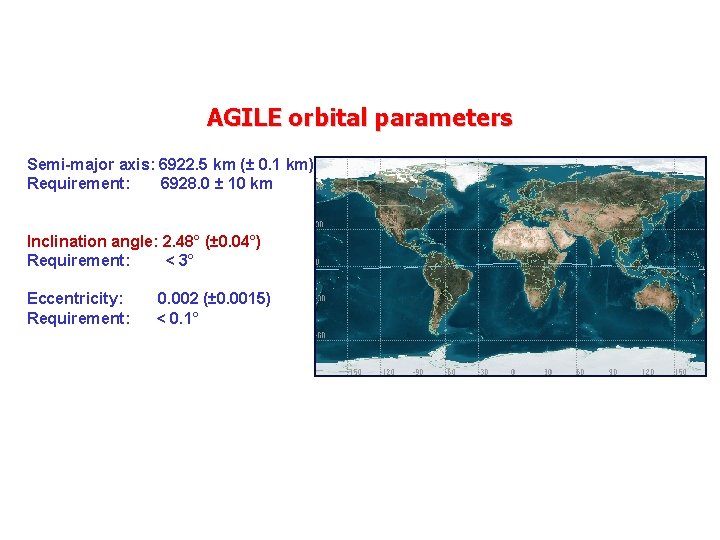
AGILE orbital parameters Semi-major axis: 6922. 5 km (± 0. 1 km) Requirement: 6928. 0 ± 10 km Inclination angle: 2. 48° (± 0. 04°) Requirement: < 3° Eccentricity: Requirement: 0. 002 (± 0. 0015) < 0. 1°
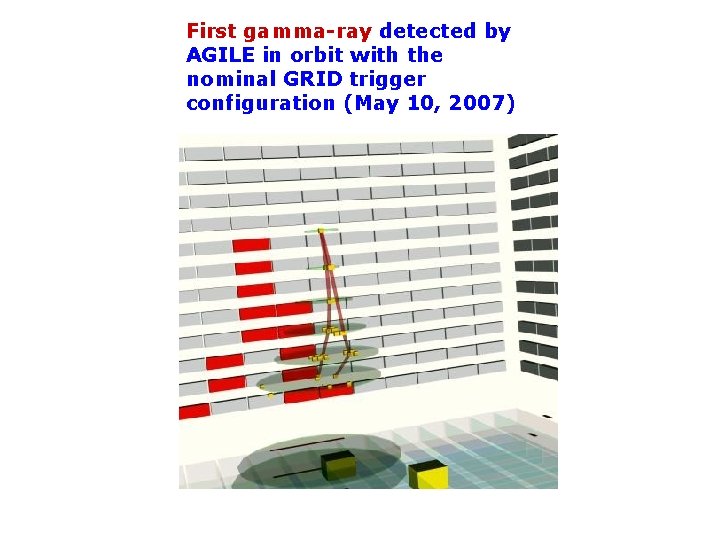
First gamma-ray detected by e Fotoni a terra AGILE in orbit with the nominal GRID trigger configuration (May 10, 2007) in volo - II
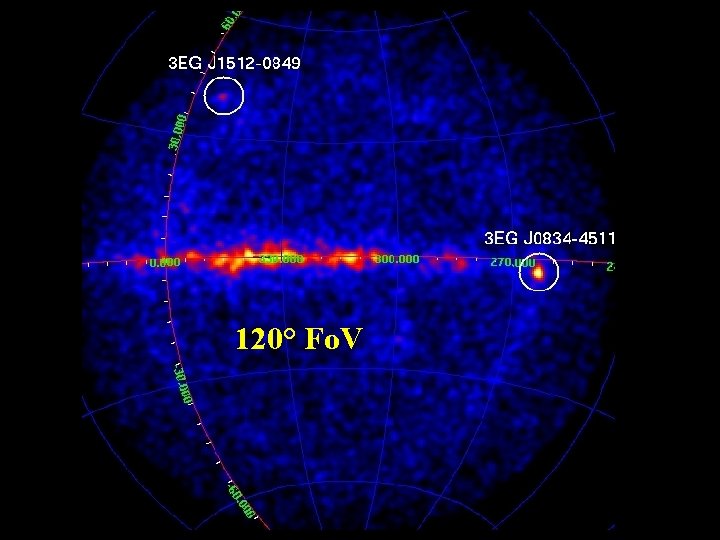
AGILE’s technical improvements: • • BIG Fo. V: 1/5 of the sky Good angular resolution Small dead time Simultaneous gamma and X observations • Silicon detectors (Italy is a world leader) • The BIG Fo. V (similar to that of an human eye) is an important asset
120° Fo. V
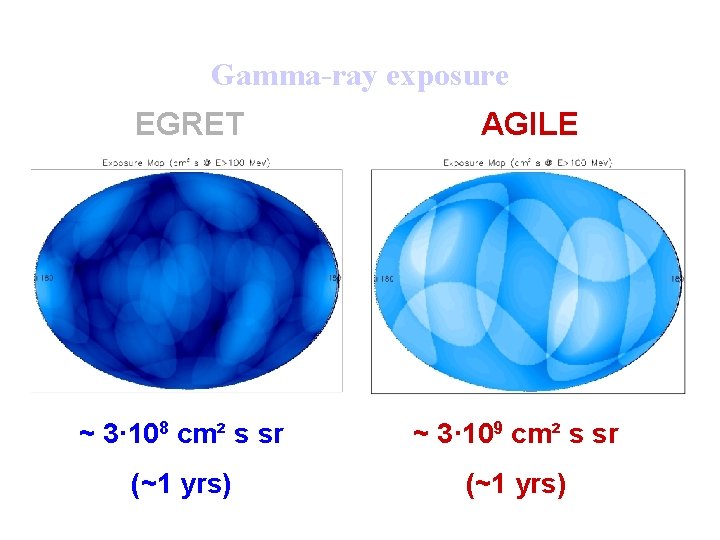
Gamma-ray exposure EGRET AGILE ~ 3· 108 cm² s sr ~ 3· 109 cm² s sr (~1 yrs)
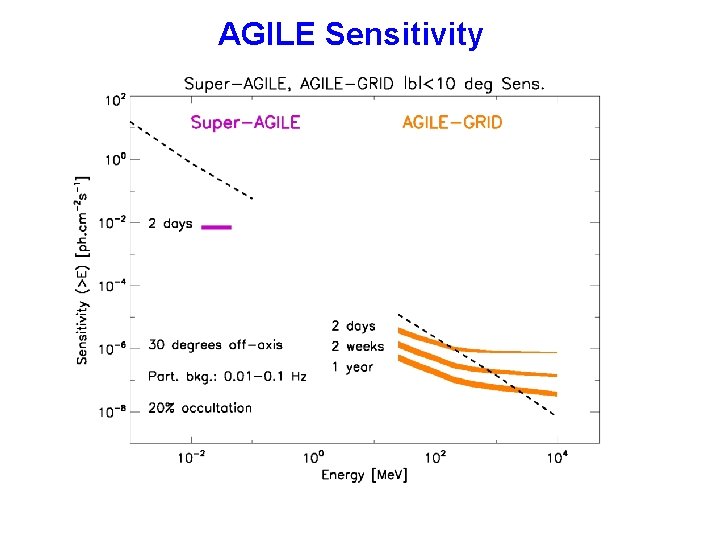
AGILE Sensitivity
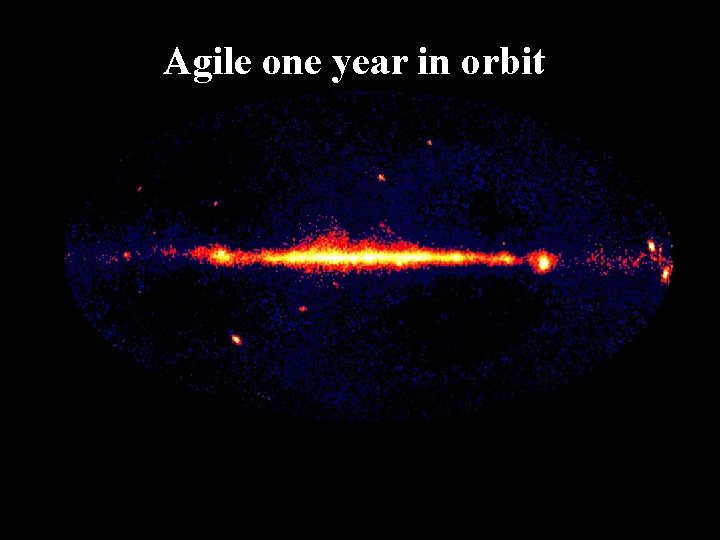
Agile one year in orbit
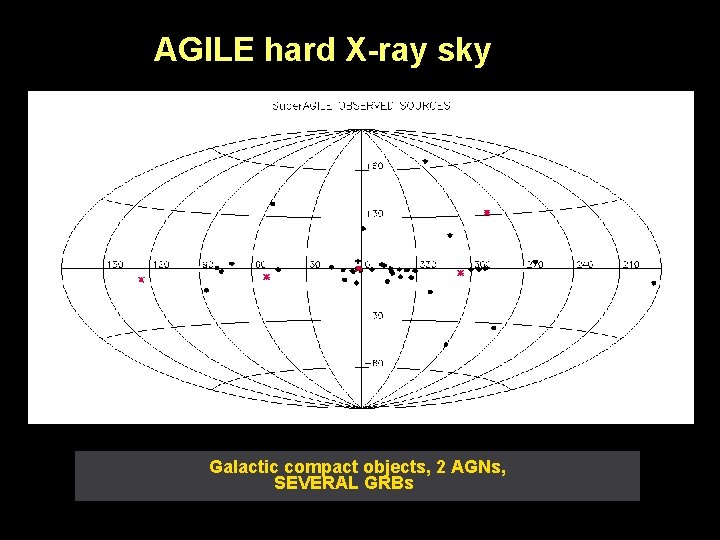
AGILE hard X-ray sky Galactic compact objects, 2 AGNs, SEVERAL GRBs
Main science topics • • • Active Galactic Nuclei Pulsars Unidentified gamma-ray sources Microquasars, Gal. compact objects Gamma-Ray Bursts (and Terrestrial Flashes)
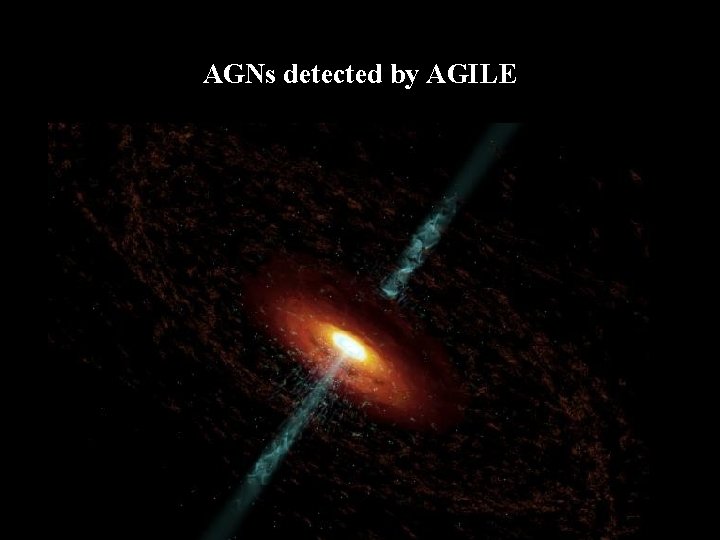
AGNs detected by AGILE
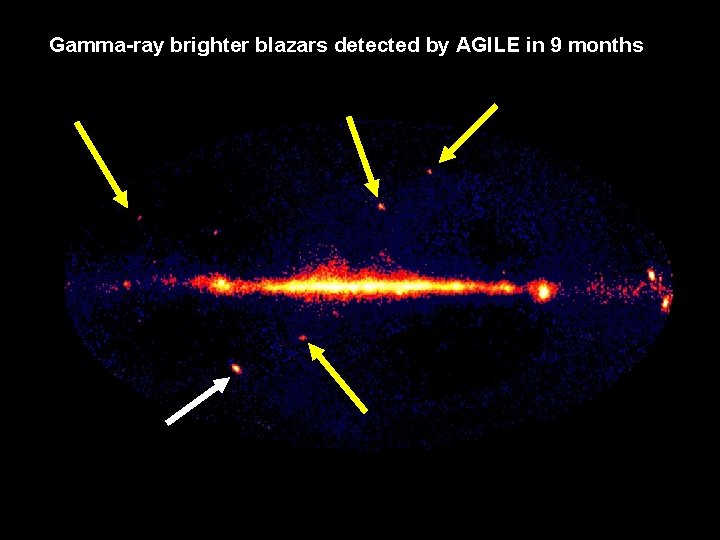
Gamma-ray brighter blazars detected by AGILE in 9 months
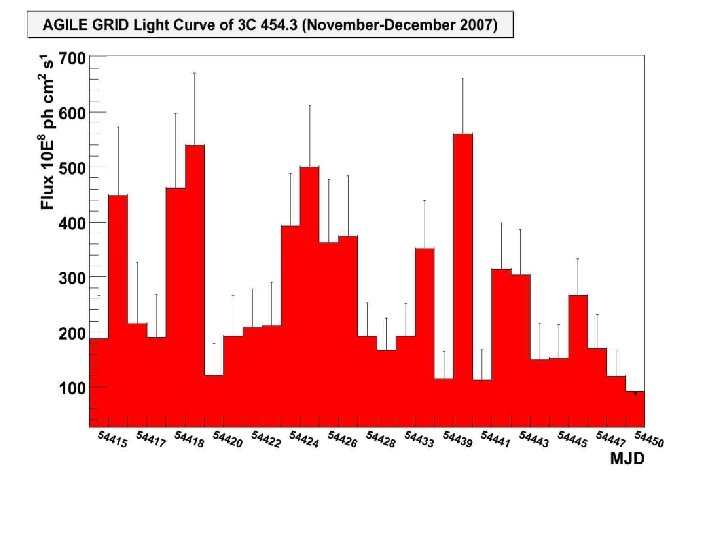
AGILE blazar main detections – 3 C 454. 3 – HB 1510 -089 – TXS 0716+714 – 3 C 279 – 3 C 273 – Mrk 421 – …. • Strong variability • Crucial multifrequency observations
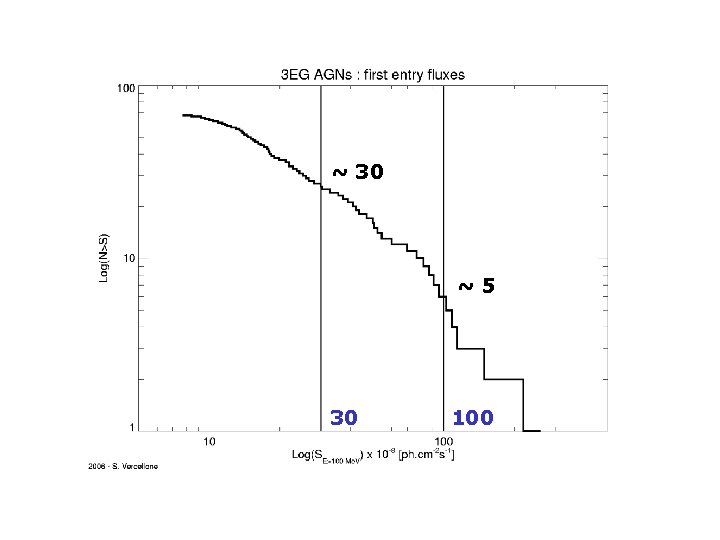
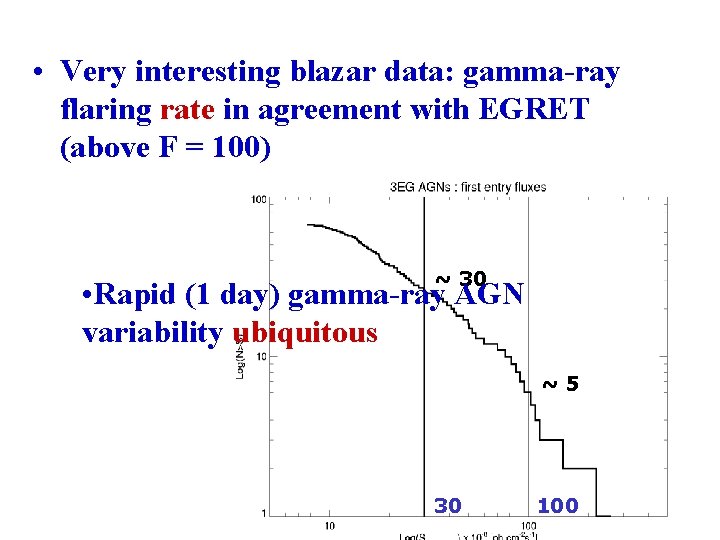
~ 30 ~5 30 100
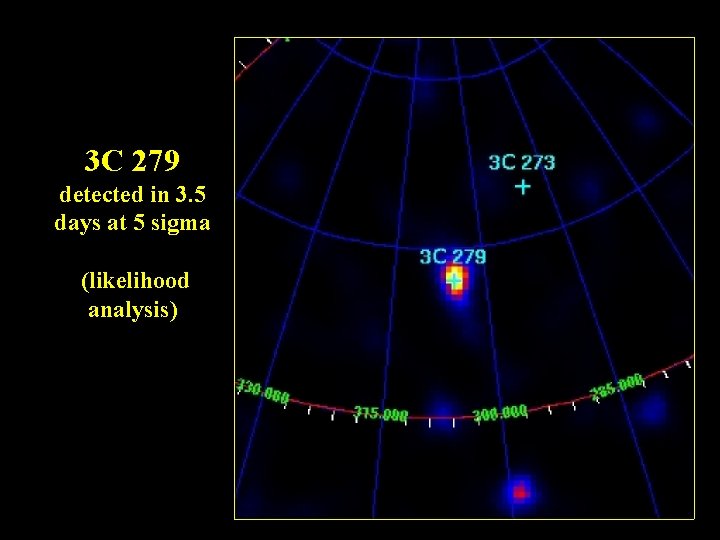
3 C 279 detected in 3. 5 days at 5 sigma (likelihood analysis)
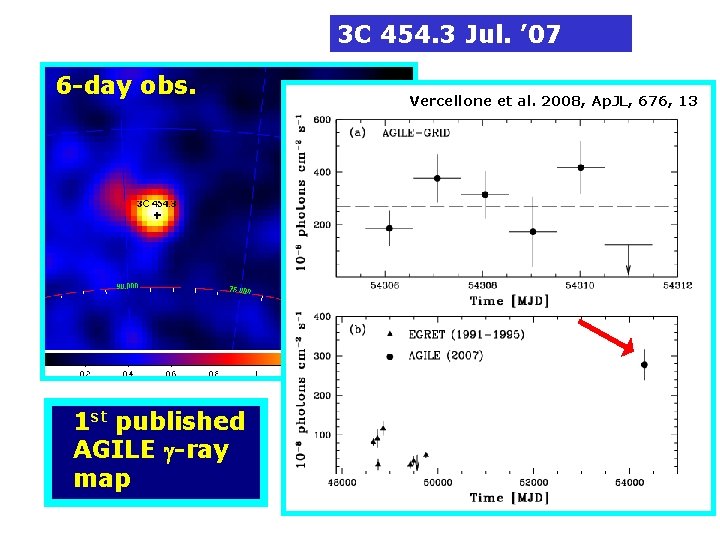
3 C 454. 3 Jul. ’ 07 6 -day obs. 1 st published AGILE g-ray map Vercellone et al. 2008, Ap. JL, 676, 13
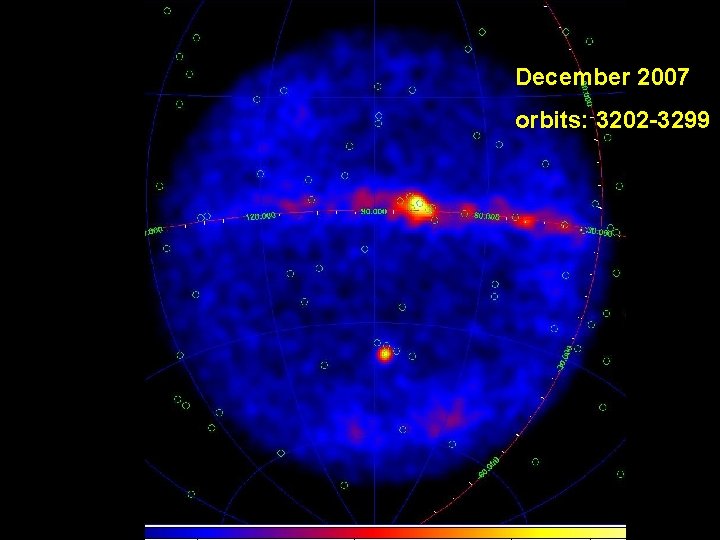
December 2007 orbits: 3202 -3299
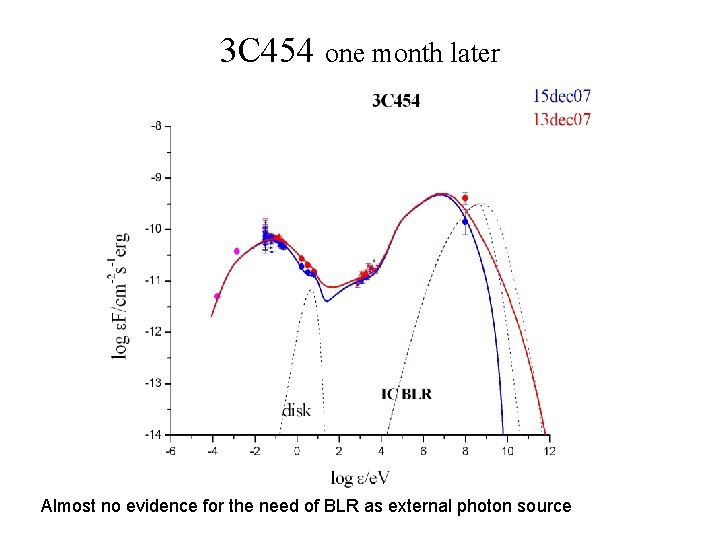
3 C 454 one month later Almost no evidence for the need of BLR as external photon source
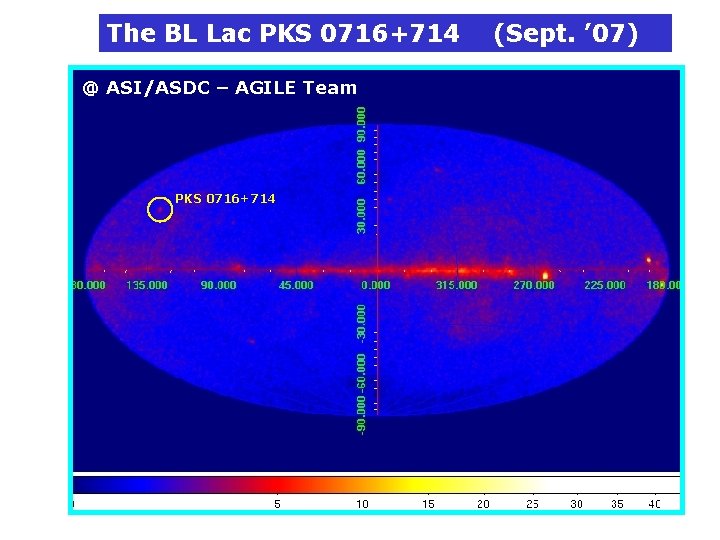
The BL Lac PKS 0716+714 @ ASI/ASDC – AGILE Team PKS 0716+714 (Sept. ’ 07)
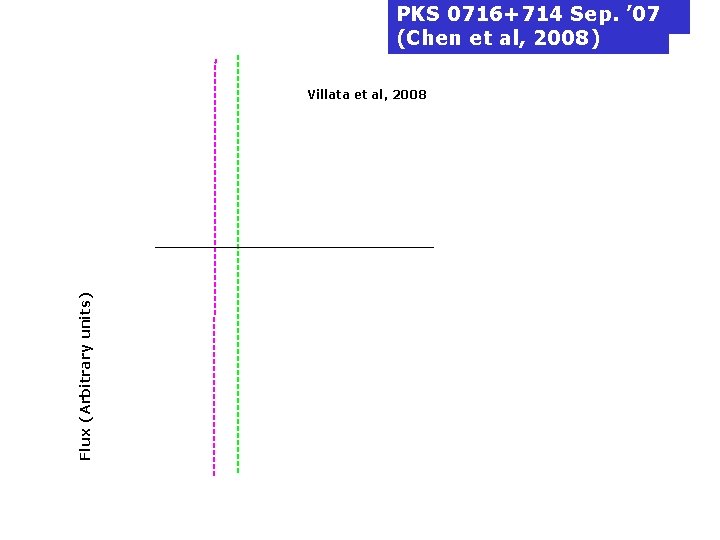
PKS 0716+714 Sep. ’ 07 (Chen et al, 2008) Flux (Arbitrary units) Villata et al, 2008
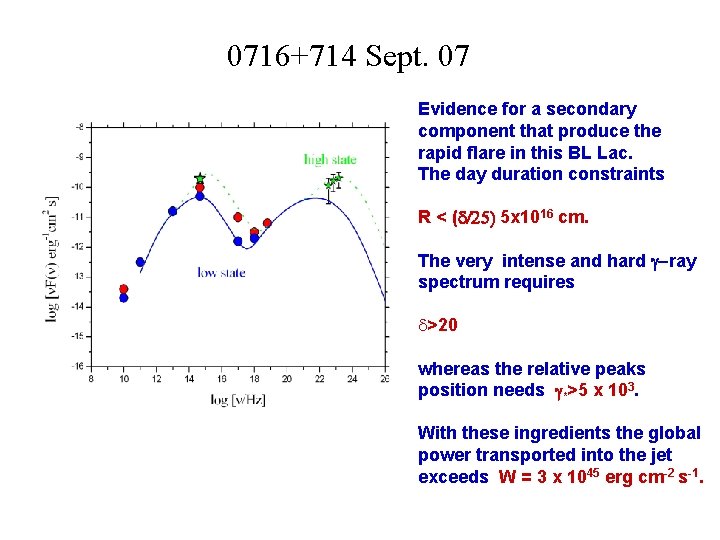
0716+714 Sept. 07 Evidence for a secondary component that produce the rapid flare in this BL Lac. The day duration constraints R < (d/25) 5 x 1016 cm. The very intense and hard g-ray spectrum requires d>20 whereas the relative peaks position needs g*>5 x 10³. With these ingredients the global power transported into the jet exceeds W = 3 x 1045 erg cm-2 s-1.
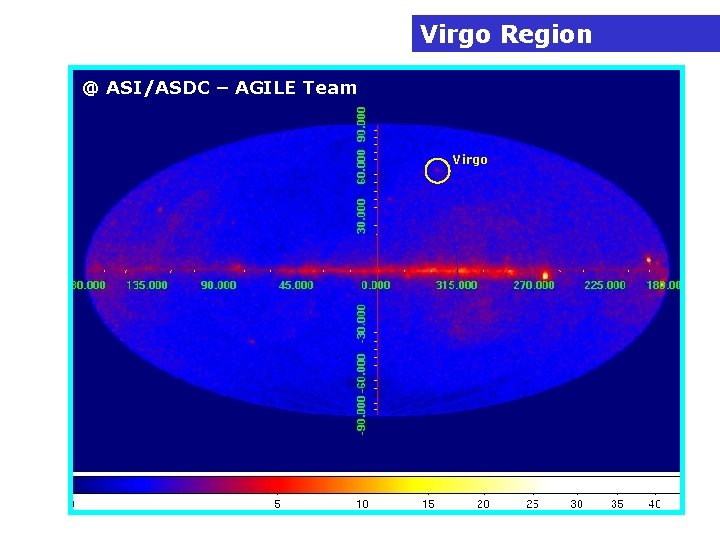
Virgo Region @ ASI/ASDC – AGILE Team Virgo
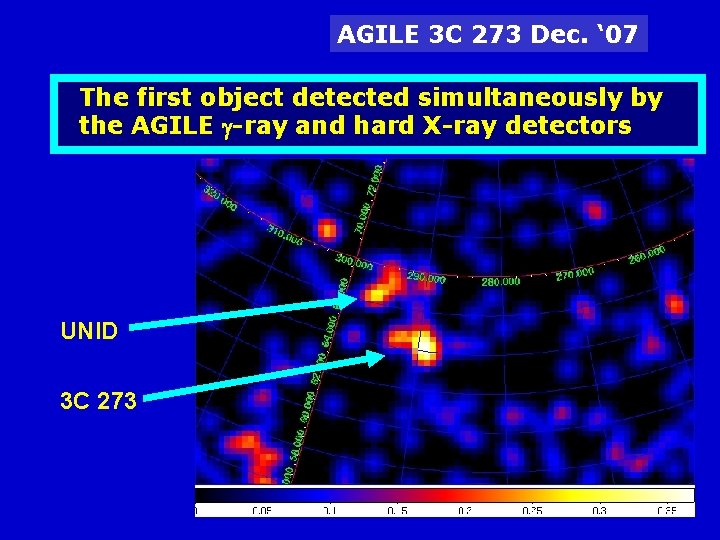
AGILE 3 C 273 Dec. ‘ 07 The first object detected simultaneously by the AGILE g-ray and hard X-ray detectors UNID 3 C 273
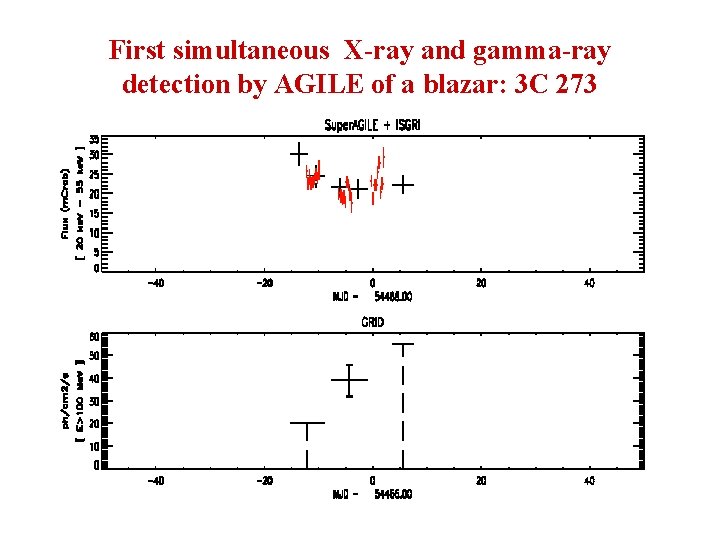
First simultaneous X-ray and gamma-ray detection by AGILE of a blazar: 3 C 273
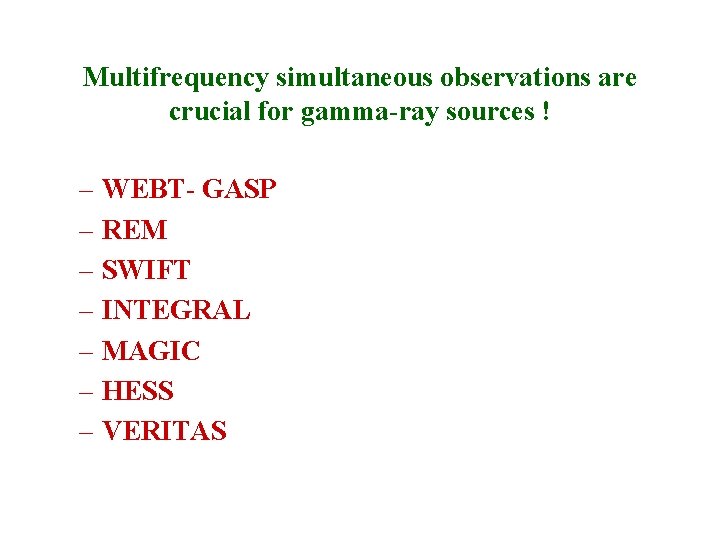
Multifrequency simultaneous observations are crucial for gamma-ray sources ! – WEBT- GASP – REM – SWIFT – INTEGRAL – MAGIC – HESS – VERITAS
• Very interesting blazar data: gamma-ray flaring rate in agreement with EGRET (above F = 100) ~ 30 • Rapid (1 day) gamma-ray AGN variability ubiquitous ~5 30 100
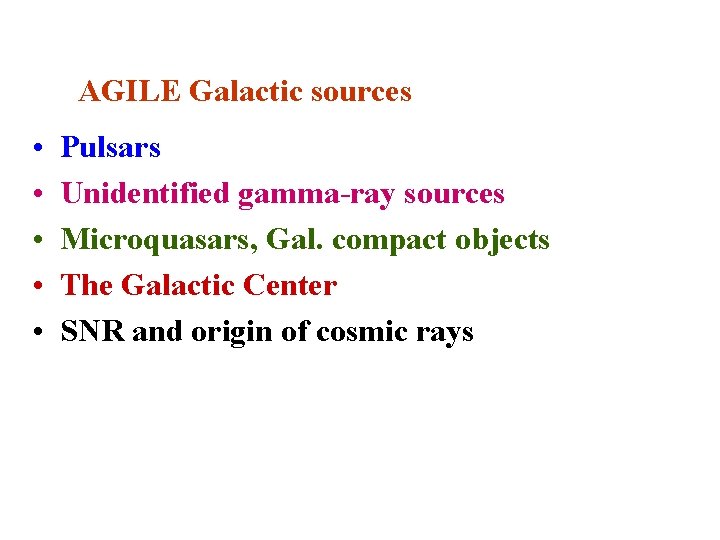
AGILE Galactic sources • • • Pulsars Unidentified gamma-ray sources Microquasars, Gal. compact objects The Galactic Center SNR and origin of cosmic rays
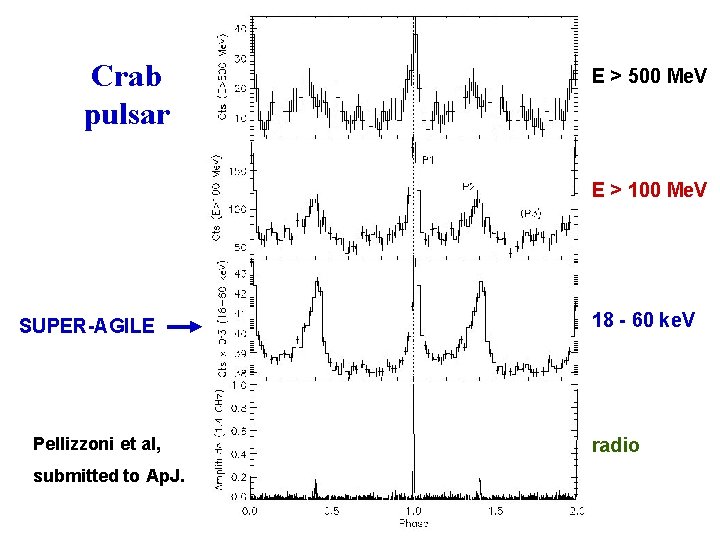
Crab pulsar E > 500 Me. V E > 100 Me. V SUPER-AGILE Pellizzoni et al, submitted to Ap. J. 18 - 60 ke. V radio
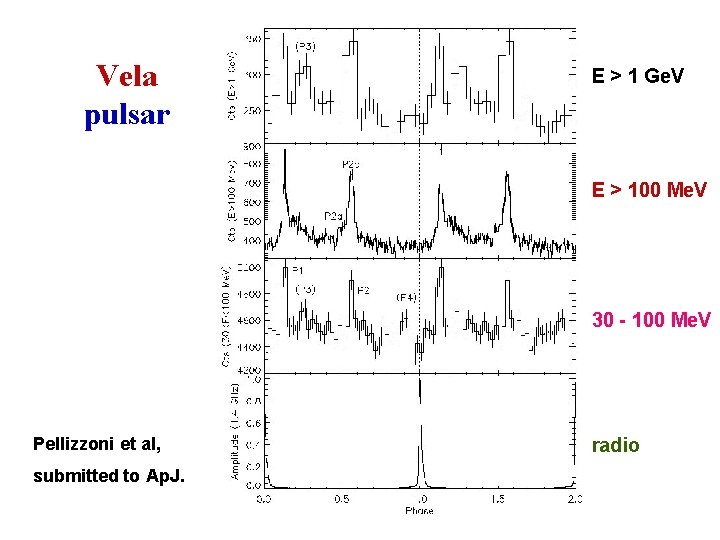
Vela pulsar E > 1 Ge. V E > 100 Me. V 30 - 100 Me. V Pellizzoni et al, submitted to Ap. J. radio
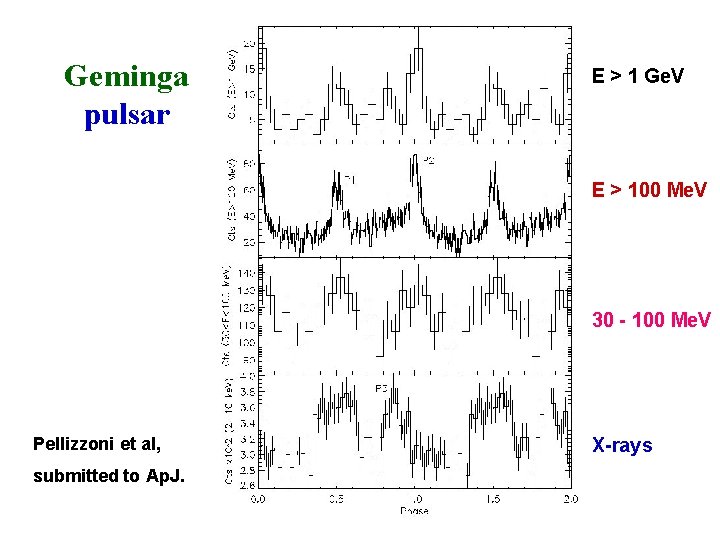
Geminga pulsar E > 1 Ge. V E > 100 Me. V 30 - 100 Me. V Pellizzoni et al, submitted to Ap. J. X-rays
Future prospects • Several new gamma-ray PSRs to be discovered/announced soon • Complex time structure (and spectra) • Wonderful for theorists…
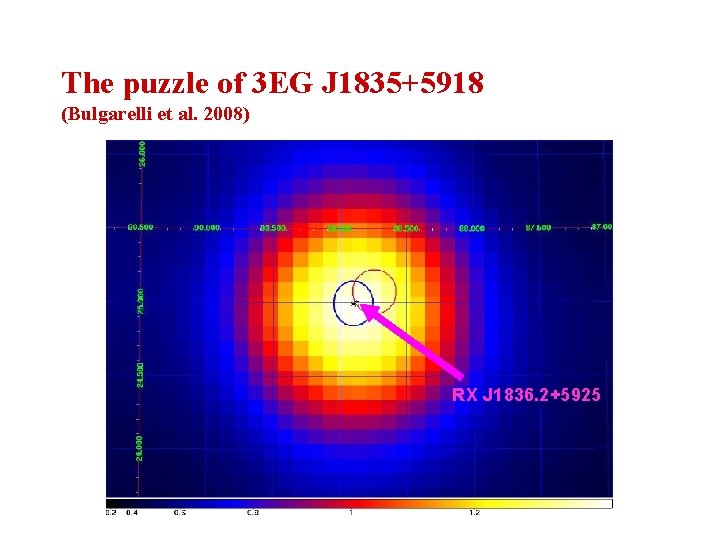
The puzzle of 3 EG J 1835+5918 (Bulgarelli et al. 2008) RX J 1836. 2+5925
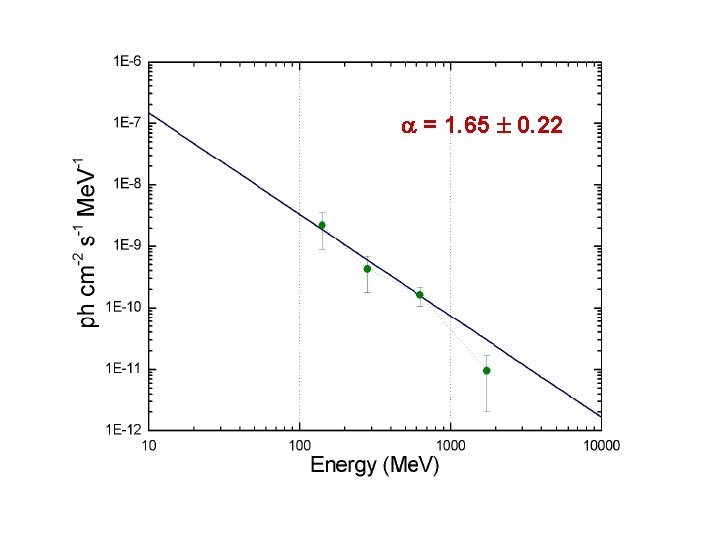
= 1. 65 0. 22
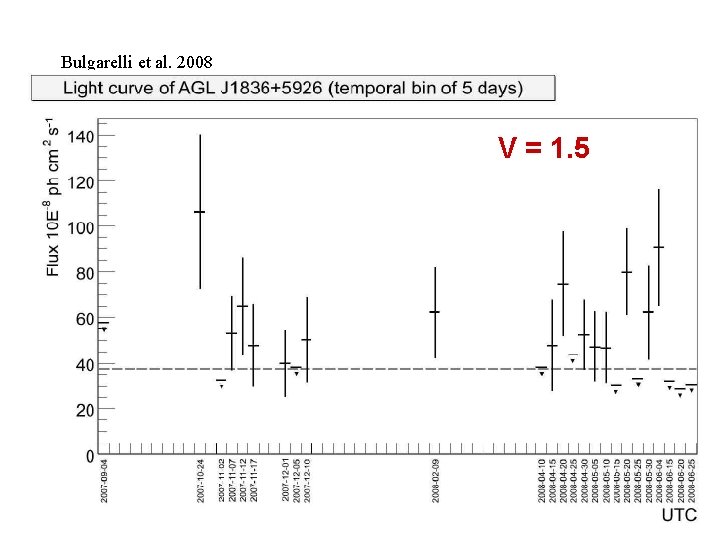
Bulgarelli et al. 2008 V = 1. 5
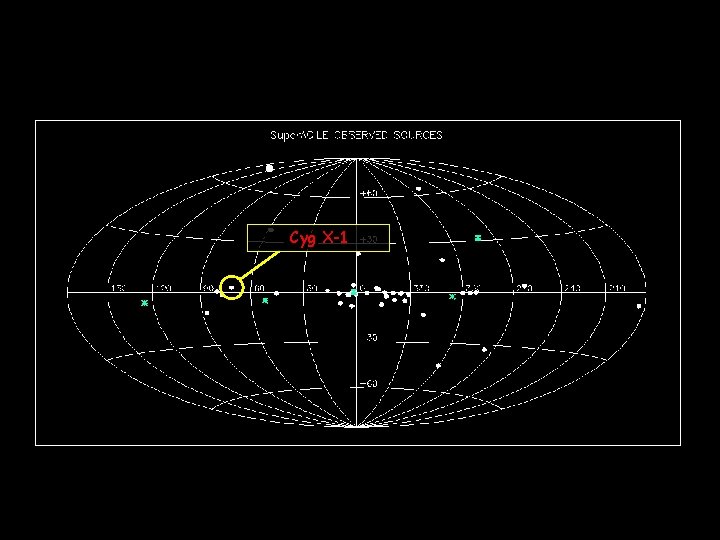
Micro-QSOs (X-ray dominated) • Cyg X-1 • Cyg X-3 • GRS 1915+105
Cyg X-1
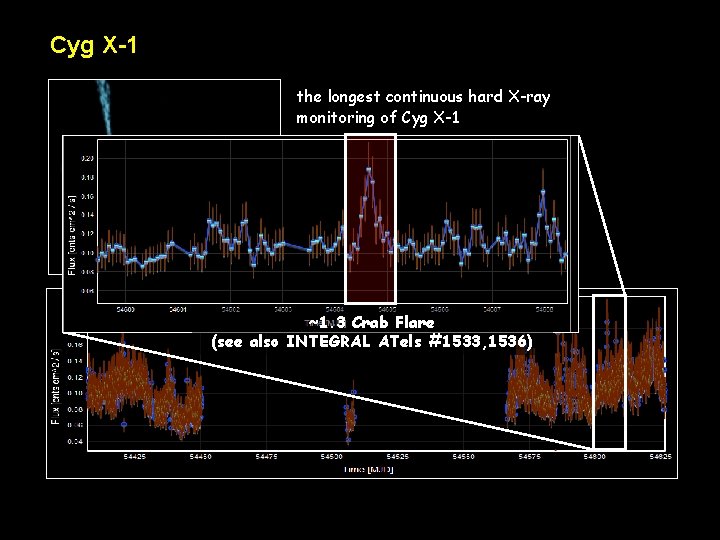
Cyg X-1 the longest continuous hard X-ray monitoring of Cyg X-1 Total Observation Time: ~ 4. 5 Ms (1196 Orbits) 1 Month ~1. 3 Crab Flare (see also INTEGRAL ATels #1533, 1536)
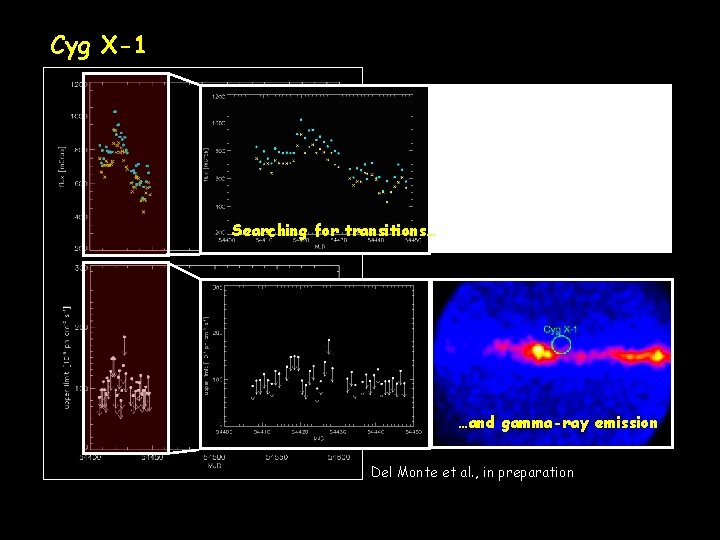
Cyg X-1 Super. AGILE 1. 61 curve +/- 0. 13 Super. AGILE Γ~ light Low/Hard State LE (20 -25 ke. V): Yellow Searching for transitions… HE (25 -50 ke. V): Cyan GRID …and gamma-ray emission Del Monte et al. , in preparation
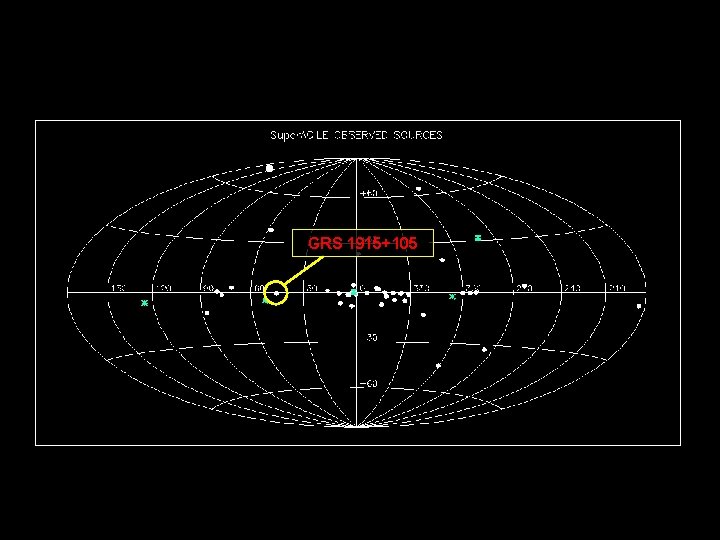
GRS 1915+105
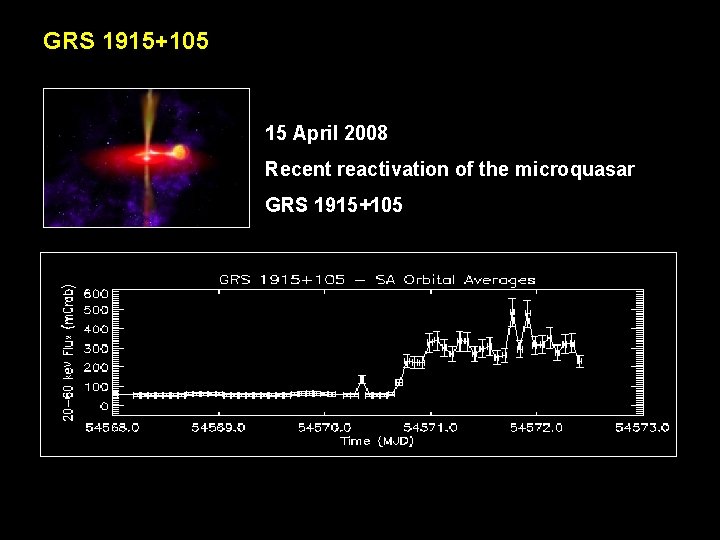
GRS 1915+105 15 April 2008 Recent reactivation of the microquasar GRS 1915+105
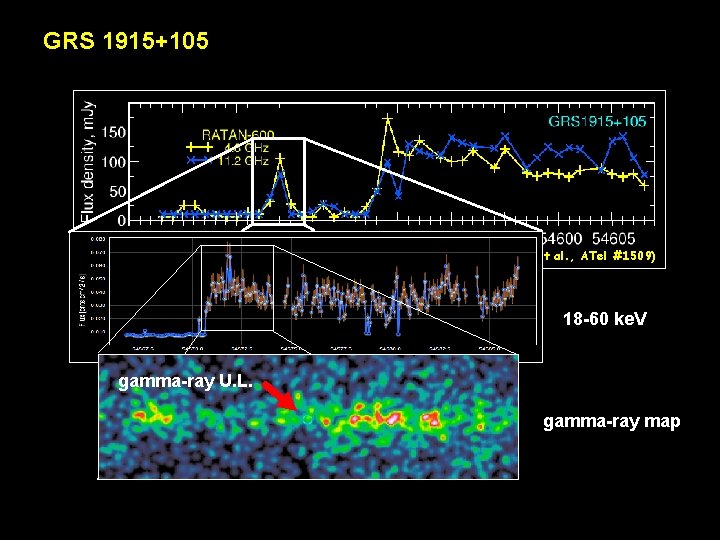
GRS 1915+105 (Trushkin S. et al. , ATel #1509) 18 -60 ke. V gamma-ray U. L. gamma-ray map
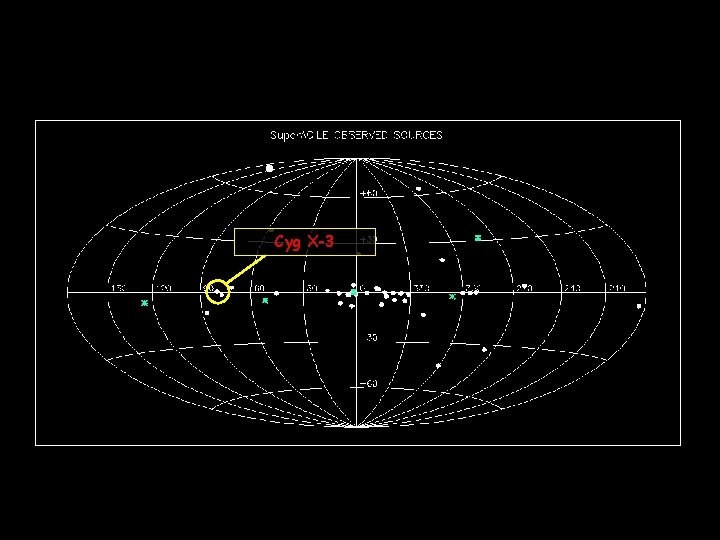
Cyg X-3
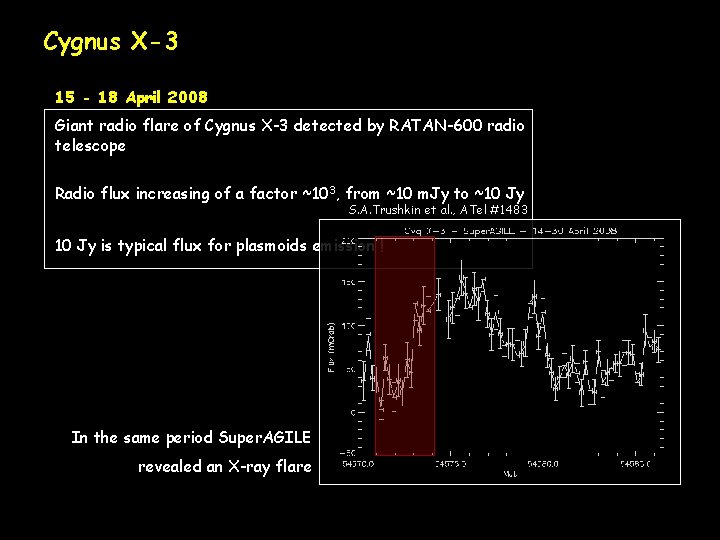
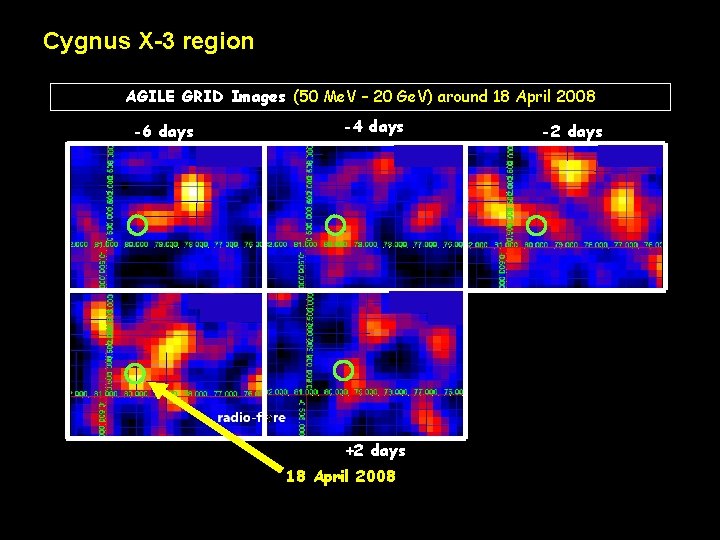
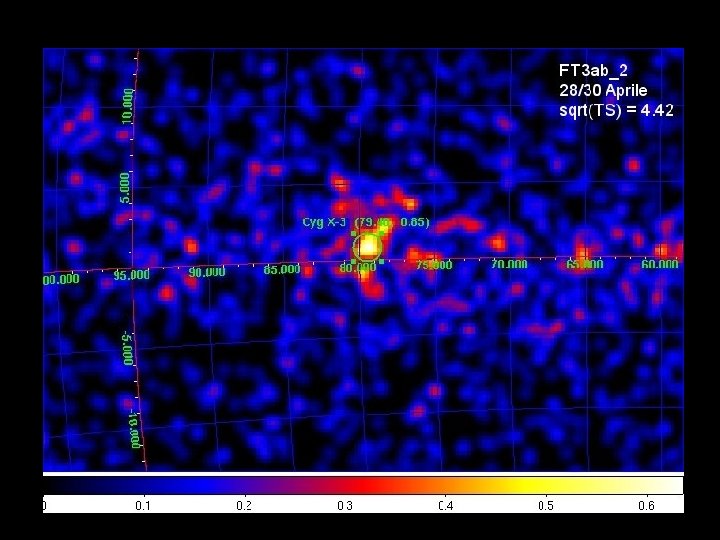
Cygnus X-3 15 - 18 April 2008 Giant radio flare of Cygnus X-3 detected by RATAN-600 radio telescope Radio flux increasing of a factor ~103, from ~10 m. Jy to ~10 Jy S. A. Trushkin et al. , ATel #1483 10 Jy is typical flux for plasmoids emission ! In the same period Super. AGILE revealed an X-ray flare
Cygnus X-3 region AGILE GRID Images (50 Me. V – 20 Ge. V) around 18 April 2008 -6 days -4 days +2 days 18 April 2008 -2 days
Future prospects • Erratic variability of accreting micro-QSOs • Need simultaneous and well-sampled X-ray coverage ! • Gamma-ray emission rare, if any.
A different micro-QSO • LS I +61 303
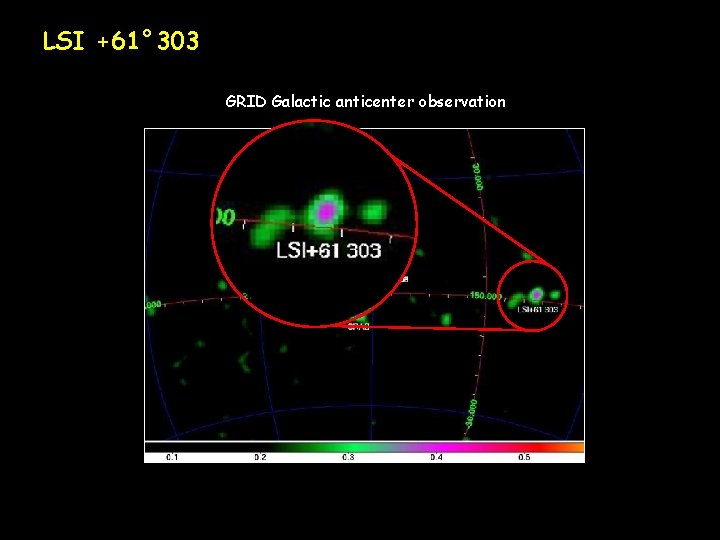
LSI +61° 303
LSI +61° 303 GRID Galactic anticenter observation
Galactic gamma-ray transients • Cygnus region • Carina region • Crux region AGILE observes variability and detects new transients on time scales of 1 day at flux levels of 10 -6 cm-2 s-1 , even in crowded, high diffuse emission Galactic plane regions. NO detectable simultaneous hard X-ray emission (F < 20 -30 m. Crab, 18 -60 ke. V, 1 -day integration)
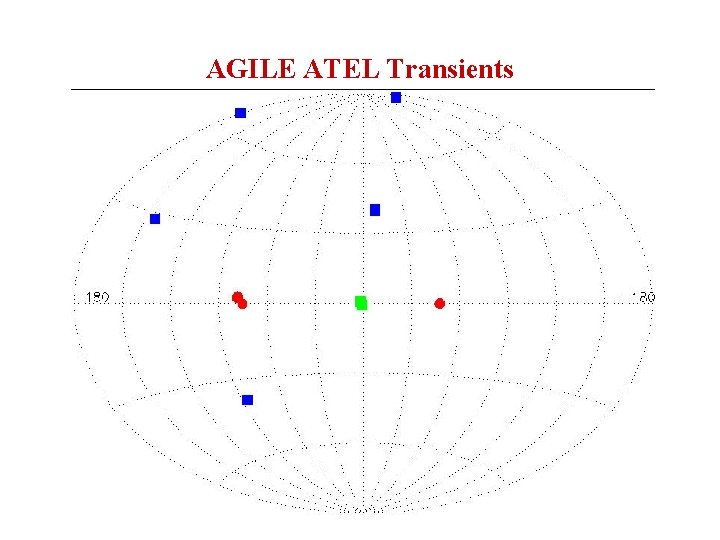
AGILE ATEL Transients
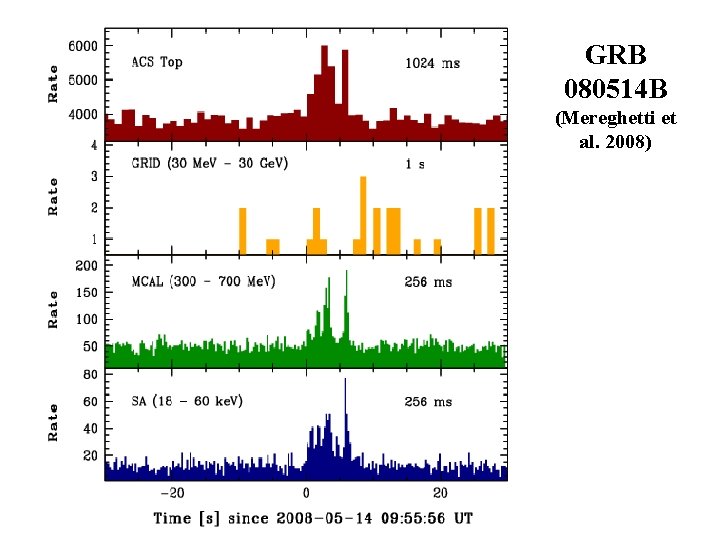
GRBs • Several interesting GRBs in the central FOV • One detection above 100 Me. V (GRB 080514 B) • ~1 GRB/week detected by the MCAL • Terrestrial flashes
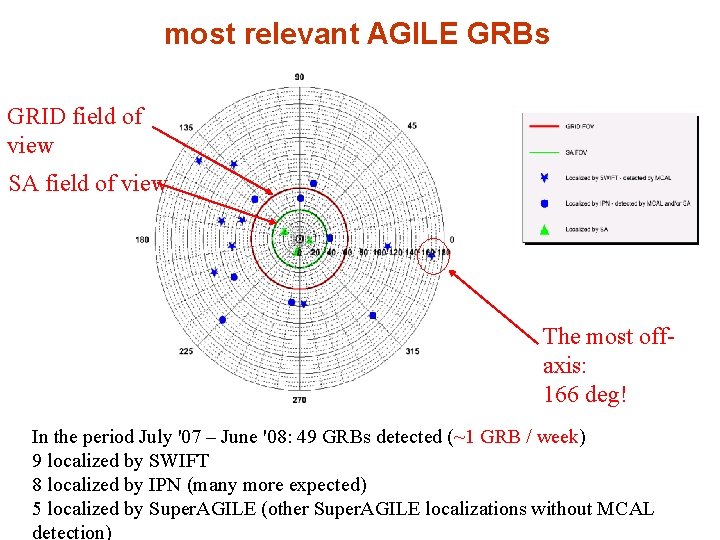
most relevant AGILE GRBs GRID field of view SA field of view The most offaxis: 166 deg! In the period July '07 – June '08: 49 GRBs detected (~1 GRB / week) 9 localized by SWIFT 8 localized by IPN (many more expected) 5 localized by Super. AGILE (other Super. AGILE localizations without MCAL detection)
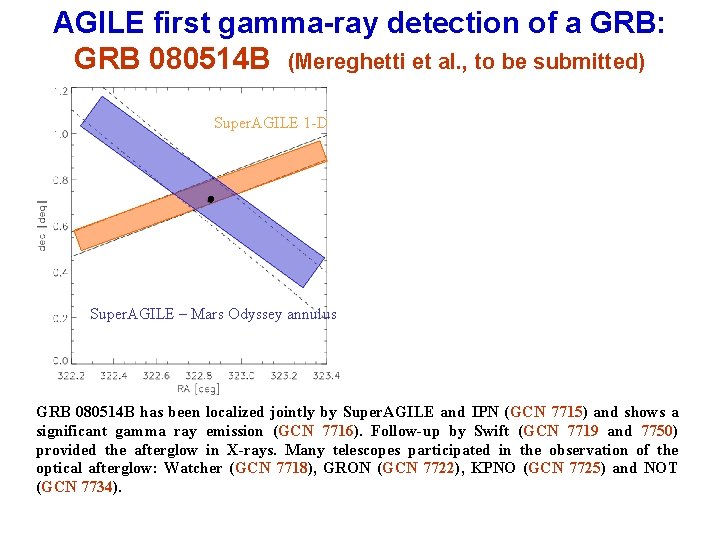
AGILE first gamma-ray detection of a GRB: GRB 080514 B (Mereghetti et al. , to be submitted) Super. AGILE 1 -D Super. AGILE – Mars Odyssey annulus GRB 080514 B has been localized jointly by Super. AGILE and IPN (GCN 7715) and shows a significant gamma ray emission (GCN 7716). Follow-up by Swift (GCN 7719 and 7750) provided the afterglow in X-rays. Many telescopes participated in the observation of the optical afterglow: Watcher (GCN 7718), GRON (GCN 7722), KPNO (GCN 7725) and NOT (GCN 7734).
GRB 080514 B (Mereghetti et al. 2008)
Conclusions • Very exciting time for gamma-ray and VHE astrophysics • AGILE, GLAST will provide a wealth of data on a variety of sources • Be ready for variability ! • Multifrequency approach is crucial