
Game Plan Lecture Lab Disease pathogenesis Portals of
Game Plan Lecture Lab Disease pathogenesis Portals of entry Mechanisms of pathogenicity Toxins SSE Unknowns
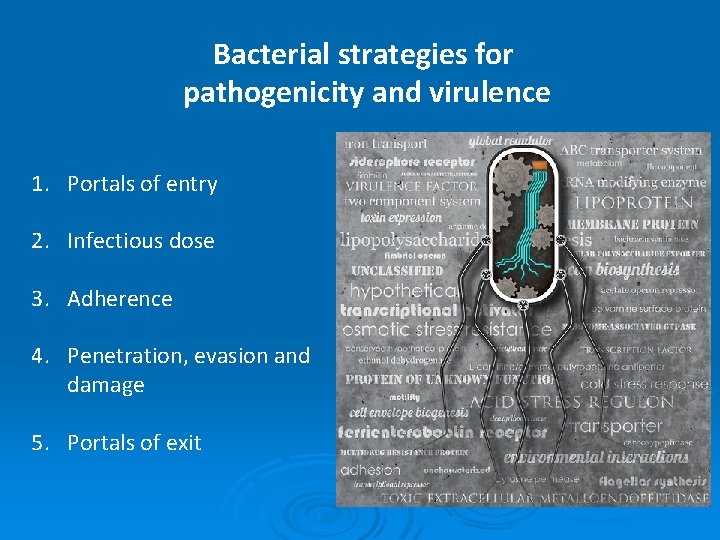
Bacterial strategies for pathogenicity and virulence 1. Portals of entry 2. Infectious dose 3. Adherence 4. Penetration, evasion and damage 5. Portals of exit

1. Portals of entry
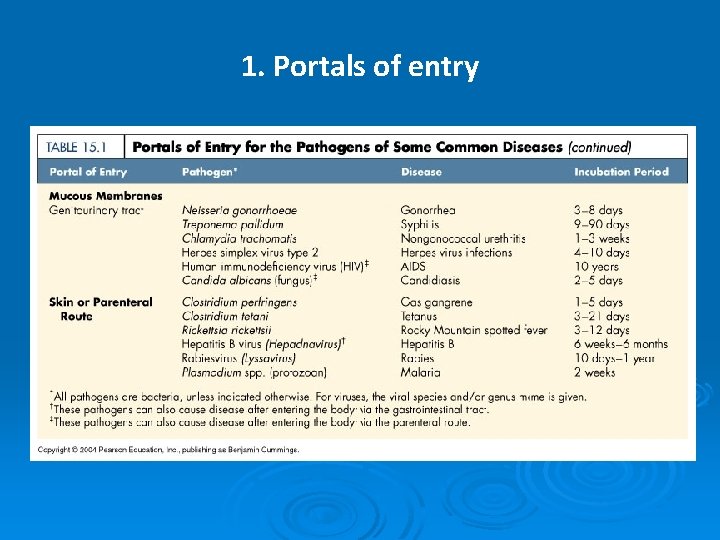
1. Portals of entry
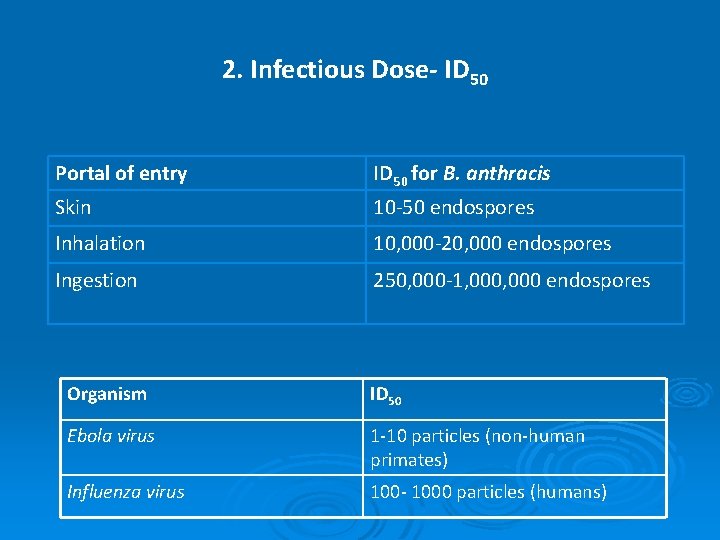
2. Infectious Dose- ID 50 Portal of entry ID 50 for B. anthracis Skin 10 -50 endospores Inhalation 10, 000 -20, 000 endospores Ingestion 250, 000 -1, 000 endospores Organism ID 50 Ebola virus 1 -10 particles (non-human primates) Influenza virus 100 - 1000 particles (humans)
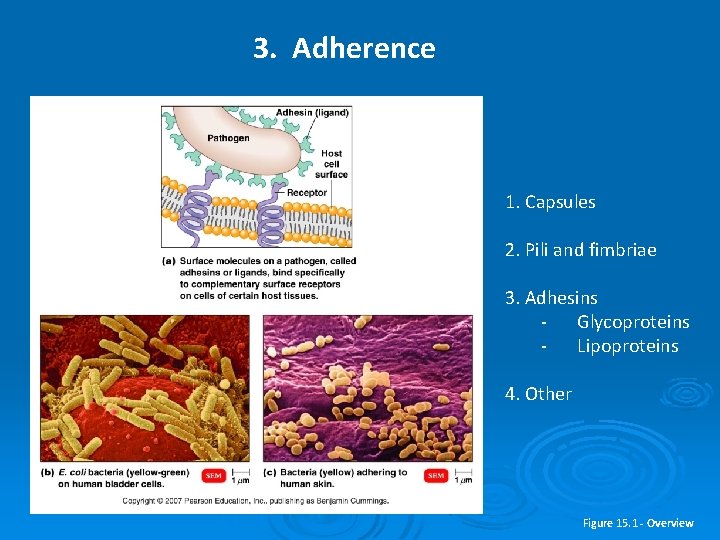
3. Adherence 1. Capsules 2. Pili and fimbriae 3. Adhesins - Glycoproteins - Lipoproteins 4. Other Figure 15. 1 - Overview
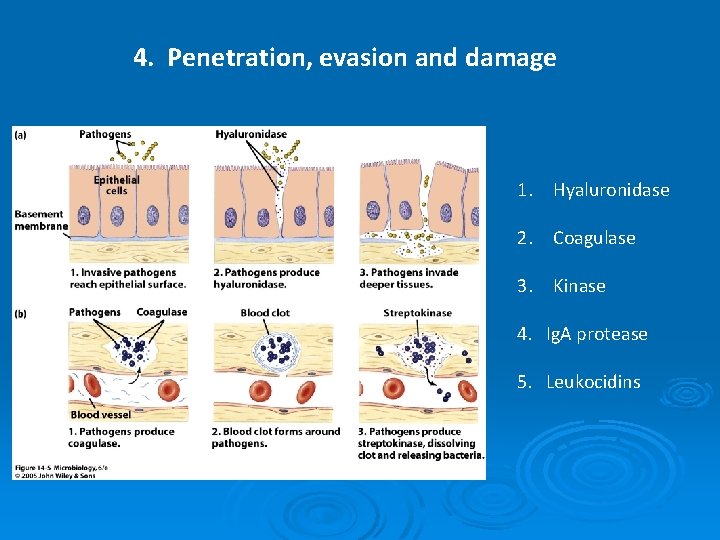
4. Penetration, evasion and damage 1. Hyaluronidase 2. Coagulase 3. Kinase 4. Ig. A protease 5. Leukocidins
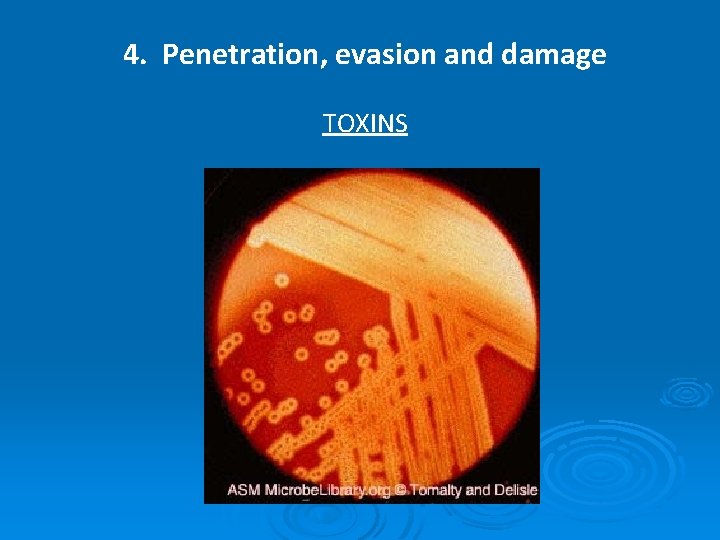
4. Penetration, evasion and damage TOXINS
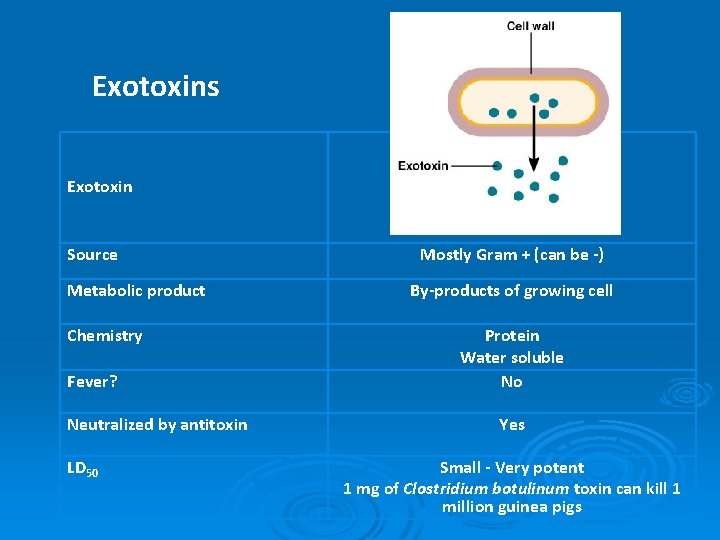
Exotoxins Exotoxin Source Metabolic product Chemistry Fever? Neutralized by antitoxin LD 50 Mostly Gram + (can be -) By-products of growing cell Protein Water soluble No Yes Small - Very potent 1 mg of Clostridium botulinum toxin can kill 1 million guinea pigs
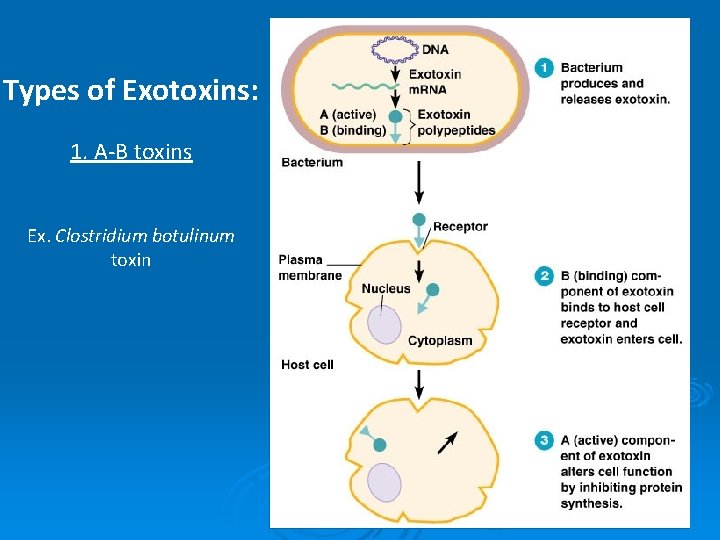
Types of Exotoxins: 1. A-B toxins Ex. Clostridium botulinum toxin
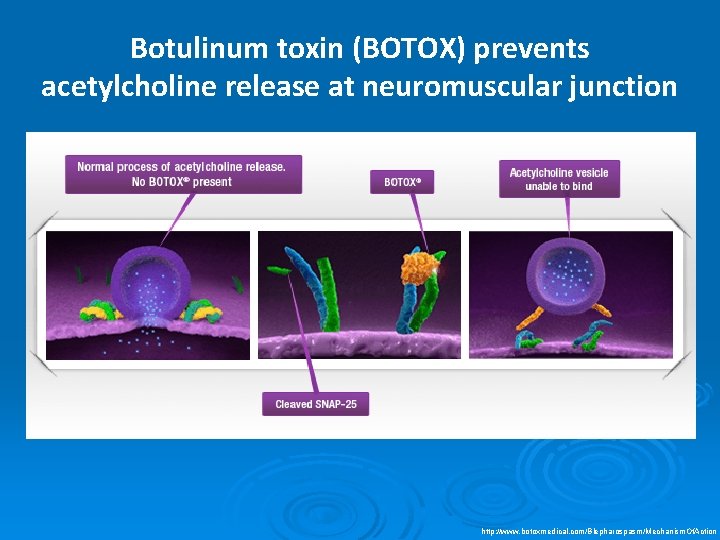
Botulinum toxin (BOTOX) prevents acetylcholine release at neuromuscular junction http: //www. botoxmedical. com/Blepharospasm/Mechanism. Of. Action
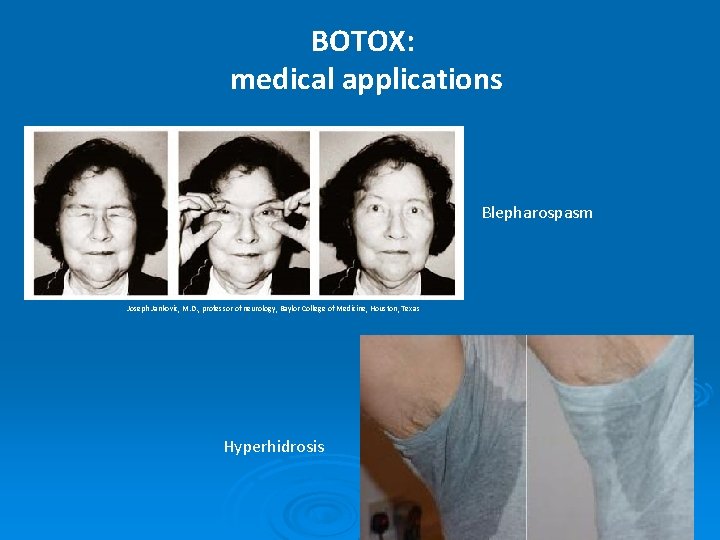
BOTOX: medical applications Blepharospasm Joseph Jankovic, M. D. , professor of neurology, Baylor College of Medicine, Houston, Texas Hyperhidrosis
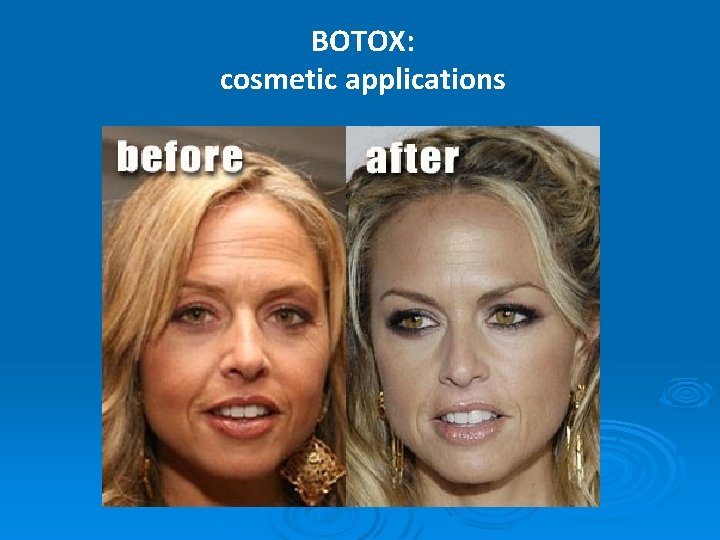
BOTOX: cosmetic applications
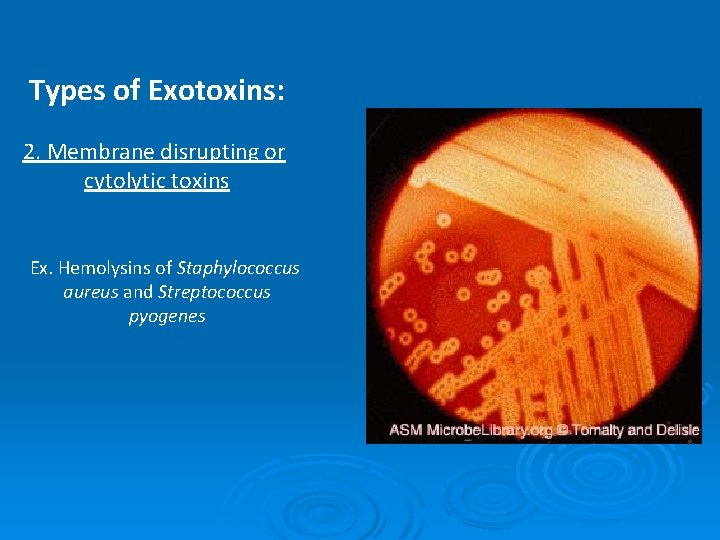
Types of Exotoxins: 2. Membrane disrupting or cytolytic toxins Ex. Hemolysins of Staphylococcus aureus and Streptococcus pyogenes
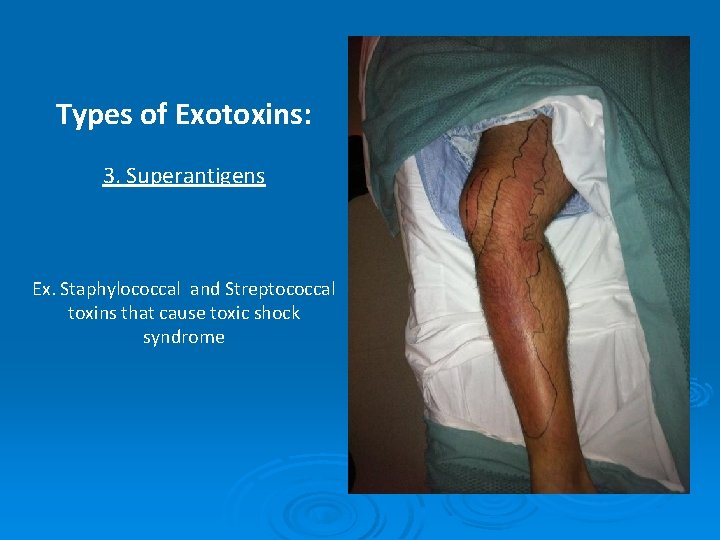
Types of Exotoxins: 3. Superantigens Ex. Staphylococcal and Streptococcal toxins that cause toxic shock syndrome
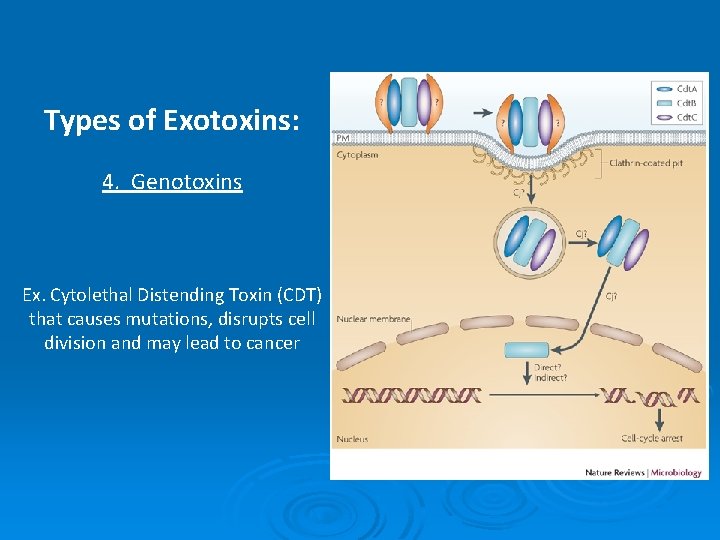
Types of Exotoxins: 4. Genotoxins Ex. Cytolethal Distending Toxin (CDT) that causes mutations, disrupts cell division and may lead to cancer
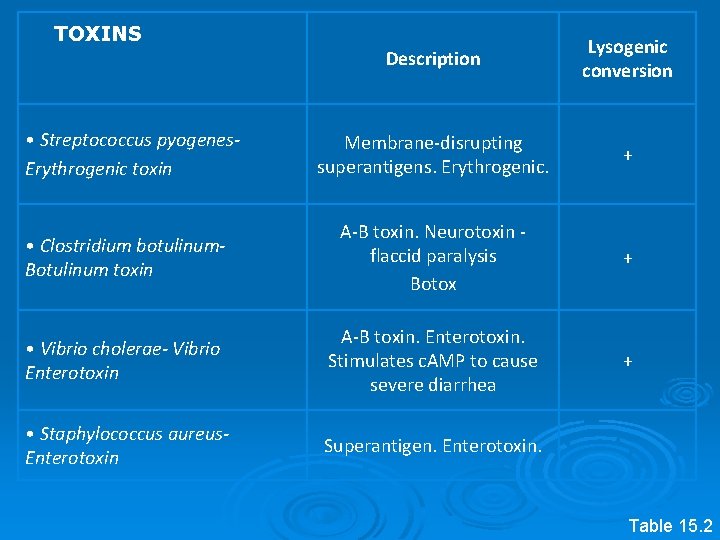
TOXINS Description Lysogenic conversion Membrane-disrupting superantigens. Erythrogenic. + • Clostridium botulinum. Botulinum toxin A-B toxin. Neurotoxin flaccid paralysis Botox + • Vibrio cholerae- Vibrio Enterotoxin A-B toxin. Enterotoxin. Stimulates c. AMP to cause severe diarrhea + • Staphylococcus aureus. Enterotoxin Superantigen. Enterotoxin. • Streptococcus pyogenes. Erythrogenic toxin Table 15. 2
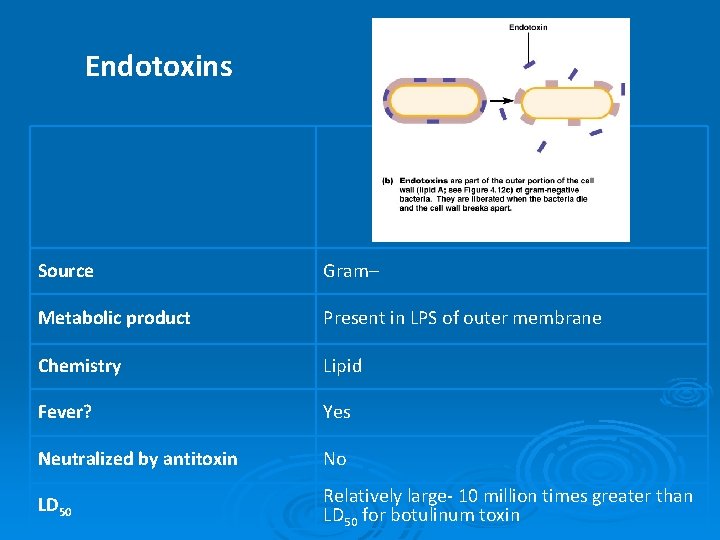
Endotoxins Source Gram– Metabolic product Present in LPS of outer membrane Chemistry Lipid Fever? Yes Neutralized by antitoxin No LD 50 Relatively large- 10 million times greater than LD 50 for botulinum toxin
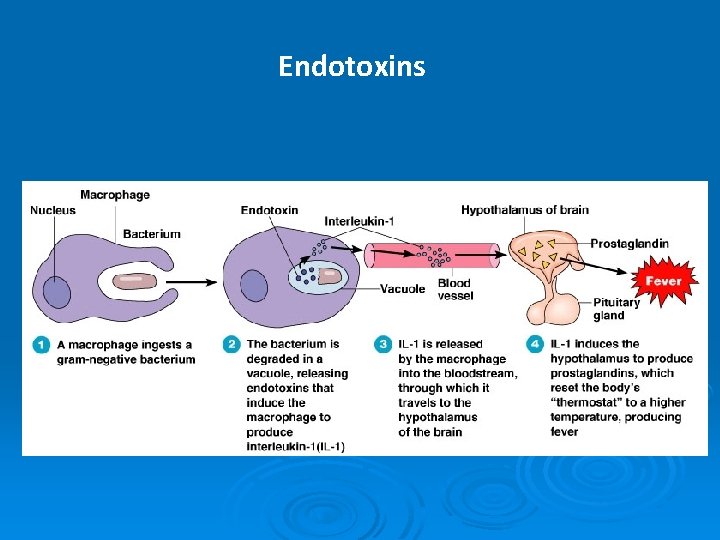
Endotoxins
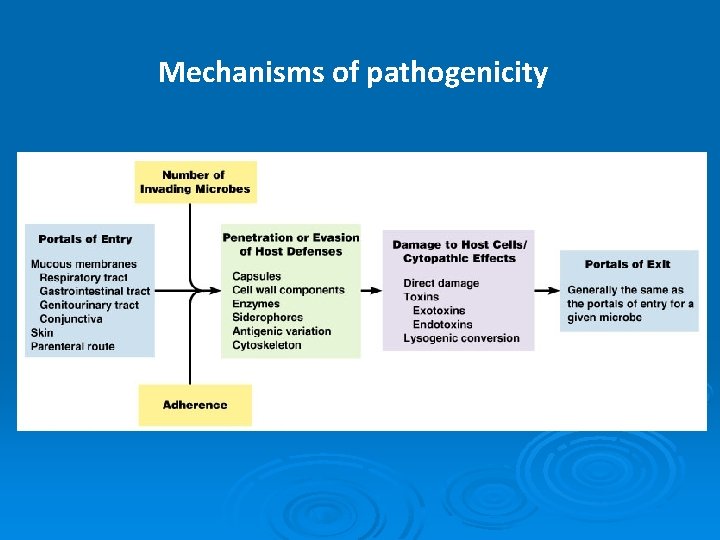
Mechanisms of pathogenicity
Independent Study Download and print APO-5: Microbes and you- who will win the war? Feel free to modify word doc so that you have room to write out answers. TYPED APO is due on the day of Exam 3.
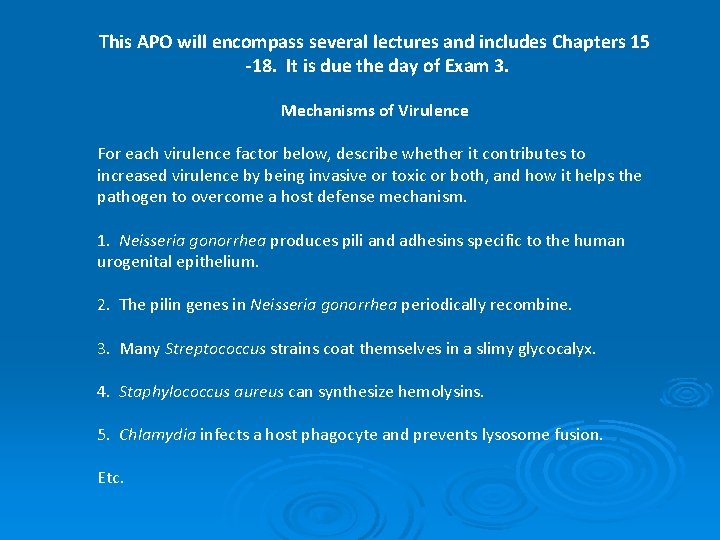
This APO will encompass several lectures and includes Chapters 15 -18. It is due the day of Exam 3. Mechanisms of Virulence For each virulence factor below, describe whether it contributes to increased virulence by being invasive or toxic or both, and how it helps the pathogen to overcome a host defense mechanism. 1. Neisseria gonorrhea produces pili and adhesins specific to the human urogenital epithelium. 2. The pilin genes in Neisseria gonorrhea periodically recombine. 3. Many Streptococcus strains coat themselves in a slimy glycocalyx. 4. Staphylococcus aureus can synthesize hemolysins. 5. Chlamydia infects a host phagocyte and prevents lysosome fusion. Etc.
- Slides: 22