
Game plan Lecture Lab Antibody antigen binding Humoral
Game plan Lecture Lab Antibody- antigen binding Humoral immunity Cellular immunity Clonal selection and immunological memory Staph, Strep and Enteric Unknowns
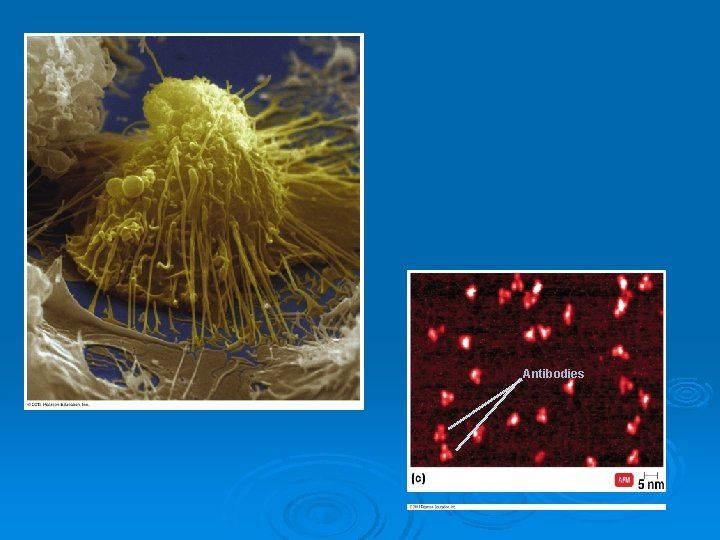
Antibodies
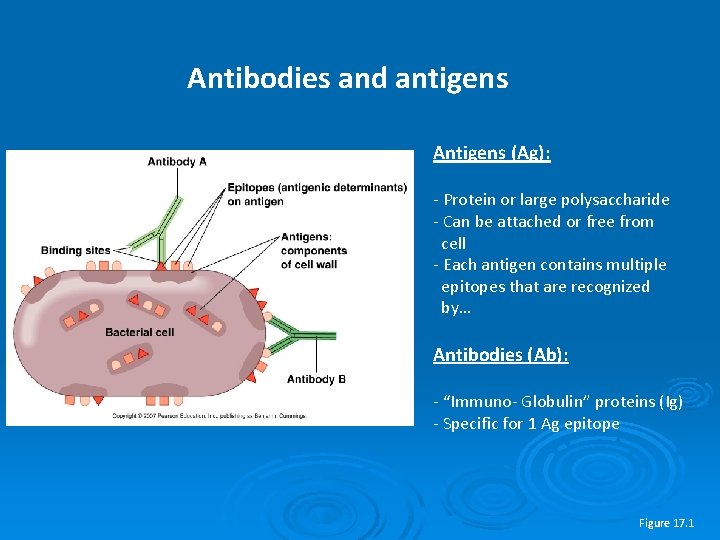
Antibodies and antigens Antigens (Ag): - Protein or large polysaccharide - Can be attached or free from cell - Each antigen contains multiple epitopes that are recognized by… Antibodies (Ab): - “Immuno- Globulin” proteins (Ig) - Specific for 1 Ag epitope Figure 17. 1
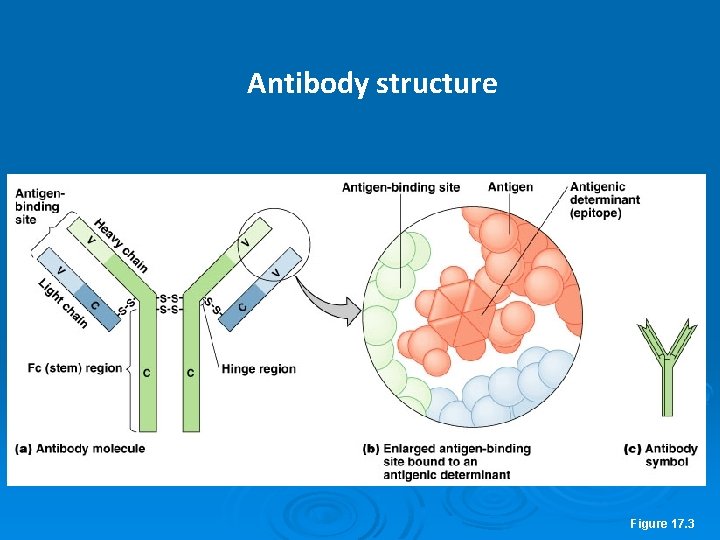
Antibody structure Figure 17. 3
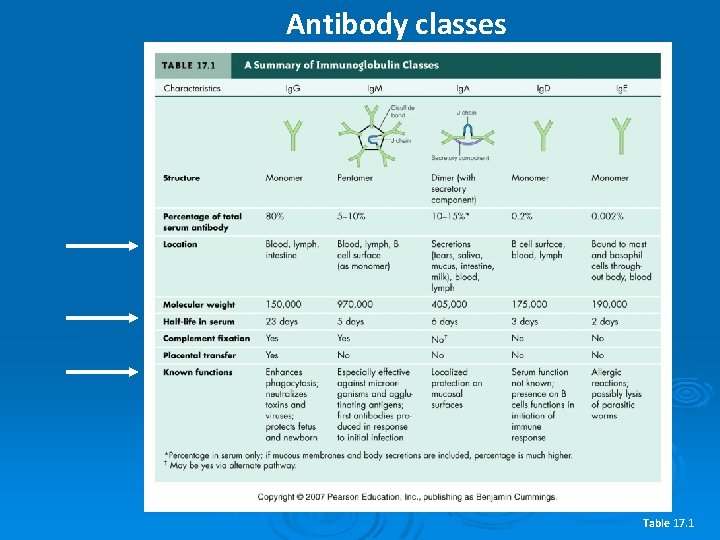
Antibody classes Table 17. 1
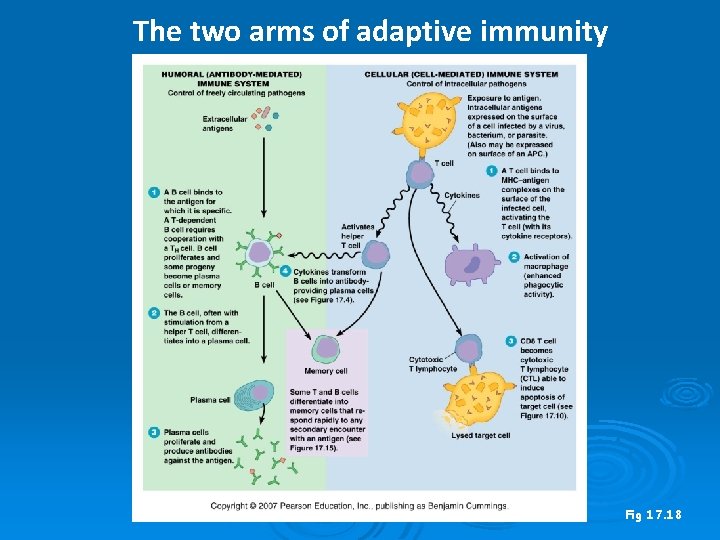
The two arms of adaptive immunity Fig 17. 18
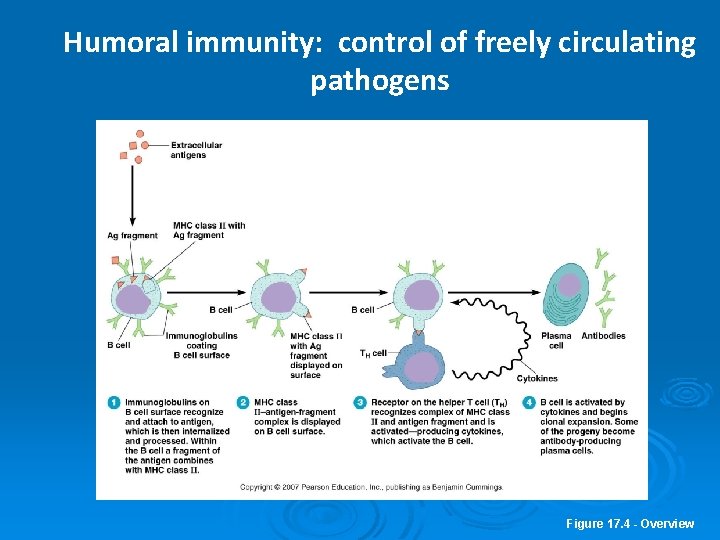
Humoral immunity: control of freely circulating pathogens Figure 17. 4 - Overview
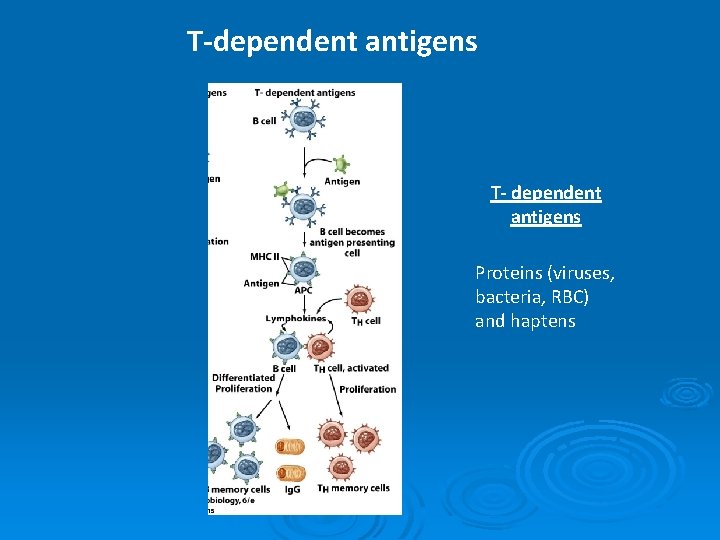
T-dependent antigens T- dependent antigens Proteins (viruses, bacteria, RBC) and haptens
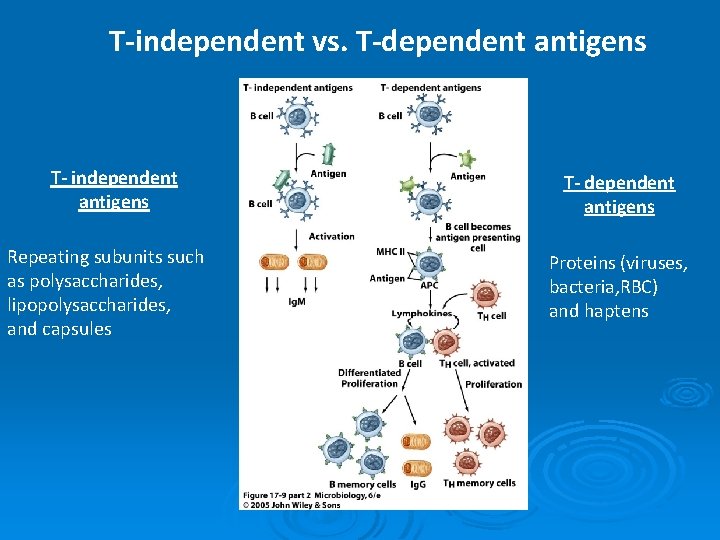
T-independent vs. T-dependent antigens T- independent antigens Repeating subunits such as polysaccharides, lipopolysaccharides, and capsules T- dependent antigens Proteins (viruses, bacteria, RBC) and haptens
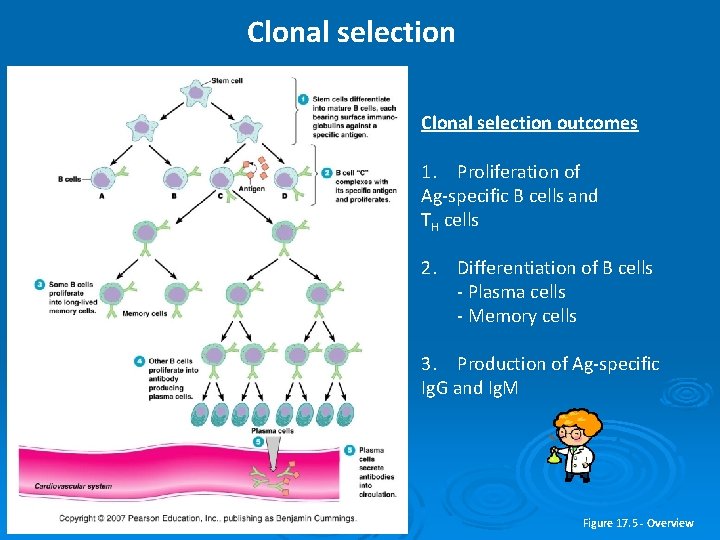
Clonal selection outcomes 1. Proliferation of Ag-specific B cells and TH cells 2. Differentiation of B cells - Plasma cells - Memory cells 3. Production of Ag-specific Ig. G and Ig. M Figure 17. 5 - Overview
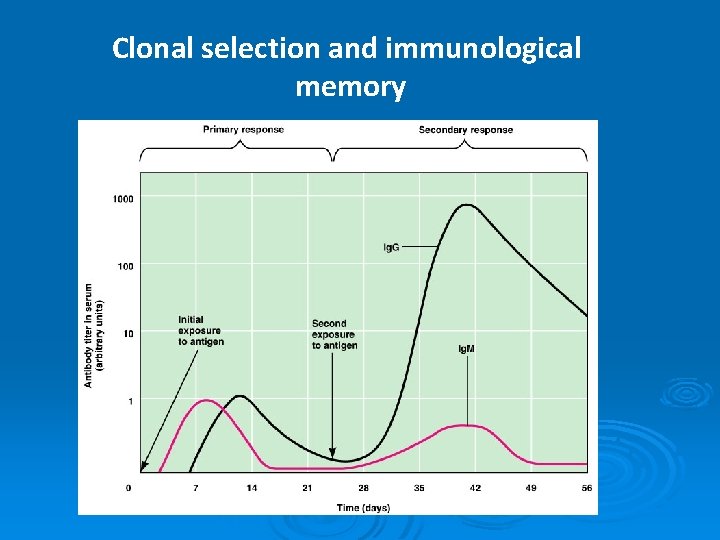
Clonal selection and immunological memory
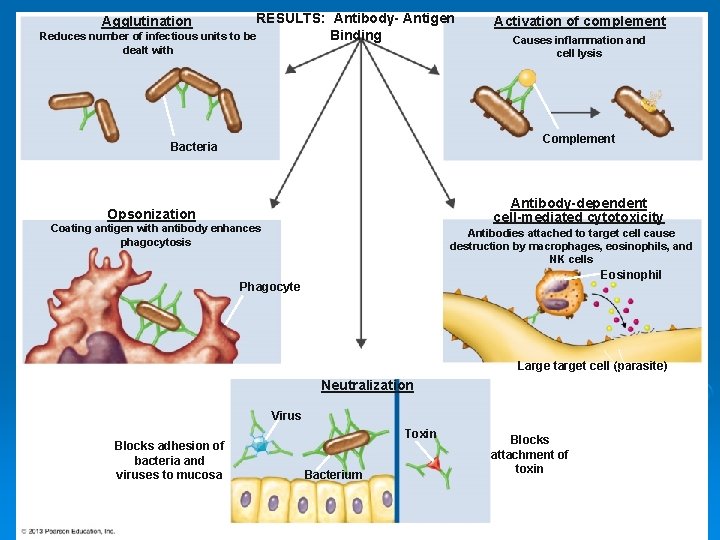
RESULTS: Antibody- Antigen Binding Reduces number of infectious units to be Agglutination Activation of complement dealt with Causes inflammation and cell lysis Complement Bacteria Antibody-dependent cell-mediated cytotoxicity Opsonization Coating antigen with antibody enhances phagocytosis Antibodies attached to target cell cause destruction by macrophages, eosinophils, and NK cells Eosinophil Phagocyte Large target cell (parasite) Neutralization Virus Blocks adhesion of bacteria and viruses to mucosa Toxin Bacterium Blocks attachment of toxin
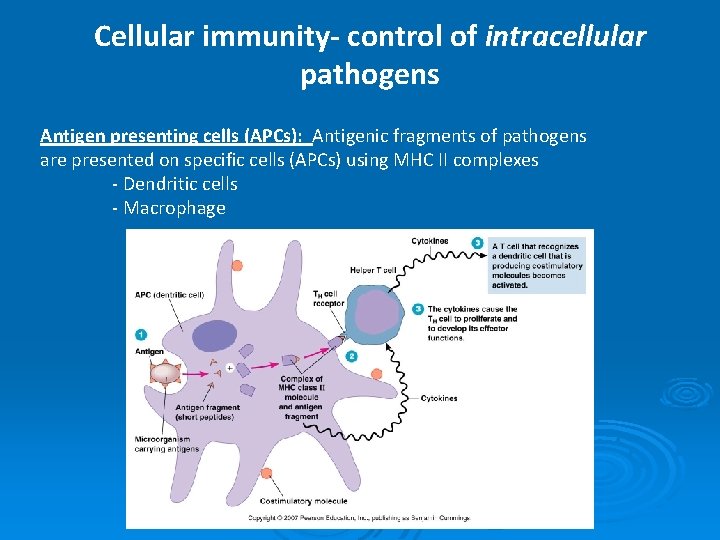
Cellular immunity- control of intracellular pathogens Antigen presenting cells (APCs): Antigenic fragments of pathogens are presented on specific cells (APCs) using MHC II complexes - Dendritic cells - Macrophage
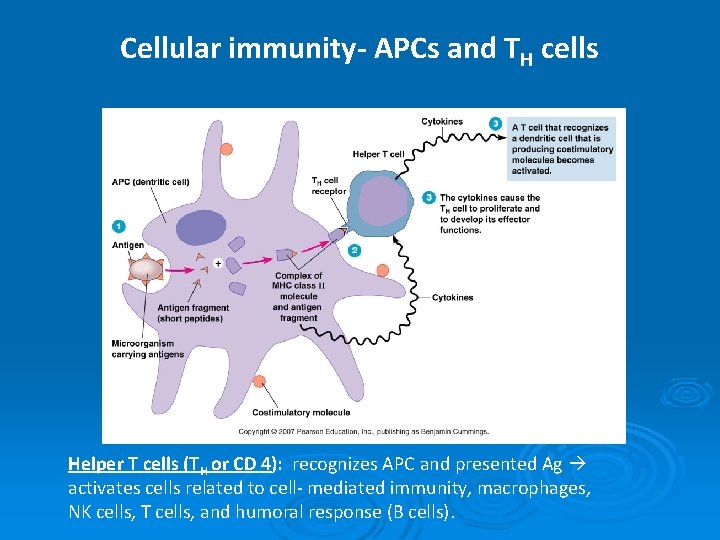
Cellular immunity- APCs and TH cells Helper T cells (TH or CD 4): recognizes APC and presented Ag activates cells related to cell- mediated immunity, macrophages, NK cells, T cells, and humoral response (B cells).
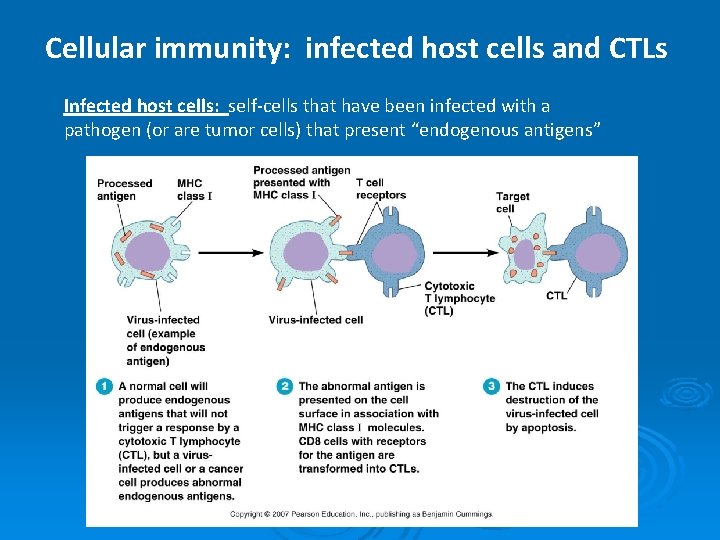
Cellular immunity: infected host cells and CTLs Infected host cells: self-cells that have been infected with a pathogen (or are tumor cells) that present “endogenous antigens”
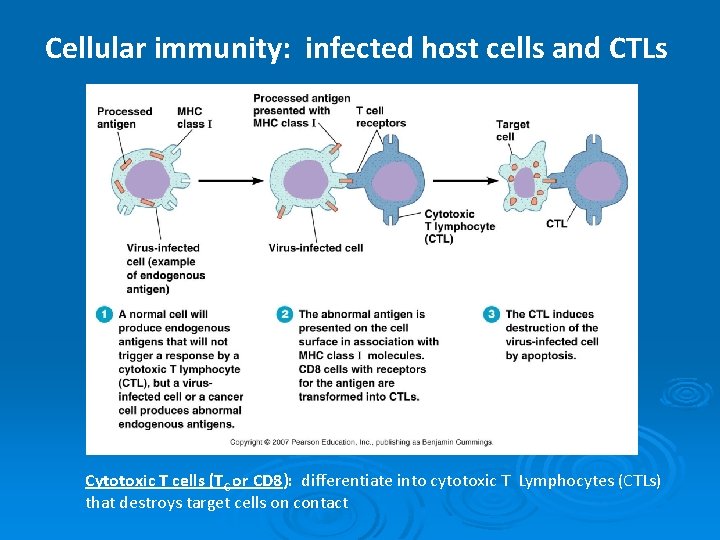
Cellular immunity: infected host cells and CTLs Cytotoxic T cells (TC or CD 8): differentiate into cytotoxic T Lymphocytes (CTLs) that destroys target cells on contact
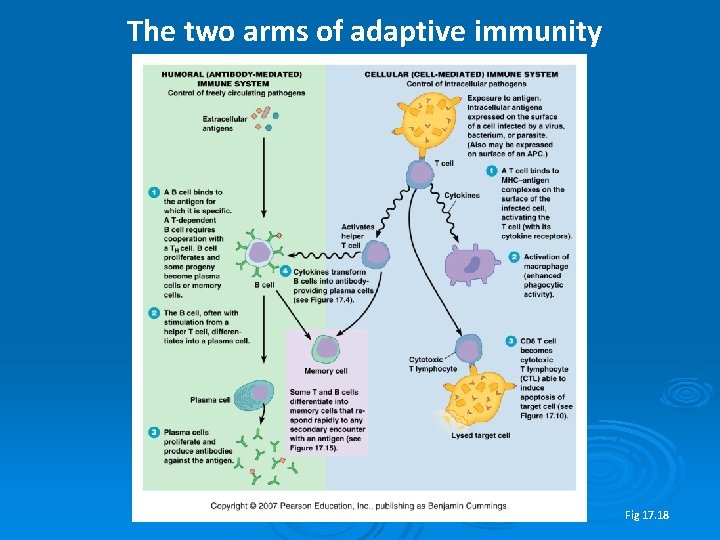
The two arms of adaptive immunity Fig 17. 18
Independent study 1. Review humoral and cellular immunity
- Slides: 18