
Galloping into the Unknown Utilizing Design Thinking to
- Slides: 28
Galloping into the Unknown: Utilizing Design Thinking to Reimagine Instruction, Collaboration, and Innovation #loex 17 gallop Stefanie Metko, Lisa Becksford, and Patrick Tomlin University Libraries, Virginia Tech
After this session you will: ● Know what design thinking is and how it applies to library instruction ● Understand how design thinking cultivates a culture that embraces collaboration, innovation and new mindsets within academic libraries ● Reflect on how case study examples can be adapted and applied within your institution 2
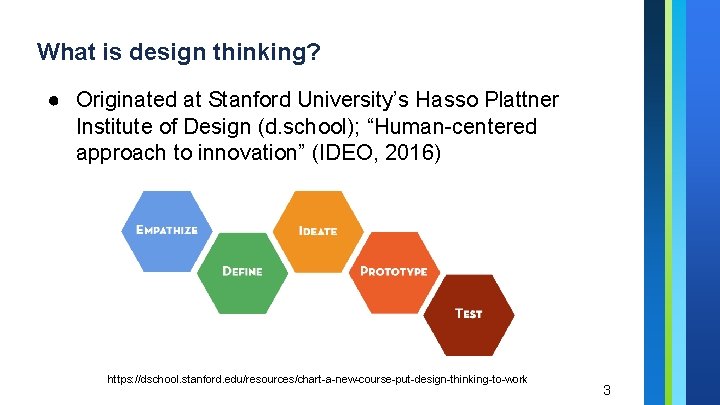
What is design thinking? ● Originated at Stanford University’s Hasso Plattner Institute of Design (d. school); “Human-centered approach to innovation” (IDEO, 2016) https: //dschool. stanford. edu/resources/chart-a-new-course-put-design-thinking-to-work 3
Why design thinking at Virginia Tech? ● An effective mindset for harnessing change: organizational (reorganization) and campus-wide (new administration & new strategic directions) ● Encourages experimentation and iteration ● Keeps users front and center ● Creates a common vocabulary and shared framework for innovation - builds team 4
#loex 17 gallop Case Study 1: LIbrary Instruction as a Mixtape 5
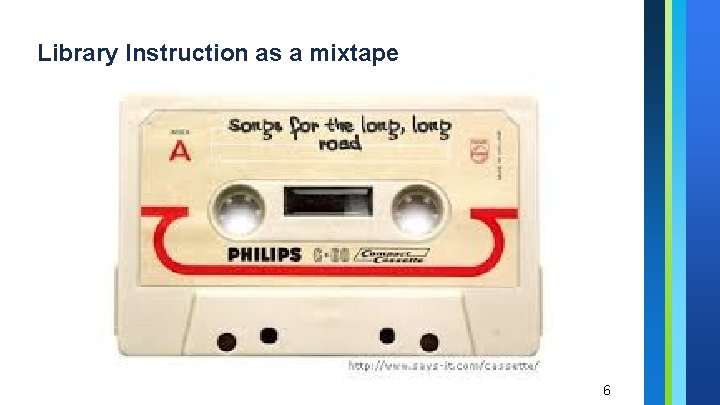
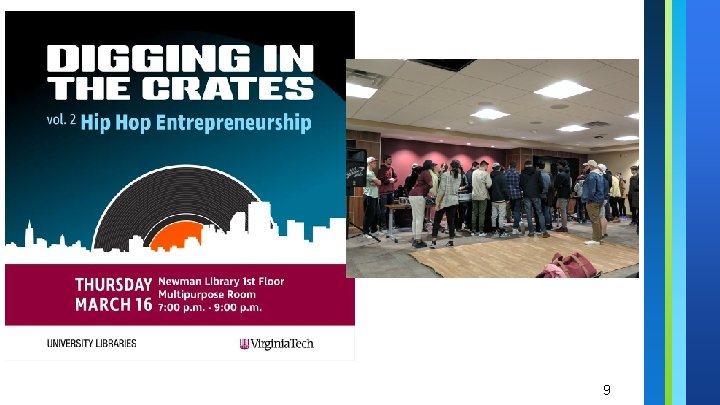
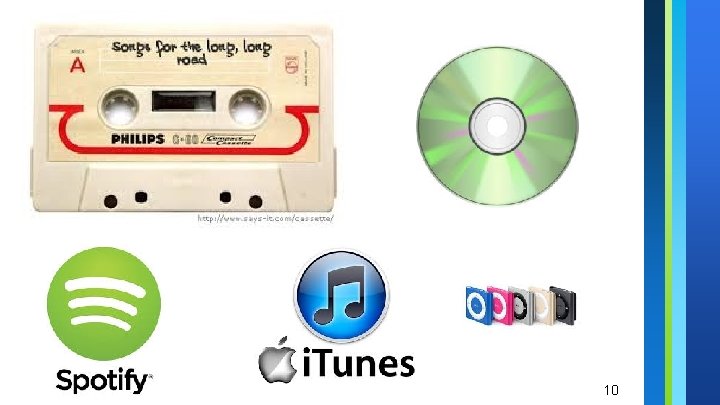
Library Instruction as a mixtape 6
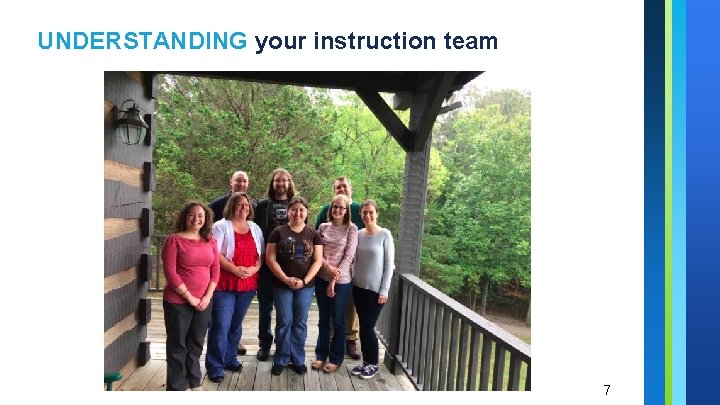
UNDERSTANDING your instruction team 7
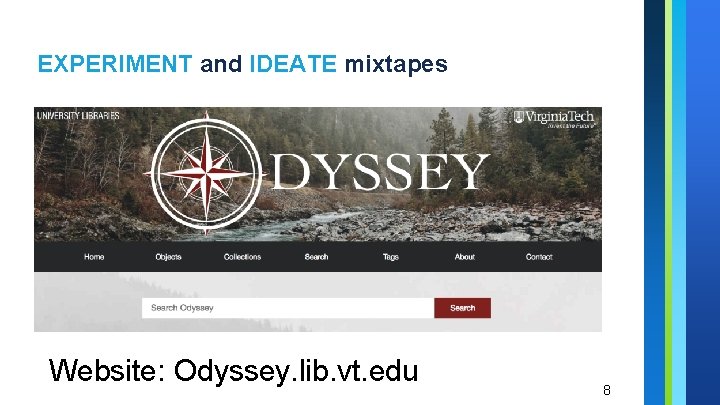
EXPERIMENT and IDEATE mixtapes Website: Odyssey. lib. vt. edu 8
9
10
#loex 17 gallop Case Study 2 Project Spaces 11
Student project spaces ● Design Thinking applied to technology and research spaces ● User-centered service model design ○ Guided by environmental scan ○ Early focus on problem-solving ● Can we “fail early to succeed sooner? ” 12
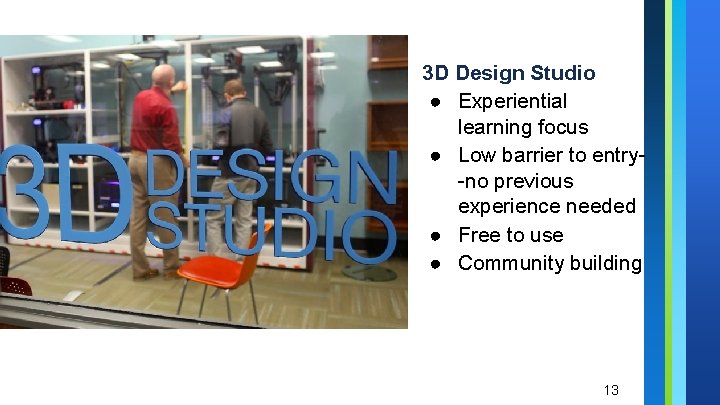
3 D Design Studio ● Experiential learning focus ● Low barrier to entry-no previous experience needed ● Free to use ● Community building 13
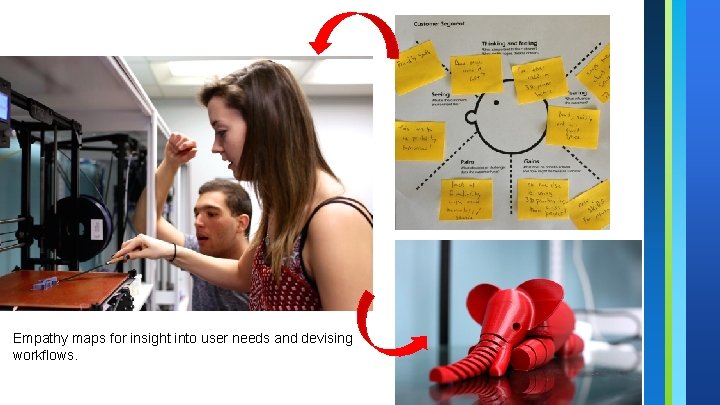
Empathy maps for insight into user needs and devising workflows. 14
15
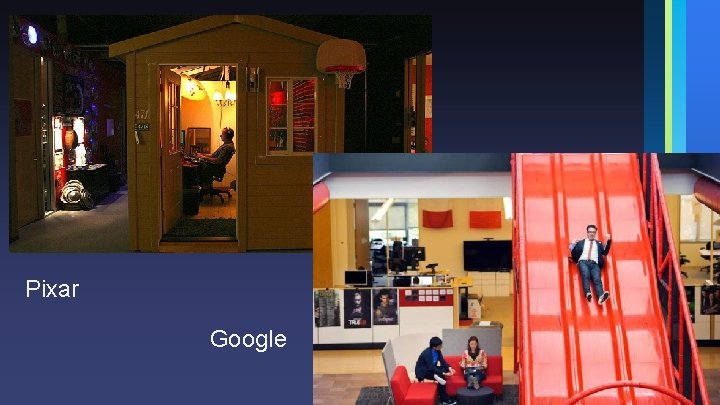
Pixar Google 16
17
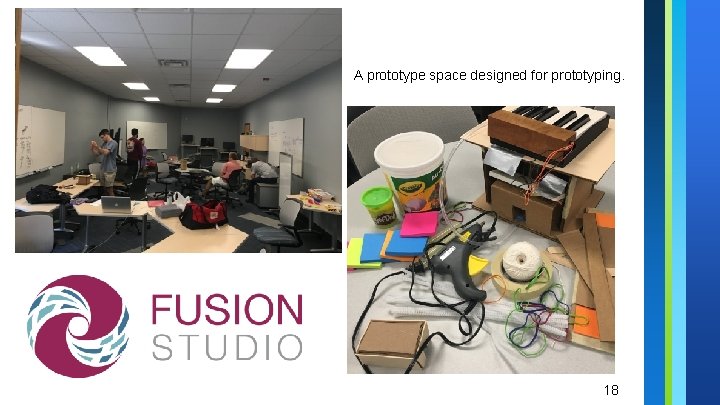
A prototype space designed for prototyping. 18
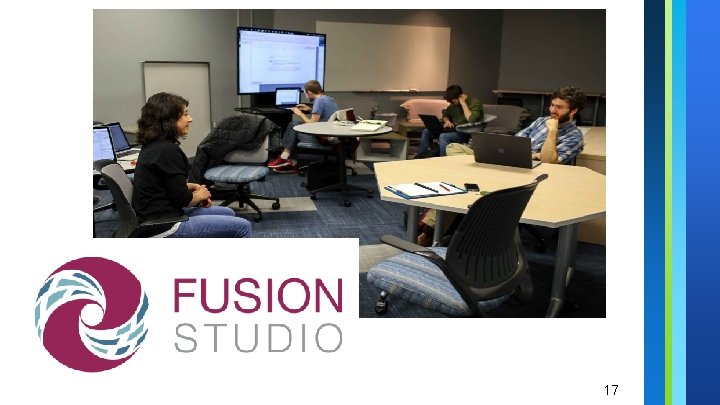
● Inspired by start-up incubators, d. school ● A space where interdisciplinary “creative collisions” can occur ● Studio manager facilitates connections across campus and between groups ● Co-curricular workshops, speakers, and showcases 19
#loex 17 gallop Case Study 3 Faculty Design Spaces 20
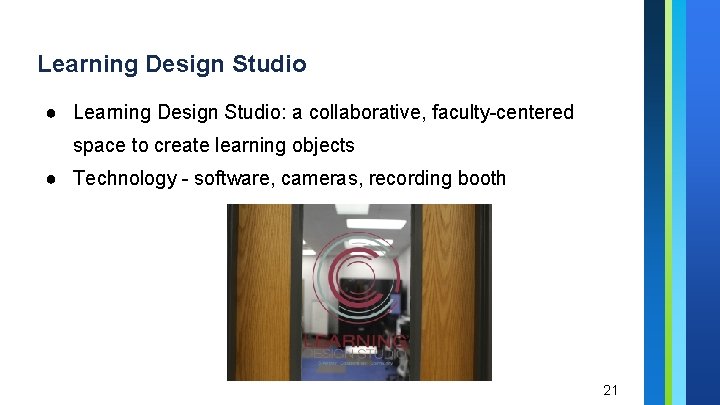
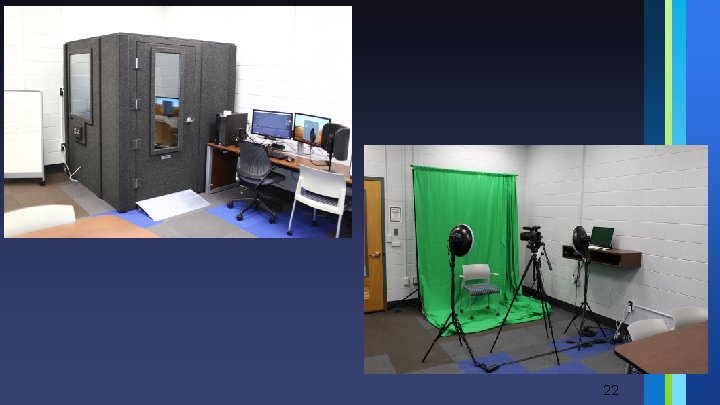
Learning Design Studio ● Learning Design Studio: a collaborative, faculty-centered space to create learning objects ● Technology - software, cameras, recording booth 21
22
● Empathize/Define: Needs assessment revealed need to create content for online learning (broadly defined) and space to create that content ● Ideate: Design new service model within larger online learning program development ● Prototype: Trying new approaches in the space ● Test: Sometimes failing; continuous improvement ● Initial discomfort with prototyping and risk of failure ● Required a new mindset towards developing spaces as well as developing teams 23
Bringing it all together ● Failures can lead to success ● Examples highlight the value in embracing a design thinking mindset (productive failures + perseverance = success) ● Future plans ● Mindset shift is one of the most important legacies of the use of design thinking in our division 24
Reflection How do you think you could use design thinking for instruction, collaboration or innovation at your library? 25
#loex 17 gallop Questions? 26
References Hasso Plattner Institute of Design at Stanford (2017). Put design thinking to work. Retrieved from https: //dschool. stanford. edu/resources/ chart-a-new-course-put-design-thinking-to-work Hasso Plattner Institute of Design at Stanford (2017). Our point of view. Retrieved from https: //dschool. stanford. edu/our-point-of-view/ IDEO (2013). Design thinking for educators. Retrieved from https: //designthinkingforeducators. com/toolkit/ IDEO (2015). Design thinking for libraries: A toolkit for patron-centered design. Retrieved from http: //designthinkingforlibraries. com IDEO (2016) Design thinking - IDEO U. Retrieved from http: //www. ideou. com/ pages/design-thinking 27
Credits Special thanks to all the people who made and released these awesome resources for free: ➝Presentation template by Slides. Carnival 28