
FVS Regeneration Imputation Don Vandendriesche USDA Forest Service



- Slides: 35
FVS Regeneration Imputation Don Vandendriesche USDA Forest Service Forest Management Service Center Growth and Yield Group
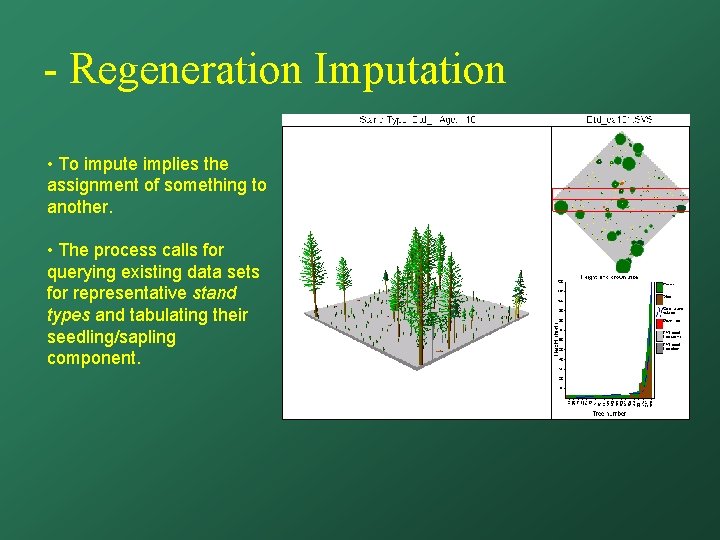
- Regeneration Imputation • To impute implies the assignment of something to another. • The process calls for querying existing data sets for representative stand types and tabulating their seedling/sapling component.
- Regeneration Questions Relative to stand conditions … • Quantity ~ Seedling Count? • Quality ~ Species Composition?
Regeneration Imputation Methods Colville-Okanogan-Wenatchee National Forests
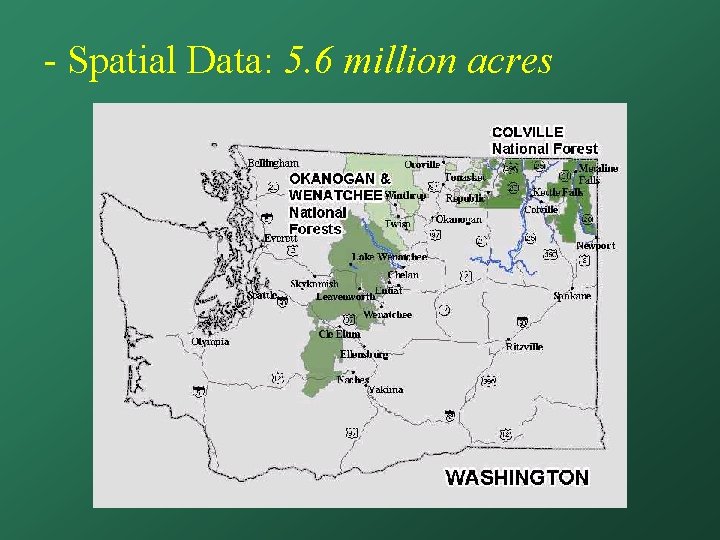
- Spatial Data: 5. 6 million acres
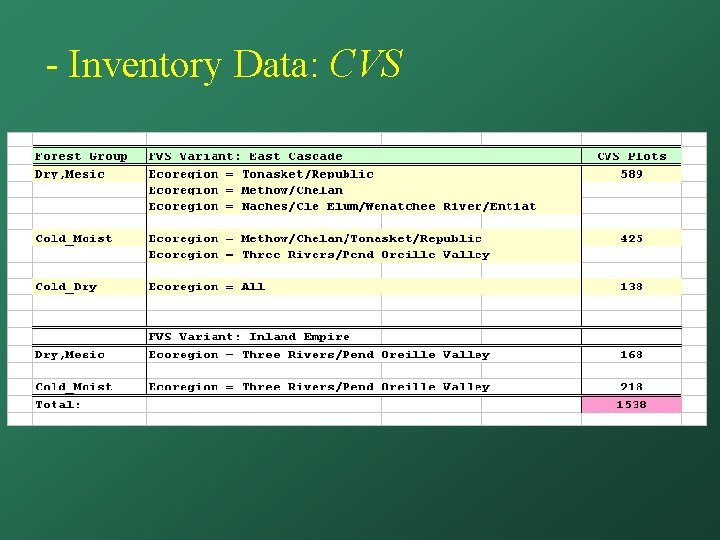
- Inventory Data: CVS
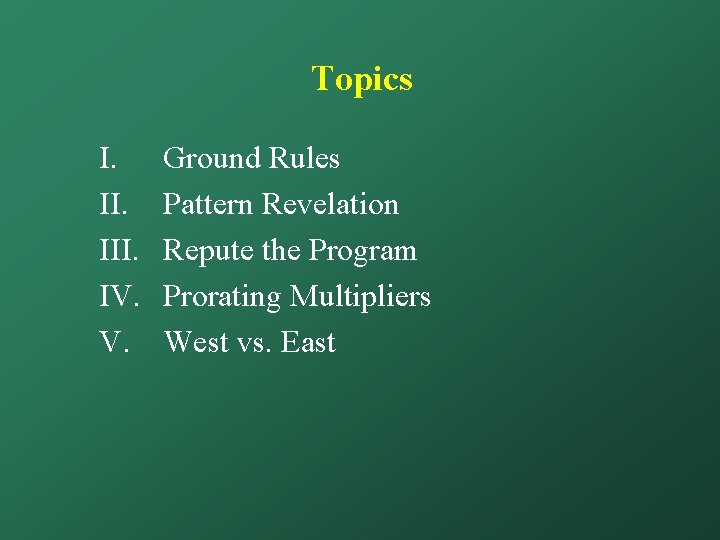
Topics I. III. IV. V. Ground Rules Pattern Revelation Repute the Program Prorating Multipliers West vs. East
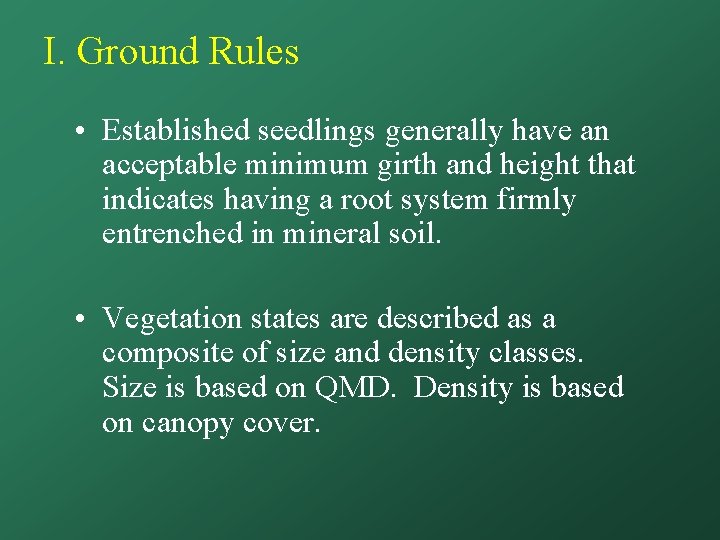
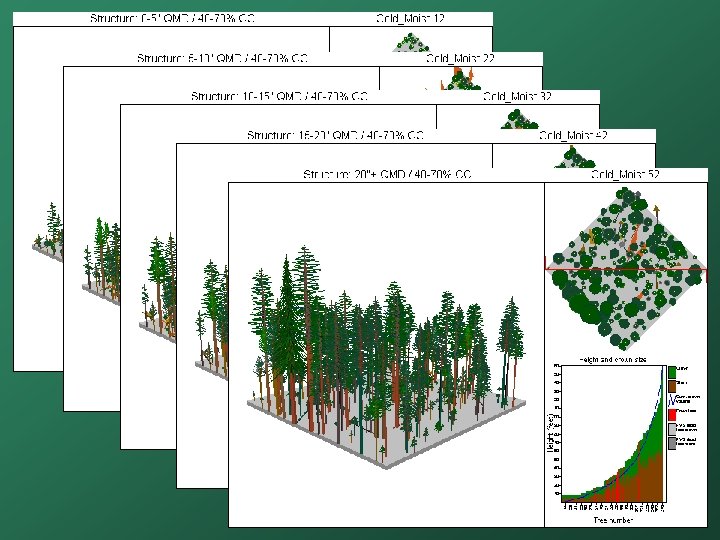
I. Ground Rules • Established seedlings generally have an acceptable minimum girth and height that indicates having a root system firmly entrenched in mineral soil. • Vegetation states are described as a composite of size and density classes. Size is based on QMD. Density is based on canopy cover.
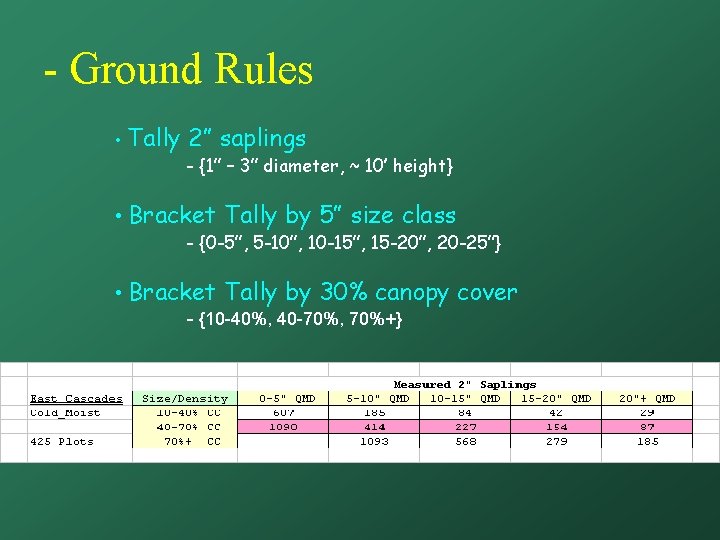
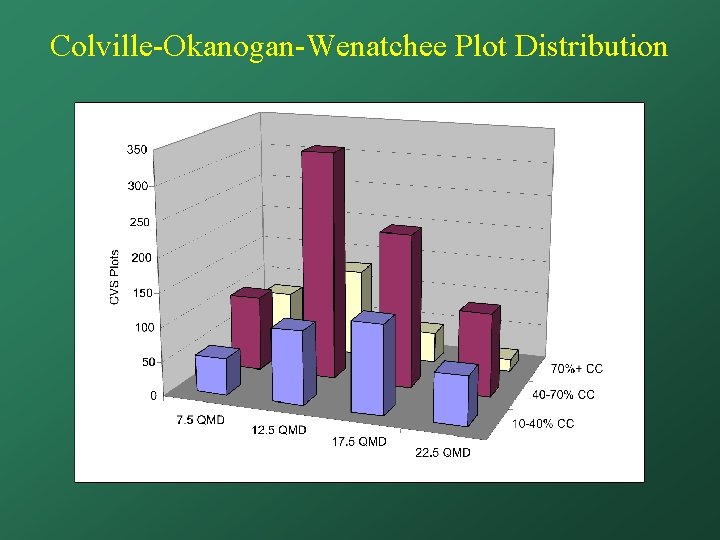
- Ground Rules • Tally 2” saplings - {1” – 3” diameter, ~ 10’ height} • Bracket Tally by 5” size class - {0 -5”, 5 -10”, 10 -15”, 15 -20”, 20 -25”} • Bracket Tally by 30% canopy cover - {10 -40%, 40 -70%, 70%+}
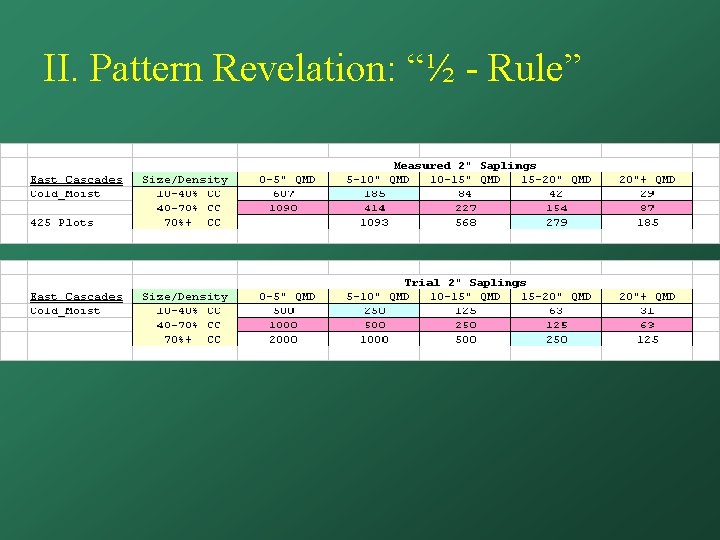
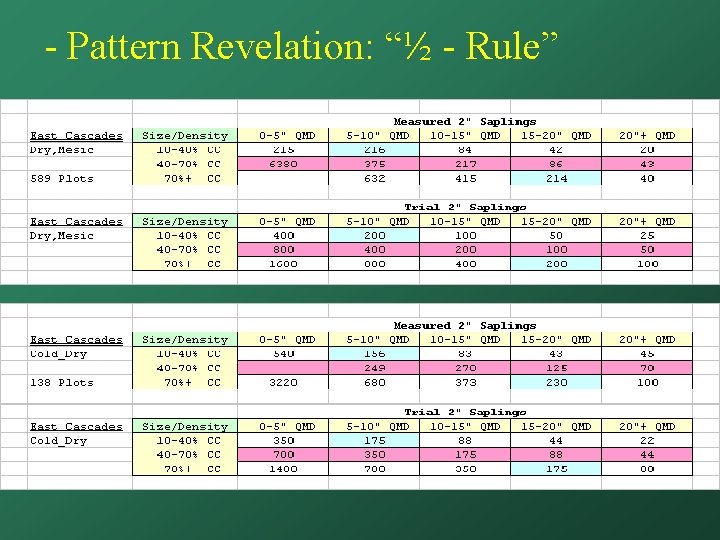
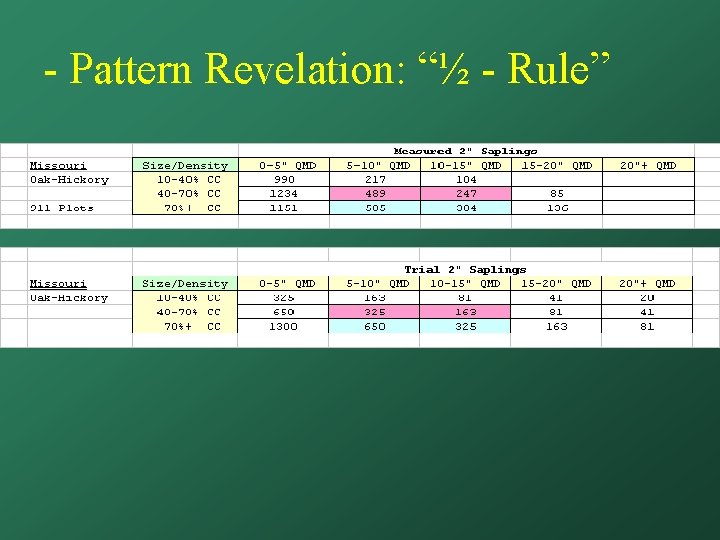
II. Pattern Revelation: “½ - Rule”
- Pattern Revelation: “½ - Rule”
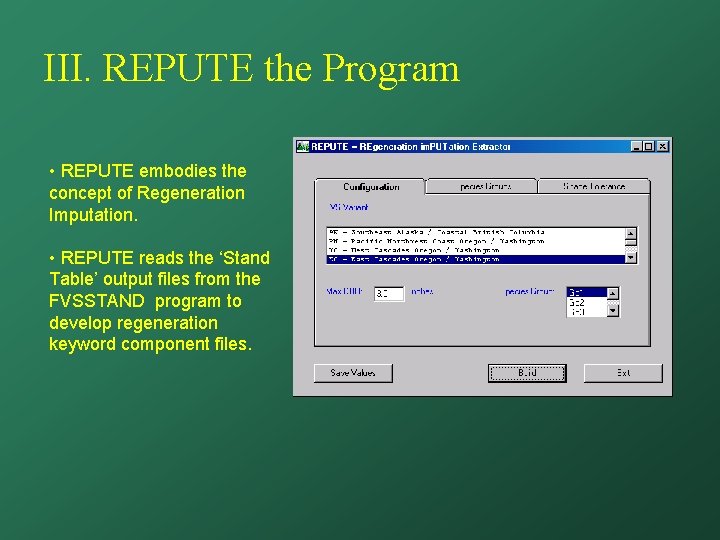
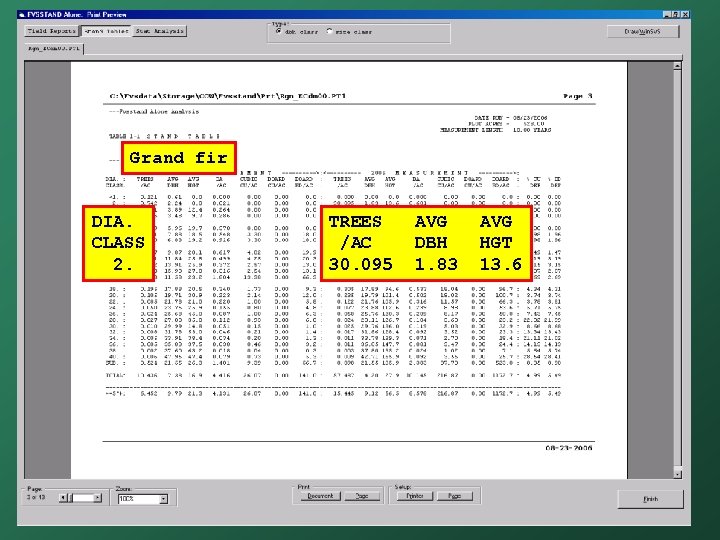
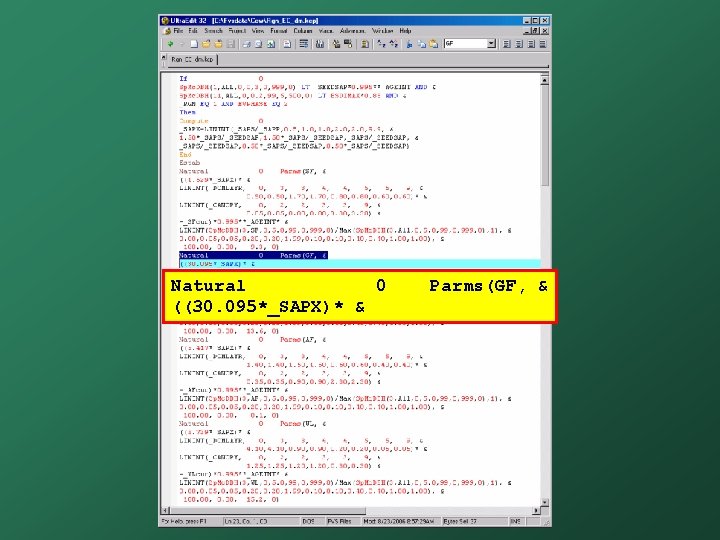
III. REPUTE the Program • REPUTE embodies the concept of Regeneration Imputation. • REPUTE reads the ‘Stand Table’ output files from the FVSSTAND program to develop regeneration keyword component files.
Grand fir DIA. CLASS 2. TREES /AC 30. 095 AVG DBH 1. 83 AVG HGT 13. 6
Natural 0 ((30. 095*_SAPX)* & Parms(GF, &
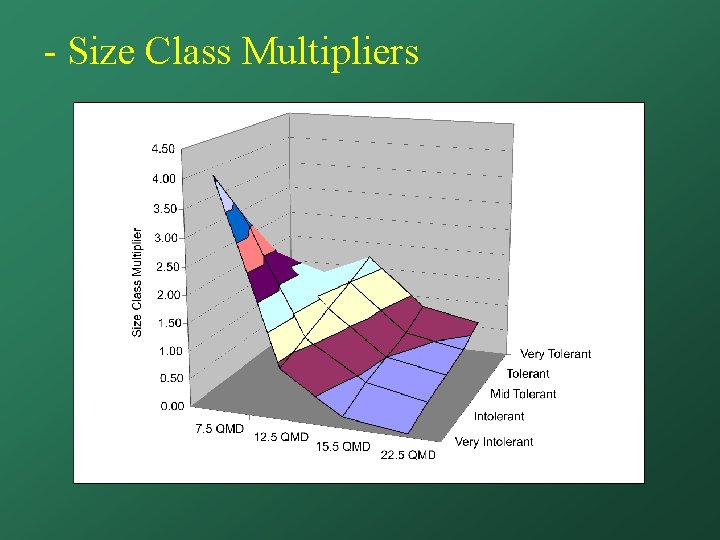
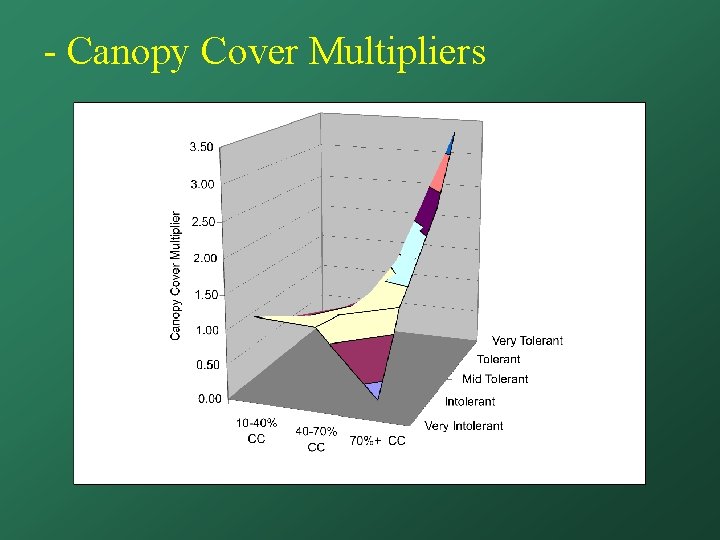
IV. Prorating Multipliers • The REPUTE program produces an average representation of the strata. This condition depicts the average size and density class. • Proportioning the 2” saplings by size/density class based on shade tolerance renders multiplicative factors that can be used in conjunction with REPUTE.
Colville-Okanogan-Wenatchee Plot Distribution
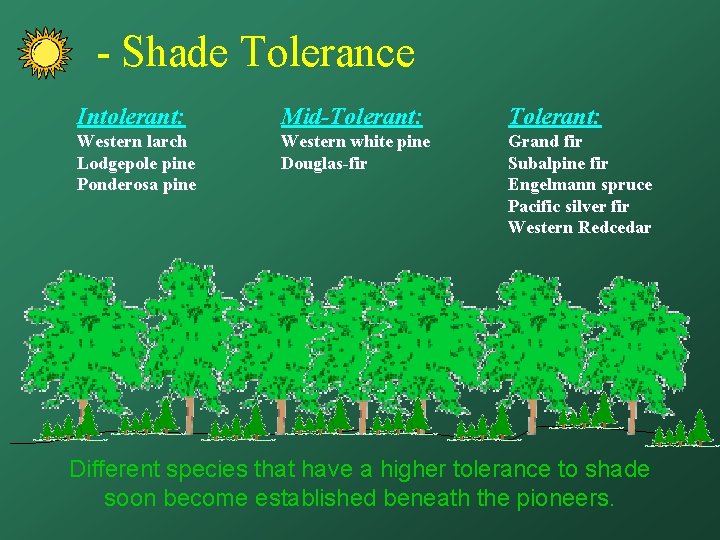
- Shade Tolerance Intolerant: Mid-Tolerant: Western larch Lodgepole pine Ponderosa pine Western white pine Douglas-fir Grand fir Subalpine fir Engelmann spruce Pacific silver fir Western Redcedar Different species that have a higher tolerance to shade soon become established beneath the pioneers.
- Size Class Multipliers
- Canopy Cover Multipliers
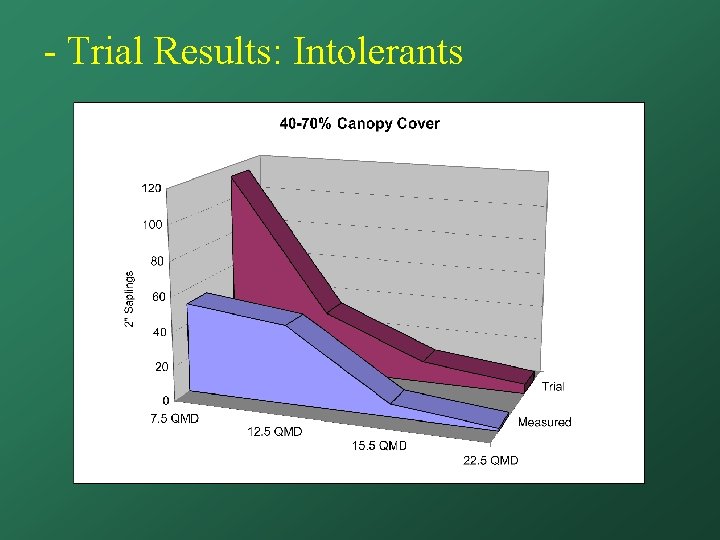
- Trial Results: Intolerants
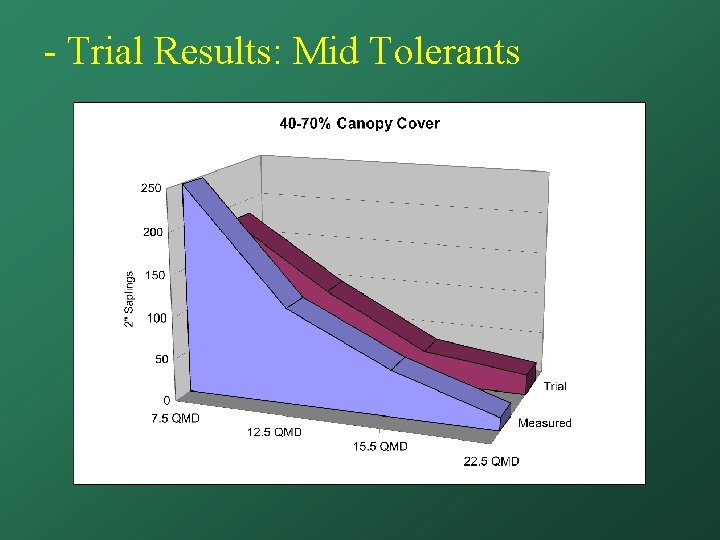
- Trial Results: Mid Tolerants
- Trial Results: Tolerants
- Trial Results: All Shade Tolerances
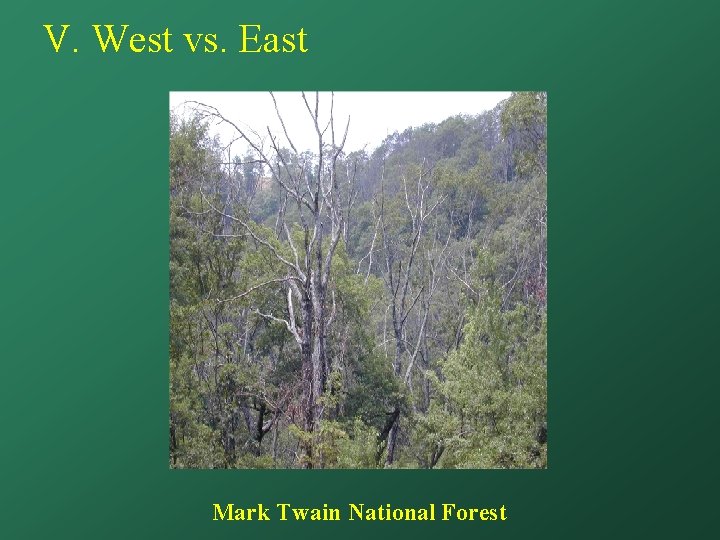
V. West vs. East Mark Twain National Forest
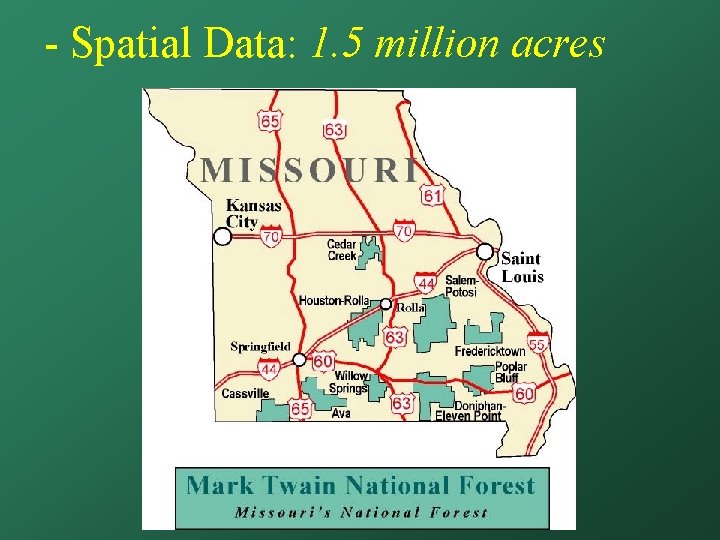
- Spatial Data: 1. 5 million acres
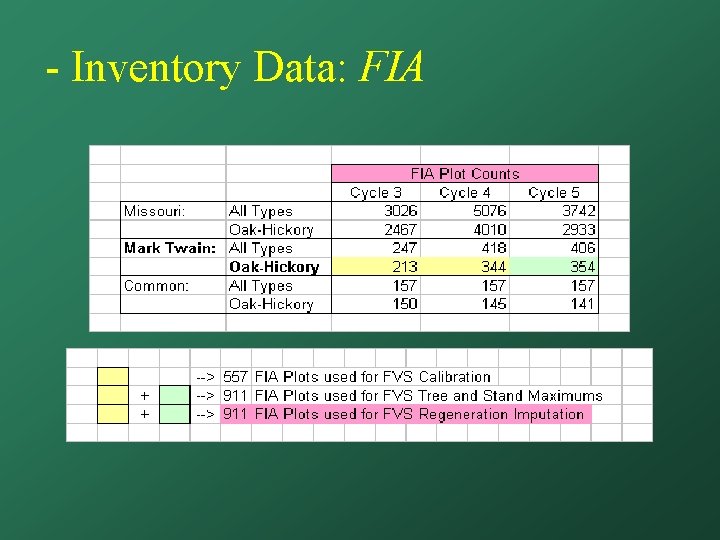
- Inventory Data: FIA
Mark Twain Plot Distribution
- Pattern Revelation: “½ - Rule”
New Regeneration Paradigm
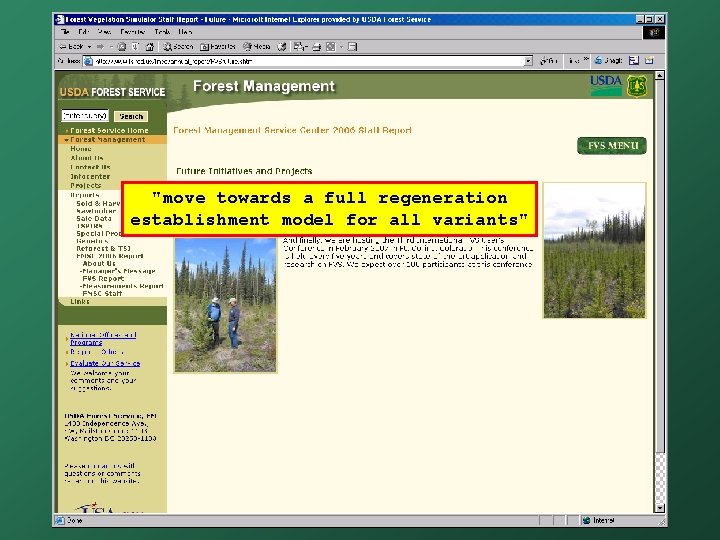
"move towards a full regeneration establishment model for all variants"
Questions?