
Fungi Kingdom are Eukaryotic Nonphotosynthetic Organisms and Most






- Slides: 80
Fungi Kingdom
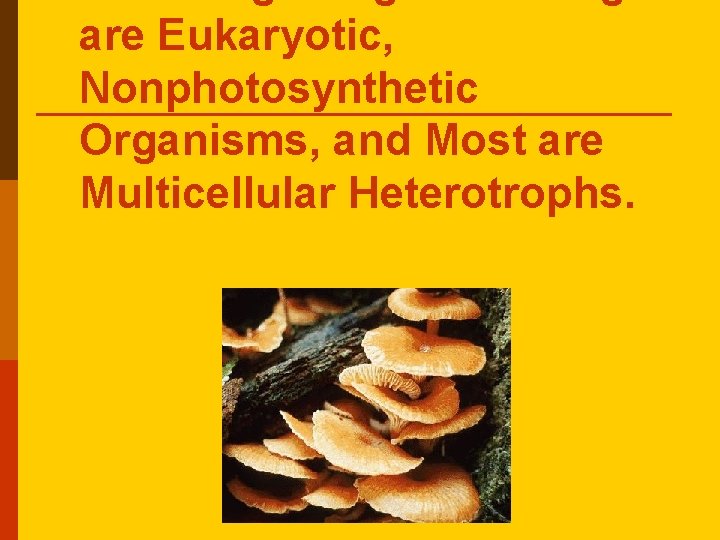
are Eukaryotic, Nonphotosynthetic Organisms, and Most are Multicellular Heterotrophs.
The Fungi Kingdom- contains molds, mildews, rusts, smuts, yeasts, and mushrooms.
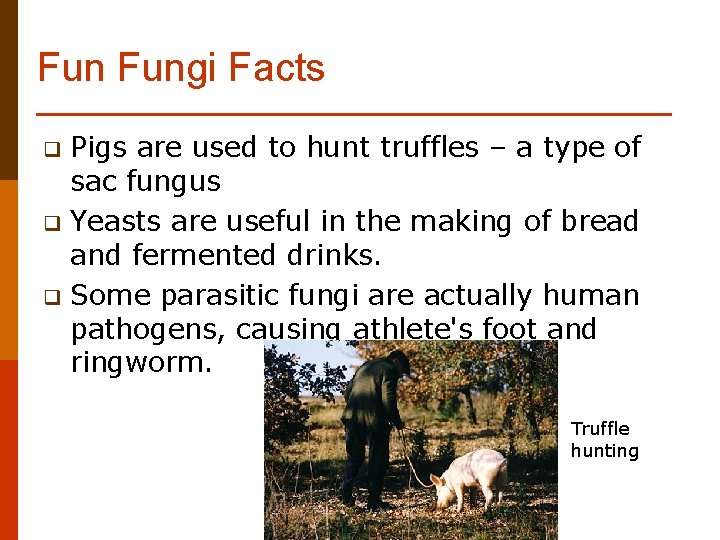
Fun Fungi Facts Pigs are used to hunt truffles – a type of sac fungus q Yeasts are useful in the making of bread and fermented drinks. q Some parasitic fungi are actually human pathogens, causing athlete's foot and ringworm. q Truffle hunting
What causes bread dough to "rise"?
What causes bread dough to "rise"? Yeasts digesting carbohydrates produce carbon dioxide as a waste product. p This gas trapped in the dough causes it to expand - "rise". p
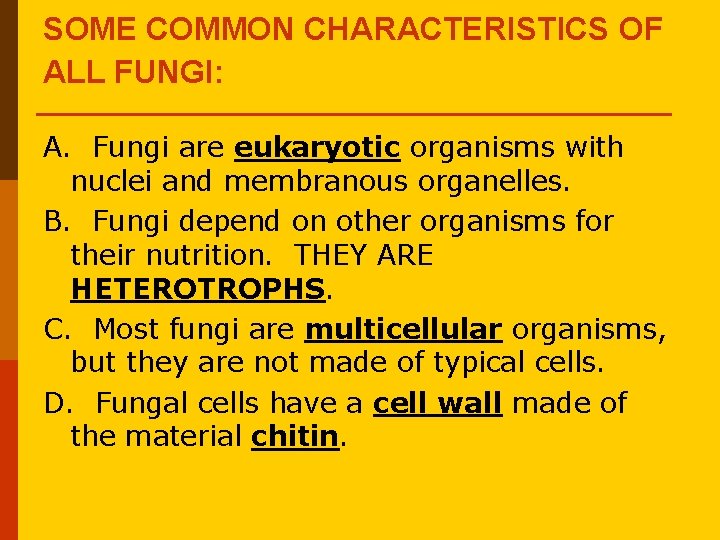
SOME COMMON CHARACTERISTICS OF ALL FUNGI: A. Fungi are eukaryotic organisms with nuclei and membranous organelles. B. Fungi depend on other organisms for their nutrition. THEY ARE HETEROTROPHS. C. Most fungi are multicellular organisms, but they are not made of typical cells. D. Fungal cells have a cell wall made of the material chitin.
Vary in size from microscopic to 3 kg p Bodies are made of p n n n Hyphae – thread-like filaments Mycelium – tangled mass of hyphae Fruiting body – the reproductive structure of the fungus that you see above the ground
Classification p Taxonomists have classified over 100, 000 Species of Fungi
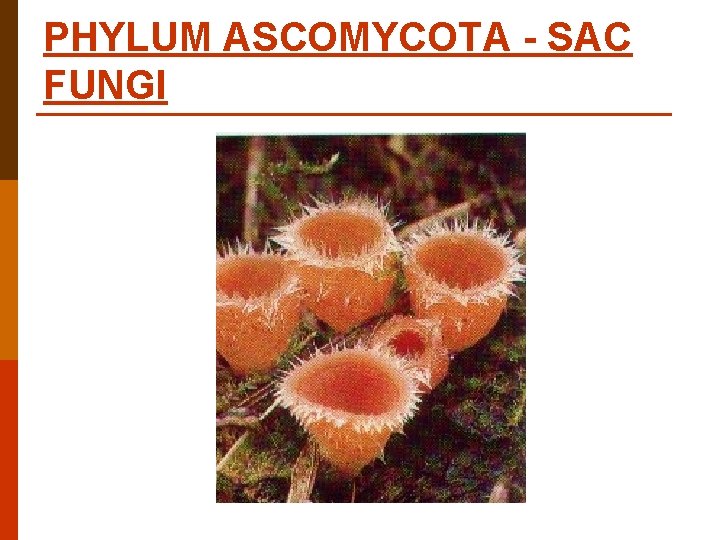
PHYLUM ASCOMYCOTA - SAC FUNGI
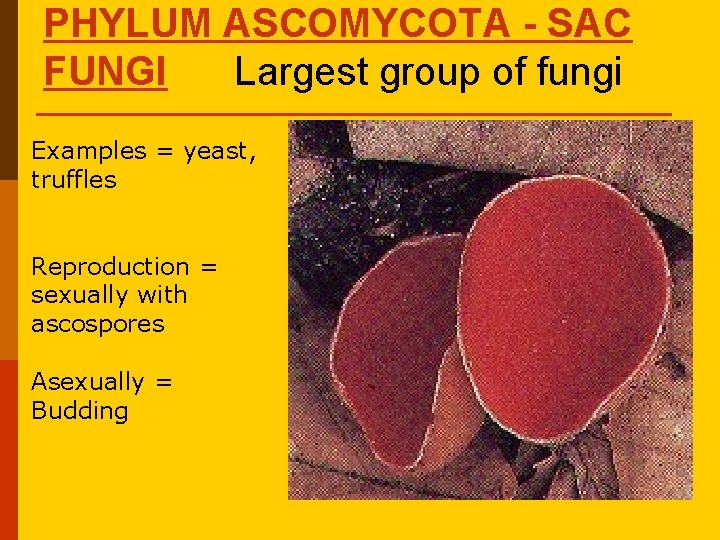
PHYLUM ASCOMYCOTA - SAC FUNGI Largest group of fungi Examples = yeast, truffles Reproduction = sexually with ascospores Asexually = Budding
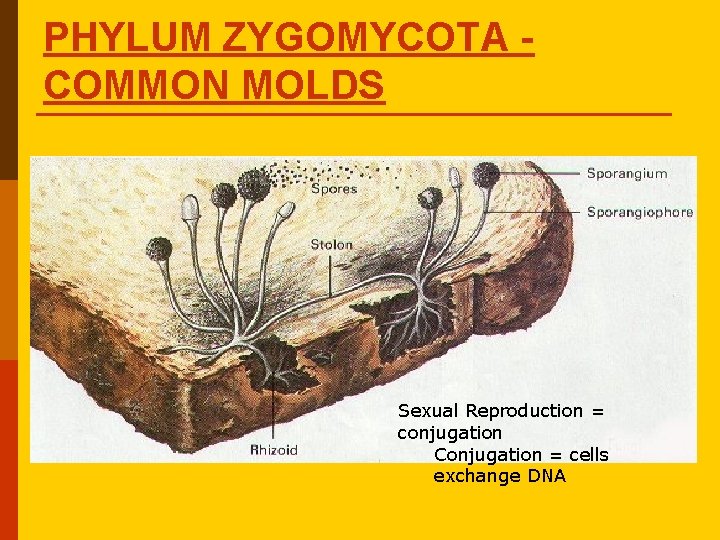
PHYLUM ZYGOMYCOTA COMMON MOLDS Sexual Reproduction = conjugation Conjugation = cells exchange DNA
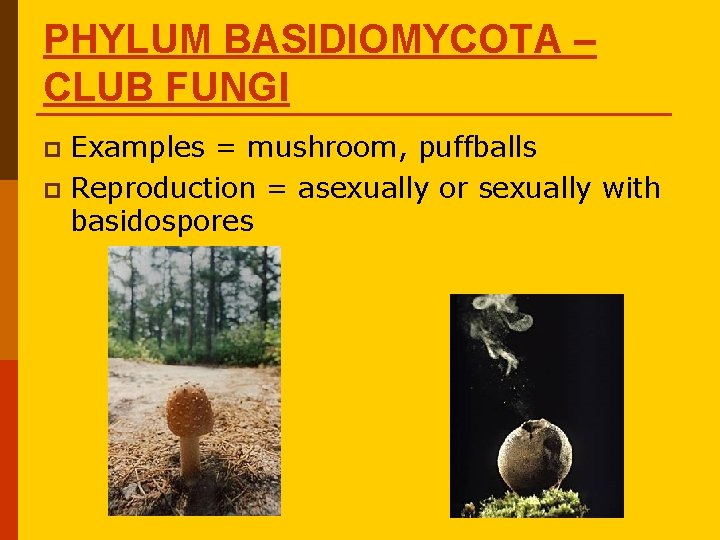
PHYLUM BASIDIOMYCOTA – CLUB FUNGI Examples = mushroom, puffballs p Reproduction = asexually or sexually with basidospores p
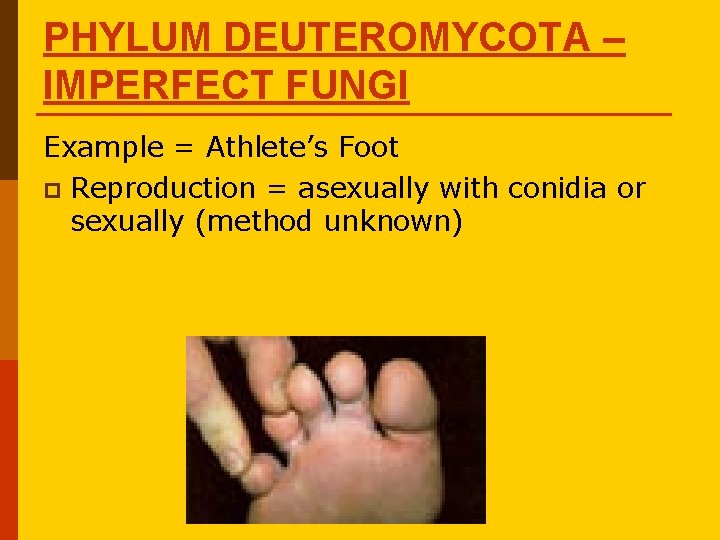
PHYLUM DEUTEROMYCOTA – IMPERFECT FUNGI Example = Athlete’s Foot p Reproduction = asexually with conidia or sexually (method unknown)
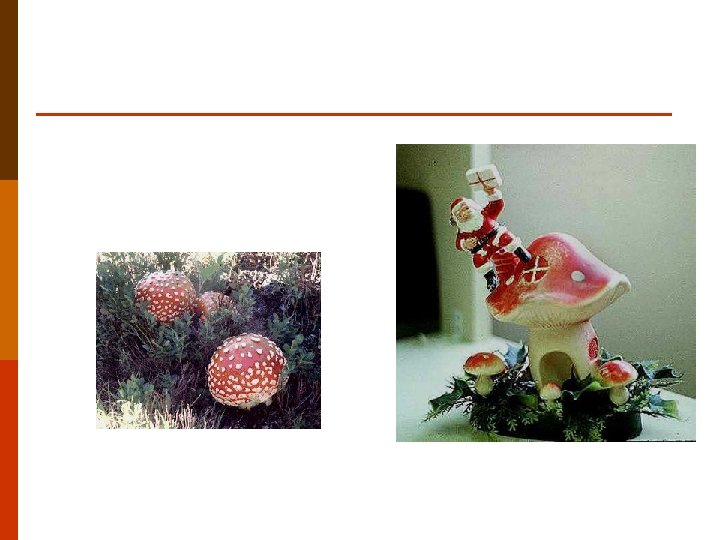
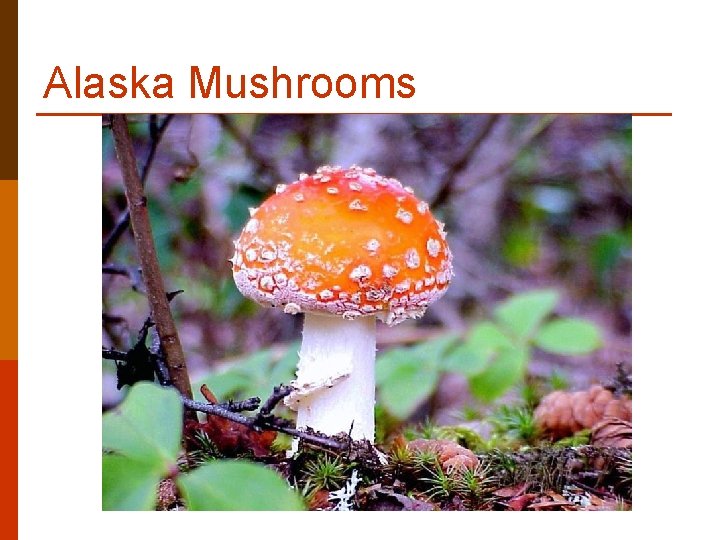
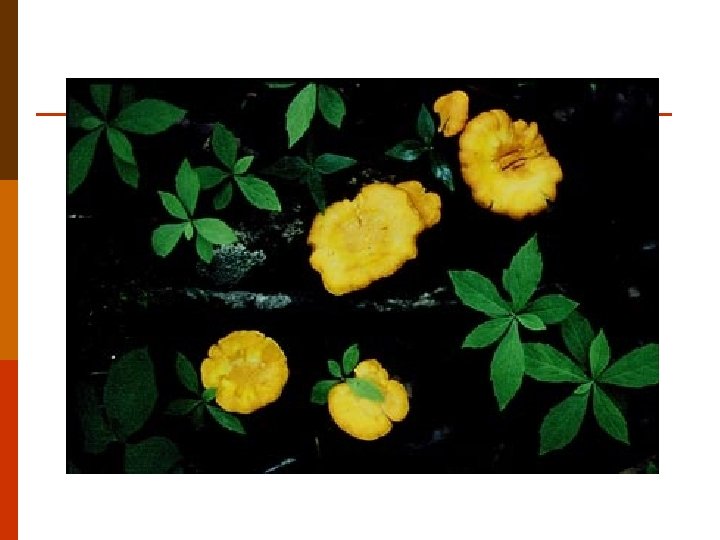
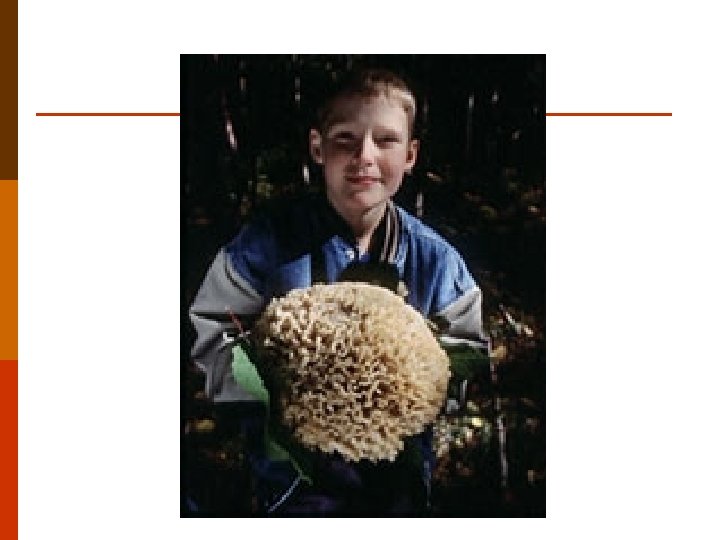
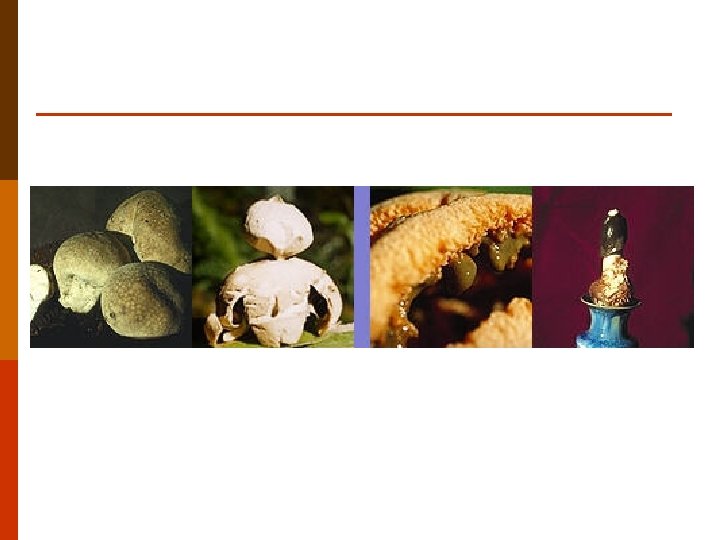
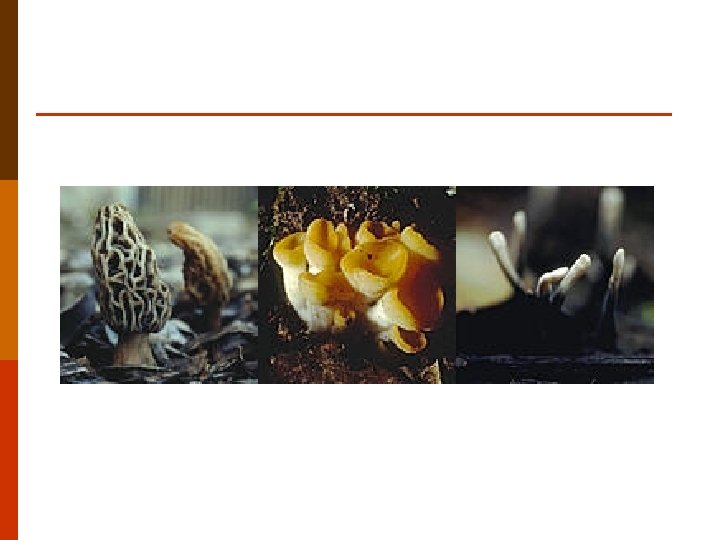
Alaska Mushrooms
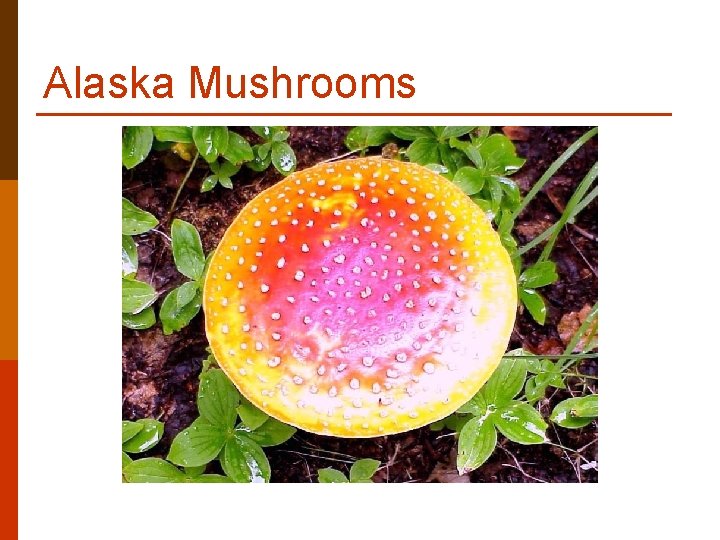
Alaska Mushrooms
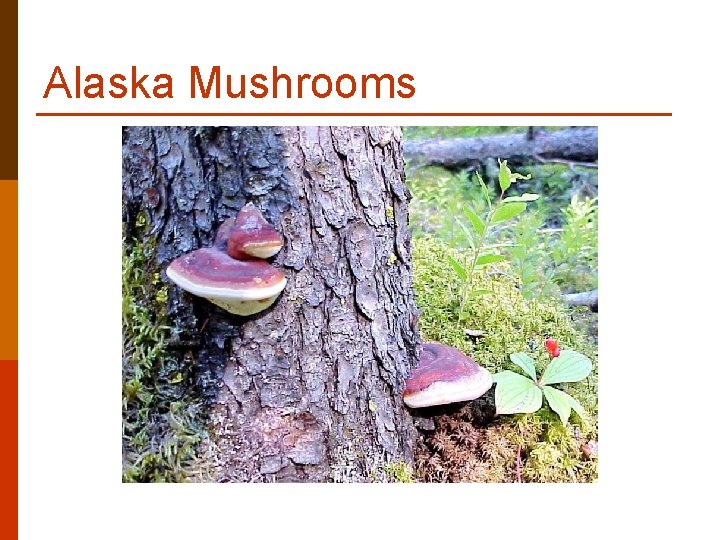
Alaska Mushrooms
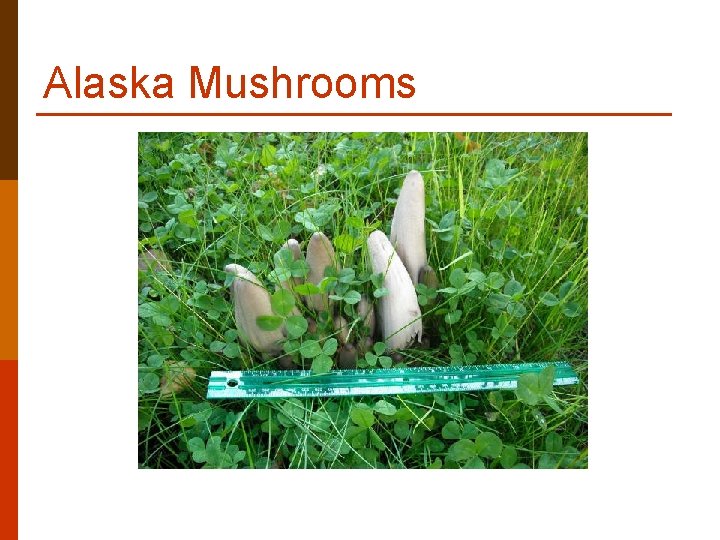
Alaska Mushrooms
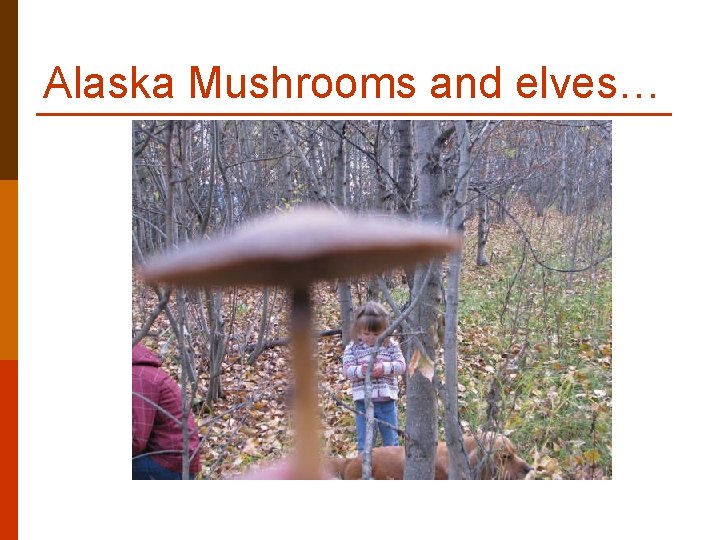
Alaska Mushrooms and elves…
FUNGI AND THE ENVIRONMENT p p 1. Most fungi are either SAPROPHYTES OR DECOMPOSERS 2. Fungi obtain nutrients to absorb by secreting digestive enzymes onto the food source. The enzymes break down, or digest, the food.
FUNGI AND THE ENVIRONMENT p p 5. When fungi secretes digestive enzymes into a food source, the Nutrients are released to be used by the fungus and other organisms. 6. The Nutrients are RECYCLED and Returned to the Environment. 7. Without decomposers, ecosystems would collapse, because many organisms would not obtain enough nutrients to stay alive. 8. One scientist estimated that a layer of organic debris about 12 miles thick would now cover the earth if decomposition had never occurred.
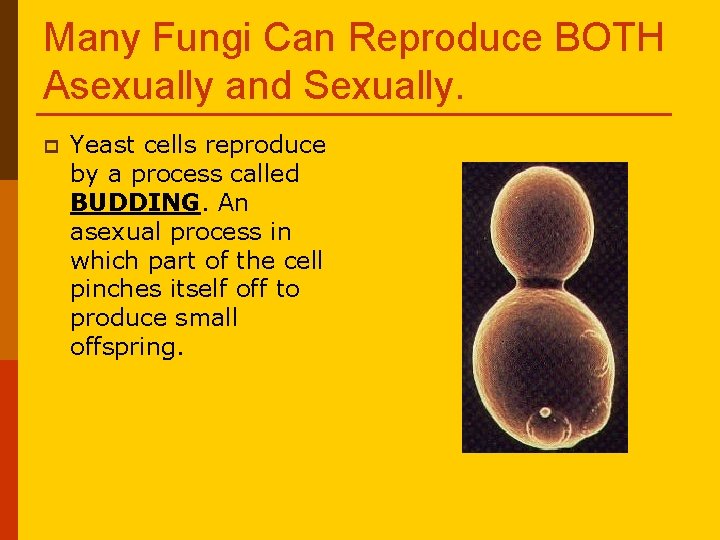
Many Fungi Can Reproduce BOTH Asexually and Sexually. p Yeast cells reproduce by a process called BUDDING. An asexual process in which part of the cell pinches itself off to produce small offspring.
Many Fungi Can Reproduce BOTH Asexually and Sexually. p p Most fungi can grow from a small piece of mycelium called FRAGMENTATION. The fungus that causes Athlete's Foot grows this way. Most fungi can reproduce asexually by SPORES.
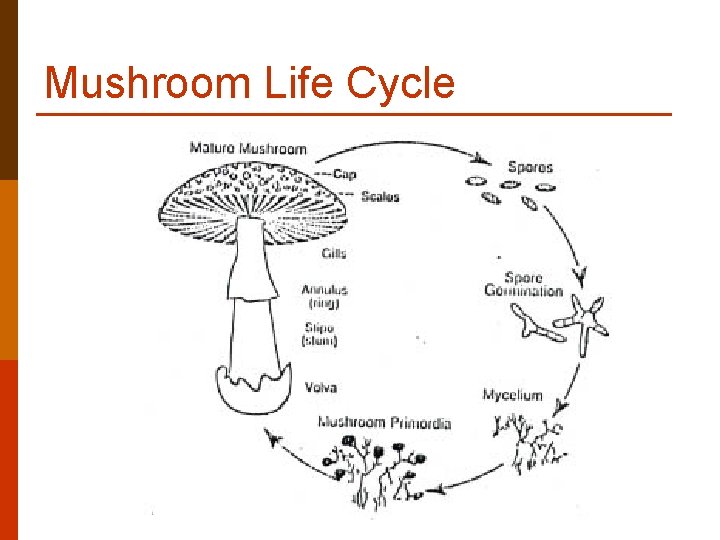
Mushroom Life Cycle
FUNGI AND HUMAN DISEASE p p 1. Fungi can sometimes attack the tissues of living plants and animals and cause disease. 2. Fungal disease is a major concern for humans because fungi attack not only us, but, our food source. 3. Mold spores can cause mild to serious allergies in some people, sniffling, sneezing, and respiratory distress. 4. Fungi can also infect and poison humans
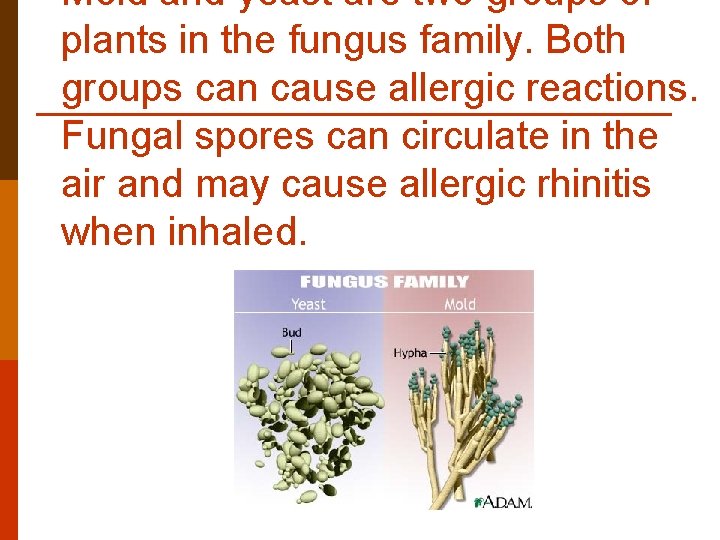
Mold and yeast are two groups of plants in the fungus family. Both groups can cause allergic reactions. Fungal spores can circulate in the air and may cause allergic rhinitis when inhaled.
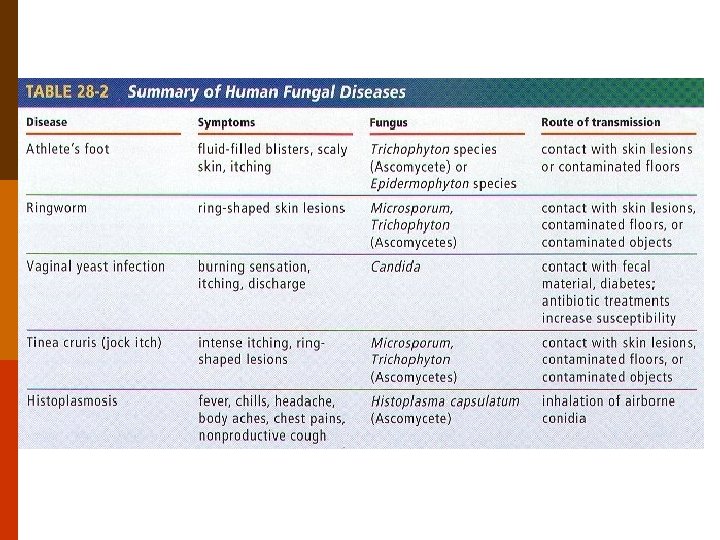
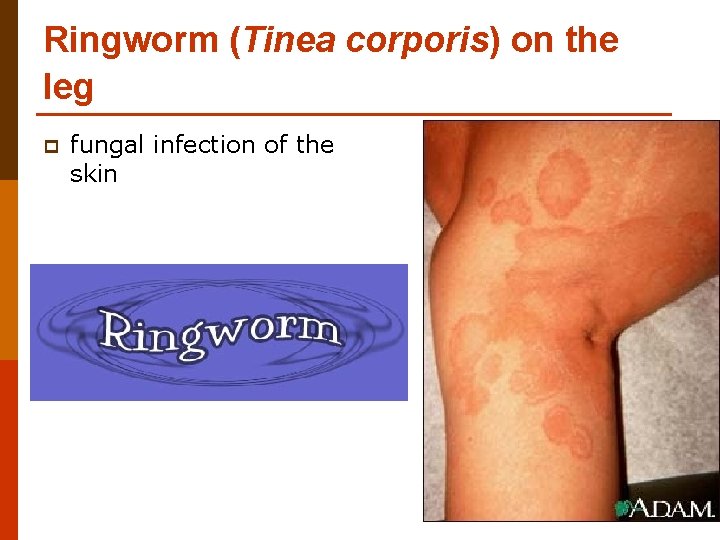
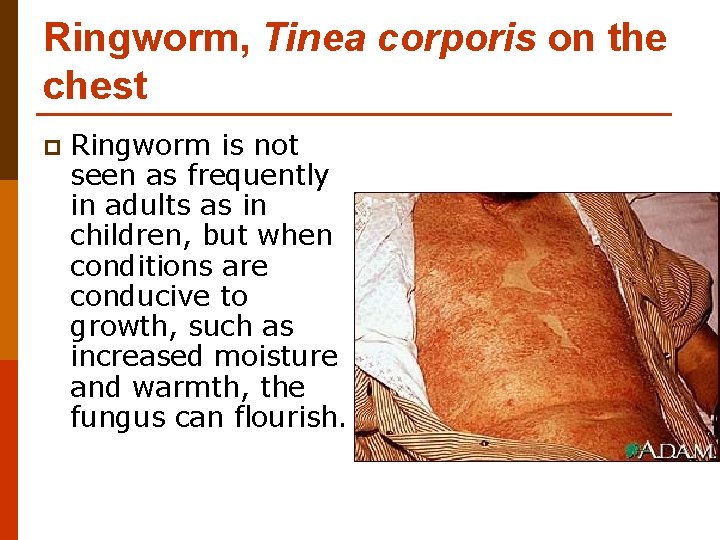
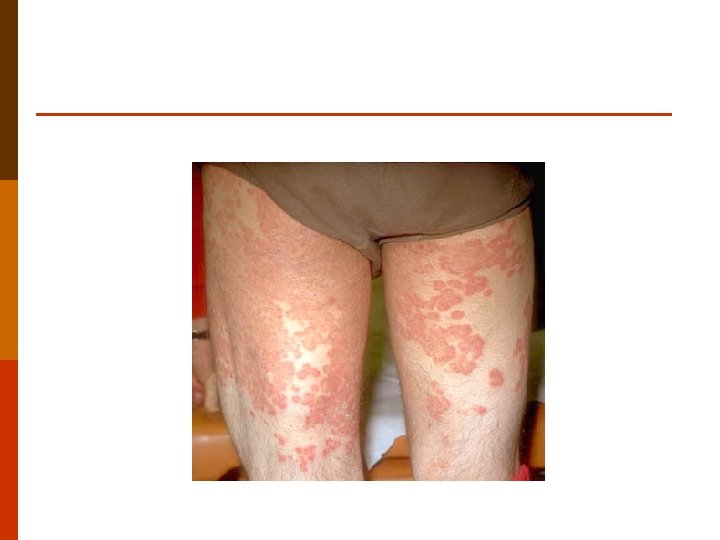
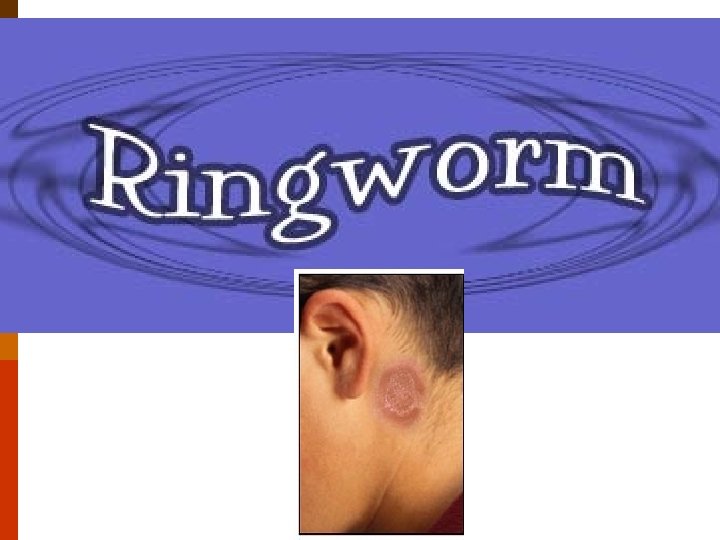
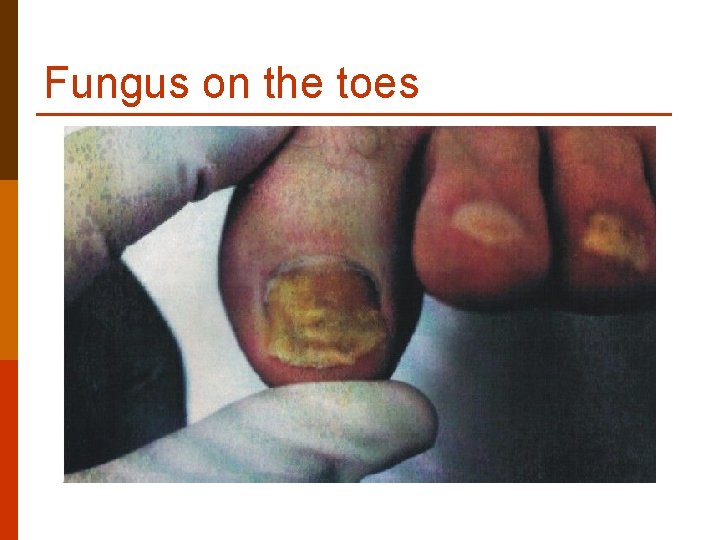
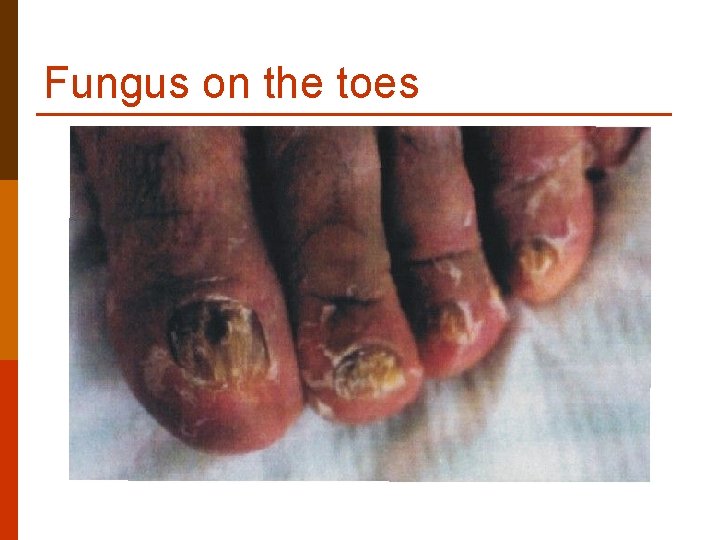
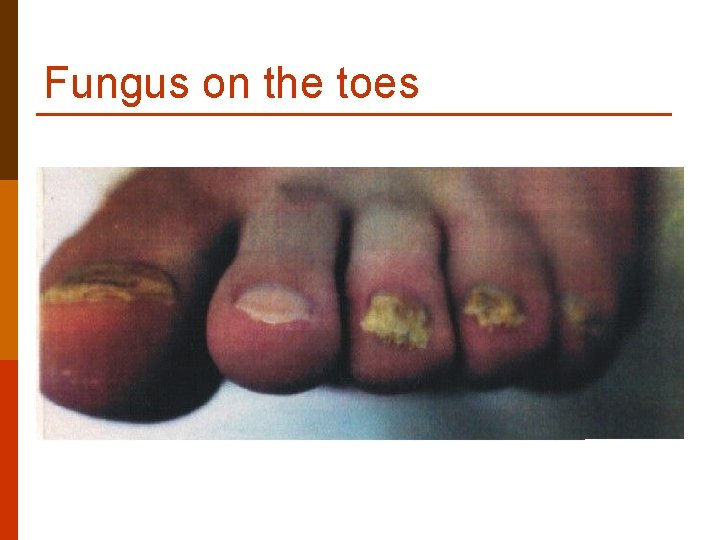
Tinea Infections: Athlete's Foot, Jock Itch and Ringworm p p p Tinea is a fungus that can grow on your skin, hair or nails. As it grows, it spreads out in a circle, leaving normal-looking skin in the middle. This makes it look like a ring. At the edge of the ring, the skin is lifted up by the irritation and looks red and scaly. To some people, the infection looks like a worm is under the skin. Because of the way it looks, Tinea infection is often called "ringworm. " However, there really isn't a worm under the skin.
Ringworm (Tinea corporis) on the leg p fungal infection of the skin
Ringworm, Tinea corporis on the chest p Ringworm is not seen as frequently in adults as in children, but when conditions are conducive to growth, such as increased moisture and warmth, the fungus can flourish.
Fungus on the toes
Fungus on the toes
Fungus on the toes
Fried mushrooms at Fast Eddies
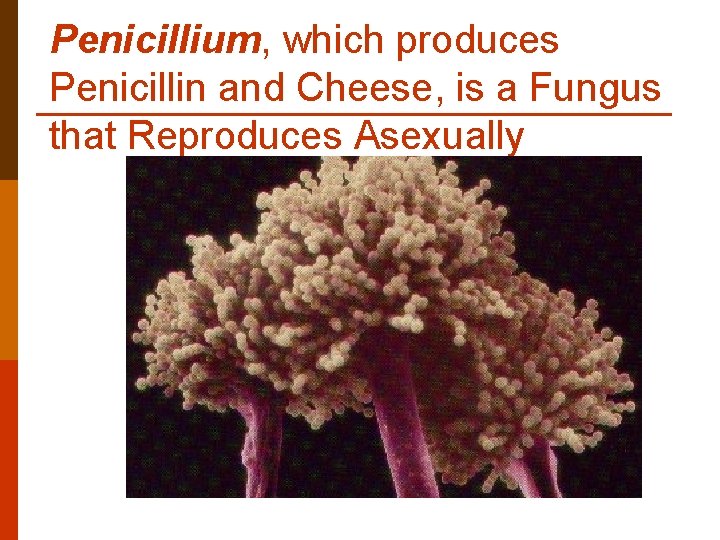
Penicillium, which produces Penicillin and Cheese, is a Fungus that Reproduces Asexually
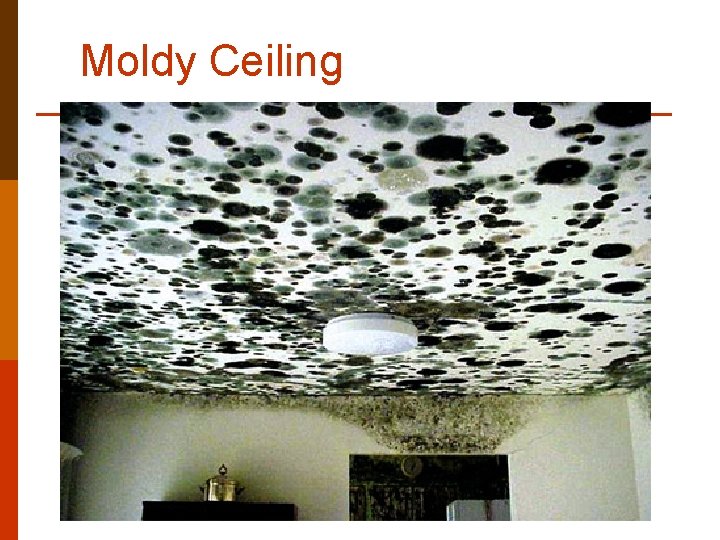
Moldy Ceiling
Not in the Kingdom, but
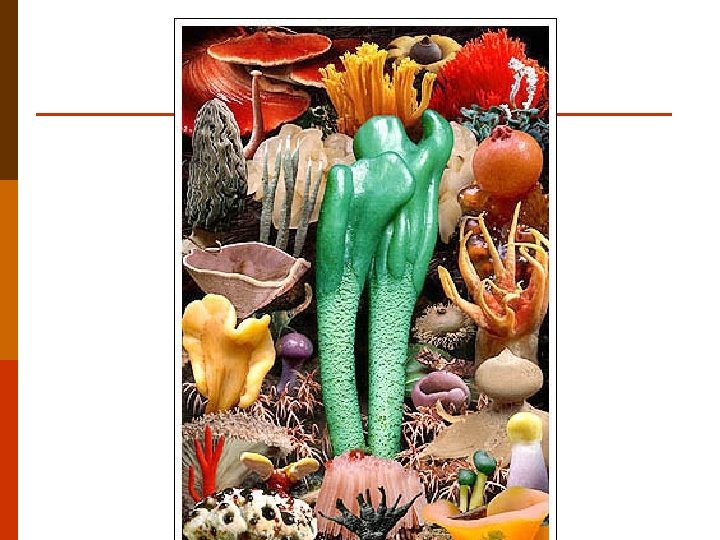
Not in the Kingdom, but p FUN TO LOOK AT
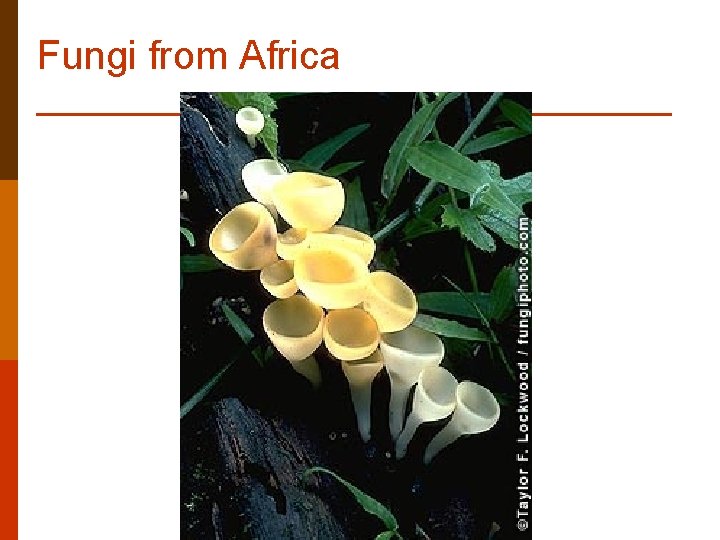
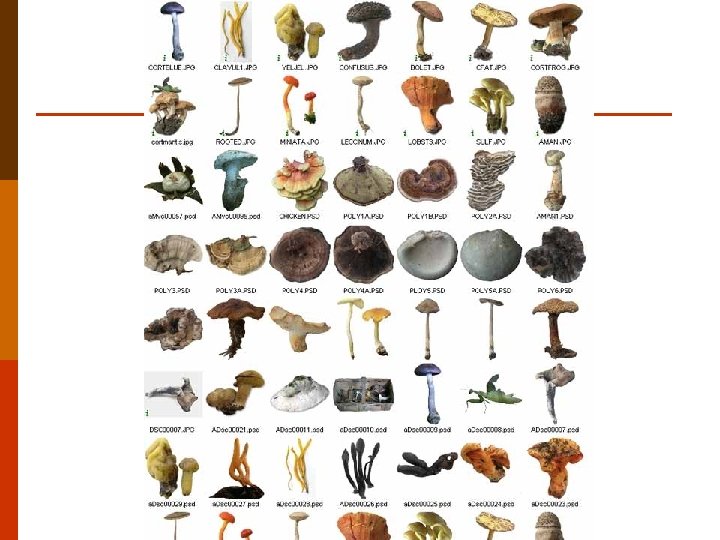
Fungi from Africa
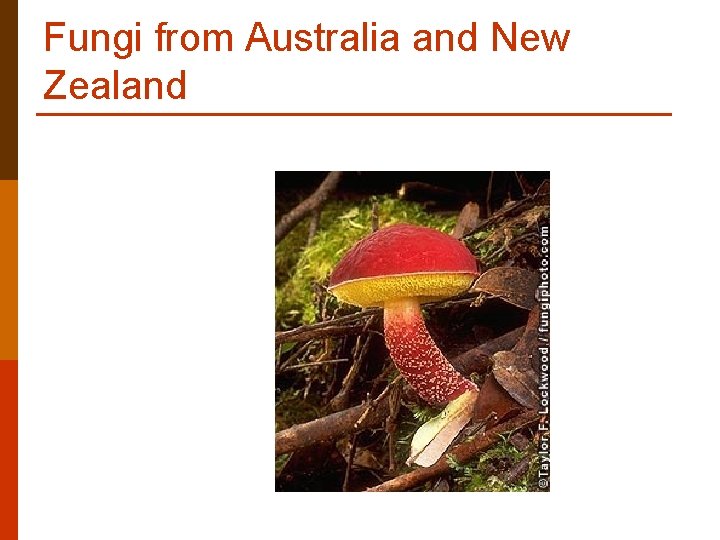
Fungi from Australia and New Zealand
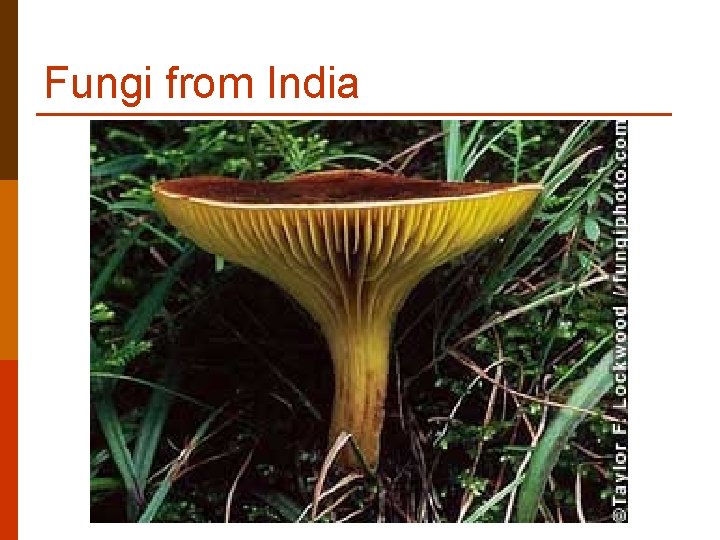
Fungi from India
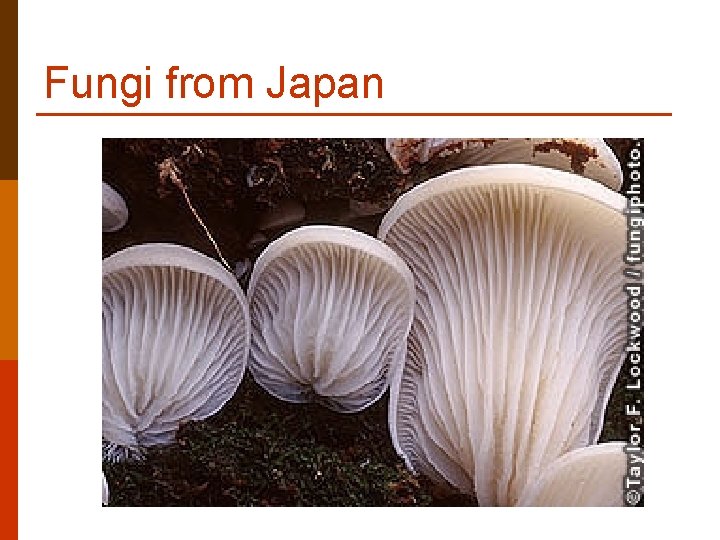
Fungi from Japan
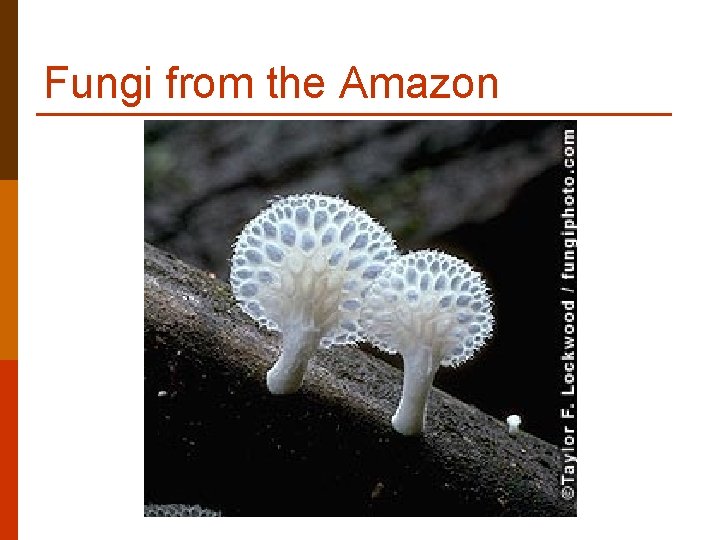
Fungi from the Amazon
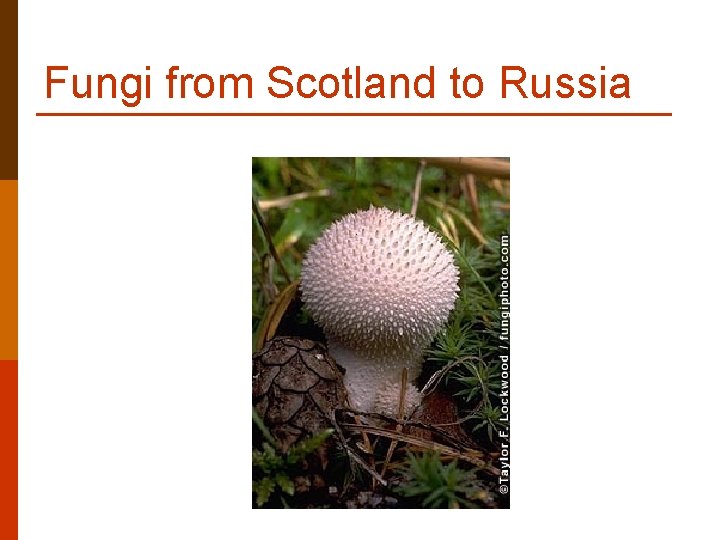
Fungi from Scotland to Russia
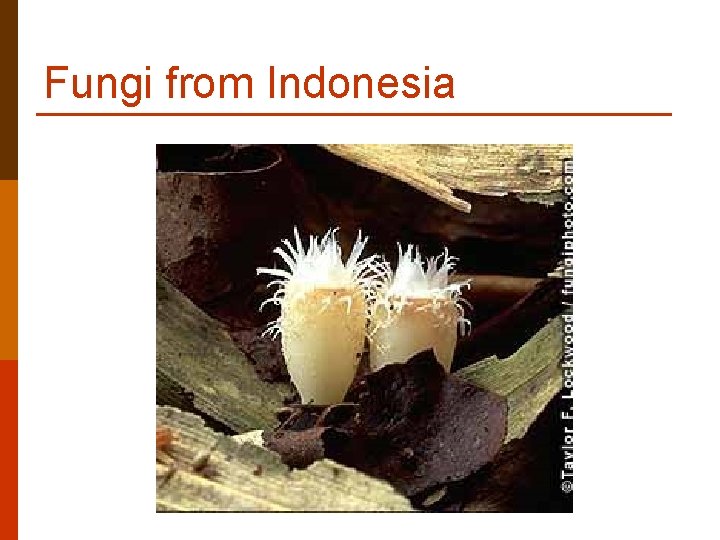
Fungi from Indonesia
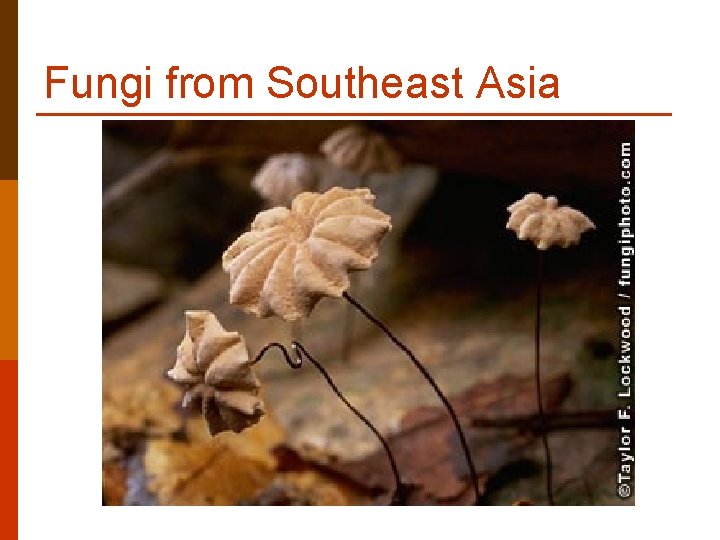
Fungi from Southeast Asia
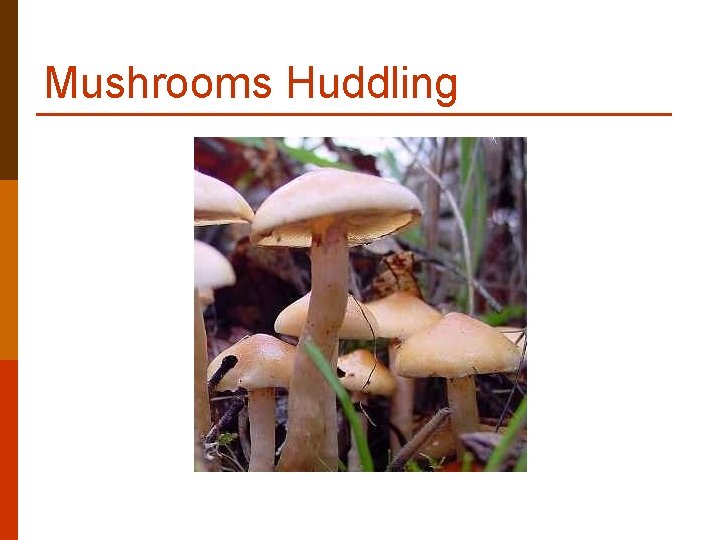
Mushrooms Huddling
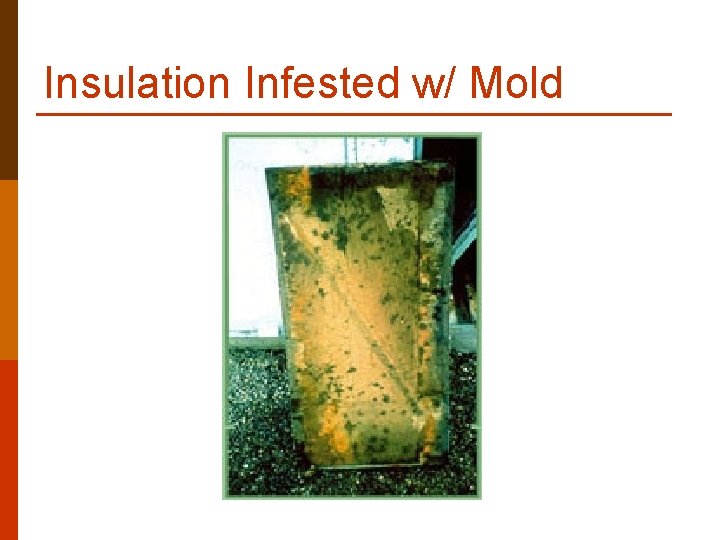
Insulation Infested w/ Mold
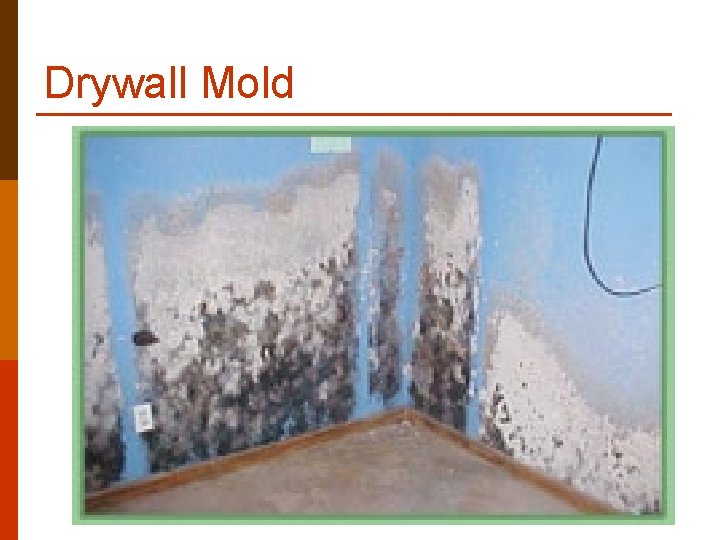
Drywall Mold
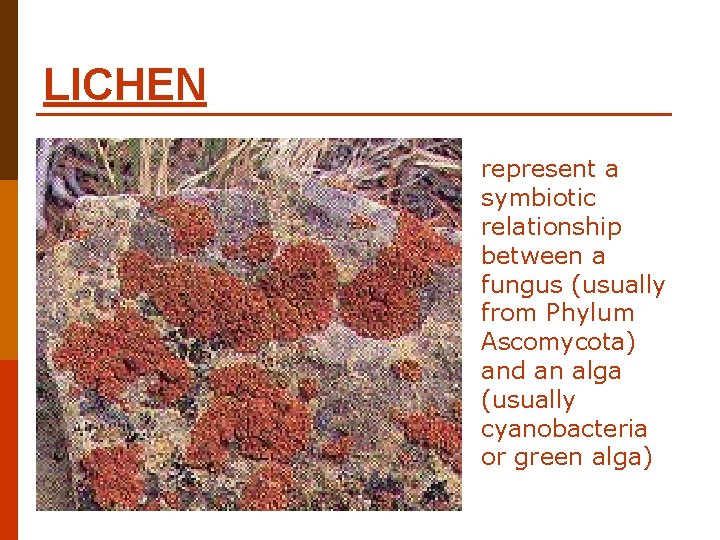
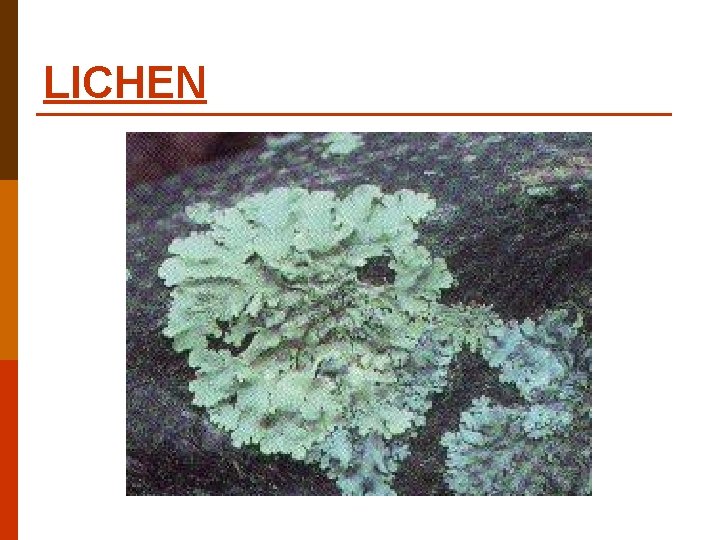
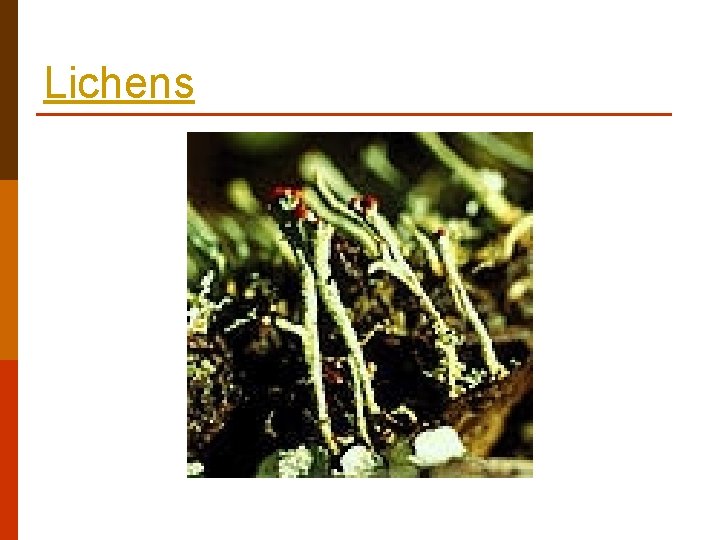
LICHEN represent a symbiotic relationship between a fungus (usually from Phylum Ascomycota) and an alga (usually cyanobacteria or green alga)
LICHEN
Lichens
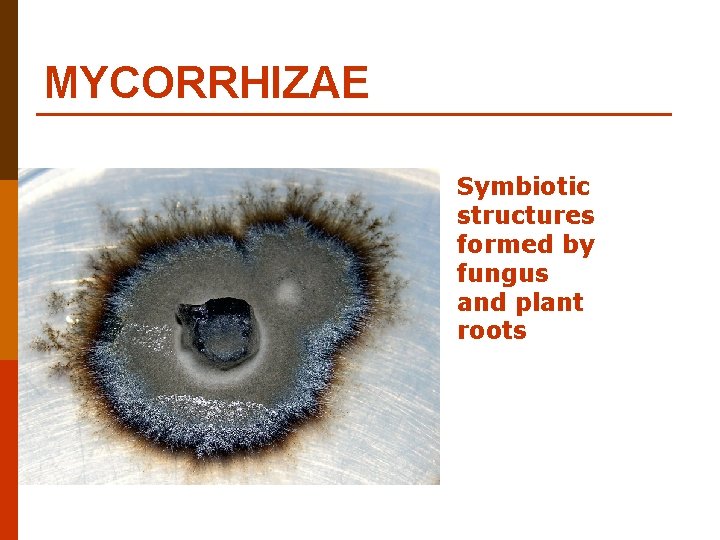
MYCORRHIZAE Symbiotic structures formed by fungus and plant roots
Hallucinogenic Mushrooms Hallucinogens are substances that alter or produce false perceptions of sight, sound, taste, smell or touch. p Some toxic substances in mushrooms can cause severe illness and even death. p Most hallucinogenic substances, including synthetic ones such as LSD, are illegal. p
Hallucinogenic Mushrooms p p The hallucinogenic properties of certain mushrooms have been known for centuries. The discovery of mushroom sculptures in ancient Central and South American ruins suggests that hallucinogenic mushrooms were used by native people during religious ceremonies.
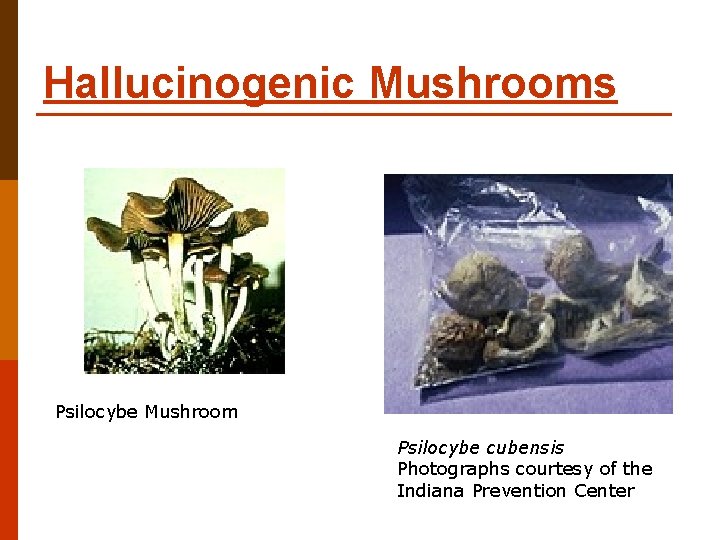
Hallucinogenic Mushrooms Psilocybe Mushroom Psilocybe cubensis Photographs courtesy of the Indiana Prevention Center
Hallucinogenic Mushrooms Picking and consuming mushrooms can be a dangerous activity! p Identification of hallucinogenic mushrooms can be difficult because they look similar to toxic, deadly mushrooms. p It is also possible that mushrooms bought from "street dealers" may be contaminated with drugs such as LSD or PCP. p
Hallucinogenic Mushrooms In 1998 in the United States, 9, 839 cases of mushroom poisoning were reported by poison centers.
Hallucinogenic Mushrooms Maximum Penalties if prepared for use: p For possession - 7 years in prison and/or a fine. p For possession with intent to supply, or supply - life imprisonment and/or a fine.