
Funding under the authority and guidance Funding NAPAs
- Slides: 15
Funding ‘under the authority and guidance’ Funding NAPAs through CIFs ECBI Pre-COP Workshop for South and South East Asia Africa Negotiators Cancun Caribe Park Royal Grand Hotel 26 November 2010 Batu Krishna Uprety Joint-Secretary (Technical) and Chief Climate Change Management Division Ministry of Environment, Government of Nepal
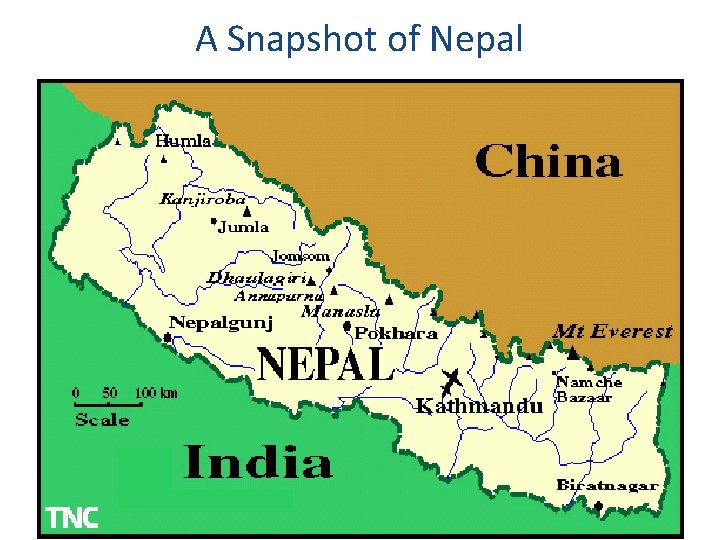
A Snapshot of Nepal
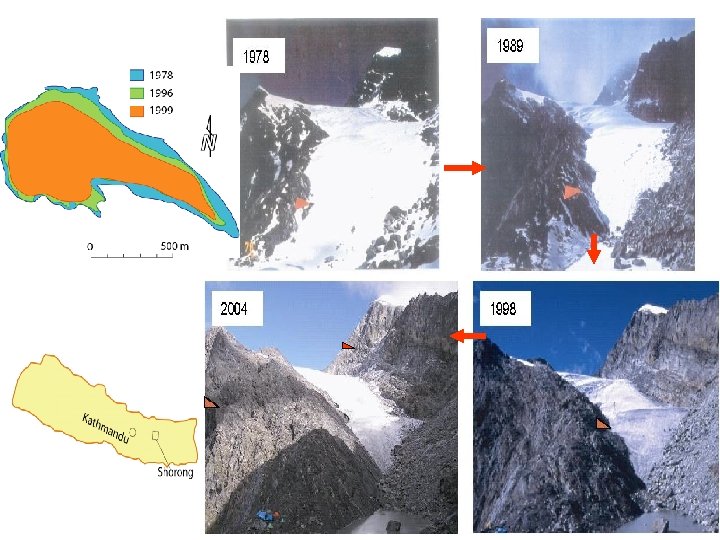
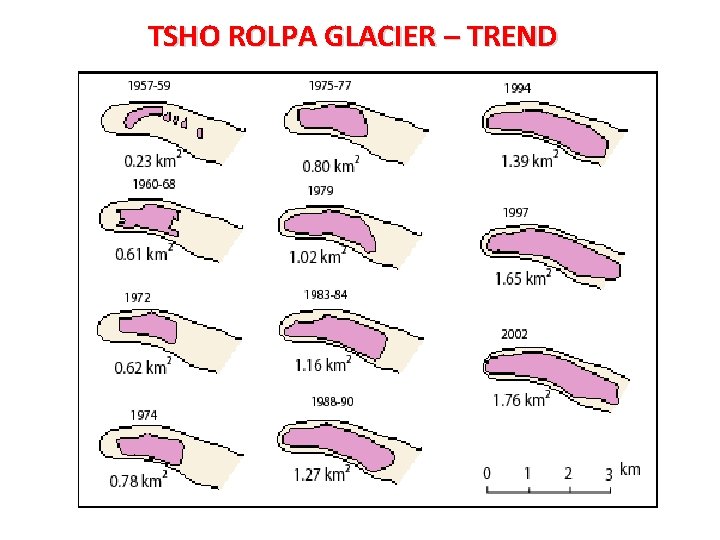
TSHO ROLPA GLACIER – TREND
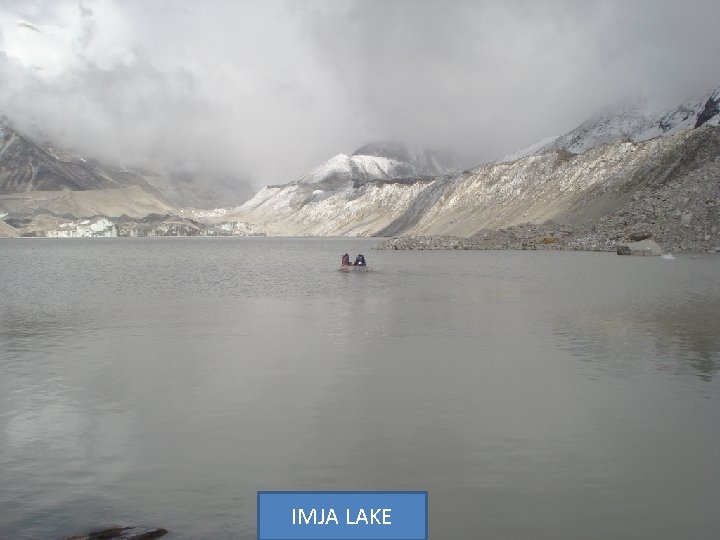
IMJA LAKE
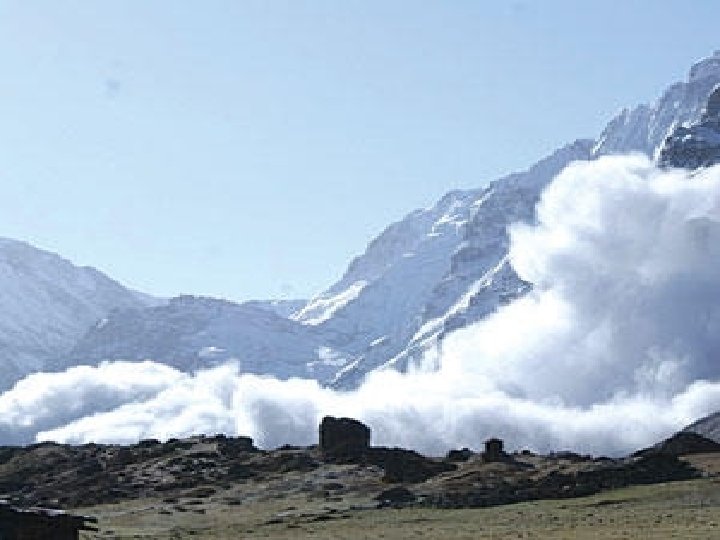
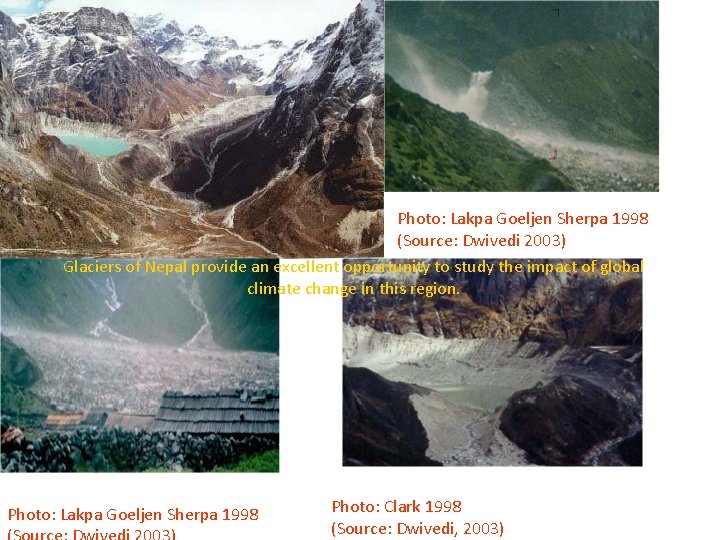
Photo: Lakpa Goeljen Sherpa 1998 (Source: Dwivedi 2003) Glaciers of Nepal provide an excellent opportunity to study the impact of global climate change in this region. Photo: Lakpa Goeljen Sherpa 1998 Photo: Clark 1998 (Source: Dwivedi, 2003)
Cimate Change threatens Nepal • Main Rongbuk Glacier (Mount Everest) experienced an average vertical loss of 330 feet between 1921 and 2007 • Rate of glaciers retreat is as high as 20 m/year - possibility of 'vertical Tsunami' • Water in Nepal's snow-fed river system increases by about 5. 7% till 2030, and decreases by 28% by the end of this century – impacts on water resources projects • Increasing number of 'climate refugees' • 1. 9 million people vulnerable to climate change with additional 10 million people at climate risks – about 43% of total population under threat • > 7, 000 people died in last 10 years due to climate-induced disasters with economic losses of $ 5. 34 billion • Impacts on forests, agriculture, health , livelihoods etc.
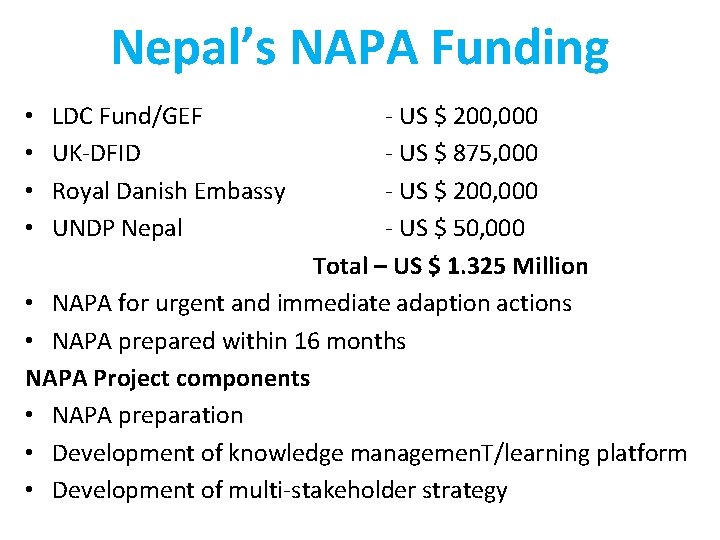
Nepal’s NAPA Funding - US $ 200, 000 - US $ 875, 000 - US $ 200, 000 - US $ 50, 000 Total – US $ 1. 325 Million • NAPA for urgent and immediate adaption actions • NAPA prepared within 16 months NAPA Project components • NAPA preparation • Development of knowledge managemen. T/learning platform • Development of multi-stakeholder strategy • • LDC Fund/GEF UK-DFID Royal Danish Embassy UNDP Nepal
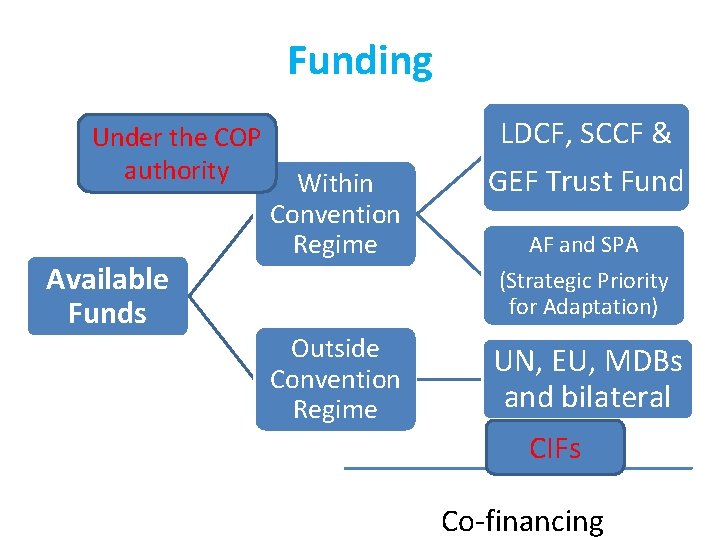
Funding Under the COP authority Available Funds Within Convention Regime Outside Convention Regime LDCF, SCCF & GEF Trust Fund AF and SPA (Strategic Priority for Adaptation) UN, EU, MDBs and bilateral CIFs Co-financing
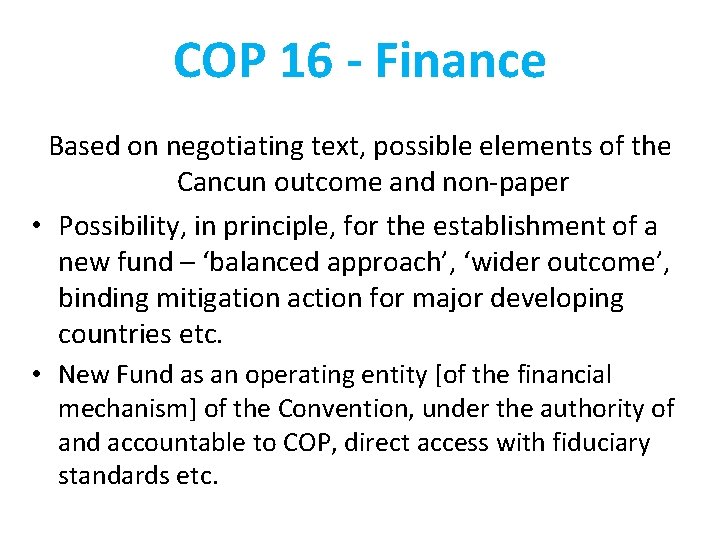
COP 16 - Finance Based on negotiating text, possible elements of the Cancun outcome and non-paper • Possibility, in principle, for the establishment of a new fund – ‘balanced approach’, ‘wider outcome’, binding mitigation action for major developing countries etc. • New Fund as an operating entity [of the financial mechanism] of the Convention, under the authority of and accountable to COP, direct access with fiduciary standards etc.
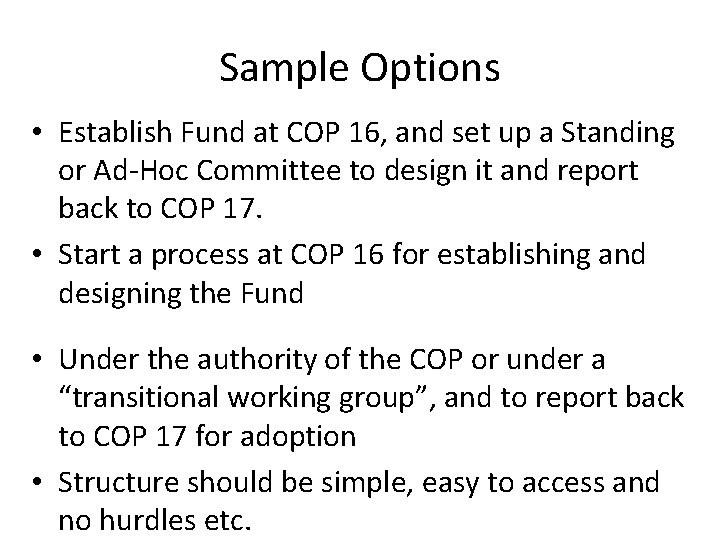
Sample Options • Establish Fund at COP 16, and set up a Standing or Ad-Hoc Committee to design it and report back to COP 17. • Start a process at COP 16 for establishing and designing the Fund • Under the authority of the COP or under a “transitional working group”, and to report back to COP 17 for adoption • Structure should be simple, easy to access and no hurdles etc.
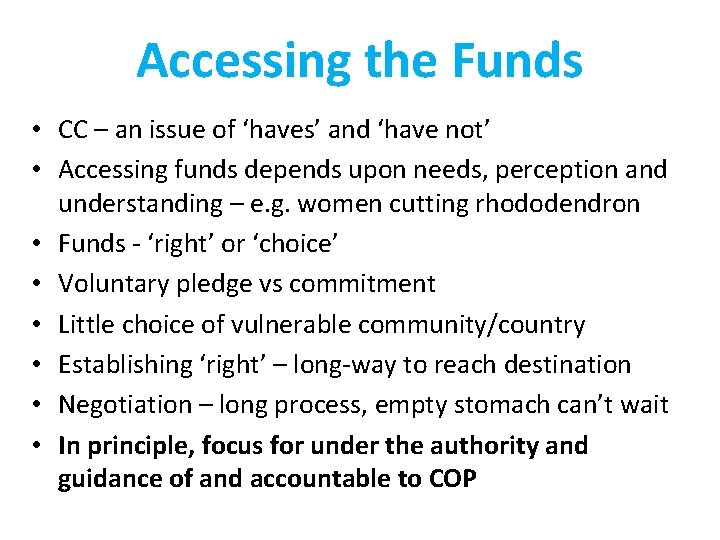
Accessing the Funds • CC – an issue of ‘haves’ and ‘have not’ • Accessing funds depends upon needs, perception and understanding – e. g. women cutting rhododendron • Funds - ‘right’ or ‘choice’ • Voluntary pledge vs commitment • Little choice of vulnerable community/country • Establishing ‘right’ – long-way to reach destination • Negotiation – long process, empty stomach can’t wait • In principle, focus for under the authority and guidance of and accountable to COP
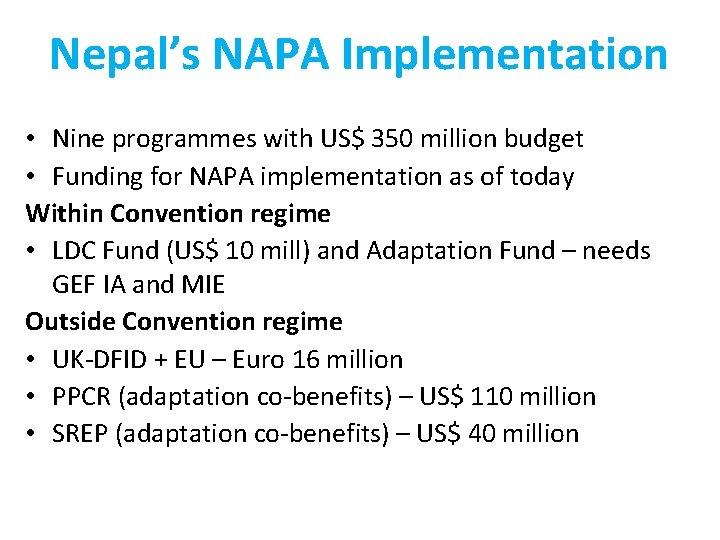
Nepal’s NAPA Implementation • Nine programmes with US$ 350 million budget • Funding for NAPA implementation as of today Within Convention regime • LDC Fund (US$ 10 mill) and Adaptation Fund – needs GEF IA and MIE Outside Convention regime • UK-DFID + EU – Euro 16 million • PPCR (adaptation co-benefits) – US$ 110 million • SREP (adaptation co-benefits) – US$ 40 million
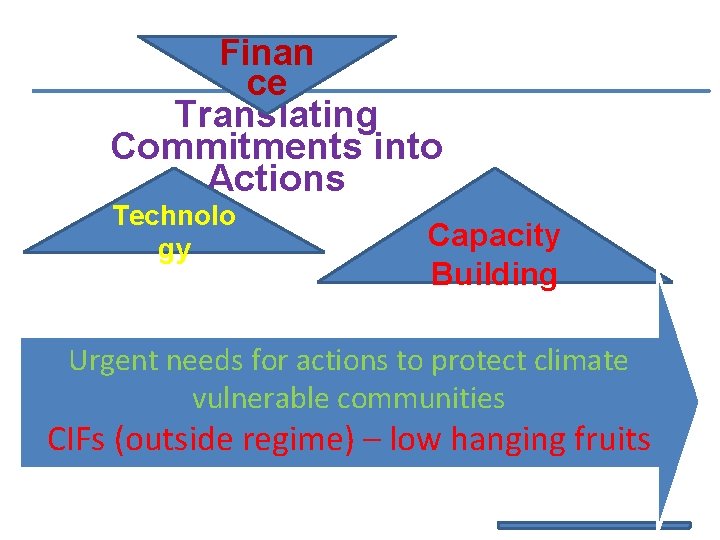
Finan ce Translating Commitments into Actions Technolo gy Capacity Building Urgent needs for actions to protect climate vulnerable communities CIFs (outside regime) – low hanging fruits