
Fundamentals of Image Formation Lecture 2 Jitendra Malik

- Slides: 27
Fundamentals of Image Formation Lecture 2 Jitendra Malik
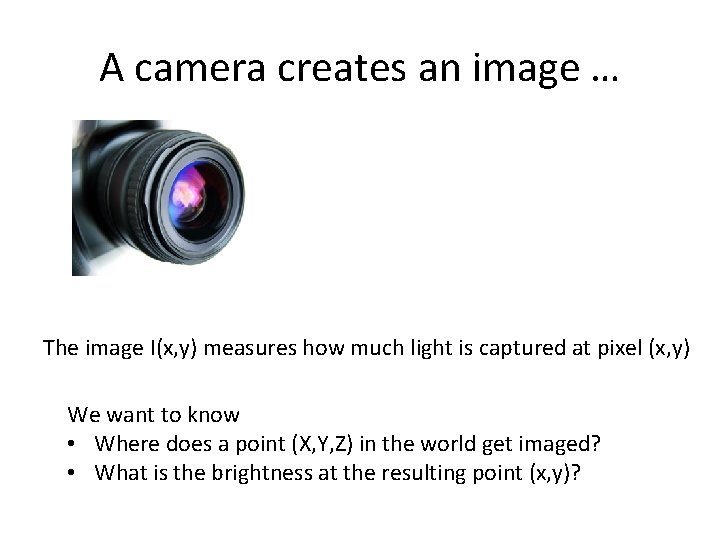
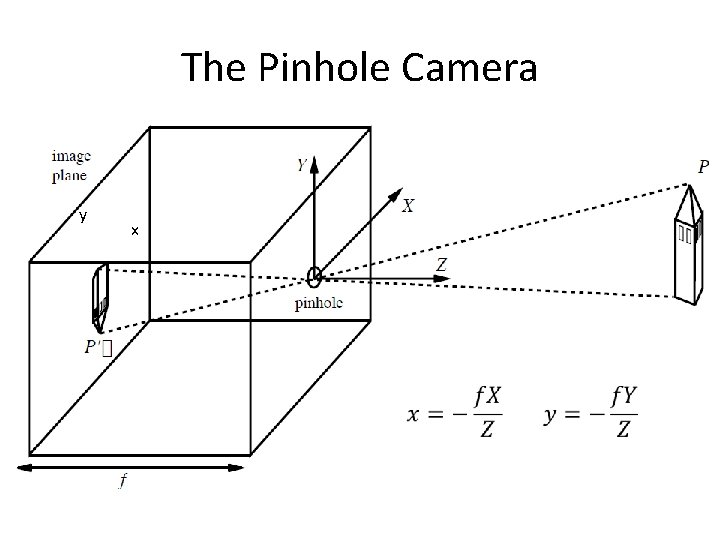
A camera creates an image … The image I(x, y) measures how much light is captured at pixel (x, y) We want to know • Where does a point (X, Y, Z) in the world get imaged? • What is the brightness at the resulting point (x, y)?
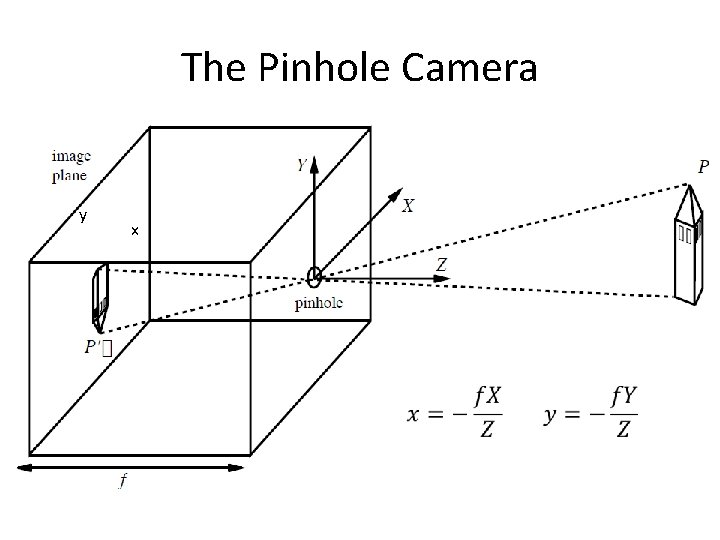
The Pinhole Camera y x
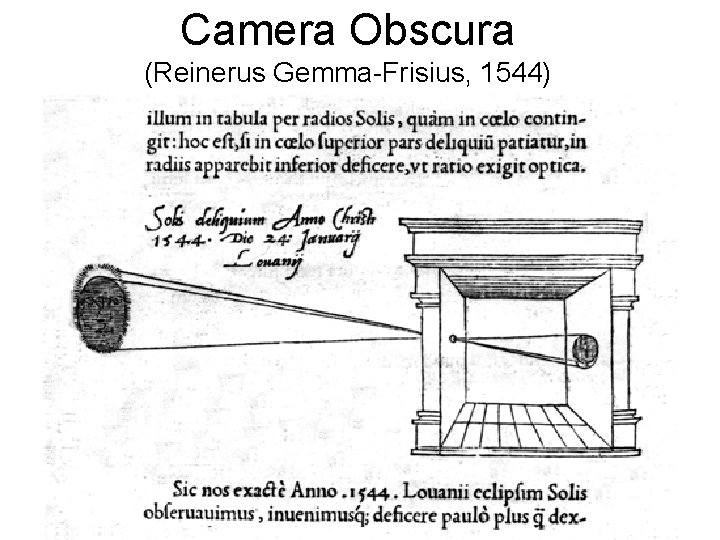
Camera Obscura (Reinerus Gemma-Frisius, 1544)
The Pinhole Camera y x
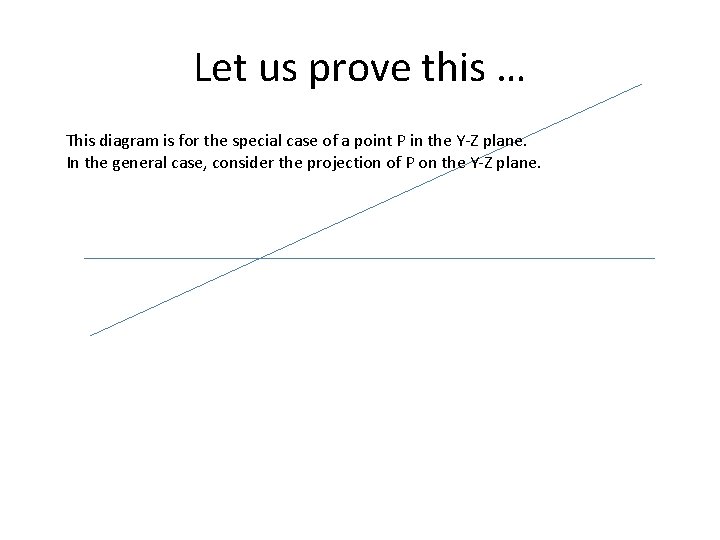
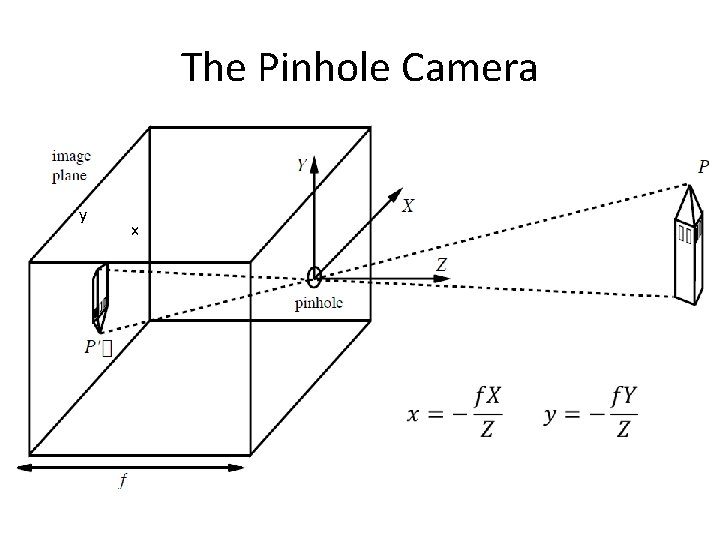
Let us prove this … This diagram is for the special case of a point P in the Y-Z plane. In the general case, consider the projection of P on the Y-Z plane.
The Pinhole Camera y x
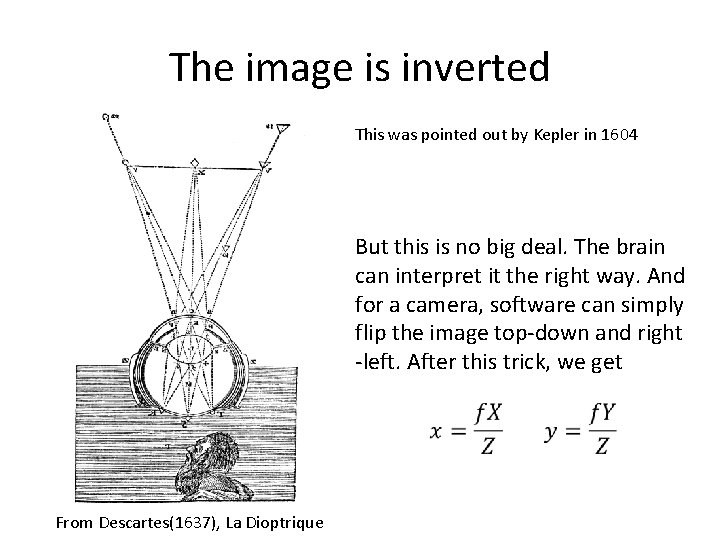
The image is inverted This was pointed out by Kepler in 1604 But this is no big deal. The brain can interpret it the right way. And for a camera, software can simply flip the image top-down and right -left. After this trick, we get From Descartes(1637), La Dioptrique
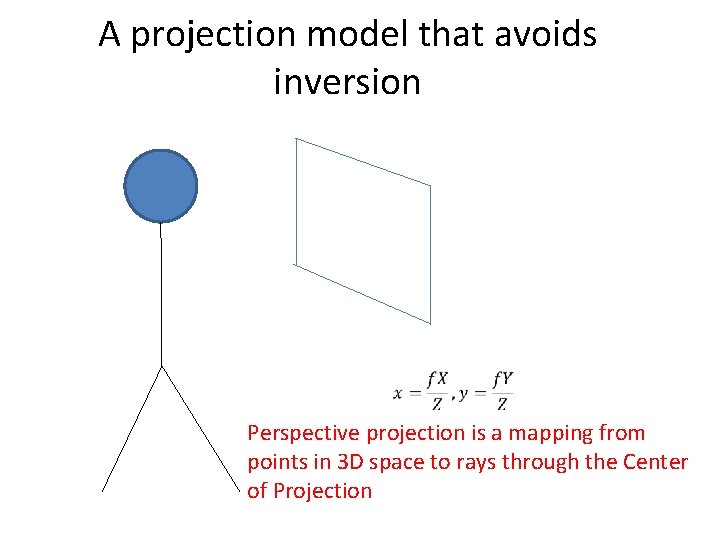
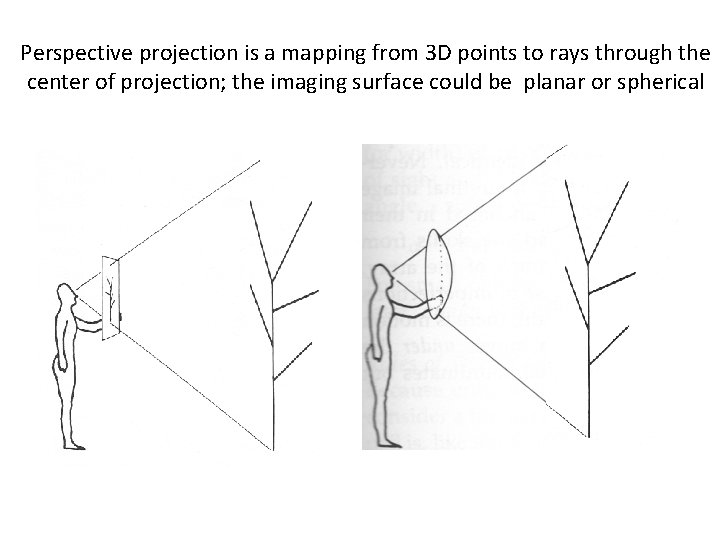
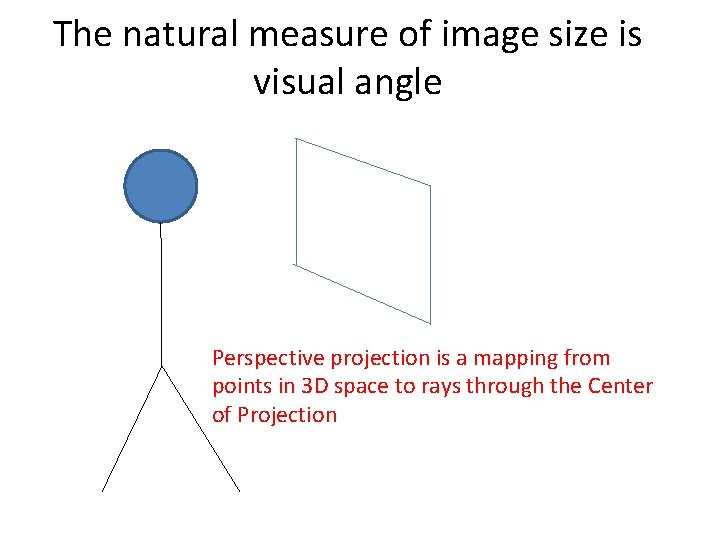
A projection model that avoids inversion Perspective projection is a mapping from points in 3 D space to rays through the Center of Projection
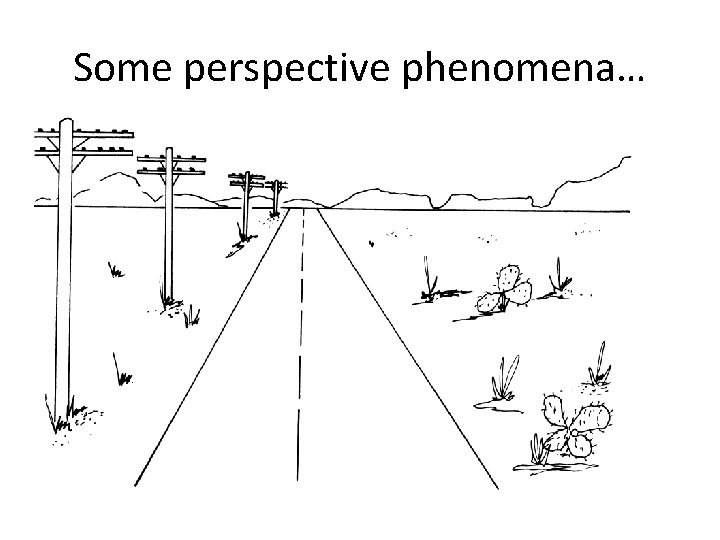
Some perspective phenomena…
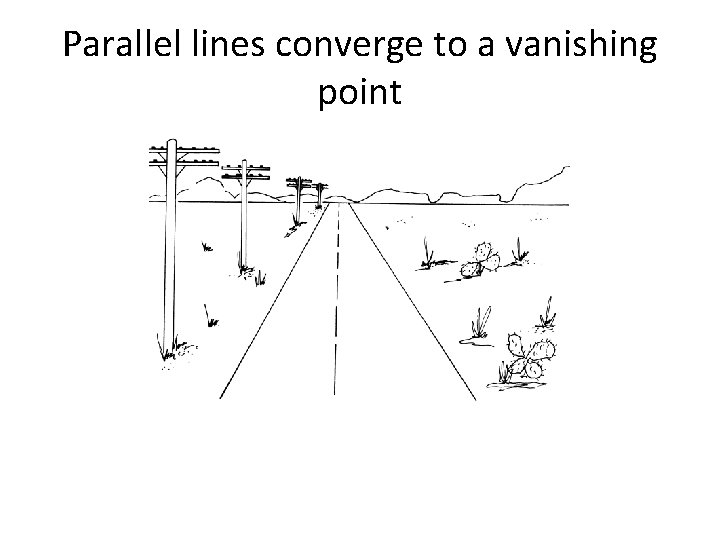
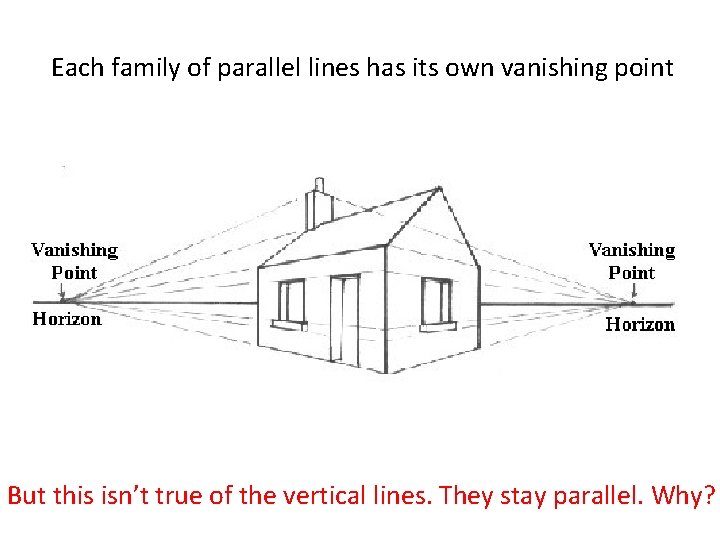
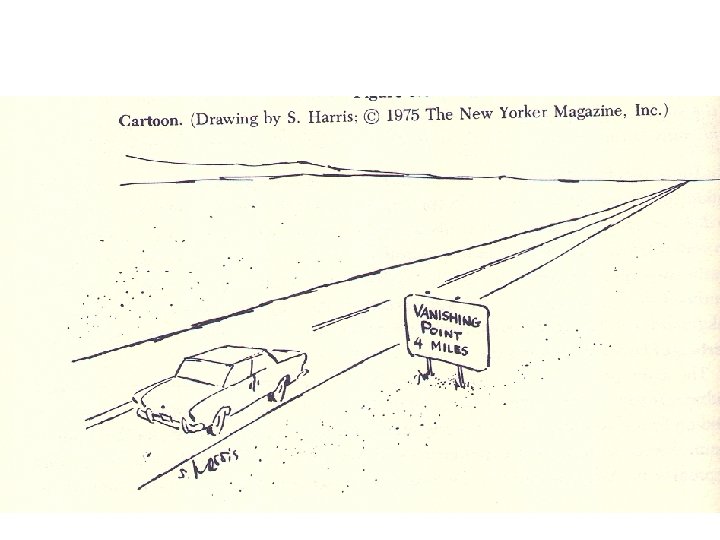
Parallel lines converge to a vanishing point
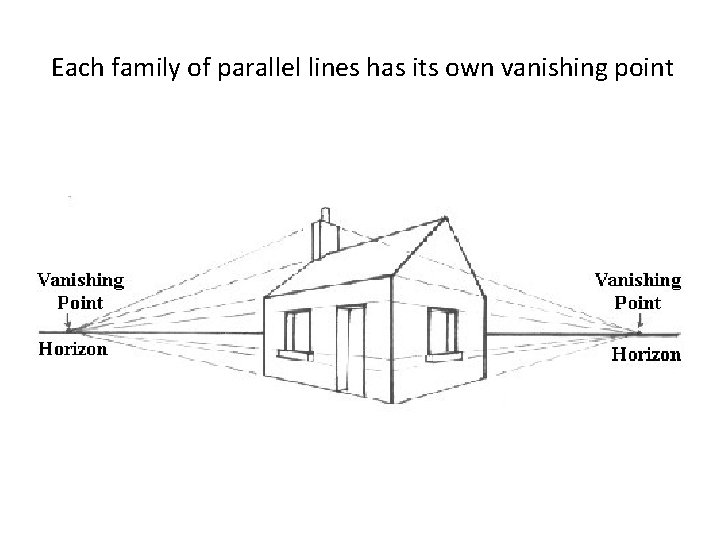
Each family of parallel lines has its own vanishing point
Proof Let there be a point A and a direction vector D in three dimensional space.
Each family of parallel lines has its own vanishing point But this isn’t true of the vertical lines. They stay parallel. Why?
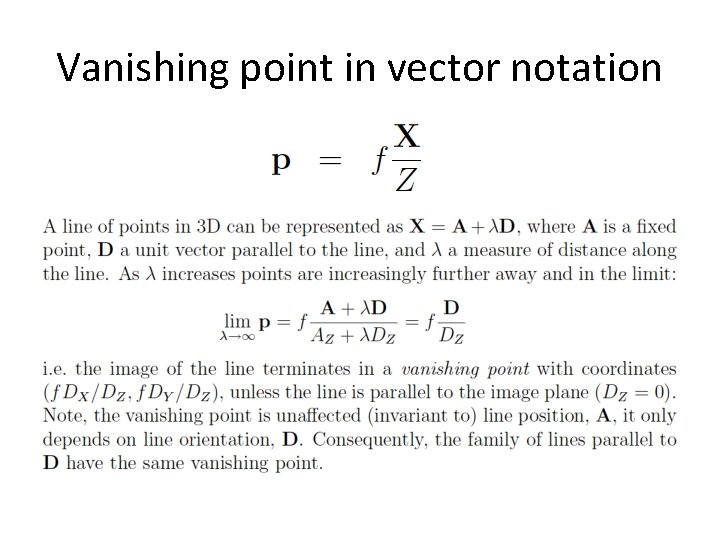
Vanishing point in vector notation
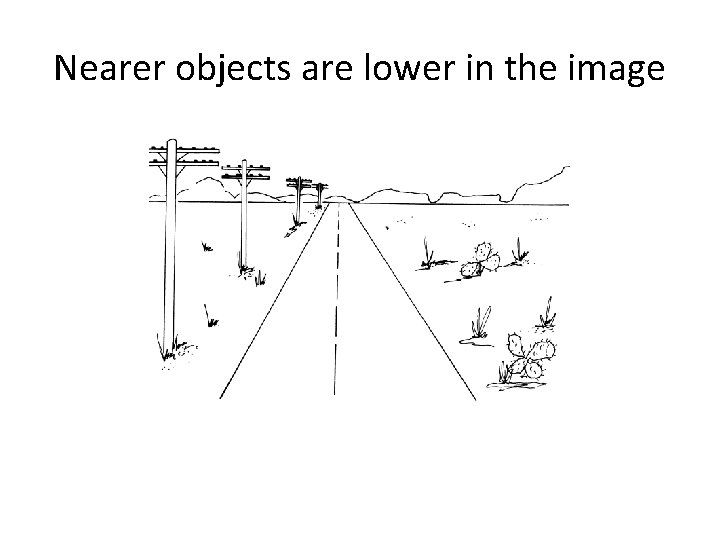
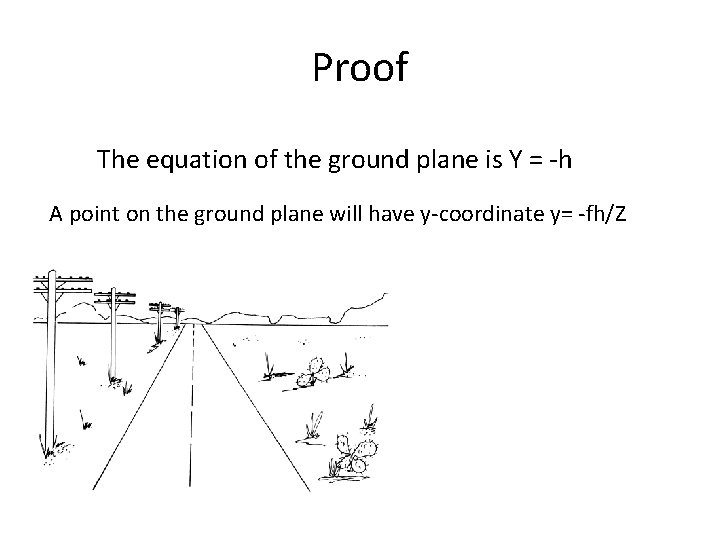
Nearer objects are lower in the image
Proof The equation of the ground plane is Y = -h A point on the ground plane will have y-coordinate y= -fh/Z
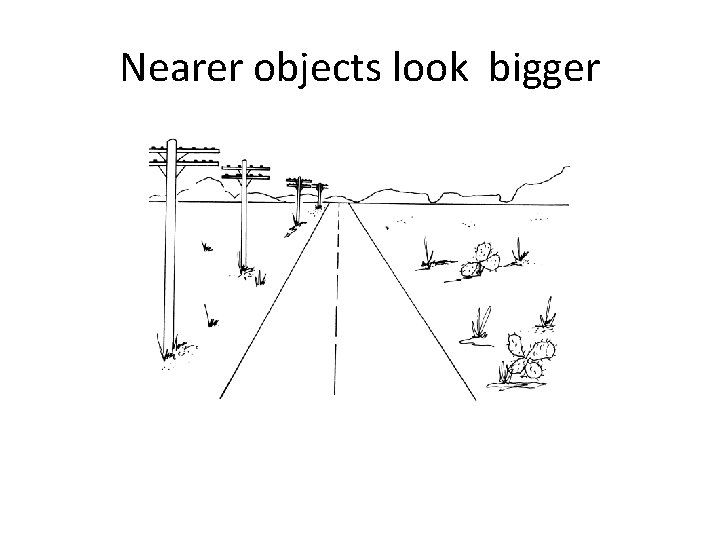
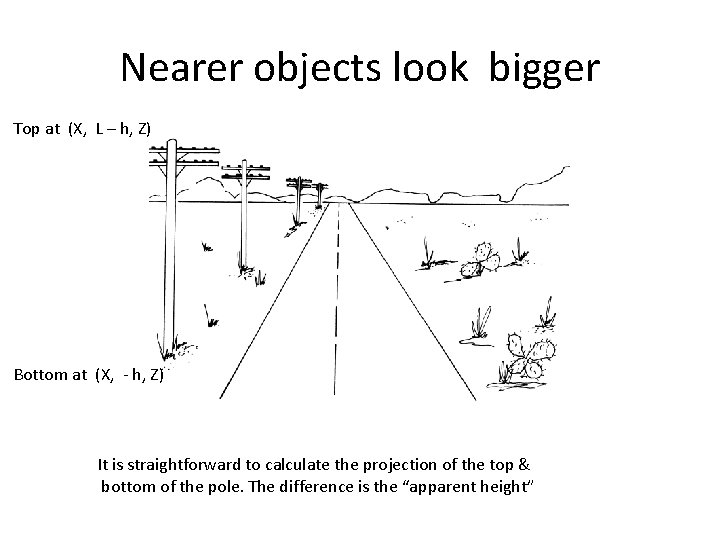
Nearer objects look bigger
Nearer objects look bigger Top at (X, L – h, Z) Bottom at (X, - h, Z) It is straightforward to calculate the projection of the top & bottom of the pole. The difference is the “apparent height”
Perspective projection is a mapping from 3 D points to rays through the center of projection; the imaging surface could be planar or spherical
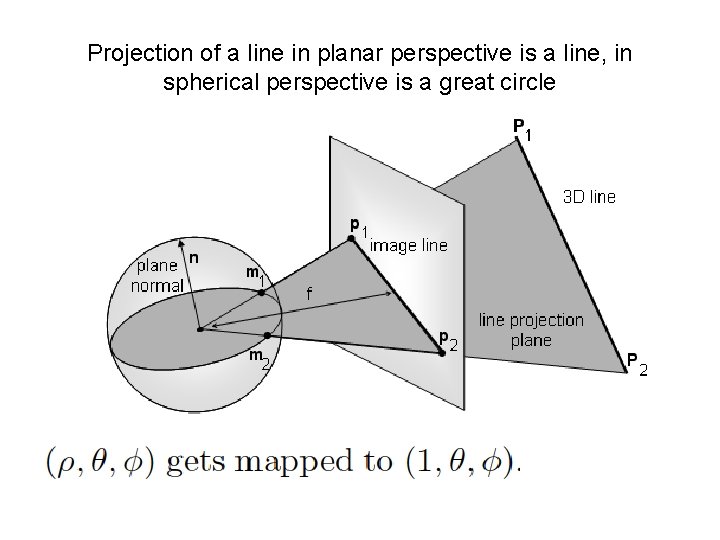
Projection of a line in planar perspective is a line, in spherical perspective is a great circle
The natural measure of image size is visual angle Perspective projection is a mapping from points in 3 D space to rays through the Center of Projection
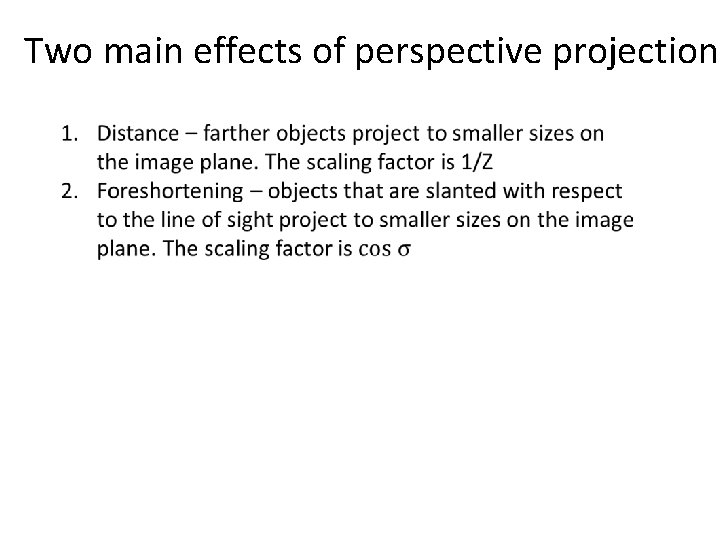
Two main effects of perspective projection
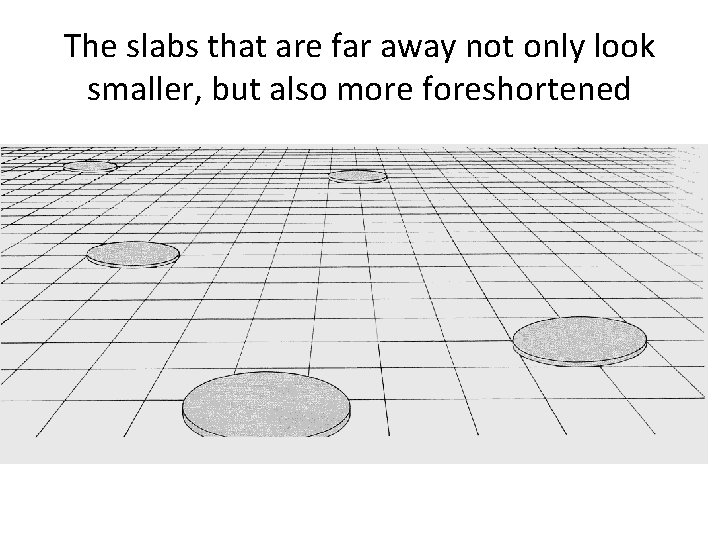
The slabs that are far away not only look smaller, but also more foreshortened
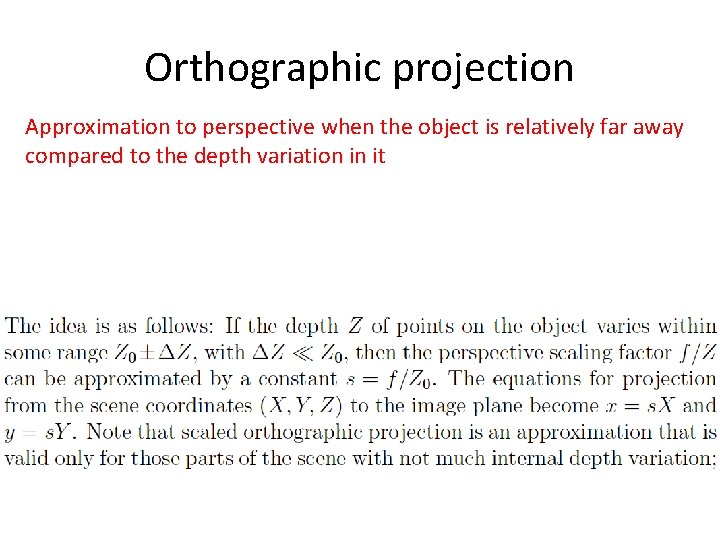
Orthographic projection Approximation to perspective when the object is relatively far away compared to the depth variation in it