
Fundamentals of Blood Biochemistry BCH 220 DR MANSOUR

Fundamentals of Blood Biochemistry (BCH 220) DR. MANSOUR GATASHEH Biochemistry Department, Science College King Saud University
Class 3: Erythrocytes T
Objectives for this lecture l Discuss the structure of Erythrocytes. l understand the advantage and disadvantage of anucleated cells.
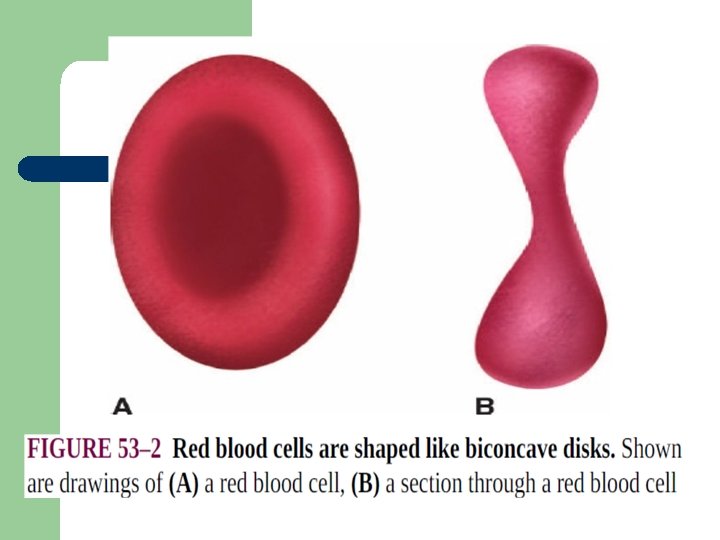
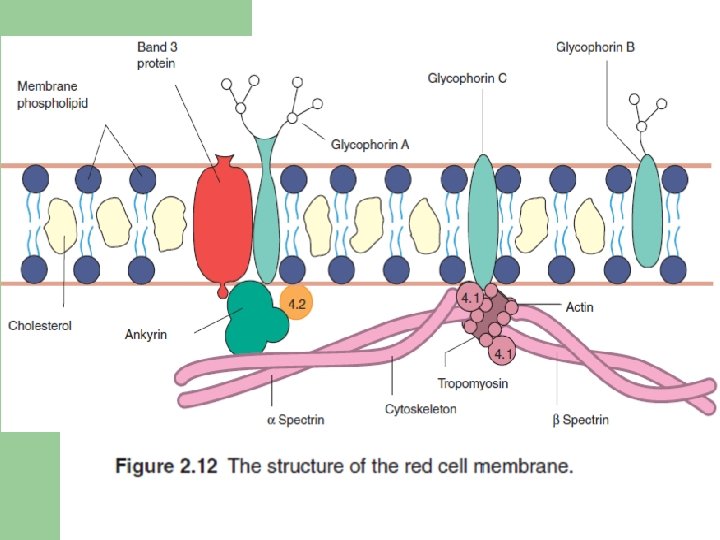
Erythrocytes membrane l Comprises a : - lipid bilayer (phospholipids) - Integral membrane proteins - Peripheral membrane proteins - Membrane skeleton - Carbohydrates (external surface) l Disc-like configuration possesses a higher surface area to volume than spherical shapes.
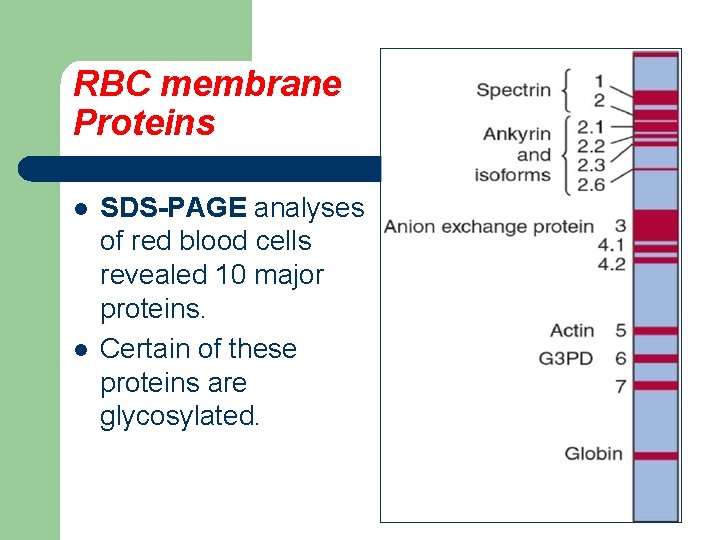
RBC membrane Proteins l l SDS-PAGE analyses of red blood cells revealed 10 major proteins. Certain of these proteins are glycosylated.
RBC membrane Proteins l l l cytoskeletal proteins include : ü α and β spectrin (antiparallel) ü Ankyrin ü protein 4. 1 ü actin Proteins contain several sulphydryl (-SH) groups. Maintain the biconcave shape or RBC, resist swelling due to osmotic pressure.
RBC membrane Proteins l l α and β spectrin form heterodimers, then by head‐to‐head to form tetramers. β spectrin chains attach to ankyrin which connects to band 3. Protein 4. 2 enhances this interaction. band 4. 9, adducin, and tropomyosin, also participate in cytoskeletal assembly
RBC membrane Proteins l l Ankyrin is sensitive to proteolysis. The tail end of spectrin dimers binds to actin. Actin also binds to protein 4. 1.
RBC membrane Proteins l l glycophorin A serves as the basis of the MN blood group system. Some viral and bacterial pathogens, such as influenza virus and Plasmodium, target erythrocytes by binding to glycophorin A.
RBC membrane anion exchange protein l l Band 3 glycoprotein (anion exchange protein) provide a channel to exchanged chloride and bicarbonate anions. bicarbonate generated by hydration of CO 2
RBC membrane Proteins l Connections linking the cytoskeleton to the overlying red cell phospholipid bilayer include band 3, Rh-associated glycoprotein and glycophorin C

Erythrocytes structure (anucleated cells) l l l Interior of a RBC contains a massive amount of hemoglobin (1/3 by weight). Lose their intracellular organelles (eg, nucleus, lysosome, Golgi apparatus, mitochondria). mature enucleated red blood cells are unable to reproduce.
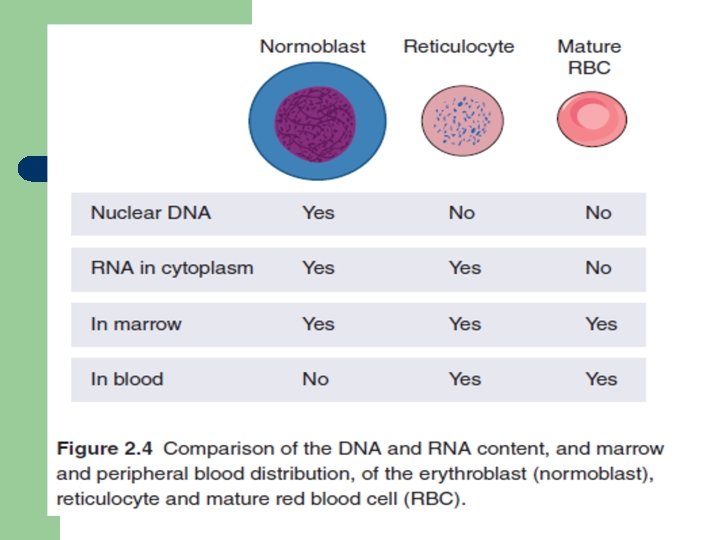
The red cell l l Red cell is 8 μm in diameter. Journey round the body takes 20 seconds. Journey throughout lifespan takes 120 days. Generate energy as ATP by the anaerobic glycolysis pathway.

Abnormalities in RBC membrane l l Defects of the membrane proteins cause abnormalities of shape of cell membrane (spherical red blood cells). Abnormalities in plasma phospholipid will cause membrane abnormalities.
References l l Victor A Hoffbrand, Paul Moss, J Pettit; Essential Haematology. Essentials Series Blackwell Science, New York; 2008. Victor W. Rodwell, David A. Bender, Kathleen M. Botham, Peter J. Kennelly, P. Anthony Weil. Harper’s Illustrated Biochemistry. Mc. Graw-Hill Ed, 31 ed, 2018.
- Slides: 18