
fundamental constants G first basic constant in physics
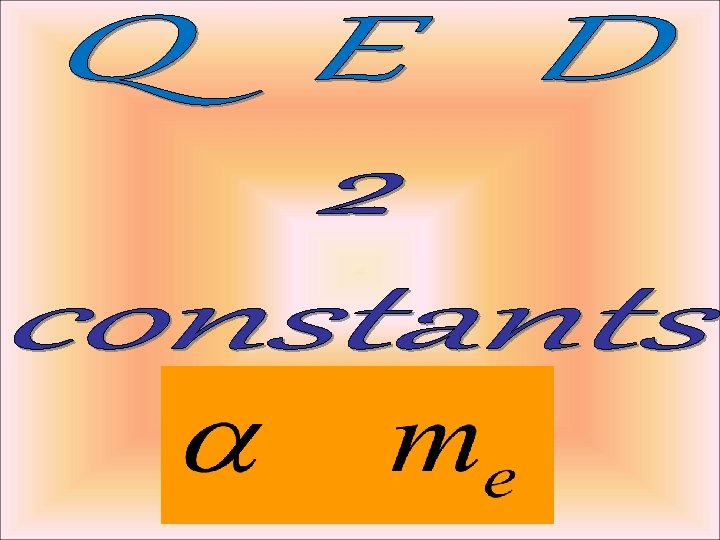
fundamental constants
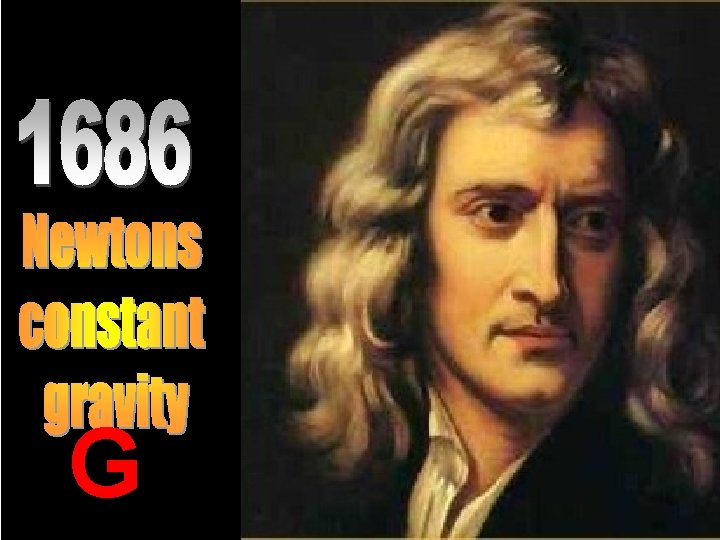
G
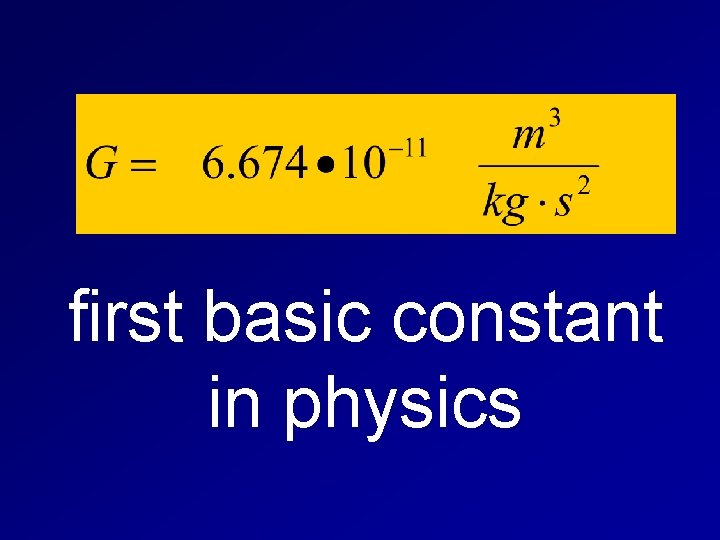
first basic constant in physics
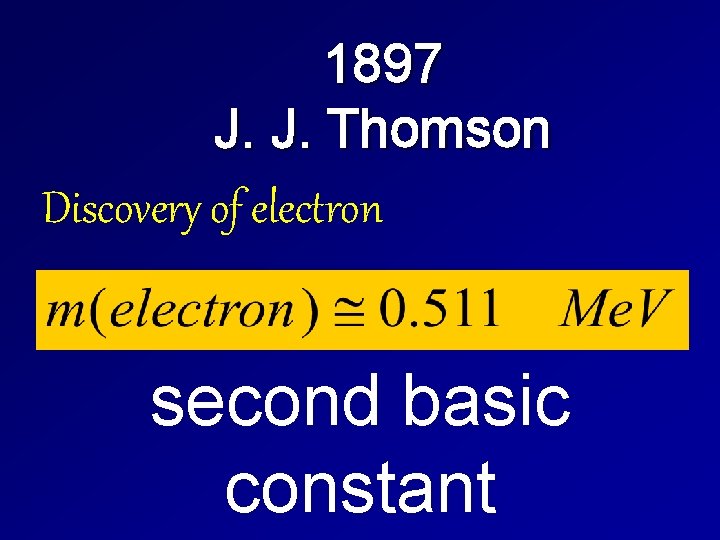
1897 J. J. Thomson Discovery of electron second basic constant
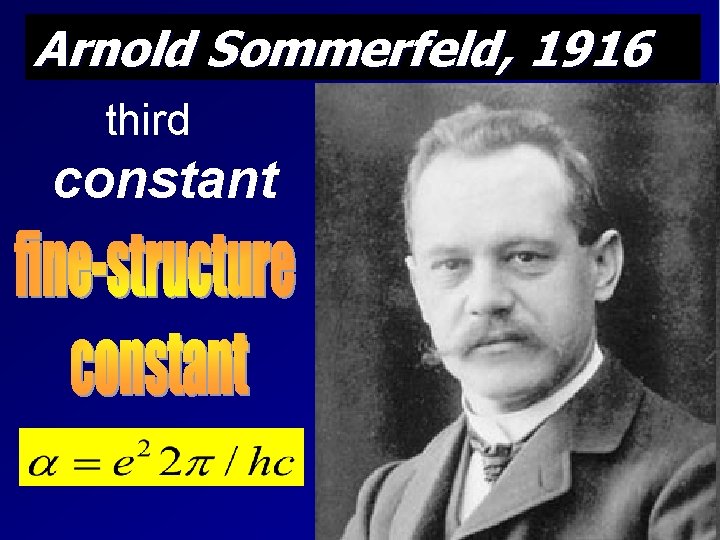
Arnold Sommerfeld, 1916 third constant
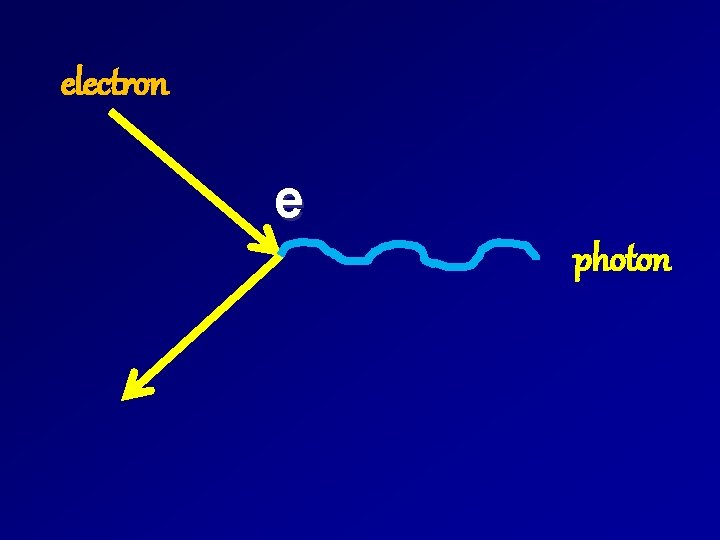
electron e photon

8
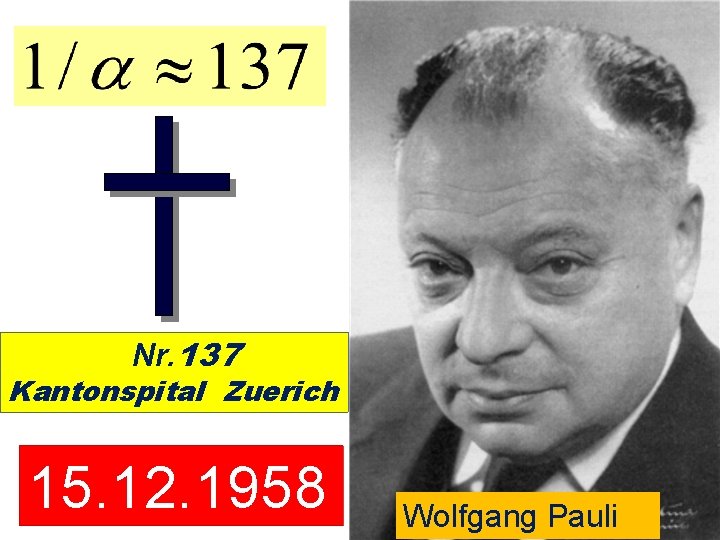
Nr. 137 Kantonspital Zuerich 15. 12. 1958 Wolfgang Pauli
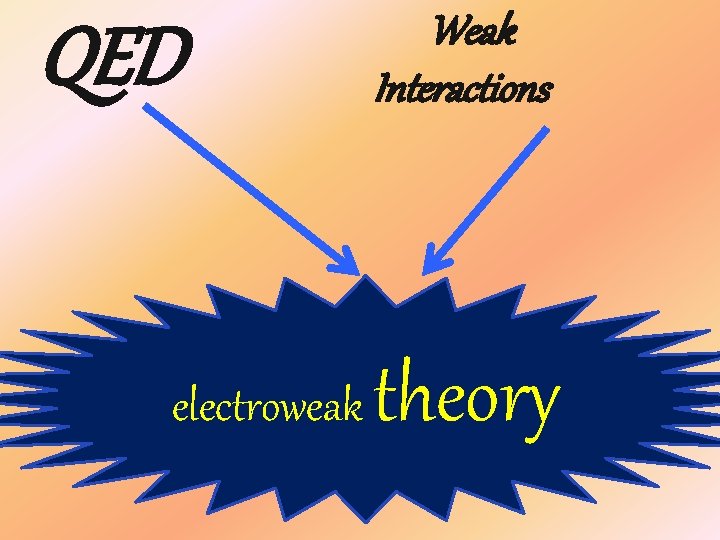
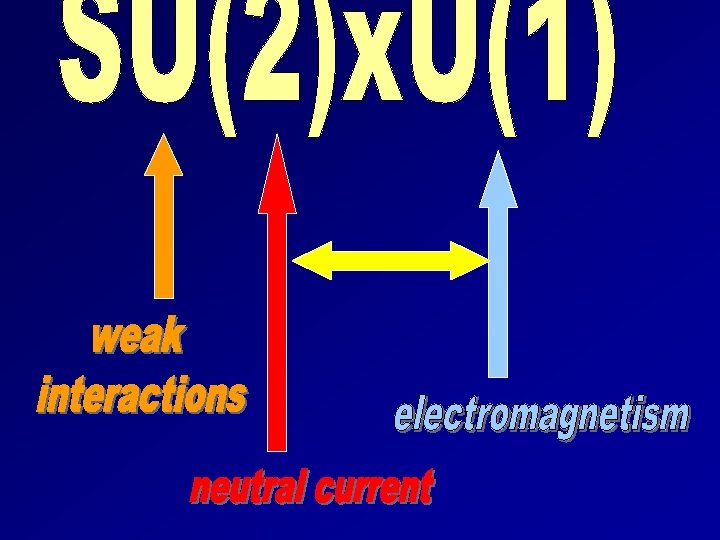
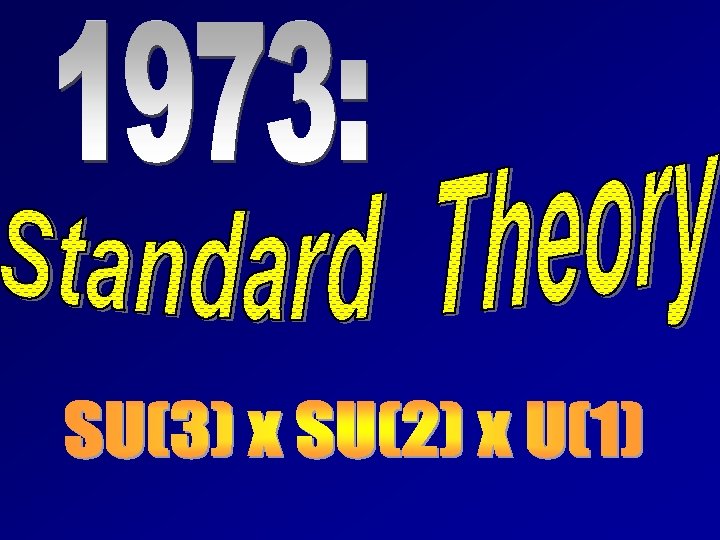
QED electroweak Weak Interactions theory
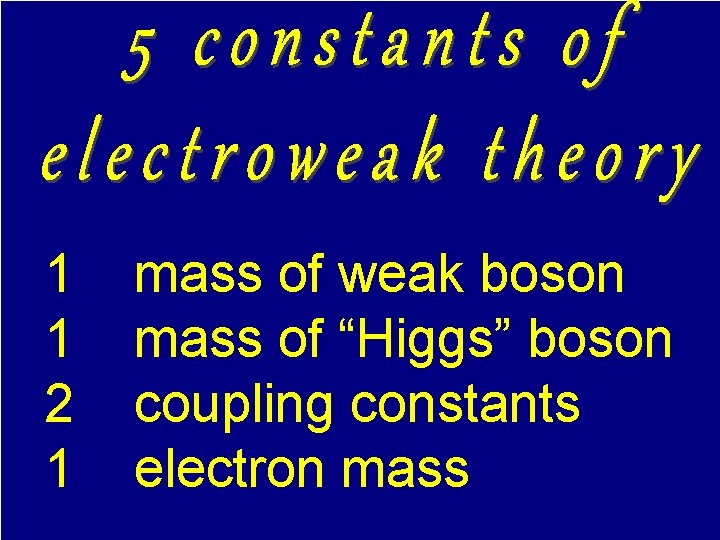
1 1 2 1 mass of weak boson mass of “Higgs” boson coupling constants electron mass

6 quarks

SU(3)

Qqq SU (33)
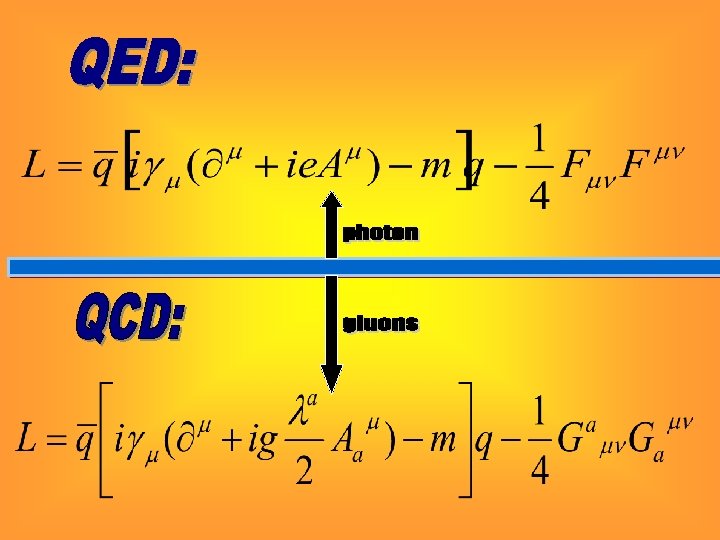
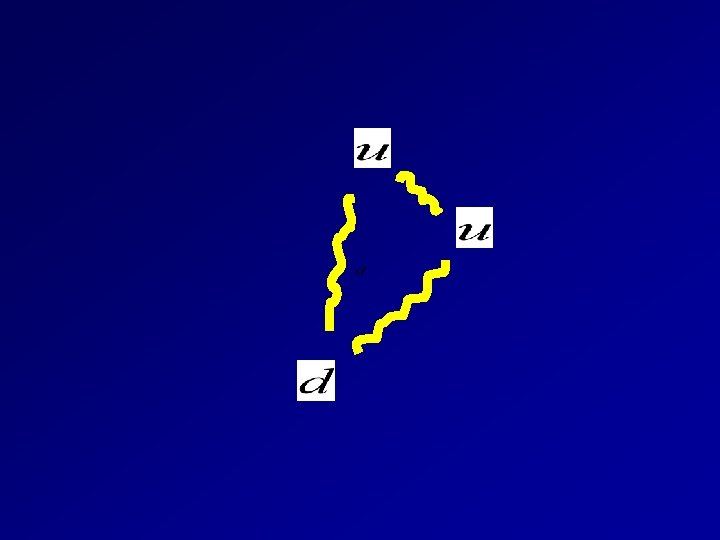
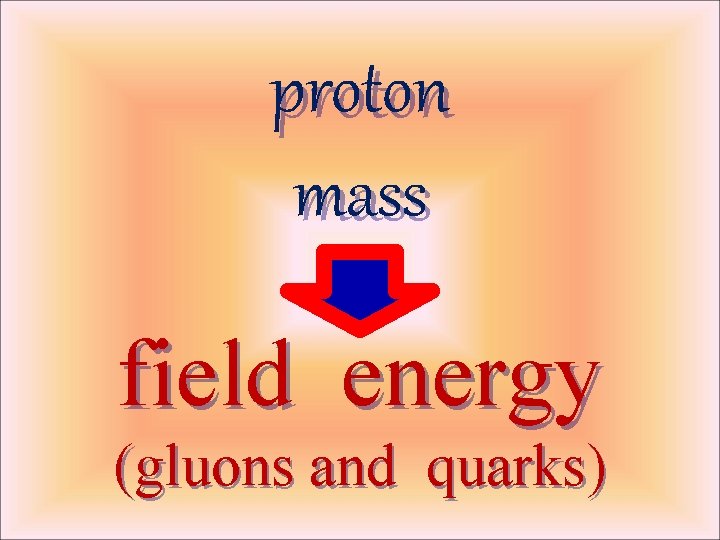
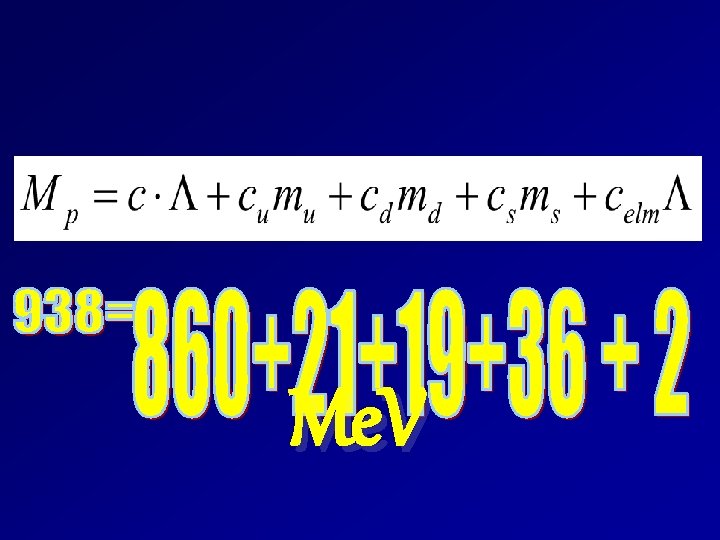
proton mass field energy (gluons and quarks)
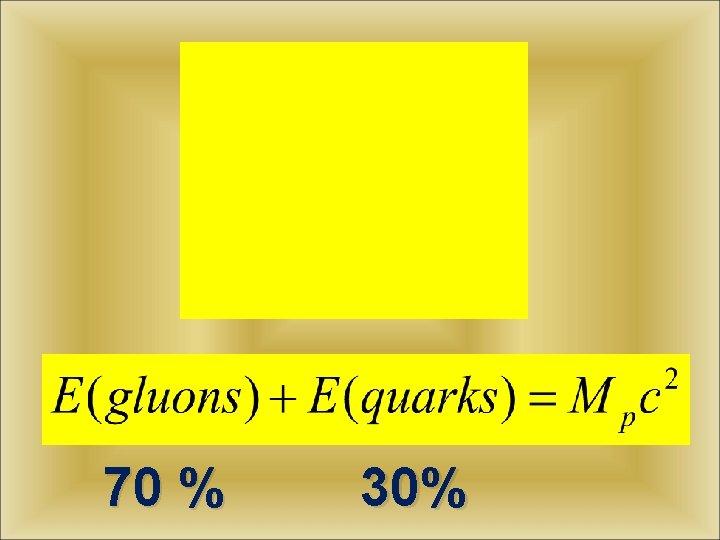
70 % 30%
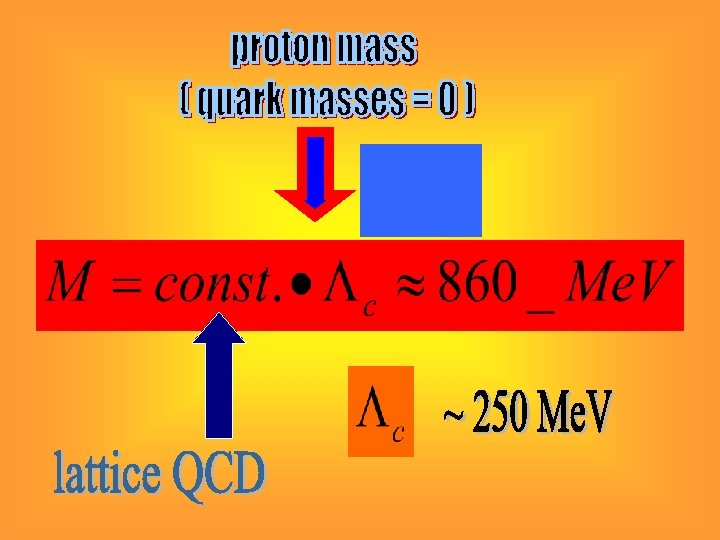
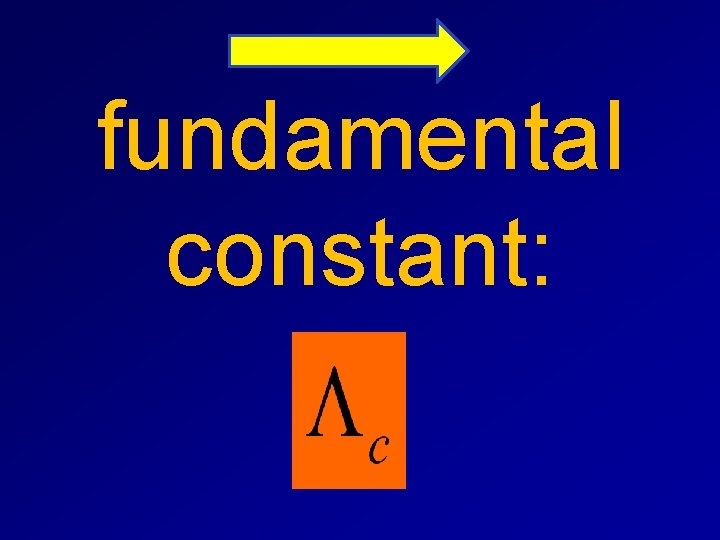
fundamental constant:
7 fundamental constants in strong interactions
Me. V
Standard Theory
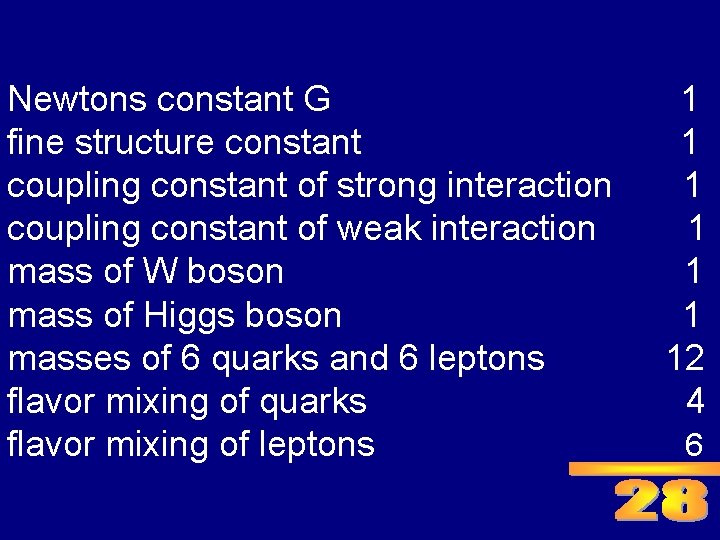
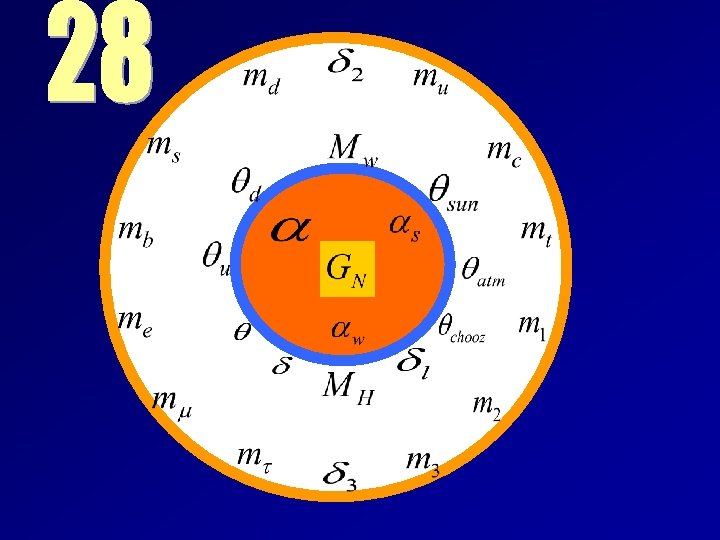
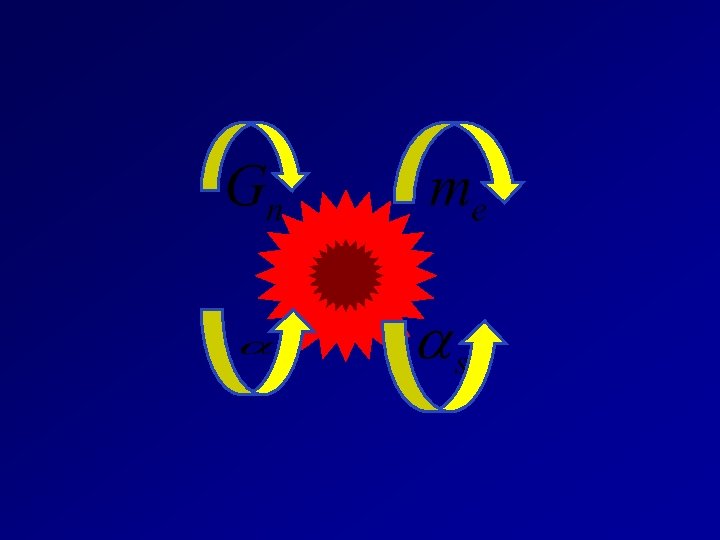
Newtons constant G fine structure constant coupling constant of strong interaction coupling constant of weak interaction mass of W boson mass of Higgs boson masses of 6 quarks and 6 leptons flavor mixing of quarks flavor mixing of leptons 1 1 1 12 4 6
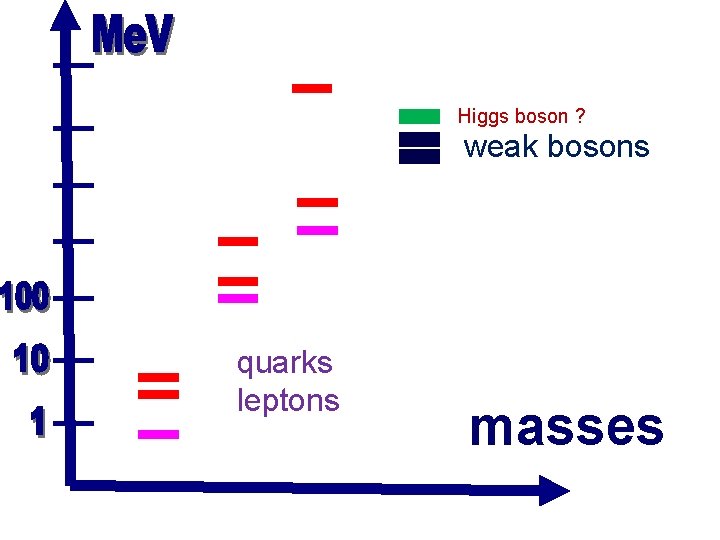
Higgs boson ? weak bosons quarks leptons masses
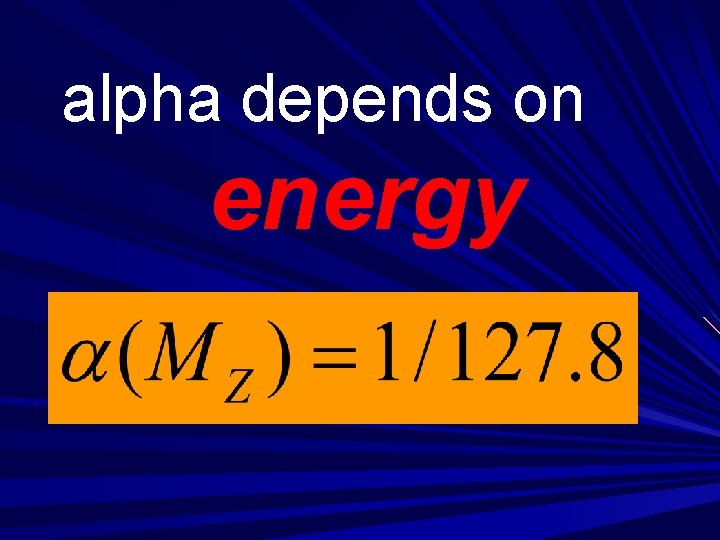
alpha depends on energy

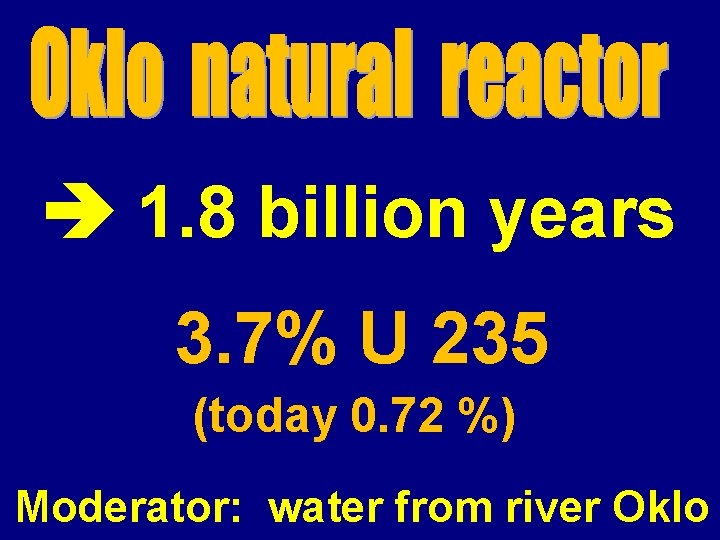
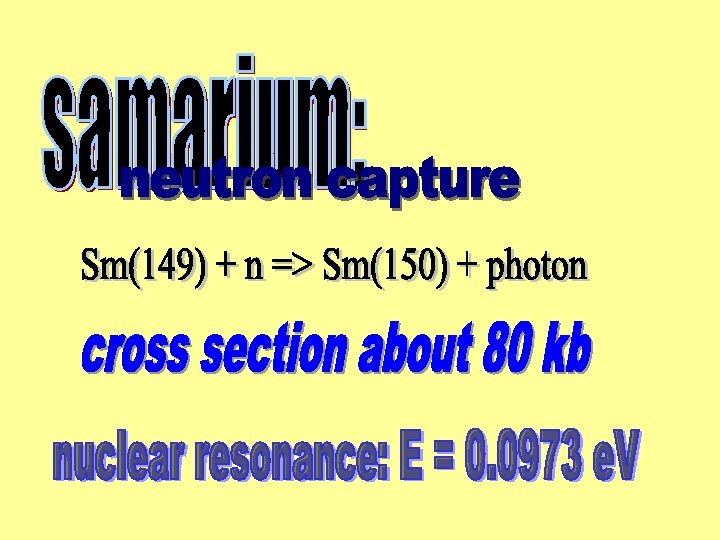
1. 8 billion years 3. 7% U 235 (today 0. 72 %) Moderator: water from river Oklo
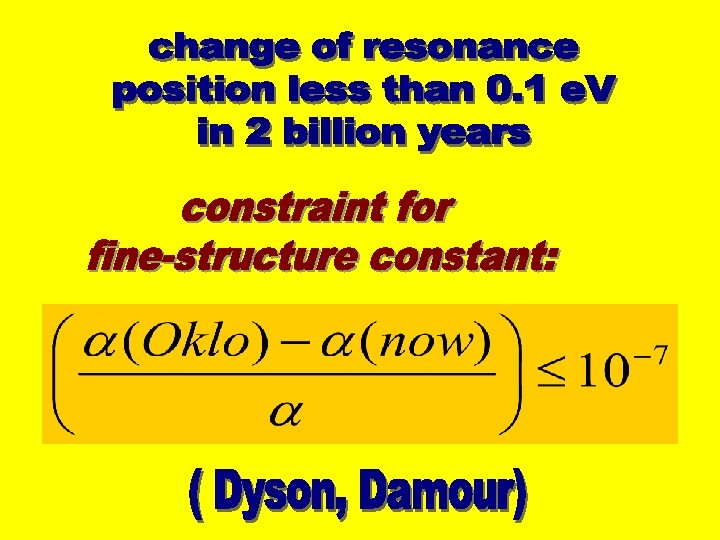
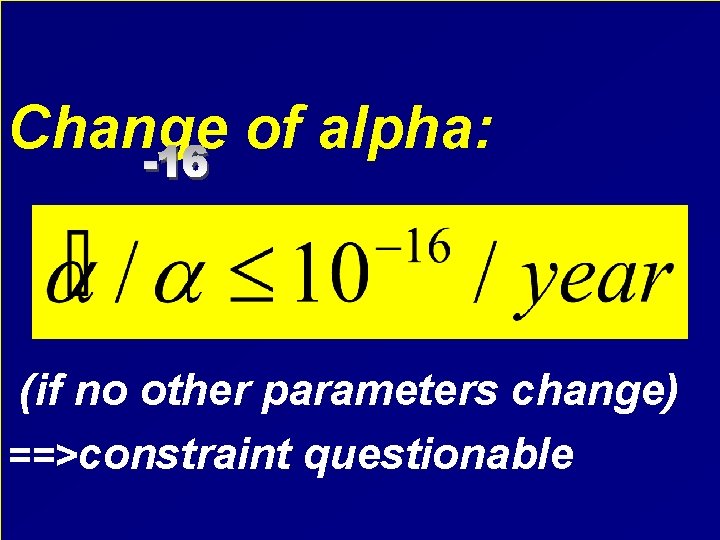
Change of alpha: (if no other parameters change) ==>constraint questionable
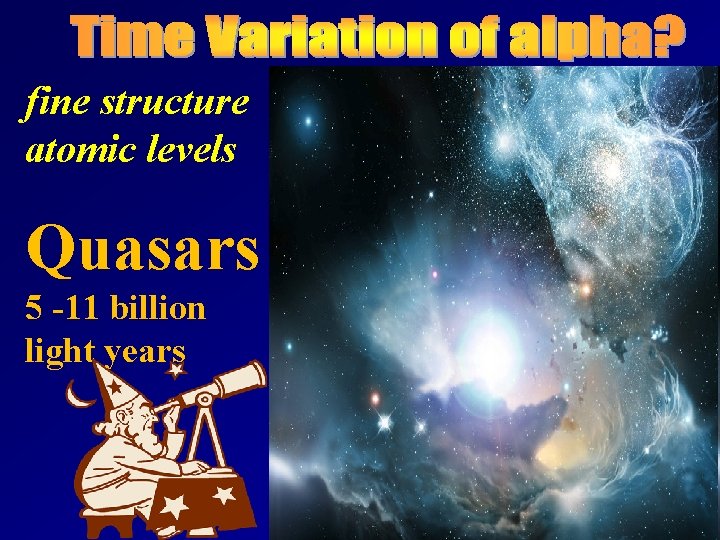
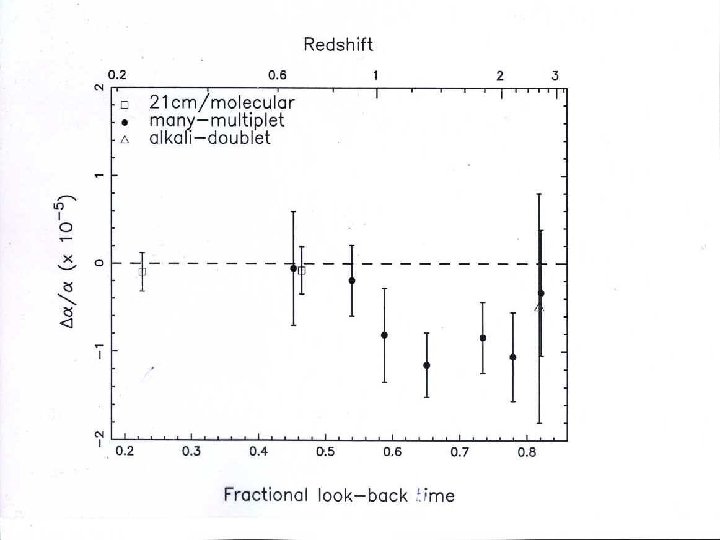
fine structure atomic levels Quasars 5 -11 billion light years
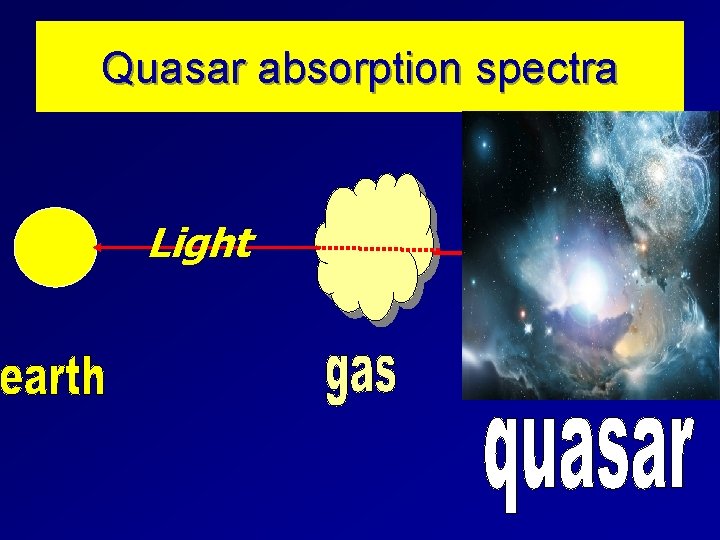
Quasar absorption spectra Light

fine structure: Fe, Ni, Mg, Sn, A
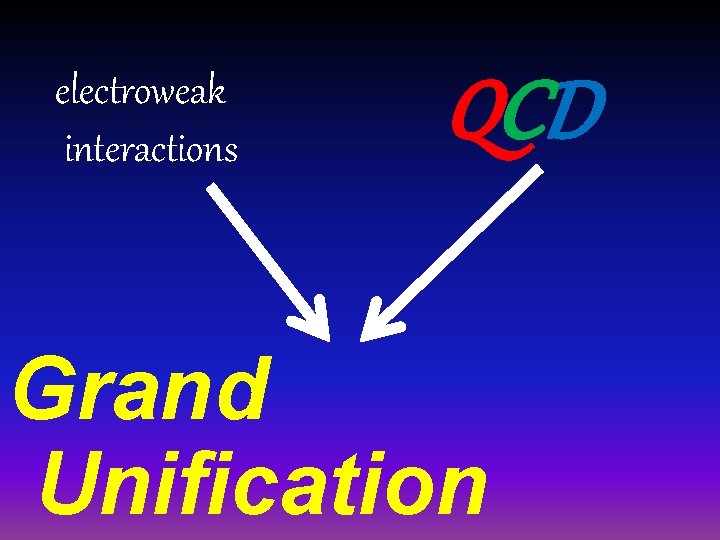
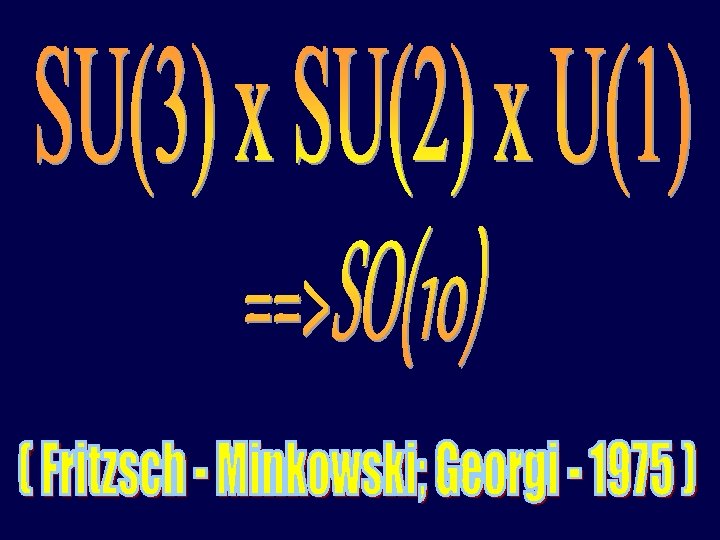
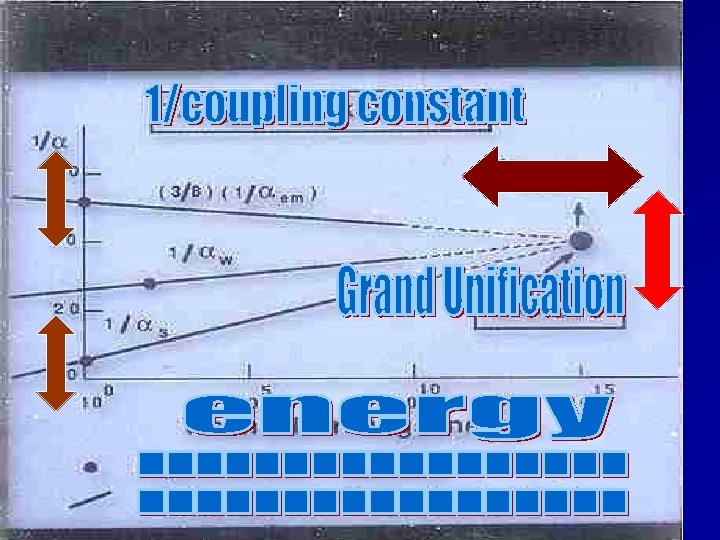
electroweak interactions QCD Grand Unification
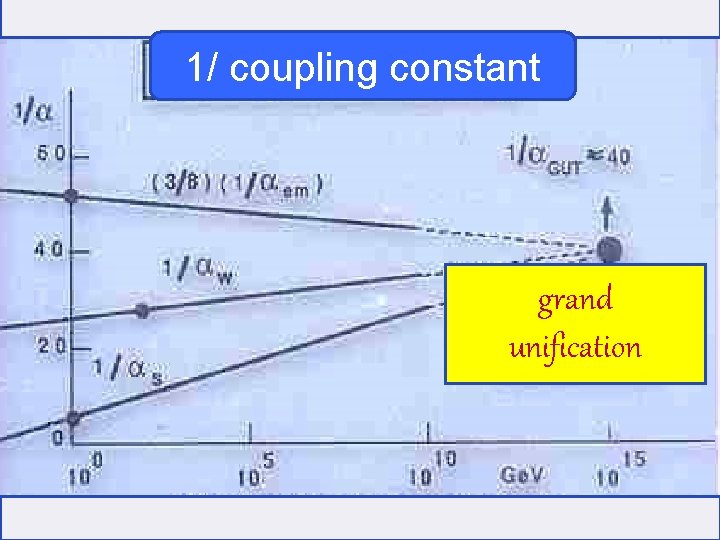
1/ coupling constant grand unification

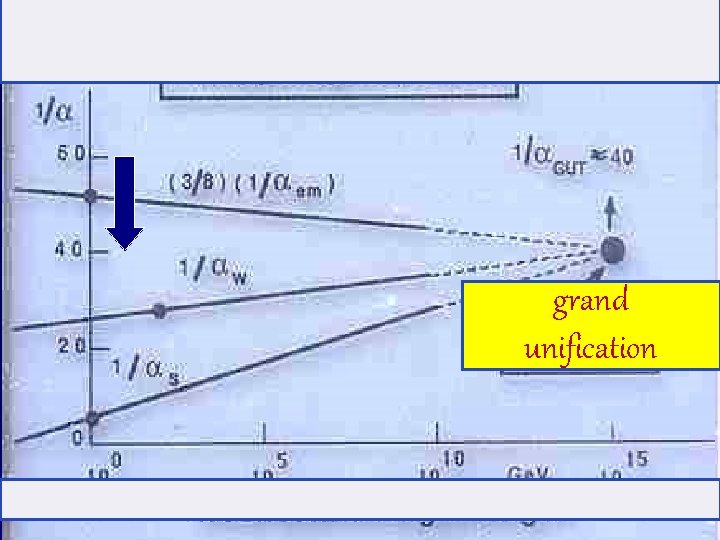
grand unification
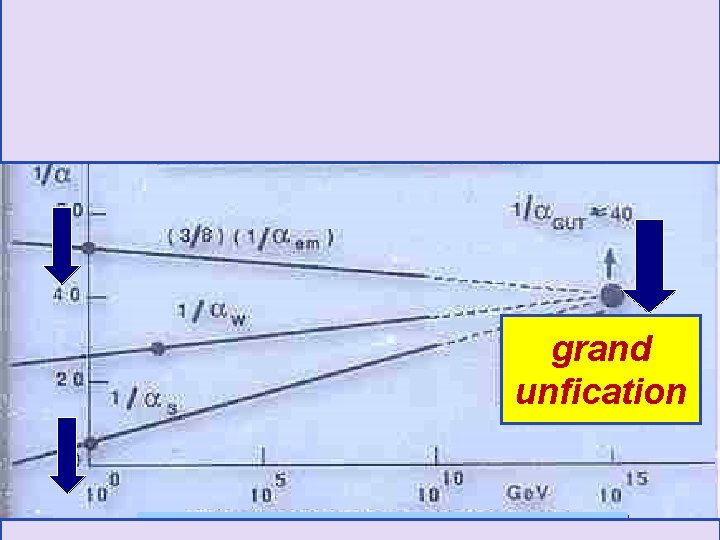
grand unfication
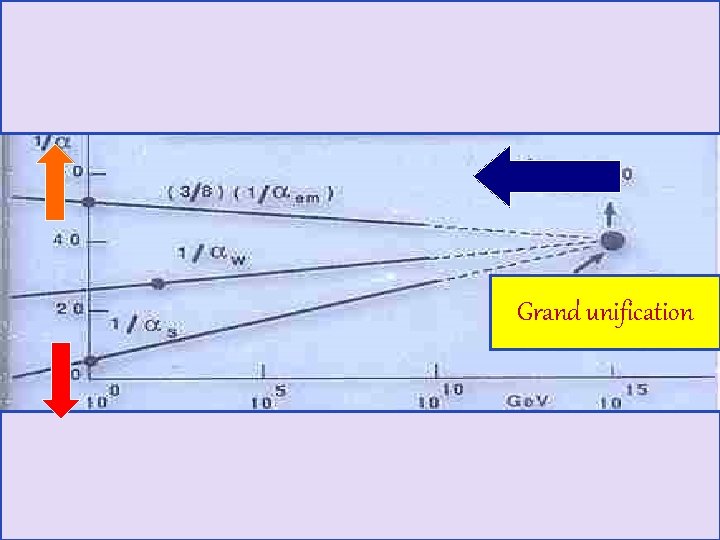
Grand unification
Calmet, Fritzsch Langacker, Segre (2002)
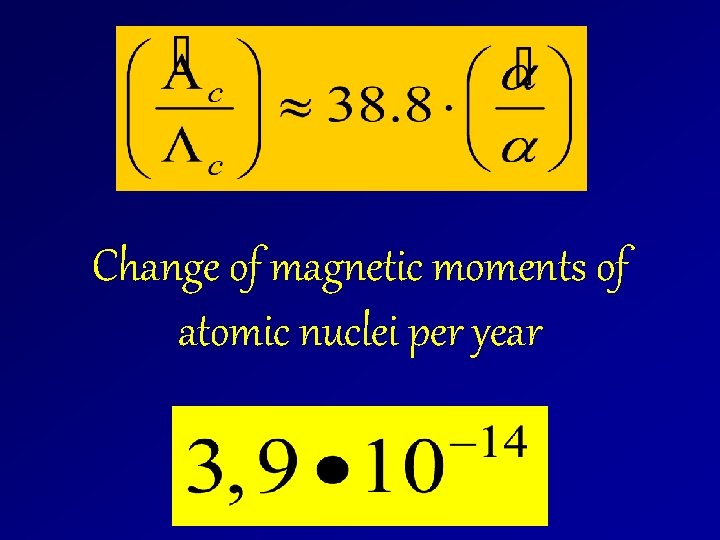
Change of magnetic moments of atomic nuclei per year
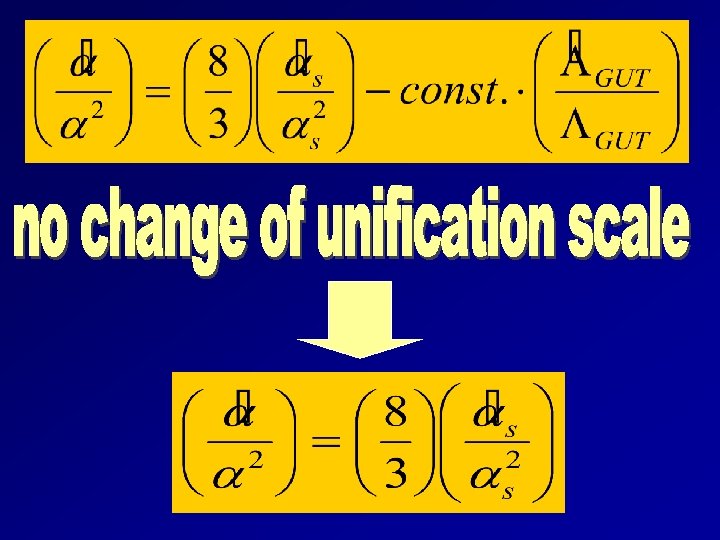
Change ( unification scale )

Cesium clocks
Hyperfine transition magnetic moment of cesium nucleus time change of QCD scale
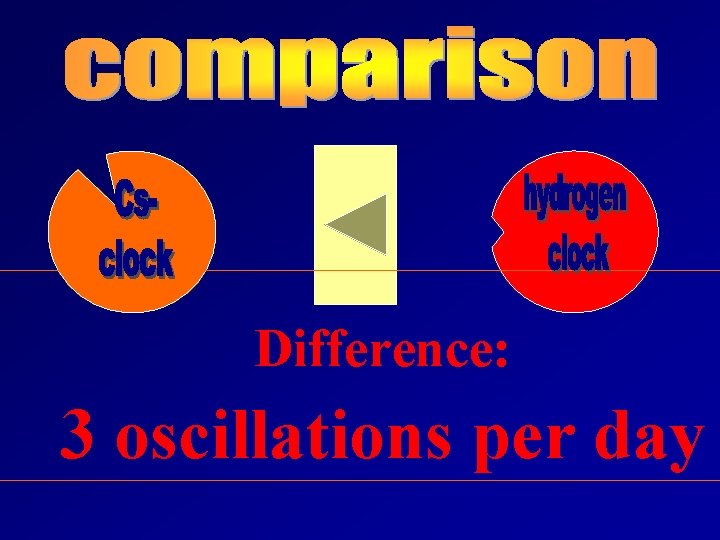
Difference: 3 oscillations per day
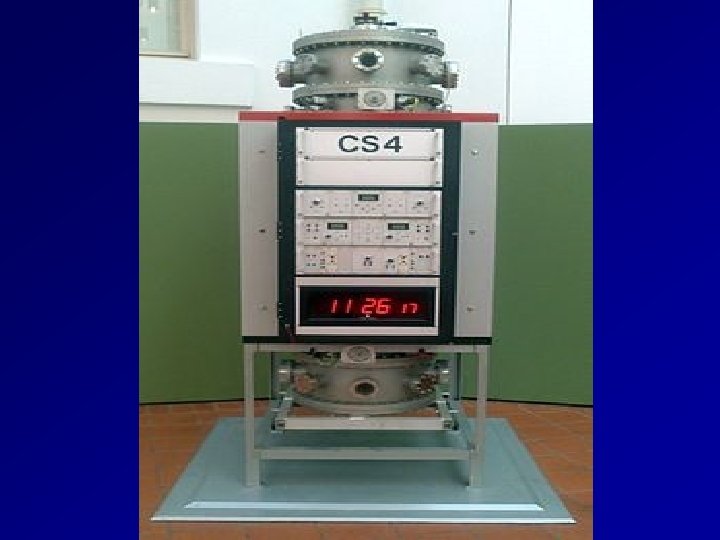
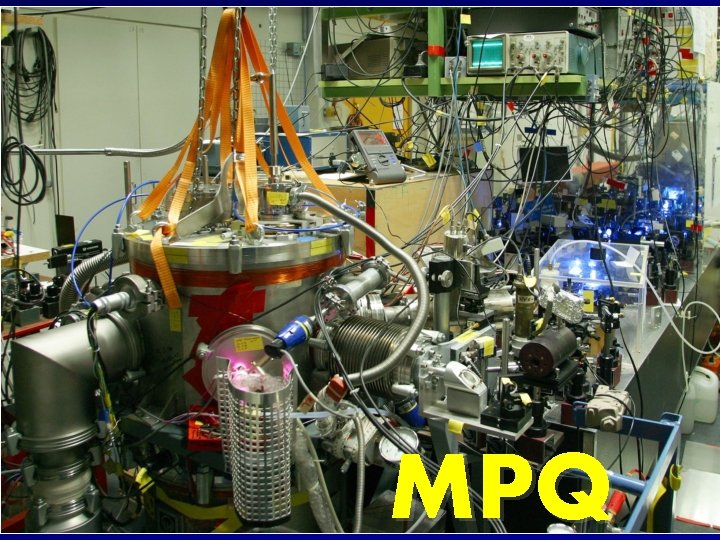
MPQ
MPQ-Experiment 486 nm dye laser in hydrogen spectrometer Reference: cesium clock Pharao LPTF Paris Hydrogen: 1 s-2 s transition 2 466 061 413 187 127 (18) Hz
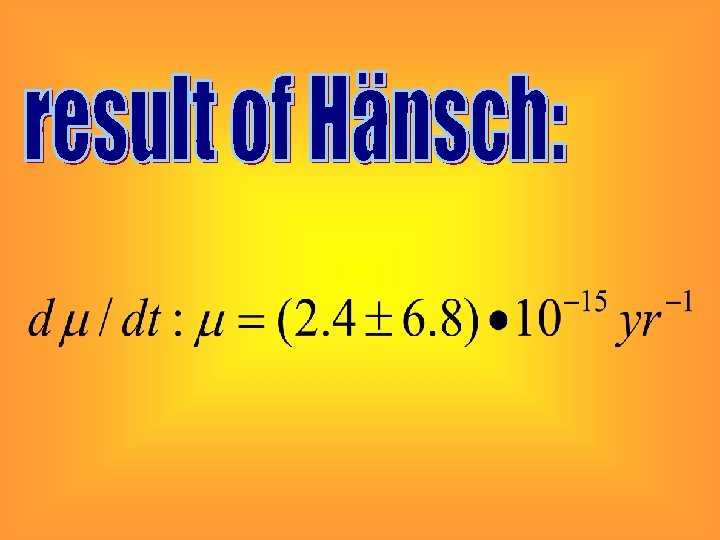
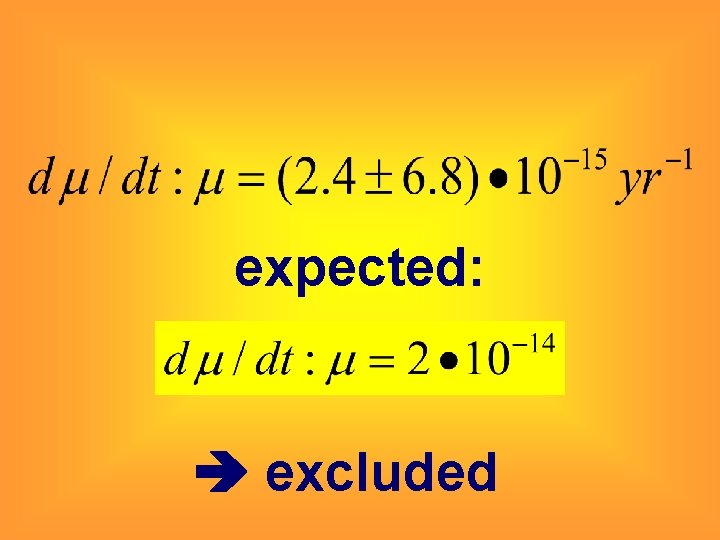
expected: excluded
simultaneous change unified coupling constant + unification scale ( E. Witten)
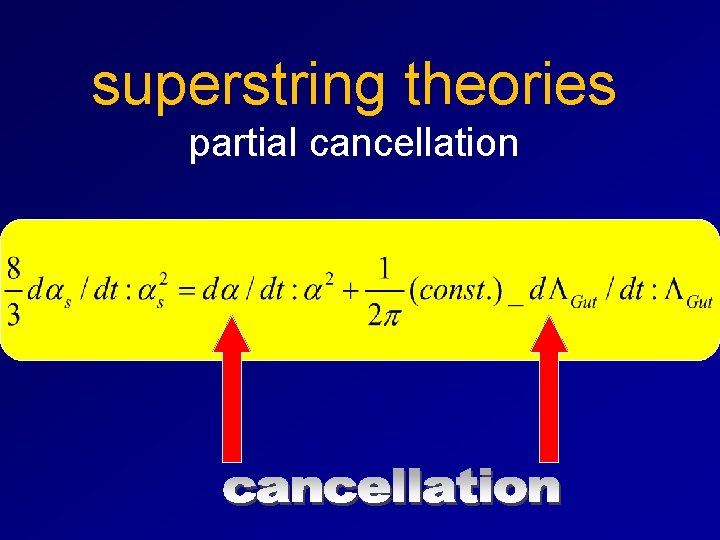
superstring theories partial cancellation
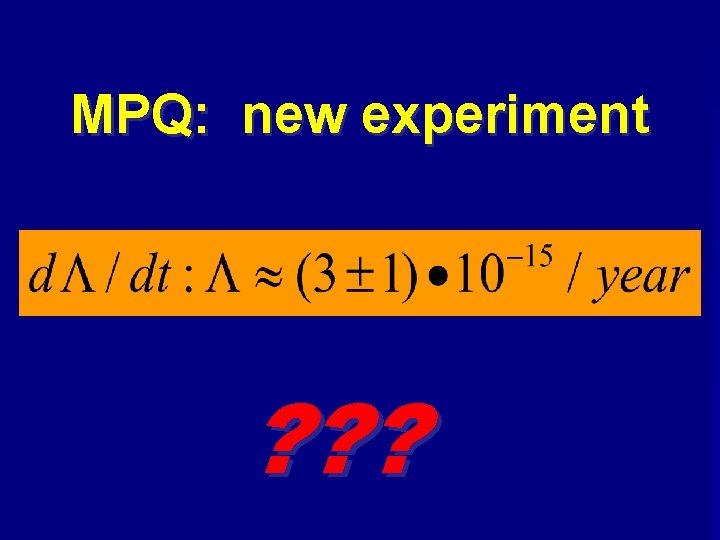
MPQ: new experiment ? ? ?
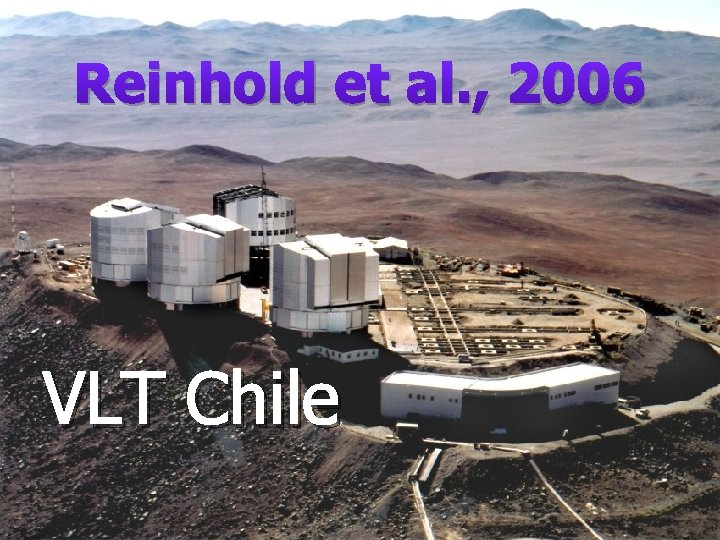
Reinhold et al. , 2006 VLT Chile
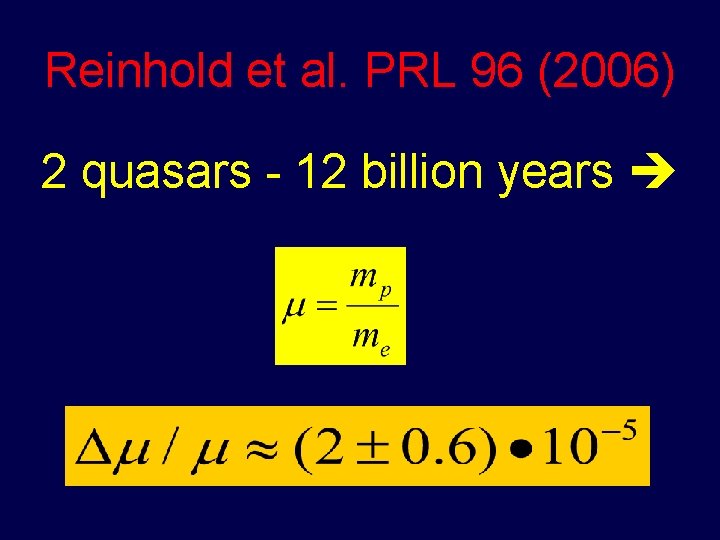
Reinhold et al. PRL 96 (2006) 2 quasars - 12 billion years
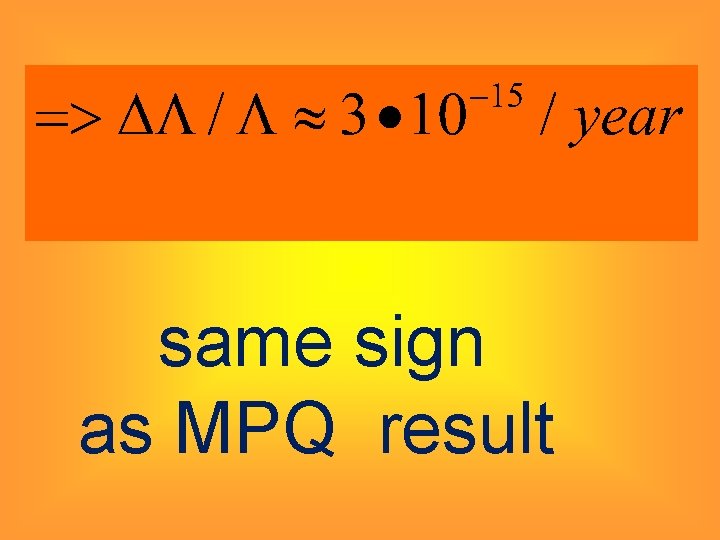
same sign as MPQ result
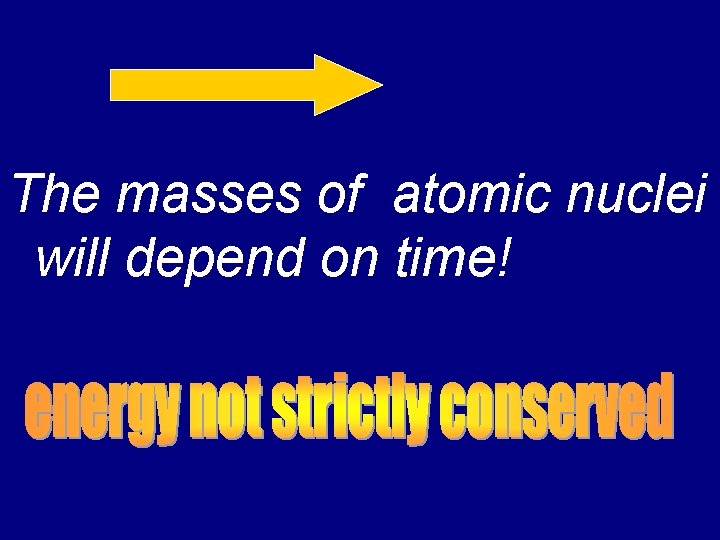
The masses of atomic nuclei will depend on time!
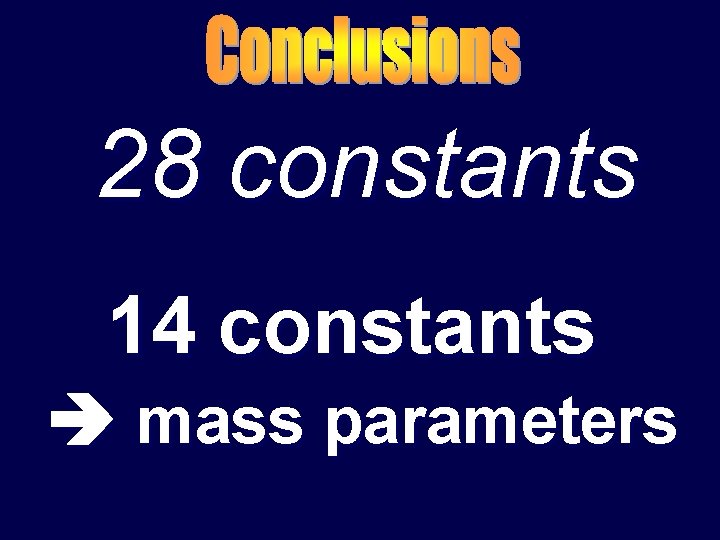
28 constants 14 constants mass parameters
time variation alpha time variation QCD scale

many fundamental „constants“ functions of time?

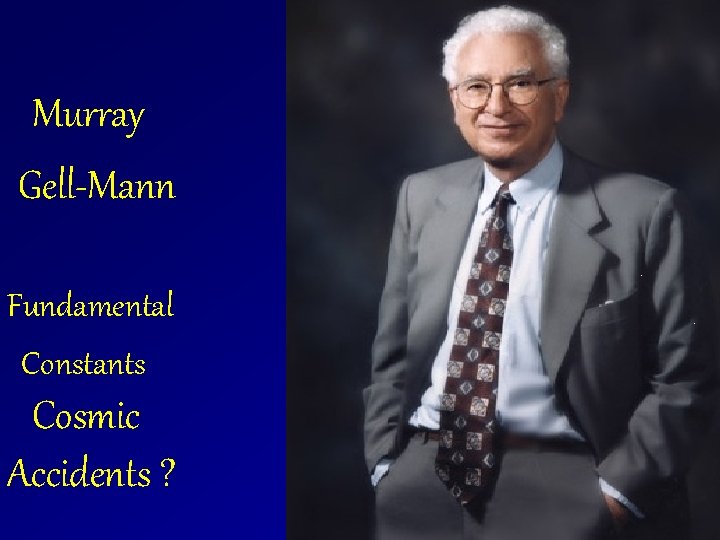
Murray Gell-Mann Fundamental Constants Cosmic Accidents ?
- Slides: 85