
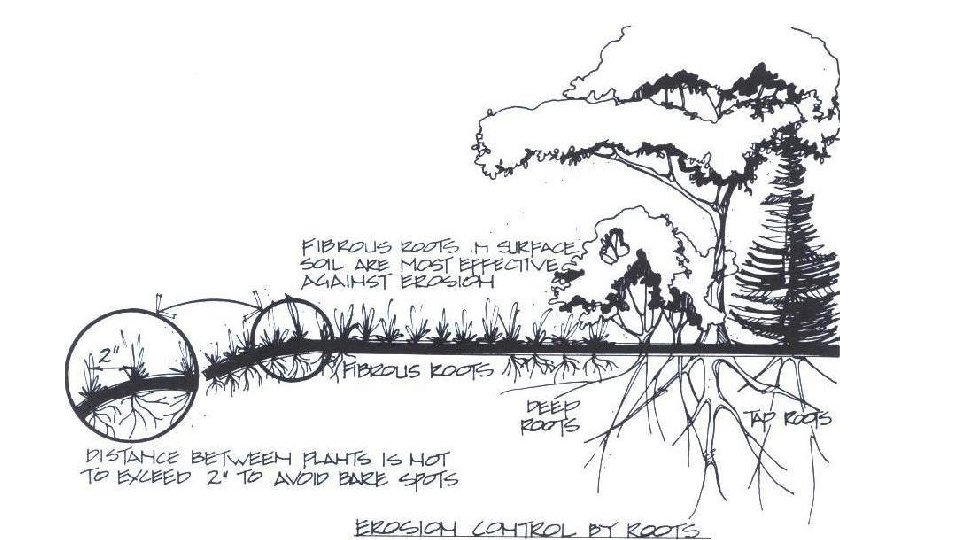
Functional uses of plants Slope and watershed protection
- Slides: 43
Functional uses of plants
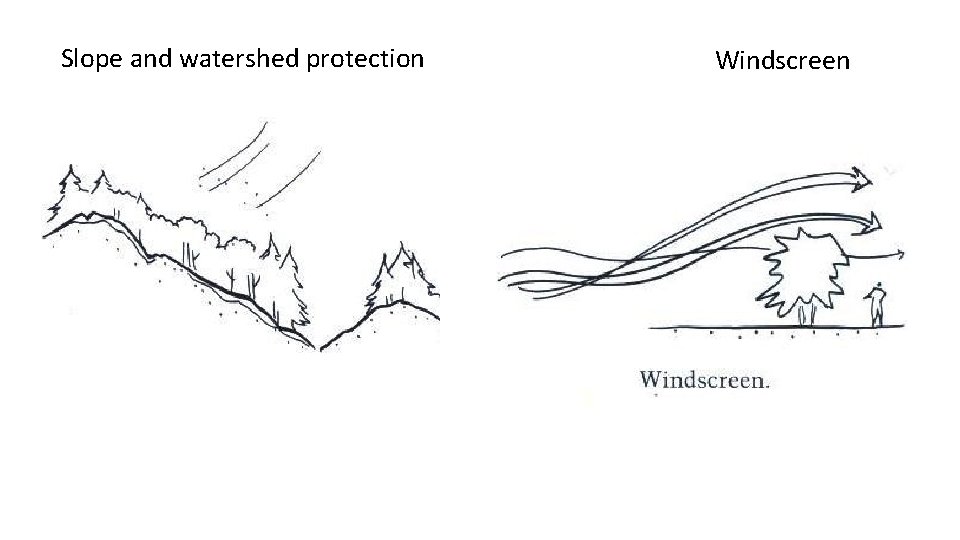
Slope and watershed protection Windscreen
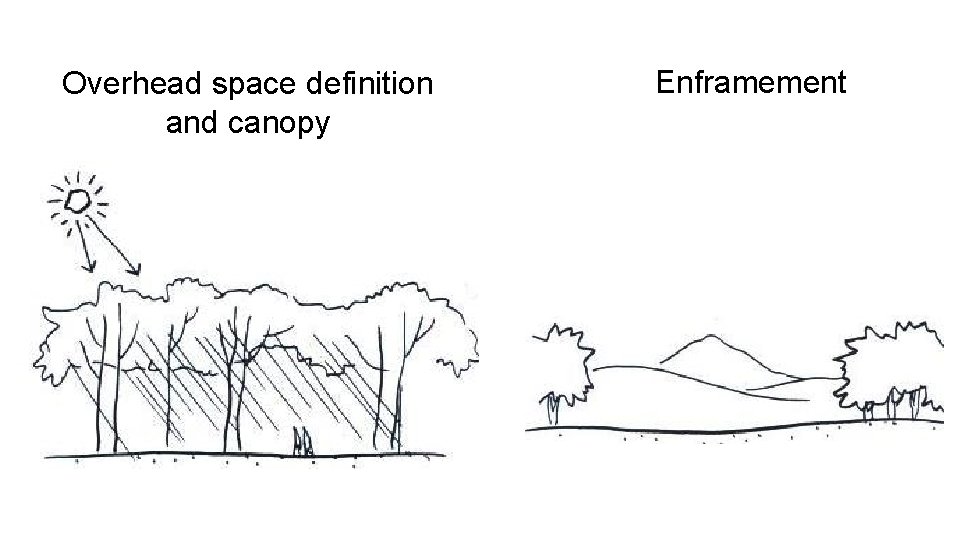
Overhead space definition and canopy Enframement
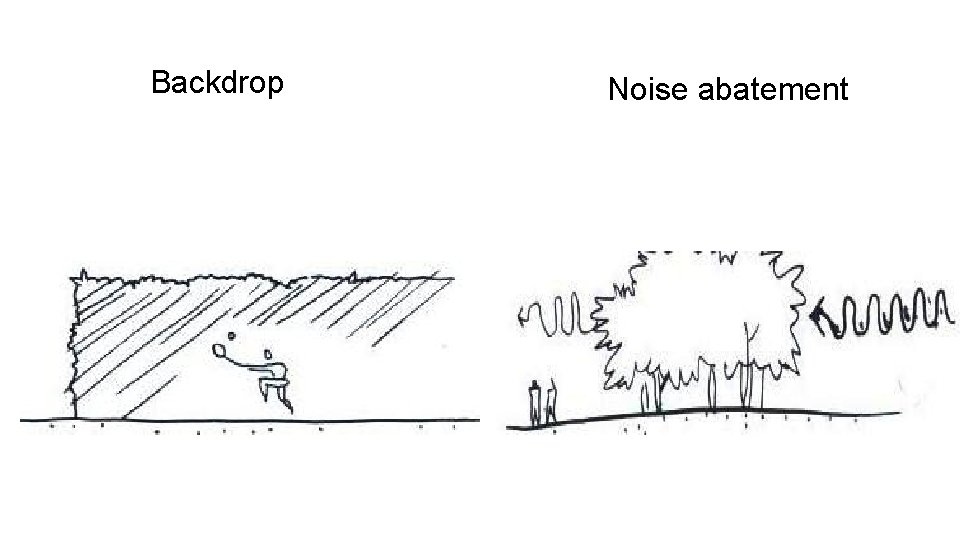
Backdrop Noise abatement
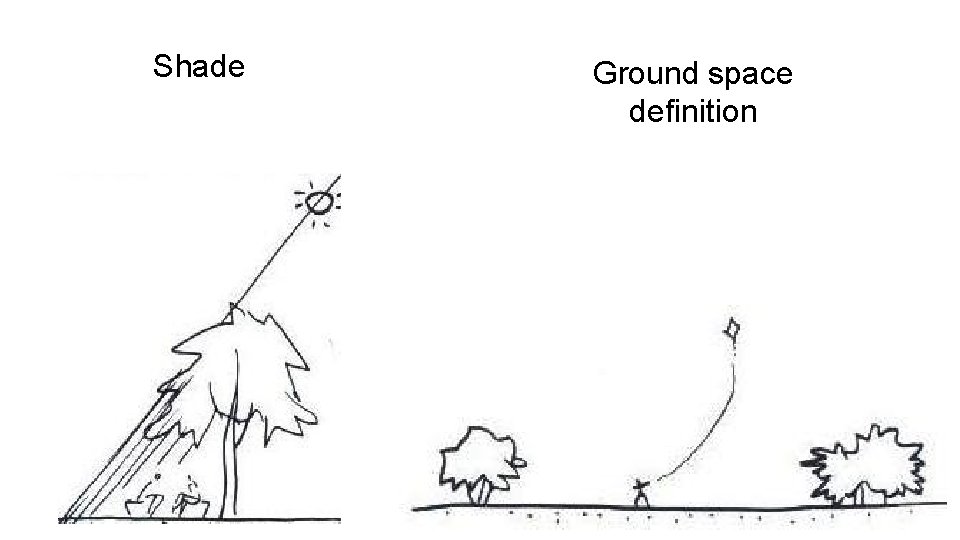
Shade Ground space definition
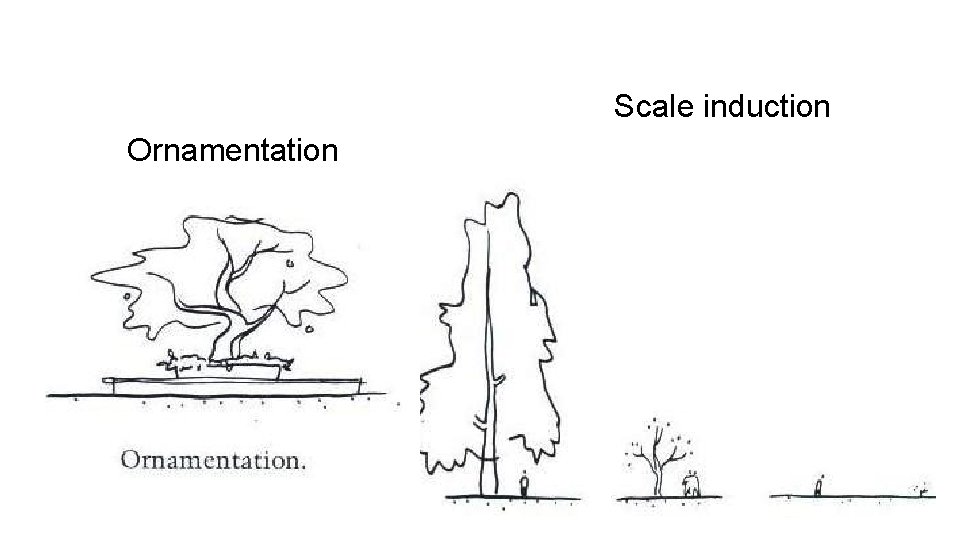
Scale induction Ornamentation
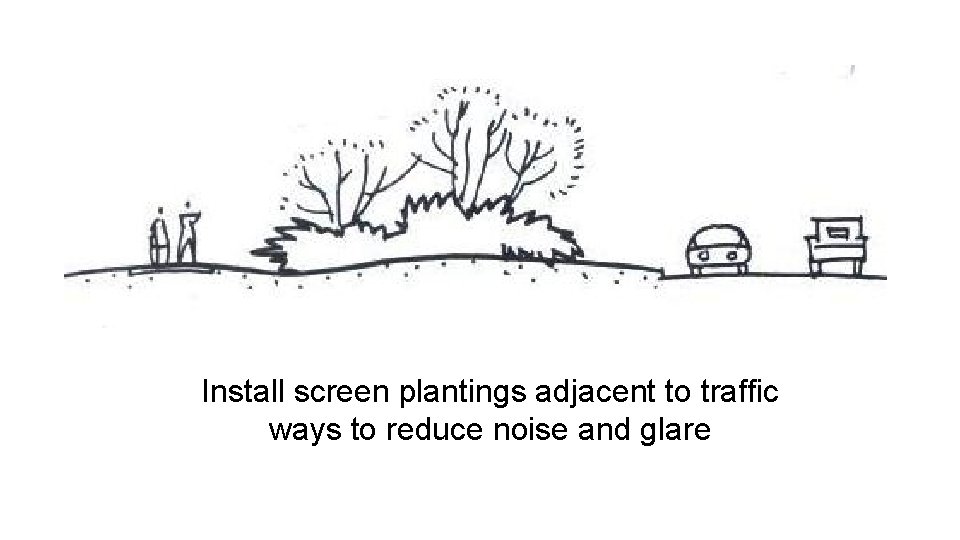
Install screen plantings adjacent to traffic ways to reduce noise and glare
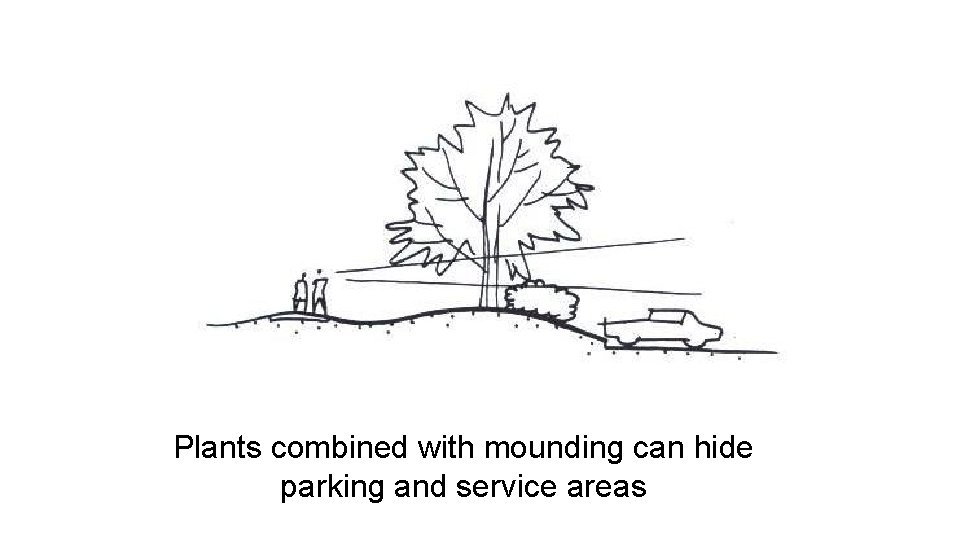
Plants combined with mounding can hide parking and service areas
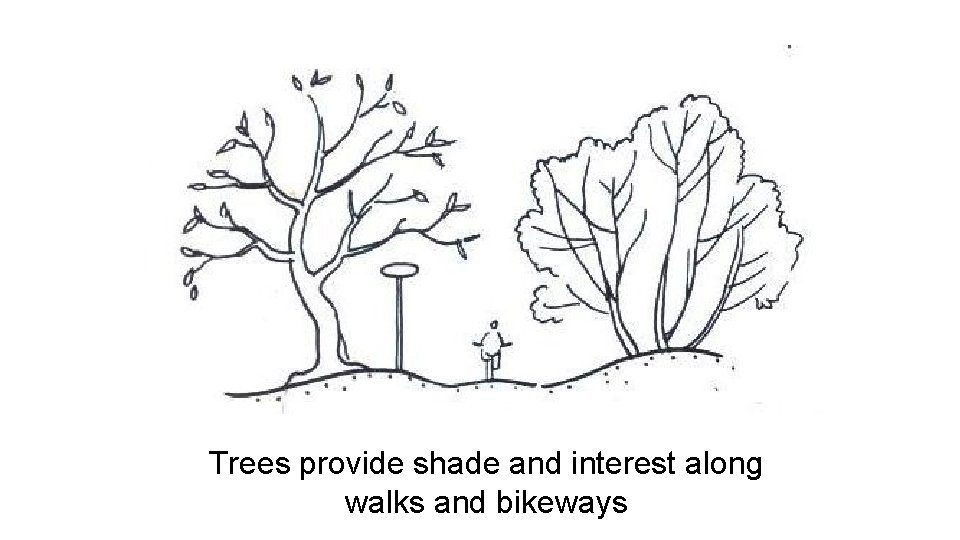
Trees provide shade and interest along walks and bikeways
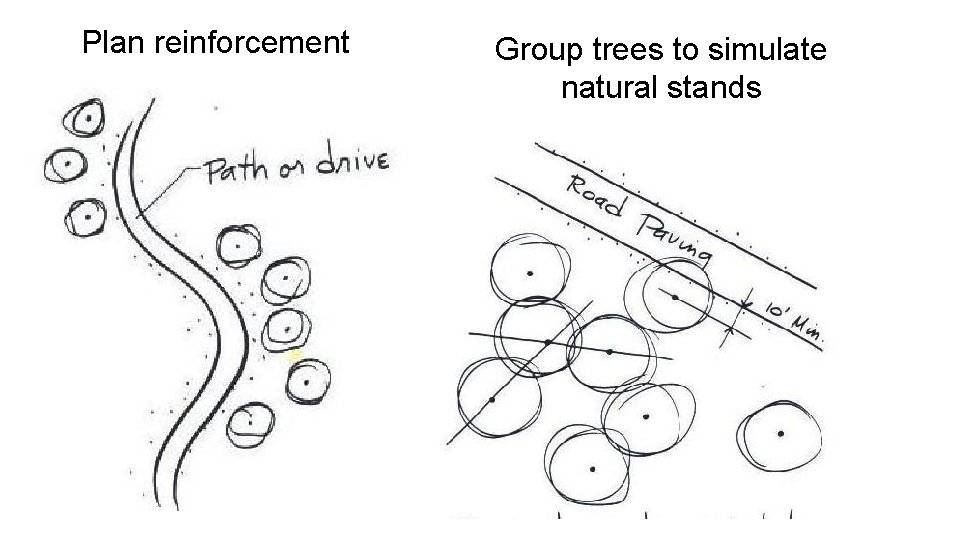
Plan reinforcement Group trees to simulate natural stands
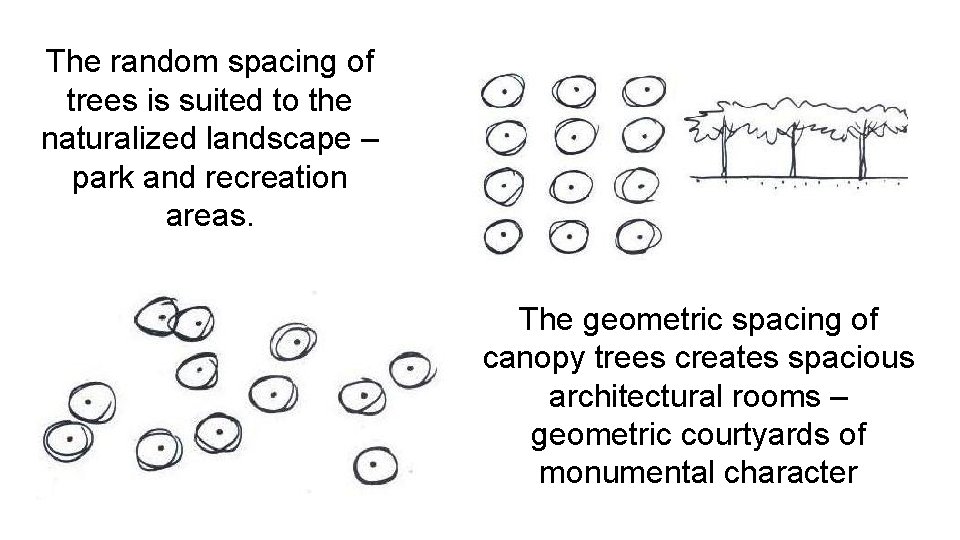
The random spacing of trees is suited to the naturalized landscape – park and recreation areas. The geometric spacing of canopy trees creates spacious architectural rooms – geometric courtyards of monumental character
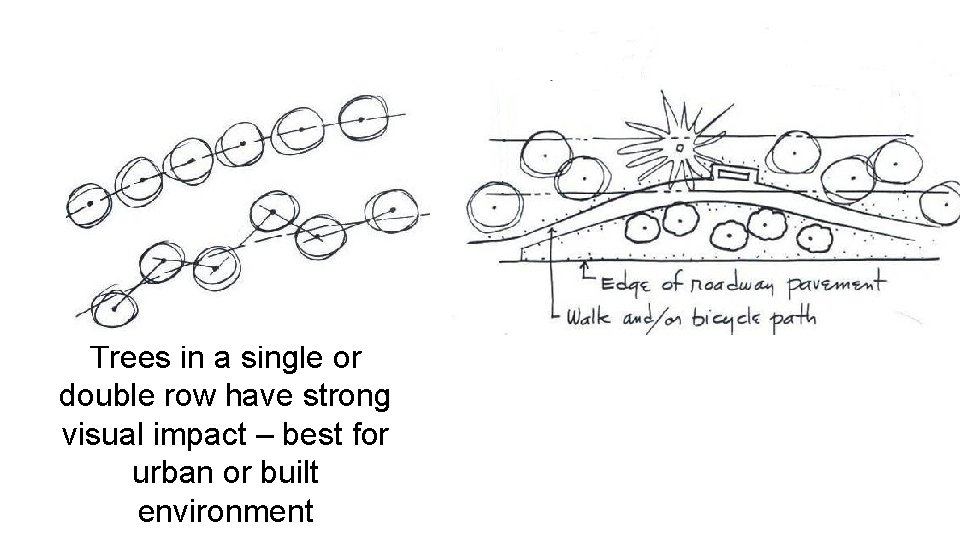
Trees in a single or double row have strong visual impact – best for urban or built environment
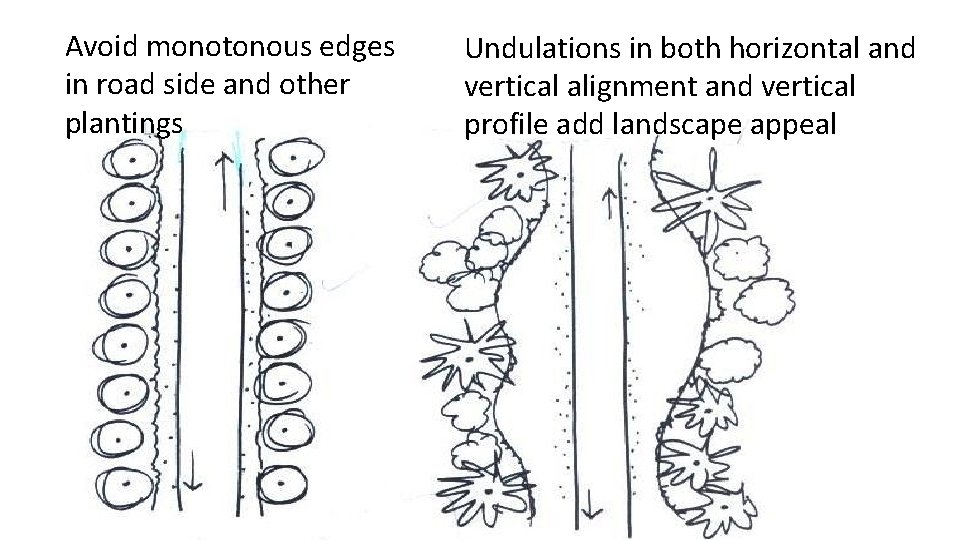
Avoid monotonous edges in road side and other plantings Undulations in both horizontal and vertical alignment and vertical profile add landscape appeal
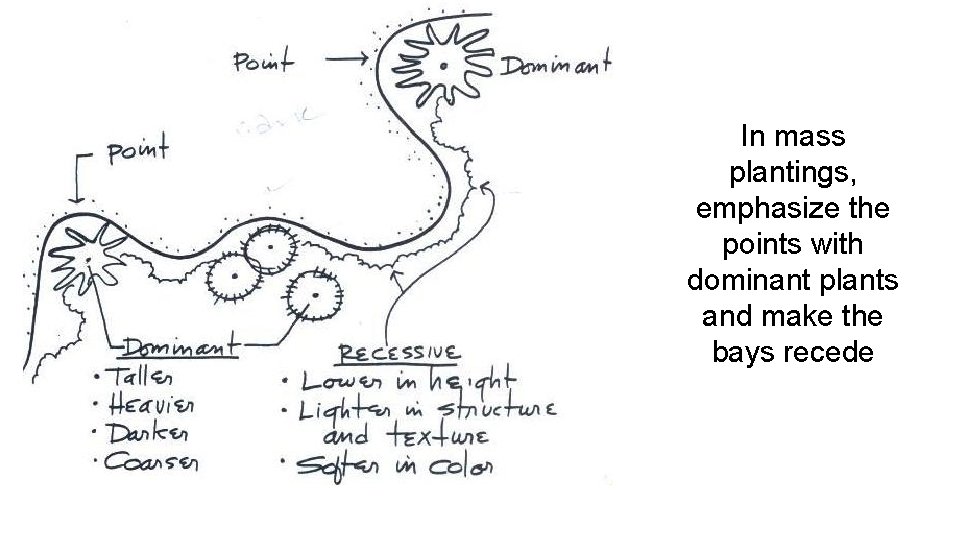
In mass plantings, emphasize the points with dominant plants and make the bays recede
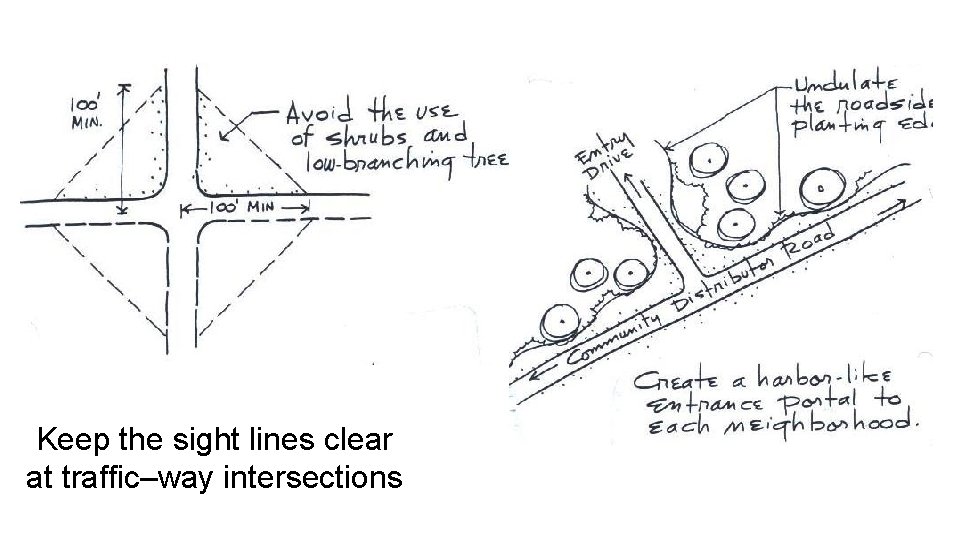
Keep the sight lines clear at traffic–way intersections
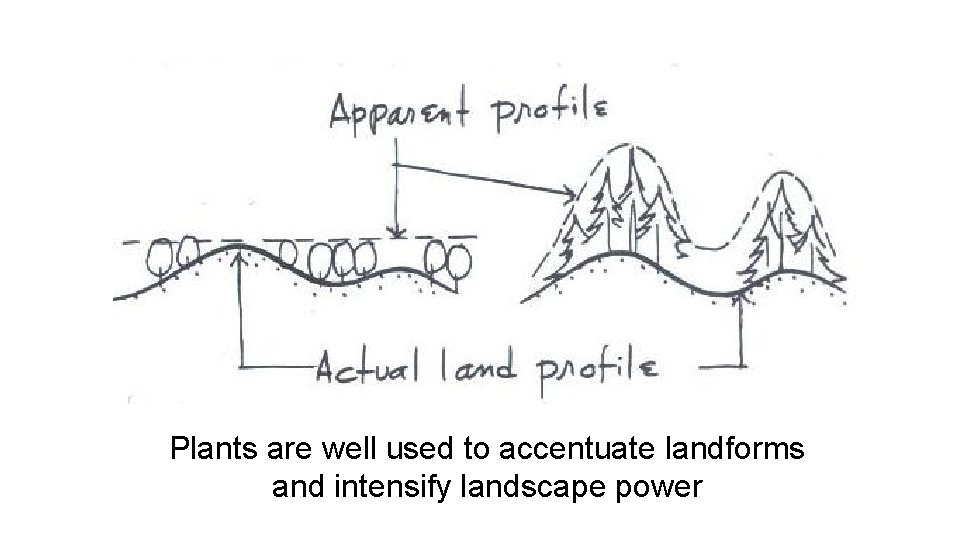
Plants are well used to accentuate landforms and intensify landscape power
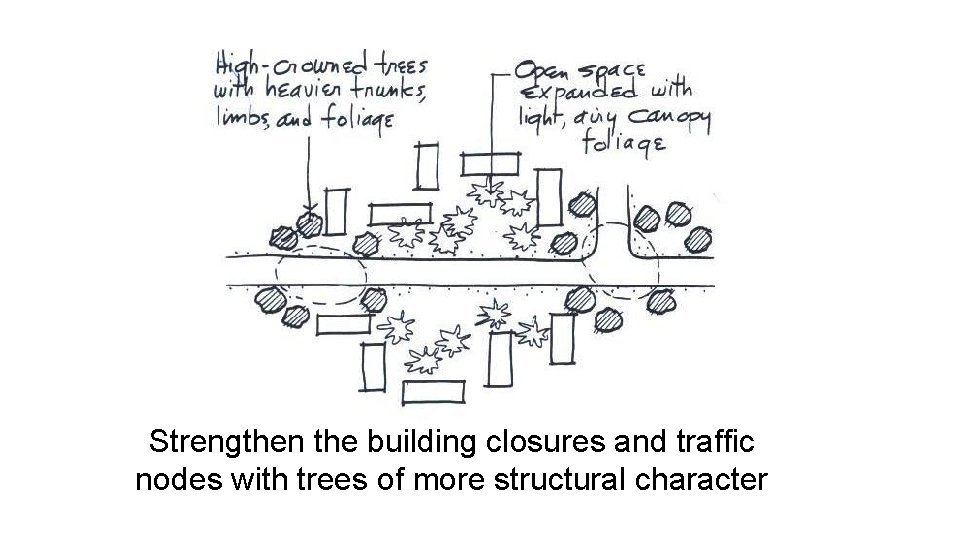
Strengthen the building closures and traffic nodes with trees of more structural character
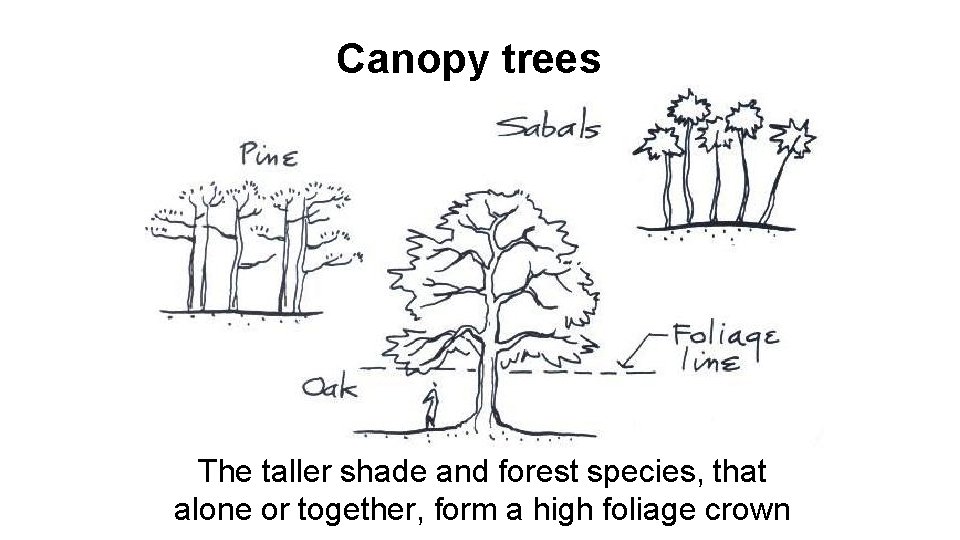
Canopy trees The taller shade and forest species, that alone or together, form a high foliage crown
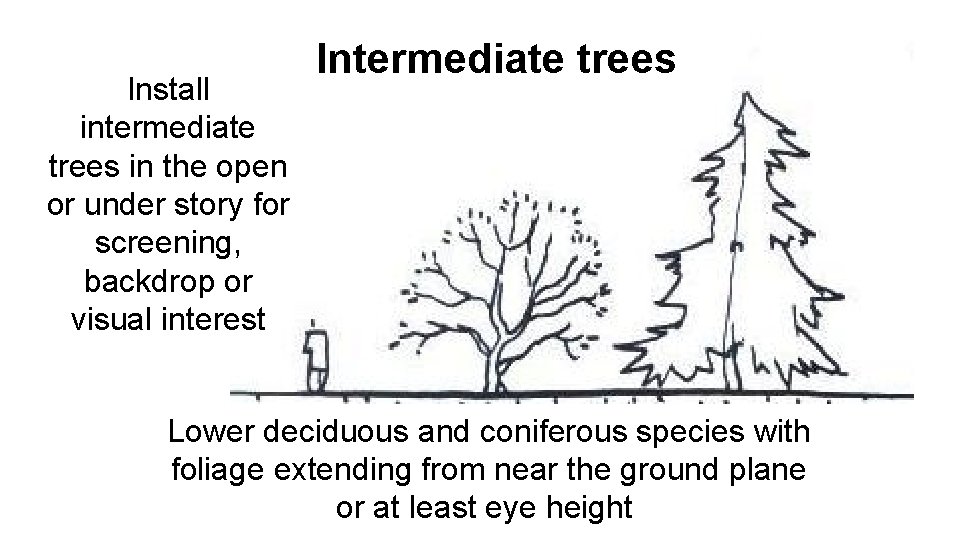
Install intermediate trees in the open or under story for screening, backdrop or visual interest Intermediate trees Lower deciduous and coniferous species with foliage extending from near the ground plane or at least eye height
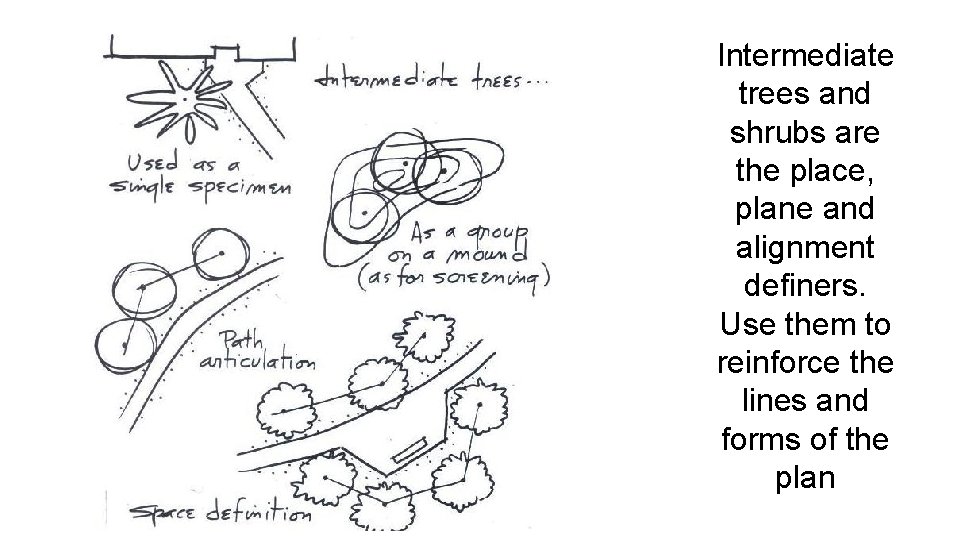
Intermediate trees and shrubs are the place, plane and alignment definers. Use them to reinforce the lines and forms of the plan
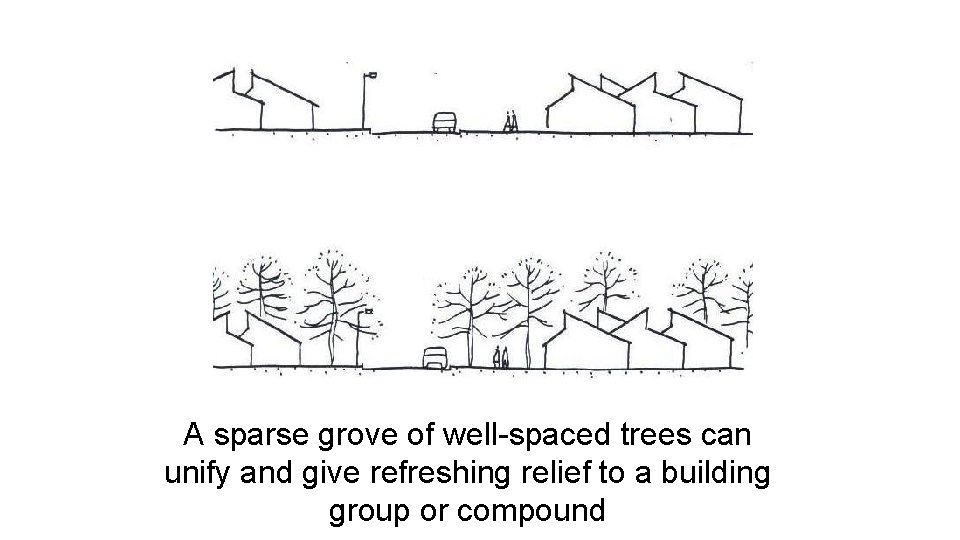
A sparse grove of well-spaced trees can unify and give refreshing relief to a building group or compound
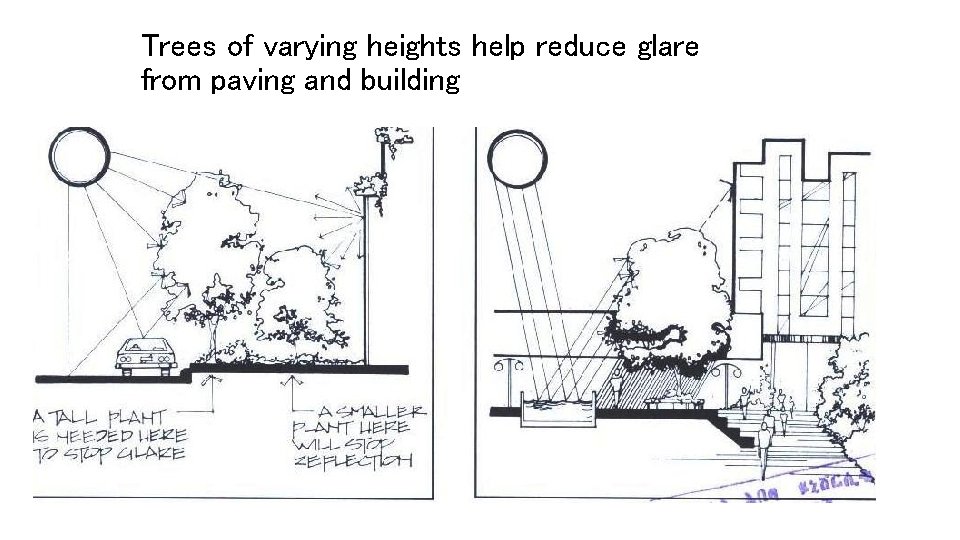
Trees of varying heights help reduce glare from paving and building
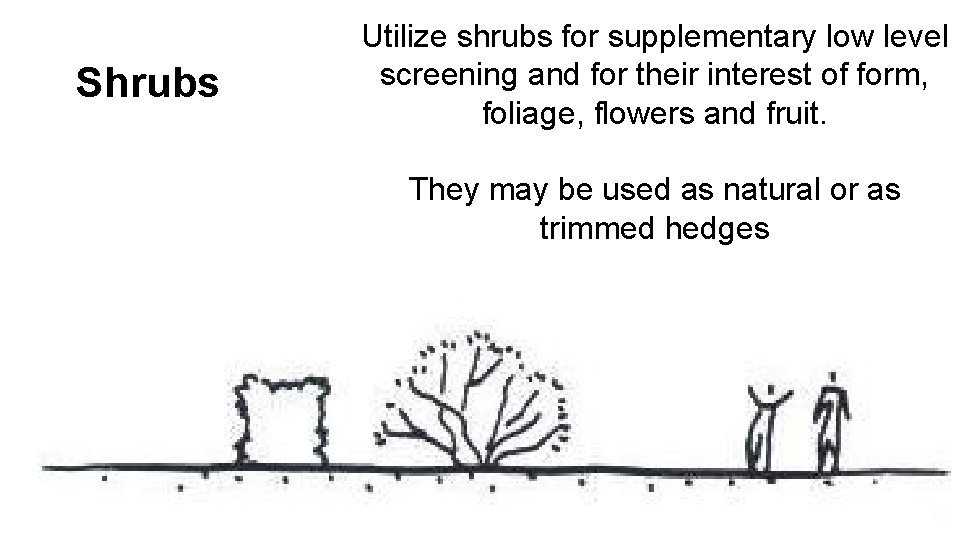
Shrubs Utilize shrubs for supplementary low level screening and for their interest of form, foliage, flowers and fruit. They may be used as natural or as trimmed hedges
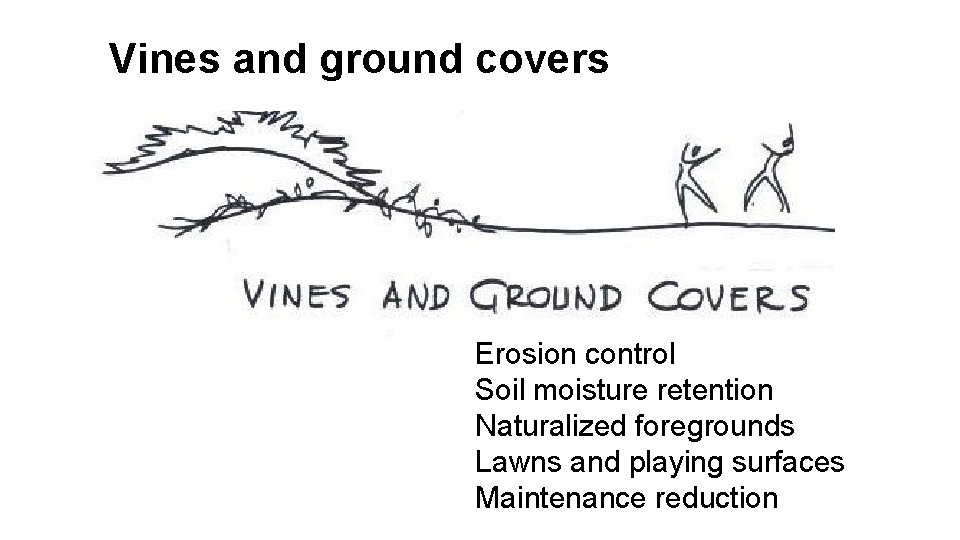
Vines and ground covers Erosion control Soil moisture retention Naturalized foregrounds Lawns and playing surfaces Maintenance reduction
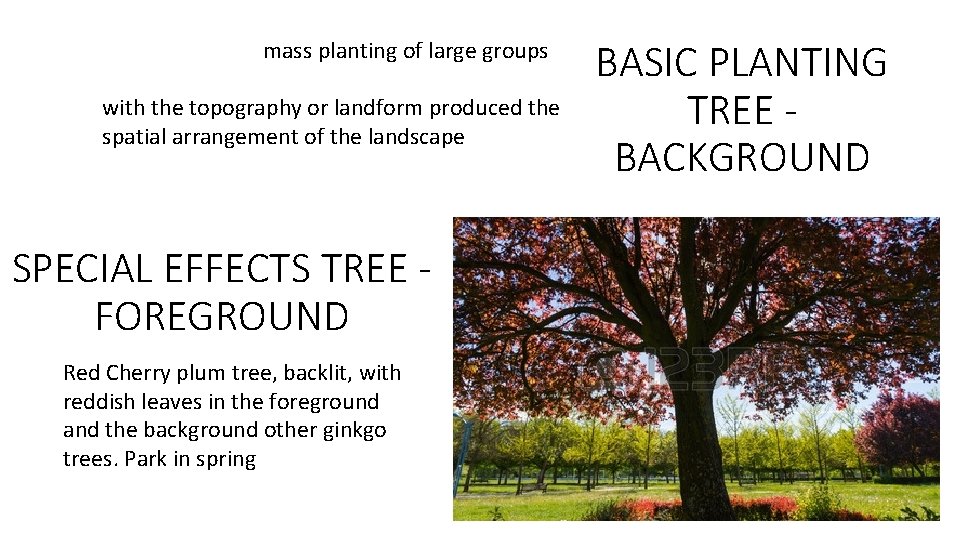
mass planting of large groups with the topography or landform produced the spatial arrangement of the landscape SPECIAL EFFECTS TREE FOREGROUND Red Cherry plum tree, backlit, with reddish leaves in the foreground and the background other ginkgo trees. Park in spring BASIC PLANTING TREE BACKGROUND
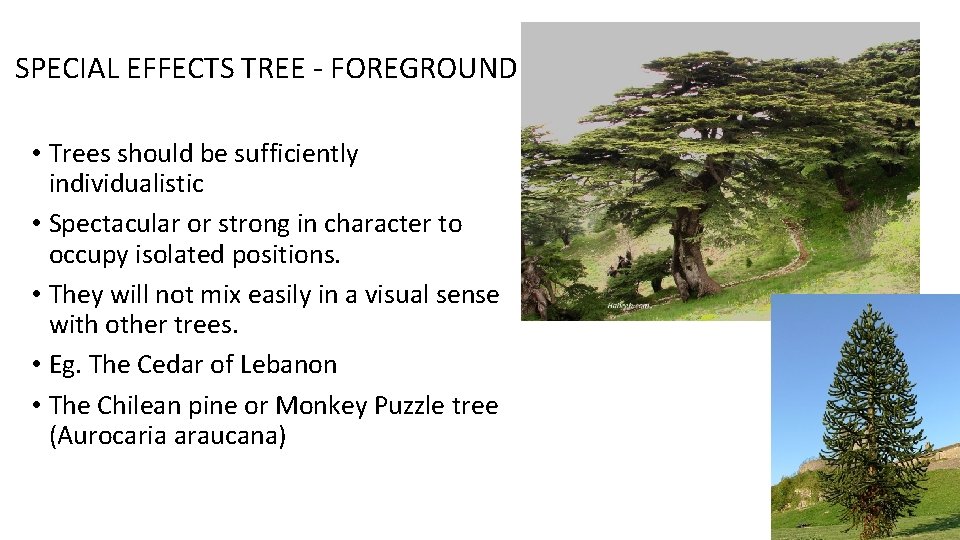
SPECIAL EFFECTS TREE - FOREGROUND • Trees should be sufficiently individualistic • Spectacular or strong in character to occupy isolated positions. • They will not mix easily in a visual sense with other trees. • Eg. The Cedar of Lebanon • The Chilean pine or Monkey Puzzle tree (Aurocaria araucana)
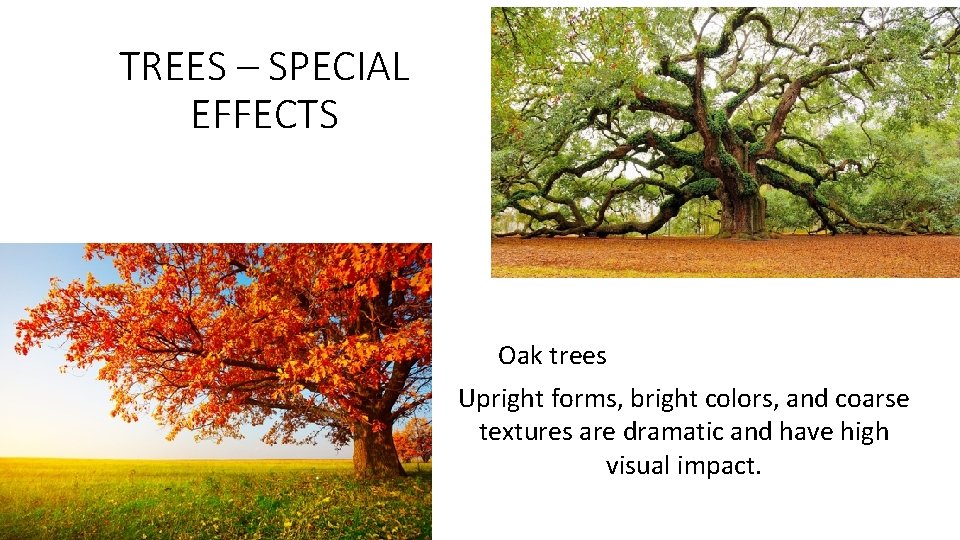
TREES – SPECIAL EFFECTS Oak trees Upright forms, bright colors, and coarse textures are dramatic and have high visual impact.
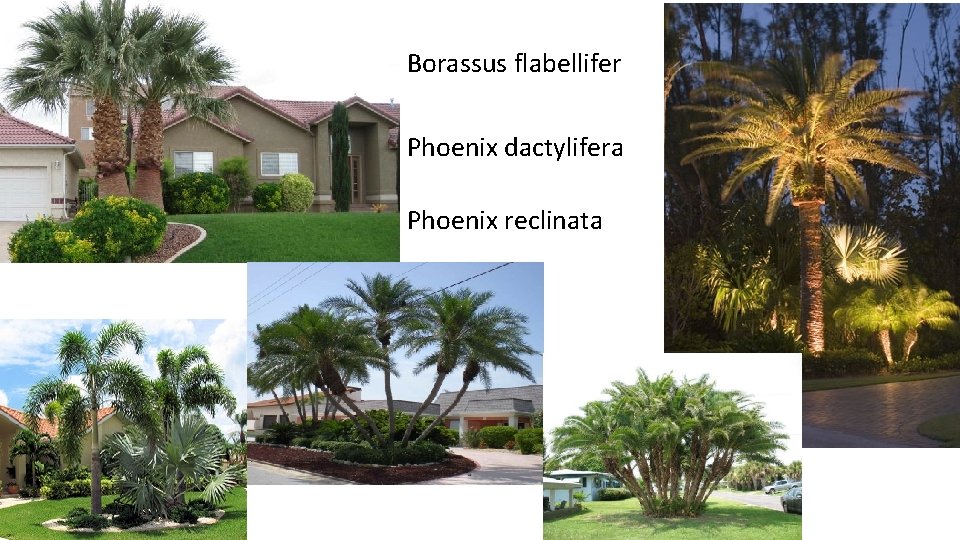
Borassus flabellifer Phoenix dactylifera Phoenix reclinata
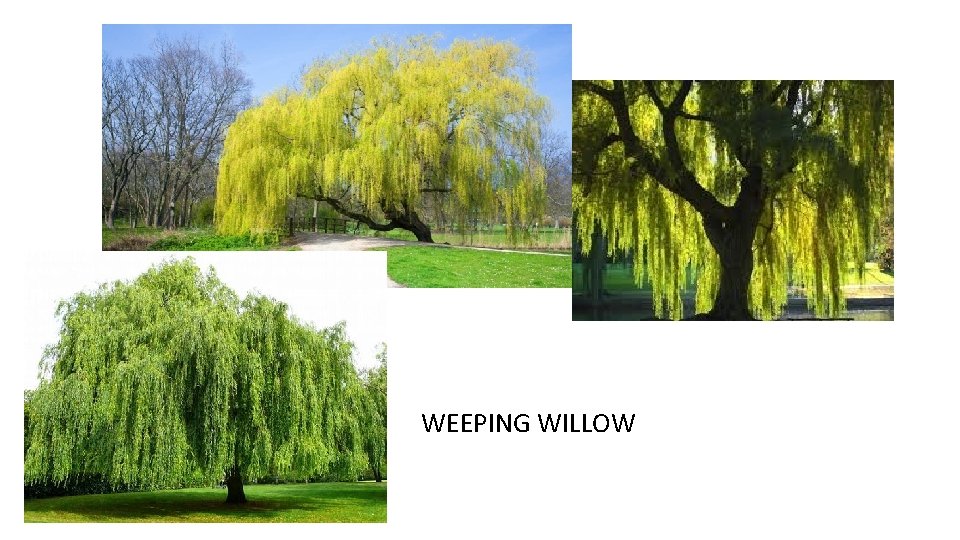
WEEPING WILLOW
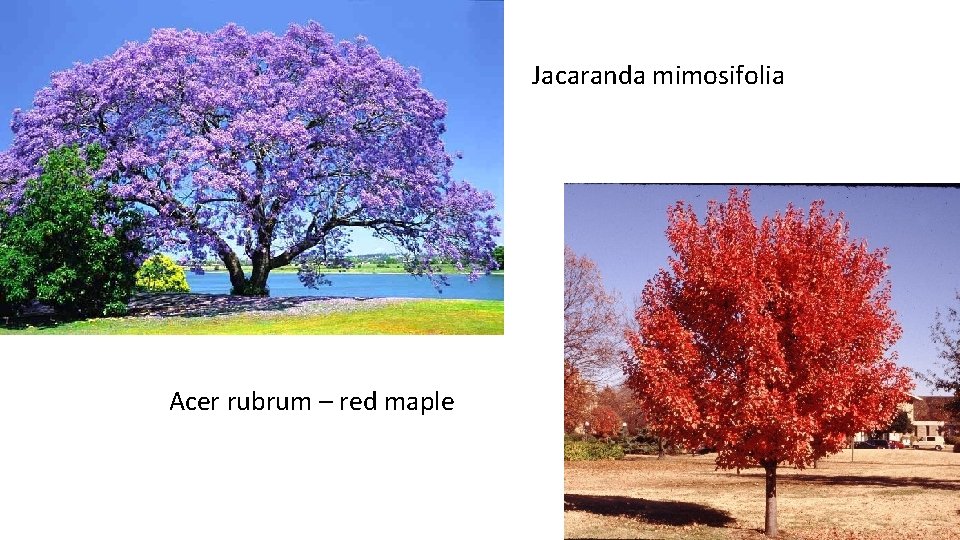
Jacaranda mimosifolia Acer rubrum – red maple
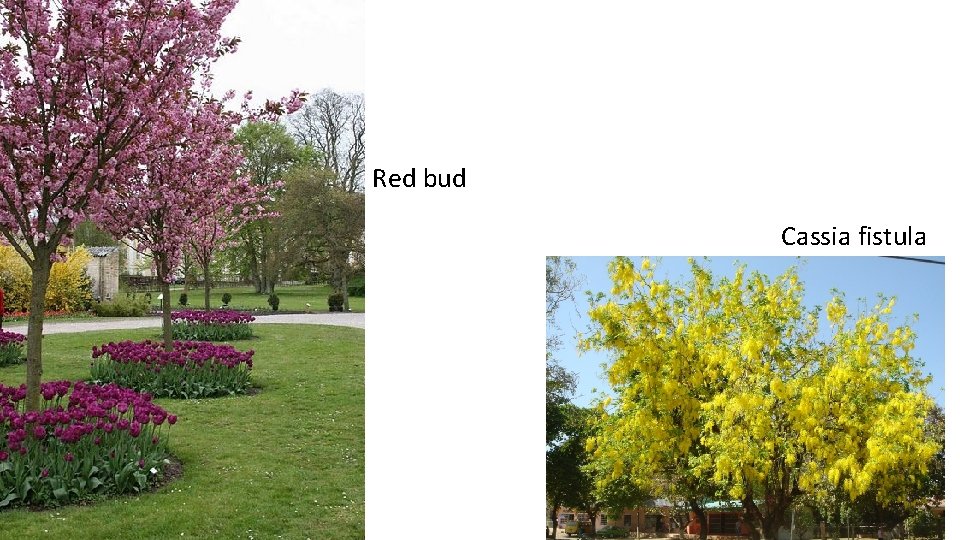
Red bud Cassia fistula
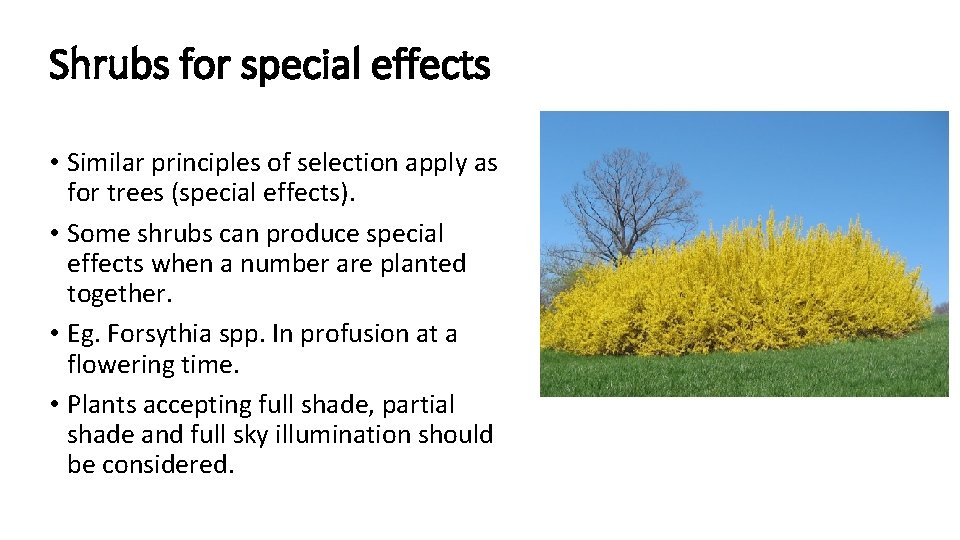
Shrubs for special effects • Similar principles of selection apply as for trees (special effects). • Some shrubs can produce special effects when a number are planted together. • Eg. Forsythia spp. In profusion at a flowering time. • Plants accepting full shade, partial shade and full sky illumination should be considered.
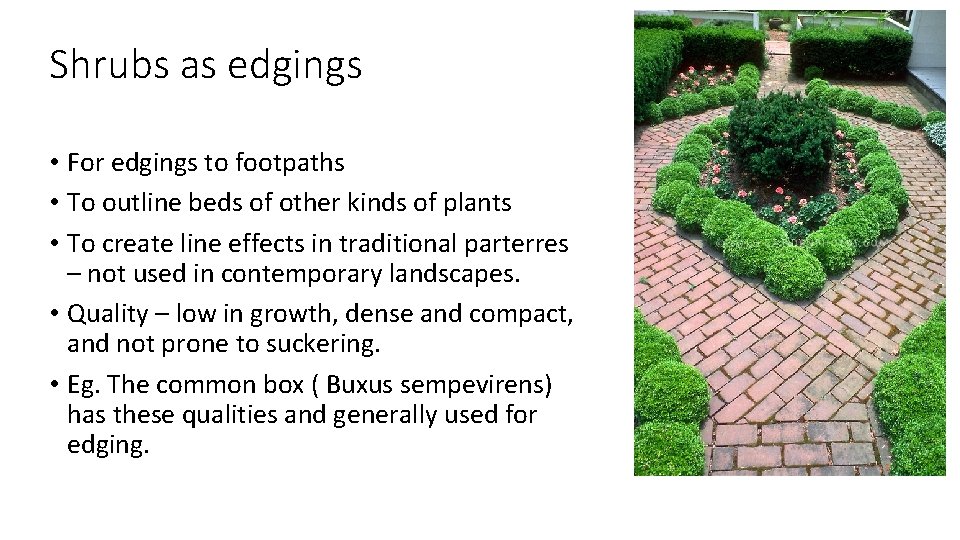
Shrubs as edgings • For edgings to footpaths • To outline beds of other kinds of plants • To create line effects in traditional parterres – not used in contemporary landscapes. • Quality – low in growth, dense and compact, and not prone to suckering. • Eg. The common box ( Buxus sempevirens) has these qualities and generally used for edging.
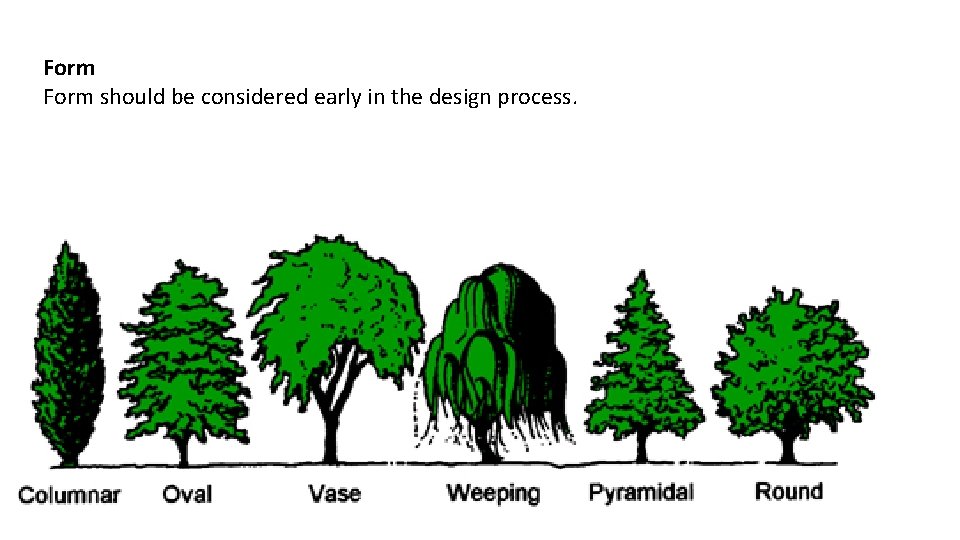
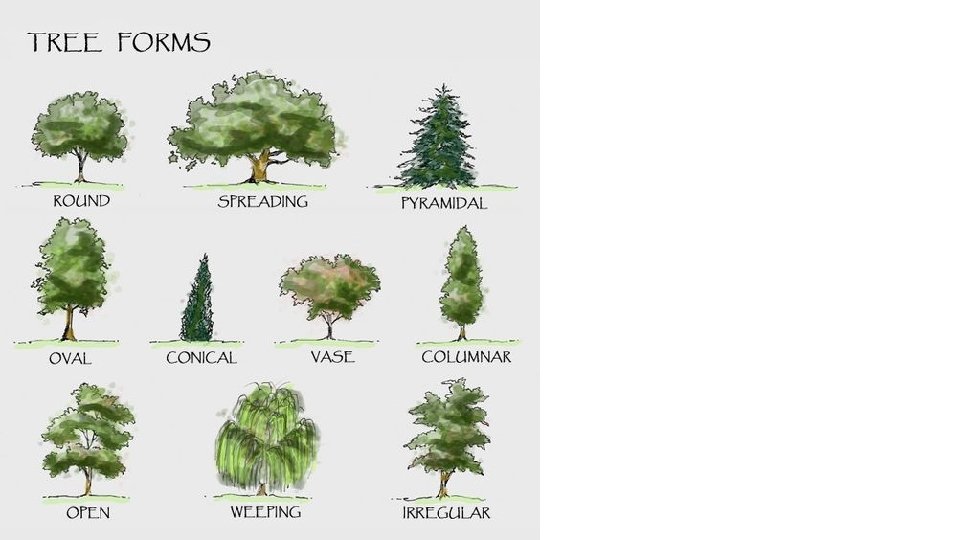
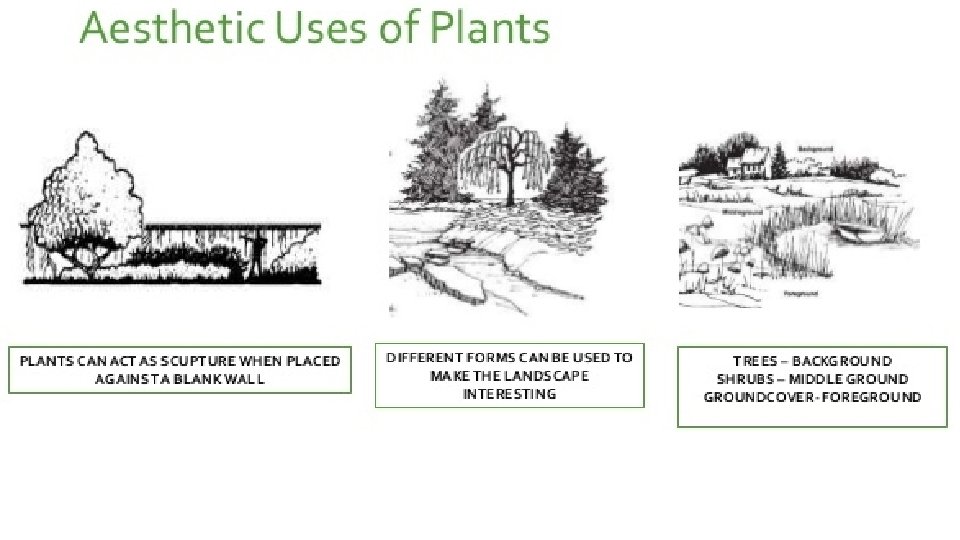
Upright forms, bright colors, and coarse textures are dramatic and have high visual impact. – SPECIAL EFFECT Low or prostrate forms, dull colors, and fine textures are calm and have low visual impact - BACKGROUND Form is the three-dimensional shape of a plant or a plant mass. Tree forms are often dominant in the garden because of their size Creating a shady area in the garden requires a round or oval tree, while a screen usually requires a more columnar or pyramidal form, and a weeping tree form makes a good focal point
Form should be considered early in the design process.
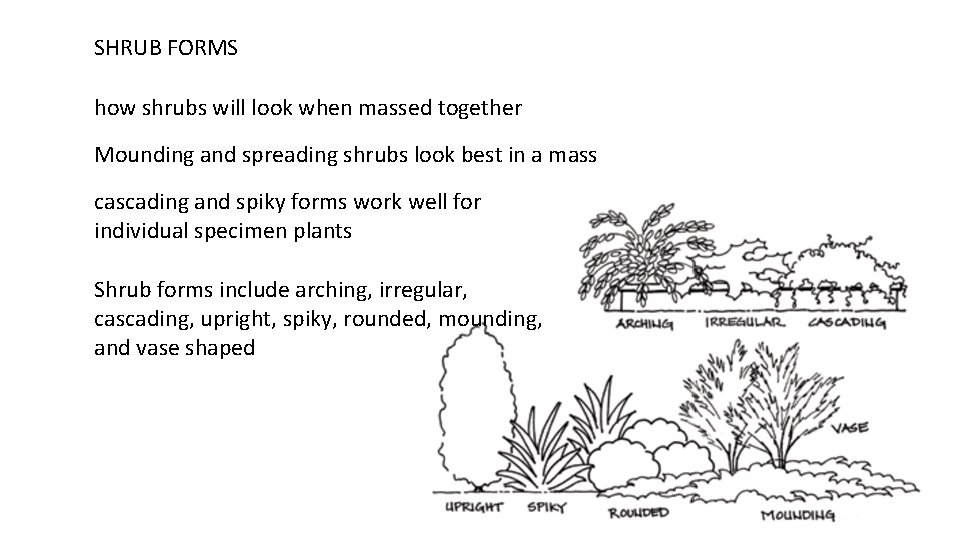
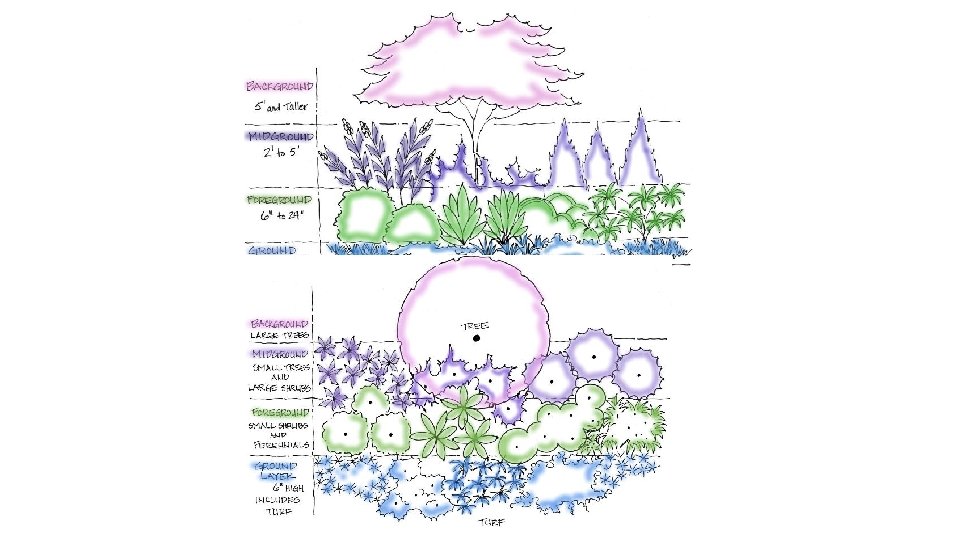
SHRUB FORMS how shrubs will look when massed together Mounding and spreading shrubs look best in a mass cascading and spiky forms work well for individual specimen plants Shrub forms include arching, irregular, cascading, upright, spiky, rounded, mounding, and vase shaped
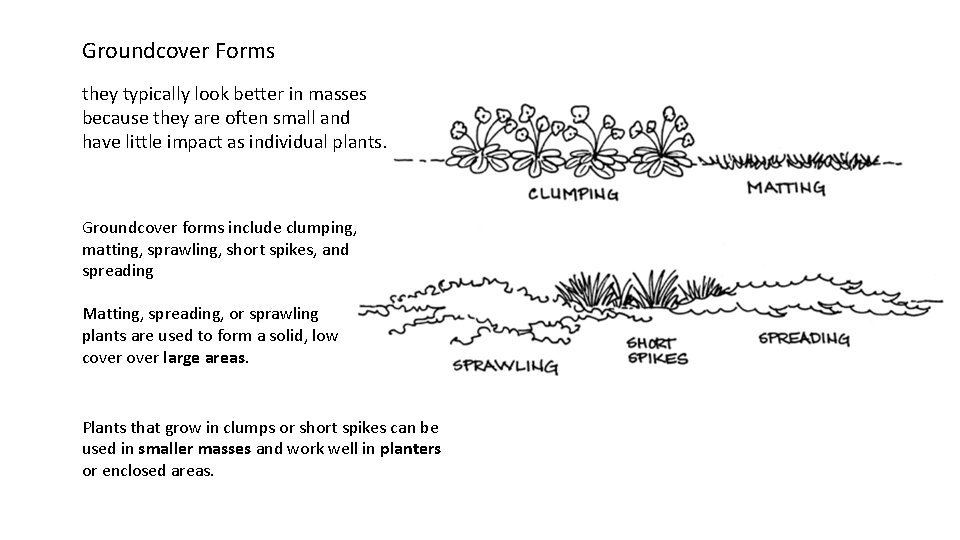
Groundcover Forms they typically look better in masses because they are often small and have little impact as individual plants. Groundcover forms include clumping, matting, sprawling, short spikes, and spreading Matting, spreading, or sprawling plants are used to form a solid, low cover large areas. Plants that grow in clumps or short spikes can be used in smaller masses and work well in planters or enclosed areas.
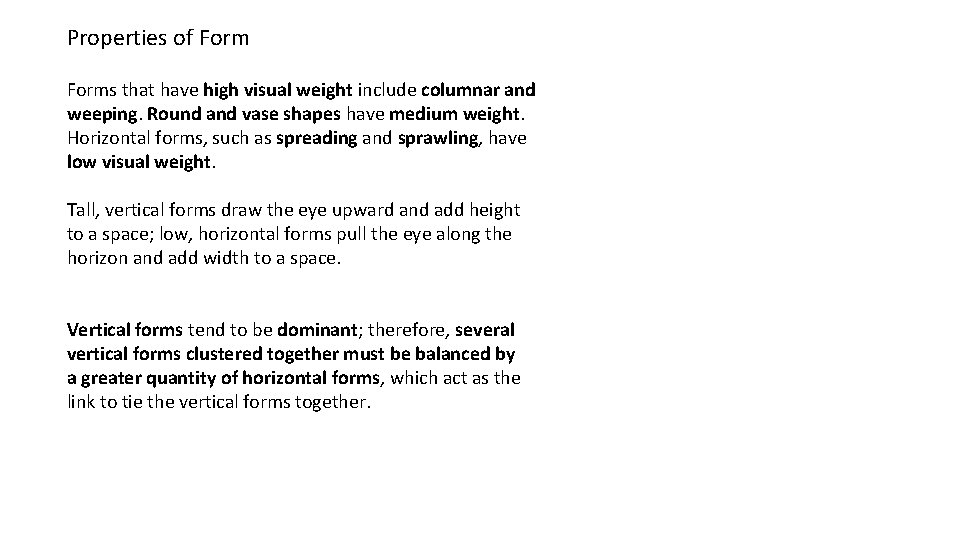
Properties of Forms that have high visual weight include columnar and weeping. Round and vase shapes have medium weight. Horizontal forms, such as spreading and sprawling, have low visual weight. Tall, vertical forms draw the eye upward and add height to a space; low, horizontal forms pull the eye along the horizon and add width to a space. Vertical forms tend to be dominant; therefore, several vertical forms clustered together must be balanced by a greater quantity of horizontal forms, which act as the link to tie the vertical forms together.
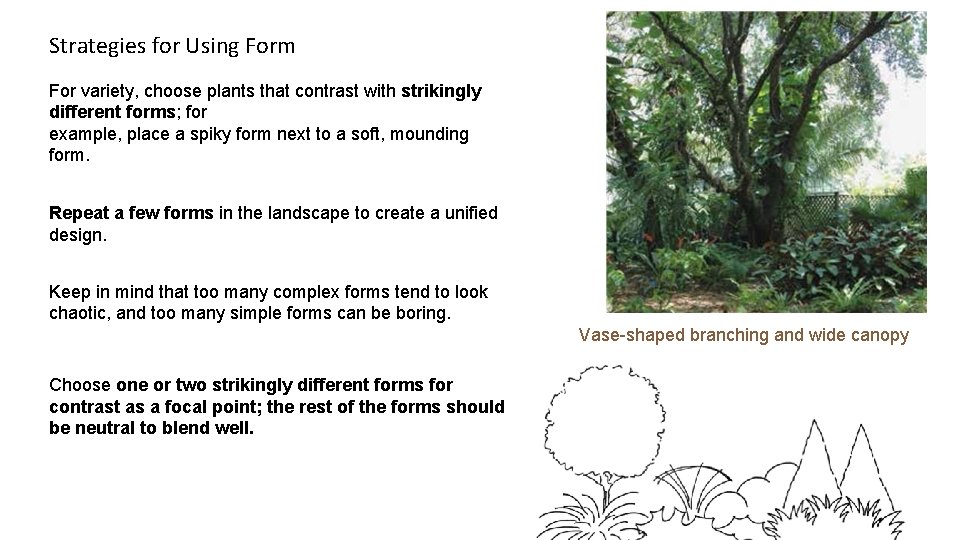
Strategies for Using Form For variety, choose plants that contrast with strikingly different forms; for example, place a spiky form next to a soft, mounding form. Repeat a few forms in the landscape to create a unified design. Keep in mind that too many complex forms tend to look chaotic, and too many simple forms can be boring. Vase-shaped branching and wide canopy Choose one or two strikingly different forms for contrast as a focal point; the rest of the forms should be neutral to blend well.