
Functional Approach to Braille By Donna Brostek Lee
Functional Approach to Braille By Donna Brostek Lee, Ph. D. Clinical Assistant Professor University of Kentucky
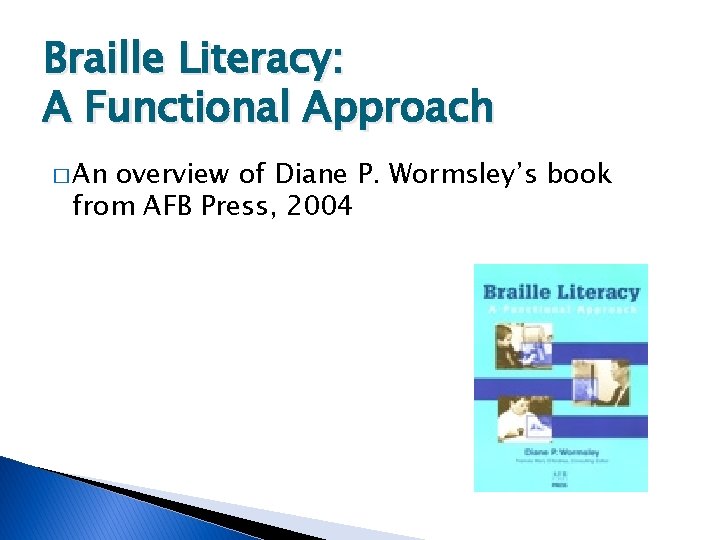
Braille Literacy: A Functional Approach � An overview of Diane P. Wormsley’s book from AFB Press, 2004
Literacy Levels �Emergent Literacy �Basic Literacy �Functional Literacy
Functional Braille �School �Home �Community �Work
Approaches to Teaching Reading � Phonics � Whole Language � Basal Reader � Literature-Based � Language Experience � Functional Approach
Functional Braille Literacy Program �A 12 step program designed for nontraditional braille learners including those with: ◦ Cognitive impairments ◦ Deaf-blindness ◦ Physical limitations
Step 1: Determine whether braille will be the literacy medium, and which form of braille to use � Functional Vision/Learning Media Assessment � Contracted or Uncontracted braille? � Differences between learning to read print and braille?
Step 2: Create a braille-rich environment � Create labels for the classroom and home � Model reading and writing braille ◦ ◦ Books Braille writer State and stylus Notetakers and refreshable braille displays
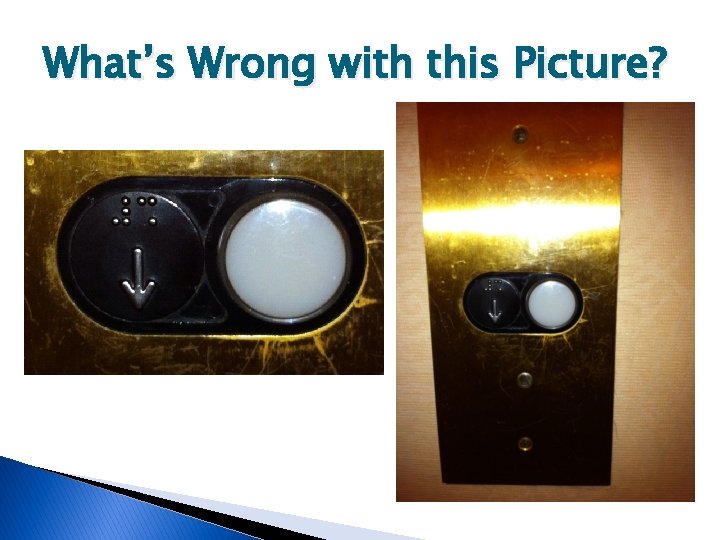
What’s Wrong with this Picture?
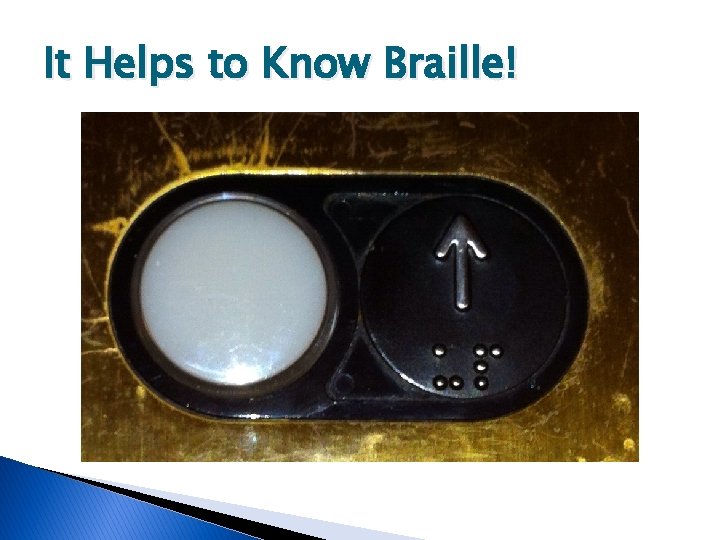
It Helps to Know Braille!
Step 3: Select the individualized reading and writing vocabulary � Words of meaning � Part of the daily routine ◦ Calendars � Interview ◦ Parents/Caregivers ◦ Teachers
Step 4: Create word boxes and flash cards and teach the first key words � Elements ◦ ◦ of a good flash card: Size (at least 3 x 5) Top right corner cut for orientation 2 -5 lead line Texture/material of card � Integrating technology: ◦ Talking card readers (i. e. Vox. Com) ◦ i. OS apps (i. e. Digit-Eyes, QR code creators/readers) ◦ Lifescribe Pen
Step 5: Teach tactile perception and letter-recognition skills through proper hand finger usage in tracking activities � Posture/Positing ◦ Proper seating ◦ Non-slip surface � Inefficient ◦ ◦ ◦ of student: Characteristics: Scrubbing Regressions Pauses Searching Motions Erratic Movements
Step 5 Cont. � Types ◦ ◦ ◦ of hand movements: Right or left hand only Right hand reads – left marks Parallel Split Scissors
Step 6 & 7: Assess & teach phonemic awareness � Assessments: ◦ DIBELS Texas Primary Reading Inventory � Teaching: ◦ Imbed into teaching (steps 8 & 10) ◦ Use formal phonics programs
Step 8: Develop writing skills mechanics and process � Tools: ◦ ◦ ◦ Braille writer Slate and stylus Mountbatten Notetakers i. OS devices with refreshable braille displays or tactile overlays � Adapted Equipment: ◦ Extension keys for the braille writer ◦ Adapted braillers (light touch, uni-brailler, etc. ) � The Role of Spelling and Contractions
Step 9: Create functional uses for reading and writing � Label important items in school and home ◦ Music ◦ Recipes ◦ Phone Numbers � Notes ◦ Pen Pals ◦ Instant messaging with friends via braille displays (i. e. i. OS devices, computer with braille display, etc. )
Step 10: Create stories 1. 2. 3. 4. 5. 6. Use repetition Repeat new words Start with short sentences Slowly decrease spacing Create a book of stories Encourage rhyming (Dr. Suess books)
Step 11: Keep detailed records and use diagnostic teaching � Tracking progress: ◦ Word lists ◦ Letters/contractions mastered ◦ Phonics patterns mastered � Ways of Monitoring Progress ◦ Charts or reward boards (encourage student to participate as appropriate) ◦ Utilize technology (Excel, tablets, etc. ) ◦ Include in IEP goals
Step 12: Watch for when to move to a more traditional academic approach � When new vocabulary is needed � Possible curriculums to transition to: ◦ For Children: �Patterns ◦ For Adults: �Braille Too � The Braille Connection
Brainstorming: � Share your struggles with teaching braille. . . How might the Functional Braille Approach help your student?
For More Information: Braille Literacy: A Function Approach by Diane P. Wormsley from AFB Press (2004) www. afb. org Paperback: $39. 95 e-book (e. PUB or Kindle): $27. 95 Note: Information provided during this presentation is copyrighted by Dr. Wormsley as part of the above named book

Presented by: Dr. Donna Brostek Lee Clinical Assistant Professor Program Faculty Chair University of Kentucky Department of Early Childhood, Special Education, and Rehabilitation Counseling 229 Taylor Education Building Lexington, KY 40506 -0001 Phone: (859) 257 -1520 E-mail: donna. b. lee@uky. edu Website: www. donnablee. com An Equal Opportunity University �
- Slides: 23