
Functional and clinical anatomy of knee joints Anatomy

- Slides: 24
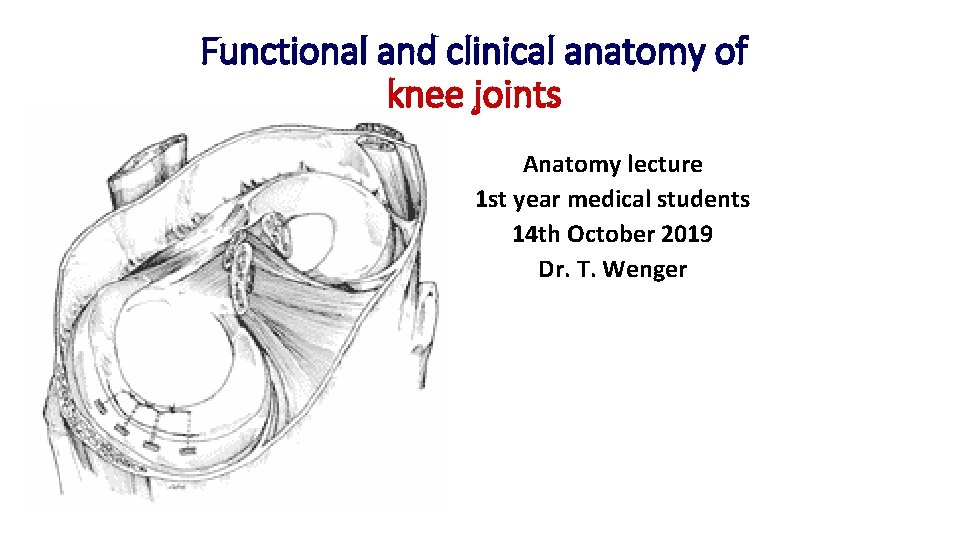
Functional and clinical anatomy of knee joints Anatomy lecture 1 st year medical students 14 th October 2019 Dr. T. Wenger
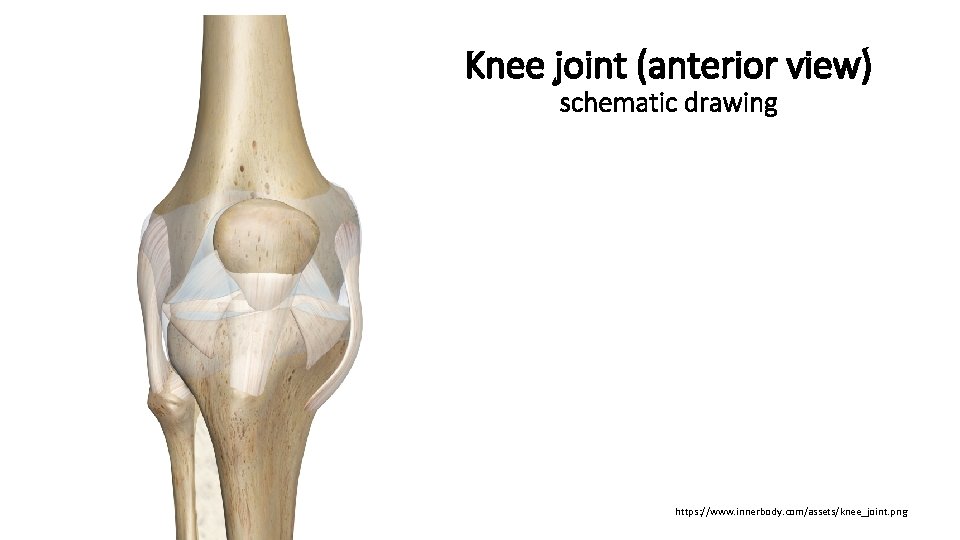
Knee joint (anterior view) schematic drawing https: //www. innerbody. com/assets/knee_joint. png
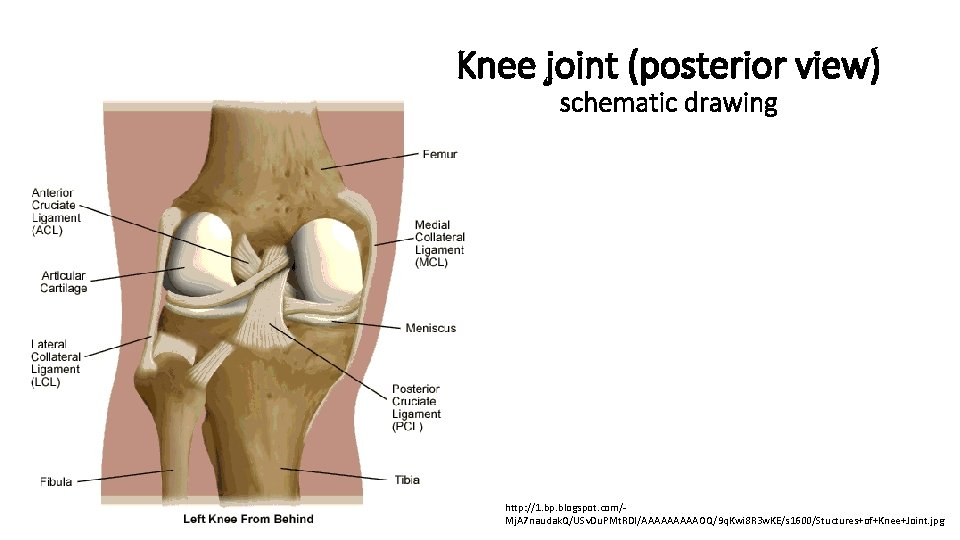
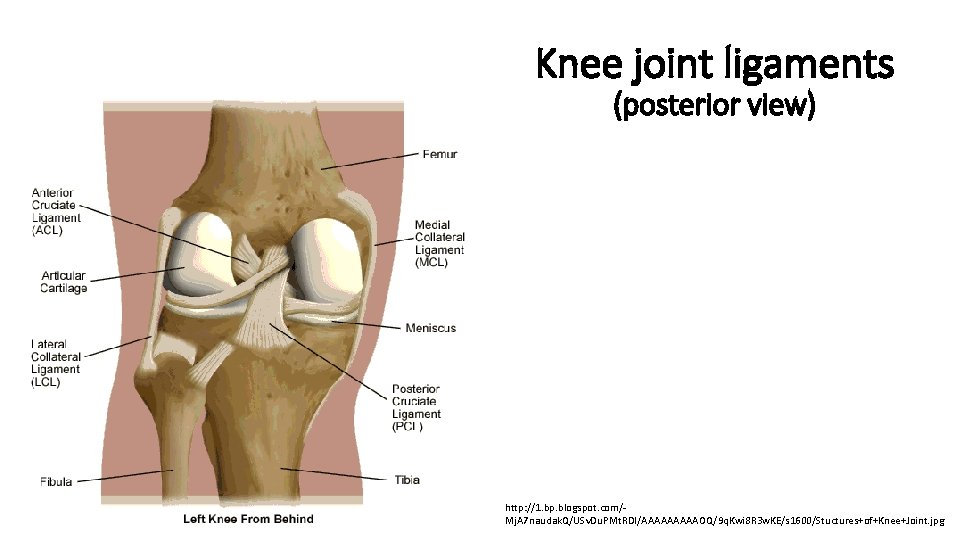
Knee joint (posterior view) schematic drawing http: //1. bp. blogspot. com/Mj. A 7 naudak. Q/USv. Du. PMt. RDI/AAAAAOQ/9 q. Kwi 8 R 3 w. KE/s 1600/Stuctures+of+Knee+Joint. jpg
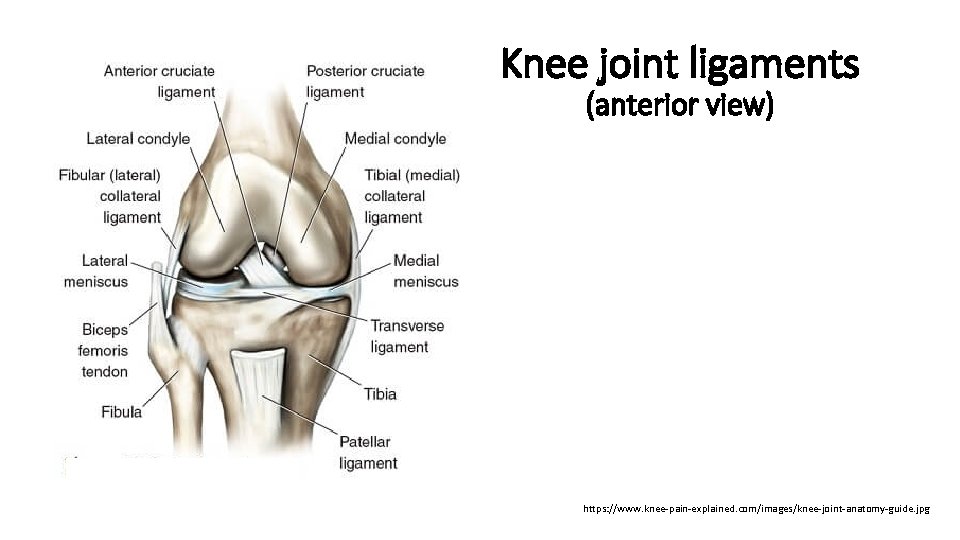
Knee joint ligaments (anterior view) https: //www. knee-pain-explained. com/images/knee-joint-anatomy-guide. jpg
Knee joint ligaments (posterior view) http: //1. bp. blogspot. com/Mj. A 7 naudak. Q/USv. Du. PMt. RDI/AAAAAOQ/9 q. Kwi 8 R 3 w. KE/s 1600/Stuctures+of+Knee+Joint. jpg
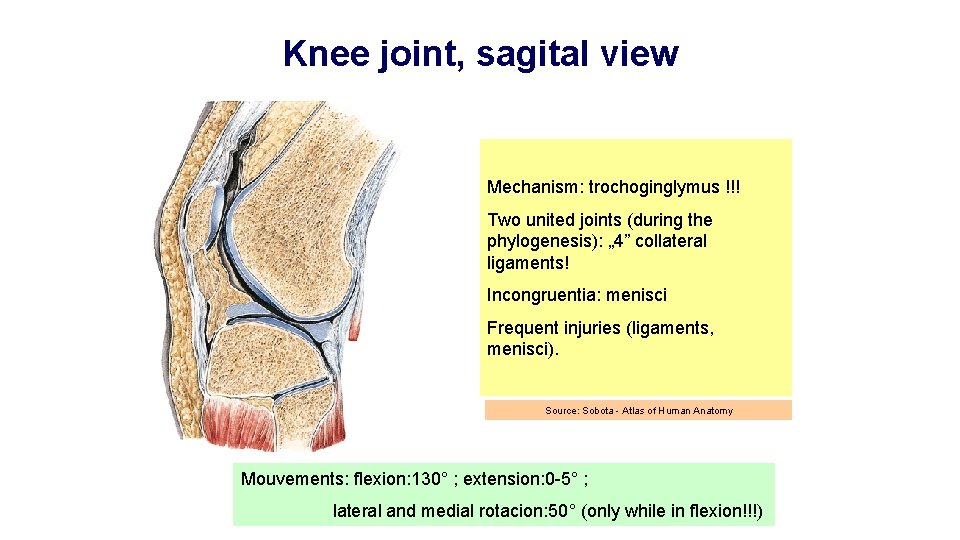
Knee joint, sagital view Mechanism: trochoginglymus !!! Two united joints (during the phylogenesis): „ 4” collateral ligaments! Incongruentia: menisci Frequent injuries (ligaments, menisci). Source: Sobota - Atlas of Human Anatomy Mouvements: flexion: 130° ; extension: 0 -5° ; lateral and medial rotacion: 50° (only while in flexion!!!)
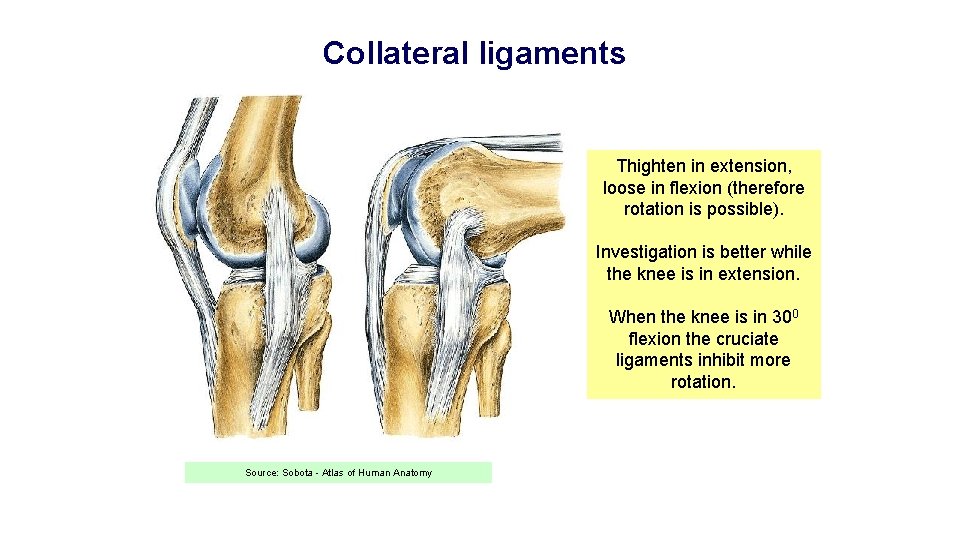
Collateral ligaments Thighten in extension, loose in flexion (therefore rotation is possible). Investigation is better while the knee is in extension. When the knee is in 300 flexion the cruciate ligaments inhibit more rotation. Source: Sobota - Atlas of Human Anatomy
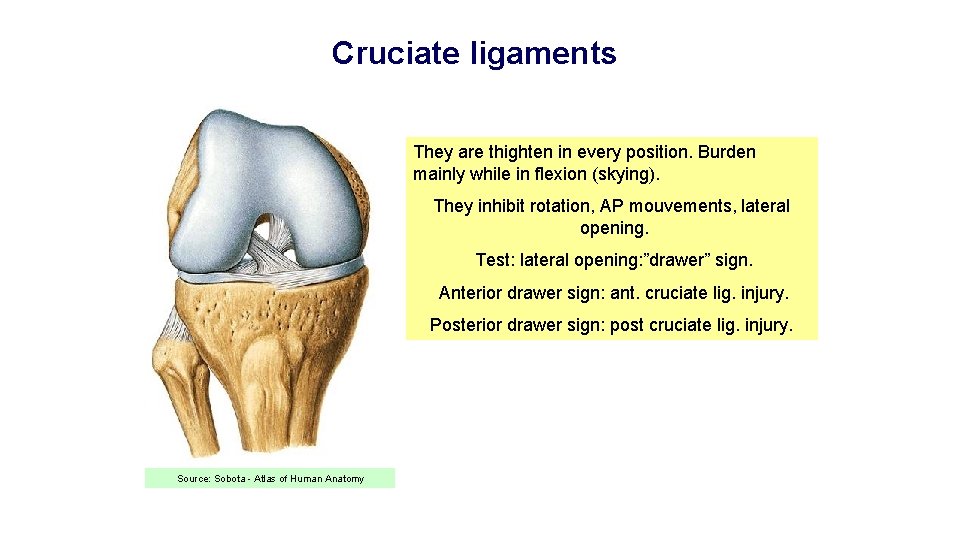
Cruciate ligaments They are thighten in every position. Burden mainly while in flexion (skying). They inhibit rotation, AP mouvements, lateral opening. Test: lateral opening: ”drawer” sign. Anterior drawer sign: ant. cruciate lig. injury. Posterior drawer sign: post cruciate lig. injury. Source: Sobota - Atlas of Human Anatomy
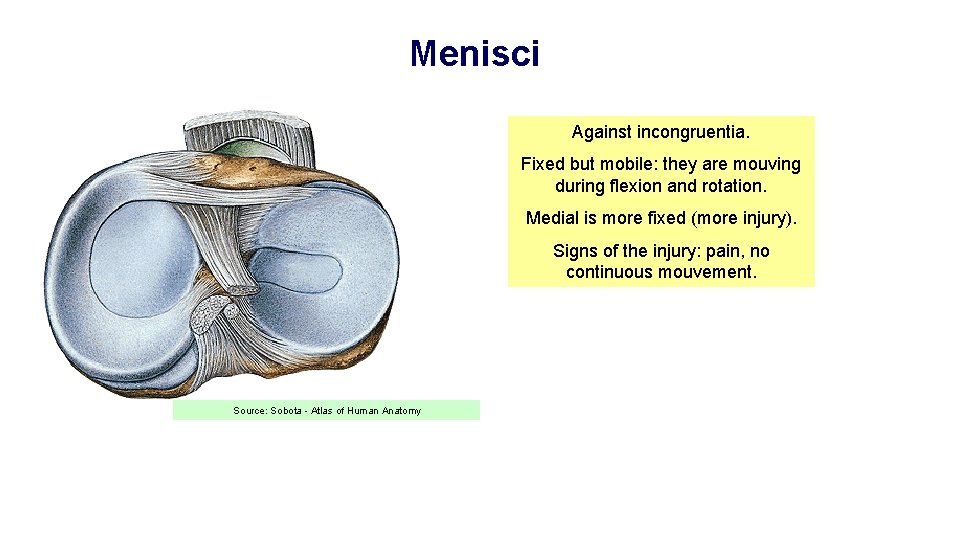
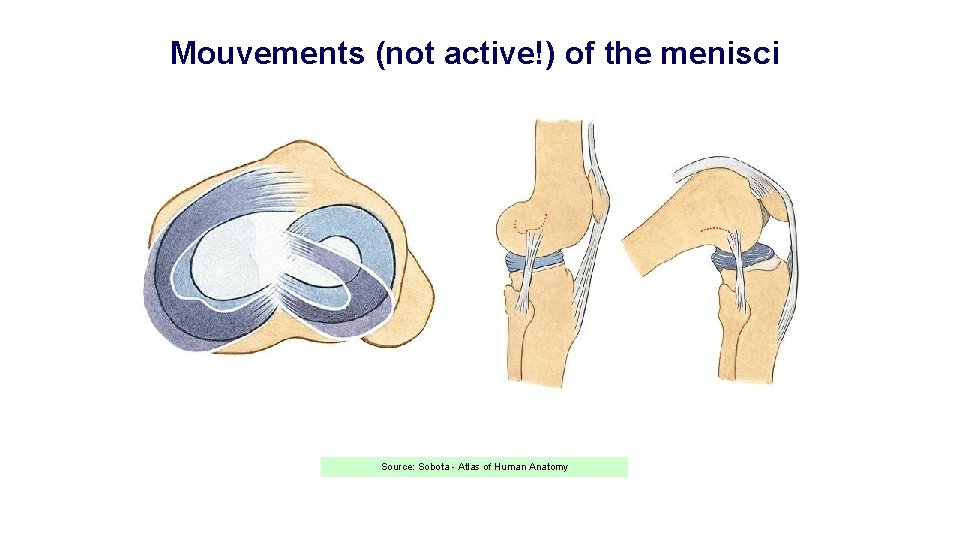
Menisci Against incongruentia. Fixed but mobile: they are mouving during flexion and rotation. Medial is more fixed (more injury). Signs of the injury: pain, no continuous mouvement. Source: Sobota - Atlas of Human Anatomy
Mouvements (not active!) of the menisci Source: Sobota - Atlas of Human Anatomy
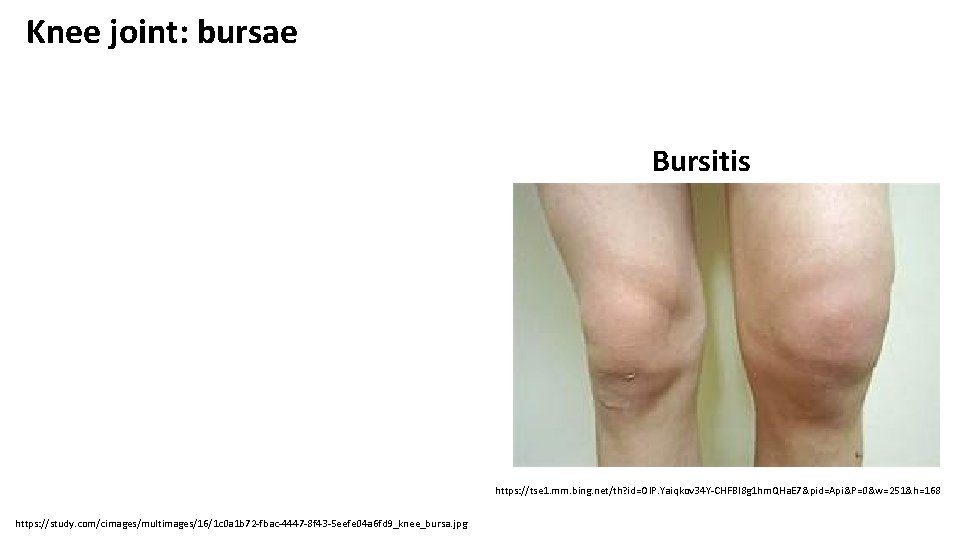
Knee joint: bursae Bursitis https: //tse 1. mm. bing. net/th? id=OIP. Yaiqkov 34 Y-CHFBI 8 g 1 hm. QHa. E 7&pid=Api&P=0&w=251&h=168 https: //study. com/cimages/multimages/16/1 c 0 a 1 b 72 -fbac-4447 -8 f 43 -5 eefe 04 a 6 fd 9_knee_bursa. jpg
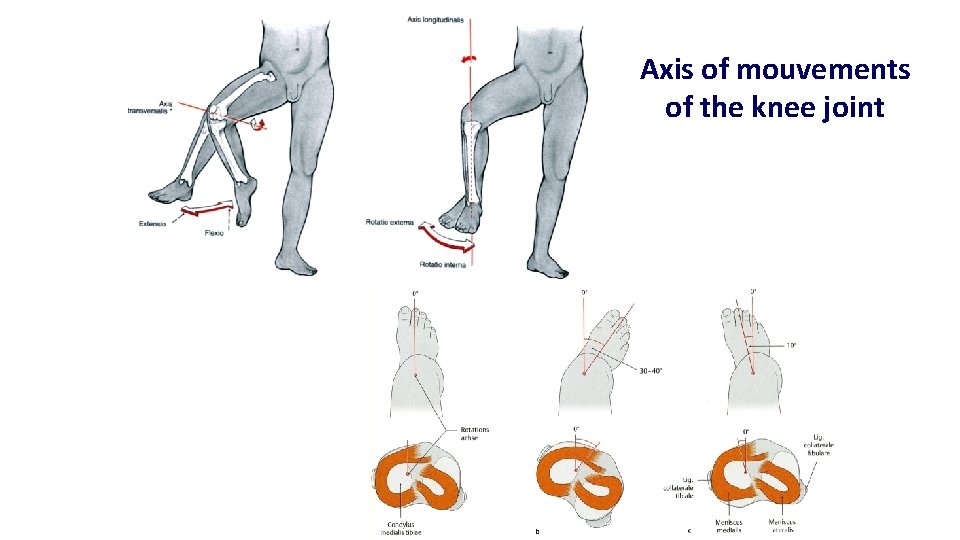
Axis of mouvements of the knee joint
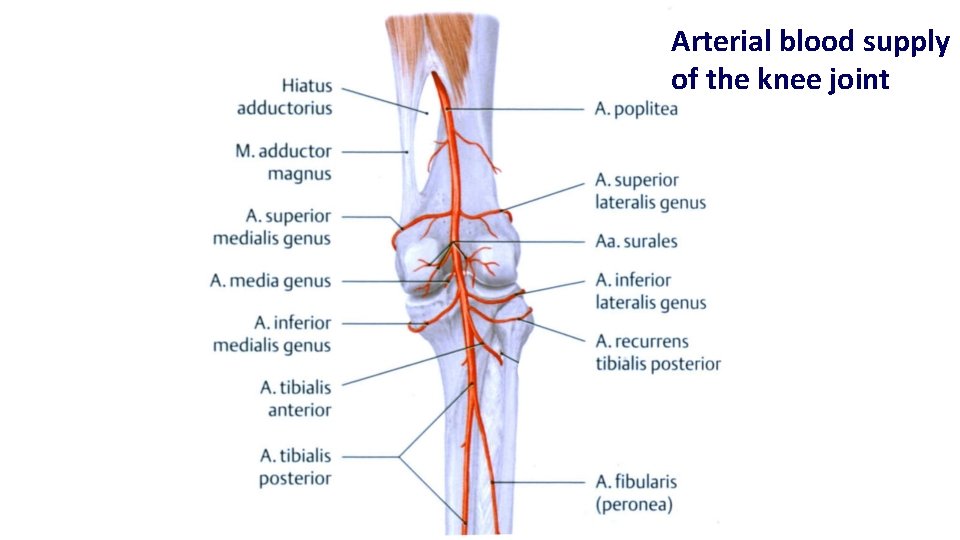
Arterial blood supply of the knee joint
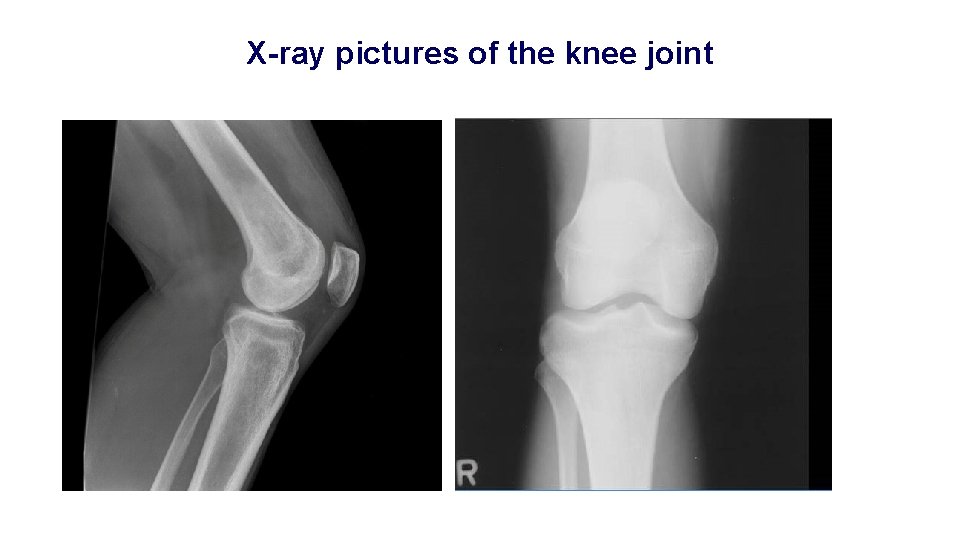
X-ray pictures of the knee joint
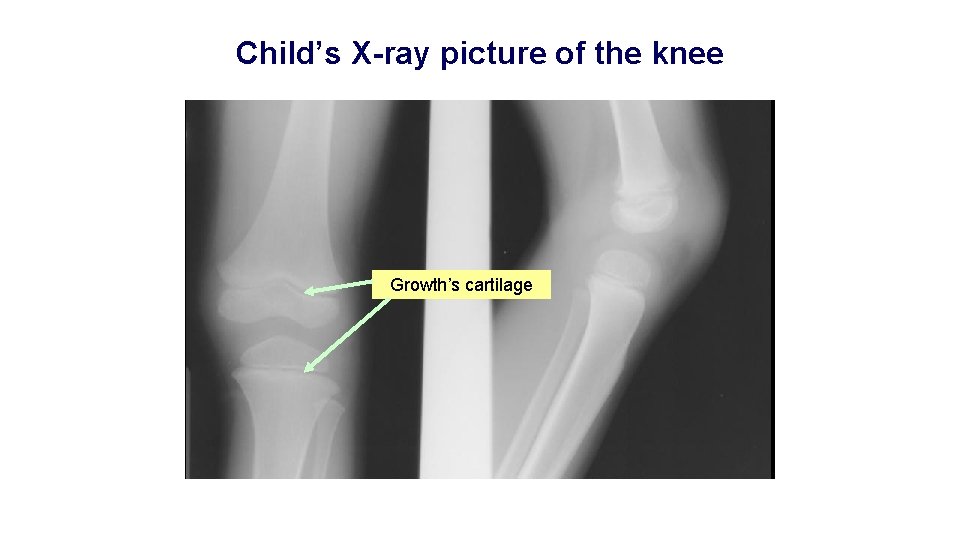
Child’s X-ray picture of the knee Growth’s cartilage
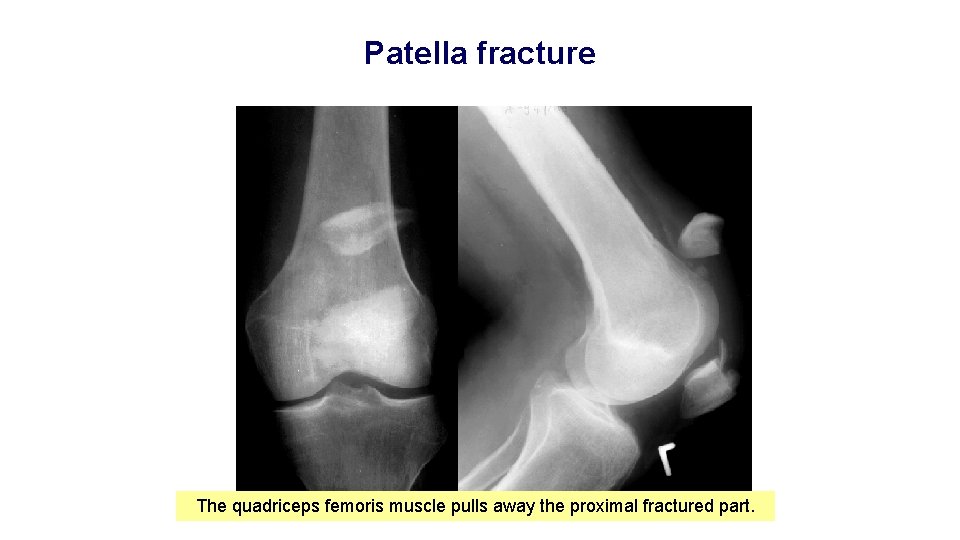
Patella fracture The quadriceps femoris muscle pulls away the proximal fractured part.
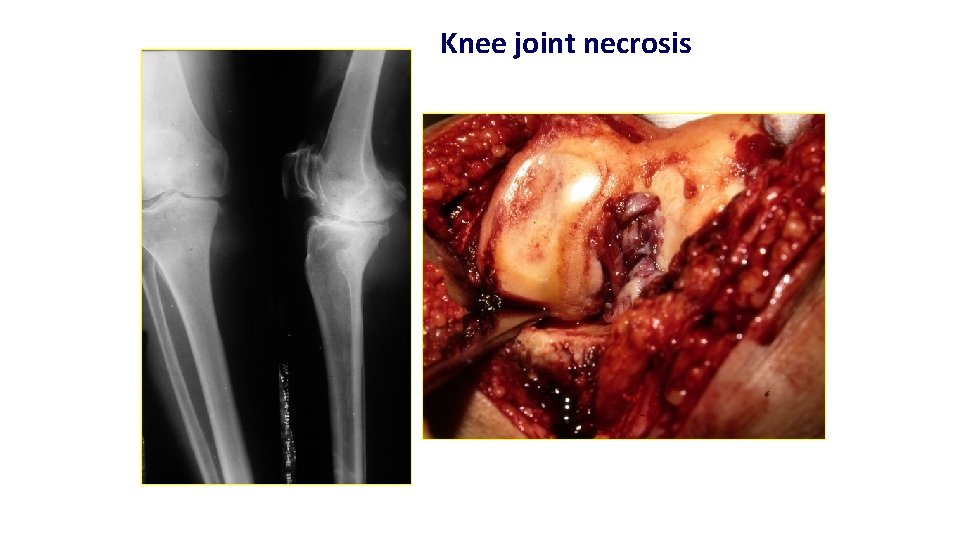
Knee joint necrosis
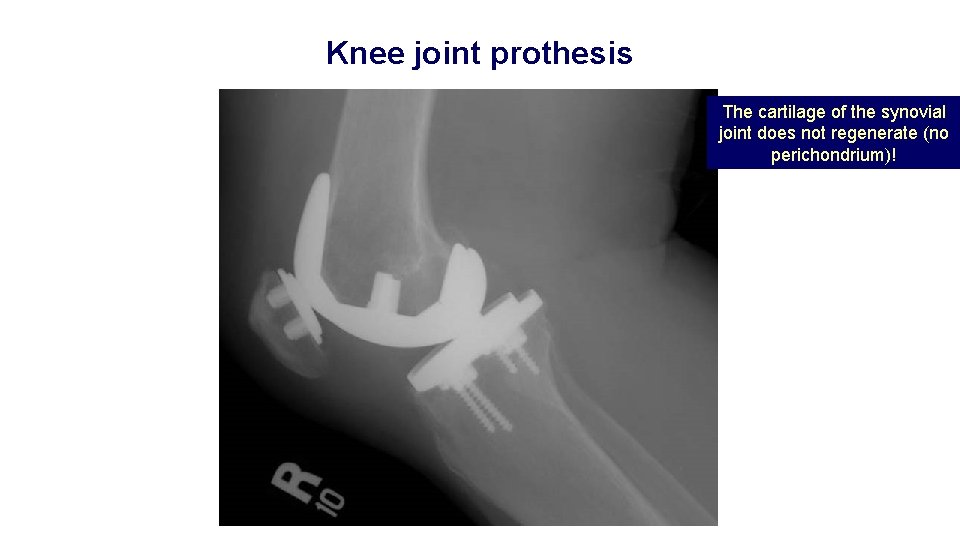
Knee joint prothesis The cartilage of the synovial joint does not regenerate (no perichondrium)!
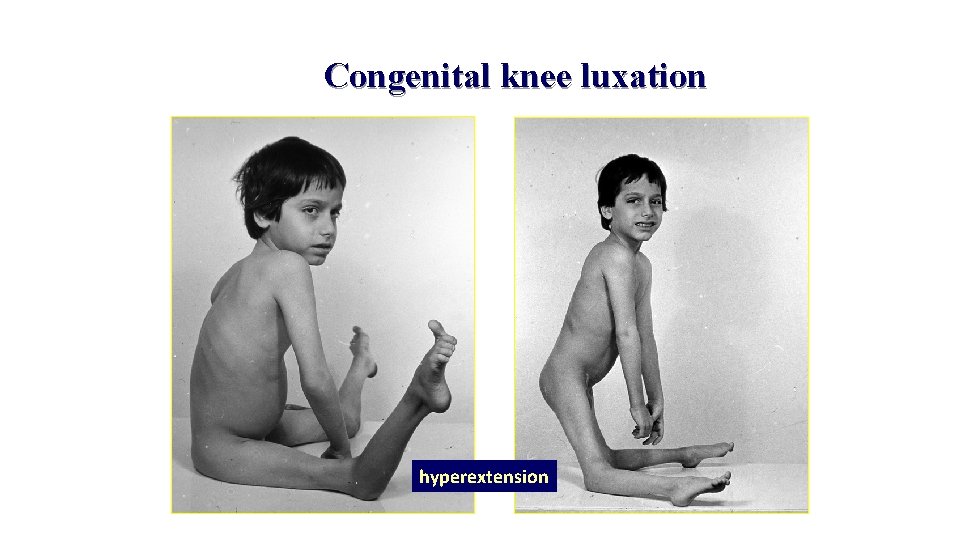
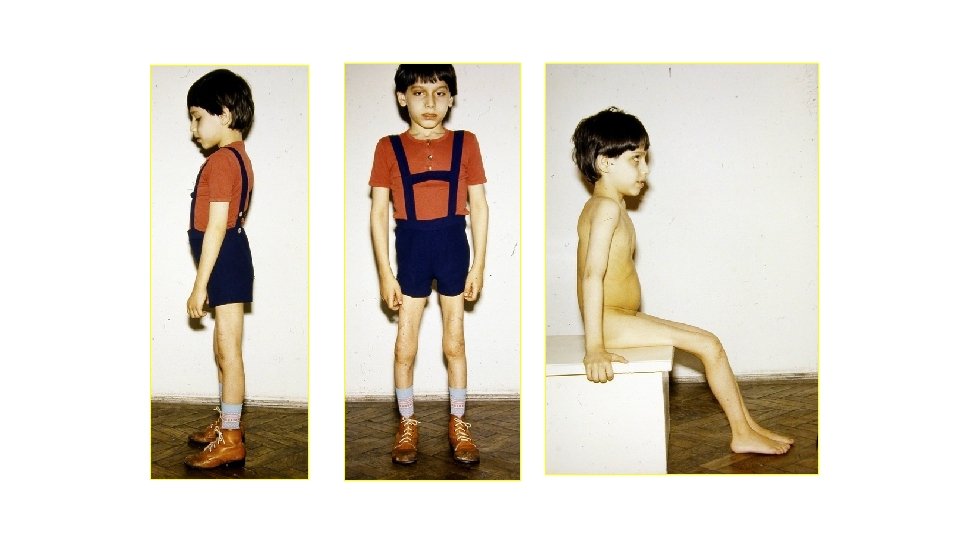
Congenital knee luxation hyperextension
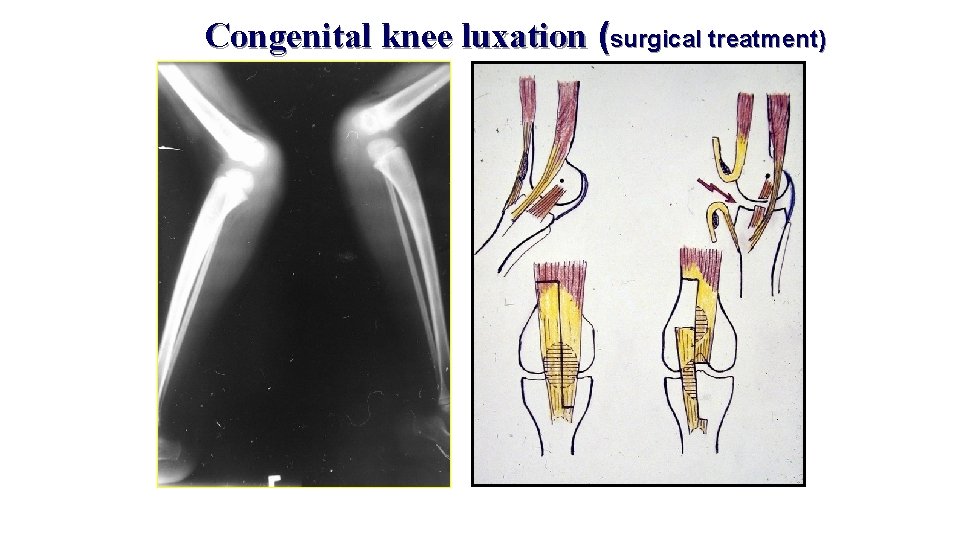
Congenital knee luxation (surgical treatment)
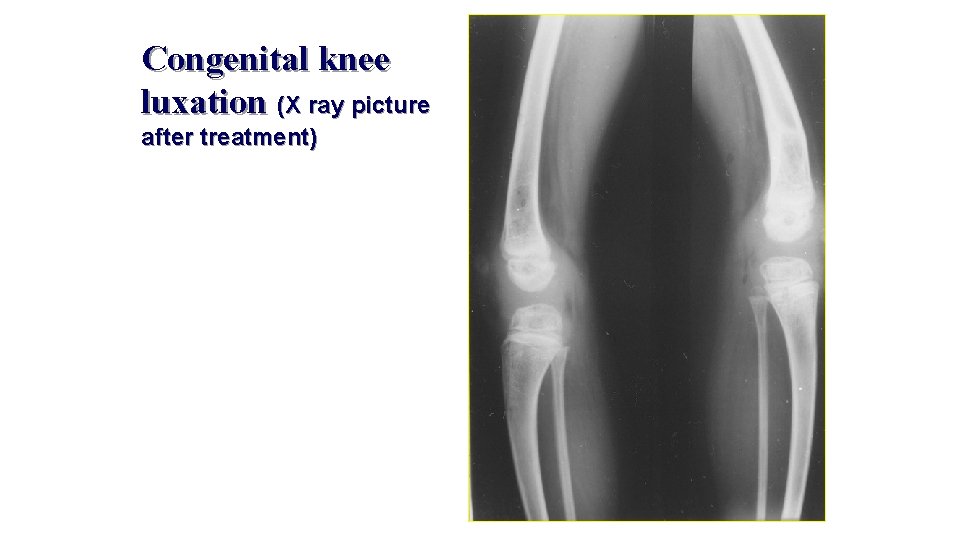
Congenital knee luxation (X ray picture after treatment)
THANK YOU FOR YOUR ATTENTION