
FRST 305 Photosynthesis Respiration Crown development and Wood
![Volume • Wood formation (total volume) is: [ (Photosynthesis-Respiration)] - Allocation](https://slidetodoc.com/presentation_image/4db5d1ff9c428e5dfa6c58bf945335ff/image-8.jpg "Volume • Wood formation (total volume) is: [ (Photosynthesis-Respiration)] - Allocation")


- Slides: 40
FRST 305 Photosynthesis, Respiration, Crown development and Wood formation
Photosynthesis • Chlorophyl in the foliage • Chloroplasts • Sun foliage/shade foliage
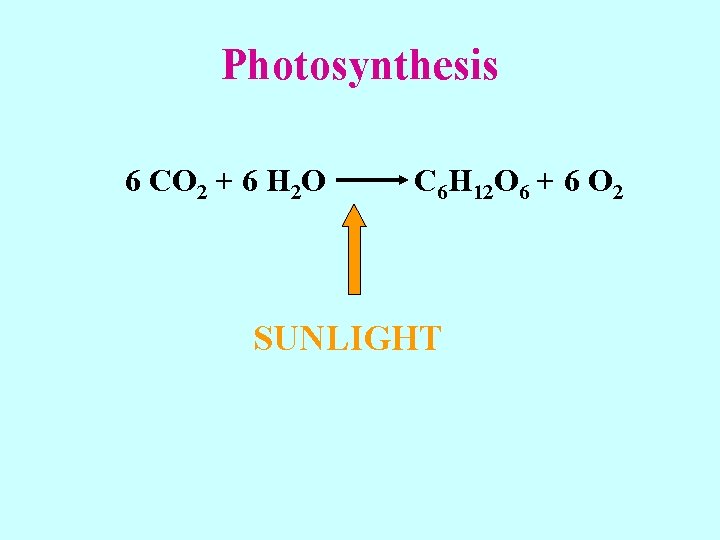
Photosynthesis 6 CO 2 + 6 H 2 O C 6 H 12 O 6 + 6 O 2 SUNLIGHT
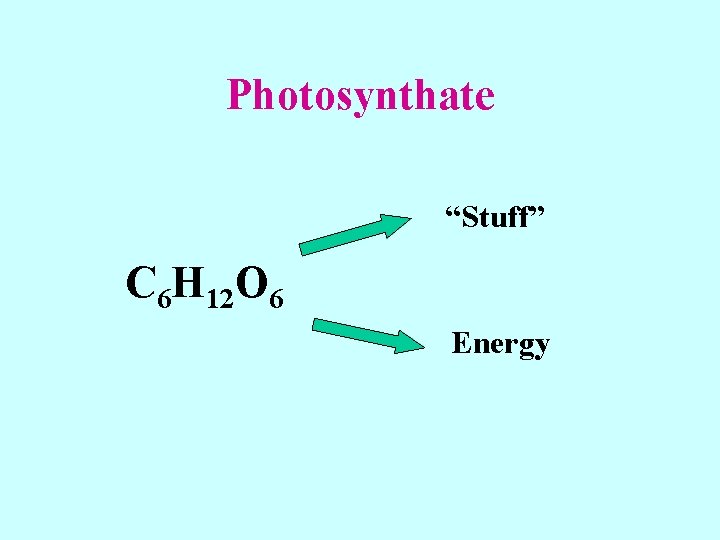
Photosynthate “Stuff” C 6 H 12 O 6 Energy
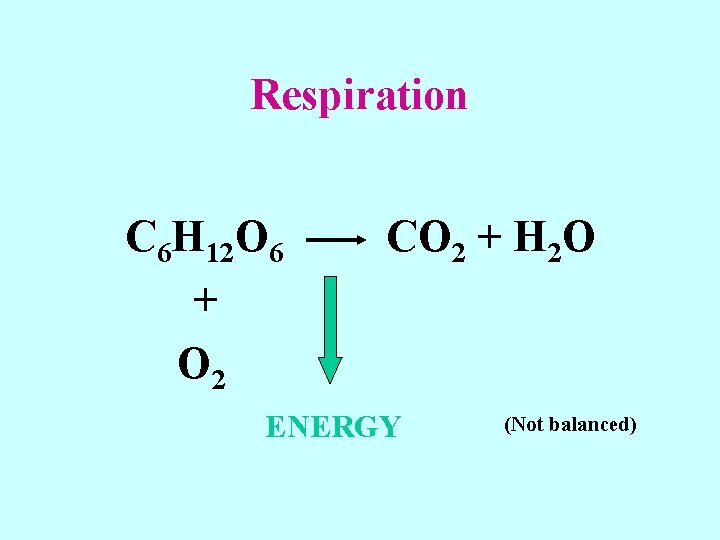
Respiration C 6 H 12 O 6 + O 2 CO 2 + H 2 O ENERGY (Not balanced)
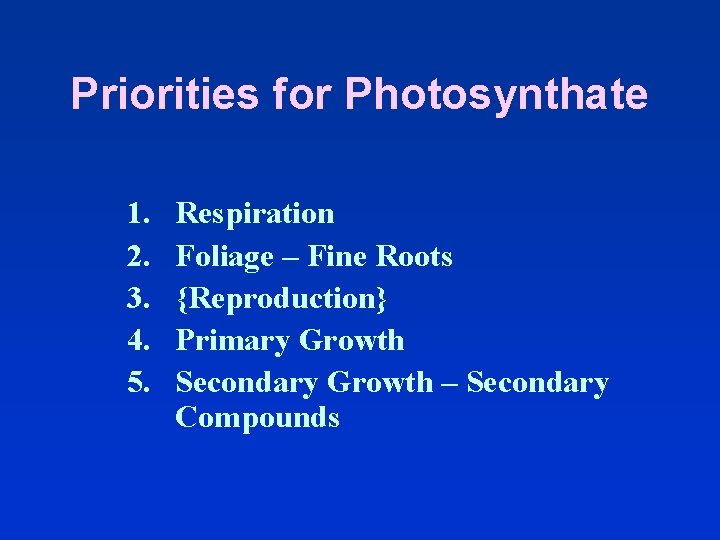
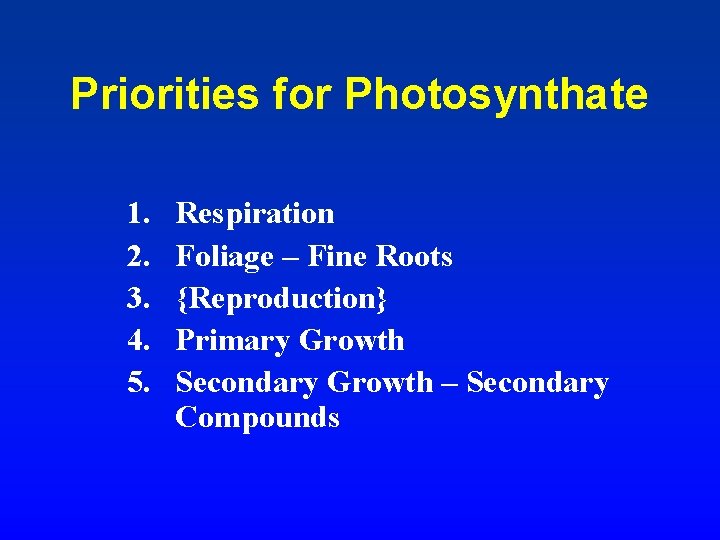
Priorities for Photosynthate 1. 2. 3. 4. 5. Respiration Foliage – Fine Roots {Reproduction} Primary Growth Secondary Growth – Secondary Compounds
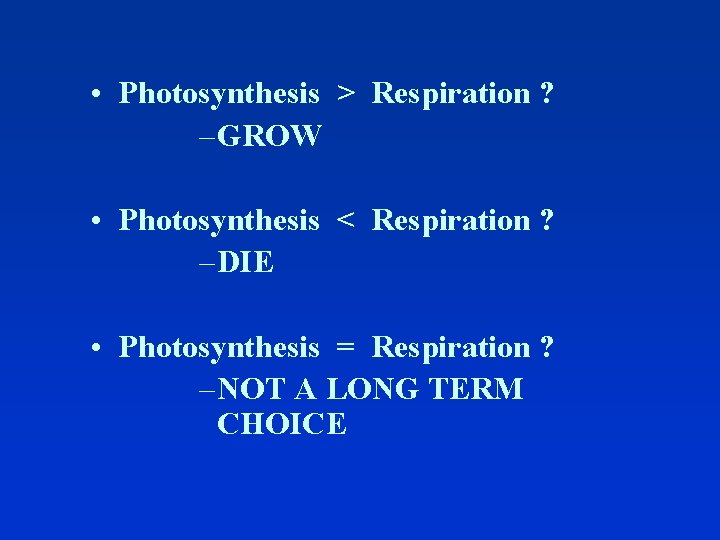
• Photosynthesis > Respiration ? – GROW • Photosynthesis < Respiration ? – DIE • Photosynthesis = Respiration ? – NOT A LONG TERM CHOICE
Volume • Wood formation (total volume) is: [ (Photosynthesis-Respiration)] - Allocation
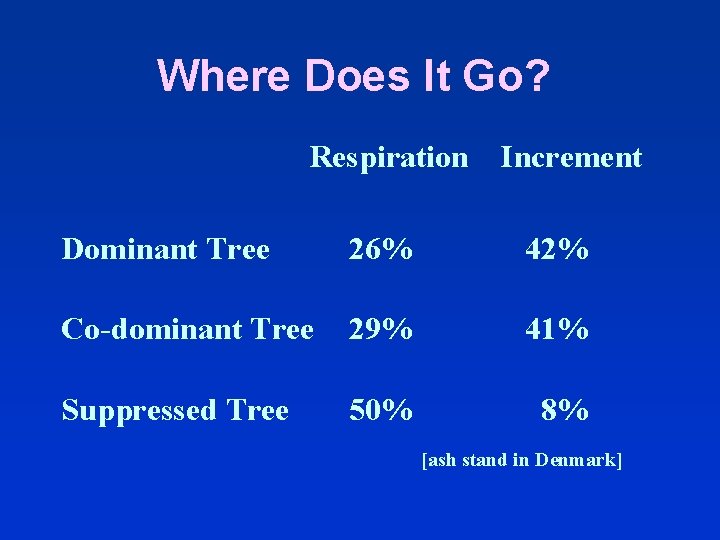
Where Does It Go? Respiration Increment Dominant Tree 26% 42% Co-dominant Tree 29% 41% Suppressed Tree 50% 8% [ash stand in Denmark]
Crown Form • Excurrent • Decurrent
Mechanisms • Branch angle • Geotropism • Weight (gravity)
Apical Growth • Apical meristem = bud – Primary growth • Preformed • Indeterminant
Epinasty • Epinastic control – angle and length of side branches – genetics and environment
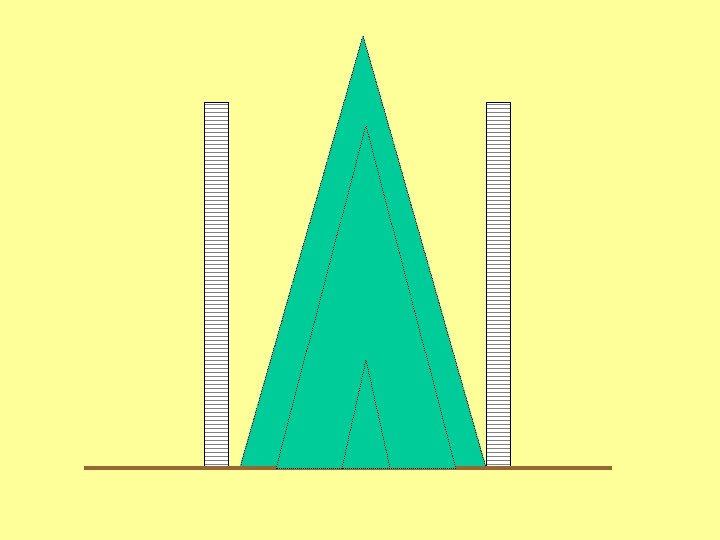
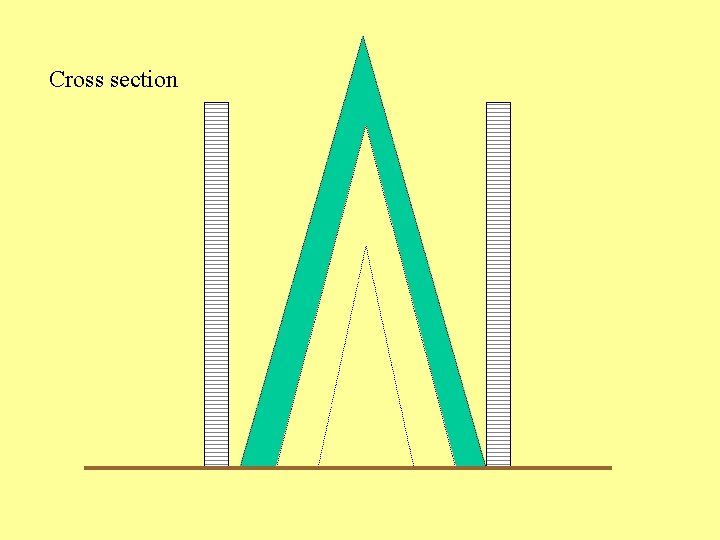
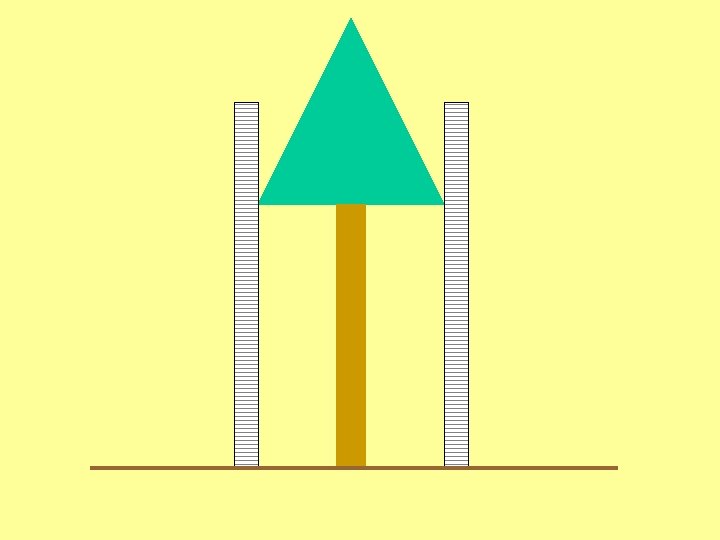
Shade • Side shade – Trees do not lose form • Shade from above – high shade – low shade – becomes more diffuse – trees can lose epinastic control
Cross section
Secondary Growth • • Wood Phloem Stem and branches Cambium
Cambium • Cambial meristem • Xylem – To the inside • Phloem – To the outside
Xylem and Phloem • Xylem – Wood – Water transport • Phloem – Chemical transport
Xylem • Tracheids – gymnosperms • Vessels – angiosperms
Early wood – Late wood • Early wood – Laid down first – Lighter – Less dense • Late wood – Laid down later – darker in color – denser
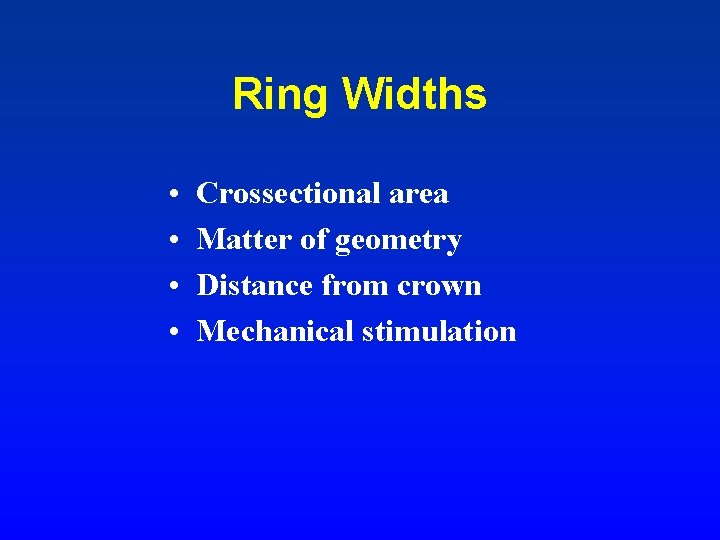
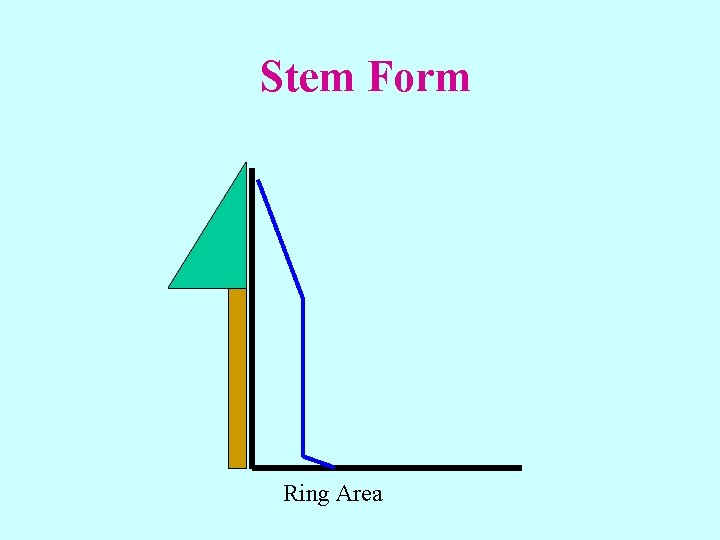
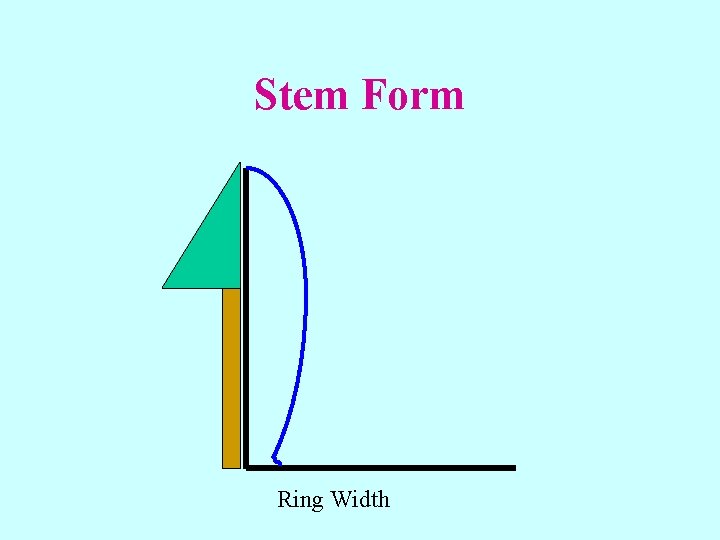
Ring Widths • • Crossectional area Matter of geometry Distance from crown Mechanical stimulation
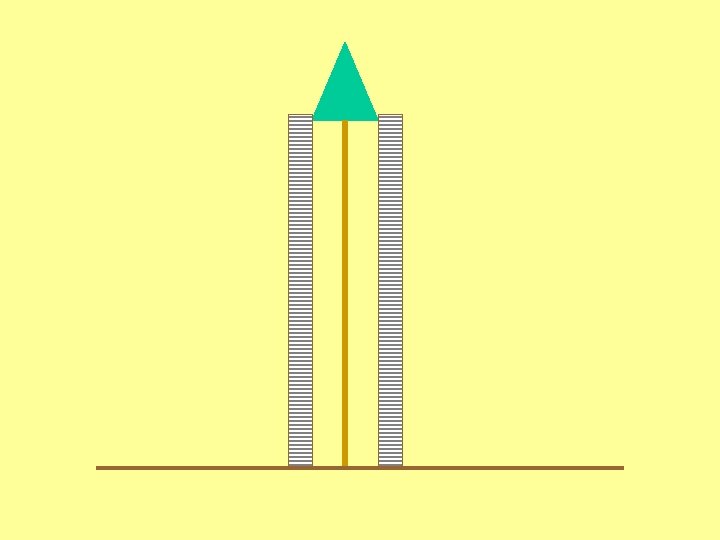
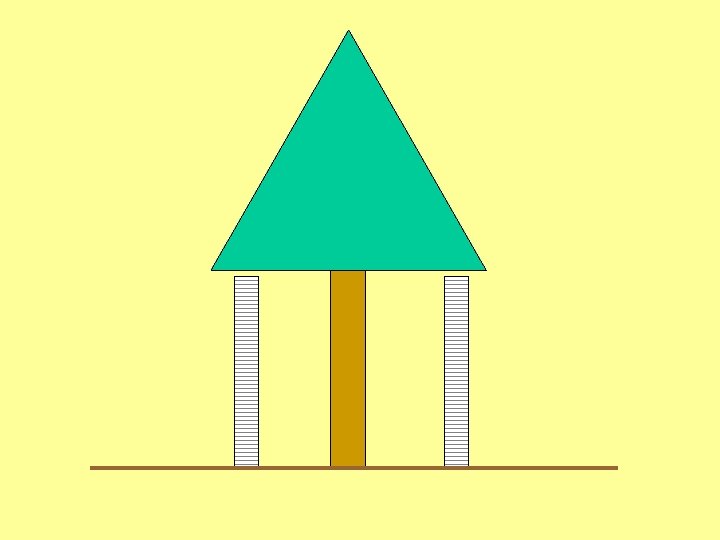
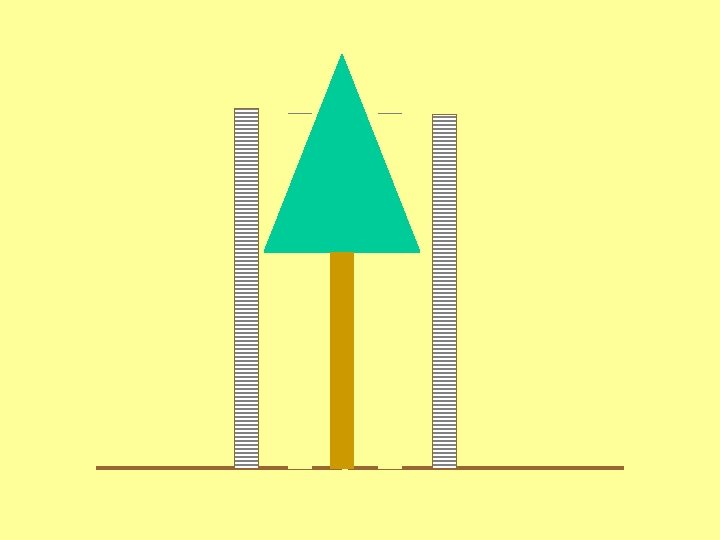
Stem Form Ring Area
Stem Form Ring Width
Priorities for Photosynthate 1. 2. 3. 4. 5. Respiration Foliage – Fine Roots {Reproduction} Primary Growth Secondary Growth – Secondary Compounds
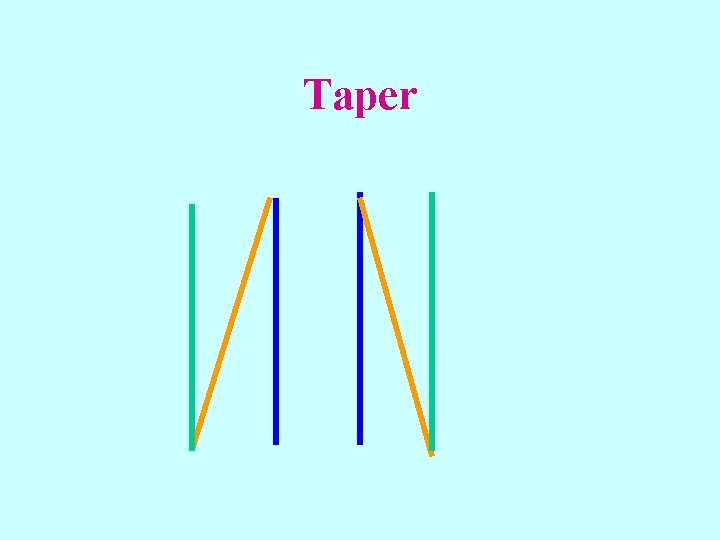
• Which are better? A. Cylindrical trees B. Tapered trees
Taper
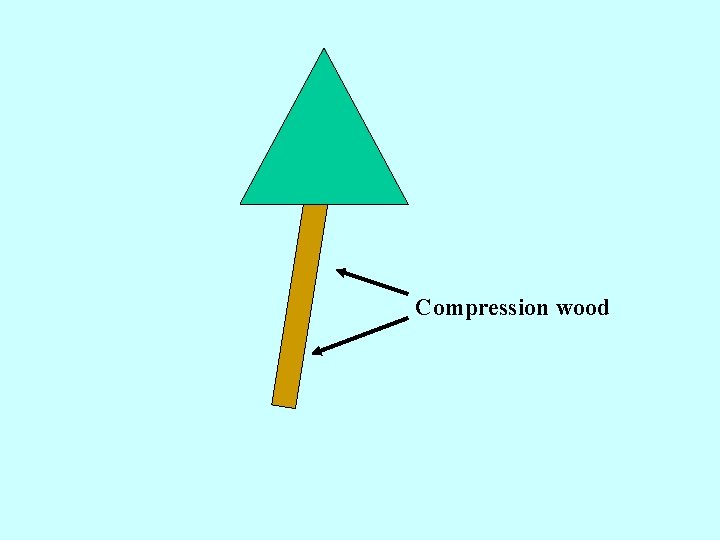
Reaction wood • Hardwoods – Tension wood • Conifers – Compression wood
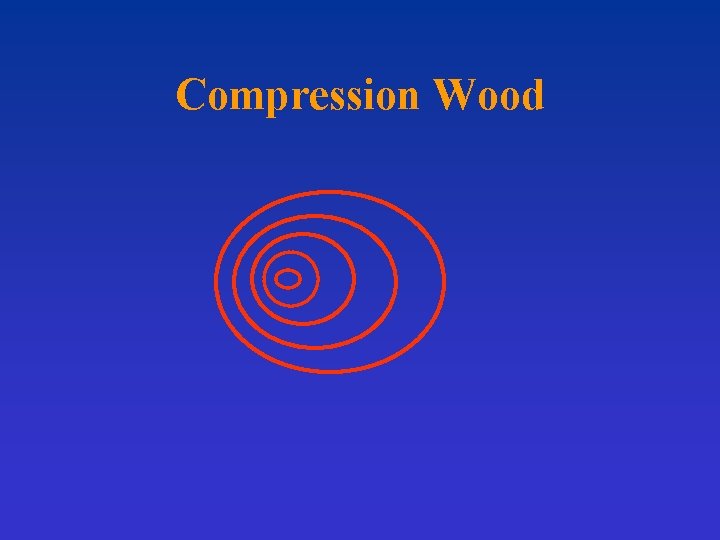
Compression Wood
Compression wood
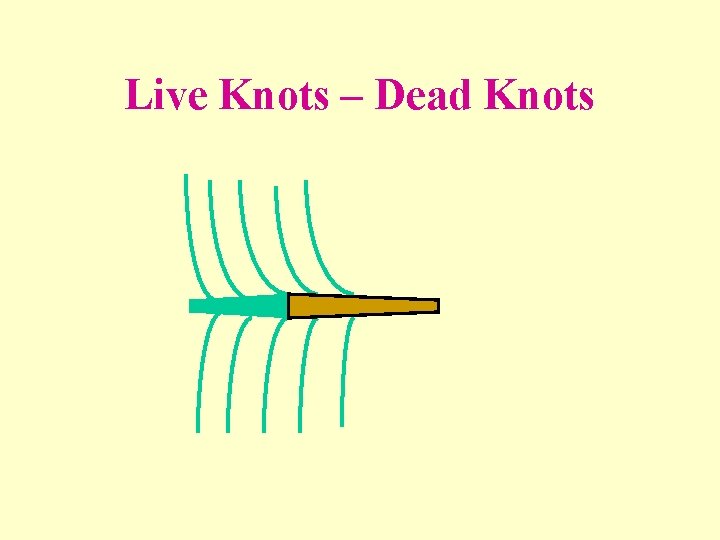
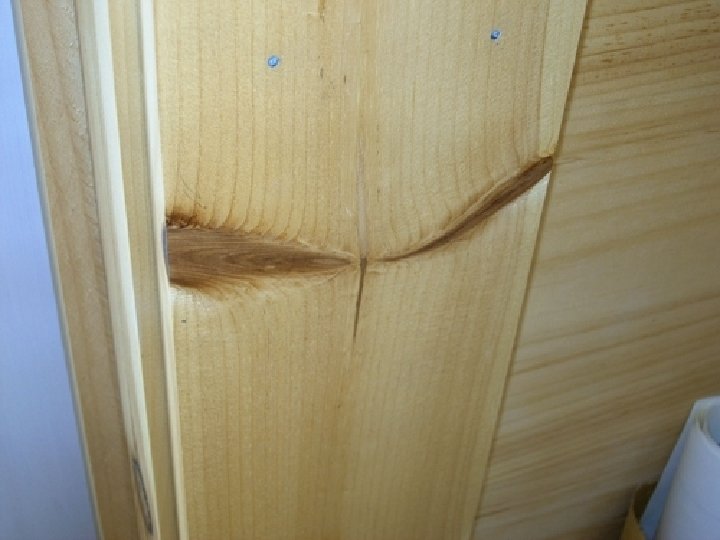
Knots • Live knots • Dead knots
Live Knots – Dead Knots
Stem Quality • • Straightness Ring characteristics Density Knots