
From Reactive to Proactive Making Change Happen APICNYC



- Slides: 70
From Reactive to Proactive: Making Change Happen APIC/NYC Chapter 10/17
Sad (but true) that we sometimes must be reminded of our core mission Electric toothbrush: • Insert brush into mouth • Never use while sleeping • Designed for cleaning teeth only. DO NOT use for any other purposes Coffee cup: • Caution: Contents may be hot!
The History of Medicine (http: //www. who. int/infectious-disease-report/2000/index. html) 2000 B. C. – Here, eat this root 1000 A. D. – That root is heathen. Here, say this prayer. 1850 A. D. – That prayer is superstition. Here, drink this potion. 1920 A. D. – That potion is snake oil. Here, swallow this pill.
1945 A. D. – That pill is ineffective. Here, take this penicillin. 1955 A. D. – Oops. . bugs mutated. Here, take this tetracycline. 1960 -2009 – 39 more "oops". . . Here, take this more powerful antibiotic. 2010 A. D. – Here, eat this root.
What’ We’ll Talk About • Major social changes • IP competencies for approaching stubborn and challenging issues • Future priorities and how to get there
Social Changes That Affect Infection Prevention and Control • Emphasis on evidence-based practice • Mandatory reporting • Increased transparency and care coordination • Increased patient/consumer involvement in decision making
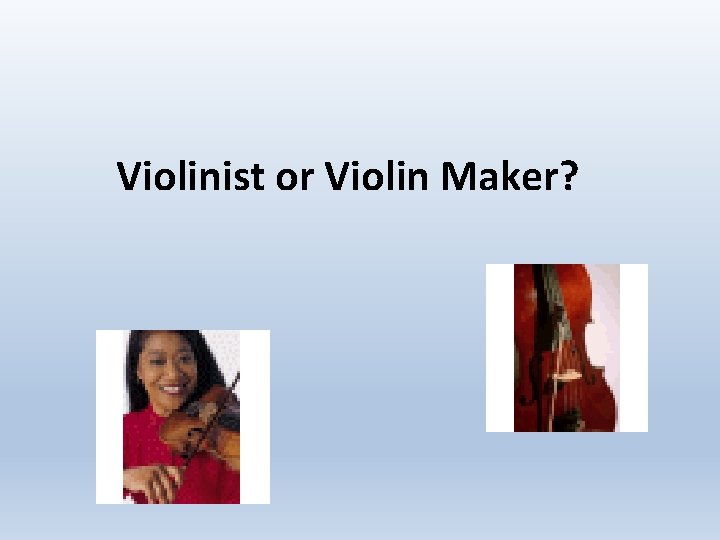
Violinist or Violin Maker?
THERE IS A BLURRING OF QUALITY IMPROVEMENT, QUALITY ASSESSMENT, CLINICAL RESEARCH—ALL ON A SPECTRUM Carter EJ, Mastro K, Vose C, Rivera R, Larson EL. Clarifying the conumdrum: evidence-based practice, quality improvement, or research? : The clinical scholarship continuum. J Nurs Adm. 2017 May; 47(5): 266 -270.
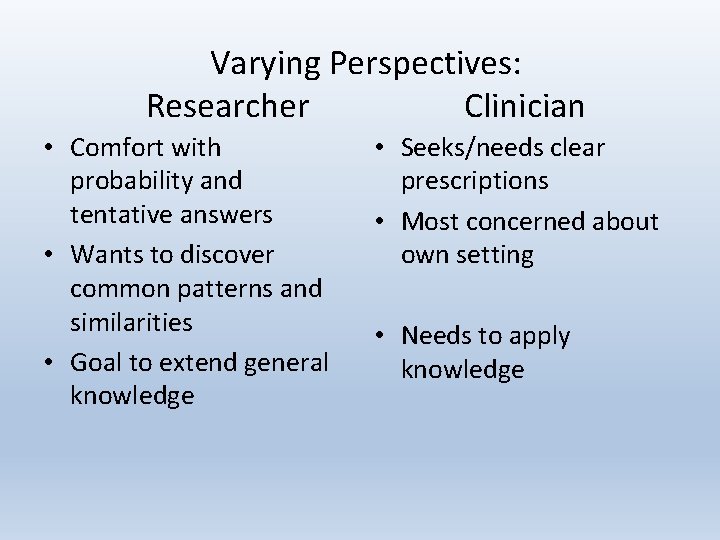
Varying Perspectives: Researcher Clinician • Comfort with probability and tentative answers • Wants to discover common patterns and similarities • Goal to extend general knowledge • Seeks/needs clear prescriptions • Most concerned about own setting • Needs to apply knowledge
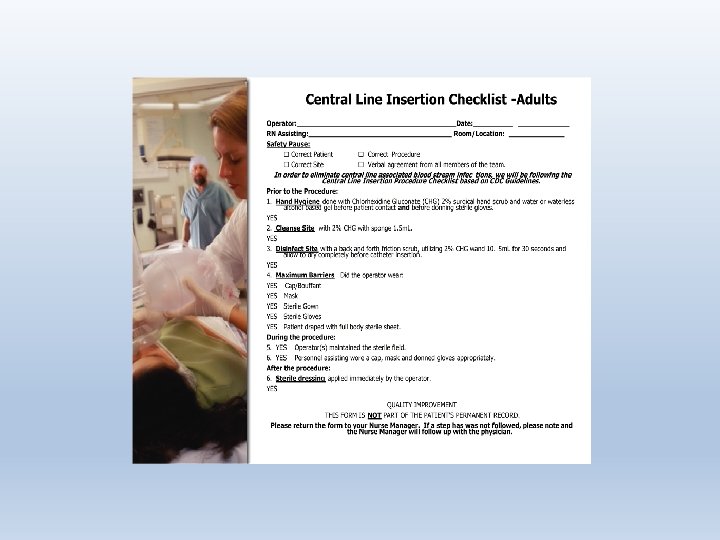
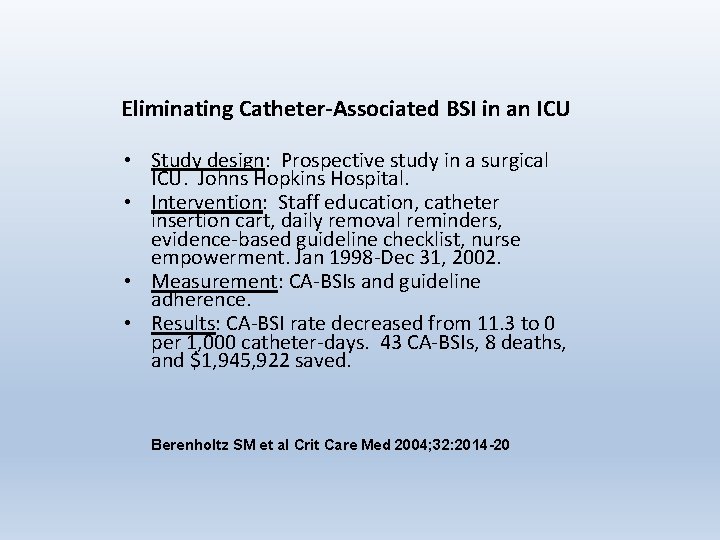
Eliminating Catheter-Associated BSI in an ICU • Study design: Prospective study in a surgical ICU. Johns Hopkins Hospital. • Intervention: Staff education, catheter insertion cart, daily removal reminders, evidence-based guideline checklist, nurse empowerment. Jan 1998 -Dec 31, 2002. • Measurement: CA-BSIs and guideline adherence. • Results: CA-BSI rate decreased from 11. 3 to 0 per 1, 000 catheter-days. 43 CA-BSIs, 8 deaths, and $1, 945, 922 saved. Berenholtz SM et al Crit Care Med 2004; 32: 2014 -20
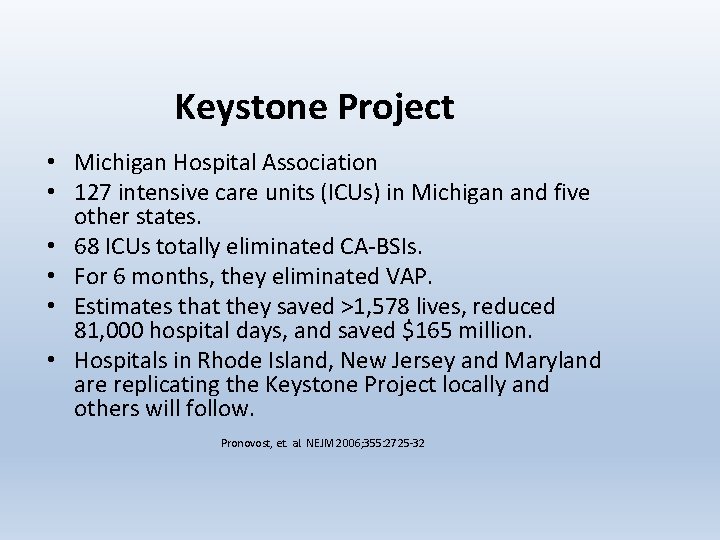
Keystone Project • Michigan Hospital Association • 127 intensive care units (ICUs) in Michigan and five other states. • 68 ICUs totally eliminated CA-BSIs. • For 6 months, they eliminated VAP. • Estimates that they saved >1, 578 lives, reduced 81, 000 hospital days, and saved $165 million. • Hospitals in Rhode Island, New Jersey and Maryland are replicating the Keystone Project locally and others will follow. Pronovost, et. al. NEJM 2006; 355: 2725 -32
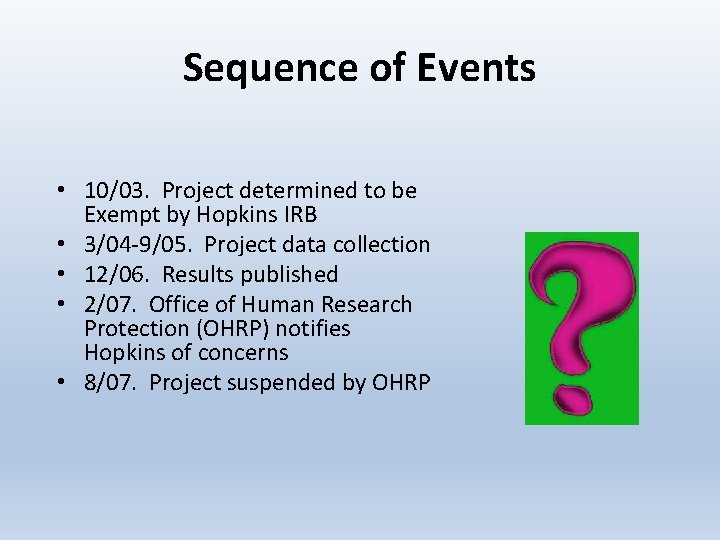
Sequence of Events • 10/03. Project determined to be Exempt by Hopkins IRB • 3/04 -9/05. Project data collection • 12/06. Results published • 2/07. Office of Human Research Protection (OHRP) notifies Hopkins of concerns • 8/07. Project suspended by OHRP
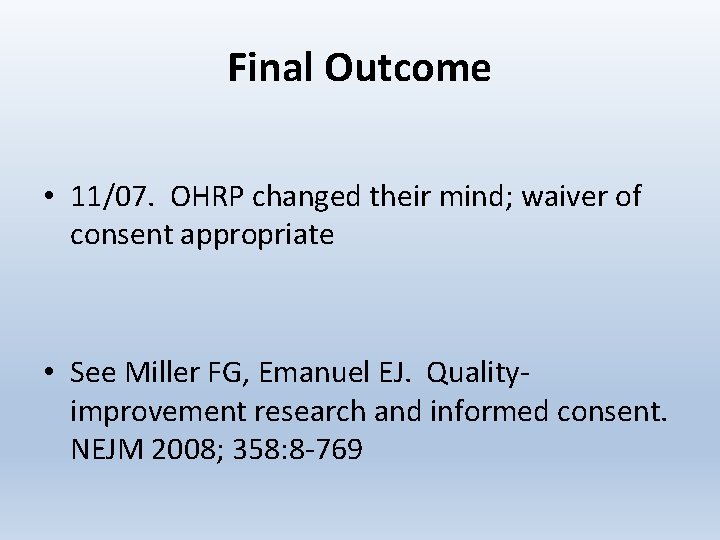
Final Outcome • 11/07. OHRP changed their mind; waiver of consent appropriate • See Miller FG, Emanuel EJ. Qualityimprovement research and informed consent. NEJM 2008; 358: 8 -769
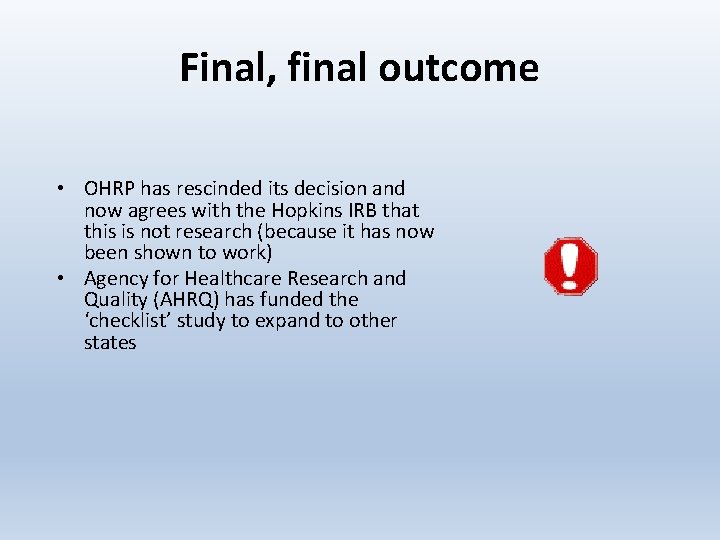
Final, final outcome • OHRP has rescinded its decision and now agrees with the Hopkins IRB that this is not research (because it has now been shown to work) • Agency for Healthcare Research and Quality (AHRQ) has funded the ‘checklist’ study to expand to other states
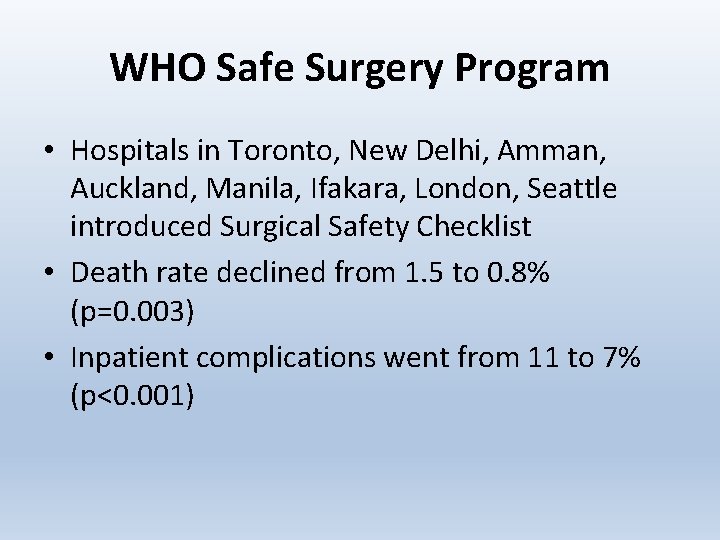
A Surgical Safety Checklist to Reduce Morbidity and Mortality in a Global Population Haynes, et al. NEJM 2009; 360: 491 -499
WHO Safe Surgery Program • Hospitals in Toronto, New Delhi, Amman, Auckland, Manila, Ifakara, London, Seattle introduced Surgical Safety Checklist • Death rate declined from 1. 5 to 0. 8% (p=0. 003) • Inpatient complications went from 11 to 7% (p<0. 001)
SOCIAL CHANGES Mandatory Public Reporting (Know your setting)
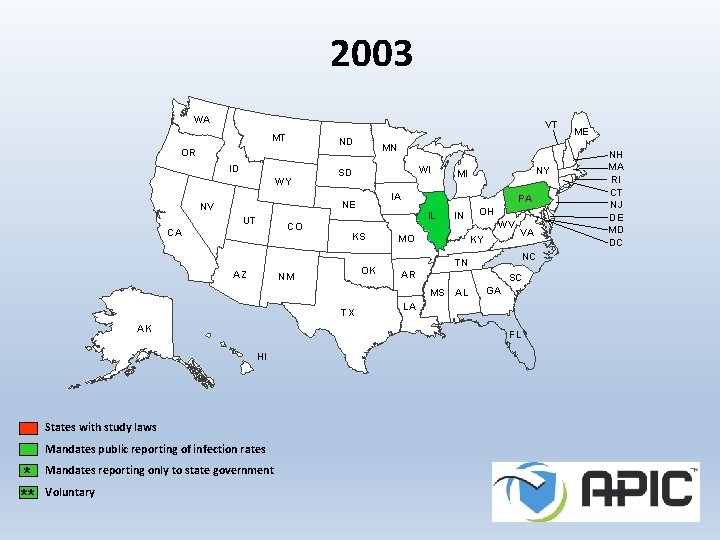
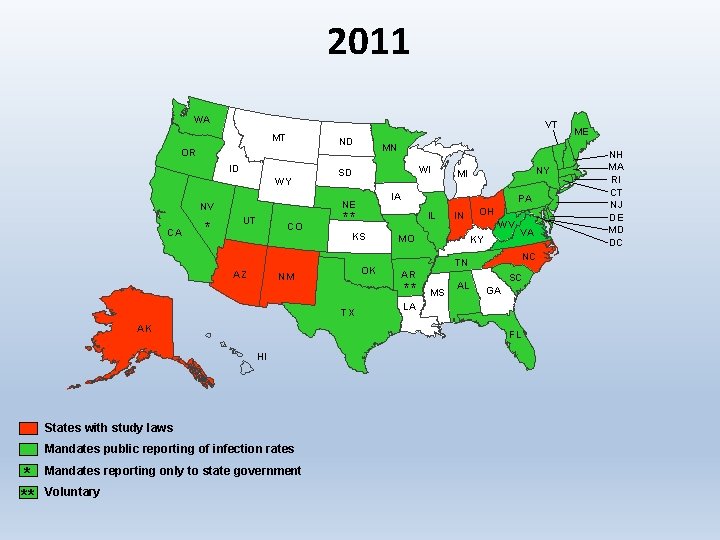
2003 WA VT MT ND MN OR ID WY WI SD IA NE NV UT CO CA AZ PA IL KS OK NM AK States with study laws Mandates public reporting of infection rates Mandates reporting only to state government Voluntary OH WV KY VA NC TN AR SC AL GA LA FL HI * ** IN MO MS TX NY MI ME NH MA RI CT NJ DE MD DC
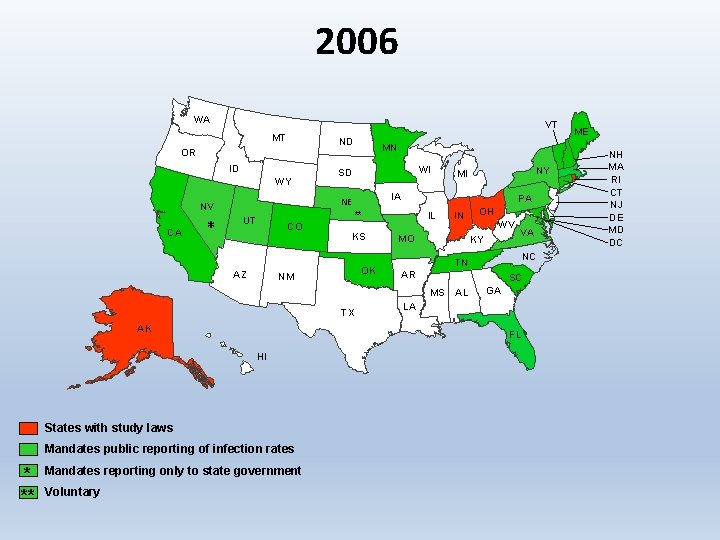
2006 WA VT MT ND MN OR ID WY * PA ** UT CO AZ KS OK NM IL AK States with study laws Mandates public reporting of infection rates Mandates reporting only to state government Voluntary OH WV KY VA NC TN AR SC AL GA LA FL HI * ** IN MO MS TX NY MI IA NE NV CA WI SD ME NH MA RI CT NJ DE MD DC
2011 WA VT MT ND MN OR ID WY * UT CO AZ OK States with study laws Mandates public reporting of infection rates Mandates reporting only to state government Voluntary OH IN MO WV KY VA NC TN AR ** MS AL SC GA LA FL HI * ** IL KS TX AK PA ** NM NY MI IA NE NV CA WI SD ME NH MA RI CT NJ DE MD DC
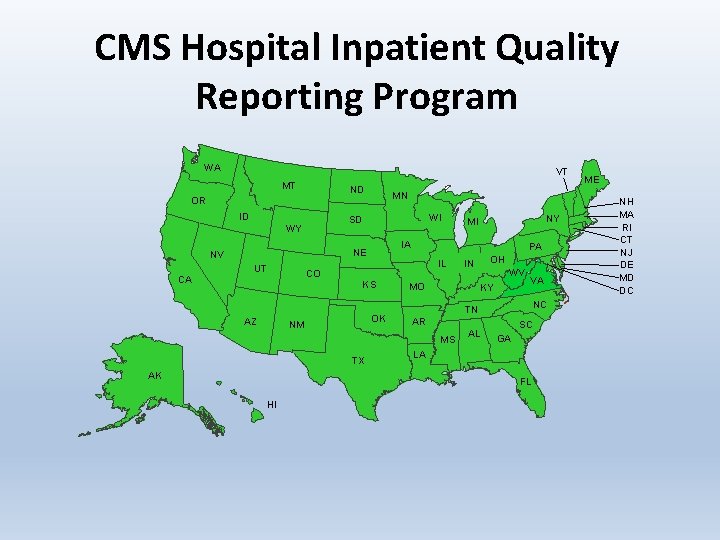
CMS Hospital Inpatient Quality Reporting Program WA VT MT ND MN OR ID WI SD WY IA NE NV UT CO CA AZ PA IL KS OK NM AK OH IN MO WV KY VA NC TN AR MS TX NY MI AL SC GA LA FL HI ME NH MA RI CT NJ DE MD DC
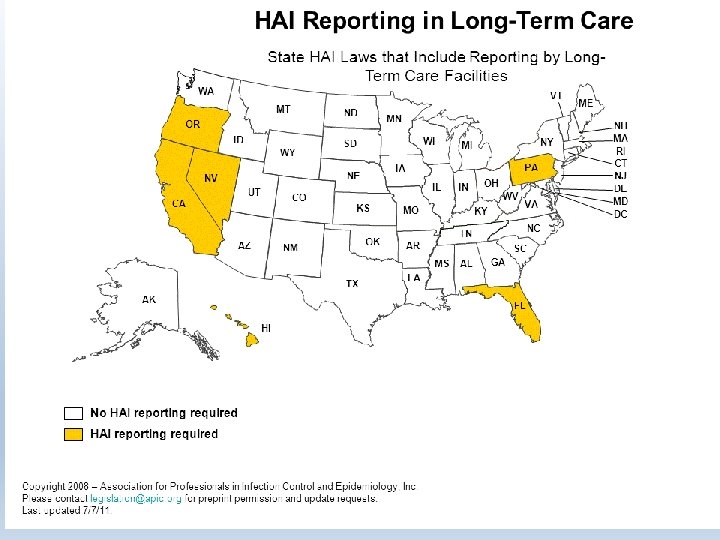
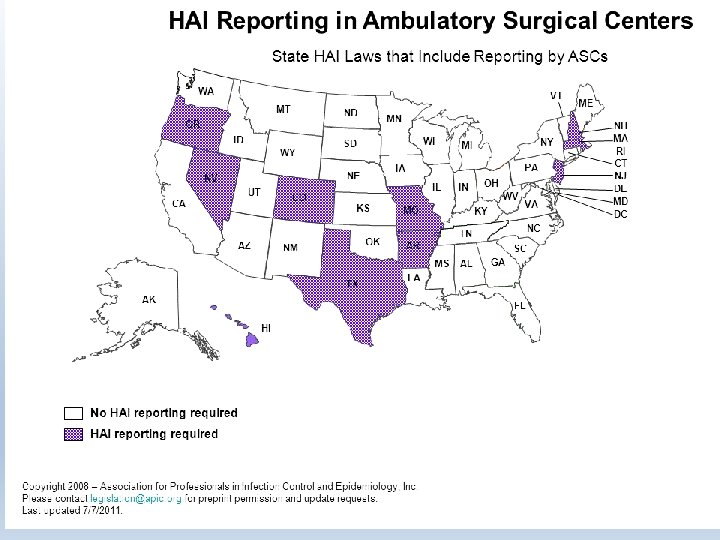
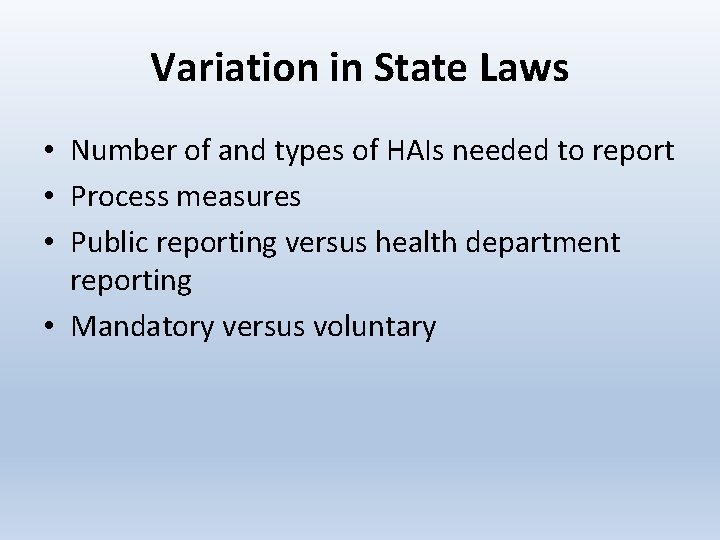
Variation in State Laws • Number of and types of HAIs needed to report • Process measures • Public reporting versus health department reporting • Mandatory versus voluntary
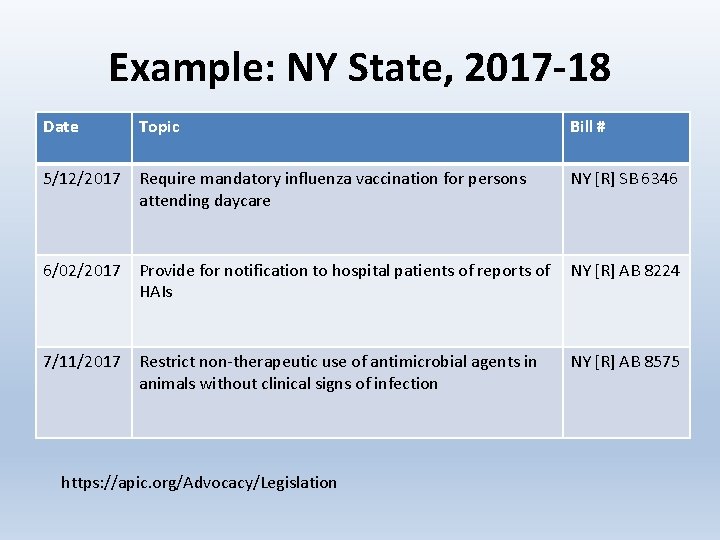
Example: NY State, 2017 -18 Date Topic Bill # 5/12/2017 Require mandatory influenza vaccination for persons attending daycare NY [R] SB 6346 6/02/2017 Provide for notification to hospital patients of reports of HAIs NY [R] AB 8224 7/11/2017 Restrict non-therapeutic use of antimicrobial agents in animals without clinical signs of infection NY [R] AB 8575 https: //apic. org/Advocacy/Legislation
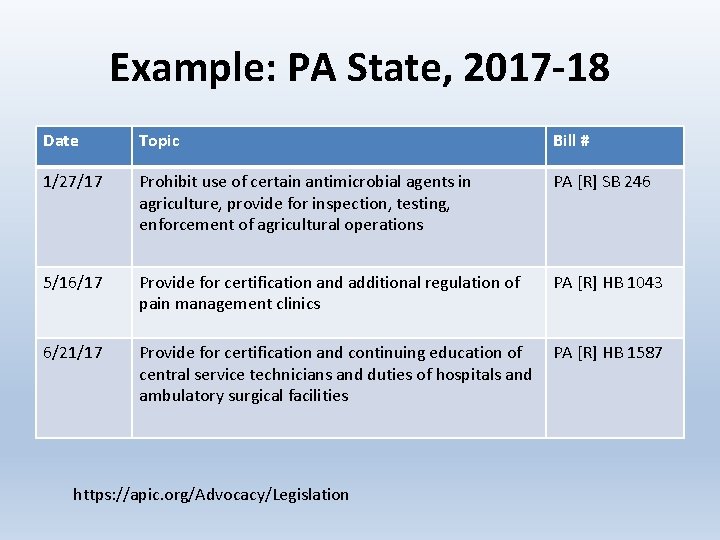
Example: PA State, 2017 -18 Date Topic Bill # 1/27/17 Prohibit use of certain antimicrobial agents in agriculture, provide for inspection, testing, enforcement of agricultural operations PA [R] SB 246 5/16/17 Provide for certification and additional regulation of pain management clinics PA [R] HB 1043 6/21/17 Provide for certification and continuing education of central service technicians and duties of hospitals and ambulatory surgical facilities PA [R] HB 1587 https: //apic. org/Advocacy/Legislation
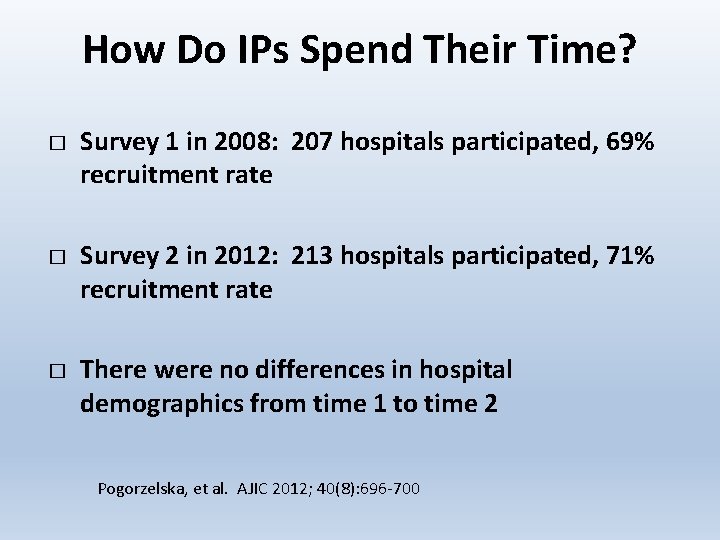
How Do IPs Spend Their Time? � � � Survey 1 in 2008: 207 hospitals participated, 69% recruitment rate Survey 2 in 2012: 213 hospitals participated, 71% recruitment rate There were no differences in hospital demographics from time 1 to time 2 Pogorzelska, et al. AJIC 2012; 40(8): 696 -700
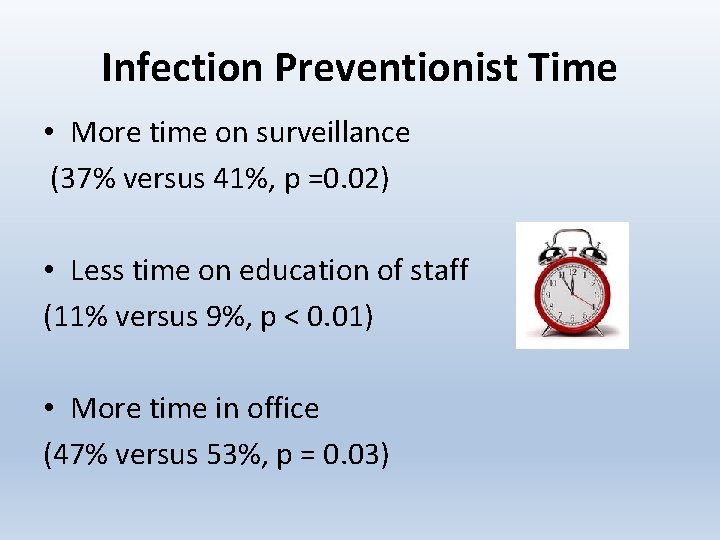
Infection Preventionist Time • More time on surveillance (37% versus 41%, p =0. 02) • Less time on education of staff (11% versus 9%, p < 0. 01) • More time in office (47% versus 53%, p = 0. 03)
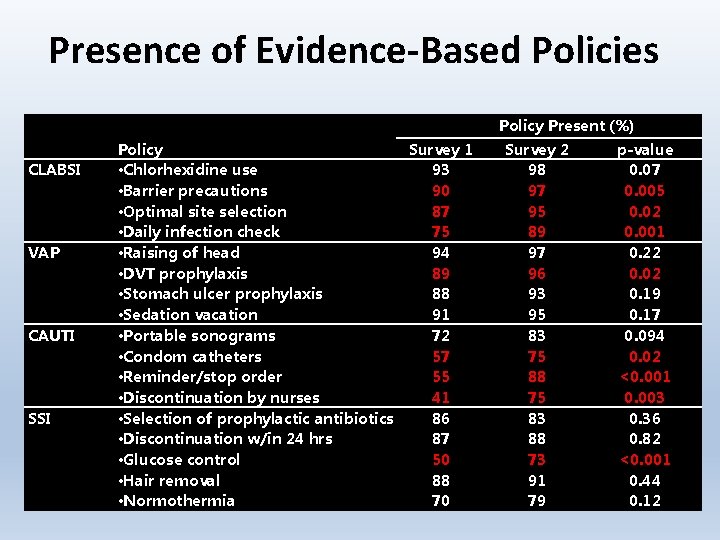
Presence of Evidence-Based Policies Policy Present (%) CLABSI VAP CAUTI SSI Policy Survey 1 • Chlorhexidine use 93 • Barrier precautions 90 • Optimal site selection 87 • Daily infection check 75 • Raising of head 94 • DVT prophylaxis 89 • Stomach ulcer prophylaxis 88 • Sedation vacation 91 • Portable sonograms 72 • Condom catheters 57 • Reminder/stop order 55 • Discontinuation by nurses 41 • Selection of prophylactic antibiotics 86 • Discontinuation w/in 24 hrs 87 • Glucose control 50 • Hair removal 88 • Normothermia 70 Survey 2 98 97 95 89 97 96 93 95 83 75 88 75 83 88 73 91 79 p-value 0. 07 0. 005 0. 02 0. 001 0. 22 0. 02 0. 19 0. 17 0. 094 0. 02 <0. 001 0. 003 0. 36 0. 82 <0. 001 0. 44 0. 12
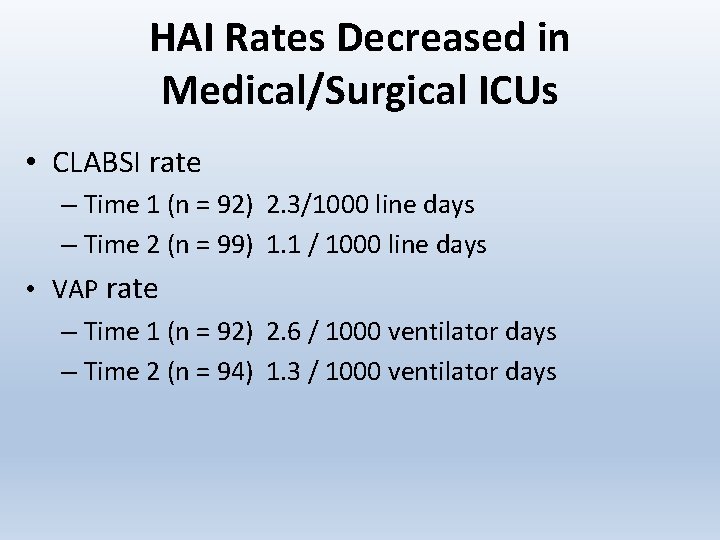
HAI Rates Decreased in Medical/Surgical ICUs • CLABSI rate – Time 1 (n = 92) 2. 3/1000 line days – Time 2 (n = 99) 1. 1 / 1000 line days • VAP rate – Time 1 (n = 92) 2. 6 / 1000 ventilator days – Time 2 (n = 94) 1. 3 / 1000 ventilator days
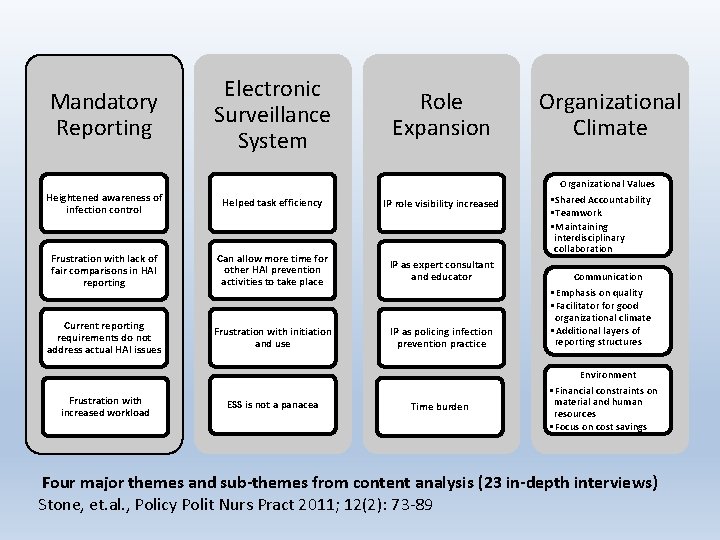
Mandatory Reporting Electronic Surveillance System Role Expansion Heightened awareness of infection control Helped task efficiency IP role visibility increased Frustration with lack of fair comparisons in HAI reporting Can allow more time for other HAI prevention activities to take place IP as expert consultant and educator Current reporting requirements do not address actual HAI issues Frustration with initiation and use IP as policing infection prevention practice Frustration with increased workload ESS is not a panacea Time burden Organizational Climate Organizational Values • Shared Accountability • Teamwork • Maintaining interdisciplinary collaboration Communication • Emphasis on quality • Facilitator for good organizational climate • Additional layers of reporting structures Environment • Financial constraints on material and human resources • Focus on cost savings Four major themes and sub-themes from content analysis (23 in-depth interviews) Stone, et. al. , Policy Polit Nurs Pract 2011; 12(2): 73 -89
Has this changed since 2012?
Social Changes Increased transparency, patient involvement, and care coordination • Patients valued a process of human connectedness • Patient-centered care increases patients' confidence in professionals who are competent and able to make them feel safe and secure. • Wolf, et. al. BMJ Open 2017; Jul 17; 7(7): e 016491.
My Latest Encounter
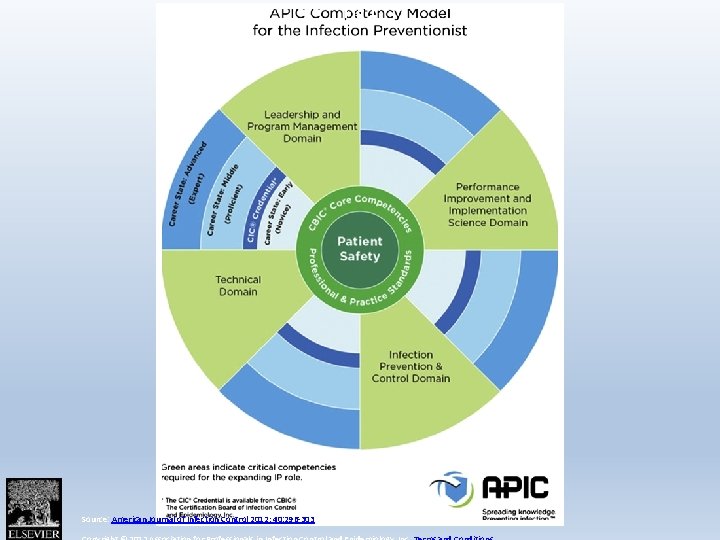
Fig 1 Source: American Journal of Infection Control 2012; 40: 296 -303 (DOI: 10. 1016/j. ajic. 2012. 03. 002 )
Where are we strong?
Where are we challenged?
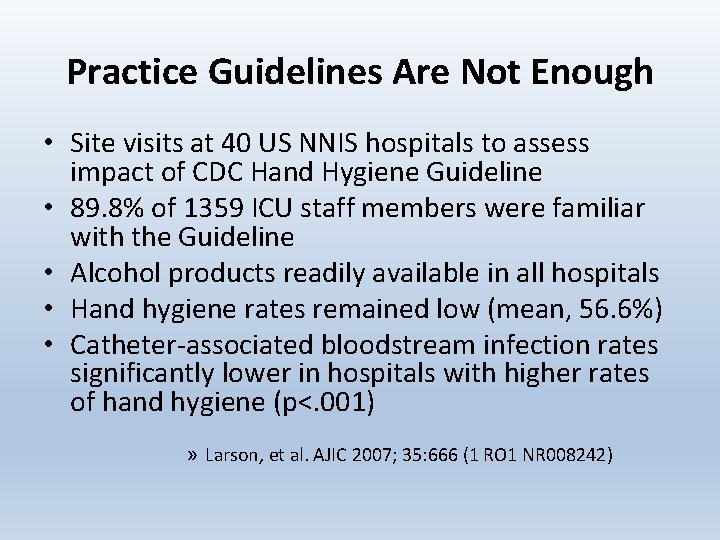
Practice Guidelines Are Not Enough • Site visits at 40 US NNIS hospitals to assess impact of CDC Hand Hygiene Guideline • 89. 8% of 1359 ICU staff members were familiar with the Guideline • Alcohol products readily available in all hospitals • Hand hygiene rates remained low (mean, 56. 6%) • Catheter-associated bloodstream infection rates significantly lower in hospitals with higher rates of hand hygiene (p<. 001) » Larson, et al. AJIC 2007; 35: 666 (1 RO 1 NR 008242)
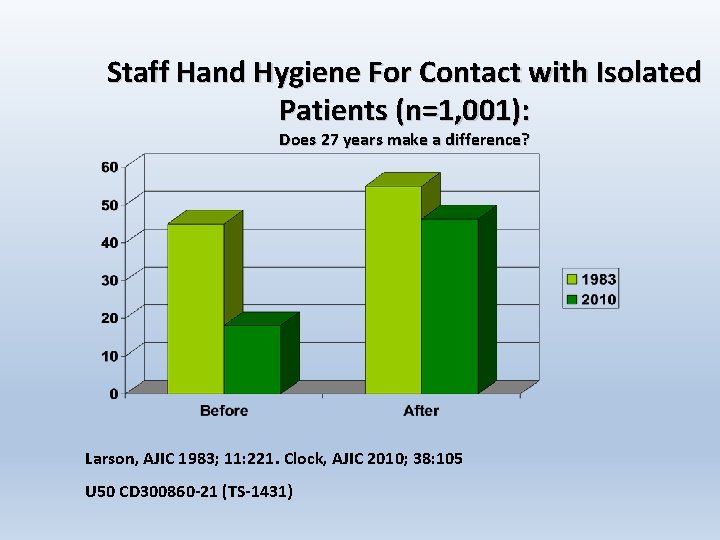
Staff Hand Hygiene For Contact with Isolated Patients (n=1, 001): Does 27 years make a difference? Larson, AJIC 1983; 11: 221. Clock, AJIC 2010; 38: 105 U 50 CD 300860 -21 (TS-1431)
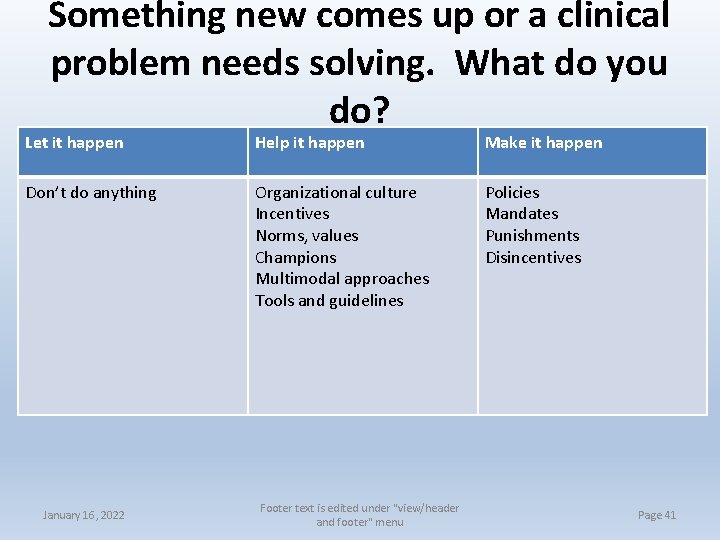
Something new comes up or a clinical problem needs solving. What do you do? Let it happen Help it happen Make it happen Don’t do anything Organizational culture Incentives Norms, values Champions Multimodal approaches Tools and guidelines Policies Mandates Punishments Disincentives January 16, 2022 Footer text is edited under "view/header and footer" menu Page 41
FIRST, You must see what has already been done. One of the most important things for evidence-based practice is to add something new, answer a question, solve a problem
It’s overwhelming…. • >5 million citations in Medline alone • Grows by ~half million/year
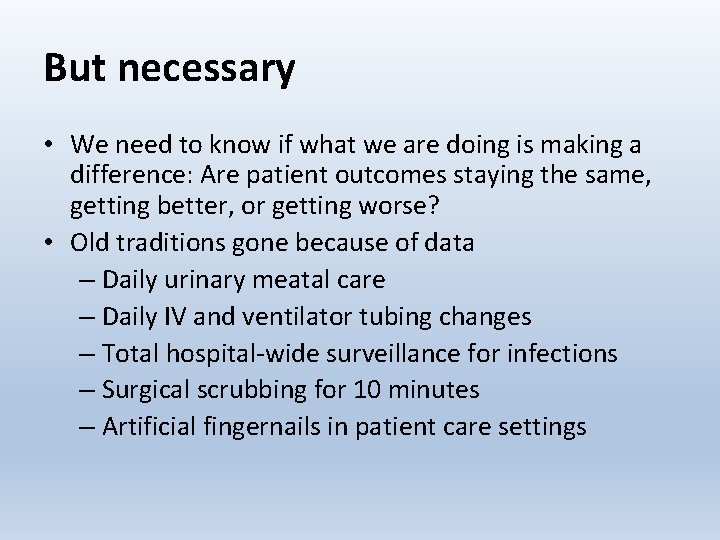
But necessary • We need to know if what we are doing is making a difference: Are patient outcomes staying the same, getting better, or getting worse? • Old traditions gone because of data – Daily urinary meatal care – Daily IV and ventilator tubing changes – Total hospital-wide surveillance for infections – Surgical scrubbing for 10 minutes – Artificial fingernails in patient care settings
Why plan dissemination strategies? • Sharing is a professional responsibility • Too many communications (presentations and publications) are poorly done • If you don’t tell, people won’t know • Therefore, change cannot occur
From Results to Action: Getting the Word Out
The purpose of presenting/publishing is to influence, persuade and convince
Are you getting the word out? • Have you presented/published before? • What are your working on now? • What presentation/publication SHOULD you be working on that you are not? • What is keeping you from it?
First, determine your goals • Audience: Internal, external, administration, practitioners, policy makers • Scope of Influence: Information only, change practice, change policy • Format: verbal, written or both (presentations or publications)
Then, select your medium • Presentations • Publications • Often, several
Questions to Ask • What do I have to say? (“So What” test) • Is the paper worth writing? • Has such a paper already been written? • What is the right format for my message? • Who is the audience? (“Who Cares” test) • What is the right journal for the paper?
What do editors look for? § Research that is going to change thinking § Interest to a wide audience § Ethically sound § Robust methods § Reported fully
Criteria for Manuscript Review • • • Appropriateness Originality Importance Documentation of conclusions Presentation of data Adequacy of references
Major Reasons for Rejection • • • Poorly written Content inaccurate Content undocumented Flawed research design Low relevance or importance
• • Helpful Don’ts: How to Get Your Paper Rejected Don’t follow author’s guidelines Don’t explain why the study is important Don’t be concise or make a logical argument Don’t say anything new, just repeat what is already known
Helpful Do’s to Maximize Chance of Publication • Do assure that the importance beyond a single setting is clear • Do make it short and sweet; no rambling or wandering • Do address the cover letter or email to the correct journal
The Five “C’s” • • • Coherence Clarity Consistency Conciseness Conviction Goldrick BA, et al. AJIC 1999; 27: 35 -46
We cannot be ‘simplistic’ • Example: Focus on hand hygiene as the answer! • “. . even though. . hands are substantially cleaner, the benefit. . is uncertain” • “Our focus on building better hand hygiene programs has misled us into believing we are doing something about a problem that remains intractable. ”
But we need to be simple… No patient should be harmed by an HAI Targeting zero infections is a laudable goal Infection prevention must be an organizational goal Chief executives must deliver clear expectations, set goals and provide necessary resources • Everyone is responsible • • – Alvarado, APIC, 2007
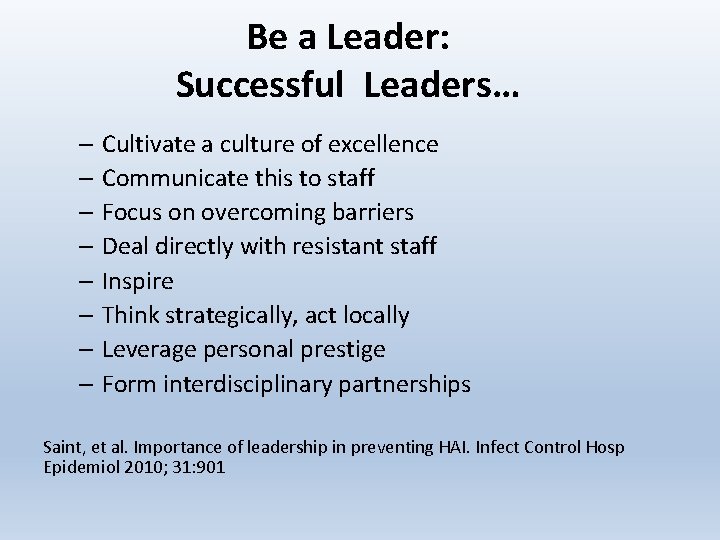
Be a Leader: Successful Leaders… – Cultivate a culture of excellence – Communicate this to staff – Focus on overcoming barriers – Deal directly with resistant staff – Inspire – Think strategically, act locally – Leverage personal prestige – Form interdisciplinary partnerships Saint, et al. Importance of leadership in preventing HAI. Infect Control Hosp Epidemiol 2010; 31: 901
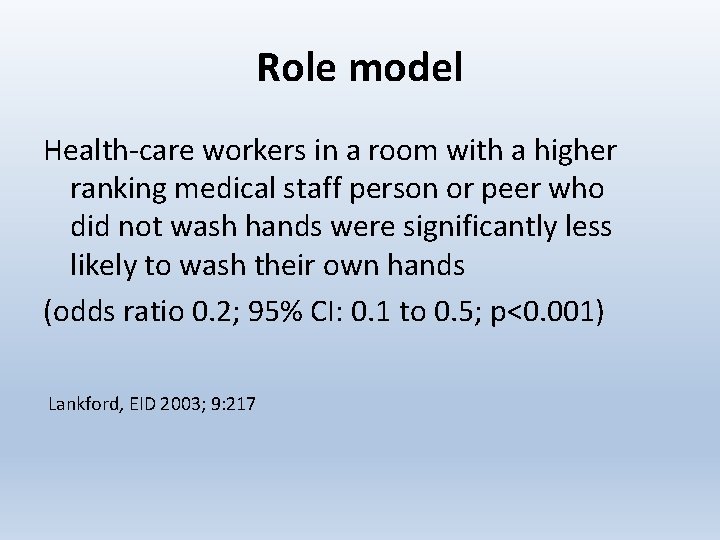
Role model Health-care workers in a room with a higher ranking medical staff person or peer who did not wash hands were significantly less likely to wash their own hands (odds ratio 0. 2; 95% CI: 0. 1 to 0. 5; p<0. 001) Lankford, EID 2003; 9: 217
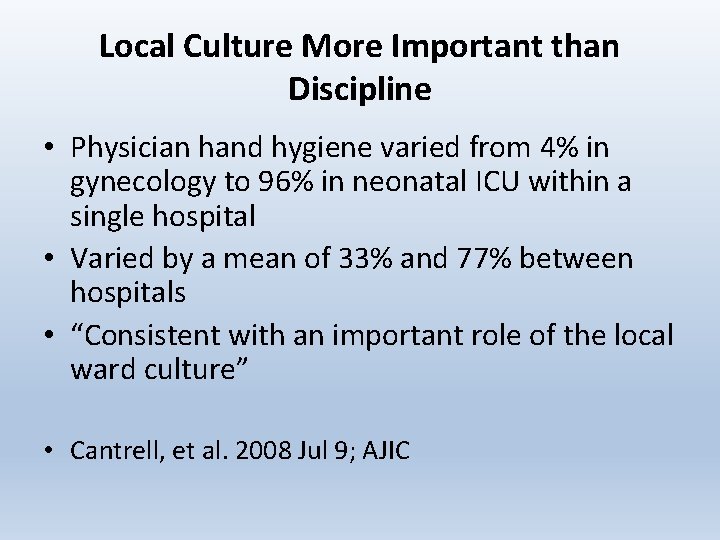
Local Culture More Important than Discipline • Physician hand hygiene varied from 4% in gynecology to 96% in neonatal ICU within a single hospital • Varied by a mean of 33% and 77% between hospitals • “Consistent with an important role of the local ward culture” • Cantrell, et al. 2008 Jul 9; AJIC
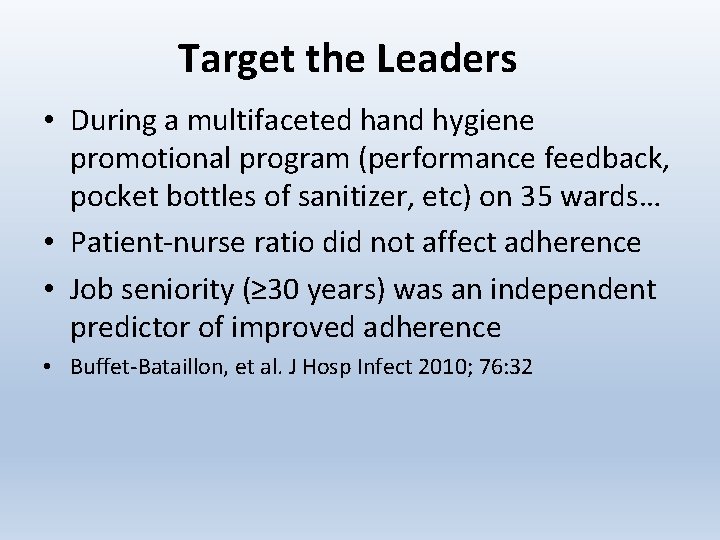
Target the Leaders • During a multifaceted hand hygiene promotional program (performance feedback, pocket bottles of sanitizer, etc) on 35 wards… • Patient-nurse ratio did not affect adherence • Job seniority (≥ 30 years) was an independent predictor of improved adherence • Buffet-Bataillon, et al. J Hosp Infect 2010; 76: 32
Target the Message • Four MD focus groups to understand determinants of hand hygiene • Three with MDs with various levels of training in anesthesiology, surgery, emergency/critical care; one with internal medicine residents
Themes • Overestimate their knowledge but are skeptical of expert recommendations • Concerned about patient perceptions • Emphasize the role of funding to improve hand hygiene • Medical hierarchy is critical in their behavior Jang, et al. J Hosp Infect 2010; 76: 87
So, where are we? What next? • Behavioral and systems interventions—make it easier to do the right thing and difficult to do it wrong • More flexible and efficient methods for evidence-based practice: comparative effectiveness projects, practice-based evidence, modeling and simulation • Dissemination and implementation!
Common Elements for Success • • • Clearly articulated purpose Strong leadership Contributions by all partners Visible work products and outcomes Minimal waste of time and resources
“The time has come for the infection control community to move on…we must reacquaint ourselves with that lonely feeling familiar to clinicians when they realize a case is much more difficult than it appeared…we should embrace the intellectual audacity of our beloved Semmelweis but let go of his how-to manual. ” Sepkowitz KA. Lancet ID 2012; 12: 96 -7.
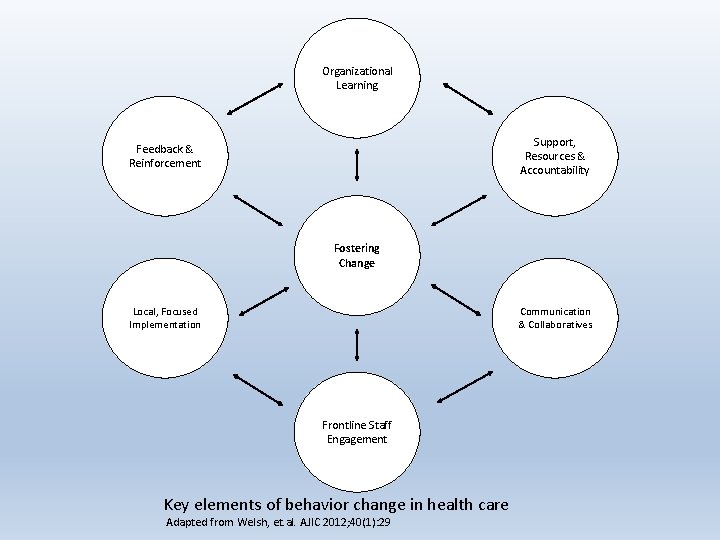
Organizational Learning Support, Resources & Accountability Feedback & Reinforcement Fostering Change Local, Focused Implementation Communication & Collaboratives Frontline Staff Engagement Key elements of behavior change in health care Adapted from Welsh, et. al. AJIC 2012; 40(1): 29
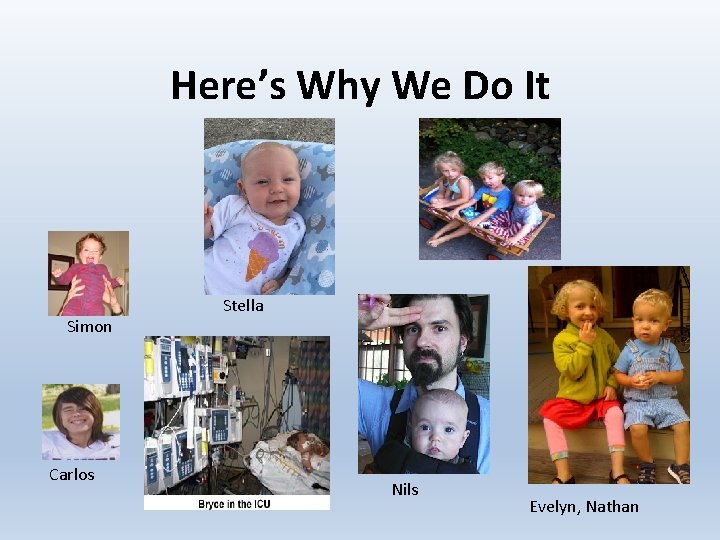
Here’s Why We Do It Simon Carlos Stella Nils Evelyn, Nathan