
from idea to publication Logical thinking in Prof
from idea to publication Logical thinking in Prof. dr. sc. Mladen Petrovečki scientifc work and most frequent errors. Study Ph. D. Postgraduate Zagreb University School of Medicine 2007/08
1. Typing error Logical thinking in scientific work and most frequent errors from idea to publication Prof. dr. sc. Mladen Petrovečki Ph. D. Postgraduate Study Zagreb University School of Medicine 2007/08
2. Logic, reasoning www. glasbergen. com/
Logic of scientific work 1. rules of logic and logic itself as a way of valid thinking is more expressed in science and philosophy compared to other human activities… 2. science is recognized by utilizing empirical methods and therefore logic is prerequisite in scientific methodology. . . Mirko Jakić. Logika. Školska knjiga, Zagreb 2003.
Logic of scientific work 3. use of is logic evident in using logical reasoning, by using terms such as rules, conclusions, definitions, distributions, proves, etc. 4. logic – how our thinking is valid in our mission to find the truth…
Logic of “scientific” work
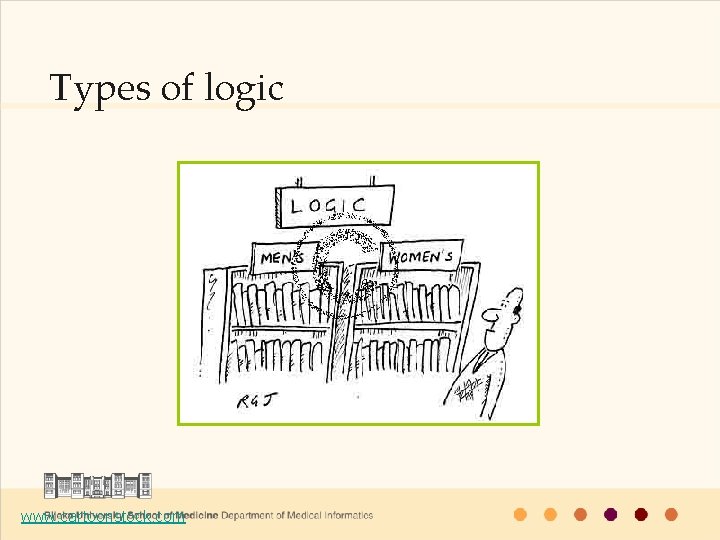
Types of logic www. cartoonstock. com
3. Unscientific procedures • diligence (habit, attitude, manner, believe, momentum) • authority • intuition
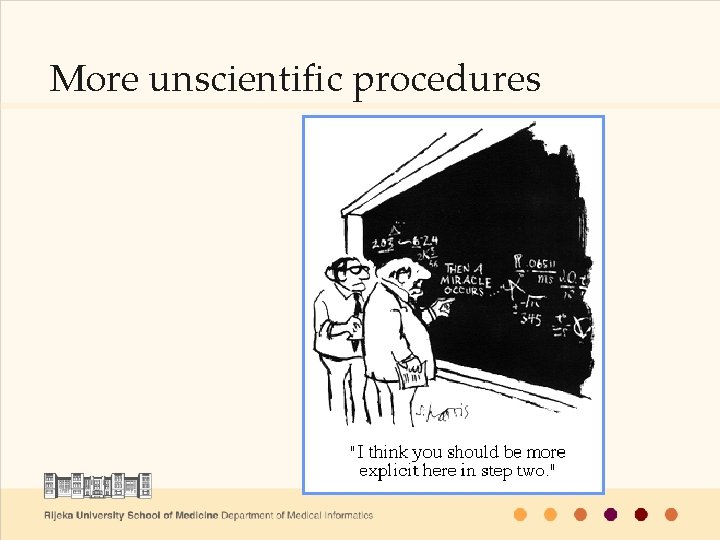
More unscientific procedures
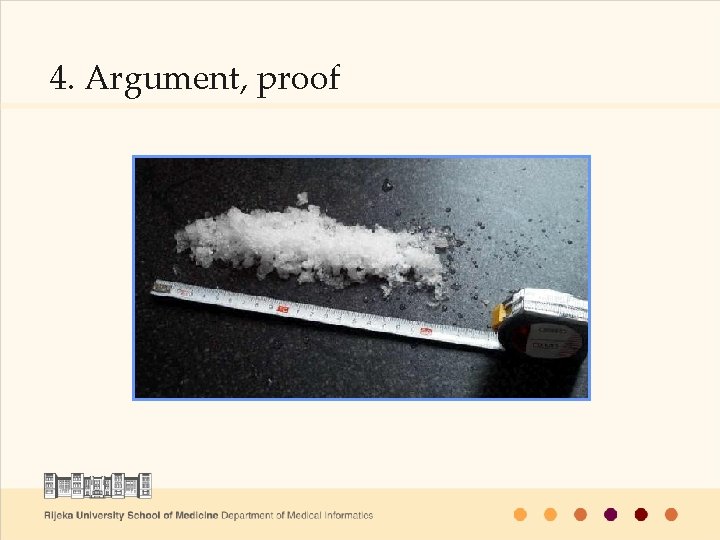
4. Argument, proof
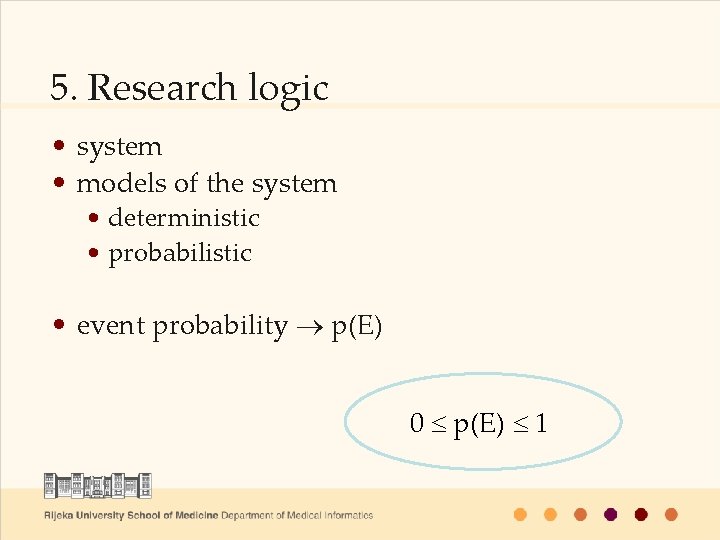
5. Research logic • system • models of the system • deterministic • probabilistic • event probability p(E) 0 p(E) 1
6. Probability Machiavelli za početnike. Jesenki & Turk, Zagreb
Probability, a term • mathematical calculation that something, event, will occur • mathematic probability theory • statistics • mathematics • scientific methodology • logic, philosophy • reasoning about event feasibleness
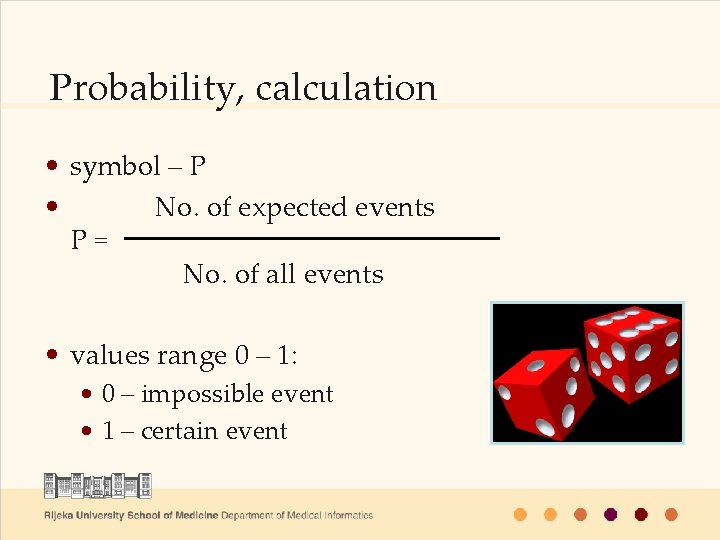
Probability, calculation • symbol – P • No. of expected events P= No. of all events • values range 0 – 1: • 0 – impossible event • 1 – certain event
Probability vs. fortune
Probability vs. fortune II www. cartoonstock. com
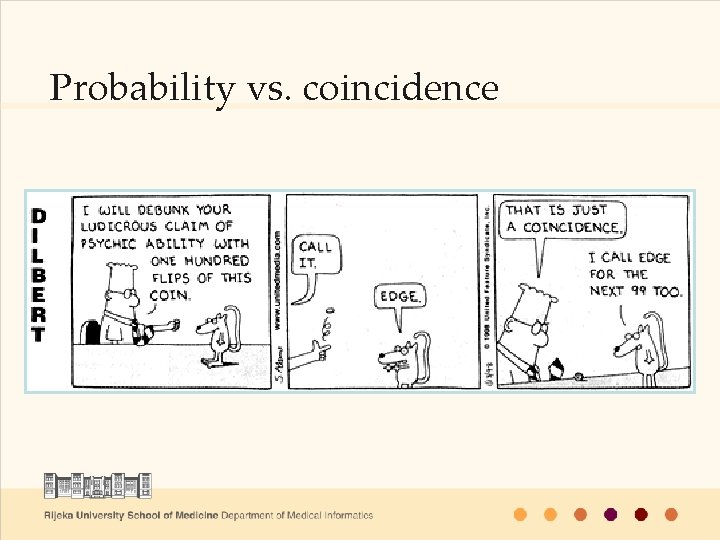
Probability vs. coincidence
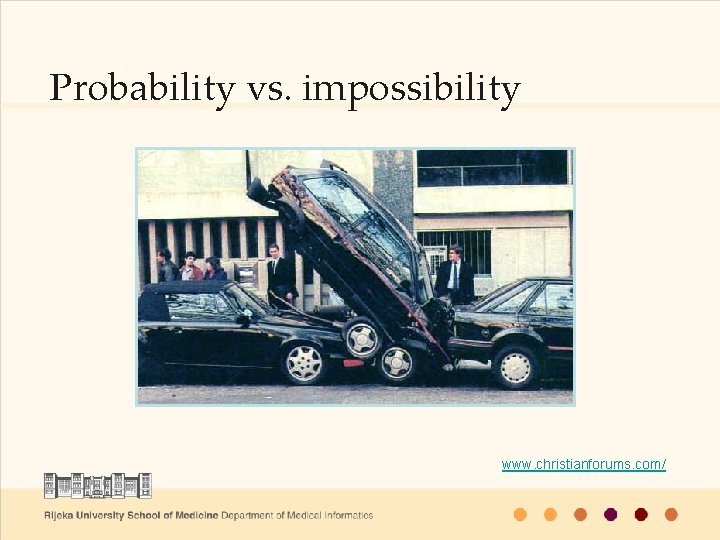
Probability vs. impossibility www. christianforums. com/
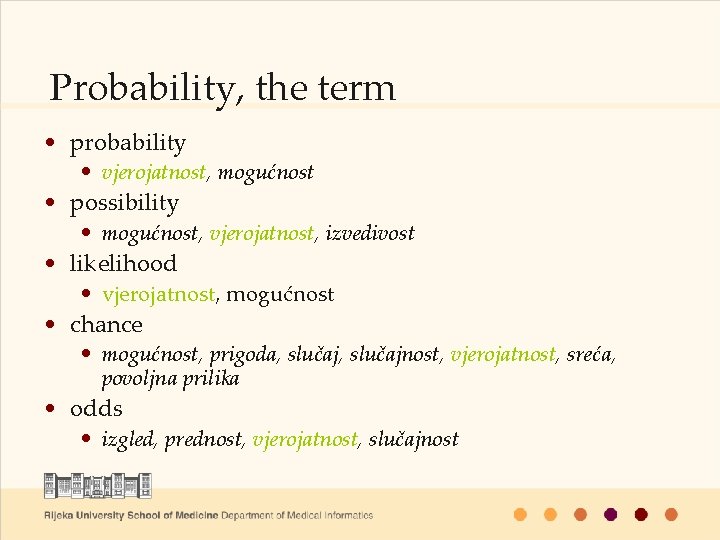
Probability, the term • probability • vjerojatnost, mogućnost • possibility • mogućnost, vjerojatnost, izvedivost • likelihood • vjerojatnost, mogućnost • chance • mogućnost, prigoda, slučajnost, vjerojatnost, sreća, povoljna prilika • odds • izgled, prednost, vjerojatnost, slučajnost
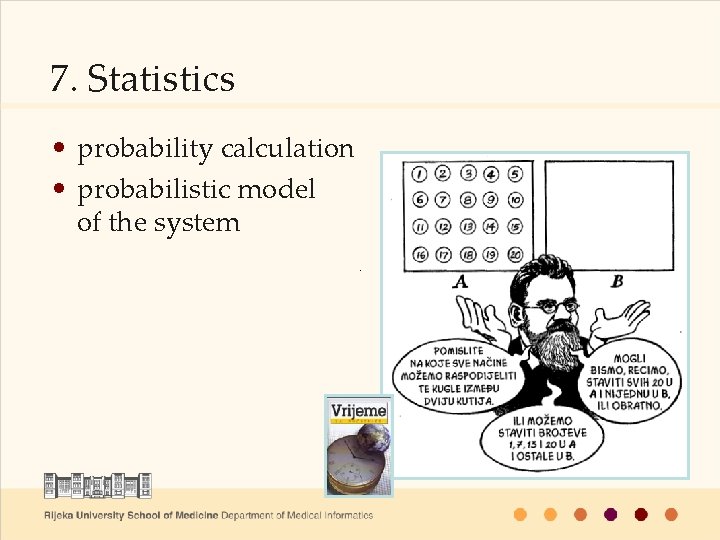
7. Statistics • probability calculation • probabilistic model of the system
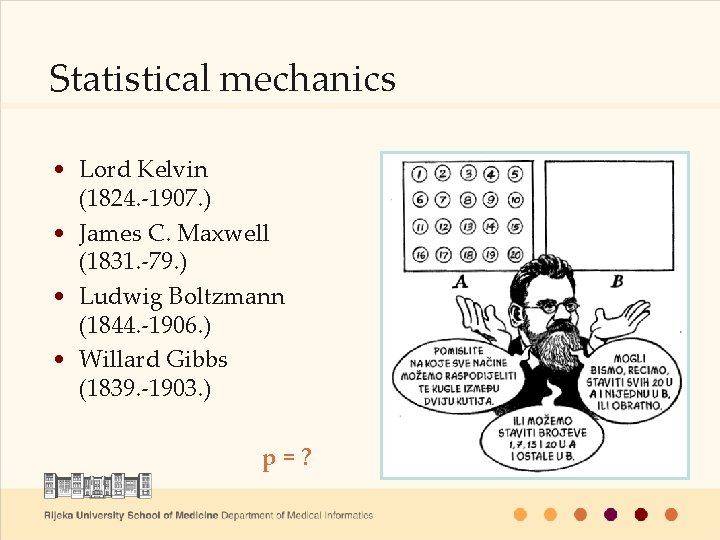
Statistical mechanics • Lord Kelvin (1824. -1907. ) • James C. Maxwell (1831. -79. ) • Ludwig Boltzmann (1844. -1906. ) • Willard Gibbs (1839. -1903. ) p=?
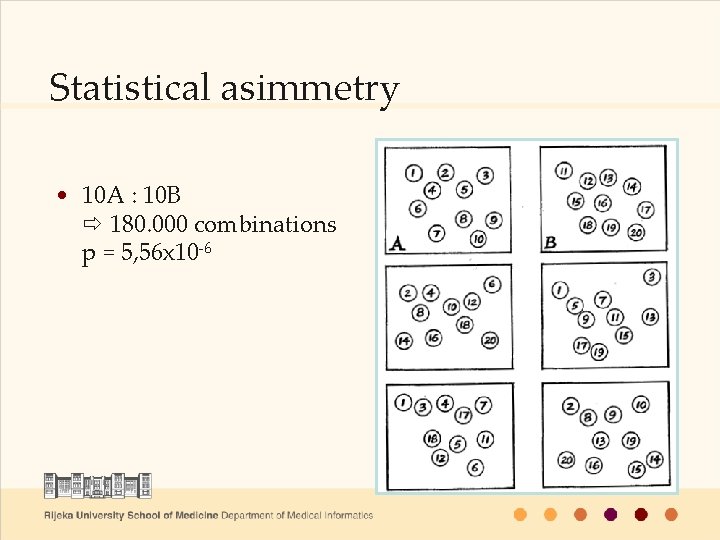
Statistical asimmetry • 10 A : 10 B 180. 000 combinations p = 5, 56 x 10 -6
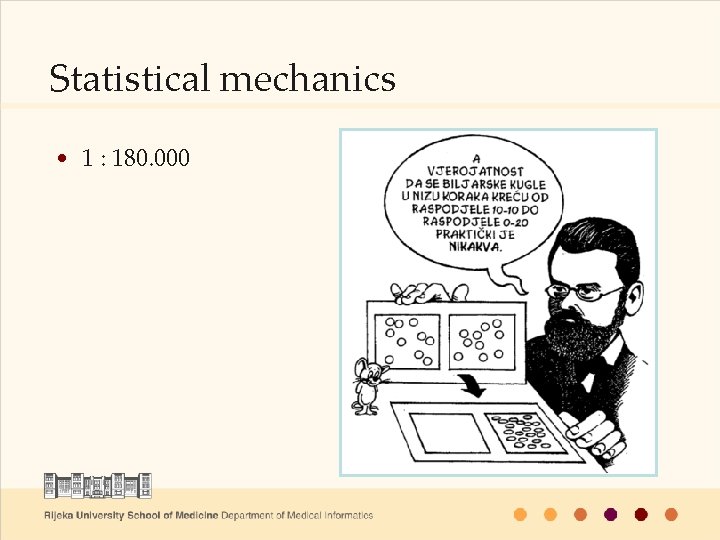
Statistical mechanics • 1 : 180. 000
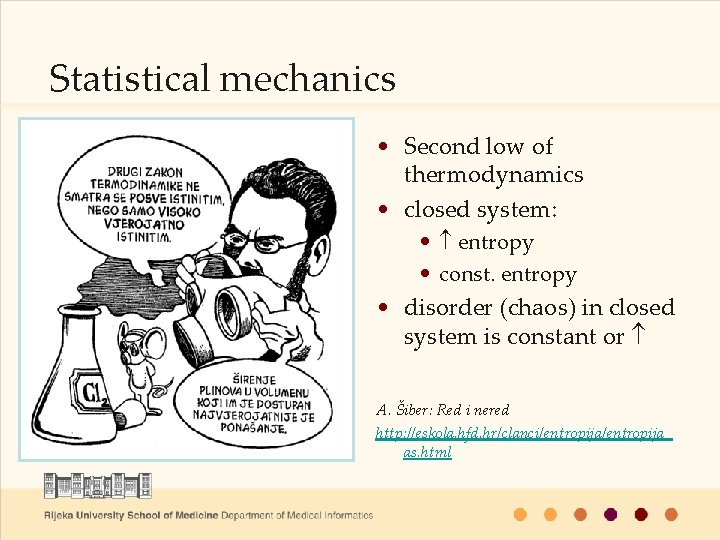
Statistical mechanics • Second low of thermodynamics • closed system: • entropy • const. entropy • disorder (chaos) in closed system is constant or A. Šiber: Red i nered http: //eskola. hfd. hr/clanci/entropija_ as. html
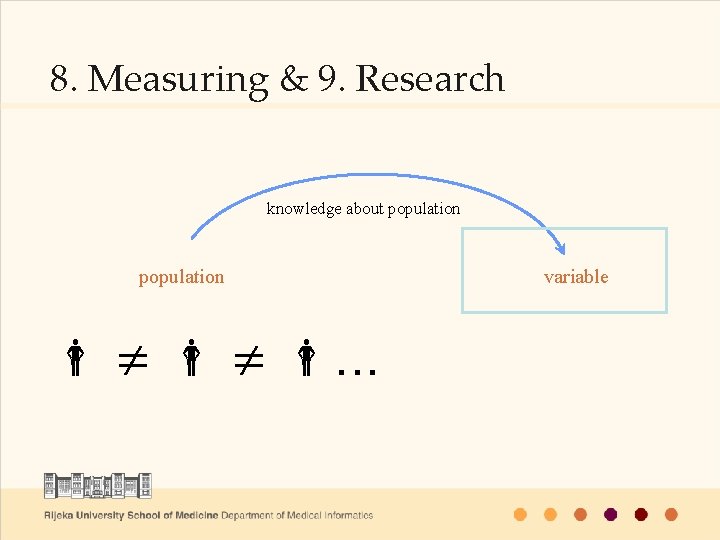
8. Measuring & 9. Research knowledge about population . . . variable
10. Variable • all variables in research • as many of them • the end of research • simple complex (data) • accuracy (numbers) • measuring scales
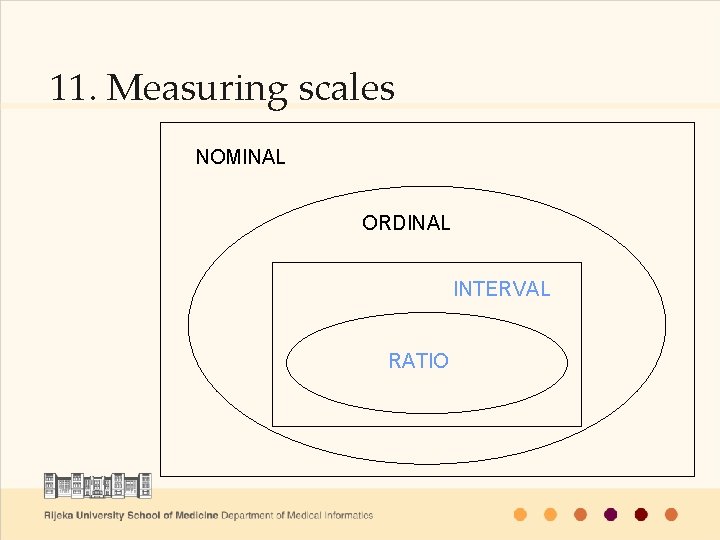
11. Measuring scales NOMINAL ORDINAL INTERVAL RATIO
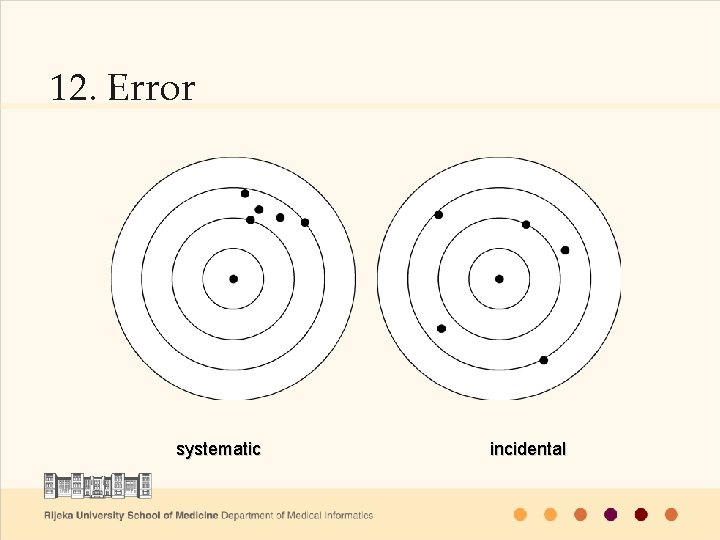
12. Error systematic incidental
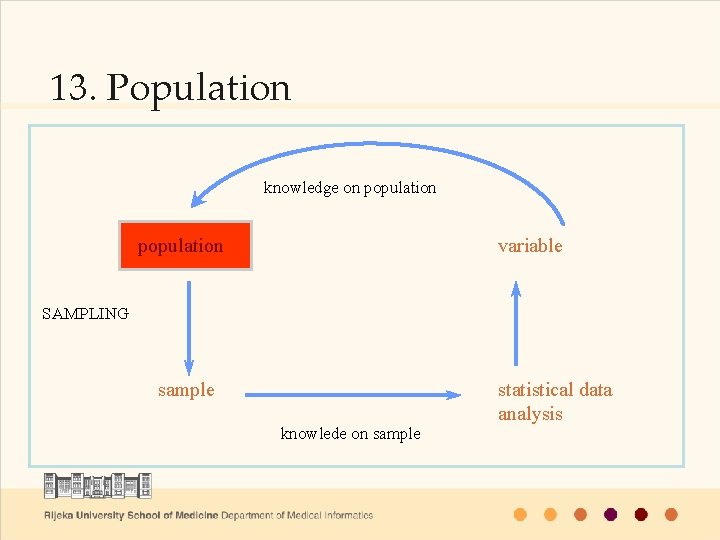
13. Population knowledge on population variable SAMPLING sample knowlede on sample statistical data analysis
14. Sample • part of population • what? who? • when? • where? • size
Sample • representative • able to be measured • probabilistic • simple • system • stratified • cluster
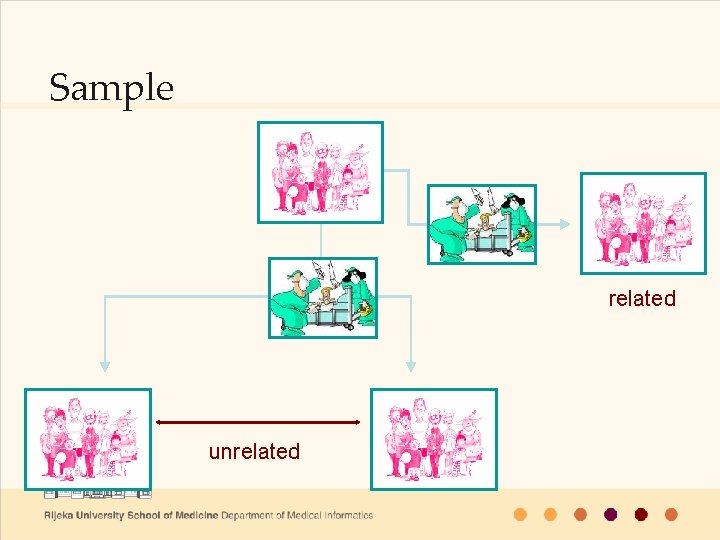
Sample related unrelated
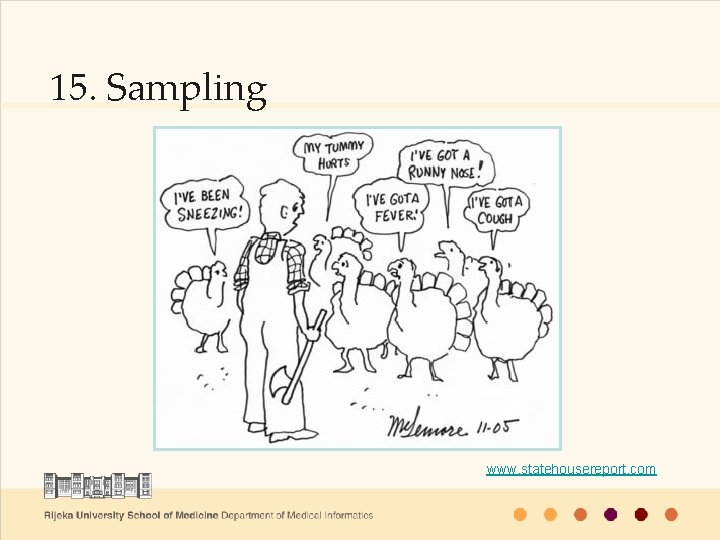
15. Sampling www. statehousereport. com
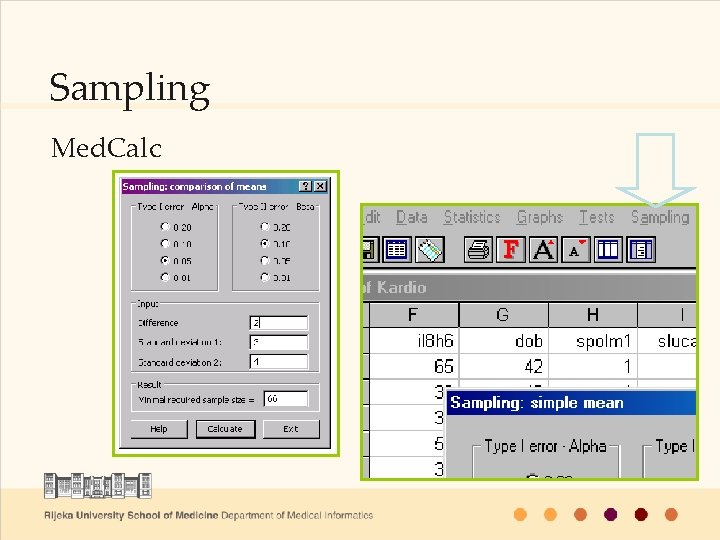
Sampling Med. Calc
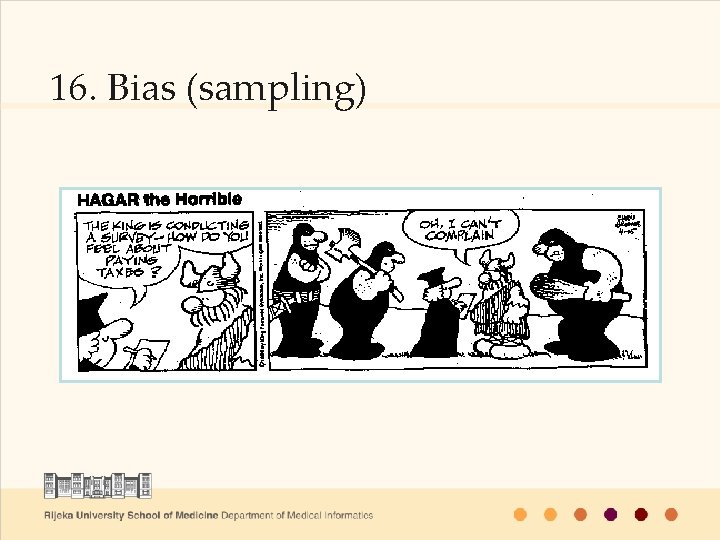
16. Bias (sampling)
Bias (sampling) • Bias – systemic sampling error • • prevalence bias (Neyman) admittance rate bias (Berkson) answering rate bias etc.
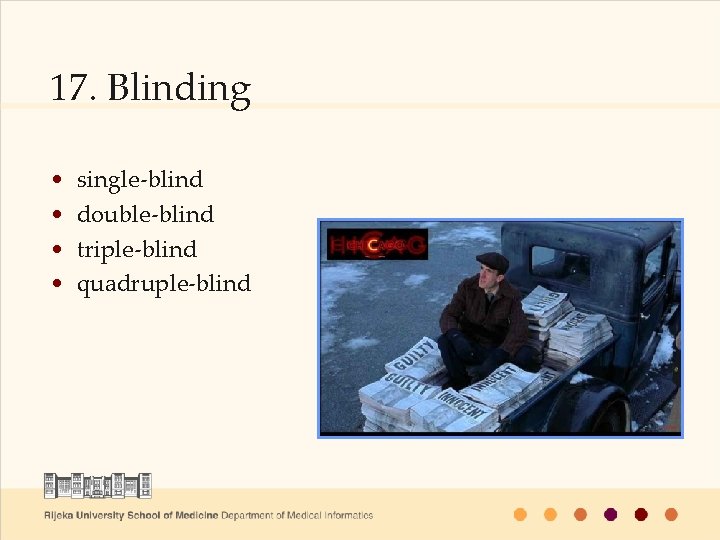
17. Blinding • • single-blind double-blind triple-blind quadruple-blind
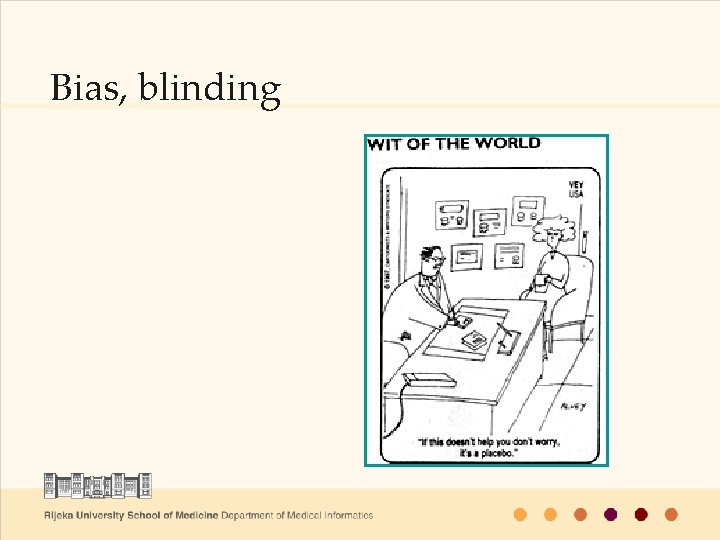
Bias, blinding
18. Control • must have • to be compared with experimental group • Hawthorn effect • research with no control group • subject changes behavior with a knowledge that is a part of experiment • subject feels better with knowledge to be a part of experiment
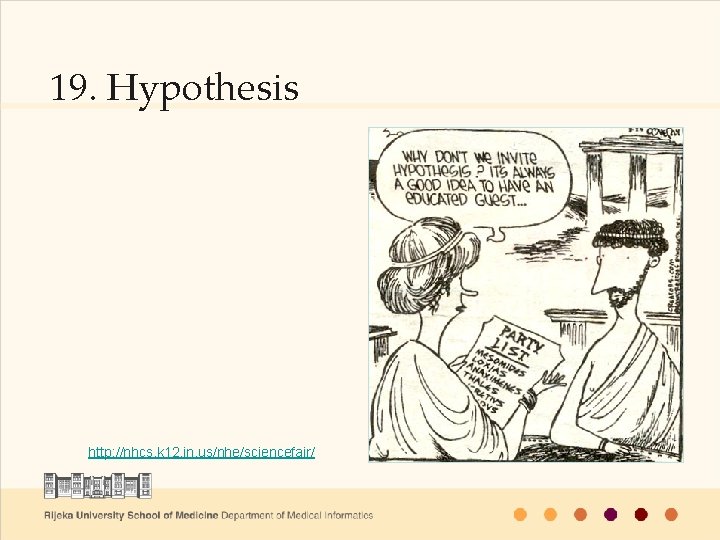
19. Hypothesis http: //nhcs. k 12. in. us/nhe/sciencefair/
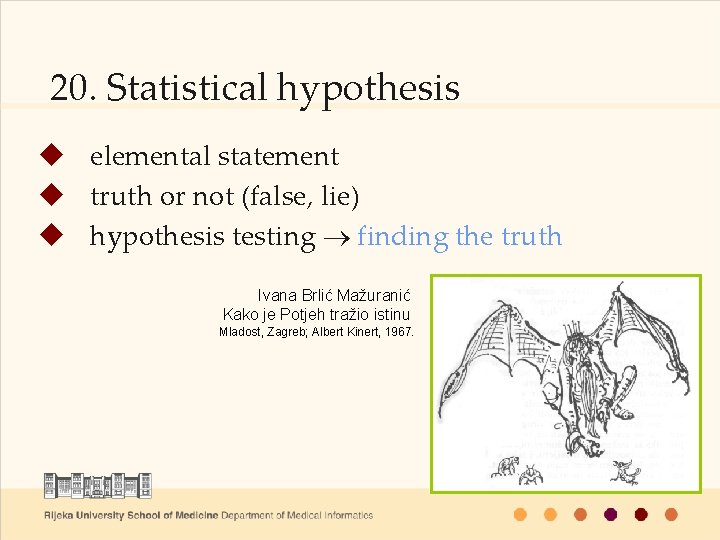
20. Statistical hypothesis u elemental statement u truth or not (false, lie) u hypothesis testing finding the truth Ivana Brlić Mažuranić Kako je Potjeh tražio istinu Mladost, Zagreb; Albert Kinert, 1967.
Statistical hypothesis u truth real object state probabilistic system: truth probability u significant any occasion other that accidentally: probability level of significance
21. Null-hypothesis No difference
22. Testing the hypothesis A. B. C. D. E. null-hypothesis statistical test level of significance statistics calculation conclusion
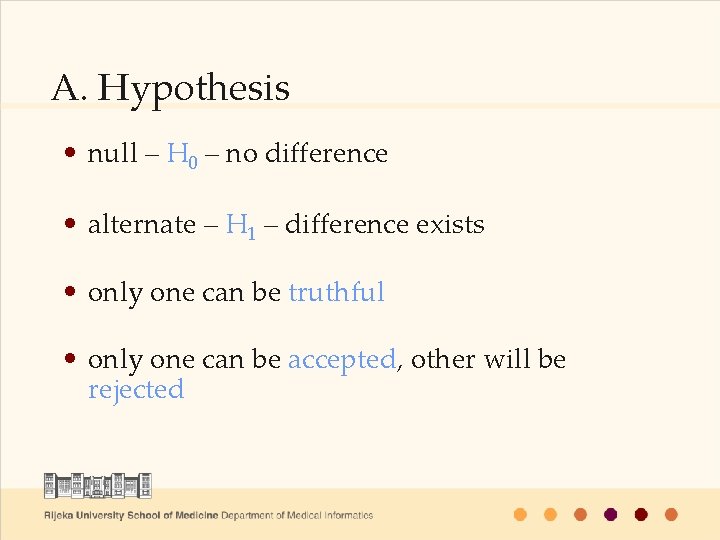
A. Hypothesis • null – H 0 – no difference • alternate – H 1 – difference exists • only one can be truthful • only one can be accepted, other will be rejected
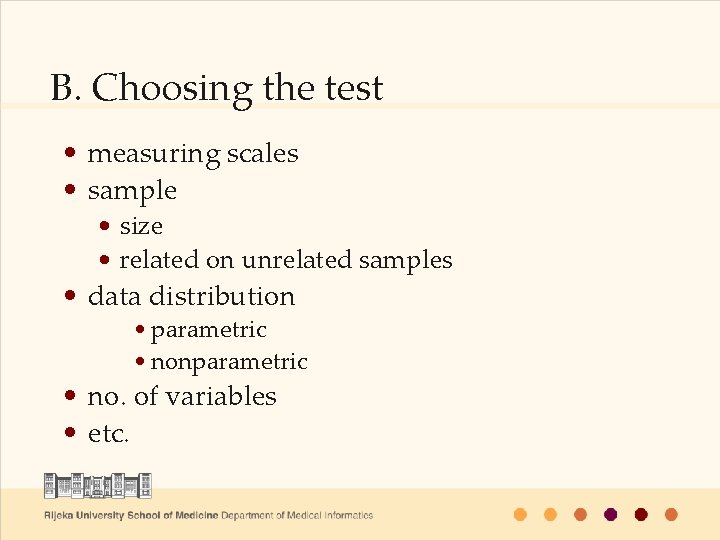
B. Choosing the test • measuring scales • sample • size • related on unrelated samples • data distribution • parametric • nonparametric • no. of variables • etc.
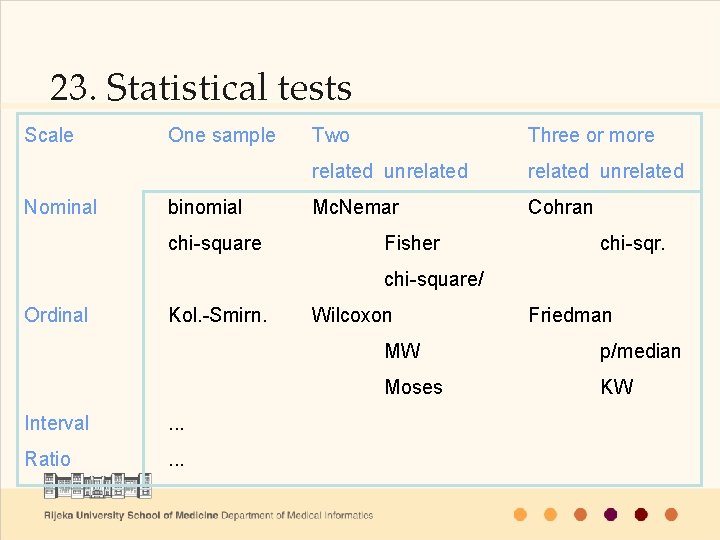
23. Statistical tests Scale Nominal One sample binomial chi-square Two Three or more related unrelated Mc. Nemar Cohran Fisher chi-sqr. chi-square/ Ordinal Kol. -Smirn. Interval . . . Ratio . . . Wilcoxon Friedman MW p/median Moses KW
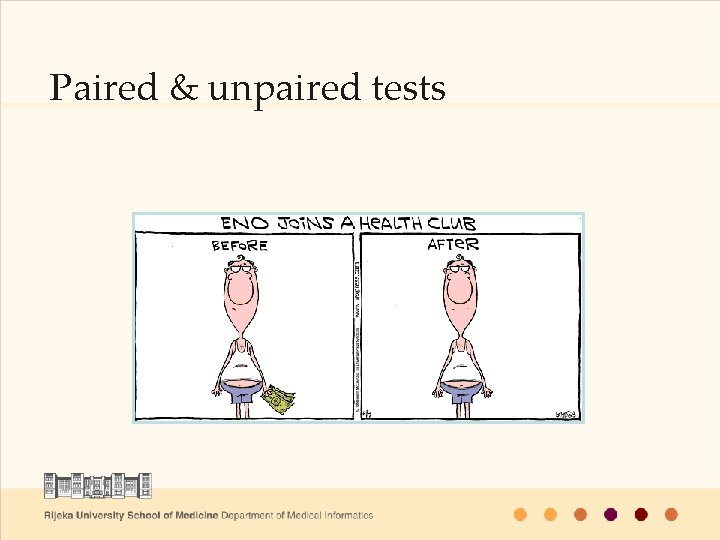
Paired & unpaired tests
C. Level of significance • P Ø a if defined before statistics Ø a – probability of rejecting H 0 when H 0 = is truth • a-error (type I error or false positive error) • as less as possible • default values, e. g. P<0, 05
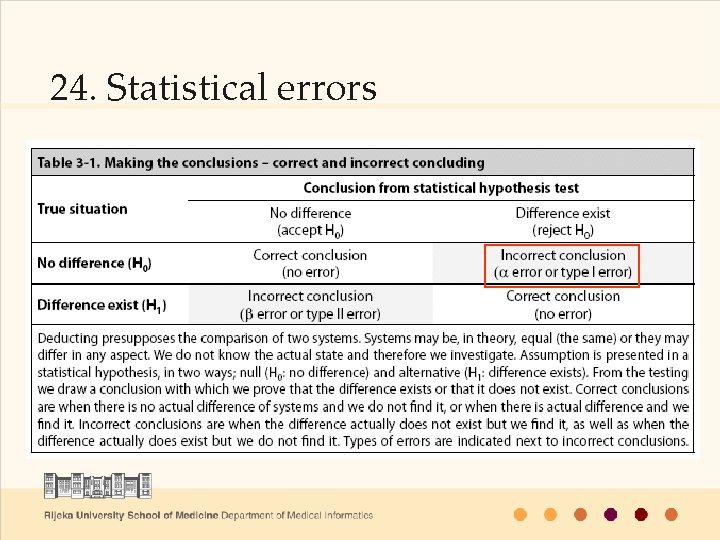
24. Statistical errors
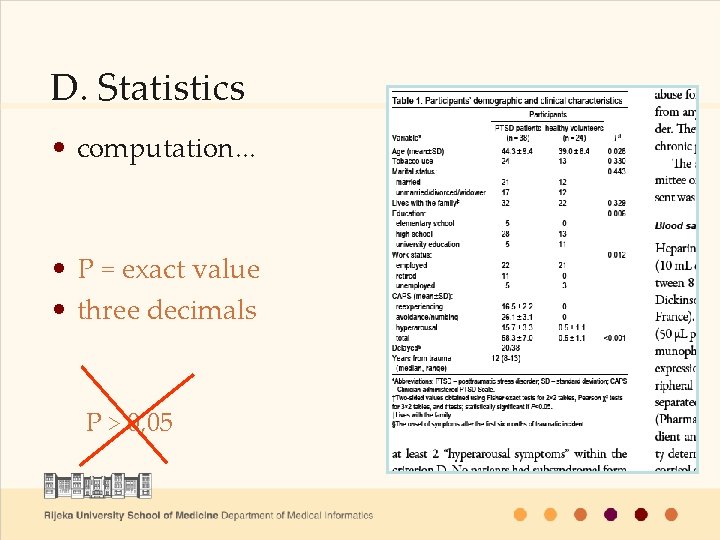
D. Statistics • computation. . . • P = exact value • three decimals P > 0, 05
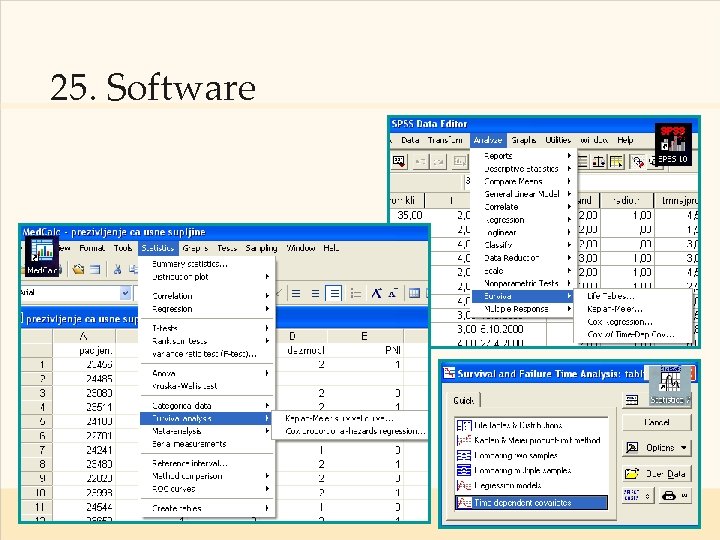
25. Software
26. Concluding (E) • low P low possibility to reject the truth • conclusion: • P<a • low probability that H 0 is true • reject (not accept) null hypothesis • accept alternate hypothesis • statement “. . . ” is truth with P =. . .
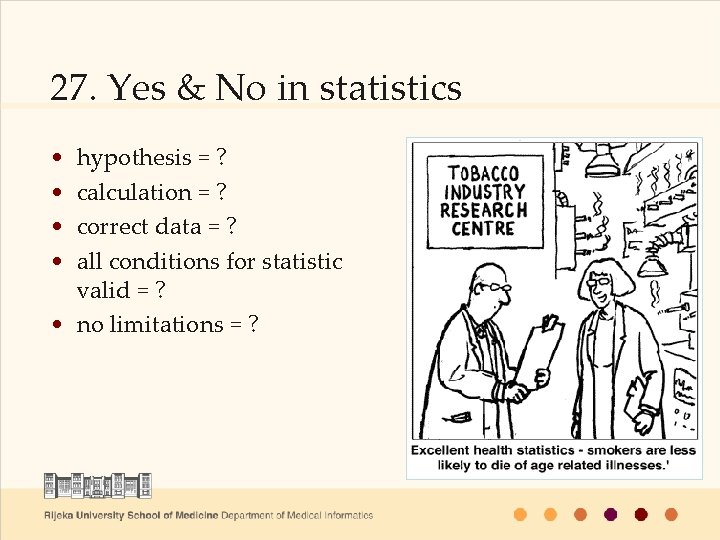
27. Yes & No in statistics • • hypothesis = ? calculation = ? correct data = ? all conditions for statistic valid = ? • no limitations = ?
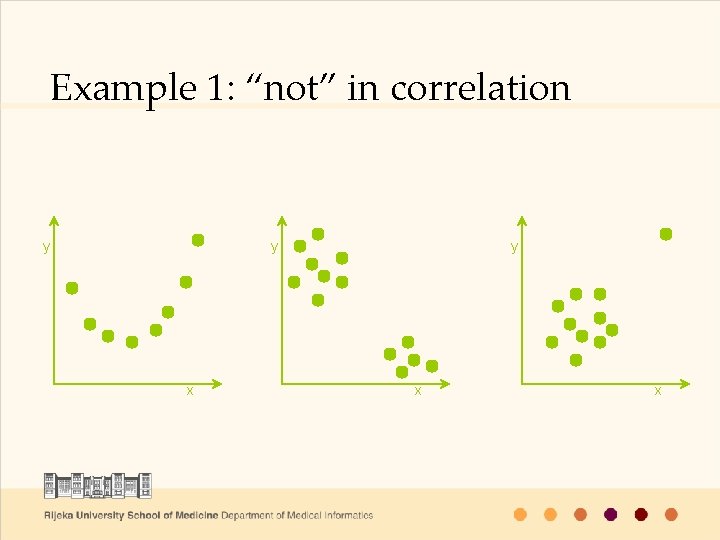
Example 1: “not” in correlation y y x x
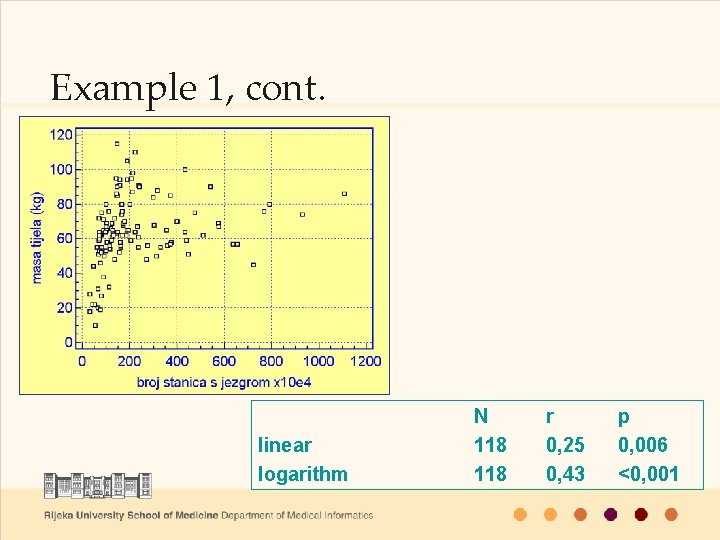
Example 1, cont. linear logarithm N 118 r 0, 25 0, 43 p 0, 006 <0, 001
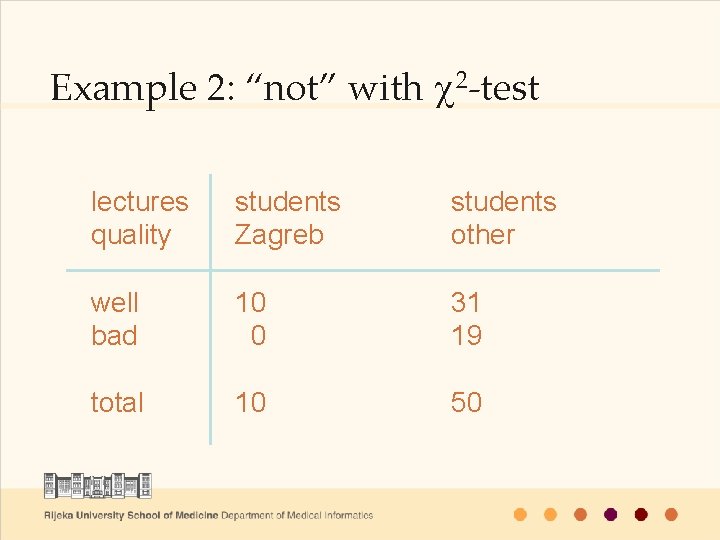
Example 2: “not” with c 2 -test lectures quality students Zagreb students other well bad 10 0 31 19 total 10 50
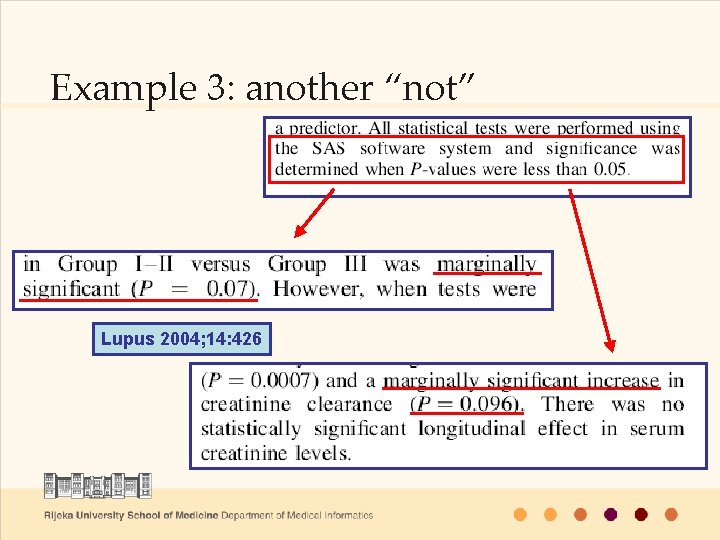
Example 3: another “not” Lupus 2004; 14: 426
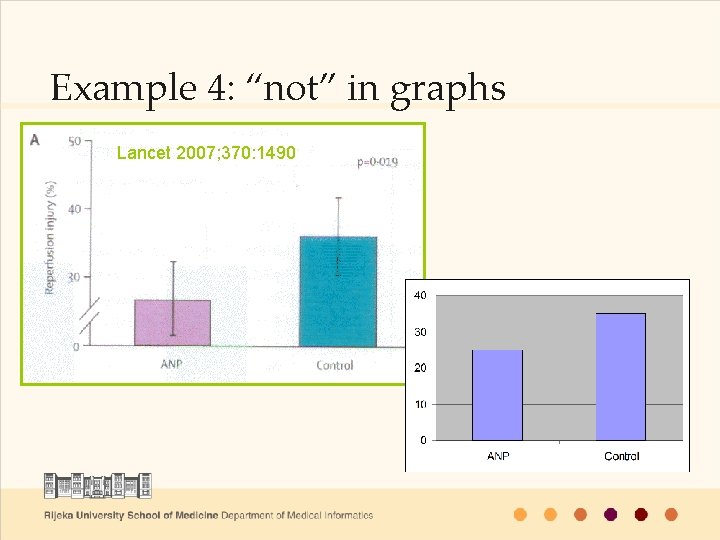
Example 4: “not” in graphs Lancet 2007; 370: 1490 ne valja / valja
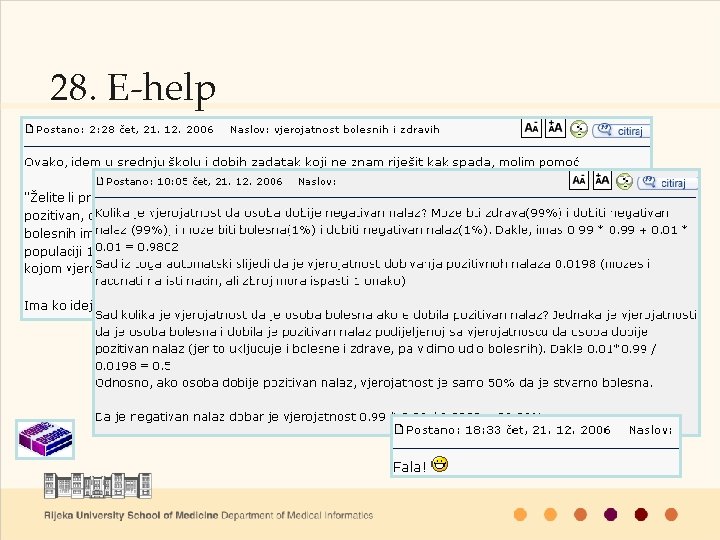
28. E-help
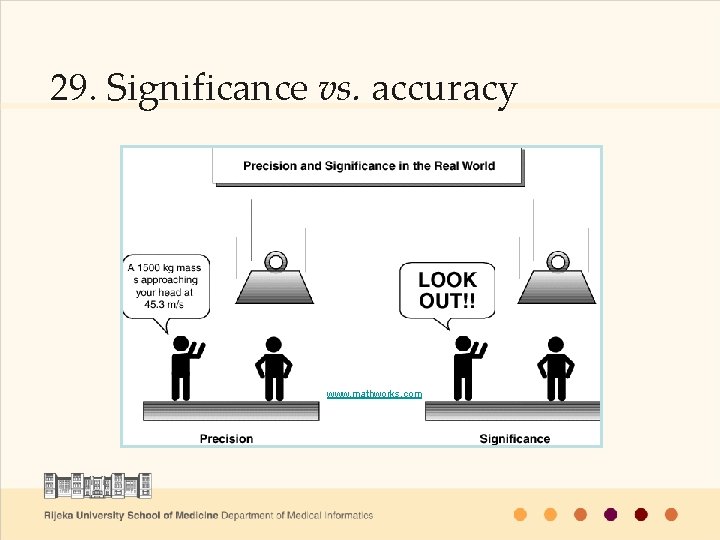
29. Significance vs. accuracy www. mathworks. com
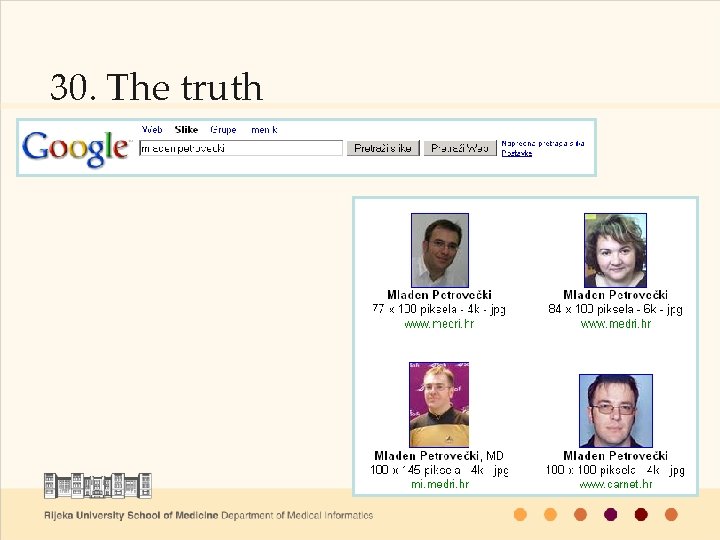
30. The truth
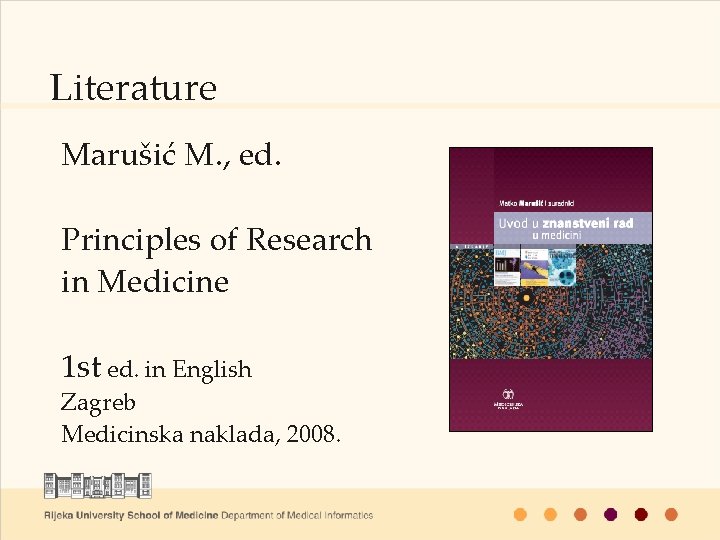
Literature Marušić M. , ed. Principles of Research in Medicine 1 st ed. in English Zagreb Medicinska naklada, 2008.
Prof. dr. Mladen Petrovečki Katedra za medicinsku informatiku Medicinski fakultet Sveučilišta u Rijeci http: //mi. medri. hr Odjel za imunološke pretrage Klinički zavod za laboratorijsku dijagnostiku Klinička bolnica “Dubrava”, Zagreb www. kbd. hr/lab mp@kbd. hr
- Slides: 64