
From DNA to Protein Genes Segment of DNA


- Slides: 31
From DNA to Protein
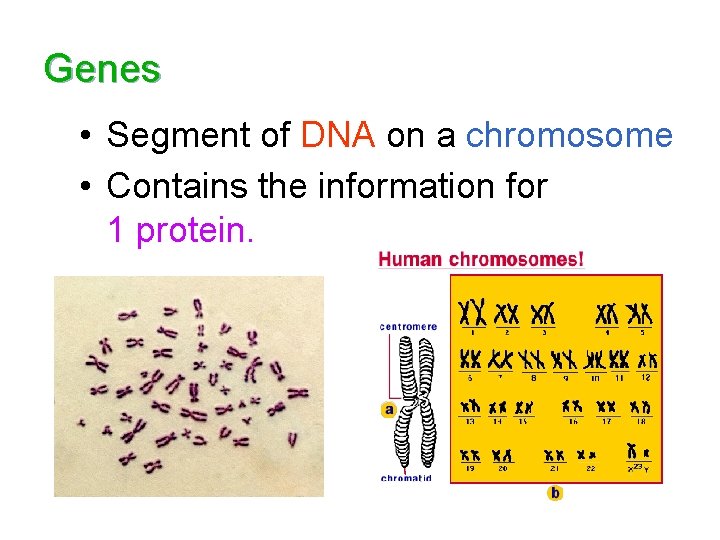
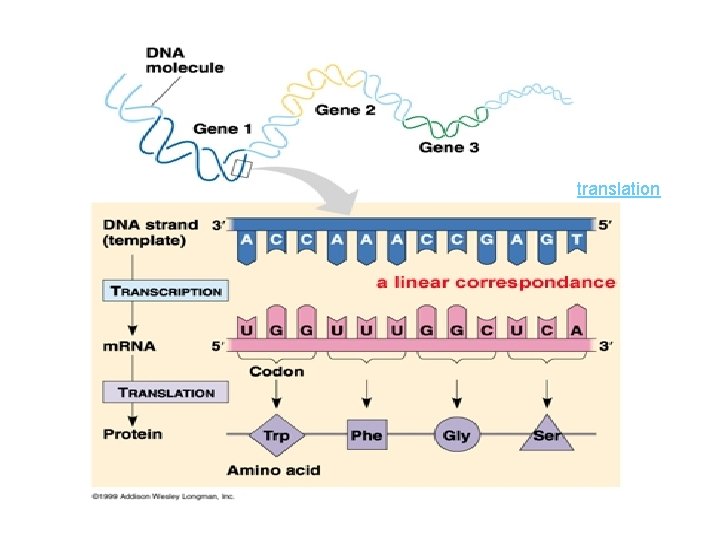
Genes • Segment of DNA on a chromosome • Contains the information for 1 protein.
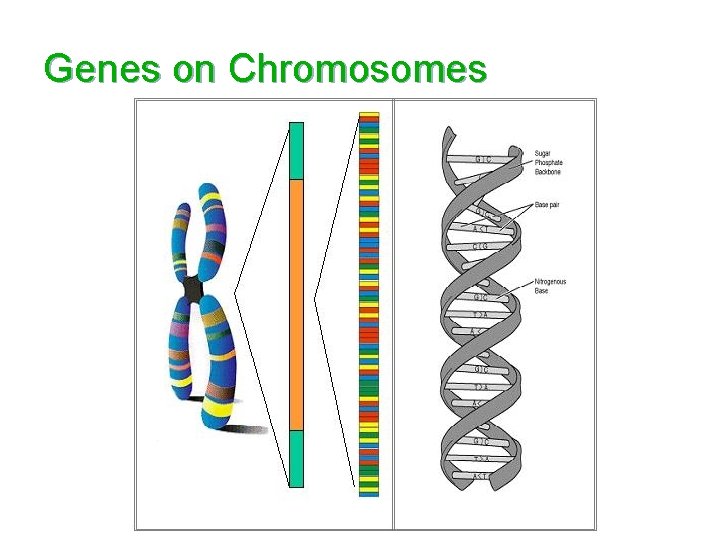
Genes on Chromosomes
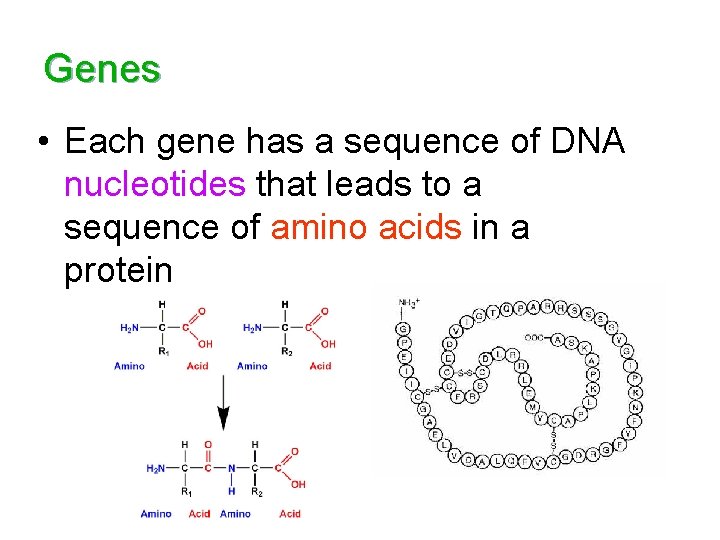
Genes • Each gene has a sequence of DNA nucleotides that leads to a sequence of amino acids in a protein
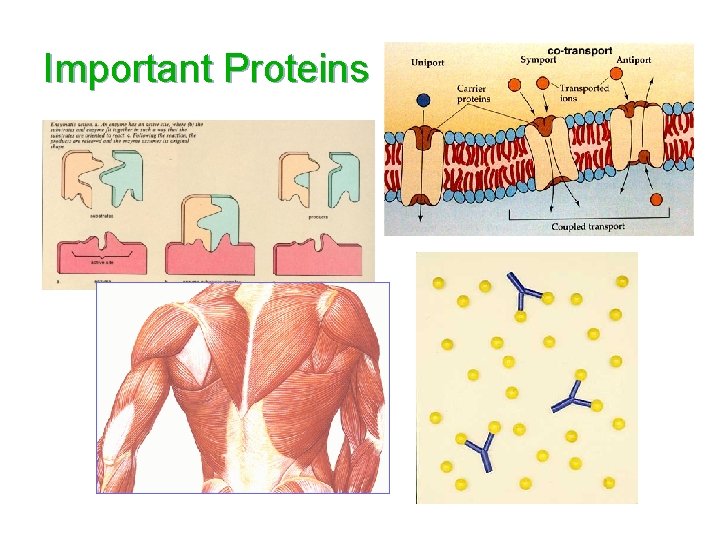
Important Proteins
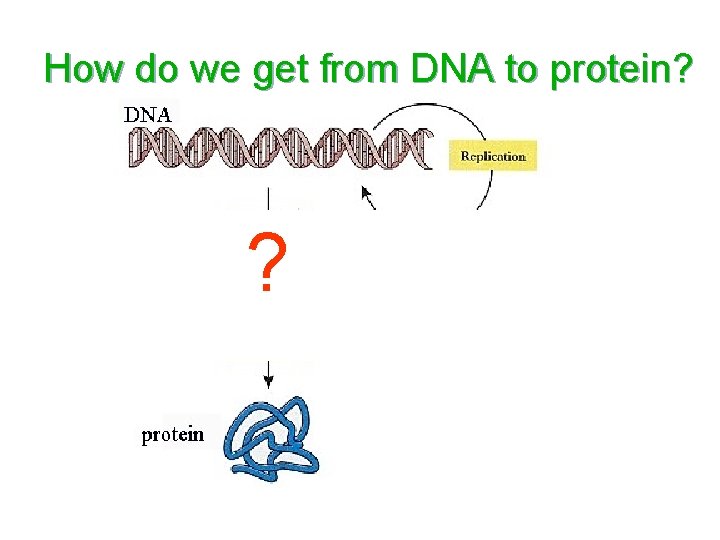
How do we get from DNA to protein? ? ?
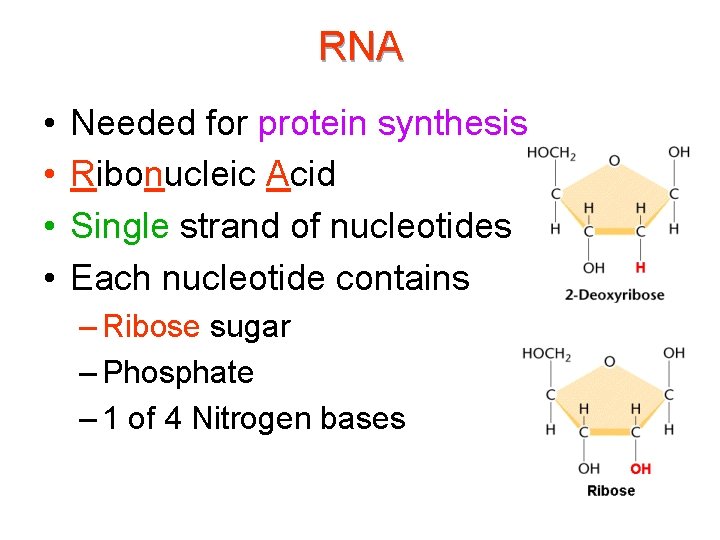
RNA • • Needed for protein synthesis Ribonucleic Acid Single strand of nucleotides Each nucleotide contains – Ribose sugar – Phosphate – 1 of 4 Nitrogen bases
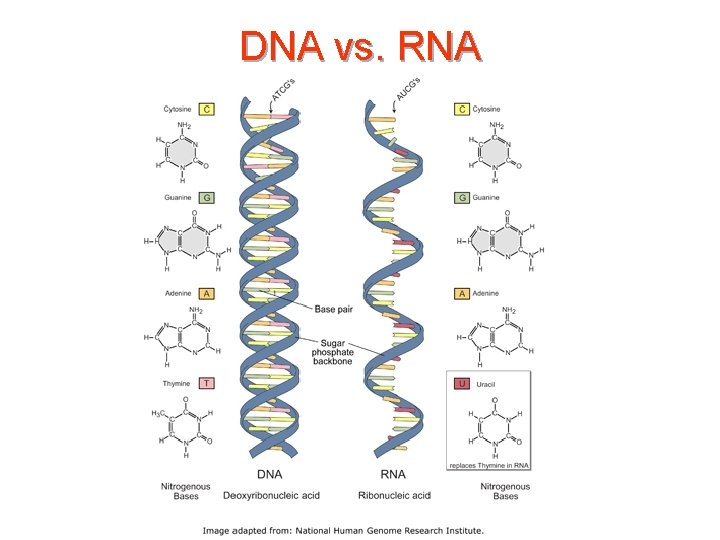
Nitrogen Bases of RNA Adenine Guanine Cytosine Uracil – Replaces Thymine – Bonds with Adenine
DNA vs. RNA
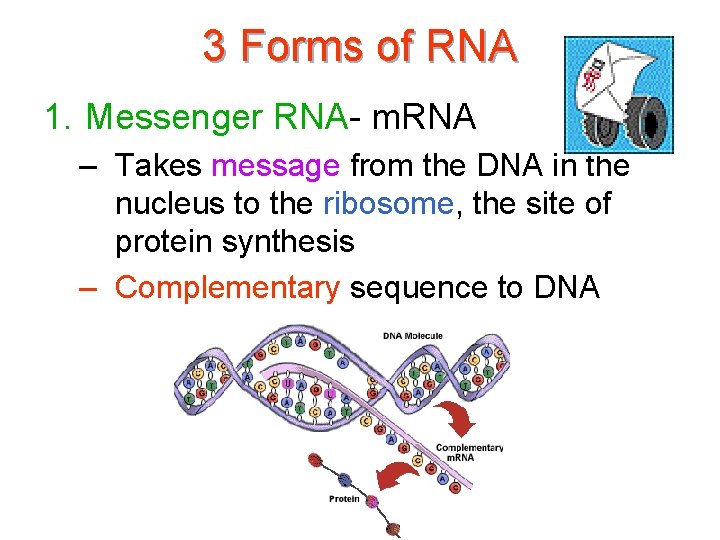
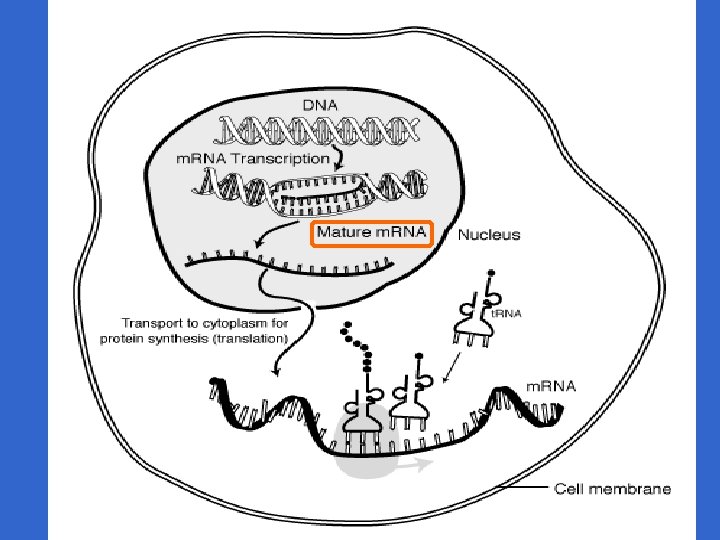
3 Forms of RNA 1. Messenger RNA- m. RNA – Takes message from the DNA in the nucleus to the ribosome, the site of protein synthesis – Complementary sequence to DNA
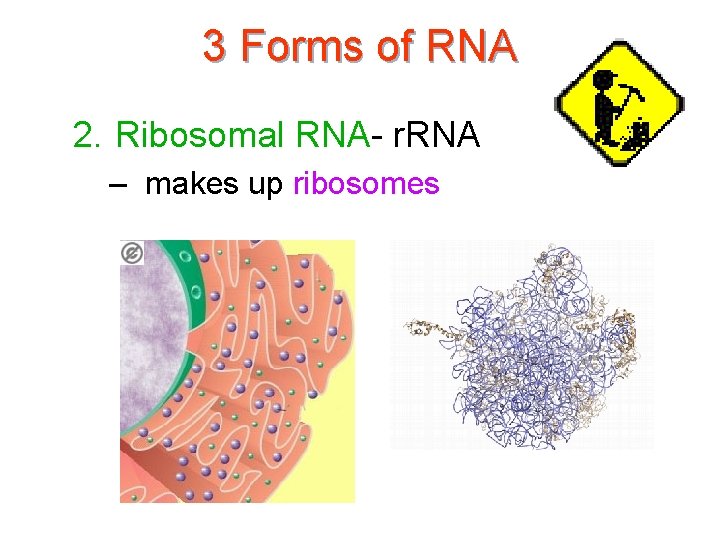
3 Forms of RNA 2. Ribosomal RNA- r. RNA – makes up ribosomes
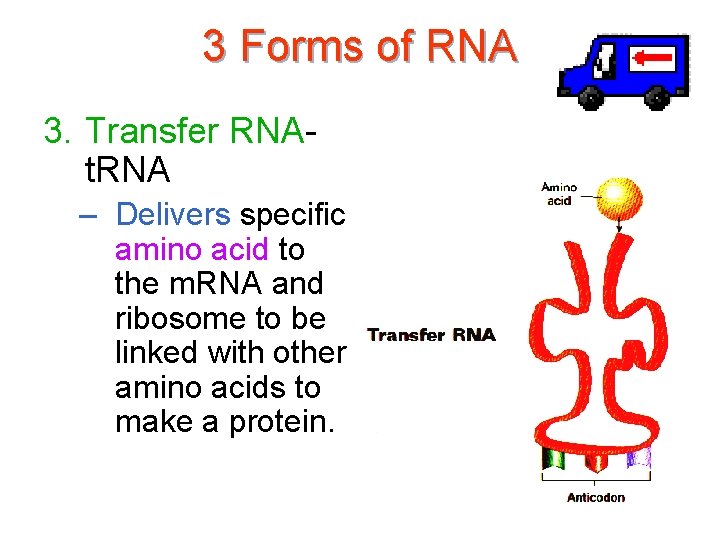
3 Forms of RNA 3. Transfer RNAt. RNA – Delivers specific amino acid to the m. RNA and ribosome to be linked with other amino acids to make a protein.
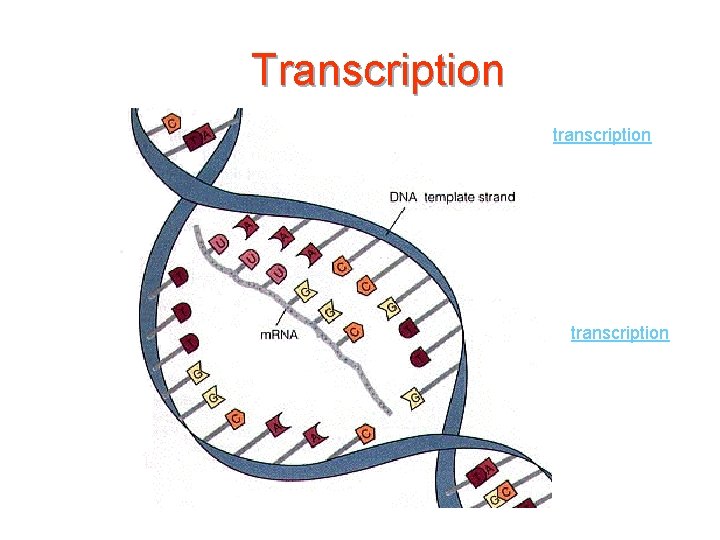
2 Phases of Protein Synthesis 1. Transcription: DNA to m. RNA – DNA unzips – One DNA strand is “read” to produce m. RNA – m. RNA is complementary to the DNA – m. RNA leaves the nucleus goes to ribosome
Transcription transcription
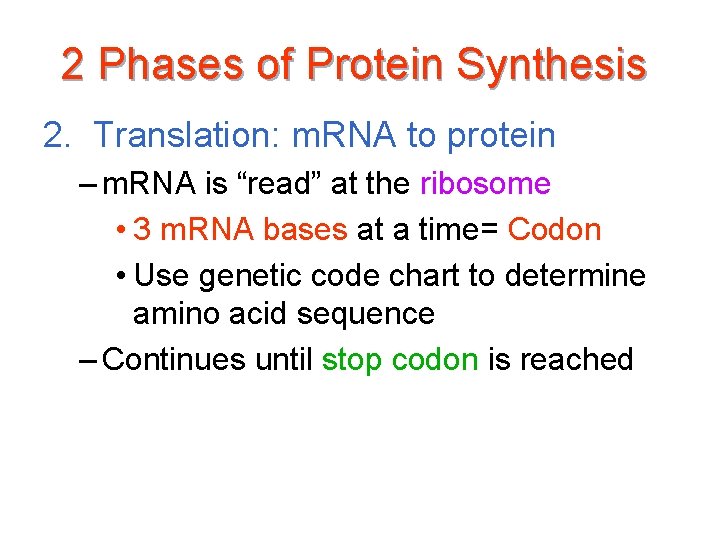
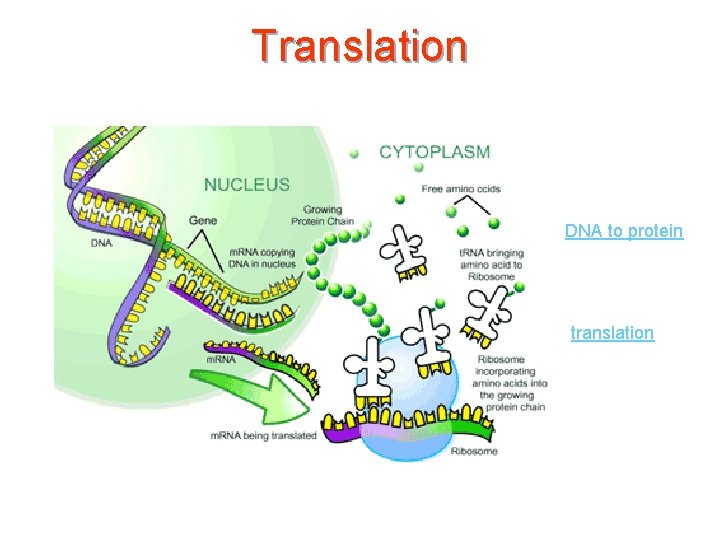
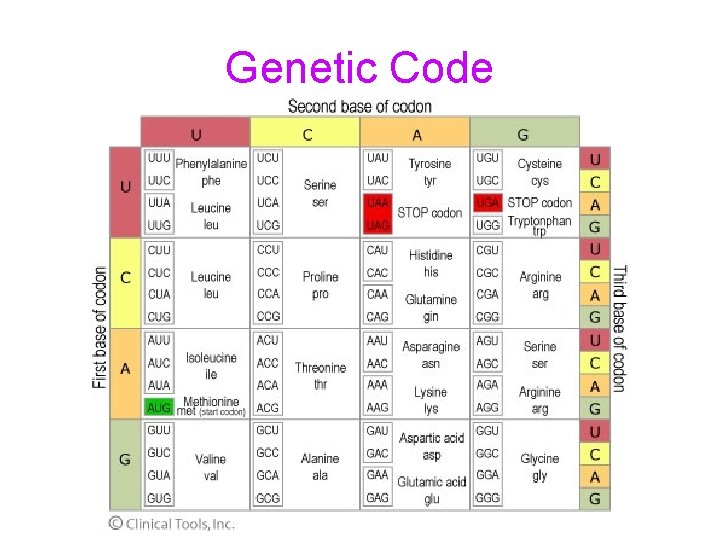
2 Phases of Protein Synthesis 2. Translation: m. RNA to protein – m. RNA is “read” at the ribosome • 3 m. RNA bases at a time= Codon • Use genetic code chart to determine amino acid sequence – Continues until stop codon is reached
Translation DNA to protein translation
Genetic Code
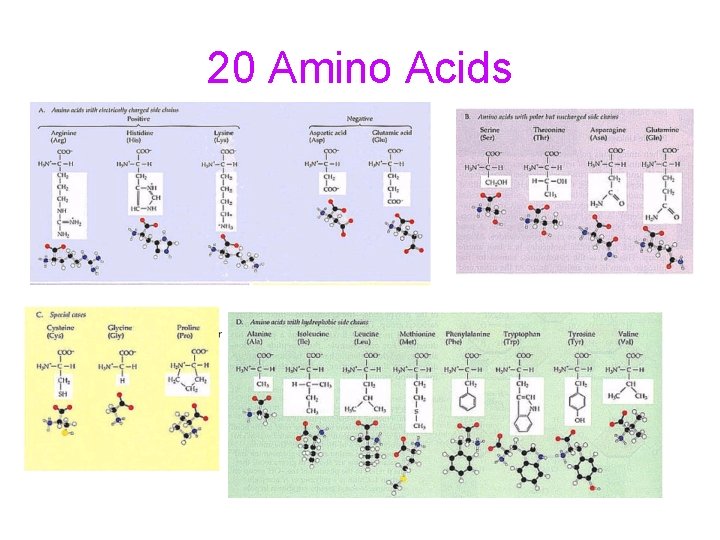
20 Amino Acids
translation
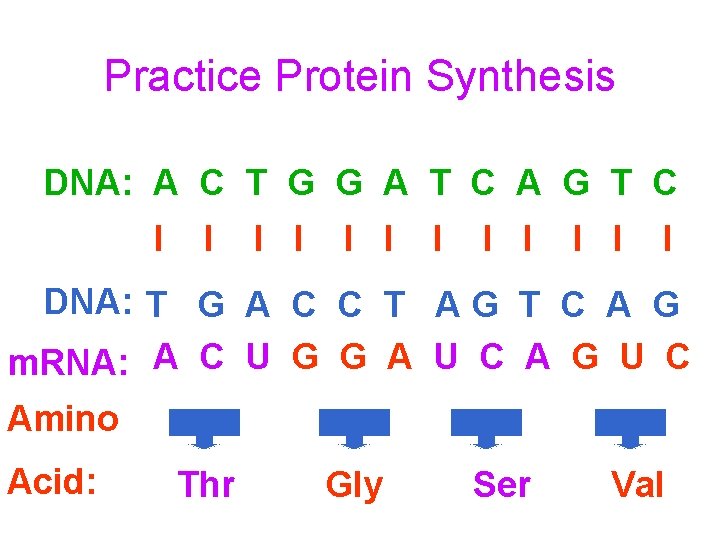
Practice Protein Synthesis DNA: A C T G G A T C A G T C I I I DNA: ? ? ? T ? A G ? T? C? A ? ? G T ? G ? A ? C C A ? G ? U ? C m. RNA: ? A C ? U ? G? G ? A ? U ? C ? ? Amino Acid: ? Thr ? Gly ? Ser ? Val
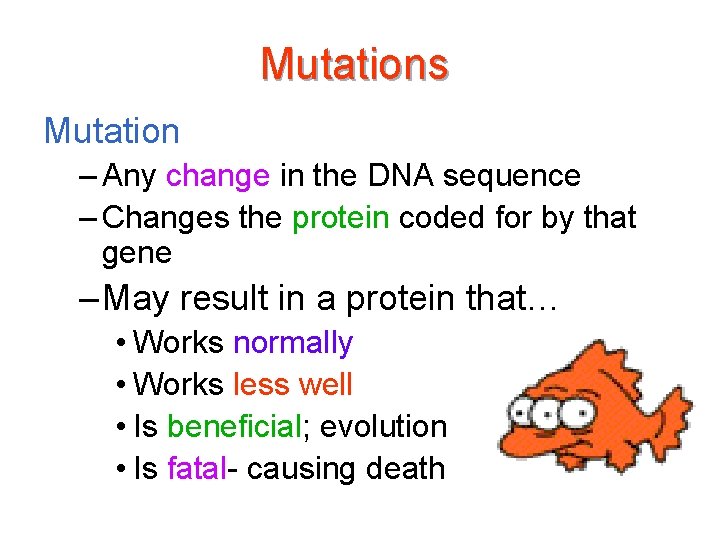
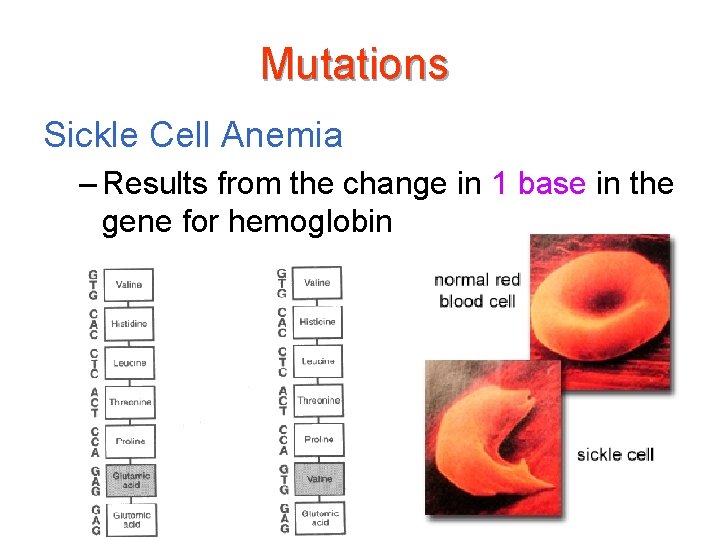
Mutations Mutation – Any change in the DNA sequence – Changes the protein coded for by that gene – May result in a protein that… • Works normally • Works less well • Is beneficial; evolution • Is fatal- causing death
Mutations Sickle Cell Anemia – Results from the change in 1 base in the gene for hemoglobin
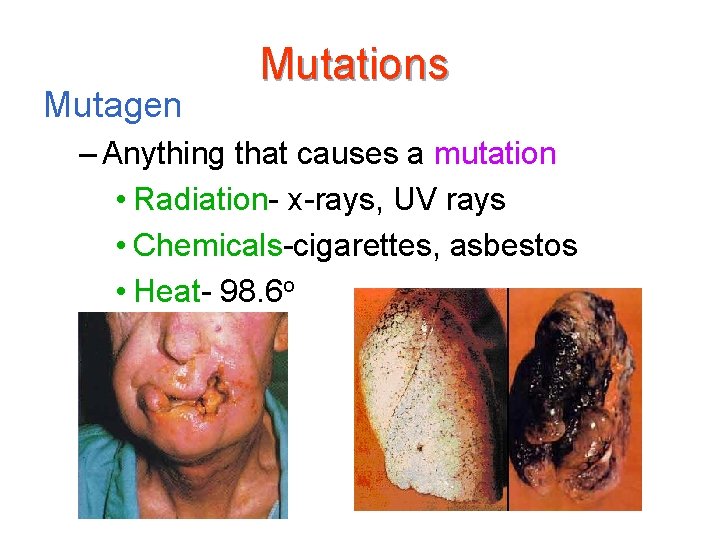
Mutagen Mutations – Anything that causes a mutation • Radiation- x-rays, UV rays • Chemicals-cigarettes, asbestos • Heat- 98. 6 o
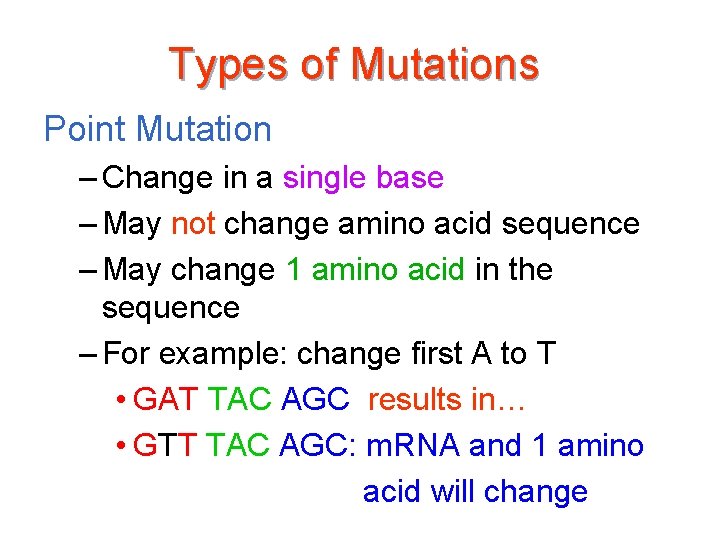
Types of Mutations Point Mutation – Change in a single base – May not change amino acid sequence – May change 1 amino acid in the sequence – For example: change first A to T • GAT TAC AGC results in… • GTT TAC AGC: m. RNA and 1 amino acid will change
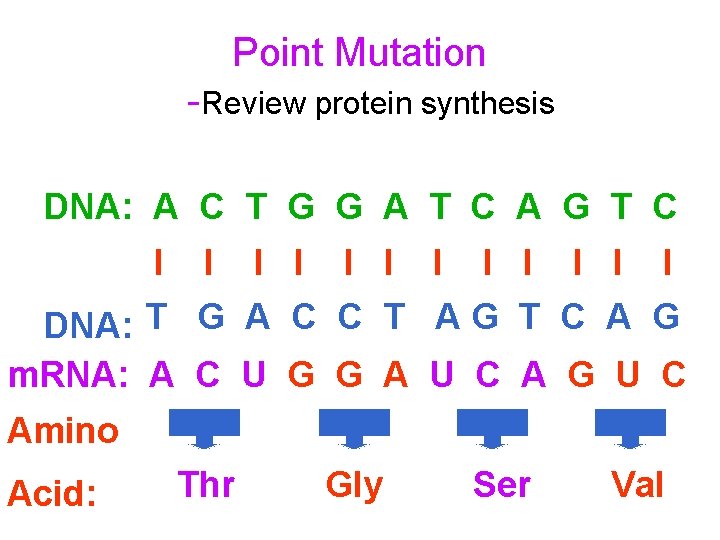
Point Mutation -Review protein synthesis DNA: A C T G G A T C A G T C I I I T ? G ? A ? C C DNA: ? ? ? T ? A G ? T? C? A ? ? G m. RNA: A C U G G A U C A G U C Amino Acid: Thr ? Gly ? Ser ? Val ?
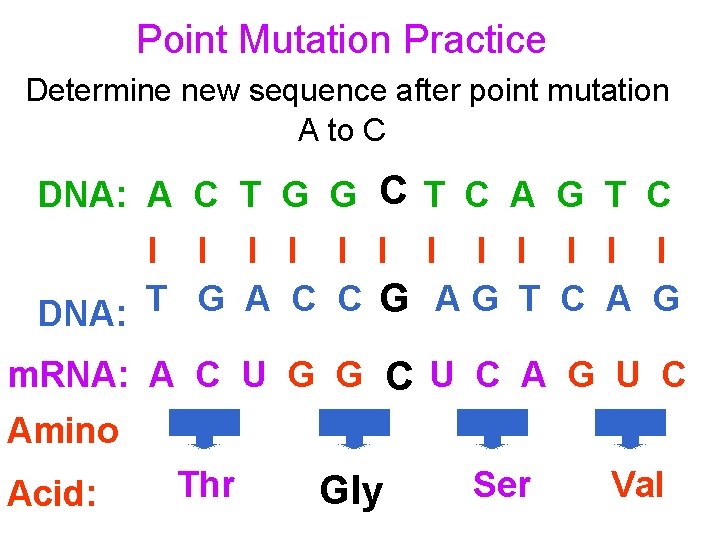
Point Mutation Practice Determine new sequence after point mutation A to C CT C A G T C DNA: A C T G G A I I I T G A C C T A G T C A G G DNA: ? ? ? m. RNA: A C U G G A CU C A G U C Amino Thr Gly Ser Val Gly Acid: ? ? ?
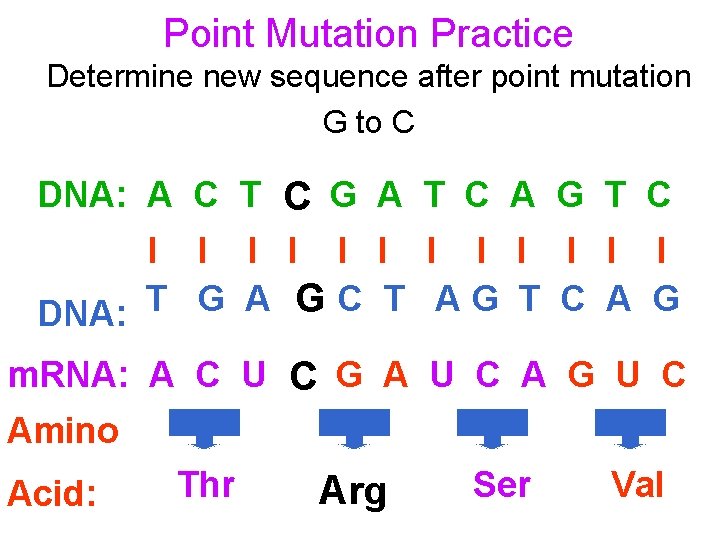
Point Mutation Practice Determine new sequence after point mutation G to C DNA: A C T G C G A T C A G T C I I I T G A C C T A G T C A G G DNA: ? ? ? m. RNA: A C U G C G A U C A G U C Amino Thr Gly Ser Val Arg Acid: ? ? ?
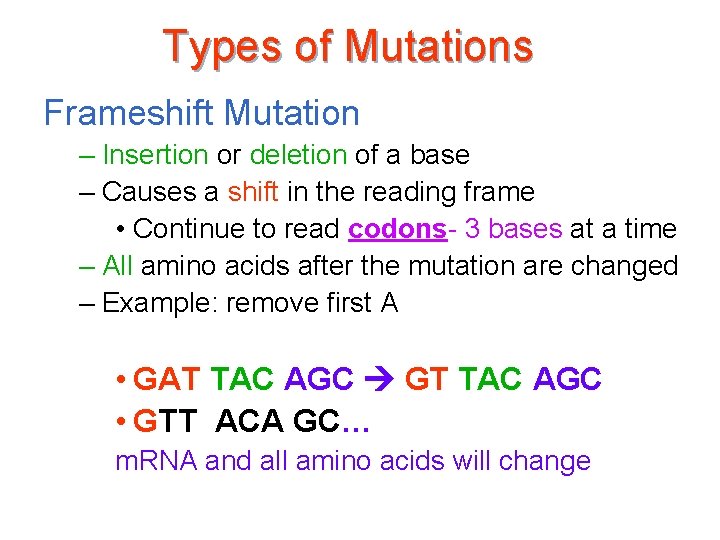
Types of Mutations Frameshift Mutation – Insertion or deletion of a base – Causes a shift in the reading frame • Continue to read codons- 3 bases at a time – All amino acids after the mutation are changed – Example: remove first A • GAT TAC AGC GT TAC AGC • GTT ACA GC… m. RNA and all amino acids will change
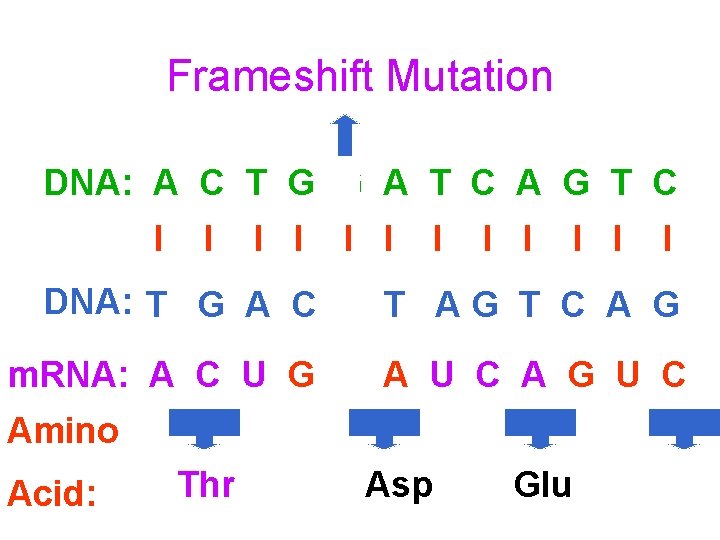
Frameshift Mutation DNA: A C T G C G A T C A G T C I I I DNA: ? ? ? T ? A G ? T? C? A ? ? G T ? G ? A ? C C C A U C A G U C m. RNA: A C U G G C Amino Acid: Thr ? Gly ? Asp C Ser ? Glu C Val ?
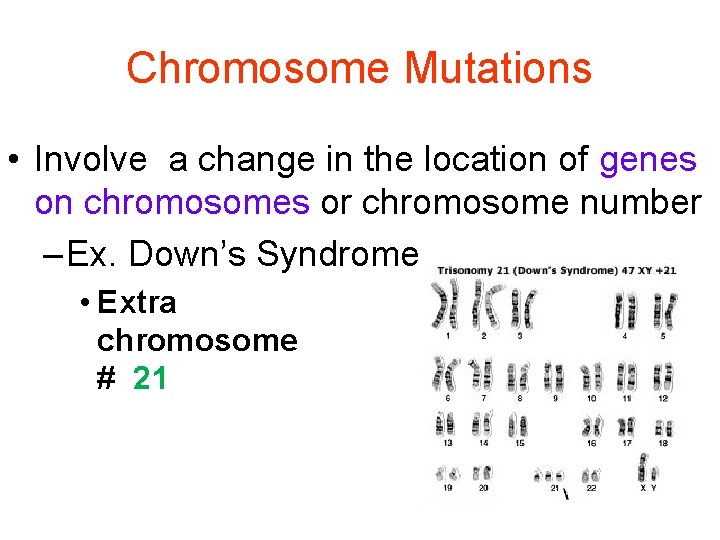
Chromosome Mutations • Involve a change in the location of genes on chromosomes or chromosome number – Ex. Down’s Syndrome • Extra chromosome # 21