
French and Dutch Colonies in the New World

- Slides: 14
French and Dutch Colonies in the New World
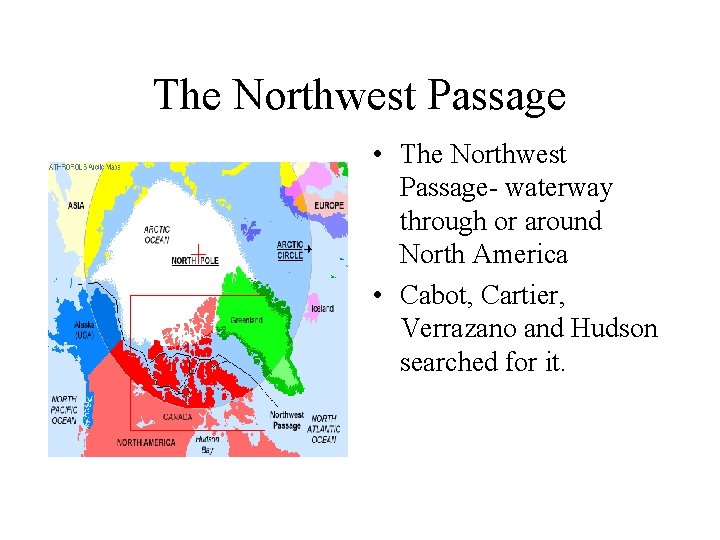
The Northwest Passage • The Northwest Passage- waterway through or around North America • Cabot, Cartier, Verrazano and Hudson searched for it.
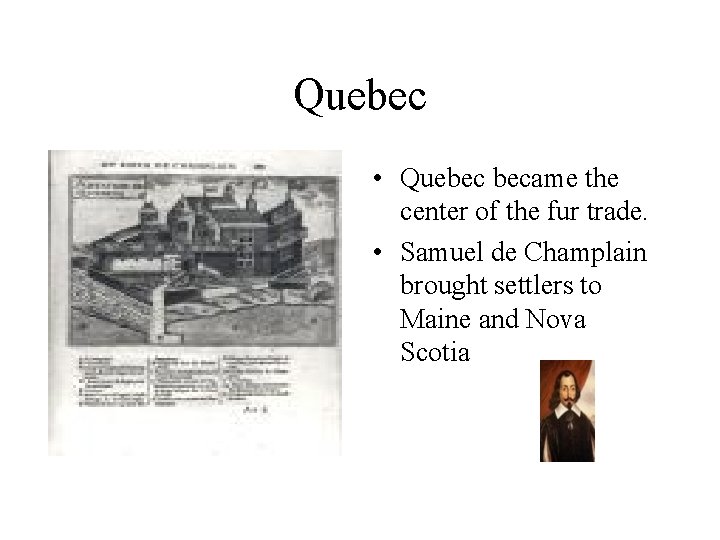
Quebec • Quebec became the center of the fur trade. • Samuel de Champlain brought settlers to Maine and Nova Scotia
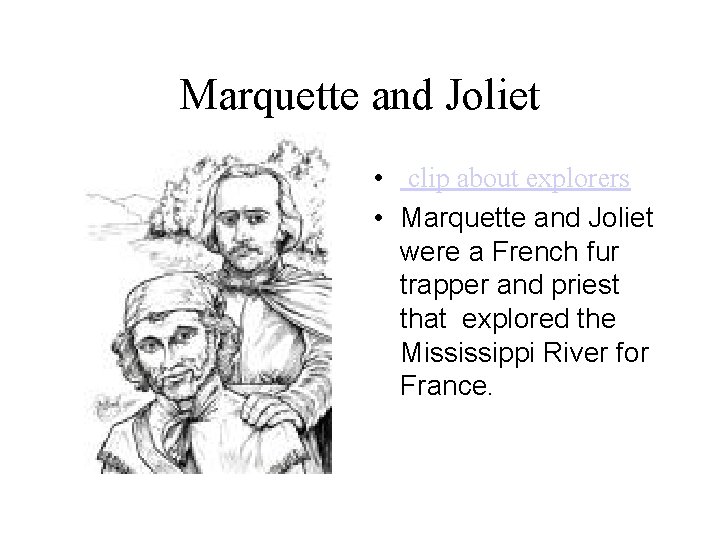
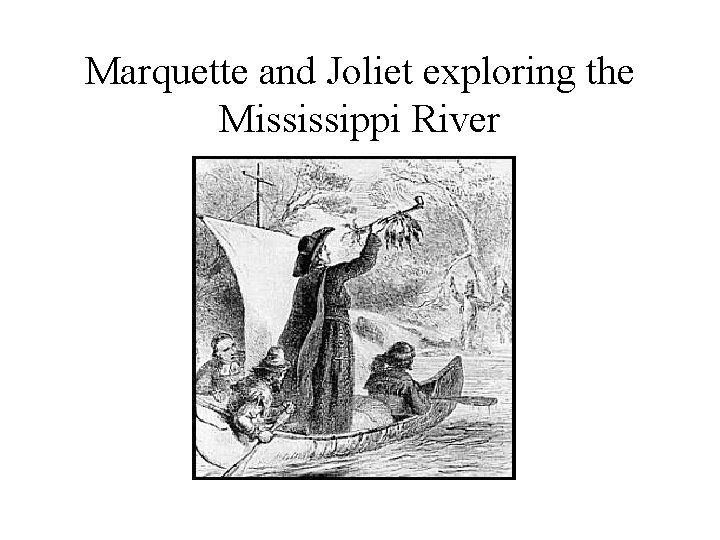
Marquette and Joliet • clip about explorers • Marquette and Joliet were a French fur trapper and priest that explored the Mississippi River for France.
Marquette and Joliet exploring the Mississippi River
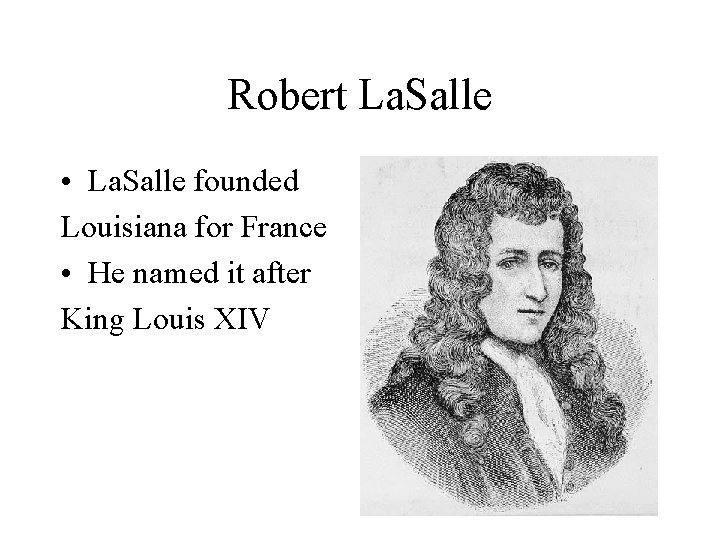
Robert La. Salle • La. Salle founded Louisiana for France • He named it after King Louis XIV
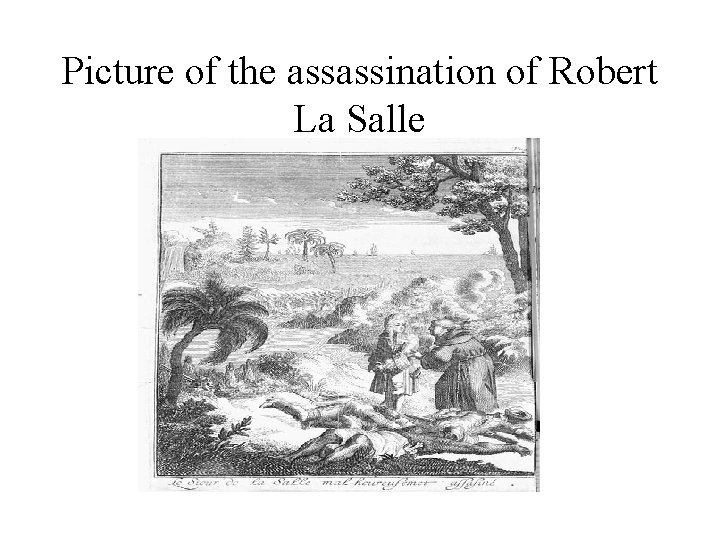
Picture of the assassination of Robert La Salle
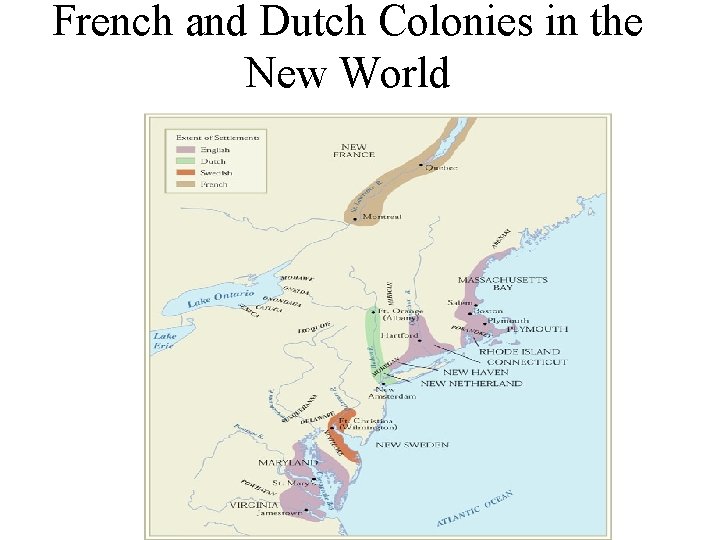
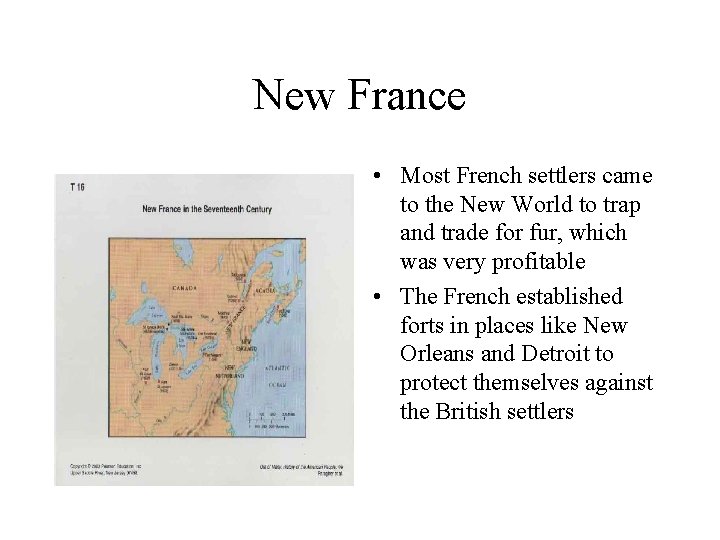
New France • Most French settlers came to the New World to trap and trade for fur, which was very profitable • The French established forts in places like New Orleans and Detroit to protect themselves against the British settlers
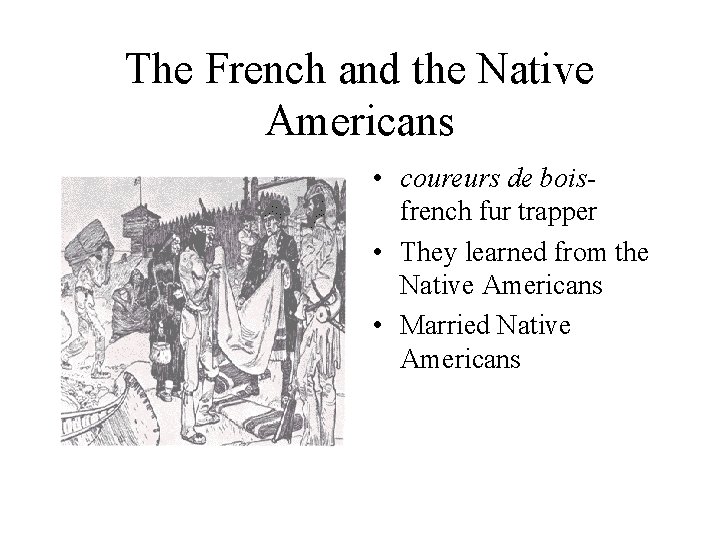
The French and the Native Americans • coureurs de boisfrench fur trapper • They learned from the Native Americans • Married Native Americans
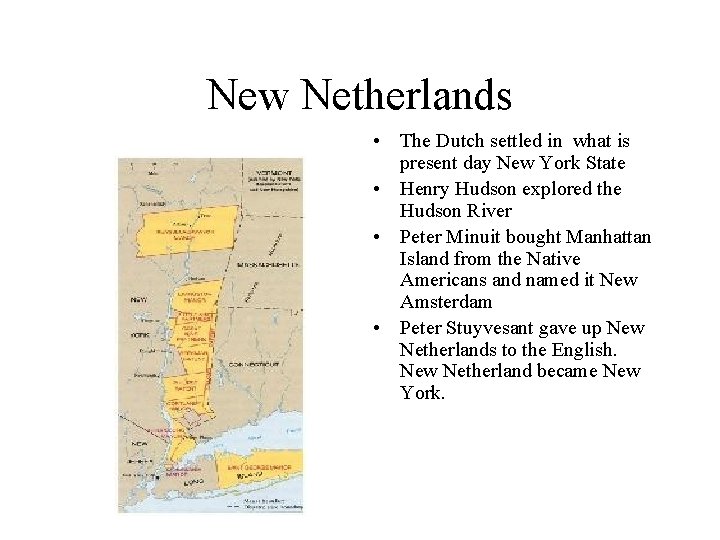
New Netherlands • The Dutch settled in what is present day New York State • Henry Hudson explored the Hudson River • Peter Minuit bought Manhattan Island from the Native Americans and named it New Amsterdam • Peter Stuyvesant gave up New Netherlands to the English. New Netherland became New York.
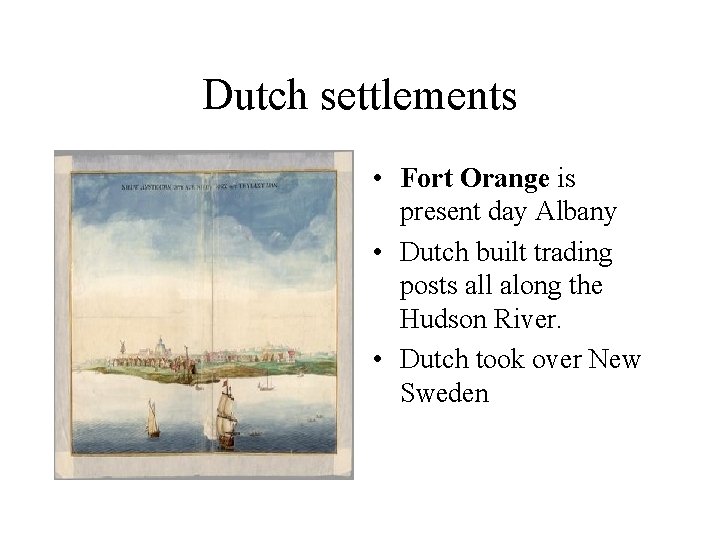
Dutch settlements • Fort Orange is present day Albany • Dutch built trading posts all along the Hudson River. • Dutch took over New Sweden
Lasting influences of the Dutch • • Santa Claus Cookies Yachts Sleighs
The Dutch in Rockland County • The Dutch settled in Tappan and Blauvelt. • In 1694 there were 16 families in Tappan. • What is the nickname of Tappan Zee HS teams? Explain.
Effects of Settlements on the Native Americans • Rivalry over the fur trade involved the Native Americans in wars. – Dutch gave guns to the Iroquois to fight Algonquins who were allied with the French • Missionaries tried to convert Native Americans to Christianity. • Indian lands were seized. • Some Native Americans were enslaved. • Indians began to use European goods such as copper kettles, muskets and alcohol.