
Fraud in Medical Research Emphasis on Statistical Aspects








- Slides: 28
Fraud in Medical Research: Emphasis on Statistical Aspects Ted Colton, Sc. D Professor & Chair Emeritus Department of Epidemiology & Biostatistics
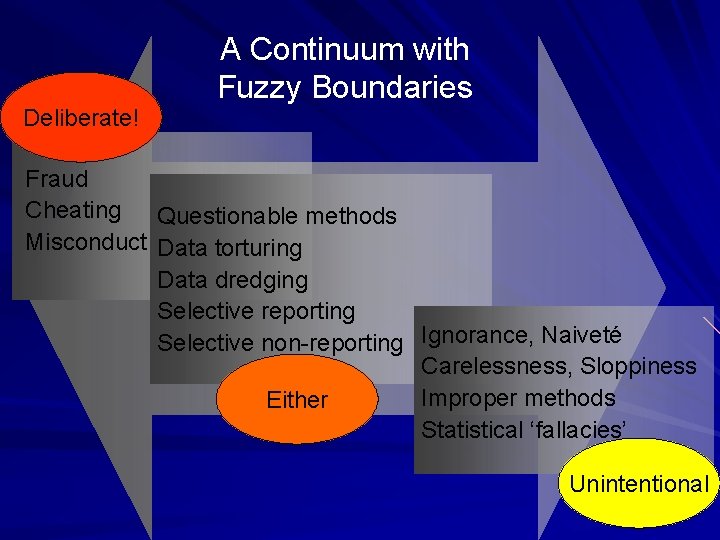
Deliberate! A Continuum with Fuzzy Boundaries Fraud Cheating Questionable methods Misconduct Data torturing Data dredging Selective reporting Selective non-reporting Ignorance, Naiveté Carelessness, Sloppiness Improper methods Either Statistical ‘fallacies’ Unintentional
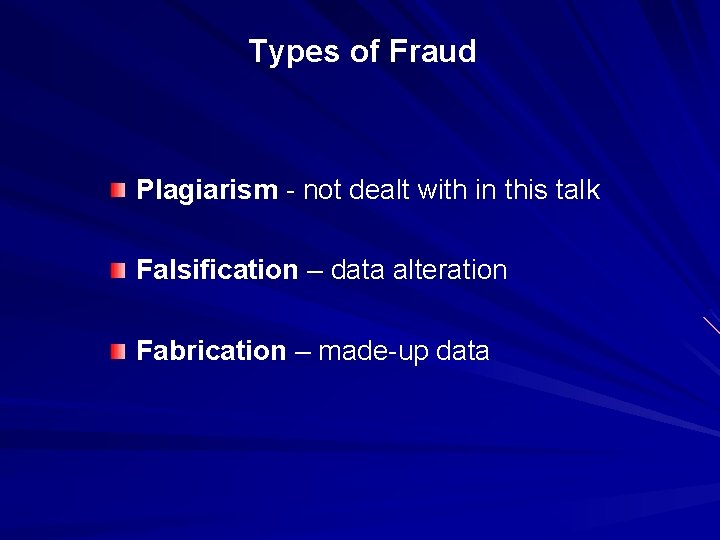
Types of Fraud Plagiarism - not dealt with in this talk Falsification – data alteration Fabrication – made-up data
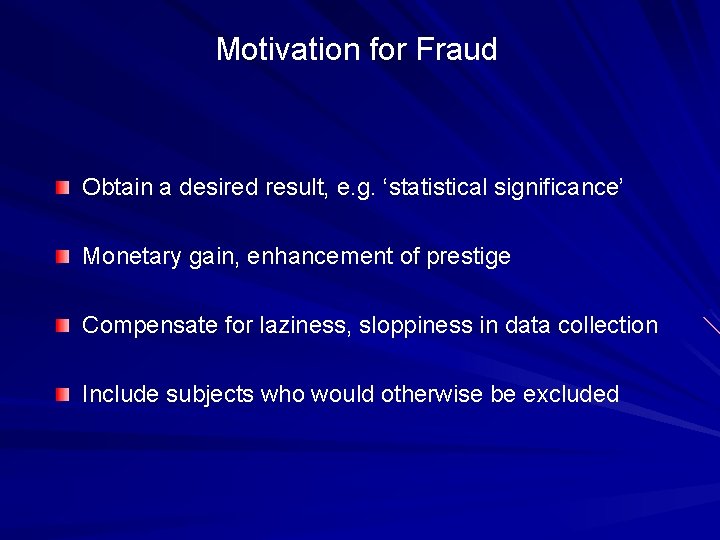
Motivation for Fraud Obtain a desired result, e. g. ‘statistical significance’ Monetary gain, enhancement of prestige Compensate for laziness, sloppiness in data collection Include subjects who would otherwise be excluded
Some Historical Instances of Fraud
Gregor Mendel Date: 1865 Place: Bohemia Research: Genetics of garden peas Sir Ronald Fisher
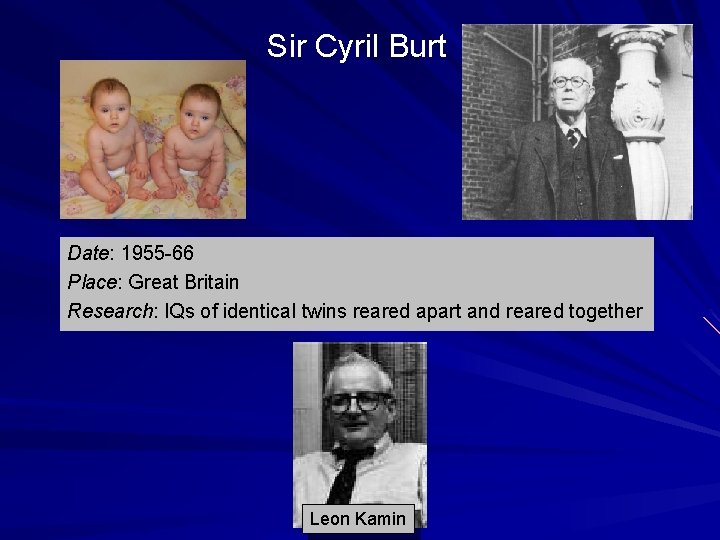
Sir Cyril Burt Date: 1955 -66 Place: Great Britain Research: IQs of identical twins reared apart and reared together Leon Kamin
Dr. John Darsee Date: 1981 Place: Harvard Medical School, Peter Bent Brigham Hospital Research: Laboratory and animal studies of cardiovascular disease
Data Items in Clinical Trials Prone to Fraud Eligibility criteria Repeated measurements Adverse events Compliance Subject diaries
Questions for Consideration 1. 2. 3. 4. 5. 6. How was fraud detected? Why was fraud committed? What have been the consequences of fraud? Statistically, how do we handle data when some data are suspected or confirmed as fraudulent? Can we use statistical methods to detect or confirm suspected instances of fraud? What measures, if any, can we take to prevent future episodes of fraud?
Dr. Marc Strauss Date: 1978 Place: Boston University Medical Center Research: Multi-center clinical trials of cancer, ECOG
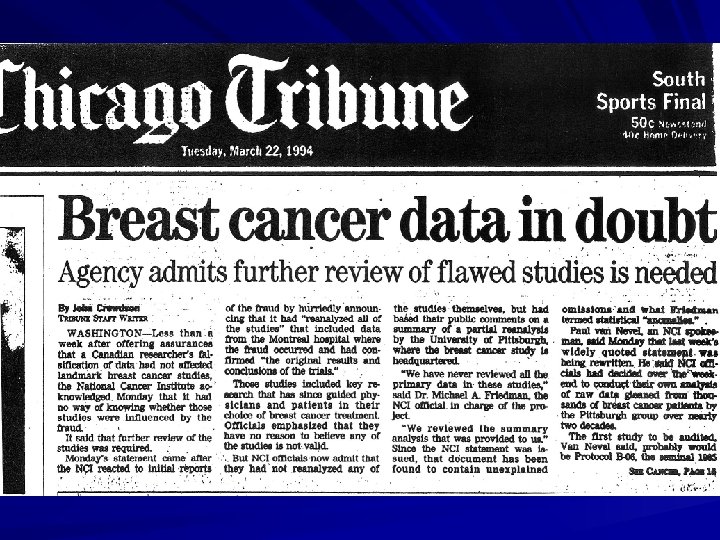
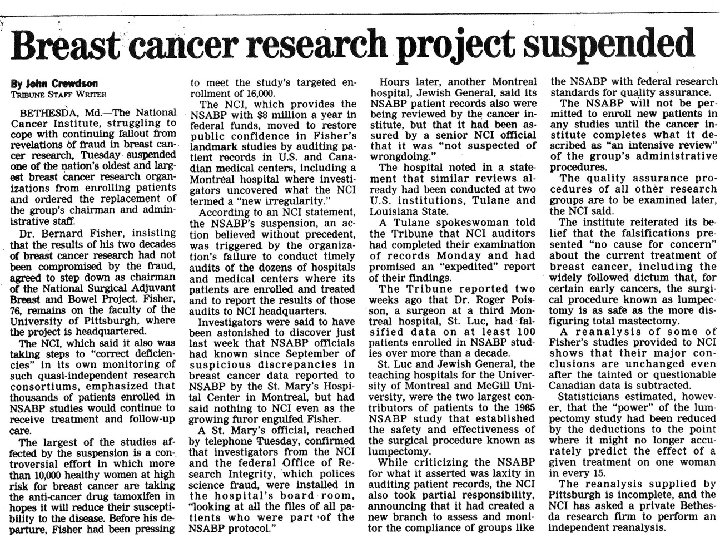
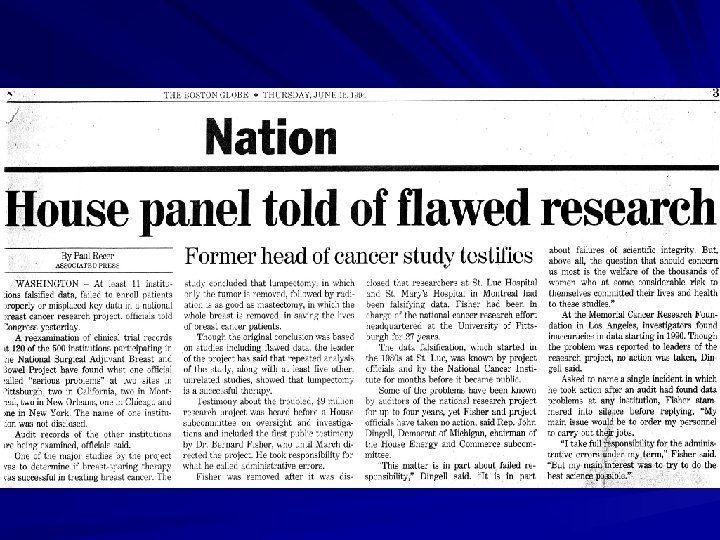
Dr. Roger Poisson Date: 1992 Place: St. Luc’s Hospital, Montreal Research: Multi-center clinical trial of lumpectomy vs. radical mastectomy in treatment of breast cancer, NSABP
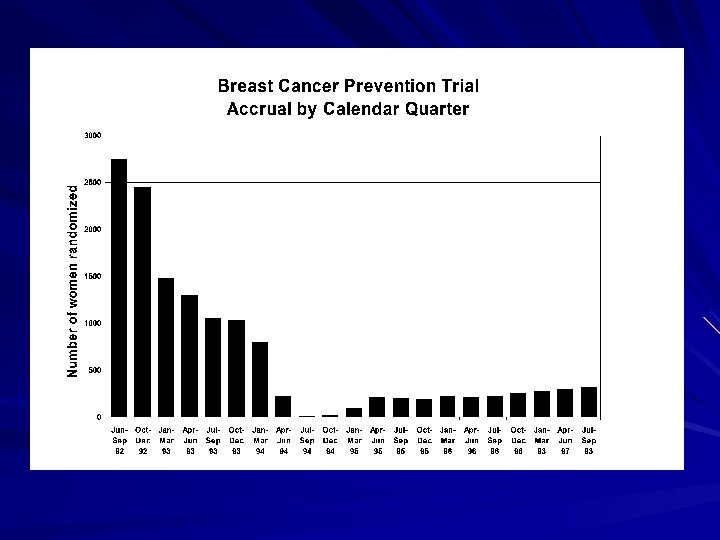
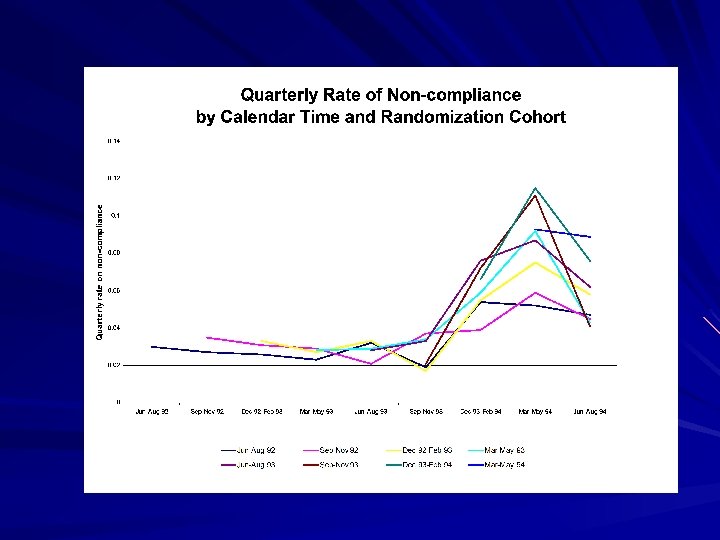
St. Mary’s Hospital Date: 1994 Place: St. Mary’s Hospital, Montreal Research: Breast Cancer Prevention Trial, NSABP
St. Mary’s Incident – DSMB Recommendations A thorough audit of all BCPT subjects at St. Mary’s. Include all St. Mary’s subjects without irregularities in all analyses. Subjects with data falsification should continue on their assigned regimens unless there are safety issues. Conduct final analyses with inclusion and with exclusion of subjects with data falsification. Publication of trial findings should include full disclosure of instances of scientific misconduct.
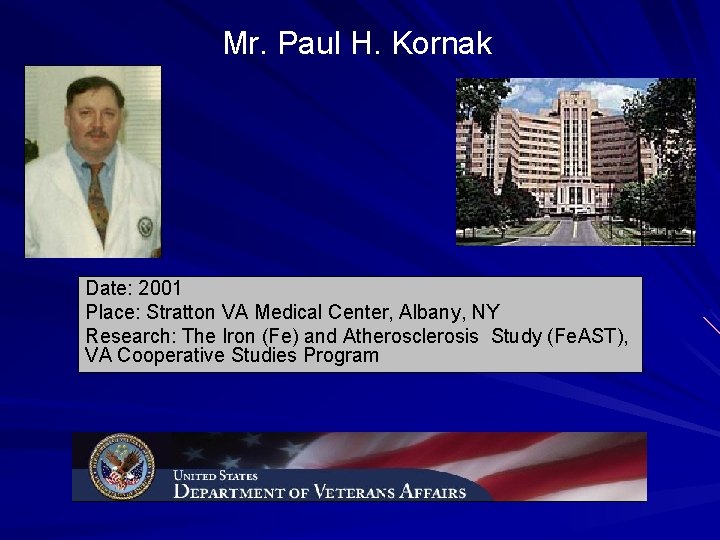
Mr. Paul H. Kornak Date: 2001 Place: Stratton VA Medical Center, Albany, NY Research: The Iron (Fe) and Atherosclerosis Study (Fe. AST), VA Cooperative Studies Program
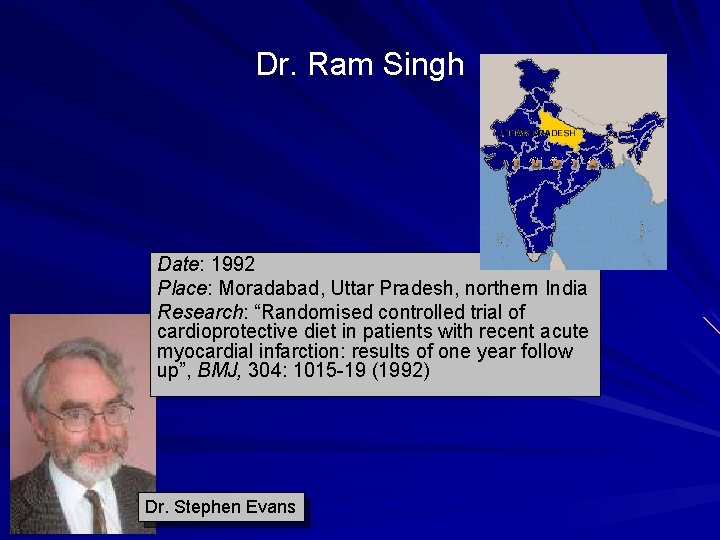
Dr. Ram Singh Date: 1992 Place: Moradabad, Uttar Pradesh, northern India Research: “Randomised controlled trial of cardioprotective diet in patients with recent acute myocardial infarction: results of one year follow up”, BMJ, 304: 1015 -19 (1992) Dr. Stephen Evans
Conclusions Fraud in medical research has a long history and will undoubtedly continue into the future
Conclusions Fraud in medical research – Tarnishes the public image of medical research – Tarnishes the reputation of many innocent researchers and collaborators – Can impact negatively on other related ongoing research – Can virtually topple a large research organization
Conclusions Statistical methodology can aid in confirming fraud, but is insufficient as the sole detector of fraud.
Conclusions In multi-center clinical trials, the most common occurrences of fraud more likely produce ‘noise’ (bias towards the null) than invalid study findings.
Conclusions There is no proven intervention to prevent fraud, but education currently appears to hold promise to reduce its incidence and to moderate its consequences.
Take-home messages Never discard original research data. Missing data and outliers are very real phenomena in contemporary medical research. Have faith in the wondrously stochastic and random nature of real human data, features most difficult to capture with fraud.