
Franz Gall Phrenology Neural Transmission Action Potential ALL



- Slides: 79
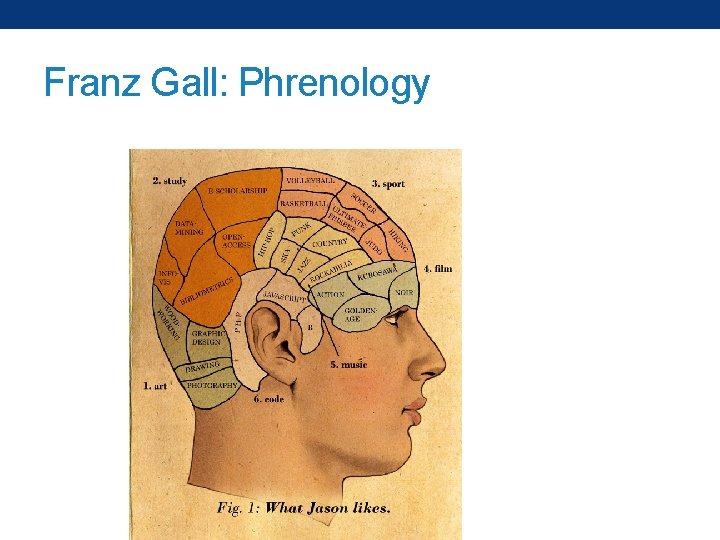
Franz Gall: Phrenology
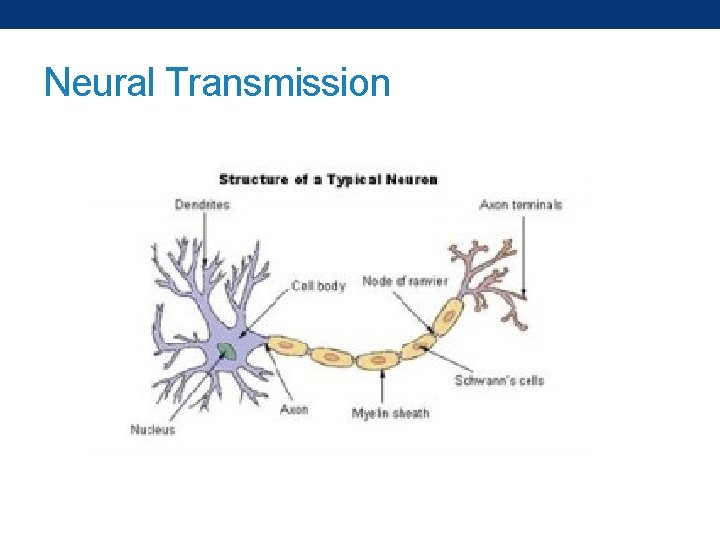
Neural Transmission
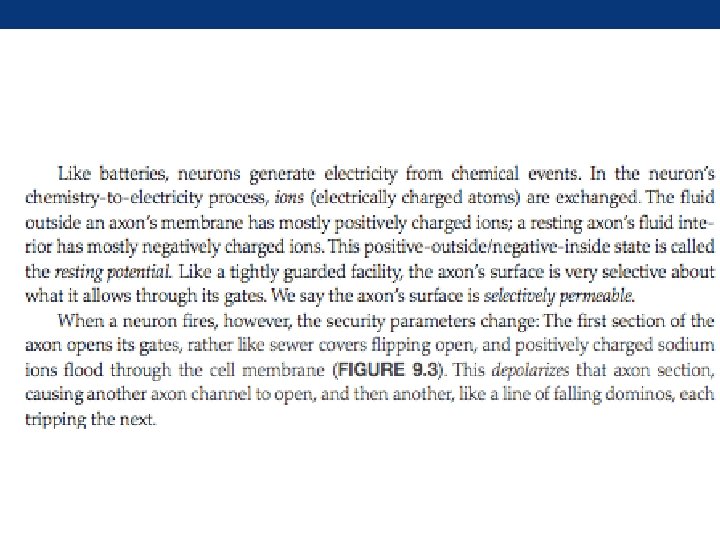
Action Potential • ALL OR NOTHING
Excitatory v. Inhibitory
Sodium Potassium Pump • Mechanism by which ions are allowed to pass through the membrane of the neural cell
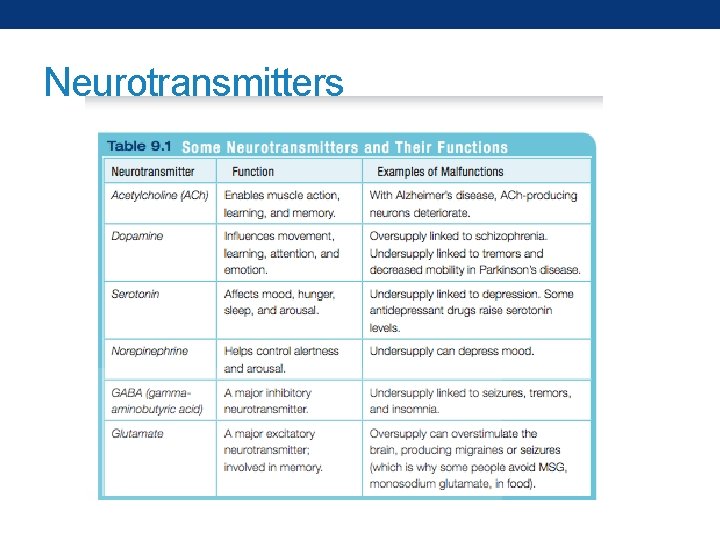
Neurotransmitters
Endorphins • Explain good feelings such as the “runners high” and the painkilling effect of accupuncture
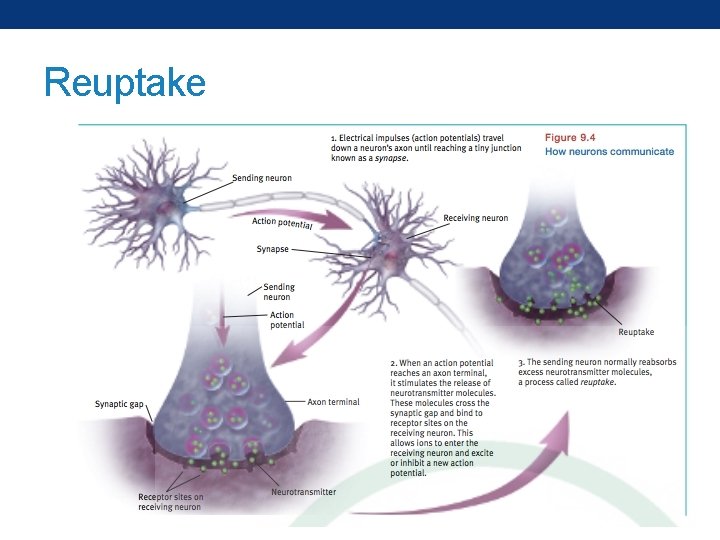
Reuptake
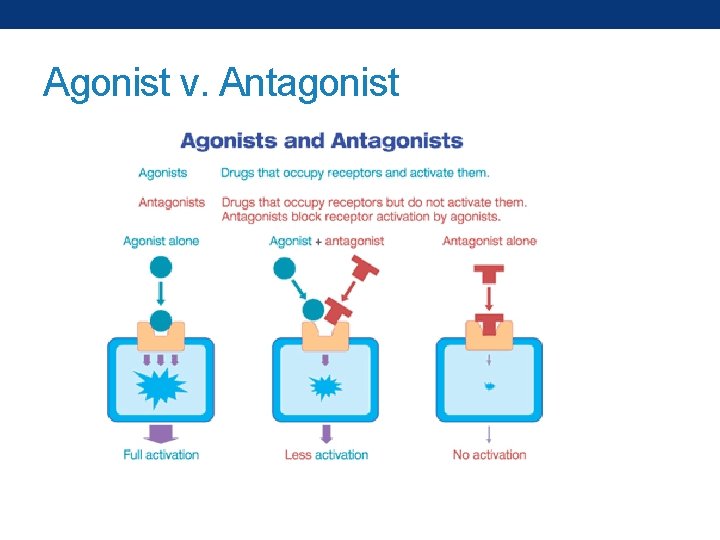
Agonist v. Antagonist
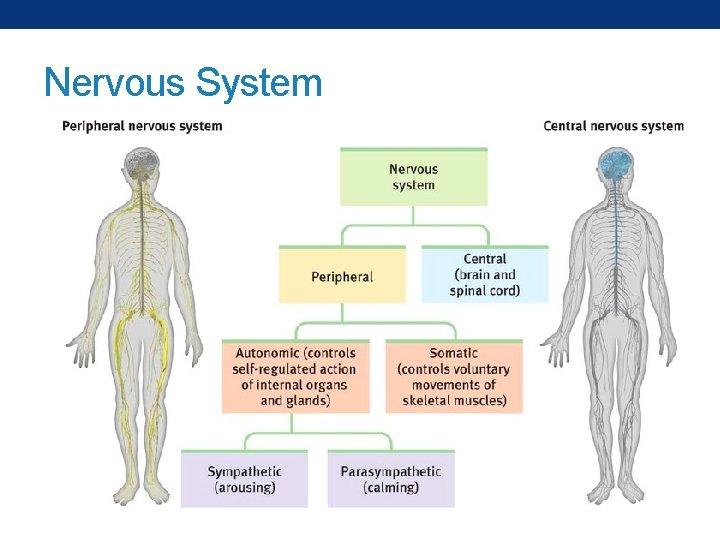
Nervous System
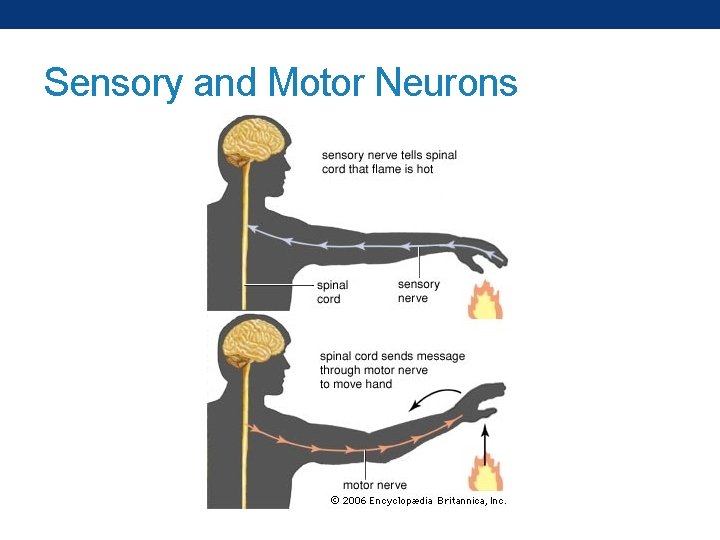
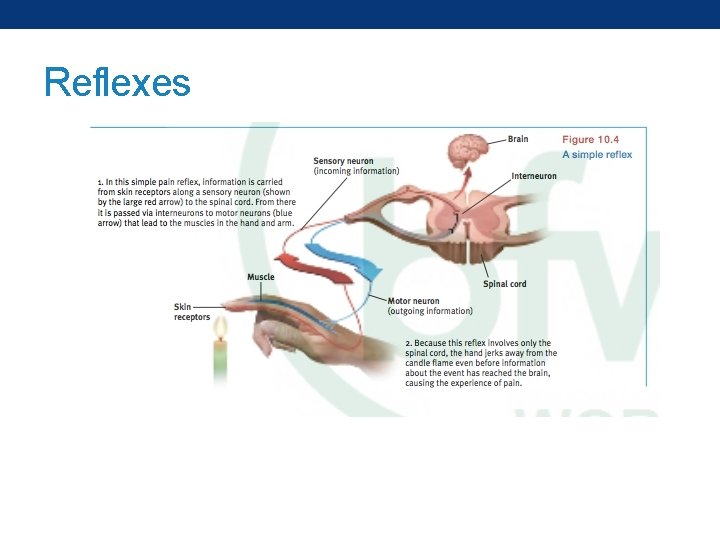
Sensory and Motor Neurons
Interneurons • Make reflexes happen • Process motor responses quickly to protect the body from harm
Reflexes
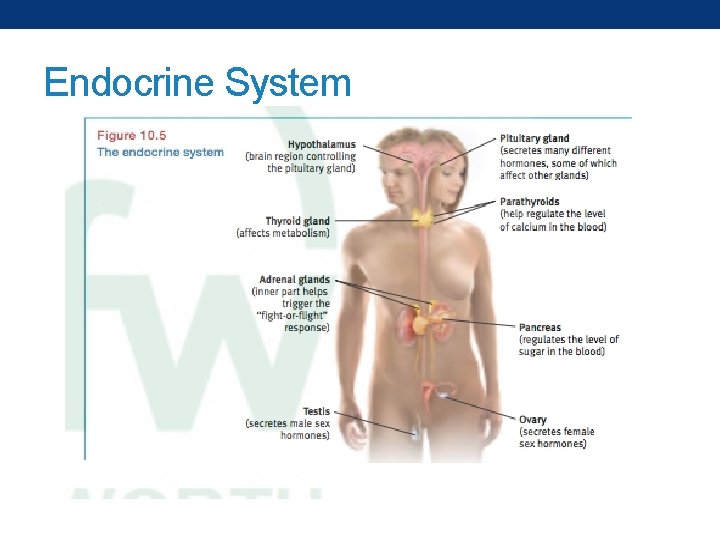
Endocrine System
Lesion • Destroy tiny clusters of brain cells
EEG • Amplified recording of brain waves
CT (CAT scan) • Takes x-ray photographs of the brain
PET • Detects where radioactive form of glucose goes while brain performs a task
MRI • Uses magnetic fields
FMRI • Only method that can reveal both structure and function
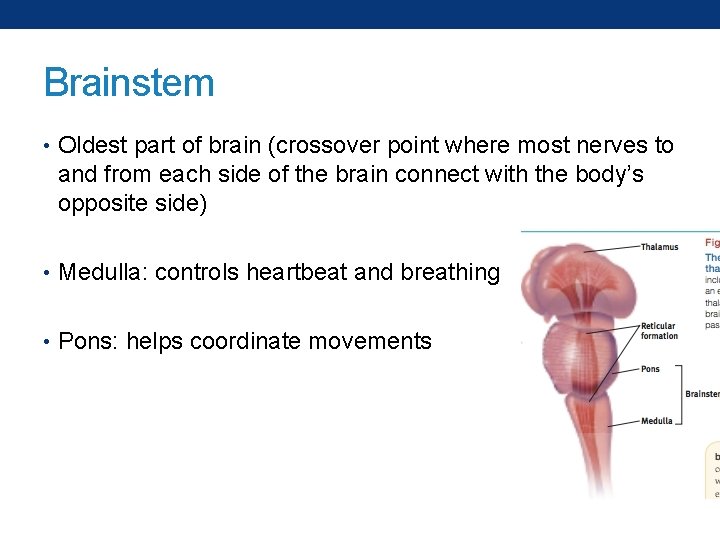
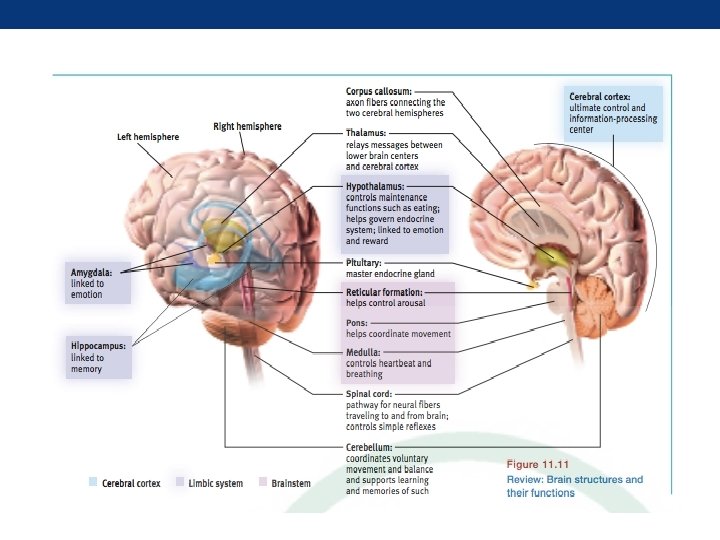
Brainstem • Oldest part of brain (crossover point where most nerves to and from each side of the brain connect with the body’s opposite side) • Medulla: controls heartbeat and breathing • Pons: helps coordinate movements
Thalamus • Brain’s sensory control center • Hub which neural traffic passes en route to various destinations within the body
Reticular Formation • Inside brainstem • Plays role in controlling arousal/alertness
Cerebellum • “Little Brain” • Enables nonverbal learning and memory • Judge time, modulate emotions, and discriminate sounds and texture • Coordinates voluntary movements
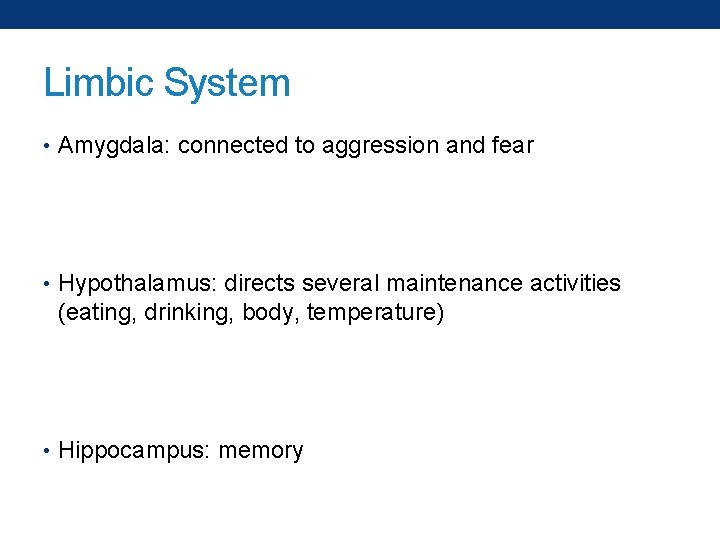
Limbic System • Amygdala: connected to aggression and fear • Hypothalamus: directs several maintenance activities (eating, drinking, body, temperature) • Hippocampus: memory
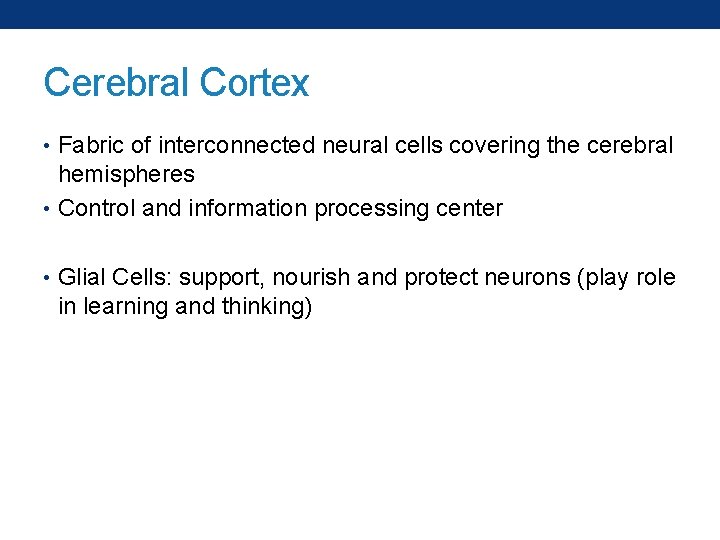
Cerebral Cortex • Fabric of interconnected neural cells covering the cerebral hemispheres • Control and information processing center • Glial Cells: support, nourish and protect neurons (play role in learning and thinking)
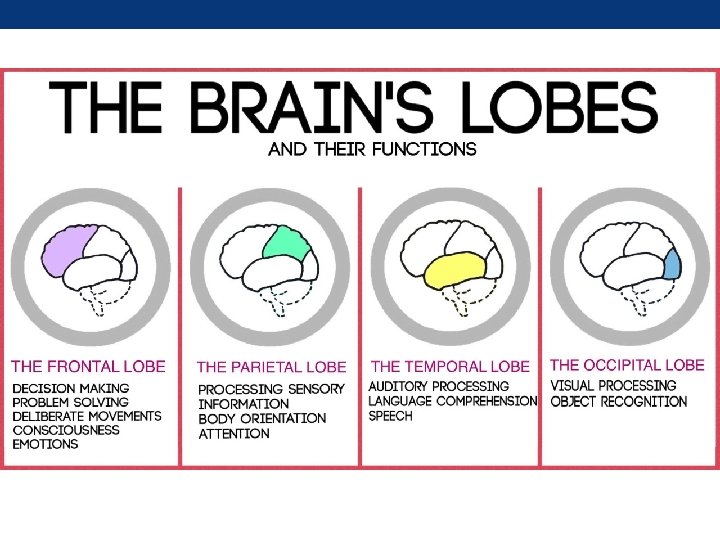
Motor Cortex • In frontal lobe • Controls voluntary movements
Somatosensory Cortex • In parietal lob • Registers and processes body touch and movement sensations
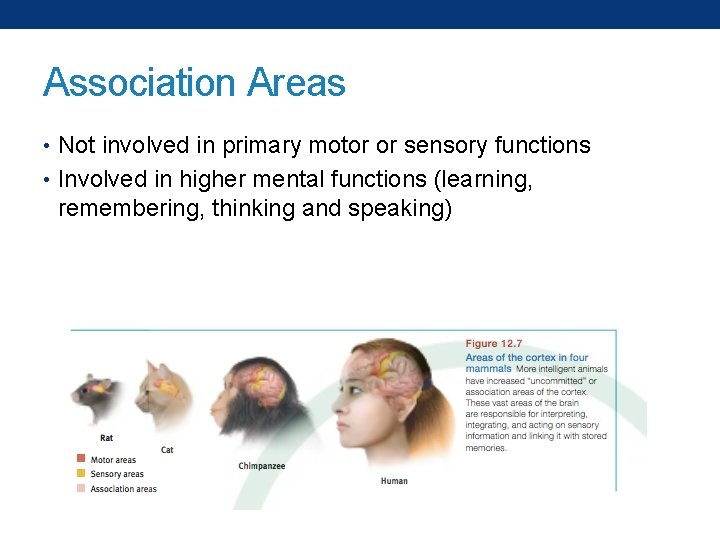
Association Areas • Not involved in primary motor or sensory functions • Involved in higher mental functions (learning, remembering, thinking and speaking)
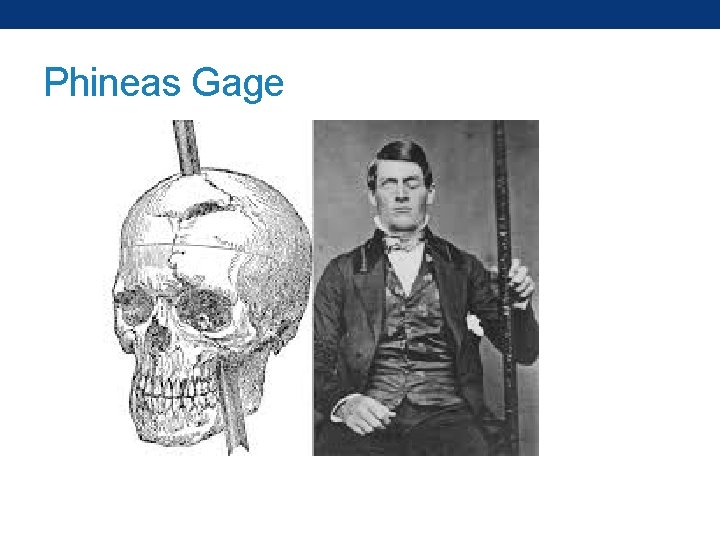
Phineas Gage
Broca’s Area • Connected to speaking • Frontal left hemisphere
Wernicke’s Area • Connected to understanding
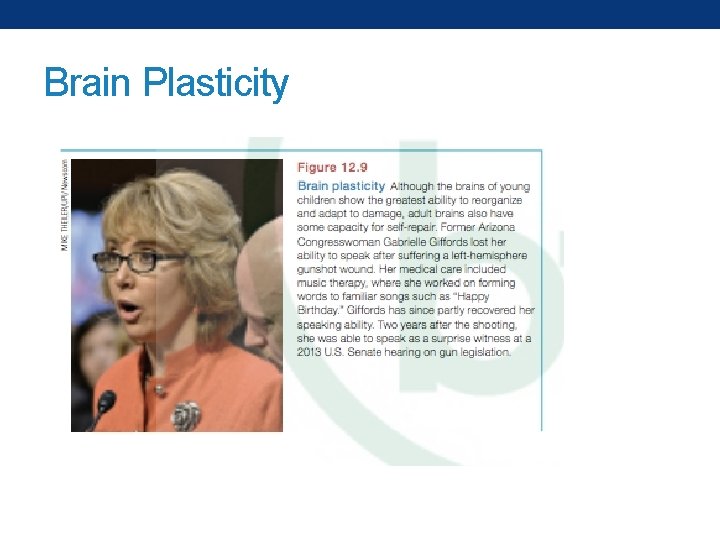
Brain Plasticity
Neurogenesis • Formation of new neurons
Corpus Callosum • Neural fibers connecting the two hemispheres of the brain • Split Brains: results from surgery that isolates the brain’s two hemispheres by cutting the fibers connecting them (corpus callosum)
Cognitive Neuroscience • Brain activity linked with cognition (thinking, memry and language)
Dual Processing • Information is often simultaneously processed on separate conscious and unconscious tracks • We know more than we know
Behavior Genetics • Study of the relative power and limits of genetic and environmental influences on behavior
Biological vs. Adoptive Relatives • People who grow up together whether biologically related or not, do not much resemble one another in personality • In traits such as extraversion and agreeableness, adoptees are more similar to their biological parents
Heritability • The proportion of variation among individuals that we can attribute to genes
Evolutionary Psychologists • Look at natural selection-best genes survive
Junita does not feel like getting out of bed, has lost her appetite, and feels tired for most of the day. Which of the following neurotransmitters likely is in short supply for Junita? A. Dopamine B. Serotonin C. Norephinephrine D. Acetylcholine E. Glutamate B
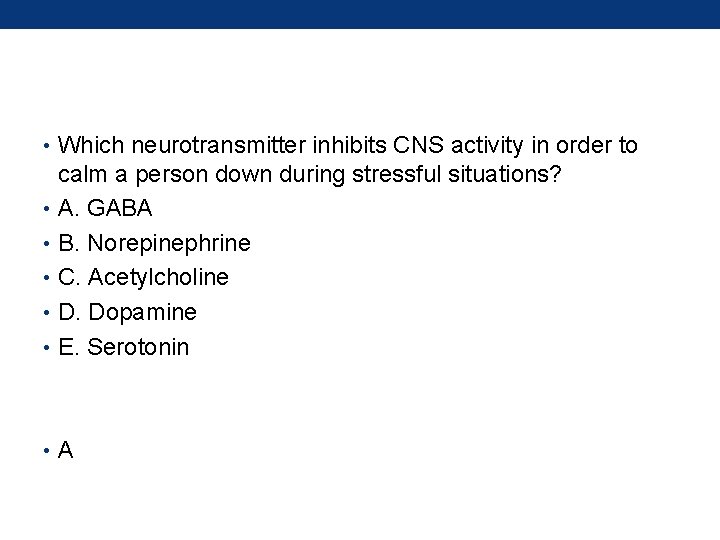
• Which neurotransmitter inhibits CNS activity in order to calm a person down during stressful situations? • A. GABA • B. Norepinephrine • C. Acetylcholine • D. Dopamine • E. Serotonin • A
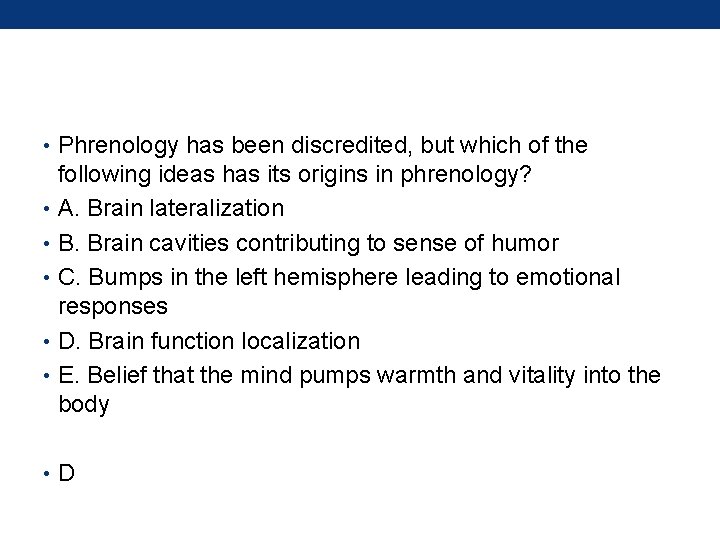
• Phrenology has been discredited, but which of the following ideas has its origins in phrenology? • A. Brain lateralization • B. Brain cavities contributing to sense of humor • C. Bumps in the left hemisphere leading to emotional responses • D. Brain function localization • E. Belief that the mind pumps warmth and vitality into the body • D
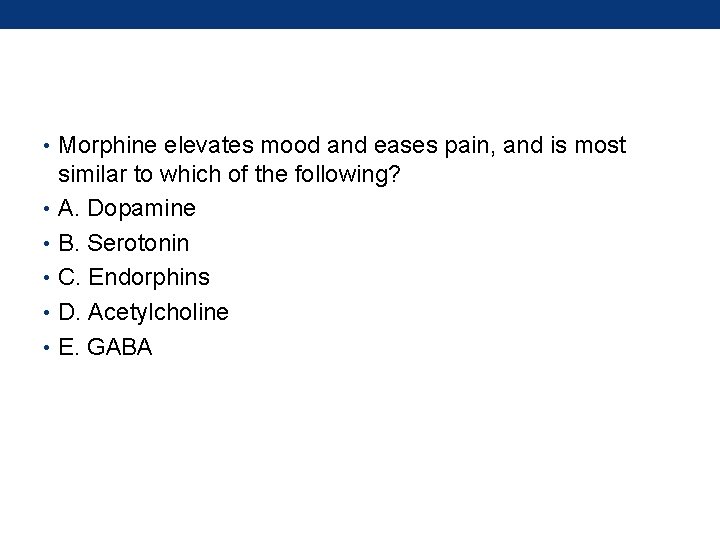
• Morphine elevates mood and eases pain, and is most similar to which of the following? • A. Dopamine • B. Serotonin • C. Endorphins • D. Acetylcholine • E. GABA
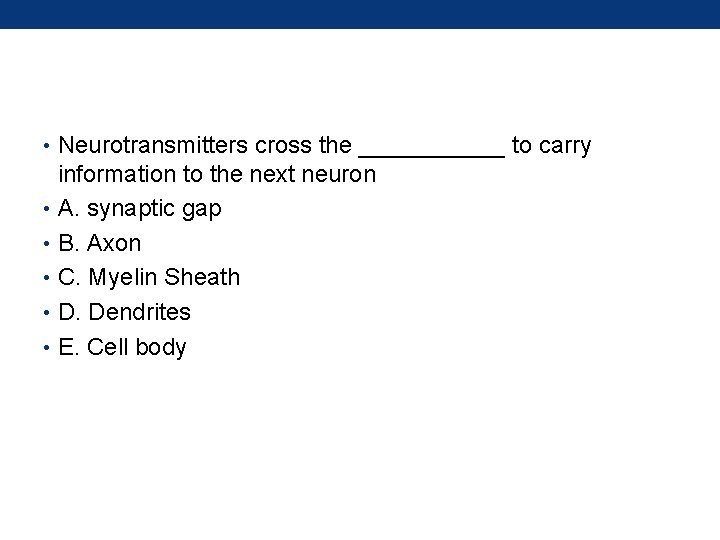
• Neurotransmitters cross the ______ to carry information to the next neuron • A. synaptic gap • B. Axon • C. Myelin Sheath • D. Dendrites • E. Cell body
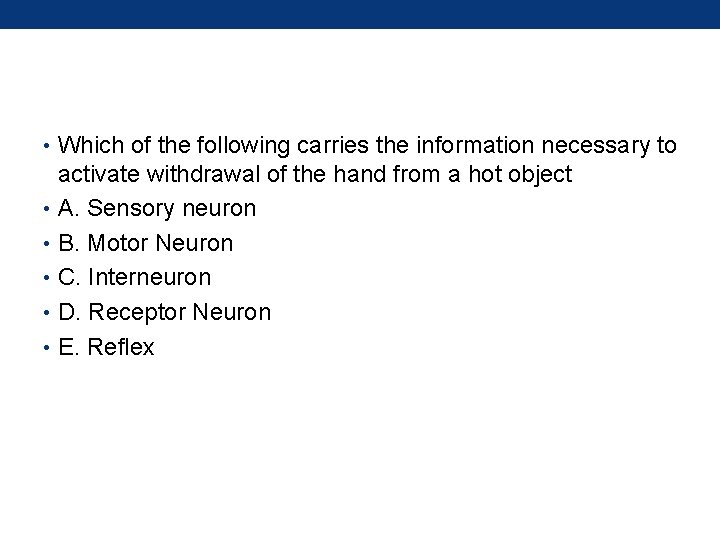
• Which of the following carries the information necessary to activate withdrawal of the hand from a hot object • A. Sensory neuron • B. Motor Neuron • C. Interneuron • D. Receptor Neuron • E. Reflex
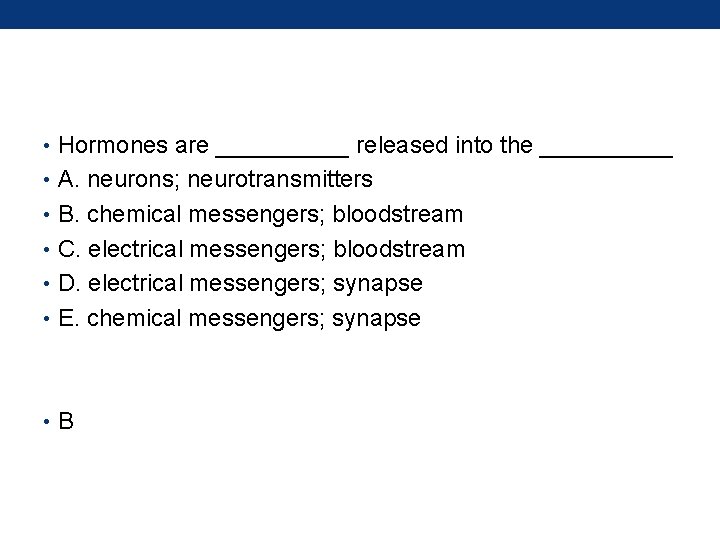
• Hormones are _____ released into the _____ • A. neurons; neurotransmitters • B. chemical messengers; bloodstream • C. electrical messengers; bloodstream • D. electrical messengers; synapse • E. chemical messengers; synapse • B
• Which division of the nervous system produces the startle response? • A. Parasympathetic • B. Central • C. Somatic • D. Sympathetic • E. Autonomic • D
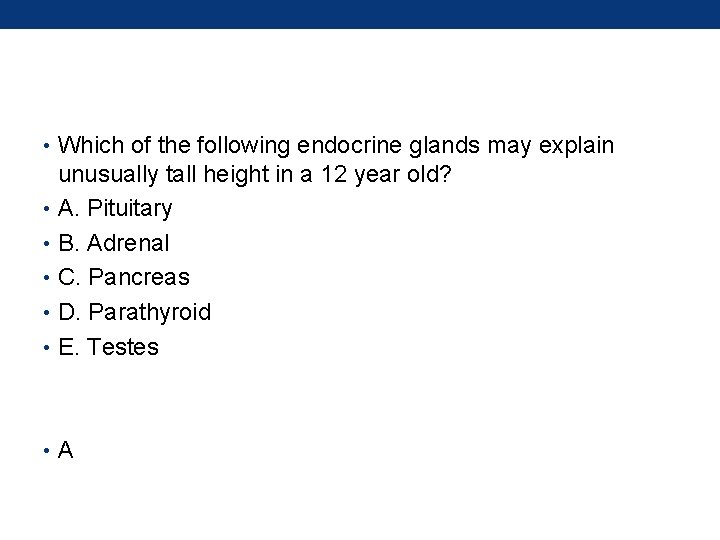
• Which of the following endocrine glands may explain unusually tall height in a 12 year old? • A. Pituitary • B. Adrenal • C. Pancreas • D. Parathyroid • E. Testes • A
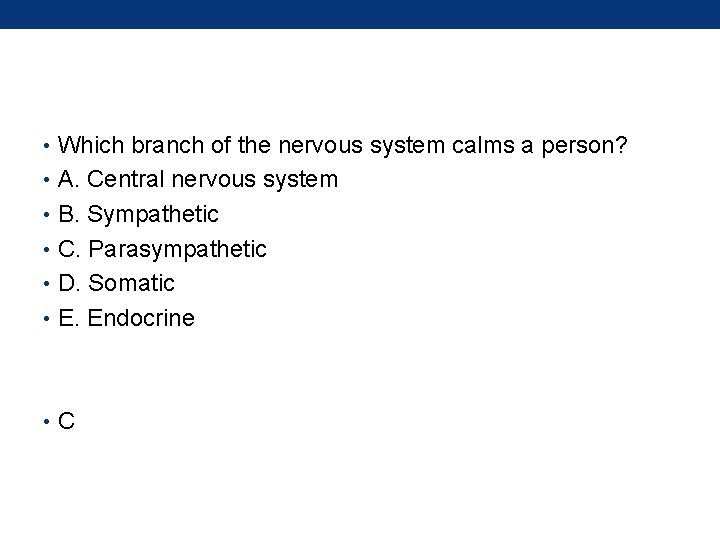
• Which branch of the nervous system calms a person? • A. Central nervous system • B. Sympathetic • C. Parasympathetic • D. Somatic • E. Endocrine • C
• Epinephrine and norepinephrine increase energy and are released by the • A. Thyroid glands • B. Pituitary Gland • C. Hypothalamus • D. Thalamus • E. Adrenal Glands • E
• Computer enhanced X-rays used to create brain images are known as • A. positron emission tomography scans • B. functional magnetic resonance images • C. computed tomography scans • D. Electroencephalograms • E. Magnetic resonance images • C
• A gymnast falls and hits her head on the floor. She attempts to continue practicing, but has trouble maintaining balance. What part of her brain has probably been affected? • A. Reticular formation • B. Cerebellum • C. Amygdala • D. Frontal Lobe • E. Brainstem • B
• Which of the following scanning techniques measures glucose consumption as an indicator of brain activity? • A. CT • B. MRI • C. f. MRI • D. PET • E. EEG
• Which of the following is sometimes referred to as the brain’s train hub, because it directs incoming sensory messages to their proper places in the brain? • A. Hypothalamus • B. Pituitary • C. Cerebellum • D. Limbic System • E. Thalamus • E
• Which of the following areas is responsible for regulating thirst? • A. Reticular activating system • B. Amygdala • C. Hypothalamus • D. Hippocampus • E. Brainstem • C
• Which of the following’s primary function is processing memories? • A. Cerebral Cortex • B. Medulla • C. Corpus Callosum • D. Hippocampus • E. Hypothalamus • D
• Damage to which of the following could interfere with the ability to plan for the future? • A. Frontal Lobe • B. Temporal Lobe • C. Parietal Lobe • D. Occipital Lobe • E. Somatosensory Cortex • A
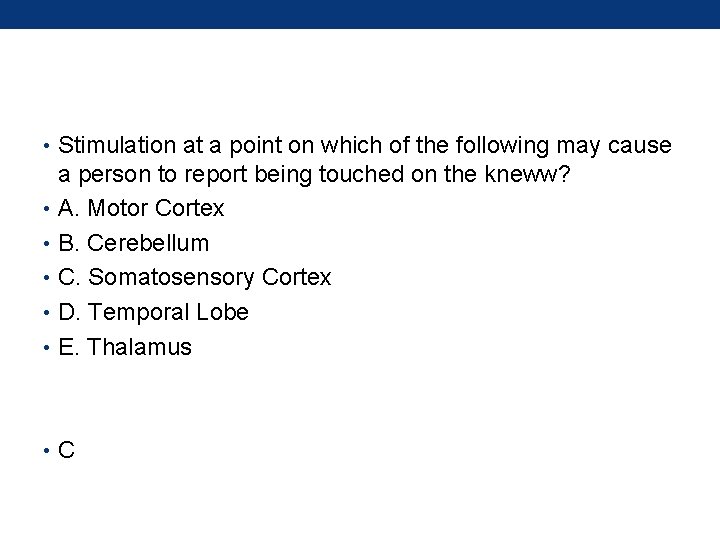
• Stimulation at a point on which of the following may cause a person to report being touched on the kneww? • A. Motor Cortex • B. Cerebellum • C. Somatosensory Cortex • D. Temporal Lobe • E. Thalamus • C
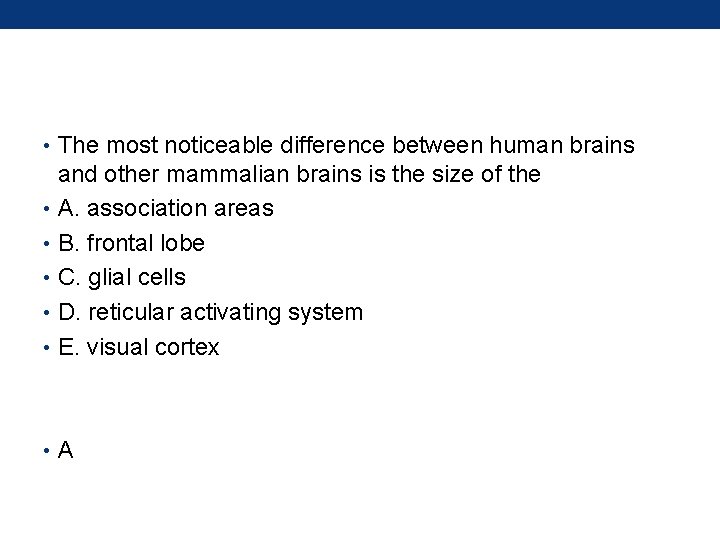
• The most noticeable difference between human brains and other mammalian brains is the size of the • A. association areas • B. frontal lobe • C. glial cells • D. reticular activating system • E. visual cortex • A
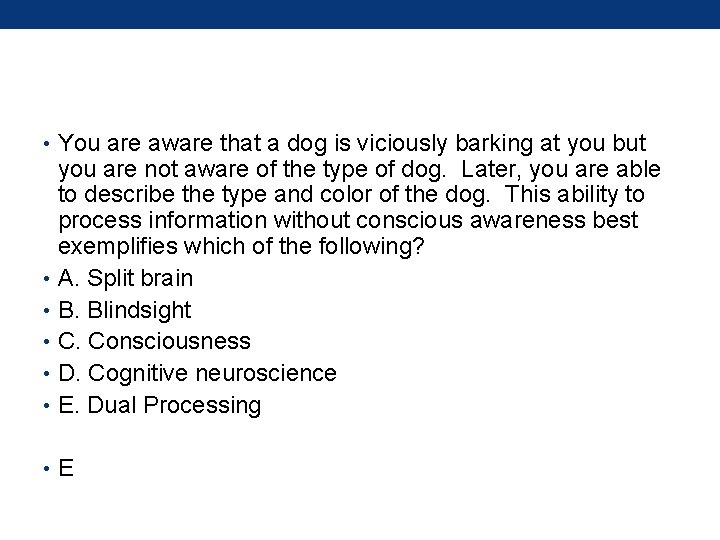
• You are aware that a dog is viciously barking at you but you are not aware of the type of dog. Later, you are able to describe the type and color of the dog. This ability to process information without conscious awareness best exemplifies which of the following? • A. Split brain • B. Blindsight • C. Consciousness • D. Cognitive neuroscience • E. Dual Processing • E
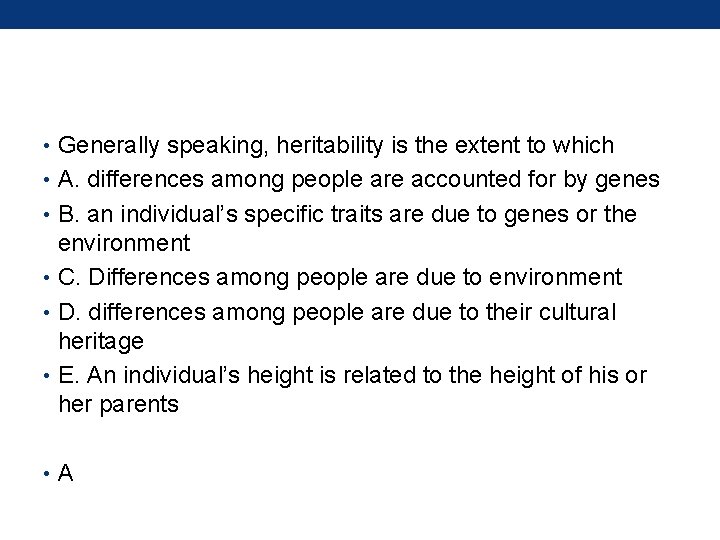
• Generally speaking, heritability is the extent to which • A. differences among people are accounted for by genes • B. an individual’s specific traits are due to genes or the environment • C. Differences among people are due to environment • D. differences among people are due to their cultural heritage • E. An individual’s height is related to the height of his or her parents • A
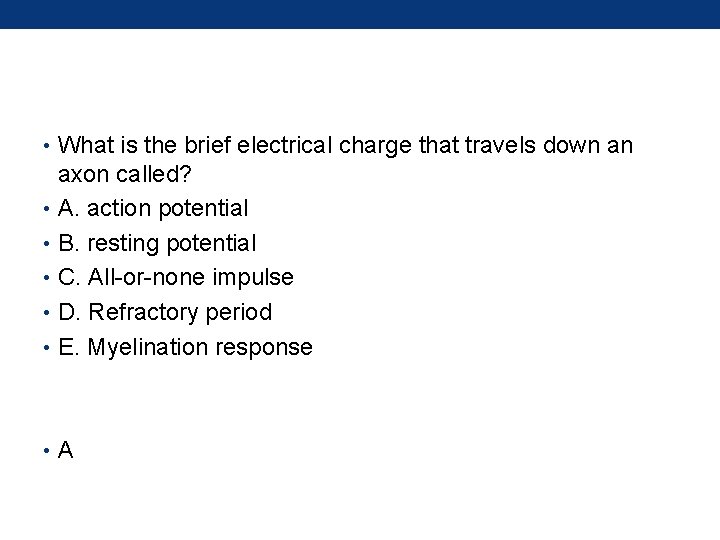
• What is the brief electrical charge that travels down an axon called? • A. action potential • B. resting potential • C. All-or-none impulse • D. Refractory period • E. Myelination response • A
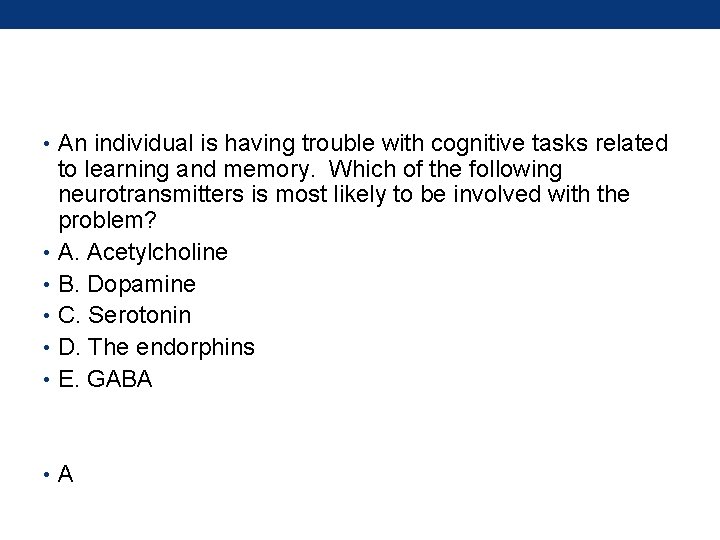
• An individual is having trouble with cognitive tasks related to learning and memory. Which of the following neurotransmitters is most likely to be involved with the problem? • A. Acetylcholine • B. Dopamine • C. Serotonin • D. The endorphins • E. GABA • A
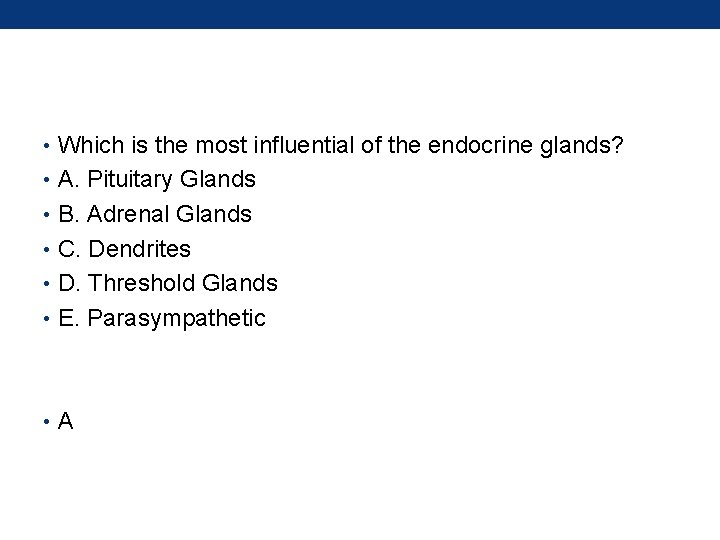
• Which is the most influential of the endocrine glands? • A. Pituitary Glands • B. Adrenal Glands • C. Dendrites • D. Threshold Glands • E. Parasympathetic • A
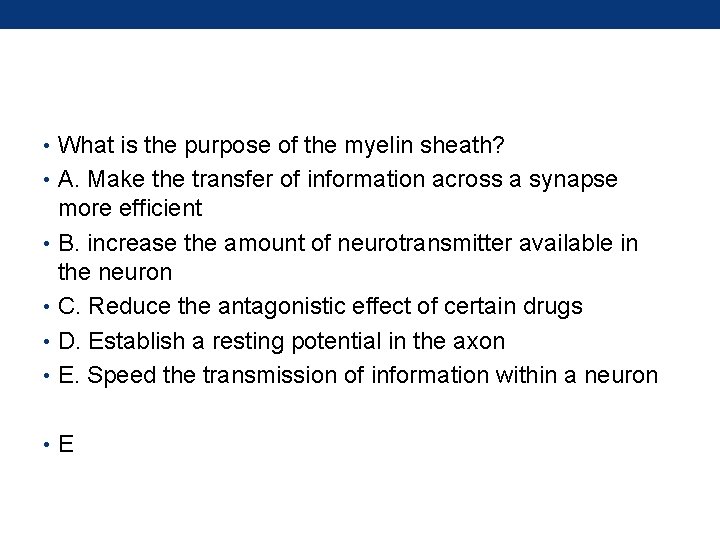
• What is the purpose of the myelin sheath? • A. Make the transfer of information across a synapse more efficient • B. increase the amount of neurotransmitter available in the neuron • C. Reduce the antagonistic effect of certain drugs • D. Establish a resting potential in the axon • E. Speed the transmission of information within a neuron • E
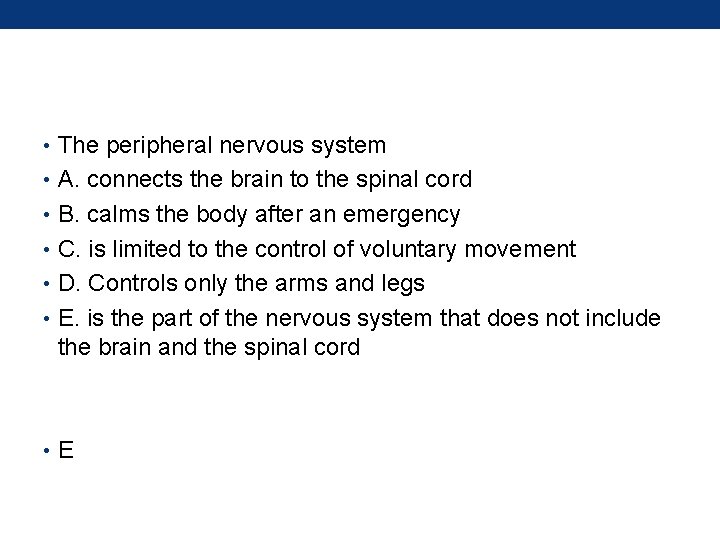
• The peripheral nervous system • A. connects the brain to the spinal cord • B. calms the body after an emergency • C. is limited to the control of voluntary movement • D. Controls only the arms and legs • E. is the part of the nervous system that does not include the brain and the spinal cord • E
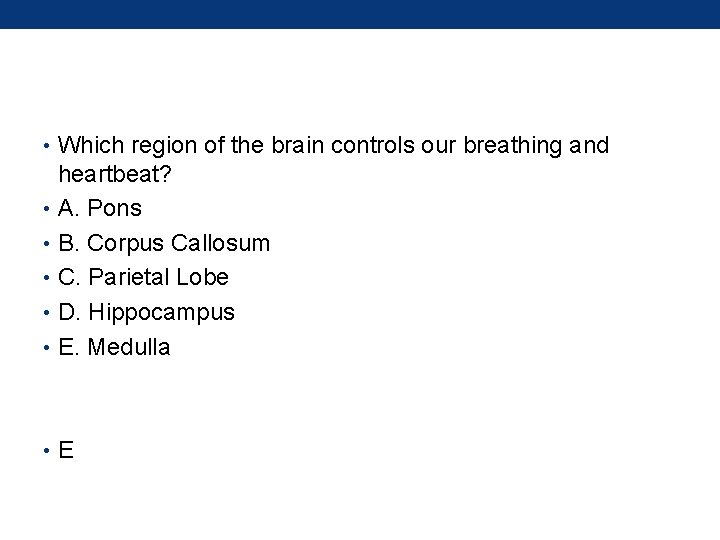
• Which region of the brain controls our breathing and heartbeat? • A. Pons • B. Corpus Callosum • C. Parietal Lobe • D. Hippocampus • E. Medulla • E
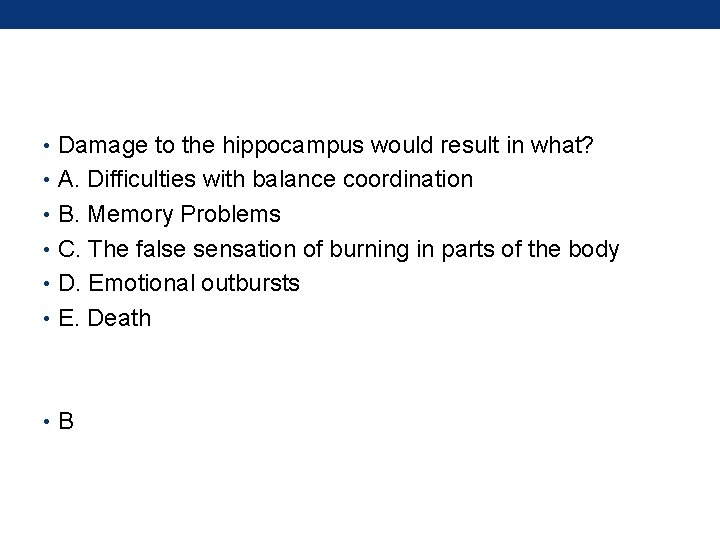
• Damage to the hippocampus would result in what? • A. Difficulties with balance coordination • B. Memory Problems • C. The false sensation of burning in parts of the body • D. Emotional outbursts • E. Death • B
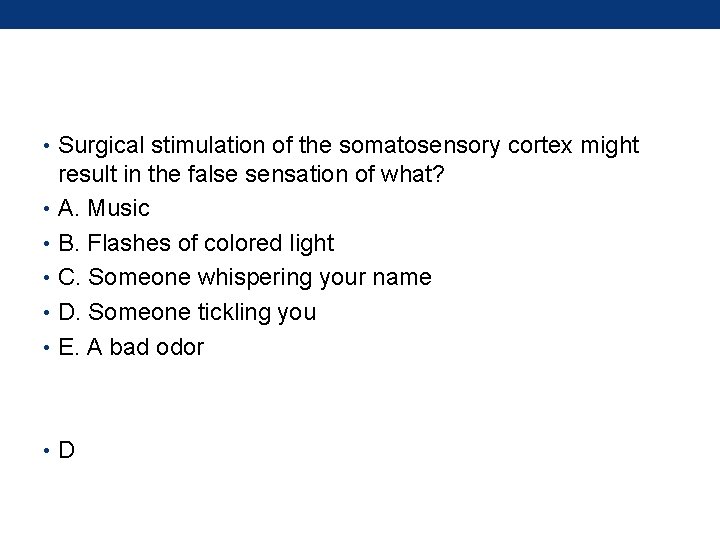
• Surgical stimulation of the somatosensory cortex might result in the false sensation of what? • A. Music • B. Flashes of colored light • C. Someone whispering your name • D. Someone tickling you • E. A bad odor • D
• Brain plasticity refers to which of the following? • A. Healthy human brain tissue • B. The ability of the brain to transfer information from one hemisphere to the other • C. How a brain gets larger as a child grows • D. A wide variety of functions performed by the human brain • E. The ability of brain tissue to take on new functions • E
• When Kluver and Bucy surgically lesioned the amygdala of the rhesus monkey’s brain, what was the impact on the monkey’s behavior? • A. lost its ability to coordinate movement • B. Died because its heartbeat became irregular • C. Became less aggressive • D. Lost its memory of where food was stored • E. Sank into an irreversible coma • C
• Evolutionary psychologists seek to understand how traits and behavioral tendencies have been shaped by what? • A. Natural selection • B. Genes • C. Prenatal nutrition • D. DNA • E. Chromosomes • A
• Why do researchers find the study of fraternal twins important? • A. They share similar environments and the same genetic code • B. Data collected concerning their similarities is necessary for calculating heritability • C. They are the same age and are usually raised in similar environments, but they do not have the same genetic code • D. Results allow us to determine exactly how disorders ranging from heart disease to schizophrenia are inherited • E. They are typically raised in less similar environments than non twin siblings • C