
Four River Valley Civilizations Sumerian Civilization Tigris Euphrates
- Slides: 30
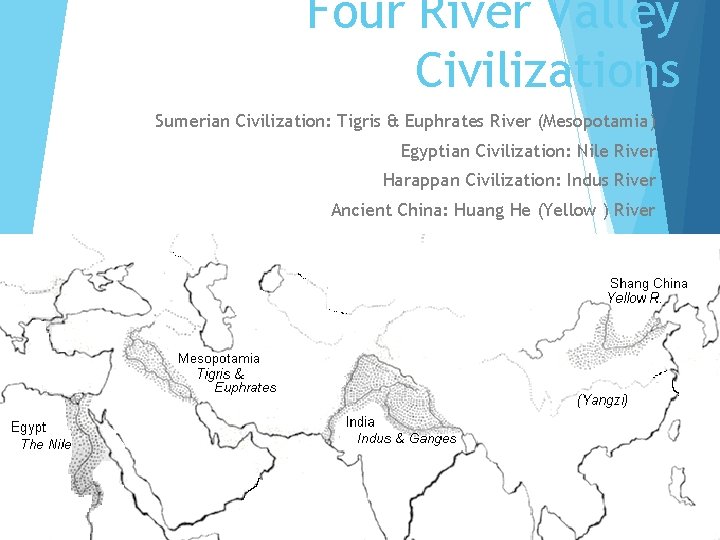
Four River Valley Civilizations Sumerian Civilization: Tigris & Euphrates River (Mesopotamia) Egyptian Civilization: Nile River Harappan Civilization: Indus River Ancient China: Huang He (Yellow ) River
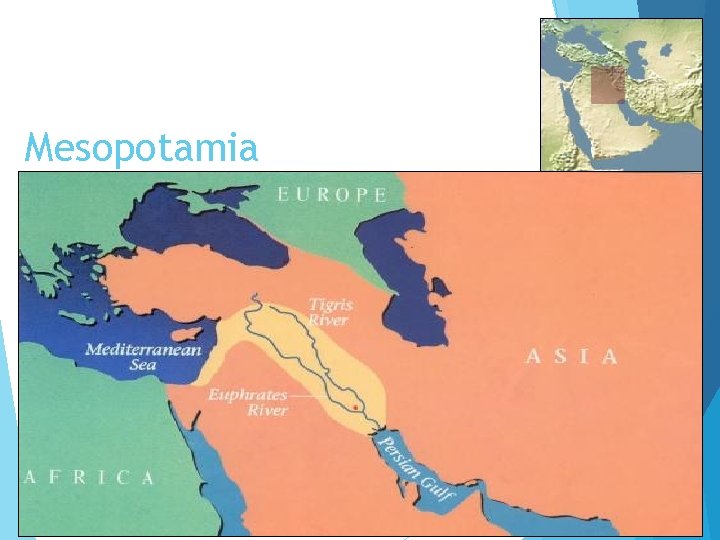
Mesopotamia
Geography Mostly dry desert climate in SW Asia Except region between Tigris/Euphrates River Mesopotamia lies between 2 rivers “fertile crescent” – creates silt with thick bed of mud
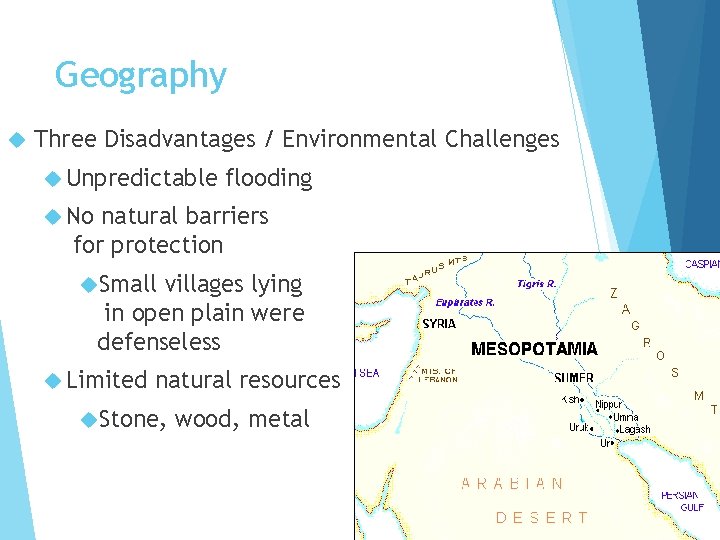
Geography Three Disadvantages / Environmental Challenges Unpredictable flooding No natural barriers for protection Small villages lying in open plain were defenseless Limited natural resources Stone, wood, metal
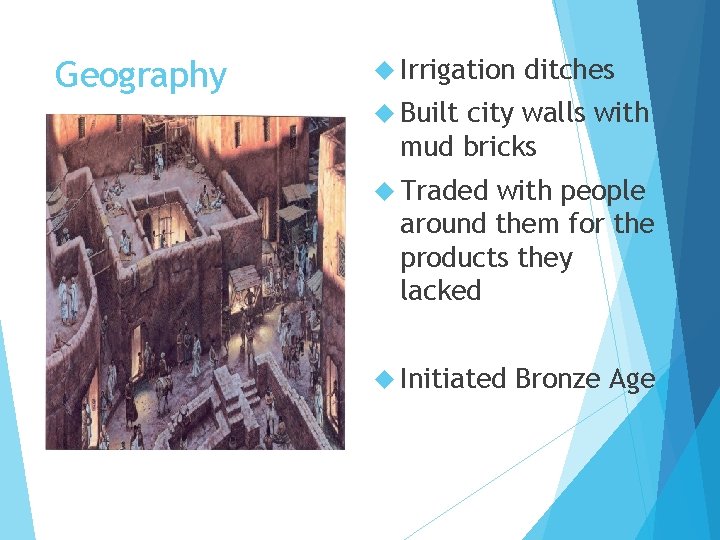
Geography Irrigation ditches Built city walls with mud bricks Traded with people around them for the products they lacked Initiated Bronze Age
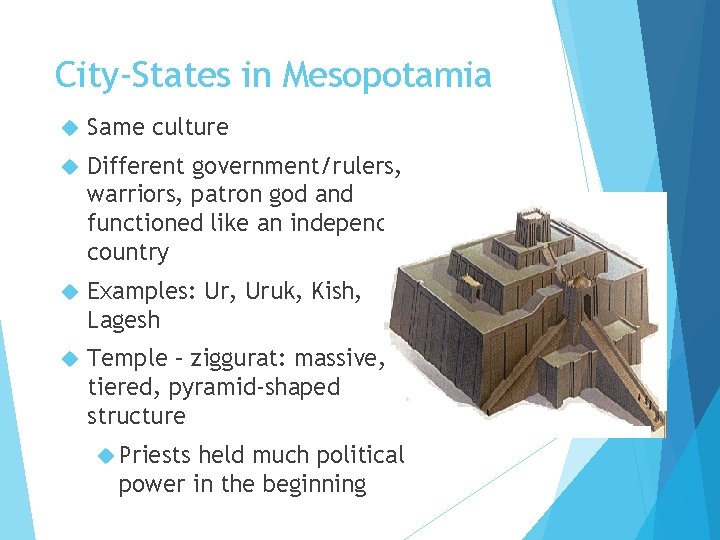
City-States in Mesopotamia Same culture Different government/rulers, warriors, patron god and functioned like an independent country Examples: Ur, Uruk, Kish, Lagesh Temple – ziggurat: massive, tiered, pyramid-shaped structure Priests held much political power in the beginning
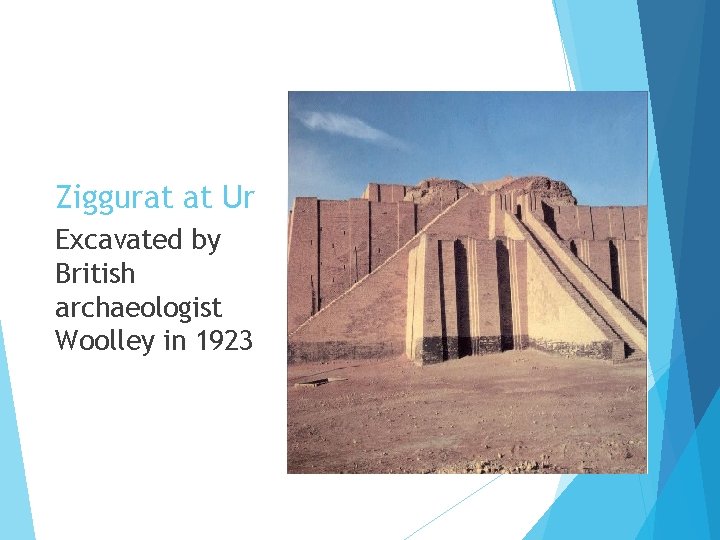
Ziggurat at Ur Excavated by British archaeologist Woolley in 1923
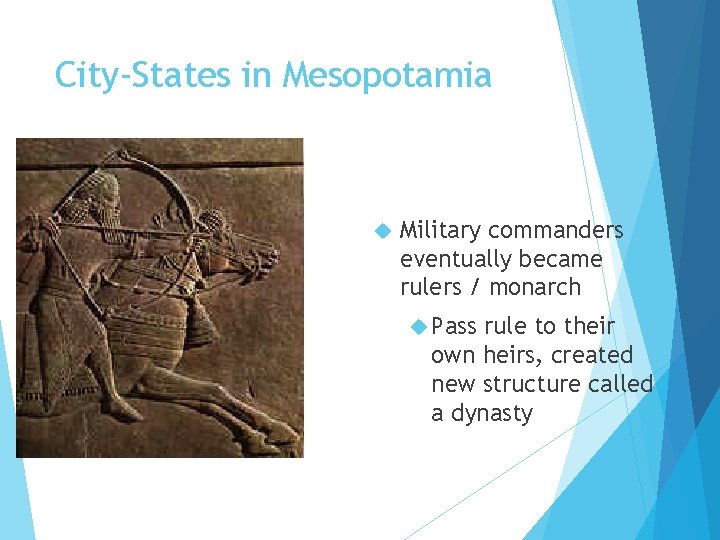
City-States in Mesopotamia Military commanders eventually became rulers / monarch Pass rule to their own heirs, created new structure called a dynasty
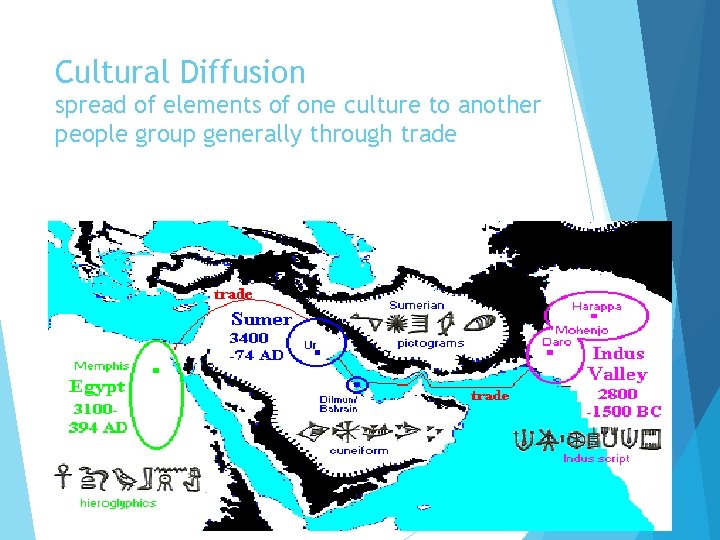
Cultural Diffusion spread of elements of one culture to another people group generally through trade
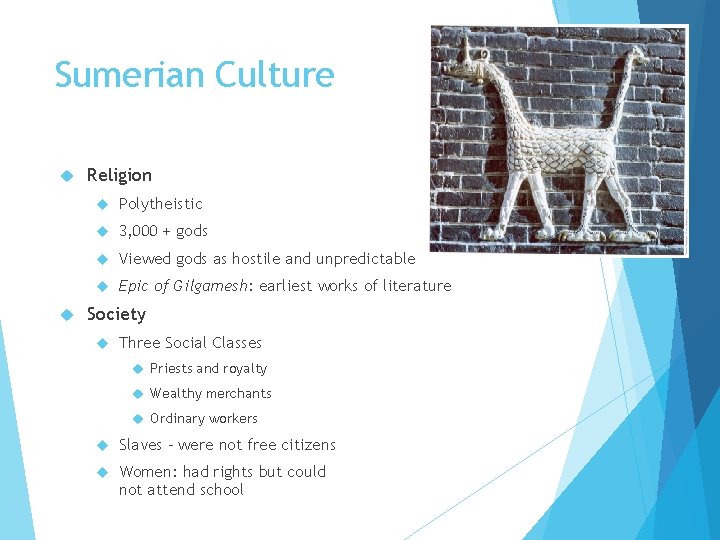
Sumerian Culture Religion Polytheistic 3, 000 + gods Viewed gods as hostile and unpredictable Epic of Gilgamesh: earliest works of literature Society Three Social Classes Priests and royalty Wealthy merchants Ordinary workers Slaves – were not free citizens Women: had rights but could not attend school
Sumerian Culture Science and Technology First writing system: cuneiform Invented First wheel, the sail, the plow to use bronze Astronomy Earliest sketched map
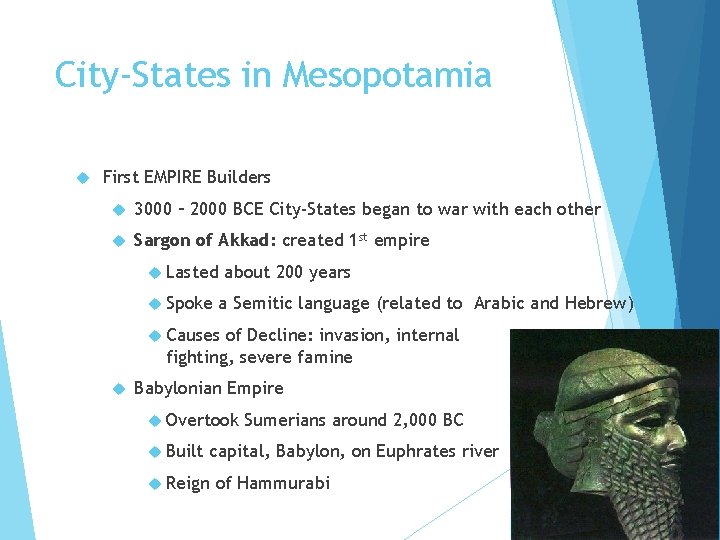
City-States in Mesopotamia First EMPIRE Builders 3000 – 2000 BCE City-States began to war with each other Sargon of Akkad: created 1 st empire Lasted Spoke about 200 years a Semitic language (related to Arabic and Hebrew) Causes of Decline: invasion, internal fighting, severe famine Babylonian Empire Overtook Built Sumerians around 2, 000 BC capital, Babylon, on Euphrates river Reign of Hammurabi
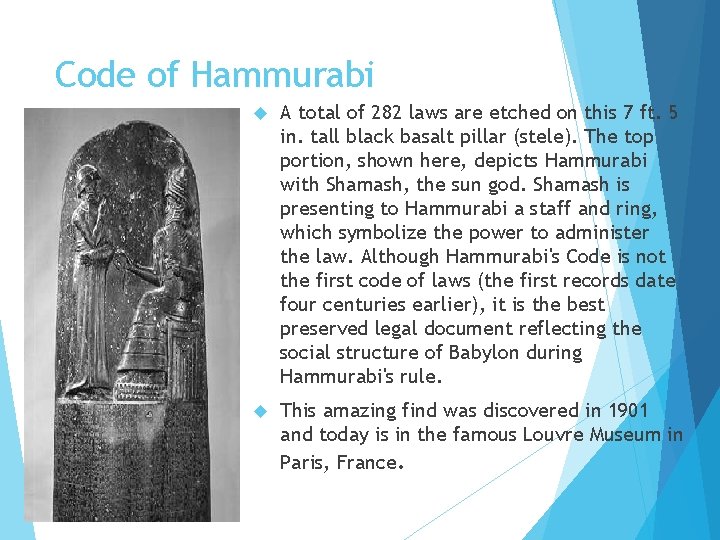
Code of Hammurabi A total of 282 laws are etched on this 7 ft. 5 in. tall black basalt pillar (stele). The top portion, shown here, depicts Hammurabi with Shamash, the sun god. Shamash is presenting to Hammurabi a staff and ring, which symbolize the power to administer the law. Although Hammurabi's Code is not the first code of laws (the first records date four centuries earlier), it is the best preserved legal document reflecting the social structure of Babylon during Hammurabi's rule. This amazing find was discovered in 1901 and today is in the famous Louvre Museum in Paris, France.
Egypt on the Nile
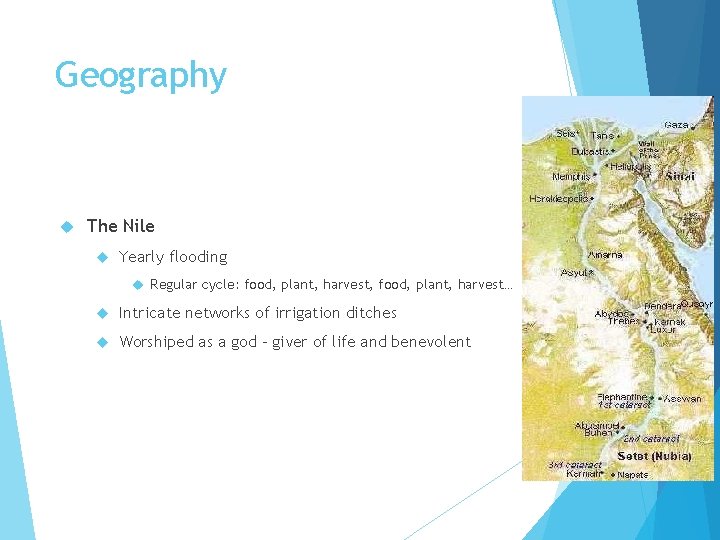
Geography The Nile Yearly flooding Regular cycle: food, plant, harvest, food, plant, harvest… Intricate networks of irrigation ditches Worshiped as a god – giver of life and benevolent
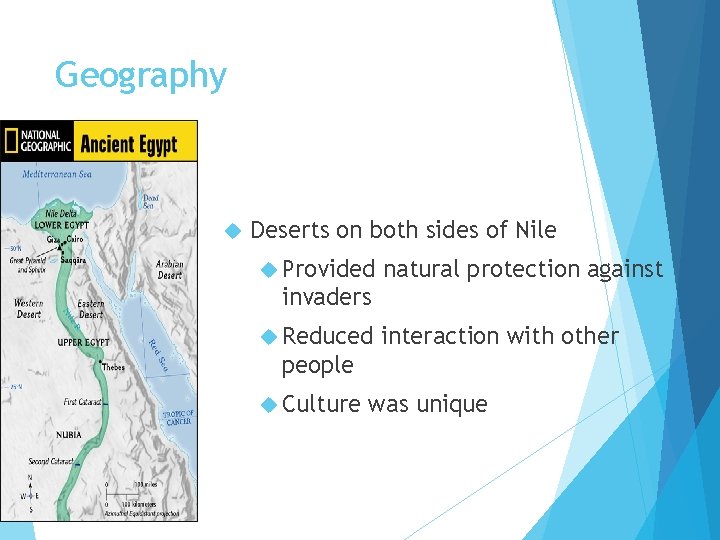
Geography Deserts on both sides of Nile Provided natural protection against invaders Reduced interaction with other people Culture was unique
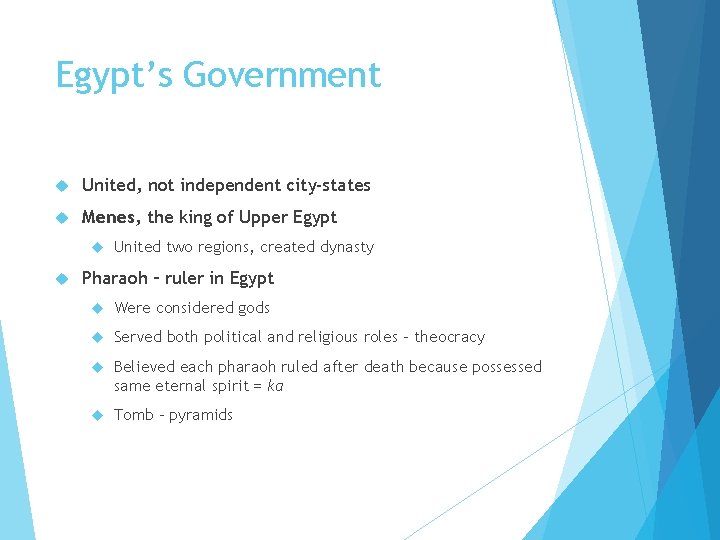
Egypt’s Government United, not independent city-states Menes, the king of Upper Egypt United two regions, created dynasty Pharaoh – ruler in Egypt Were considered gods Served both political and religious roles – theocracy Believed each pharaoh ruled after death because possessed same eternal spirit = ka Tomb - pyramids
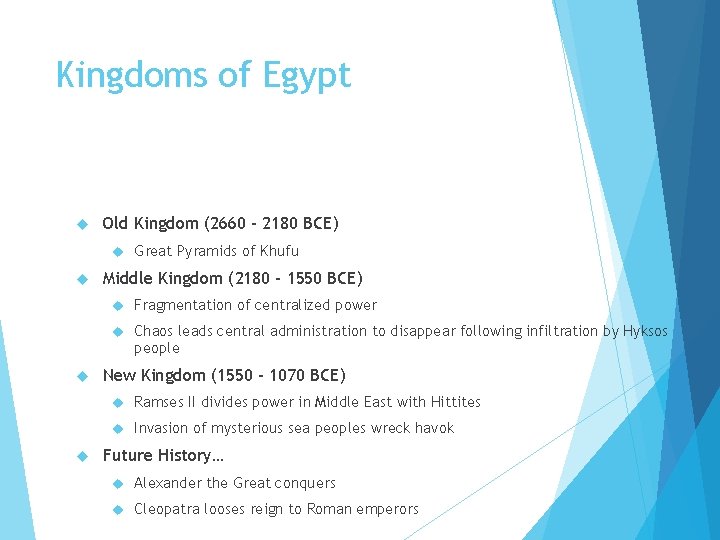
Kingdoms of Egypt Old Kingdom (2660 - 2180 BCE) Great Pyramids of Khufu Middle Kingdom (2180 – 1550 BCE) Fragmentation of centralized power Chaos leads central administration to disappear following infiltration by Hyksos people New Kingdom (1550 – 1070 BCE) Ramses II divides power in Middle East with Hittites Invasion of mysterious sea peoples wreck havok Future History… Alexander the Great conquers Cleopatra looses reign to Roman emperors
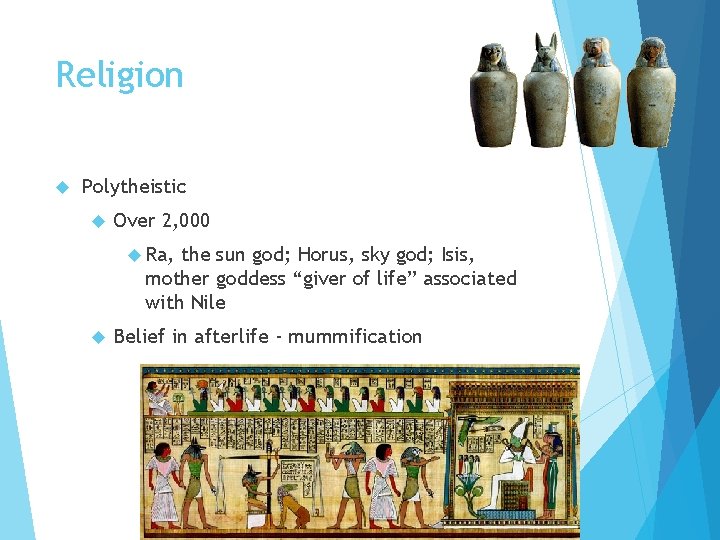
Religion Polytheistic Over 2, 000 Ra, the sun god; Horus, sky god; Isis, mother goddess “giver of life” associated with Nile Belief in afterlife - mummification
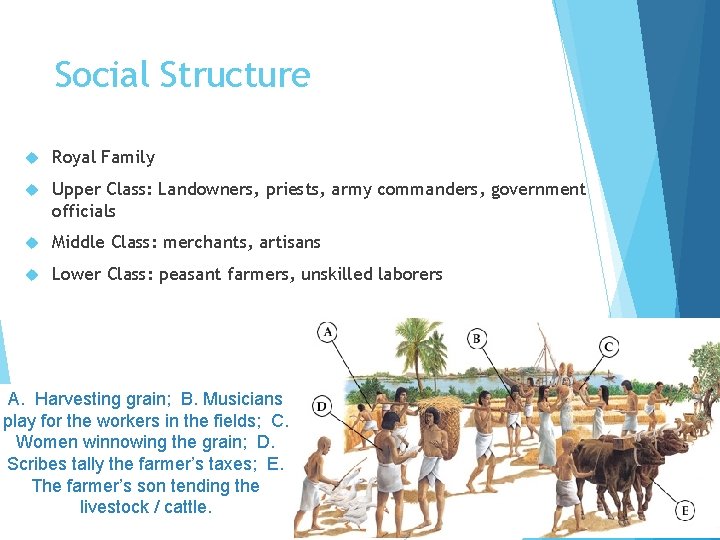
Social Structure Royal Family Upper Class: Landowners, priests, army commanders, government officials Middle Class: merchants, artisans Lower Class: peasant farmers, unskilled laborers A. Harvesting grain; B. Musicians play for the workers in the fields; C. Women winnowing the grain; D. Scribes tally the farmer’s taxes; E. The farmer’s son tending the livestock / cattle.
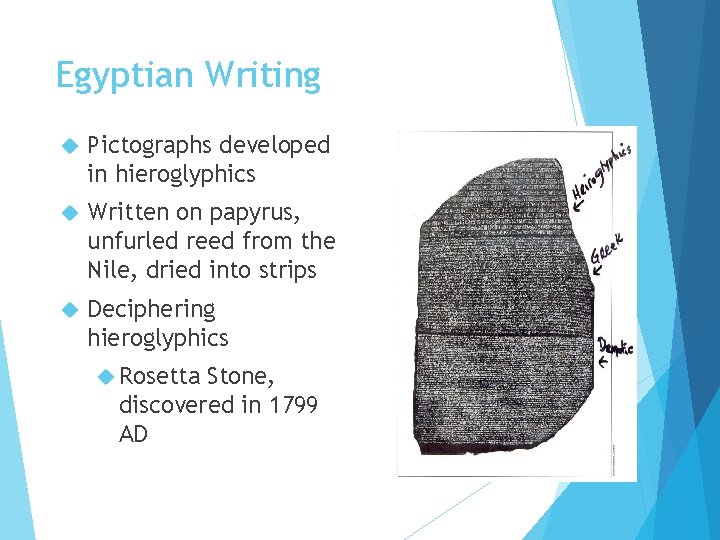
Egyptian Writing Pictographs developed in hieroglyphics Written on papyrus, unfurled reed from the Nile, dried into strips Deciphering hieroglyphics Rosetta Stone, discovered in 1799 AD
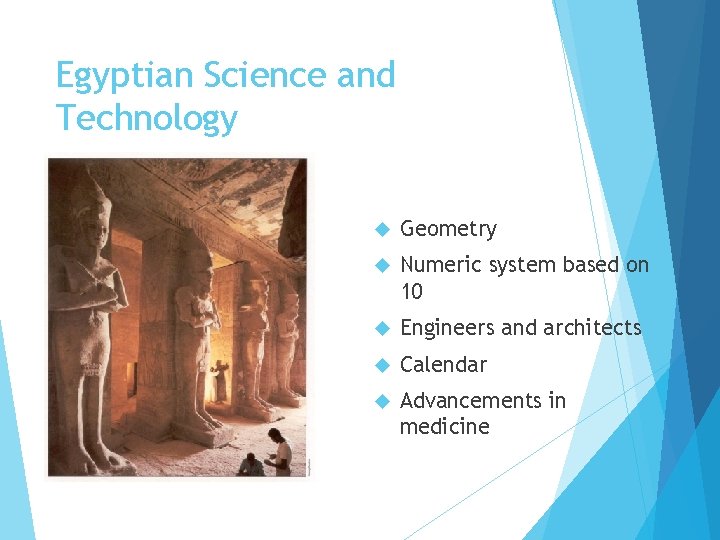
Egyptian Science and Technology Geometry Numeric system based on 10 Engineers and architects Calendar Advancements in medicine
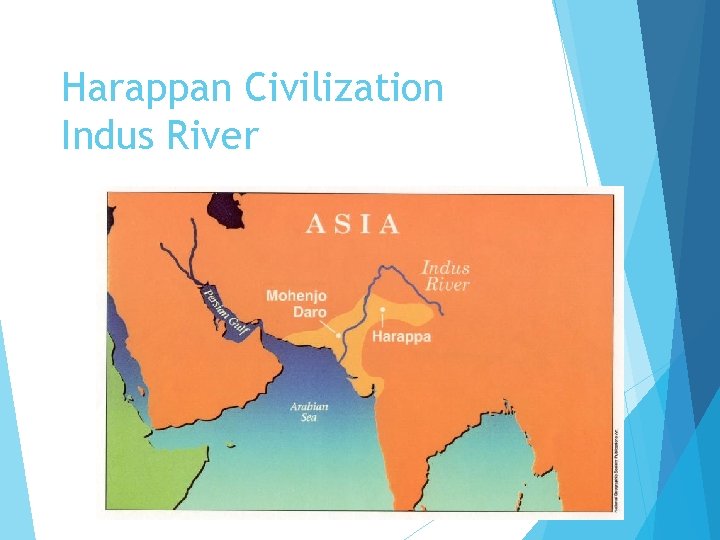
Harappan Civilization Indus River
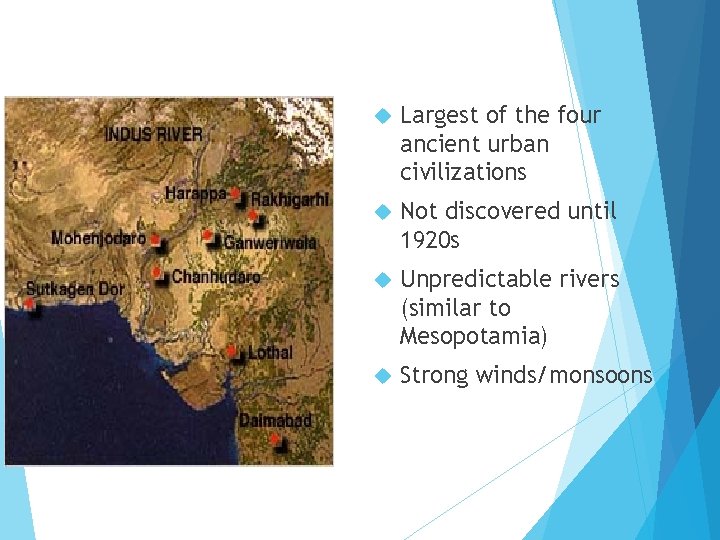
Largest of the four ancient urban civilizations Not discovered until 1920 s Unpredictable rivers (similar to Mesopotamia) Strong winds/monsoons
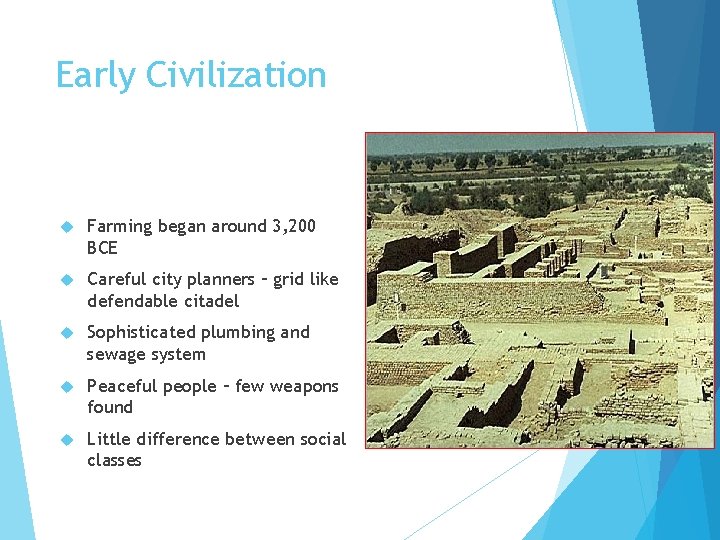
Early Civilization Farming began around 3, 200 BCE Careful city planners – grid like defendable citadel Sophisticated plumbing and sewage system Peaceful people – few weapons found Little difference between social classes
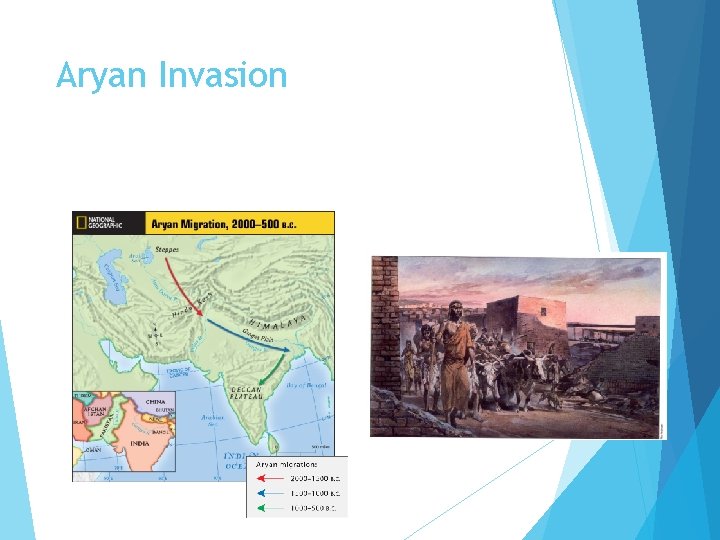
Aryan Invasion
Ancient China Huang He River
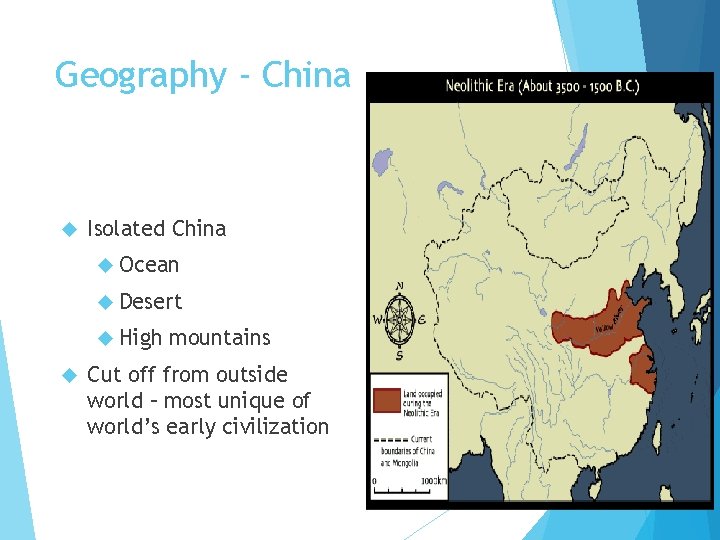
Geography - China Isolated China Ocean Desert High mountains Cut off from outside world – most unique of world’s early civilization
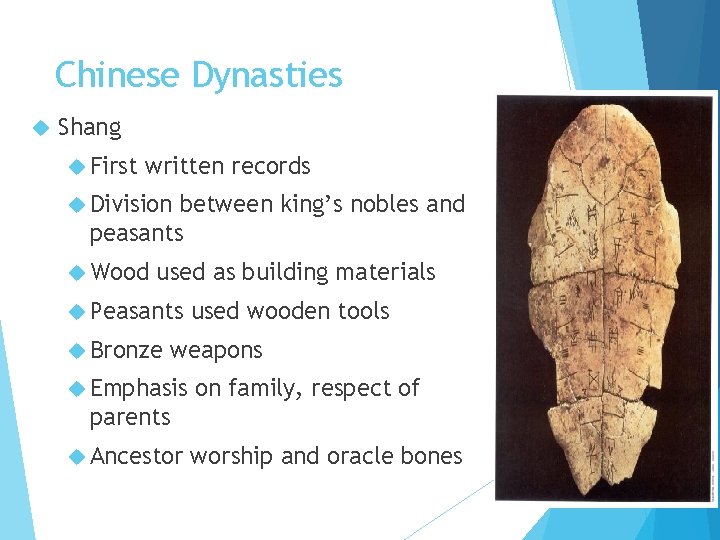
Chinese Dynasties Shang First written records Division between king’s nobles and peasants Wood used as building materials Peasants Bronze used wooden tools weapons Emphasis on family, respect of parents Ancestor worship and oracle bones
Chinese Dynasties Zhou Mandate of Heaven: authority comes from heaven Disasters because rulers Lead to pattern of rise and fall of dynasties in Chin Large regions of land/privileges to select nobles who owed loyalty to the kings in return Introduced first coined money; improved transportation with roads/canals; civil servants; iron-making