
Foundations to the Normal Process of Aging Psychological
- Slides: 14
Foundations to the Normal Process of Aging: Psychological, Social, and Cultural Aspects Developed and Presented by Carolyn K. Shue, Ph. D. UMKC-SOM Shue. C@umkc. edu
Interviewing Your Mentor: Key Issues The Communication Event The communication event consists of two individuals from two different generations exchanging messages in order to establish a relationship and achieve personal and educational goals.
Components – Two Individuals Simultaneously taking on roles of sender and receiver of messages ¡ Individual perspectives and experiences ¡ Individual challenges and expectations ¡
Components – Two Generations ¡ ¡ Regardless of the Perceived Differences there are more Similarities Different Styles of Communicating l l l ¡ ¡ Slang Jargon Points of Reference Different (Mis? )Perceptions Different Communication Constraints l l Skills – Approaches Physical
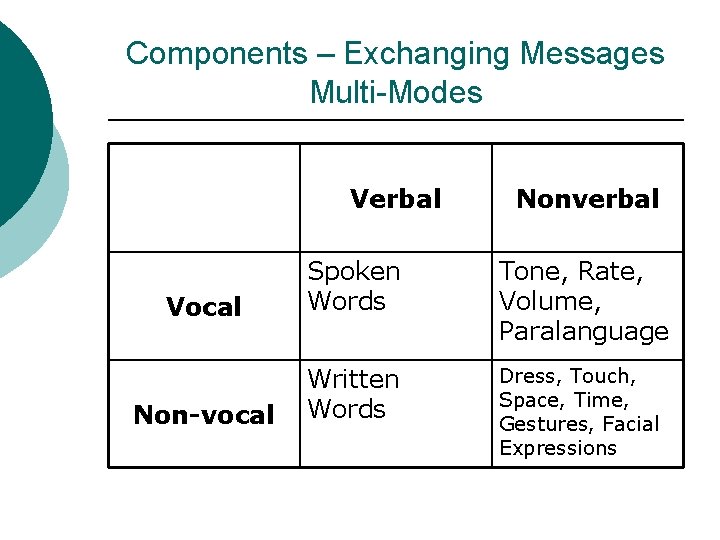
Components – Exchanging Messages Multi-Modes Verbal Nonverbal Vocal Spoken Words Tone, Rate, Volume, Paralanguage Non-vocal Written Words Dress, Touch, Space, Time, Gestures, Facial Expressions
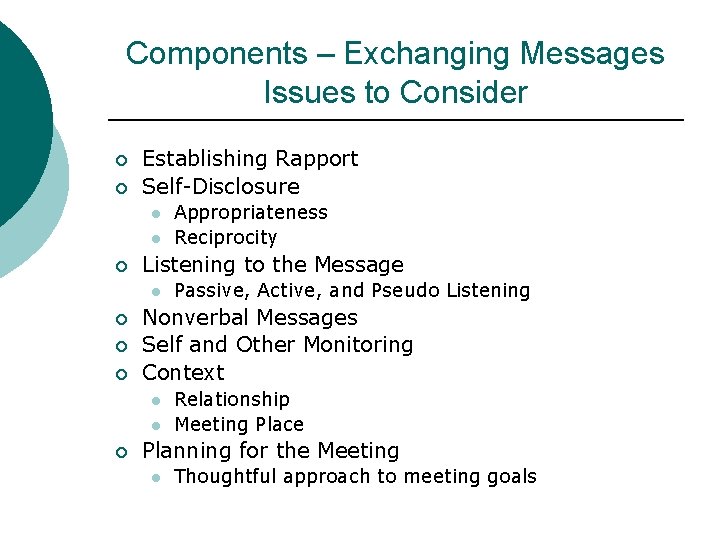
Components – Exchanging Messages Issues to Consider ¡ ¡ Establishing Rapport Self-Disclosure l l ¡ Listening to the Message l ¡ ¡ ¡ Passive, Active, and Pseudo Listening Nonverbal Messages Self and Other Monitoring Context l l ¡ Appropriateness Reciprocity Relationship Meeting Place Planning for the Meeting l Thoughtful approach to meeting goals
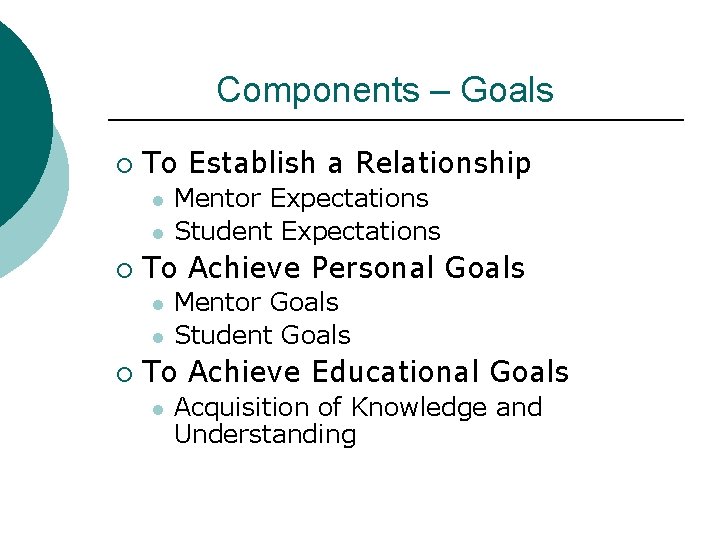
Components – Goals ¡ To Establish a Relationship l l ¡ To Achieve Personal Goals l l ¡ Mentor Expectations Student Expectations Mentor Goals Student Goals To Achieve Educational Goals l Acquisition of Knowledge and Understanding
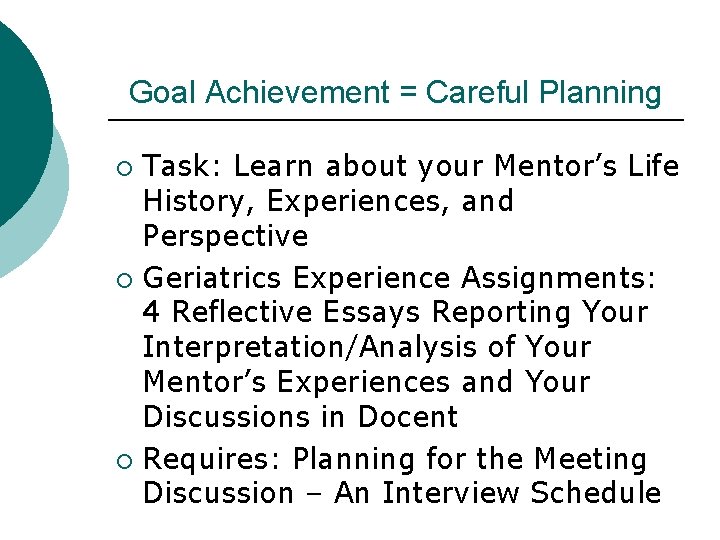
Goal Achievement = Careful Planning Task: Learn about your Mentor’s Life History, Experiences, and Perspective ¡ Geriatrics Experience Assignments: 4 Reflective Essays Reporting Your Interpretation/Analysis of Your Mentor’s Experiences and Your Discussions in Docent ¡ Requires: Planning for the Meeting Discussion – An Interview Schedule ¡
The Interview Schedule Identify Time and Place for the Meeting – Remember to report this in the meeting logs in Web. CT. ¡ Identify Topics – A minimum of 2 topics listed in the learning objectives for the weeks need to be discussed. ¡ Identify Questions ¡ l l Closed versus Open Questions to Avoid?
Interview Schedule - Continued ¡ Arrange Question Order – The Schedule l Logical Flow and Progression l l ¡ Bring Schedule Printout to the Meeting Decide how you will record information Be Prepared for Mid-Discussion Changes l Topic Expansion l Unwillingness to Discuss a Topic l Topic Switching
Interview Schedule - Continued l Strategies for Changes: Quickly brainstorming related topics and formulating questions. ¡ Rephrase from personal to general or general to personal. ¡ Provide an illustrating example. ¡ Share your position first. ¡ Ask about tangible items: Pictures, Art, Pieces of Furniture. ¡ Ask about stories. ¡
Interview Exercise Task: Conduct an Interview with Mr. Merlyn Herrick ¡ To Complete the Task: ¡ l l l Select a topic Generate Questions Select Specific Questions Order the Questions Ask the Questions – Panel Format
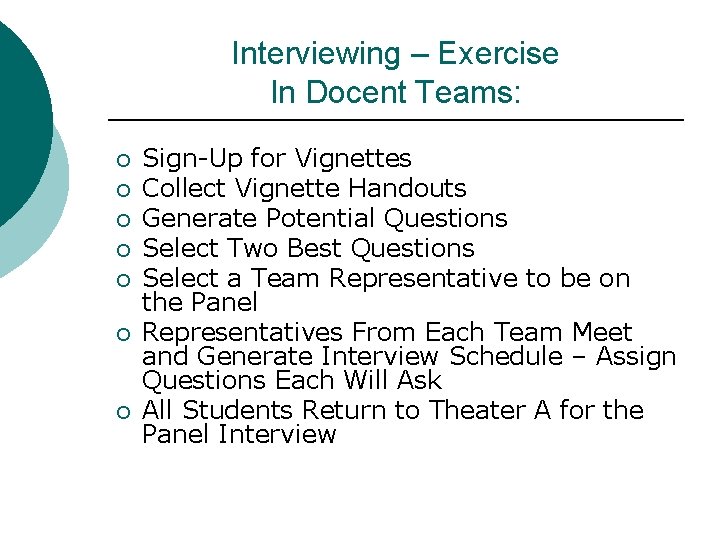
Interviewing – Exercise In Docent Teams: ¡ ¡ ¡ ¡ Sign-Up for Vignettes Collect Vignette Handouts Generate Potential Questions Select Two Best Questions Select a Team Representative to be on the Panel Representatives From Each Team Meet and Generate Interview Schedule – Assign Questions Each Will Ask All Students Return to Theater A for the Panel Interview
Final Items Process Interview – Thoughts, Observations? ¡ Final Questions about Material and Expectations? ¡ Review of Sunday Expectations ¡