
Foundations Period 10 000 BCE 600 CE Foundations
Foundations Period: 10, 000 BCE- 600 CE
Foundations: 3 Major Themes • Man vs. Nature – Interaction? Role of geography? Attempts to measure/control? – Change from survival (physical needs) to internal peace (spiritual needs) • Civilizations – Patterns, developments – Rise-fall of empires: why? consequences? • Sources of Change – Trade – Conquest – Invention, innovation, adaptation; iron, wheel
Foundations Themes • • • Interaction and Exchange Urbanization Nomadic Peoples Axial Age Empires Spread of Religion
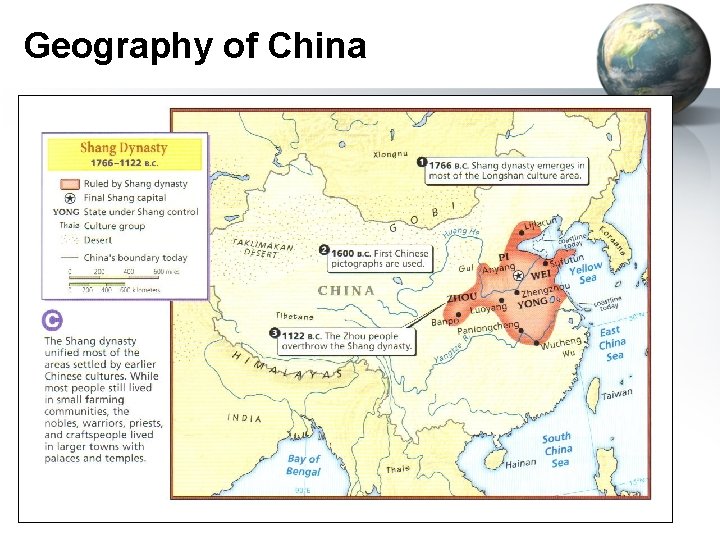
Geography of China
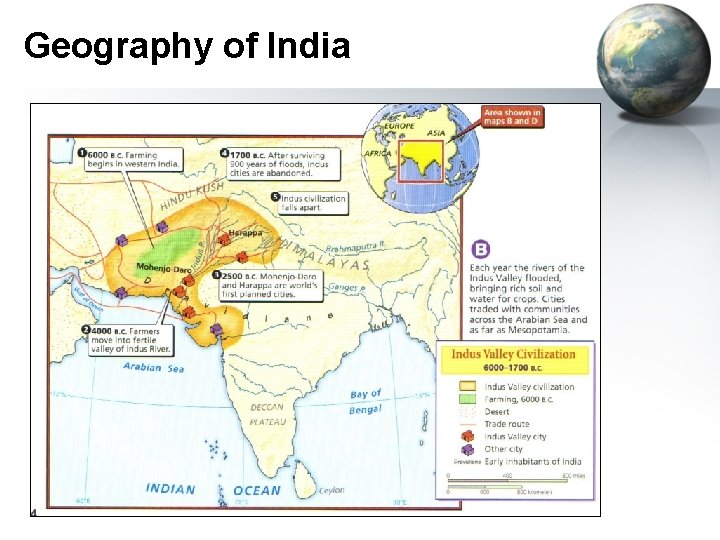
Geography of India
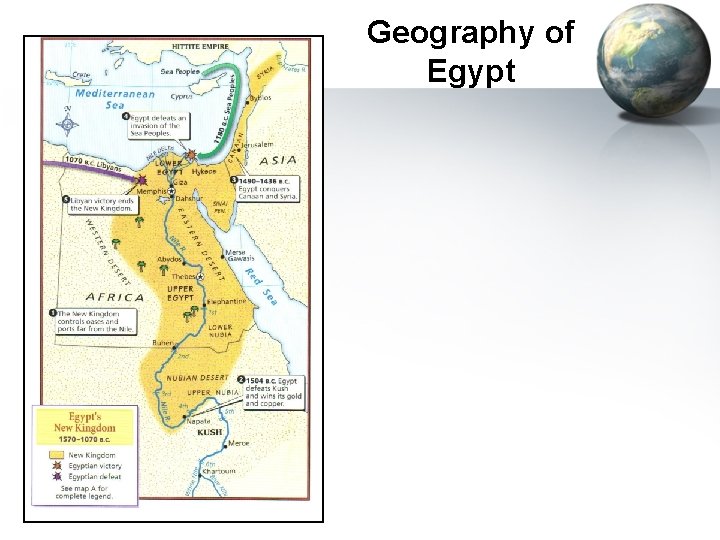
Geography of Egypt
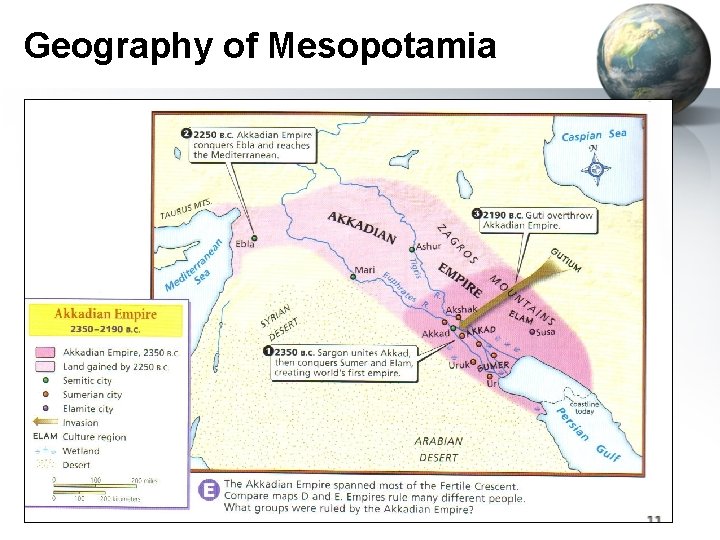
Geography of Mesopotamia
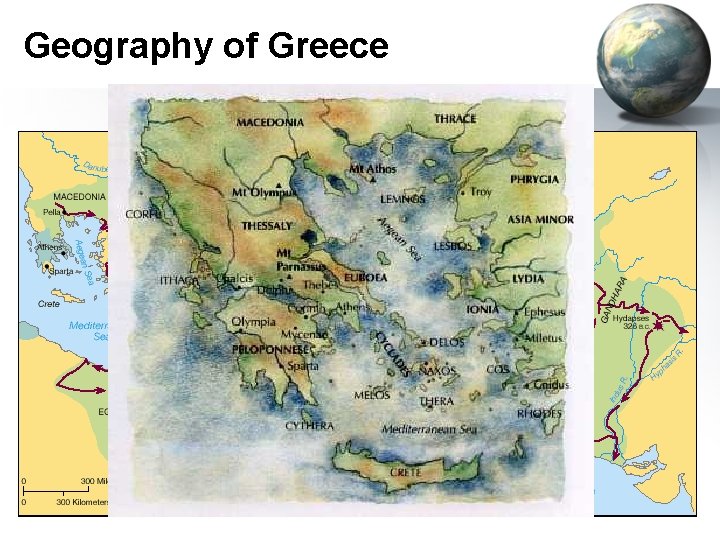
Geography of Greece
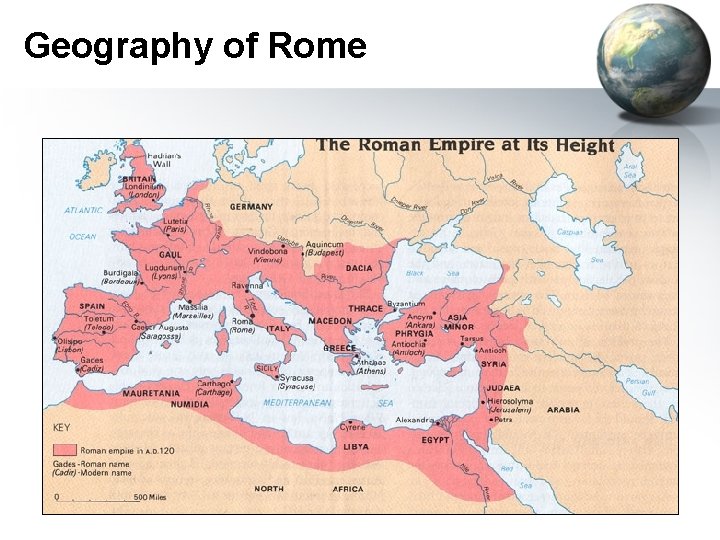
Geography of Rome
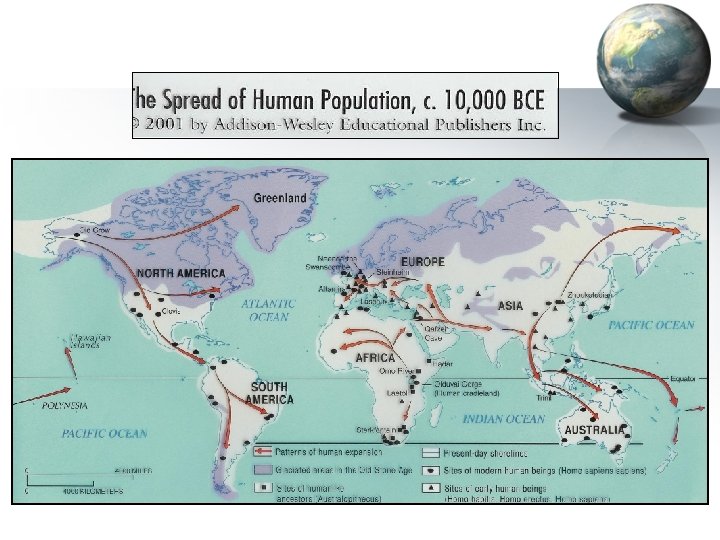
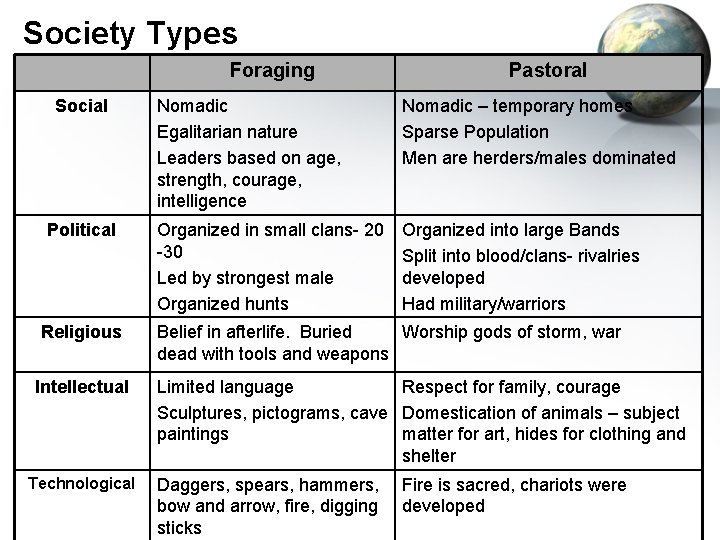
Society Types Foraging Social Political Religious Intellectual Technological Pastoral Nomadic Egalitarian nature Leaders based on age, strength, courage, intelligence Nomadic – temporary homes Sparse Population Men are herders/males dominated Organized in small clans- 20 -30 Led by strongest male Organized hunts Organized into large Bands Split into blood/clans- rivalries developed Had military/warriors Belief in afterlife. Buried Worship gods of storm, war dead with tools and weapons Limited language Respect for family, courage Sculptures, pictograms, cave Domestication of animals – subject paintings matter for art, hides for clothing and shelter Daggers, spears, hammers, bow and arrow, fire, digging sticks Fire is sacred, chariots were developed
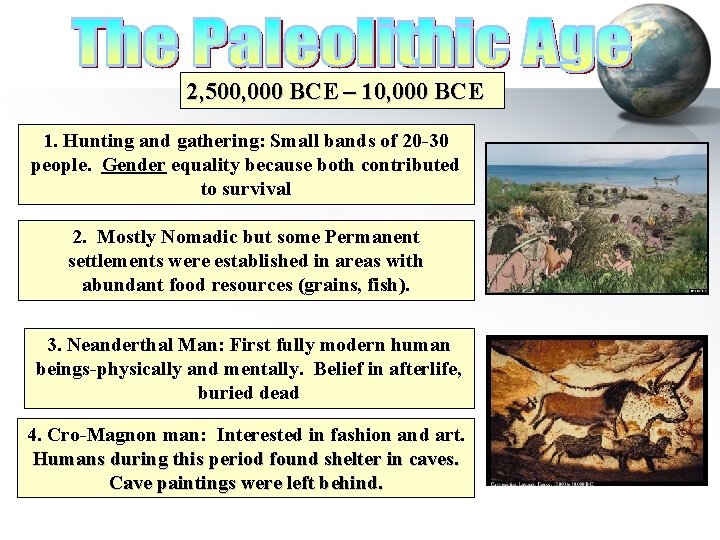
2, 500, 000 BCE – 10, 000 BCE 1. Hunting and gathering: Small bands of 20 -30 people. Gender equality because both contributed to survival 2. Mostly Nomadic but some Permanent settlements were established in areas with abundant food resources (grains, fish). 3. Neanderthal Man: First fully modern human beings-physically and mentally. Belief in afterlife, buried dead 4. Cro-Magnon man: Interested in fashion and art. Humans during this period found shelter in caves. Cave paintings were left behind.
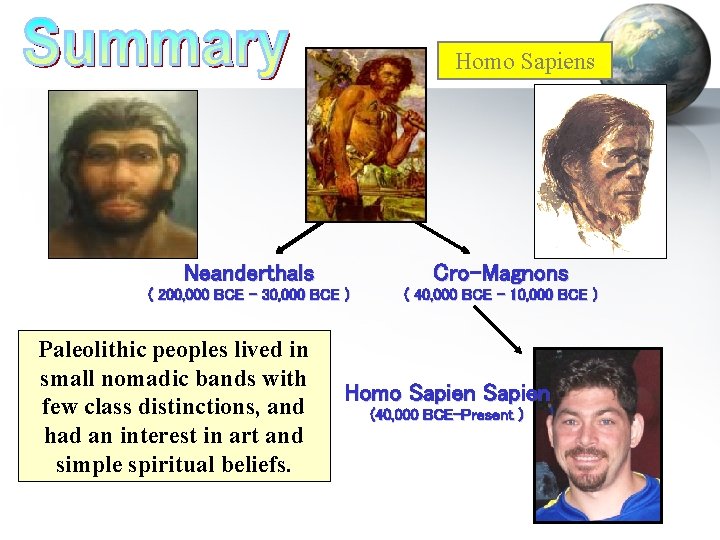
Homo Sapiens Neanderthals Cro-Magnons ( 200, 000 BCE – 30, 000 BCE ) ( 40, 000 BCE – 10, 000 BCE ) Paleolithic peoples lived in small nomadic bands with few class distinctions, and had an interest in art and simple spiritual beliefs. Homo Sapien (40, 000 BCE-Present )
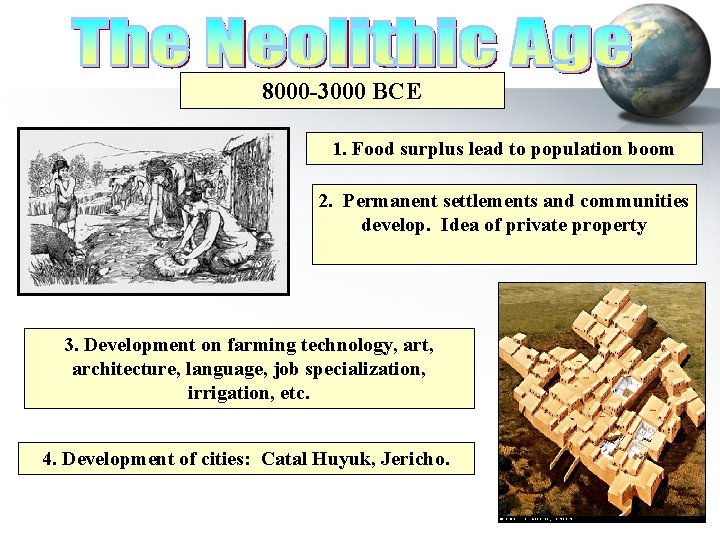
8000 -3000 BCE 1. Food surplus lead to population boom 2. Permanent settlements and communities develop. Idea of private property 3. Development on farming technology, art, architecture, language, job specialization, irrigation, etc. 4. Development of cities: Catal Huyuk, Jericho.
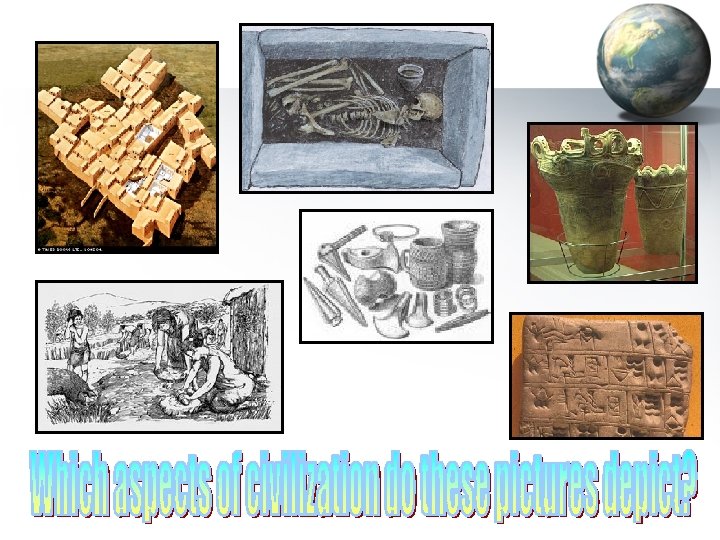
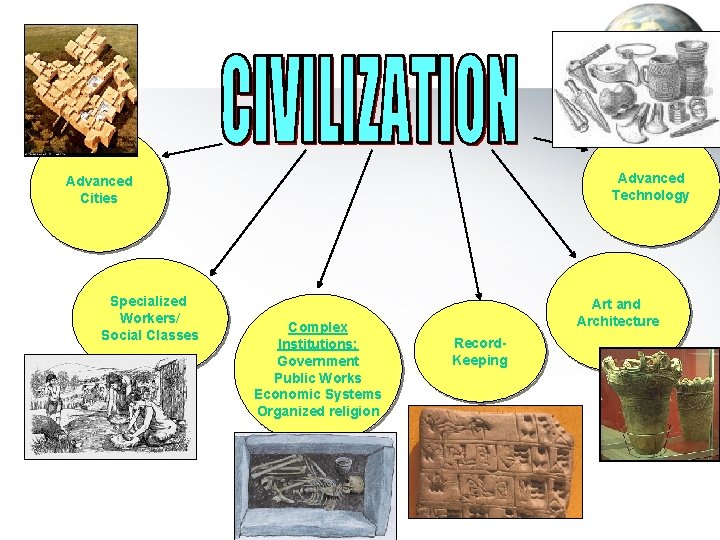
Advanced Technology Advanced Cities Specialized Workers/ Social Classes Complex Institutions: Government Public Works Economic Systems Organized religion Art and Architecture Record. Keeping
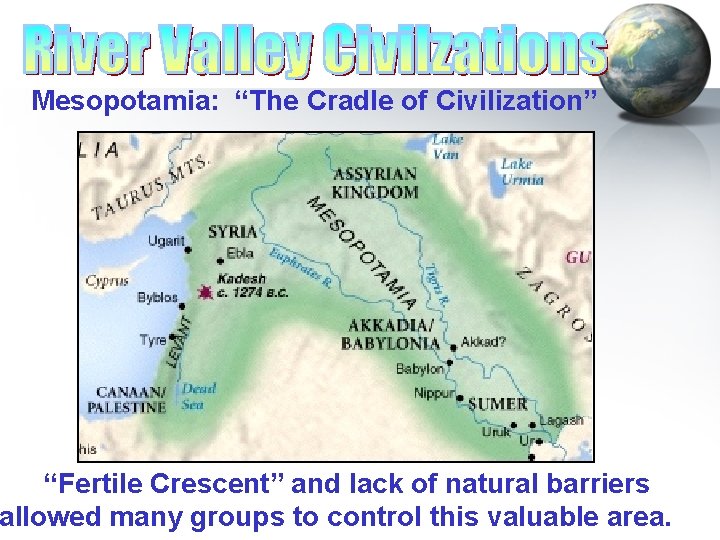
Mesopotamia: “The Cradle of Civilization” “Fertile Crescent” and lack of natural barriers allowed many groups to control this valuable area.
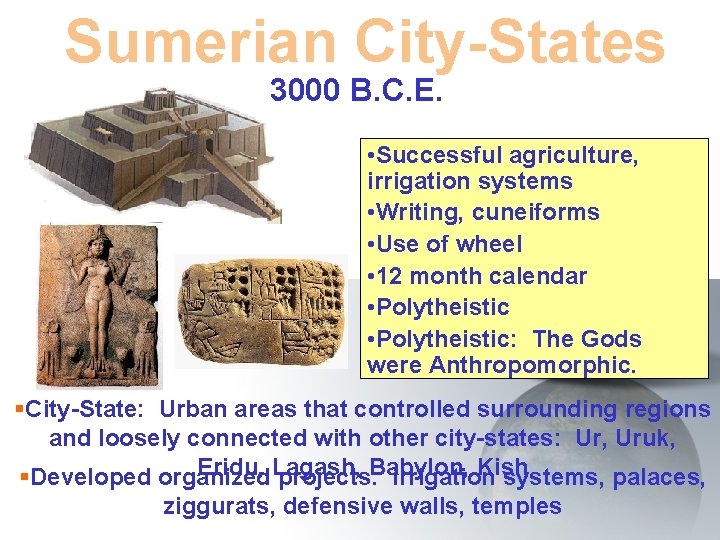
Sumerian City-States 3000 B. C. E. • Successful agriculture, irrigation systems • Writing, cuneiforms • Use of wheel • 12 month calendar • Polytheistic: The Gods were Anthropomorphic. §City-State: Urban areas that controlled surrounding regions and loosely connected with other city-states: Ur, Uruk, Eridu, Lagash, Kish §Developed organized projects: Babylon, irrigation systems, palaces, ziggurats, defensive walls, temples
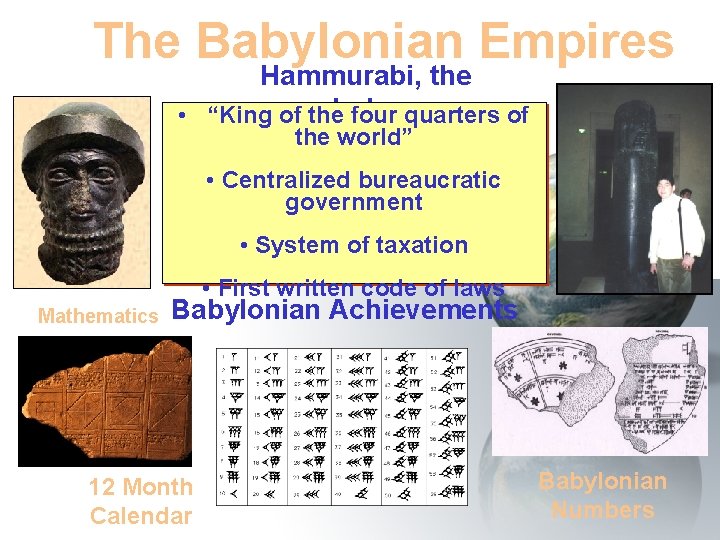
The Babylonian Empires Hammurabi, the Judge • “King of the four quarters of the world” • Centralized bureaucratic government • System of taxation • First written code of laws Mathematics Babylonian Achievements 12 Month Calendar Babylonian Numbers
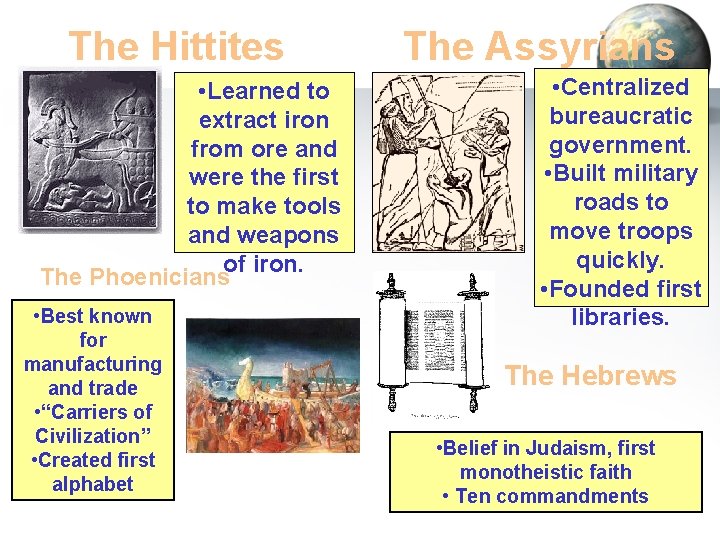
The Hittites • Learned to extract iron from ore and were the first to make tools and weapons of iron. The Phoenicians • Best known for manufacturing and trade • “Carriers of Civilization” • Created first alphabet The Assyrians • Centralized bureaucratic government. • Built military roads to move troops quickly. • Founded first libraries. The Hebrews • Belief in Judaism, first monotheistic faith • Ten commandments
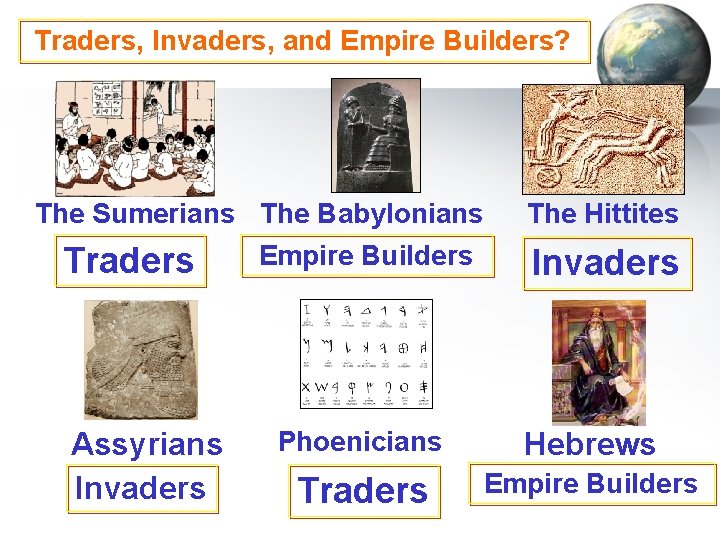
Traders, Invaders, and Empire Builders? The Sumerians The Babylonians Empire Builders Traders Assyrians Invaders The Hittites Invaders Phoenicians Hebrews Traders Empire Builders
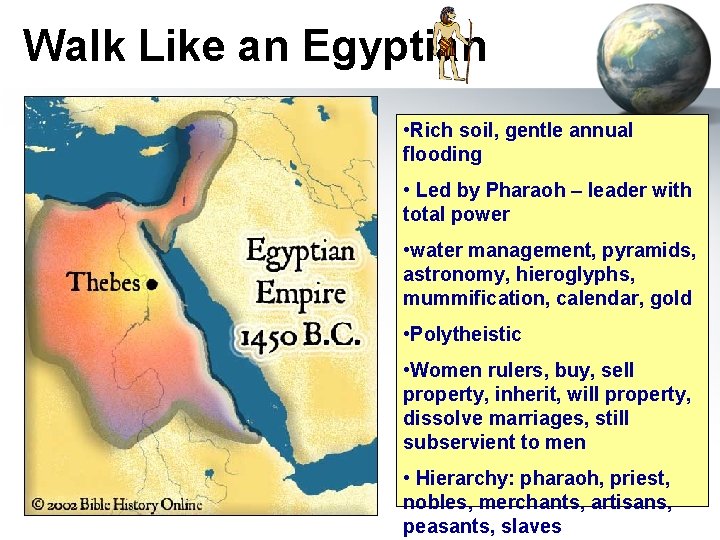
Walk Like an Egyptian • Rich soil, gentle annual flooding • Led by Pharaoh – leader with total power • water management, pyramids, astronomy, hieroglyphs, mummification, calendar, gold • Polytheistic • Women rulers, buy, sell property, inherit, will property, dissolve marriages, still subservient to men • Hierarchy: pharaoh, priest, nobles, merchants, artisans, peasants, slaves
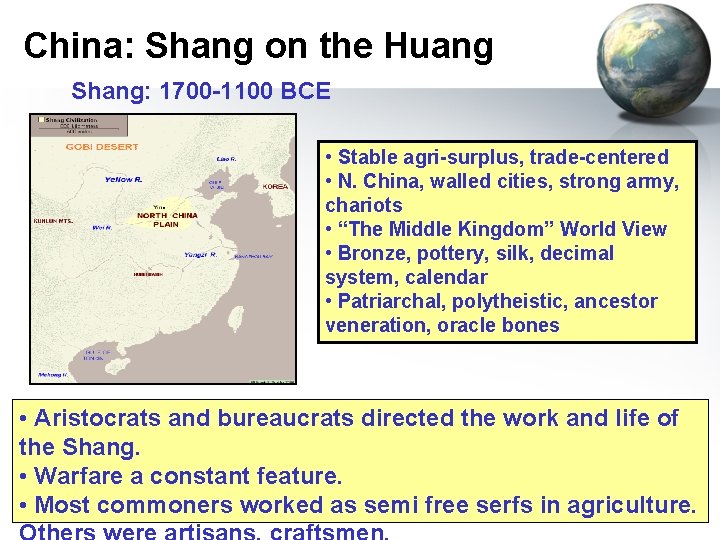
China: Shang on the Huang Shang: 1700 -1100 BCE • Stable agri-surplus, trade-centered • N. China, walled cities, strong army, chariots • “The Middle Kingdom” World View • Bronze, pottery, silk, decimal system, calendar • Patriarchal, polytheistic, ancestor veneration, oracle bones • Aristocrats and bureaucrats directed the work and life of the Shang. • Warfare a constant feature. • Most commoners worked as semi free serfs in agriculture.
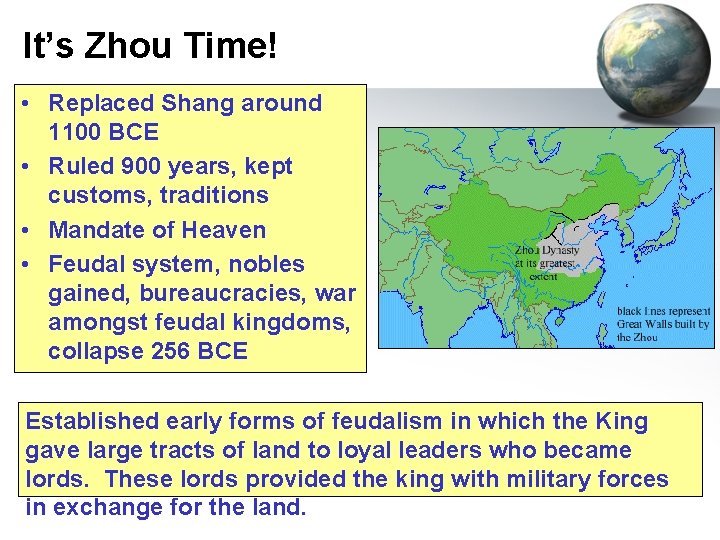
It’s Zhou Time! • Replaced Shang around 1100 BCE • Ruled 900 years, kept customs, traditions • Mandate of Heaven • Feudal system, nobles gained, bureaucracies, war amongst feudal kingdoms, collapse 256 BCE Established early forms of feudalism in which the King gave large tracts of land to loyal leaders who became lords. These lords provided the king with military forces in exchange for the land.
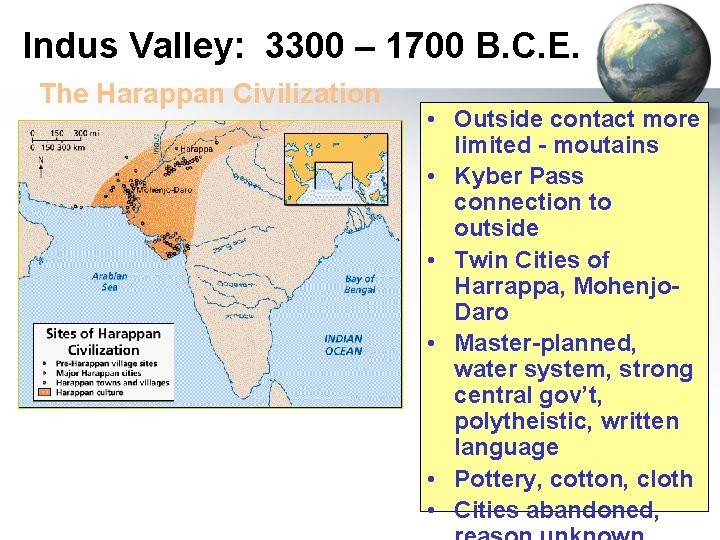
Indus Valley: 3300 – 1700 B. C. E. The Harappan Civilization • Outside contact more limited - moutains • Kyber Pass connection to outside • Twin Cities of Harrappa, Mohenjo. Daro • Master-planned, water system, strong central gov’t, polytheistic, written language • Pottery, cotton, cloth • Cities abandoned,
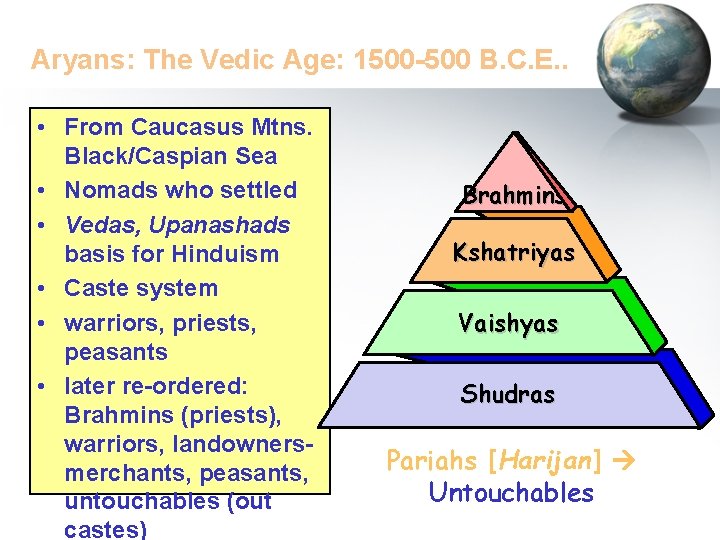
Aryans: The Vedic Age: 1500 -500 B. C. E. . • From Caucasus Mtns. Black/Caspian Sea • Nomads who settled • Vedas, Upanashads basis for Hinduism • Caste system • warriors, priests, peasants • later re-ordered: Brahmins (priests), warriors, landownersmerchants, peasants, untouchables (out castes) Brahmins Kshatriyas Vaishyas Shudras Pariahs [Harijan] Untouchables
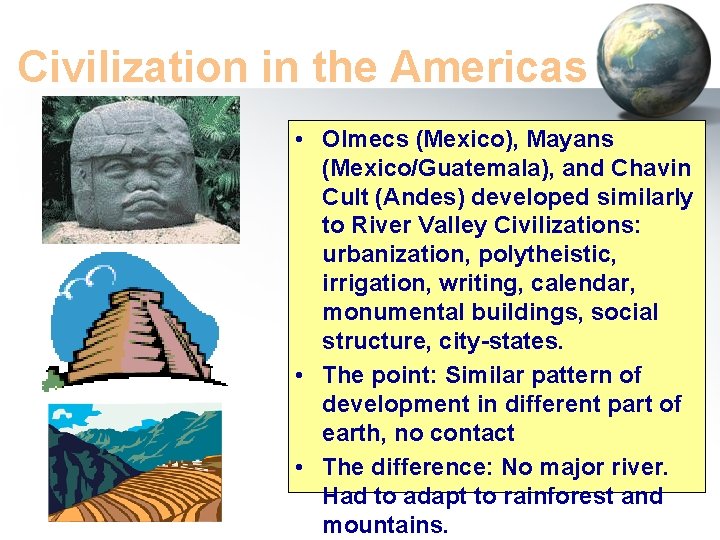
Civilization in the Americas • Olmecs (Mexico), Mayans (Mexico/Guatemala), and Chavin Cult (Andes) developed similarly to River Valley Civilizations: urbanization, polytheistic, irrigation, writing, calendar, monumental buildings, social structure, city-states. • The point: Similar pattern of development in different part of earth, no contact • The difference: No major river. Had to adapt to rainforest and mountains.
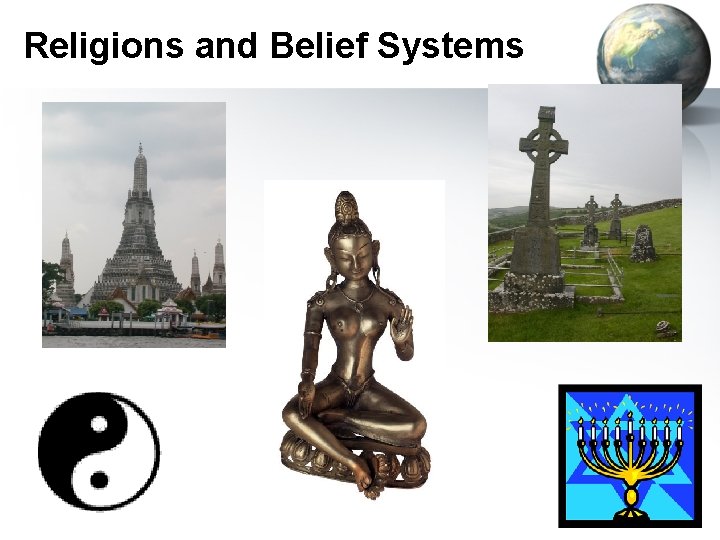
Religions and Belief Systems
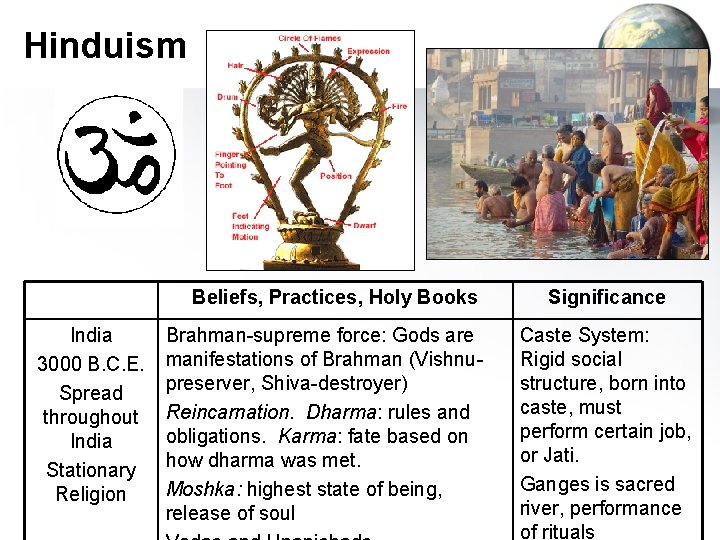
Hinduism Beliefs, Practices, Holy Books India 3000 B. C. E. Spread throughout India Stationary Religion Brahman-supreme force: Gods are manifestations of Brahman (Vishnupreserver, Shiva-destroyer) Reincarnation. Dharma: rules and obligations. Karma: fate based on how dharma was met. Moshka: highest state of being, release of soul Significance Caste System: Rigid social structure, born into caste, must perform certain job, or Jati. Ganges is sacred river, performance of rituals
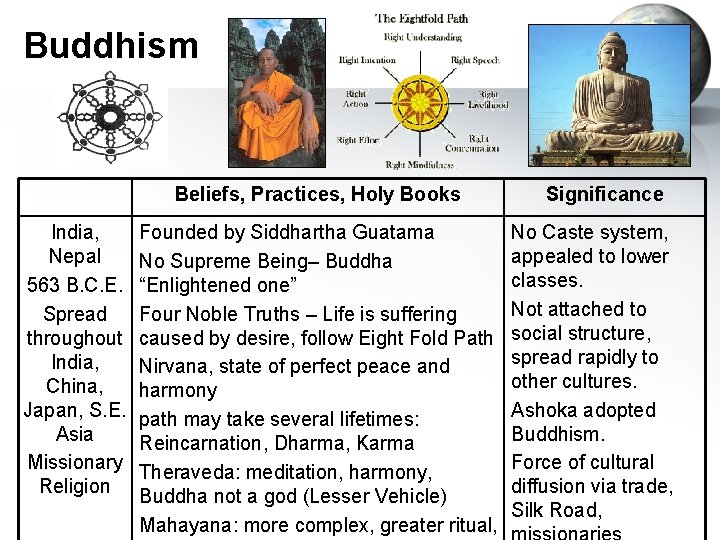
Buddhism Beliefs, Practices, Holy Books India, Nepal 563 B. C. E. Spread throughout India, China, Japan, S. E. Asia Missionary Religion Founded by Siddhartha Guatama No Supreme Being– Buddha “Enlightened one” Four Noble Truths – Life is suffering caused by desire, follow Eight Fold Path Nirvana, state of perfect peace and harmony path may take several lifetimes: Reincarnation, Dharma, Karma Theraveda: meditation, harmony, Buddha not a god (Lesser Vehicle) Mahayana: more complex, greater ritual, Significance No Caste system, appealed to lower classes. Not attached to social structure, spread rapidly to other cultures. Ashoka adopted Buddhism. Force of cultural diffusion via trade, Silk Road,
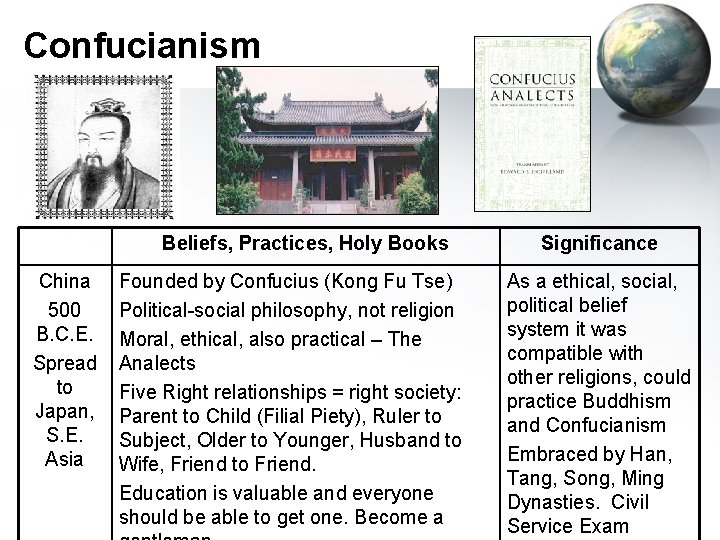
Confucianism Beliefs, Practices, Holy Books China 500 B. C. E. Spread to Japan, S. E. Asia Founded by Confucius (Kong Fu Tse) Political-social philosophy, not religion Moral, ethical, also practical – The Analects Five Right relationships = right society: Parent to Child (Filial Piety), Ruler to Subject, Older to Younger, Husband to Wife, Friend to Friend. Education is valuable and everyone should be able to get one. Become a Significance As a ethical, social, political belief system it was compatible with other religions, could practice Buddhism and Confucianism Embraced by Han, Tang, Song, Ming Dynasties. Civil Service Exam
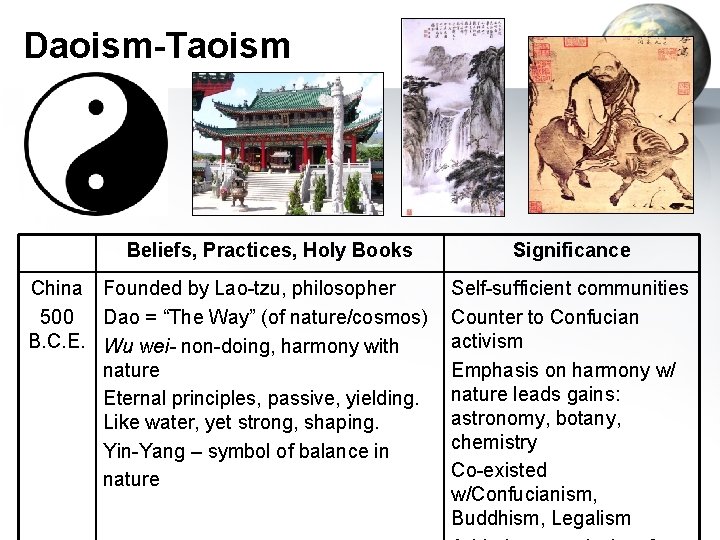
Daoism-Taoism Beliefs, Practices, Holy Books China Founded by Lao-tzu, philosopher 500 Dao = “The Way” (of nature/cosmos) B. C. E. Wu wei- non-doing, harmony with nature Eternal principles, passive, yielding. Like water, yet strong, shaping. Yin-Yang – symbol of balance in nature Significance Self-sufficient communities Counter to Confucian activism Emphasis on harmony w/ nature leads gains: astronomy, botany, chemistry Co-existed w/Confucianism, Buddhism, Legalism
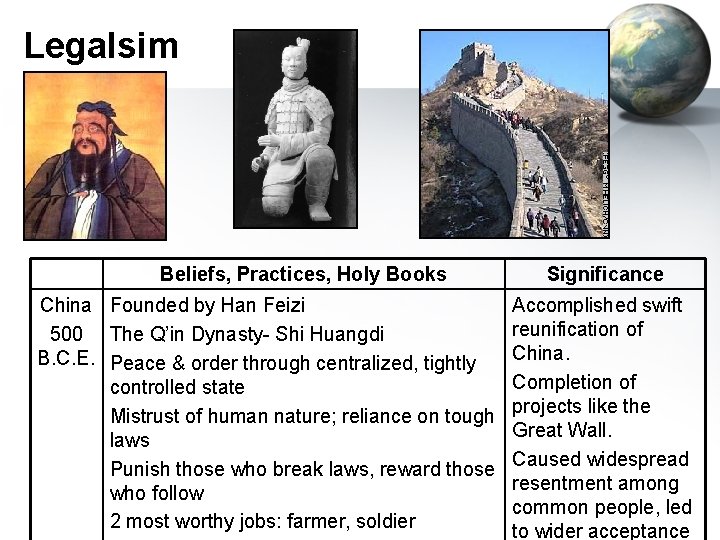
Legalsim Beliefs, Practices, Holy Books China Founded by Han Feizi 500 The Q’in Dynasty- Shi Huangdi B. C. E. Peace & order through centralized, tightly controlled state Mistrust of human nature; reliance on tough laws Punish those who break laws, reward those who follow 2 most worthy jobs: farmer, soldier Significance Accomplished swift reunification of China. Completion of projects like the Great Wall. Caused widespread resentment among common people, led to wider acceptance
Contrast: Confucianism-Daoism-Legalism • Confucianism - creating orderly society - active relationships, active gov’t - To guide relationships - People are fundamentally good • Daoism – harmony with nature, internal peace – Simple, passive life – Little gov’t interference – To guide individual in meditation • Legalism - - Social belief systems, not religions Intended to create orderly society Legalism-fundamental evil Harsh punishments
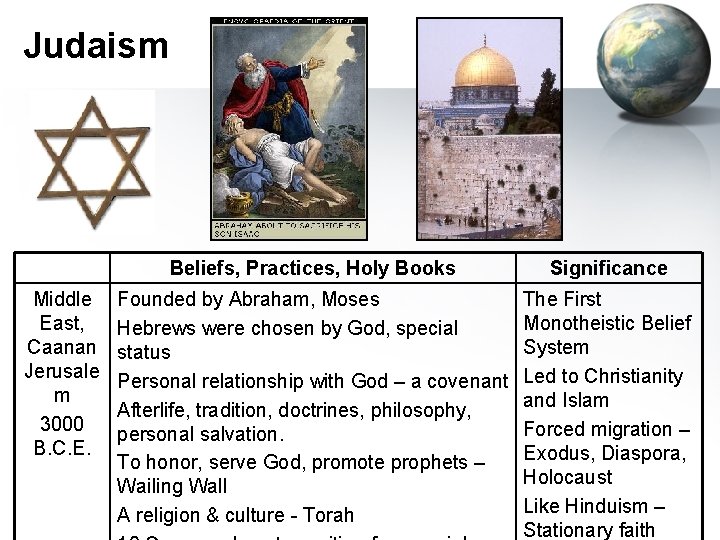
Judaism Middle East, Caanan Jerusale m 3000 B. C. E. Beliefs, Practices, Holy Books Significance Founded by Abraham, Moses Hebrews were chosen by God, special status Personal relationship with God – a covenant Afterlife, tradition, doctrines, philosophy, personal salvation. To honor, serve God, promote prophets – Wailing Wall A religion & culture - Torah The First Monotheistic Belief System Led to Christianity and Islam Forced migration – Exodus, Diaspora, Holocaust Like Hinduism – Stationary faith
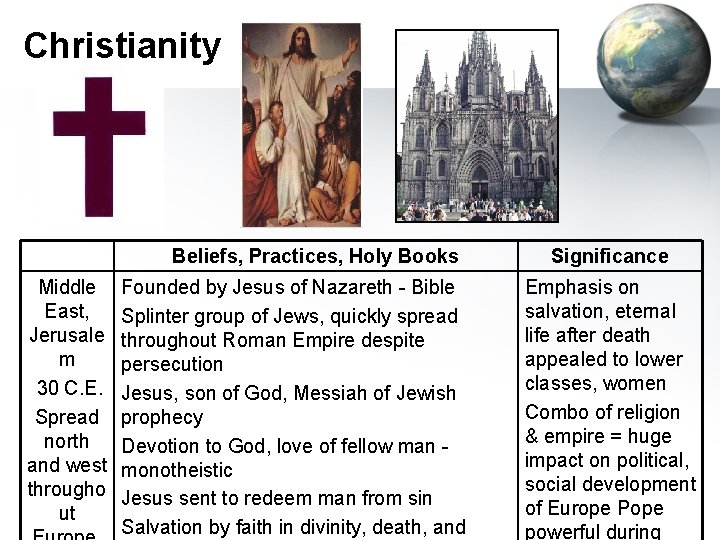
Christianity Beliefs, Practices, Holy Books Middle East, Jerusale m 30 C. E. Spread north and west througho ut Founded by Jesus of Nazareth - Bible Splinter group of Jews, quickly spread throughout Roman Empire despite persecution Jesus, son of God, Messiah of Jewish prophecy Devotion to God, love of fellow man monotheistic Jesus sent to redeem man from sin Salvation by faith in divinity, death, and Significance Emphasis on salvation, eternal life after death appealed to lower classes, women Combo of religion & empire = huge impact on political, social development of Europe Pope powerful during
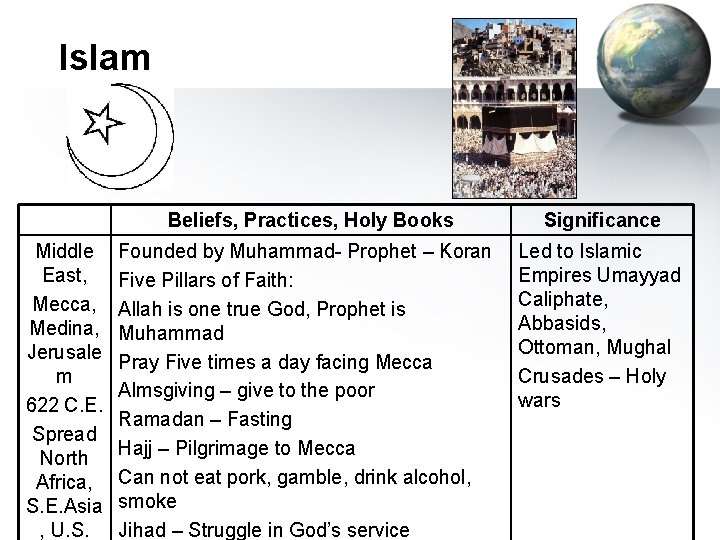
Islam Middle East, Mecca, Medina, Jerusale m 622 C. E. Spread North Africa, S. E. Asia , U. S. Beliefs, Practices, Holy Books Significance Founded by Muhammad- Prophet – Koran Five Pillars of Faith: Allah is one true God, Prophet is Muhammad Pray Five times a day facing Mecca Almsgiving – give to the poor Ramadan – Fasting Hajj – Pilgrimage to Mecca Can not eat pork, gamble, drink alcohol, smoke Jihad – Struggle in God’s service Led to Islamic Empires Umayyad Caliphate, Abbasids, Ottoman, Mughal Crusades – Holy wars
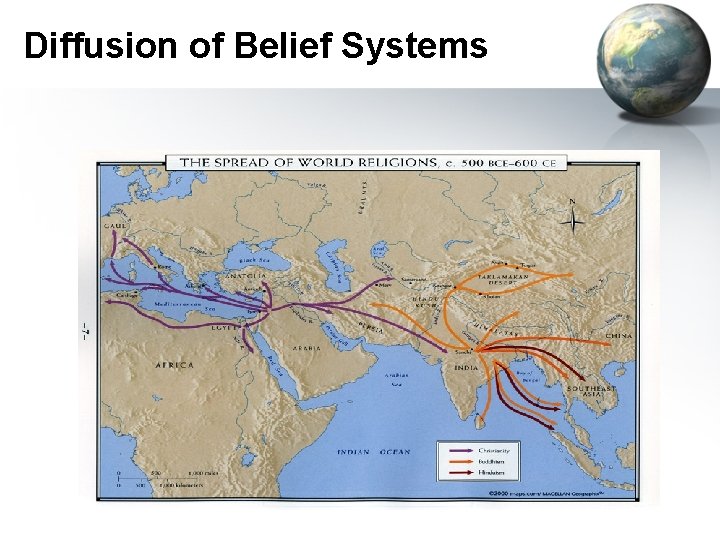
Diffusion of Belief Systems
Commonalities • Schisms-Divisions resulting in subgroups, sects • Consider social, political, cultural, military impacts as well as theological and philosophical • Where did it start? Where did he spread? How?
Polytheism • Majority of ancient civs • Through 600 CE all Med and Mesop Civs were poly. Exceptions were Hebrews and Christians • In the East, all were poly; Aryans, Hindus, traditional Chinese, Daoists, some Buddhists, Americas, Africa
The Deity Details • • • Multiple gods, may be good or bad Deities impact daily life Human attributes (Grk-Rom) Egypt: Benevolent and kind Sumer, Aztec: Feared, to be appeased
The Big Deal? • • • major impact on civ development Art & architecture Ritual based Rise of priestly class Rigid social structures Gods for culture as whole, city-state as well: rise and fall seen as battle of gods as well as citystates
The Classics: India-China • 4 key empires 300 BCE-500 CE • India – Maurya – Gupta • China – Q’in – Han
Persian Immersion
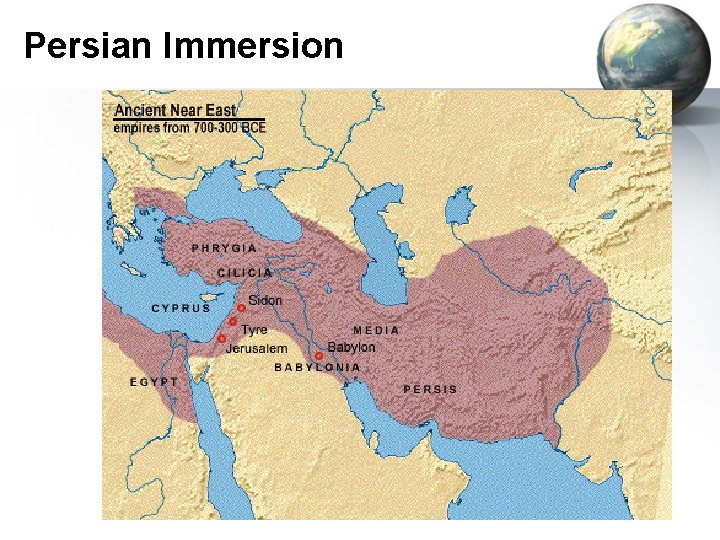
• By 500 BCE Nile to Turkey/Greece to Afghanistan • Great Royal Road, 1600 miles • Transportation, Communication • Multi-cultural Empire, Tolerance • Smaller Civs co-existed – Lydians-coined money – Phoenicians-22 -letter alphabet, naval power – Hebrews-Judaism, monotheism
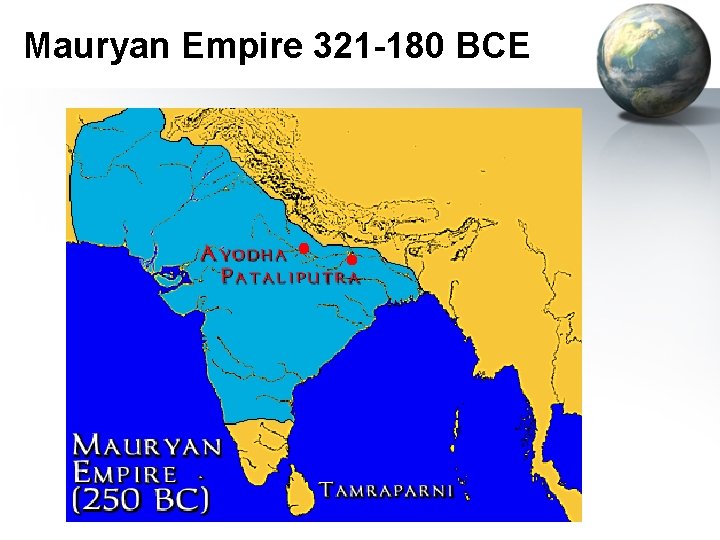
Mauryan Empire 321 -180 BCE
Mauryan Empire • Founded by Chandragupta Maurya – Unified smaller Aryan kingdoms • Greatest extent under Ashoka • Big time traders: silk, cotton, elephants (much more) to the west • Strong military, Ashoka converts to Buddhism: non -violence, moderation • Rock & Pillar edicts, Buddhism spread
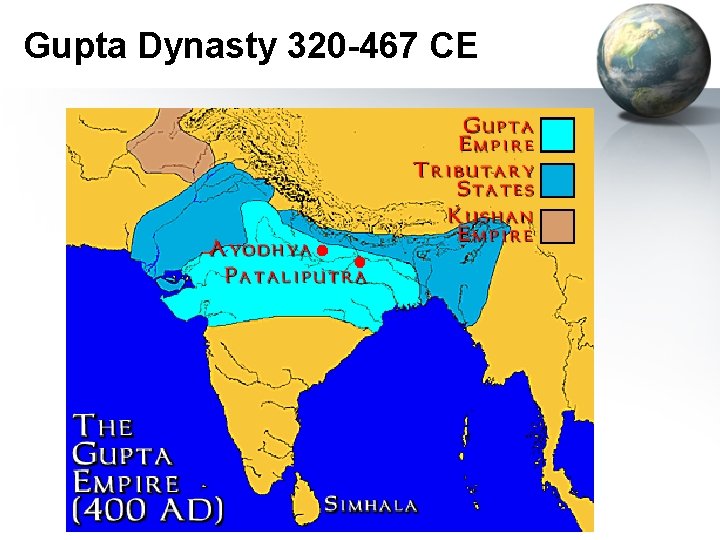
Gupta Dynasty 320 -467 CE
Rise of Gupta • Ashoka dies 232 BCE, Mauryan’s rapidly decline; econ problems, attacks from NE • 375 -415 CE, revival under Chandra Gupta • Smaller, more decentralized: Golden Age, peace, Arts & Sciences; pi, zero, 0 -9, skilled iron workers • Hinduism resurgent • Women lost rights; own property, study religion, child marriages common (6 -7 years-old) • Collapsed 550 CE (White Huns)
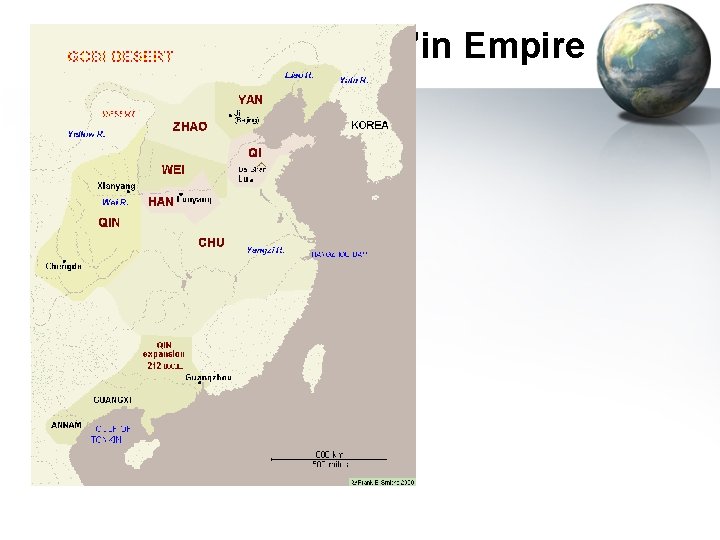
Q’in Empire
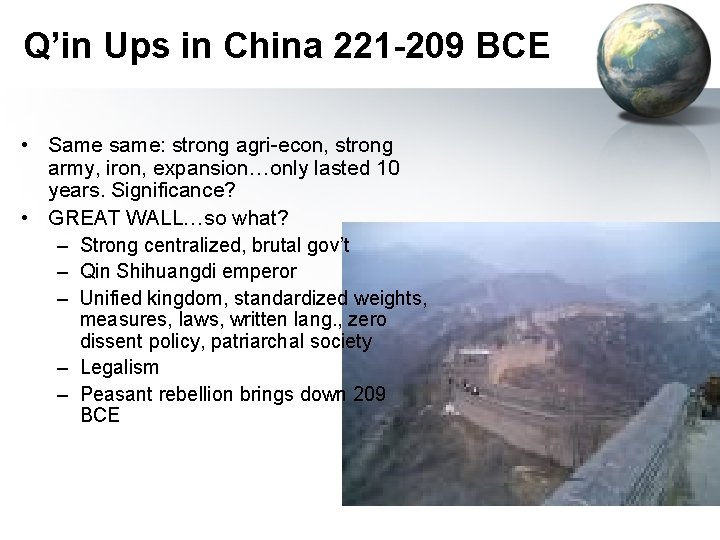
Q’in Ups in China 221 -209 BCE • Same same: strong agri-econ, strong army, iron, expansion…only lasted 10 years. Significance? • GREAT WALL…so what? – Strong centralized, brutal gov’t – Qin Shihuangdi emperor – Unified kingdom, standardized weights, measures, laws, written lang. , zero dissent policy, patriarchal society – Legalism – Peasant rebellion brings down 209 BCE
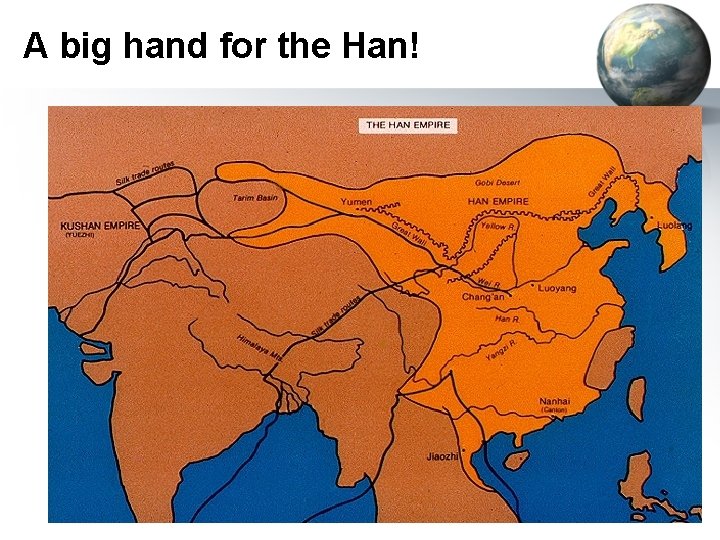
A big hand for the Han!
Han Dynasty 200 BCE-200 CE • • • Resisted the Huns Expanded into Central Asia Silk Road to the Mediterranean Buddhism spread, culture spread Civil Service system, bureaucracies, resulting in stable gov’t. • paper money, sundials, calendars, metallurgy
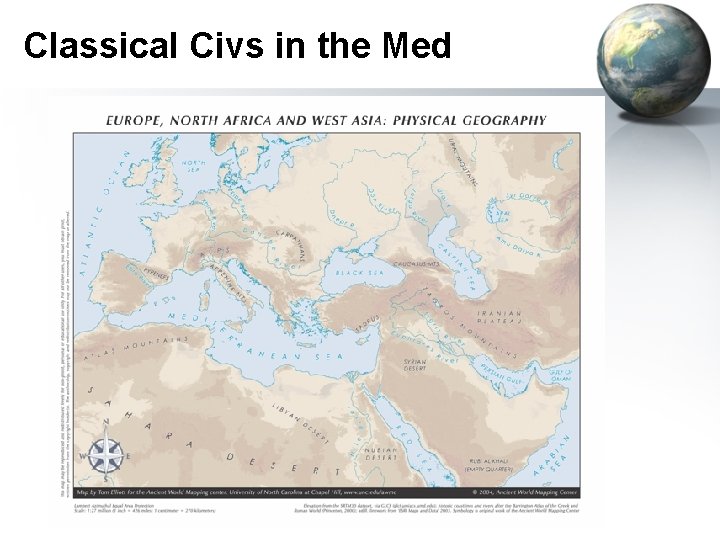
Classical Civs in the Med
Greece and Rome: Roots of Western Civilization • • Simply: they put it all together Representative gov’t Architecture Literature Science Philosophy
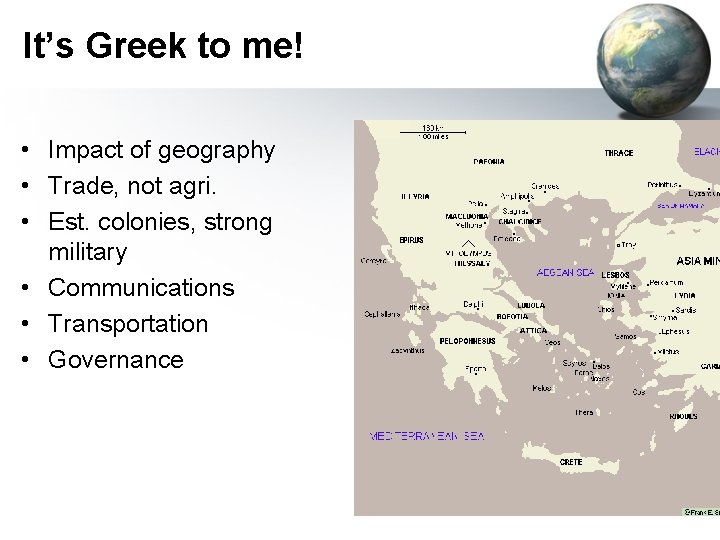
It’s Greek to me! • Impact of geography • Trade, not agri. • Est. colonies, strong military • Communications • Transportation • Governance
The Polis • City-states • Common identity, culture in each • Athens – Political, commercial, cultural center • Sparta – Agricultural, militaristic, equality w/o individuality
Hierarchy • • • Citizens-adult males, business-commerce Free people w/ no political rights Non-citizens (included slaves 1/3 of the Athenian pop!) All citizens expected to participate in public life Monarchy to aristocracy to democracy Solon/Draco: aristocrats who worked to ensure fair, =, open participation
Religion • Polytheistic • Had human failings: got drunk, cheated on spouses, jealous, angry, took sides, etc. • Greek mythology remains a large part of Western heritage and language
War with Persia • Persia invades Greece twice. Despite great odds, Greece survives. Key battles: Marathon 490 BCE (land), Salamis 480 BCE (sea) • Greece controls Aegean • Period of peace and prosperity
Golden Age of Pericles • • Athenian culture excels Democracy for all adult males (citizens) Delian League-city-state alliance Socrates, Plato, Aristotle – Truth through rational thought and observation • Math, Science, Architecture, Literature
Super-power, super mistake • • • Athens dominated the Delian League Peloponnesian War with Sparta (431 BCE) Weakened, Macedonian conquest Philip encouraged Greek culture Followed by son, Alexander, unified Greece, invaded Persia
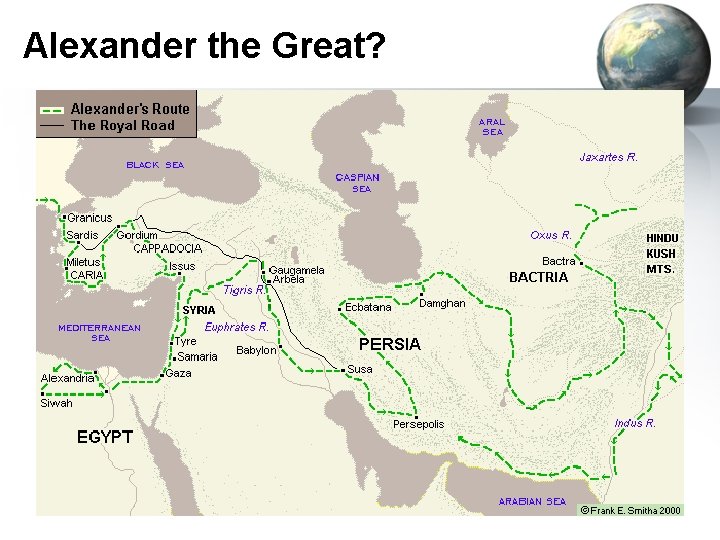
Alexander the Great?
Live fast, die young… • • Alexander conquered Persia Pushed to Egypt Stopped at India Empire divided into three: – Antigonid (Greece/Macedonia) – Ptolemaic (Egypt), – Seleucid (Bactria/Anatolia)
Hellenistic Era • Greek Culture and ideas flourished and spread • Alexandria (Egypt) became wealthy, center for learning • After death (323 BCE), empire crumbled • Macedonian focus on the east and Egypt left the door open for…
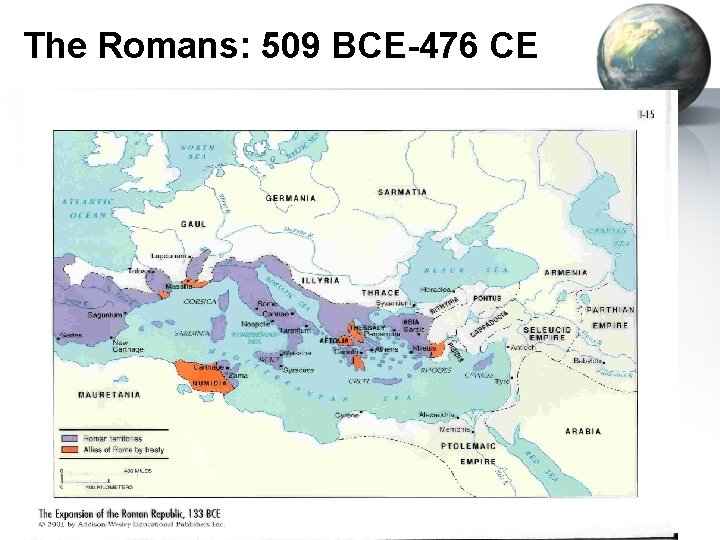
The Romans: 509 BCE-476 CE
Rome • Good Geographic position – Protected by mtns in north – Peninsula – Cross-roads in the Mediterranean • Polytheistic, borrowed many Greek gods, mythology still evident in West
Social-Political Structure • Patricians – Senate, Assembly • Plebians – Assembly • Consuls • Representative (as opposed to Direct in Greece) • 12 Tables (innocent until proven guilty) • Patriarchal/Paterfamilias • Women influential in family, own property, still considered inferior • Slaves (up to 1/3) city better than country
Military Domination • • All Directions, all the time Punic Wars 264 -146 BCE Gained control of W. Med Defeated Macedonians Gaul Spain Road net, navy, aqueducts Cultural diffusion
Republic, no-Imperialism, yes • Increased slavery, displaced plebians, inflation= social unrest • Senate weakened, Triumvirate, Caesar, Pompey, Crassus, Civil War • Caesar assassinated 44 BCE • 2 nd Triumvirate, civil war • Imperial Rome • Pax Romana
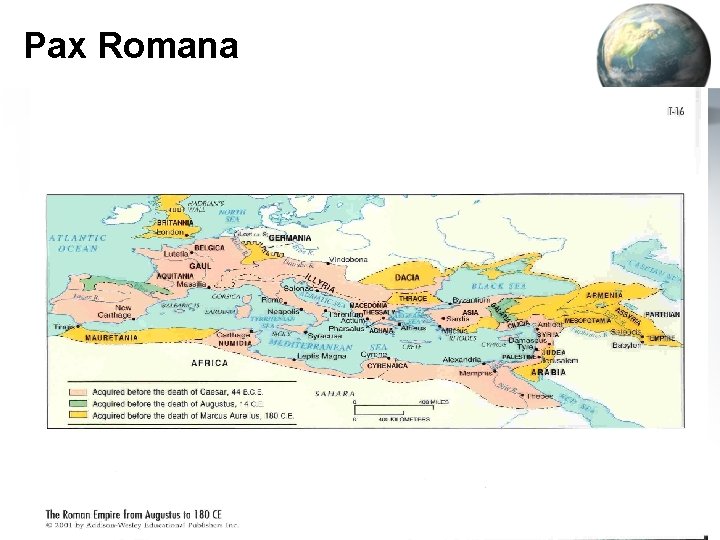
Pax Romana
Peace and Prosperity • Rome, capital of western world • Military expansion • Rule of law, common coinage. Civil service, secure travel for merchants • 200 years of stability • Uniform laws, but traditional cultures in territories survived ie Egyptians, Hebrews • Growth of arts and sciences
A New Religion • Christianity competes with paganism • Christians persecuted • Conversion of Constantine ended persecution 312 CE • Edict of Milan-Christianity official religion of Rome
COMPARE • Golden Ages of Rome, Greece, Gupta, Others • Expansion of Territory, flourishing of art and science • Wealth flows in due to military expansion, confidence
“What goes up…” • • Empires fall Late Classical Period 200 -600 CE Steppe People on the move, dominoes fall Han, Gupta, Roman Empires fall
Collapse of the Han • Wang Mang 9 -23 CE, “Socialist Emperor” • Economic – Military drained budget – Confiscate land, raise taxes – Actions discouraged manufacture and trade
Collapse of the Han • Social – – – Rising tensions between rich and poor Poorly conceived land reform program Famine Revolt, murder of Wang Mang Han Dynasty briefly restored, full recovery impossible, collapse in 220 CE – 400 years of regional kingdoms
Collapse of the Gupta • Huns 24/7 • Gupta able to hold off for a while, at great cost • Hun kingdoms emerged in western & northern India • Culture survived, Hinduism, caste system, Gupta Empire did not
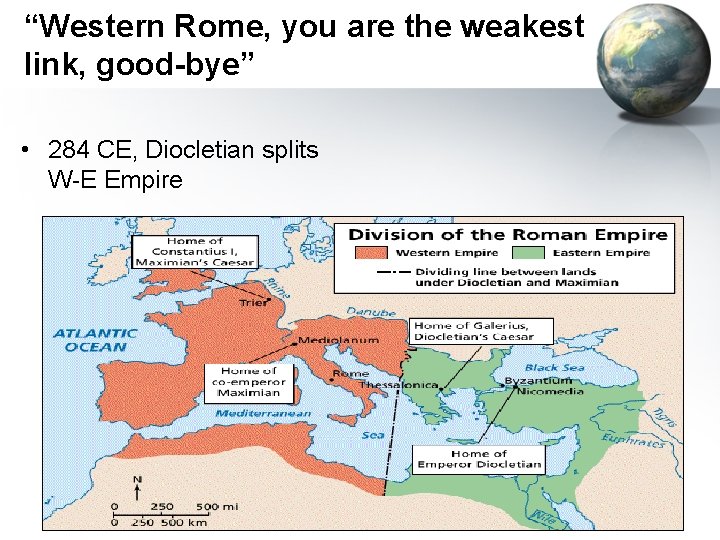
“Western Rome, you are the weakest link, good-bye” • 284 CE, Diocletian splits W-E Empire
Why? • Attempt to re-gain control of – Military under imperial control – Co-emperors – Economy • Gov’t budget • Price caps to control inflation • Strengthen currency
Collapse • No singular reason • Rome sacked 410 CE, 476 CE • Internal decay – Weak or bad leaders – Expense of empire – Epidemics • External pressures – Huns, Visigoths – Sheer size
CONTRAST: Fall of Han, Gupta, Rome • Two major causes threaten all empires • Internal: economic depression, natural catastrophes, social unrest • External: Invading Armies • Internal: Han • External: Gupta • Combo Meal: Rome
- Slides: 82