
Foundations of Algorithms Fourth Edition Richard Neapolitan Kumarss
- Slides: 21
Foundations of Algorithms, Fourth Edition Richard Neapolitan, Kumarss Naimipour Chapter 3 Dynamic Programming
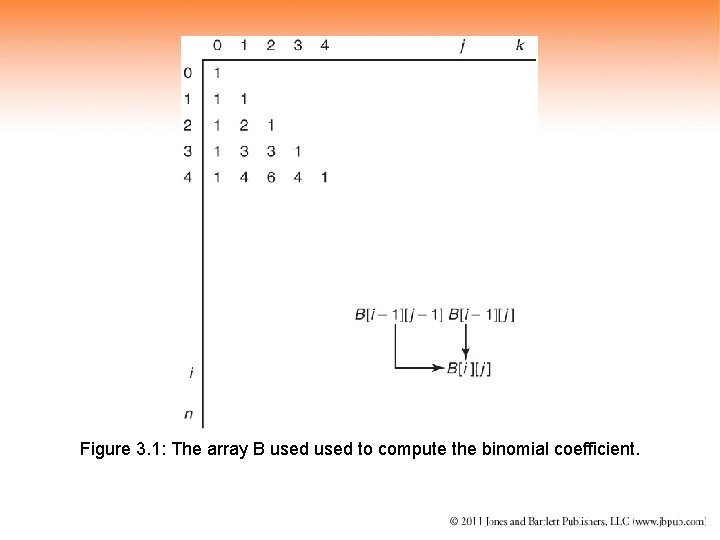
Figure 3. 1: The array B used to compute the binomial coefficient.
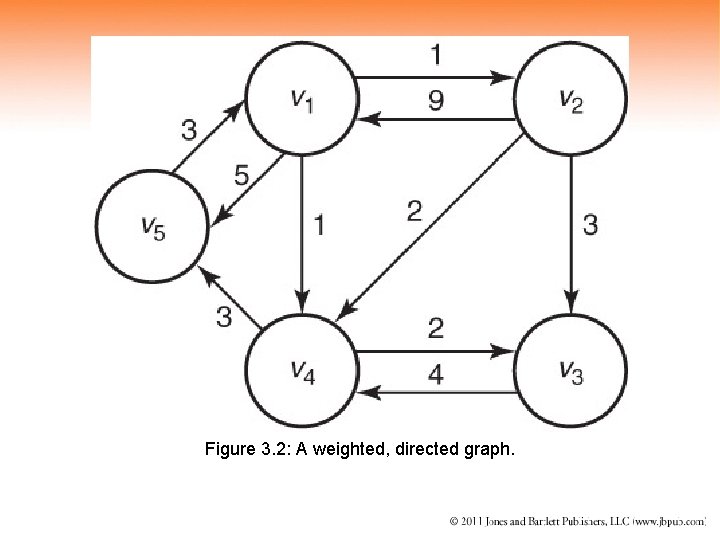
Figure 3. 2: A weighted, directed graph.
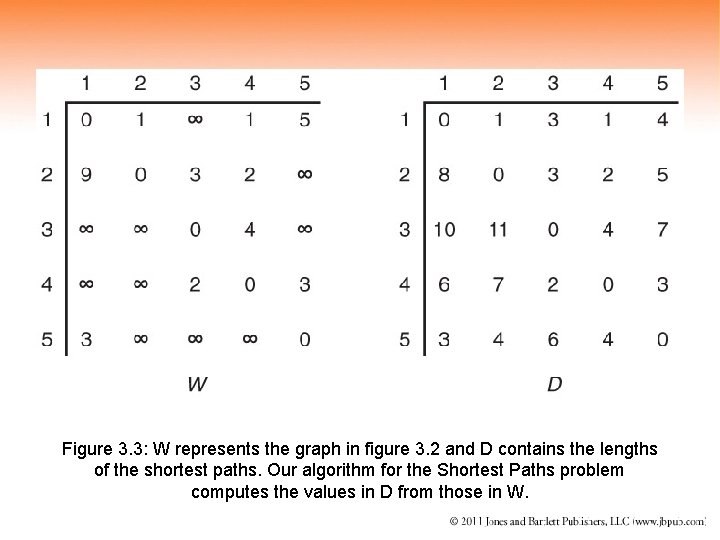
Figure 3. 3: W represents the graph in figure 3. 2 and D contains the lengths of the shortest paths. Our algorithm for the Shortest Paths problem computes the values in D from those in W.
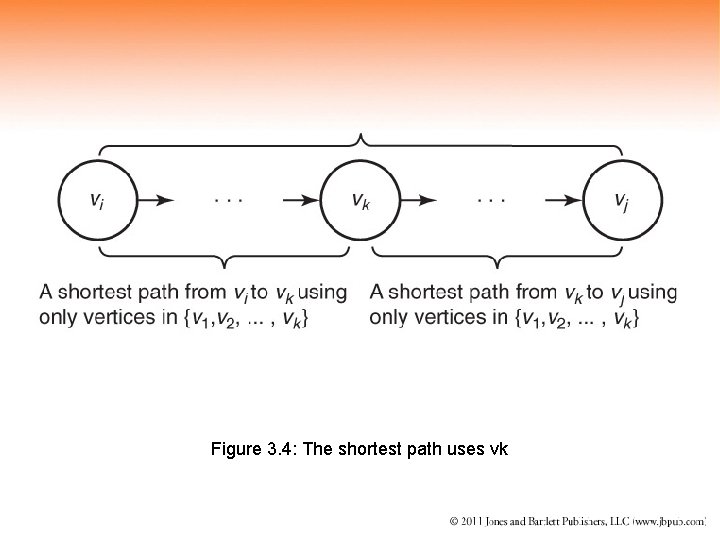
Figure 3. 4: The shortest path uses vk
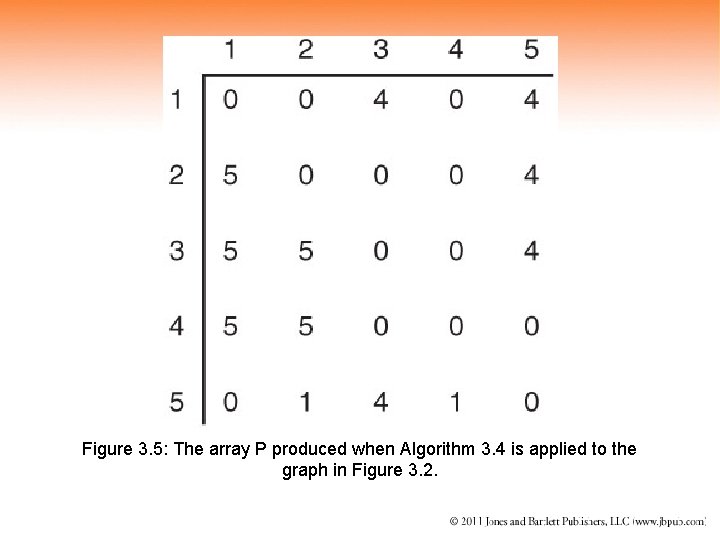
Figure 3. 5: The array P produced when Algorithm 3. 4 is applied to the graph in Figure 3. 2.
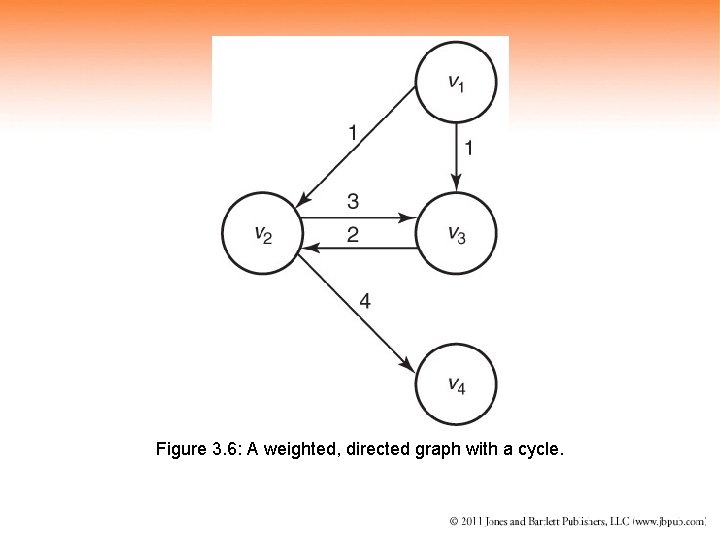
Figure 3. 6: A weighted, directed graph with a cycle.
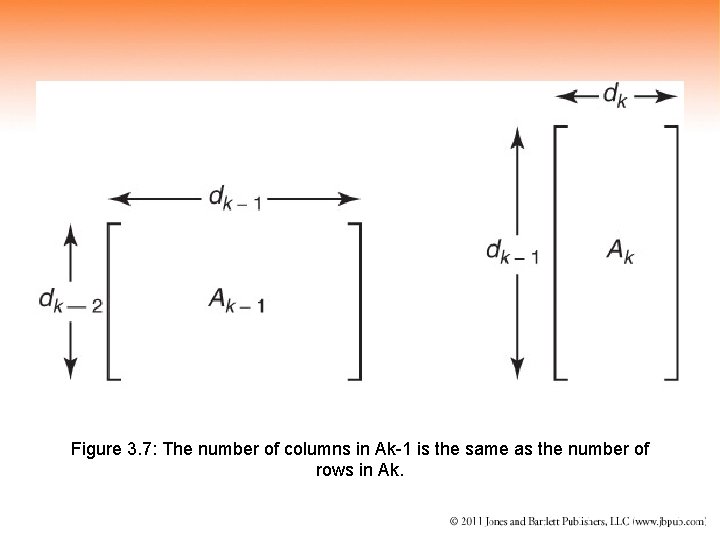
Figure 3. 7: The number of columns in Ak-1 is the same as the number of rows in Ak.
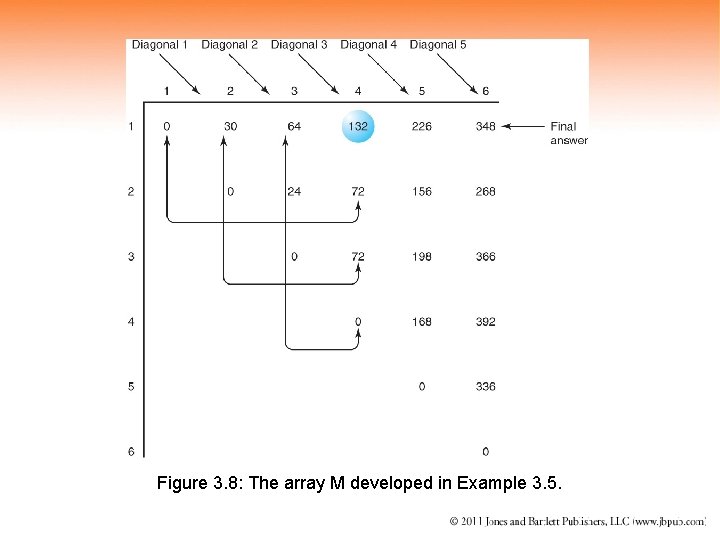
Figure 3. 8: The array M developed in Example 3. 5.
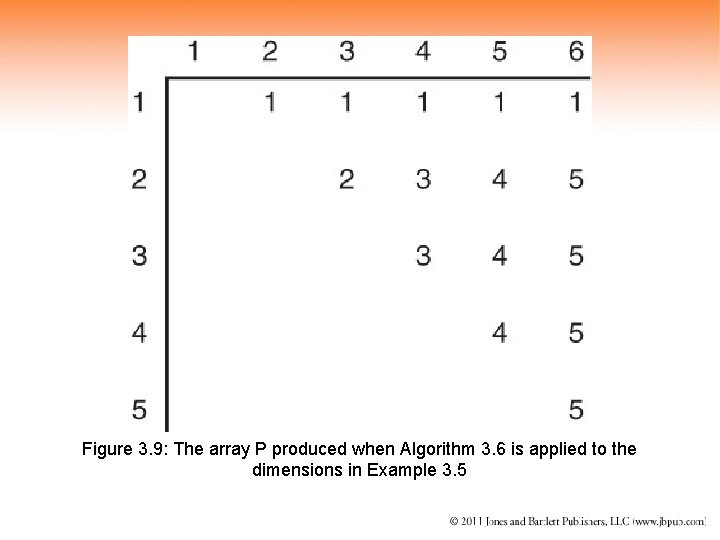
Figure 3. 9: The array P produced when Algorithm 3. 6 is applied to the dimensions in Example 3. 5
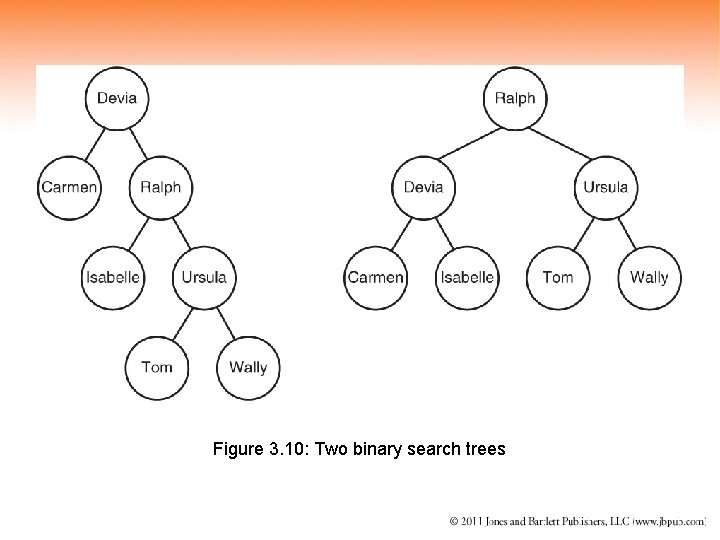
Figure 3. 10: Two binary search trees
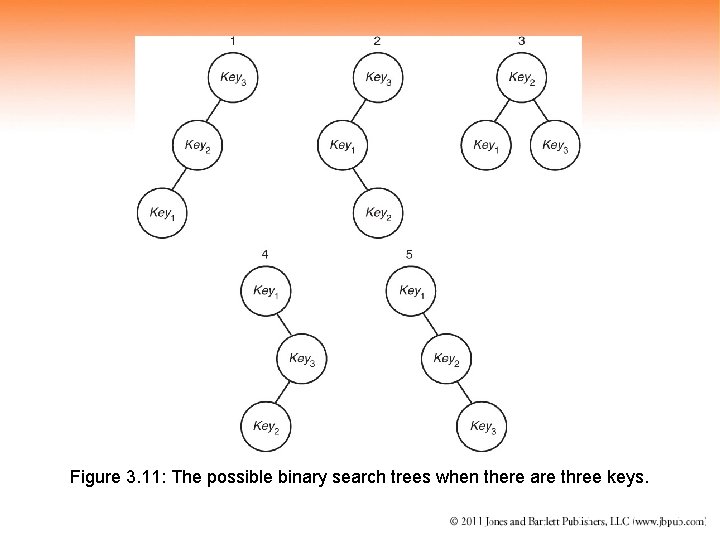
Figure 3. 11: The possible binary search trees when there are three keys.
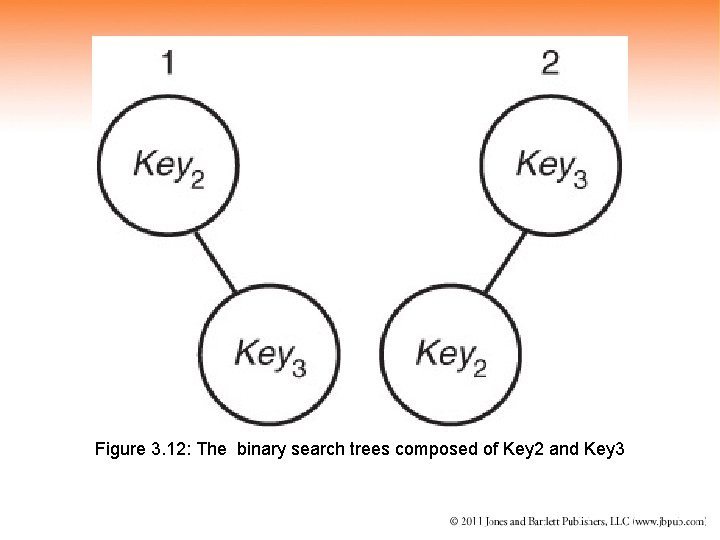
Figure 3. 12: The binary search trees composed of Key 2 and Key 3
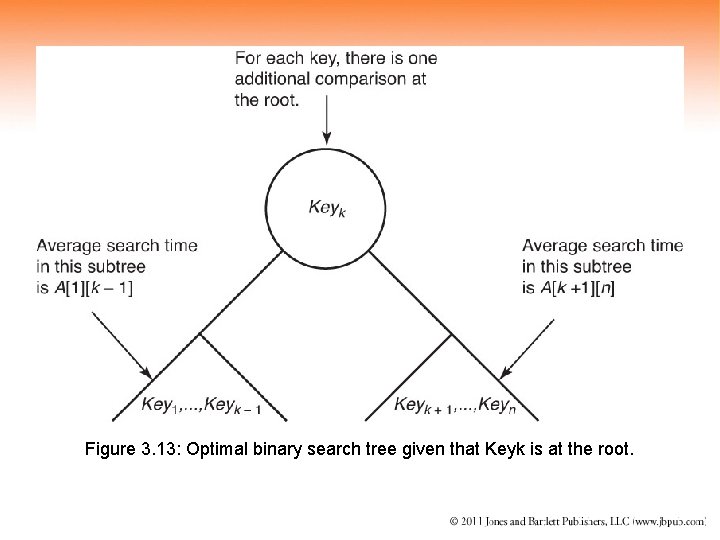
Figure 3. 13: Optimal binary search tree given that Keyk is at the root.
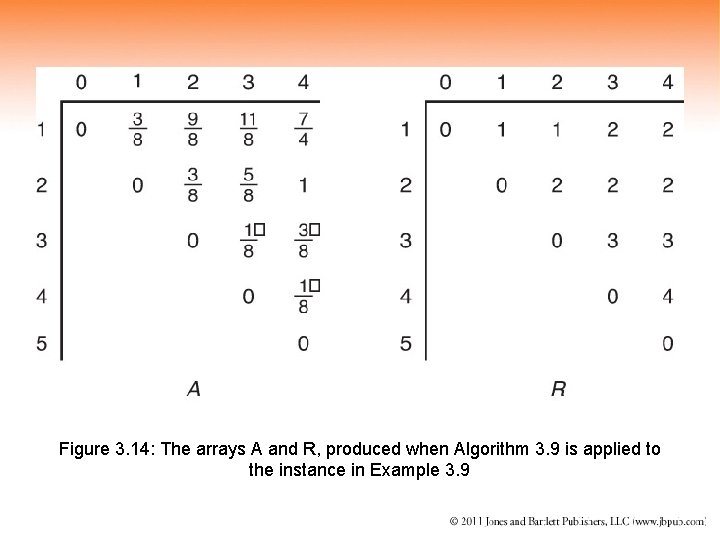
Figure 3. 14: The arrays A and R, produced when Algorithm 3. 9 is applied to the instance in Example 3. 9
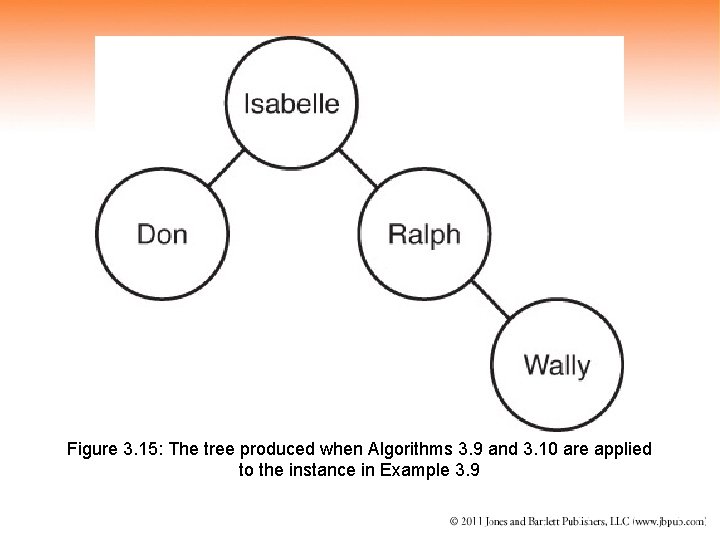
Figure 3. 15: The tree produced when Algorithms 3. 9 and 3. 10 are applied to the instance in Example 3. 9
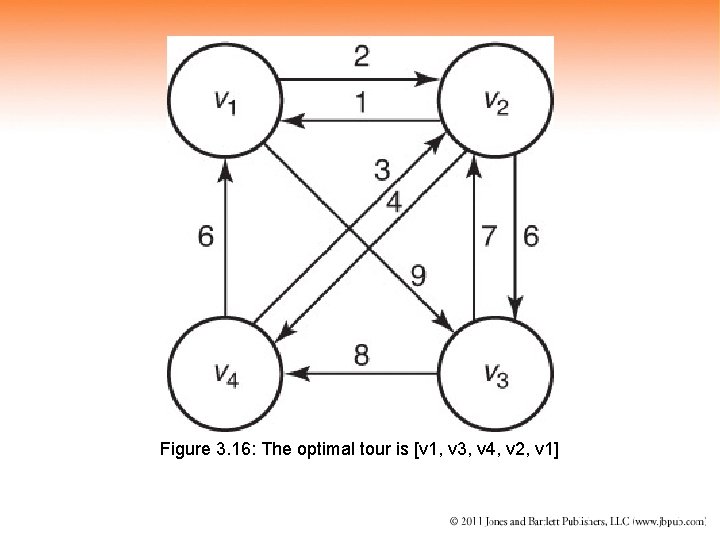
Figure 3. 16: The optimal tour is [v 1, v 3, v 4, v 2, v 1]
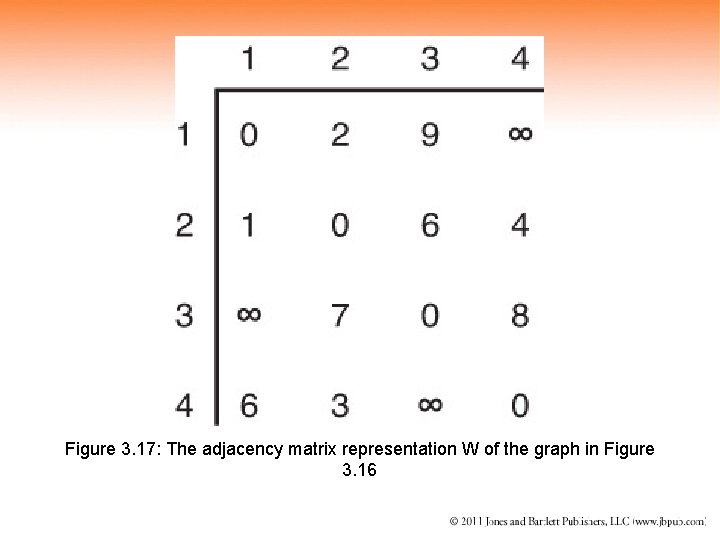
Figure 3. 17: The adjacency matrix representation W of the graph in Figure 3. 16
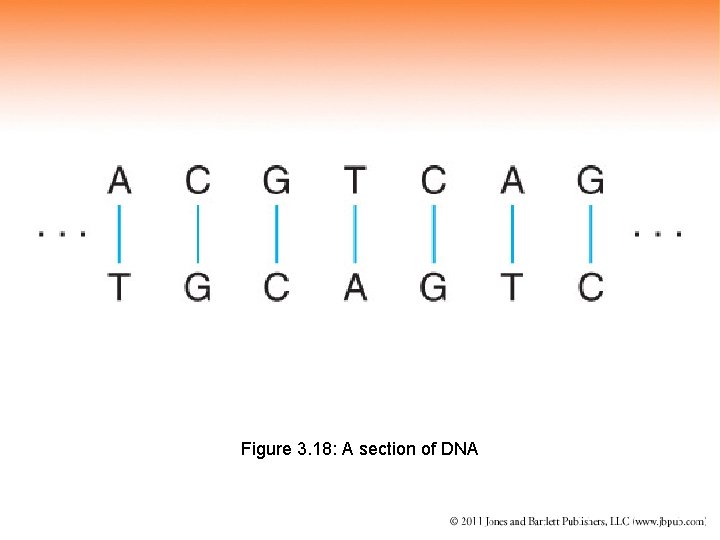
Figure 3. 18: A section of DNA
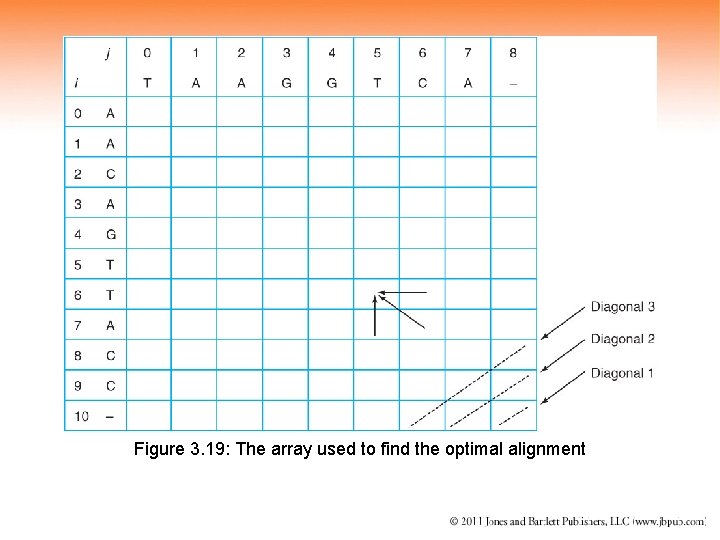
Figure 3. 19: The array used to find the optimal alignment
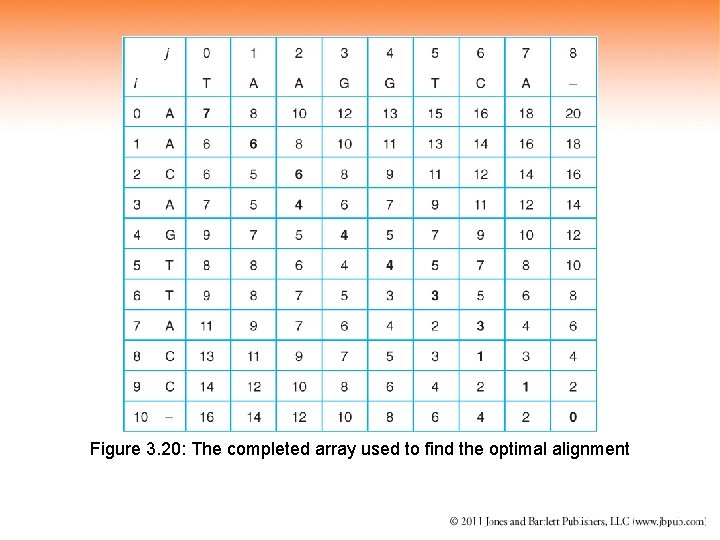
Figure 3. 20: The completed array used to find the optimal alignment