
Foundations for Sustainability HEN 0670 Brian D Fath
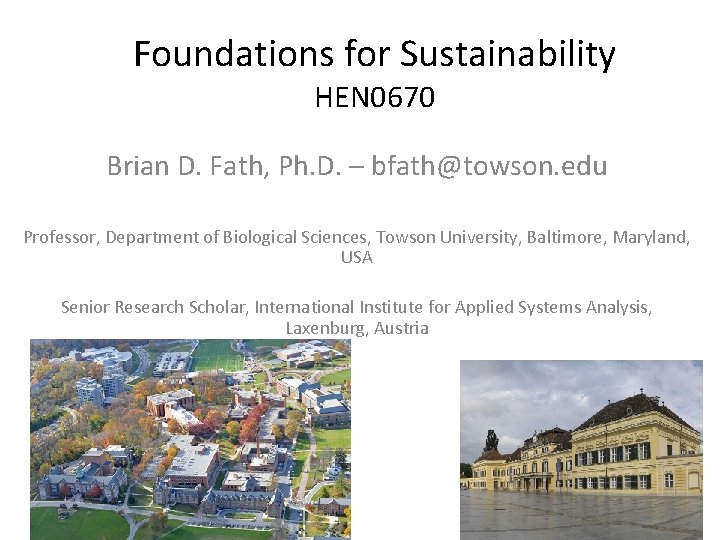
Foundations for Sustainability HEN 0670 Brian D. Fath, Ph. D. – bfath@towson. edu Professor, Department of Biological Sciences, Towson University, Baltimore, Maryland, USA Senior Research Scholar, International Institute for Applied Systems Analysis, Laxenburg, Austria
HEN 670: Syllabus highlights • Course Description: – This graduate-level course investigates the concept of sustainability from first principles of energetics and ecology applied to socioeconomic systems. It deals with the ecological, physical, economic, social, and moral dimensions of sustainability. • Grade evaluation (points available): – Paper (100), Exercises (50), Discussion (100), Final Exam (150) = Total (400) • Format: – Each session will begin with a 30 minute overview and summary of the topic/reading, 20 minute exercise, and 40 minute discussion. Students are expected to come to class prepared and ready to discuss with an open and curious mind.
Schedule • • • • • Thursday 26. 9. 14: 00– 15: 40, room nr. P 31 • • Lecture 1: Introduction to sustainability and the Sustainable Development Goals. • Exercise: students investigate one SDG in pairs, then look for • overlaps and synergies • • Thursday 10. 14: 00– 15: 40, room nr. P 31 Lecture 2: Ways of valuing the environment. Introduction of cultural • theory and ecosystem services Exercise: recognizing diversity of opinions, choose the opposite side • in discussion • • Thursday 17. 10. 16: 00– 17: 40, room AVC • Lecture 3: Limits to Growth, planetary boundaries, Flourishing • overview Exercise: identify ways we exceed limits, ways we are under limits • • • Thursday 24. 10. 14: 00– 15: 40, room nr. P 21 • Paper topic due Lecture 4: Foundations for Sustainability – Chapter 1 systems thinking and win-win Exercise: systems thinking games, bathtub models Thursday 31. 10. 14: 00– 15: 40, room nr. P 31 Lecture 5: Foundations for Sustainability – Chapter 2 Ecologic metaphysics Exercise: thinking outside the box: view of life from a bug’s perspective • • • Thursday 7. 11. 14: 00– 15: 40, room nr. P 31 Lecture 6: Foundations for Sustainability – Chapter 3 mutualism Exercise: communicating science to the general public Thursday 14. 11. 14: 00– 15: 40, room nr. P 31 Lecture 7: Foundations for Sustainability – Chapter 4 (origins of life) – 5 reforming reductionism Exercise: follow the money (or other natural currency) through the system Thursday 21. 14: 00– 15: 40, room nr. P 31 - Tuesday 26. 11. , 8. 00 - 9. 40, room nr. U 35 Paper due • Exercise: basic network models reveal synergism and mutualism Thursday 28. 11. 14: 00– 15: 40, room nr. P 31 Lecture 9: Foundations for Sustainability – Chapters 7 – Rosen Exercise: applications in your daily lives and in the Moravian landscapes Thursday 5. 12. 16: 00– 17: 40, room nr. P 31 Lecture 10: Foundations for Sustainability – Chapters 8 -9 – applications & Sustainability for all Exercise: Czech path to SDGs Lecture 8: Foundations for Sustainability – Chapters 6 – networks
Sustainable Development • “development that meets the needs of the present generation without compromising the ability of future generations to meet their own needs” – Our Common Future/ United Nations Brundtland Report, 1987
Goal • To develop? Some of the most threatening environmental problems are caused by widespread poverty – Or Development is based on squandering our biological capital • To sustain?
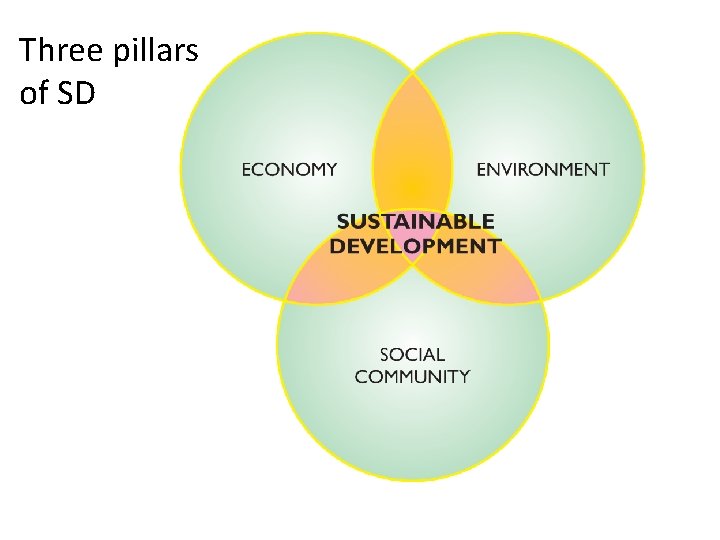
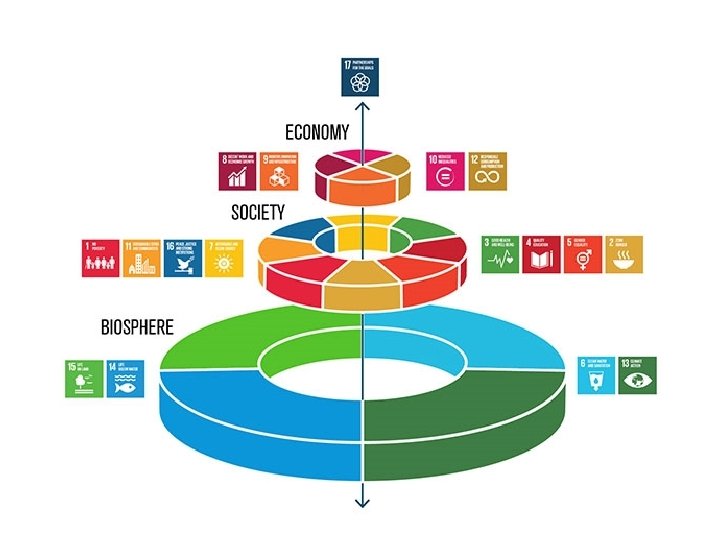
Three pillars of SD
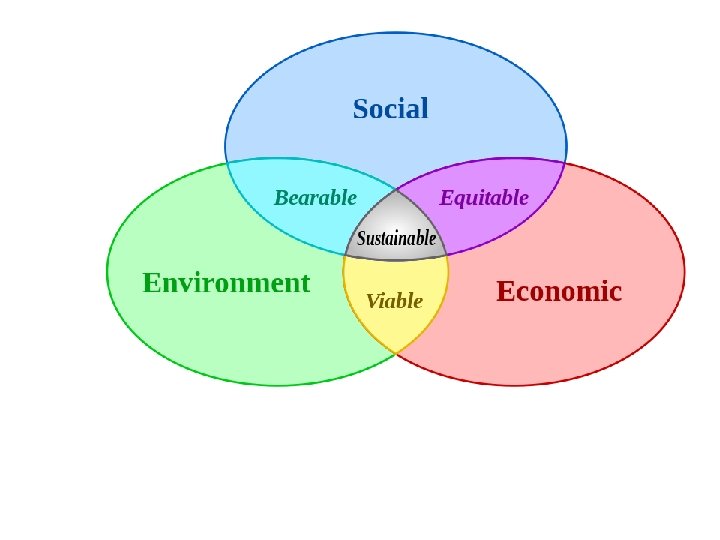
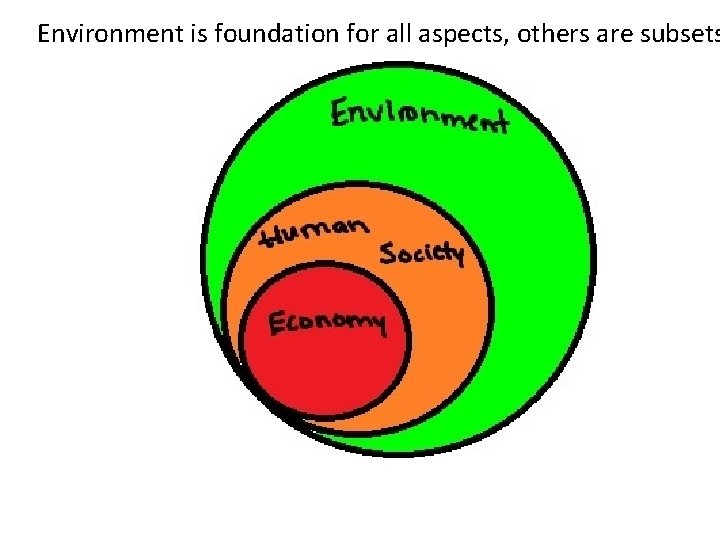
Environment is foundation for all aspects, others are subsets
Sustainable Development vs Sustainability • Sustainable Development: “development that meets the needs of the present generation ? ” s without compromising the ability of future d ee n r u o “ e r a generations to meet their own needs” – Our What Common Future/ Brundtland Report, 1987 • Sustainability: “the capacity to endure” – wikipedia
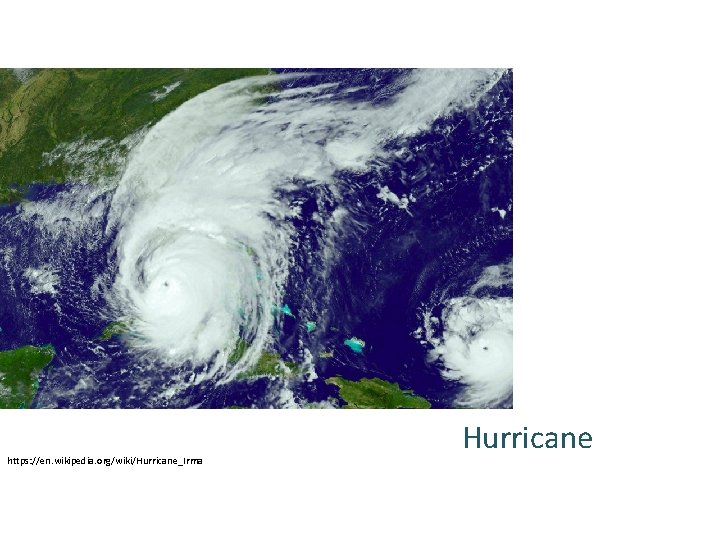
https: //en. wikipedia. org/wiki/Hurricane_Irma Hurricane
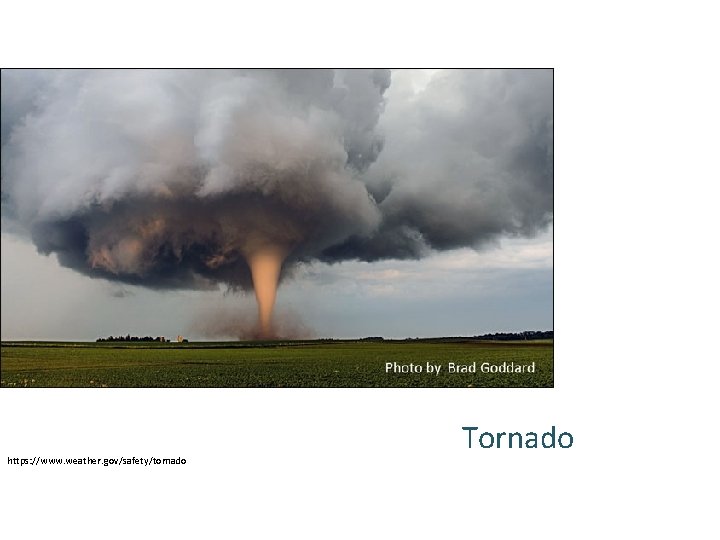
https: //www. weather. gov/safety/tornado Tornado
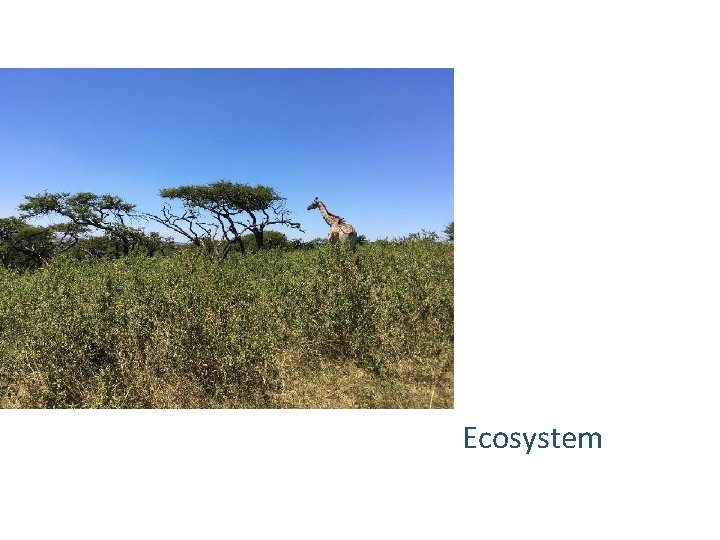
Ecosystem
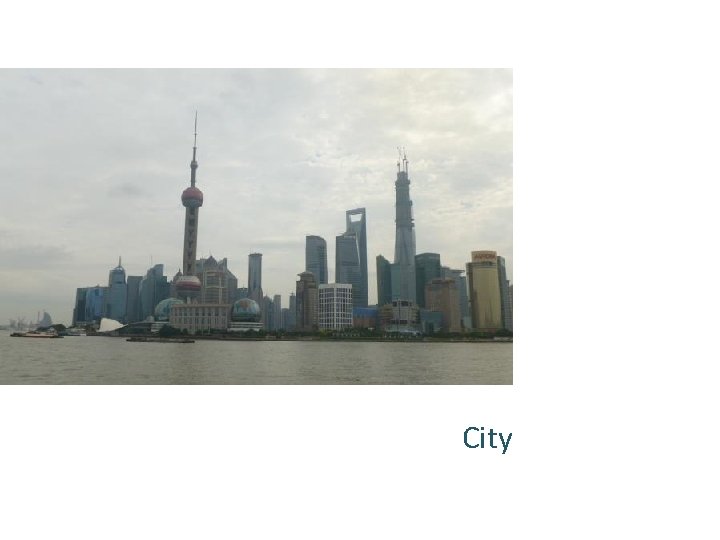
City
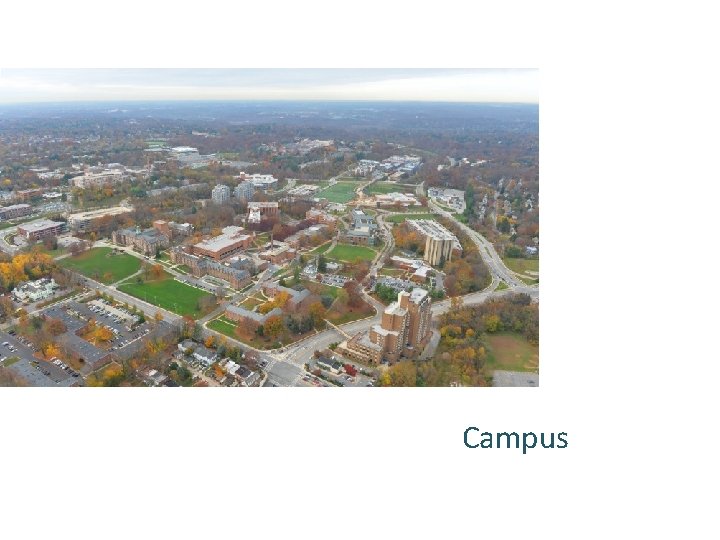
Campus
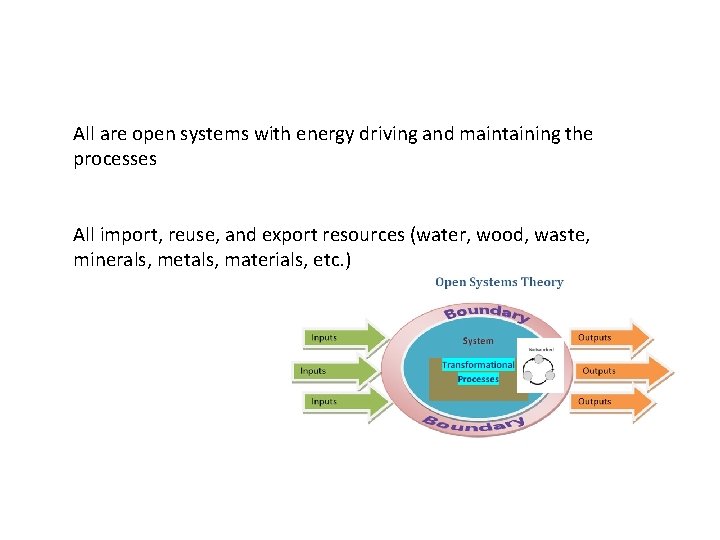
All are open systems with energy driving and maintaining the processes All import, reuse, and export resources (water, wood, waste, minerals, metals, materials, etc. )
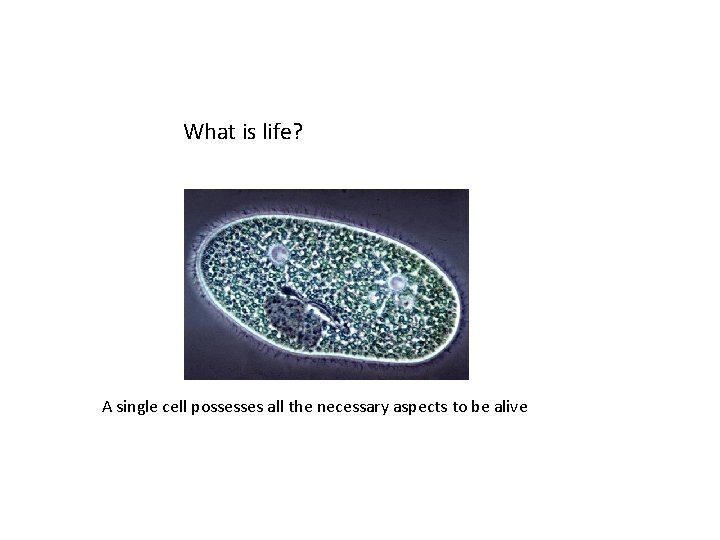
What is life? A single cell possesses all the necessary aspects to be alive
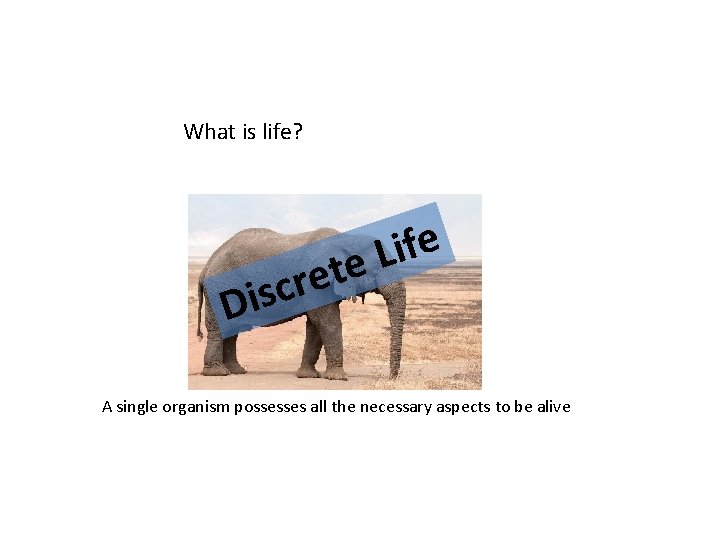
What is life? e f i L e t e r c s i D A single organism possesses all the necessary aspects to be alive
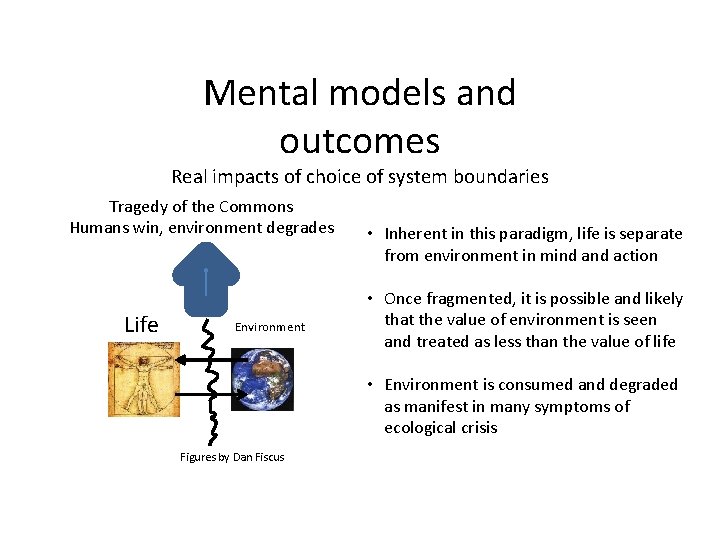
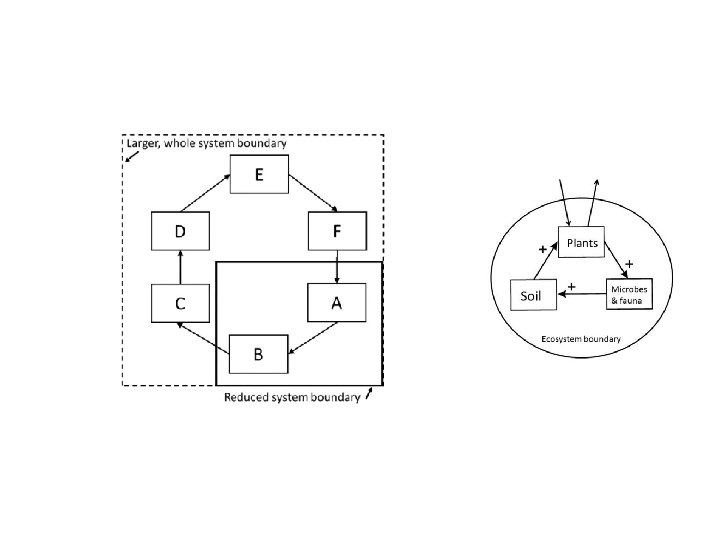
Mental models and outcomes Real impacts of choice of system boundaries Tragedy of the Commons Humans win, environment degrades Life Environment • Inherent in this paradigm, life is separate from environment in mind action • Once fragmented, it is possible and likely that the value of environment is seen and treated as less than the value of life • Environment is consumed and degraded as manifest in many symptoms of ecological crisis Figures by Dan Fiscus
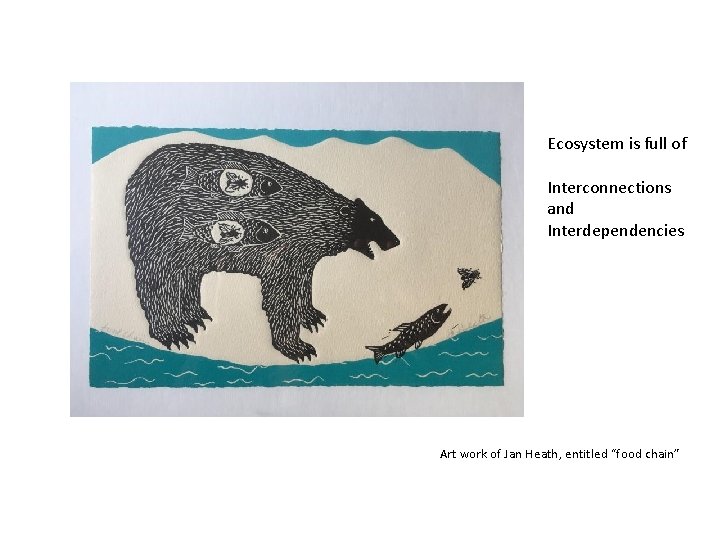
Ecosystem is full of Interconnections and Interdependencies Art work of Jan Heath, entitled “food chain”
A bottom up re-visioning is vital: A new holistic paradigm for life • Contrary to the dominant mainstream view, the basis of all current biology and life science education, it now is becoming clear that life is not only (or even primarily) an organismal property. • In the view actively emerging, life is not centered on or emanating from organisms, nor is it primarily a localized, objectified or material phenomenon. • Life is inherently relational, distributed, and non-localized
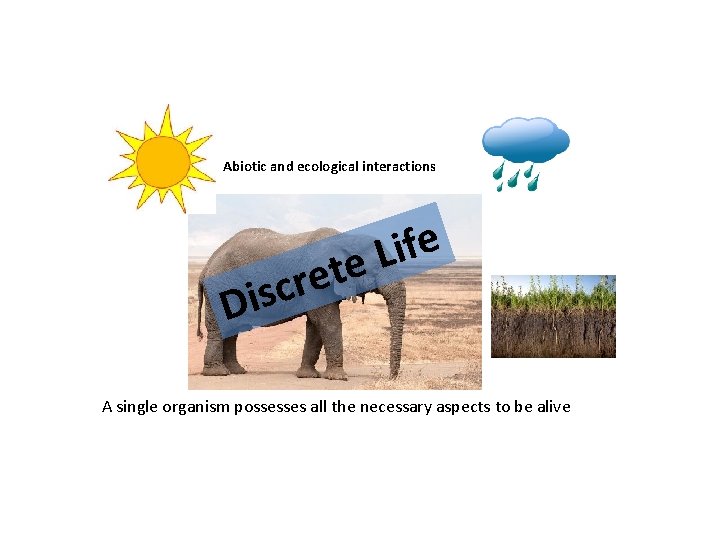
Abiotic and ecological interactions e f i L e t e r c s i D A single organism possesses all the necessary aspects to be alive
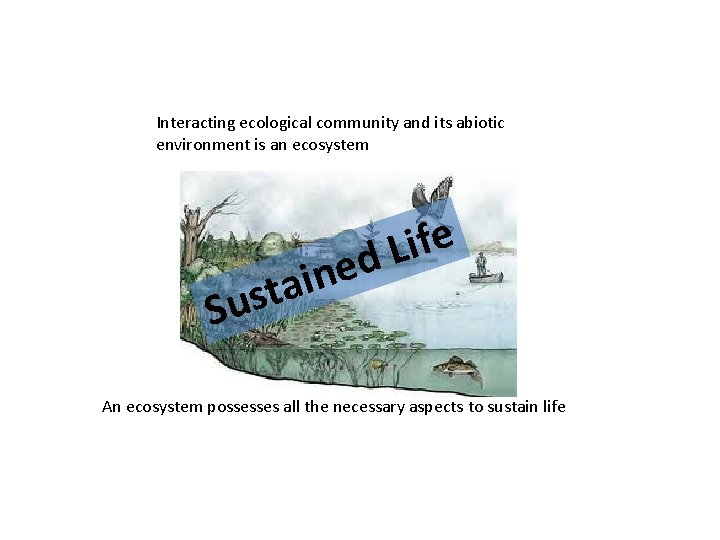
Interacting ecological community and its abiotic environment is an ecosystem e f i L d e n i sta Su An ecosystem possesses all the necessary aspects to sustain life
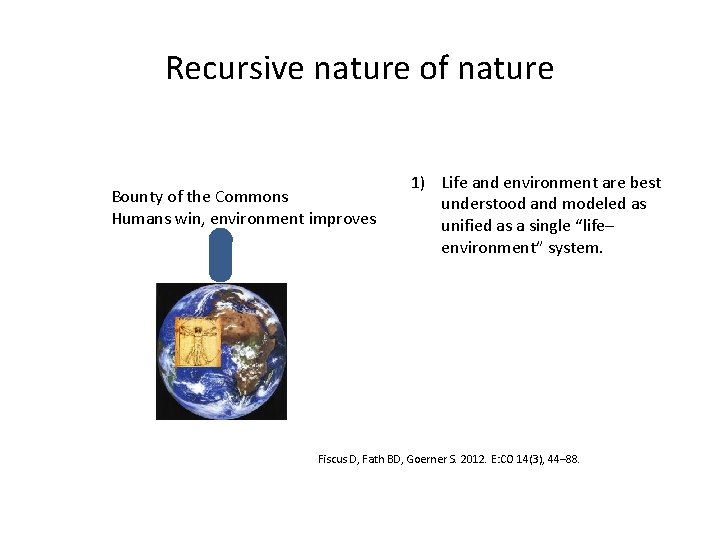
Recursive nature of nature Bounty of the Commons Humans win, environment improves 1) Life and environment are best understood and modeled as unified as a single “life– environment” system. Fiscus D, Fath BD, Goerner S. 2012. E: CO 14(3), 44– 88.
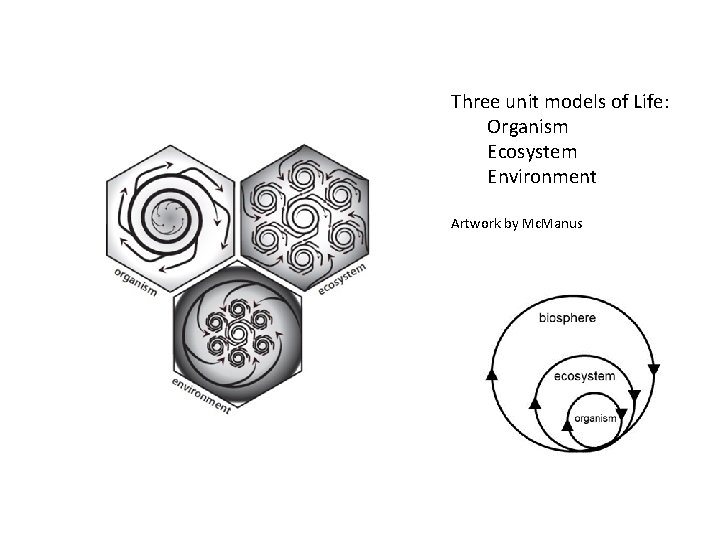
Three unit models of Life: Organism Ecosystem Environment Artwork by Mc. Manus
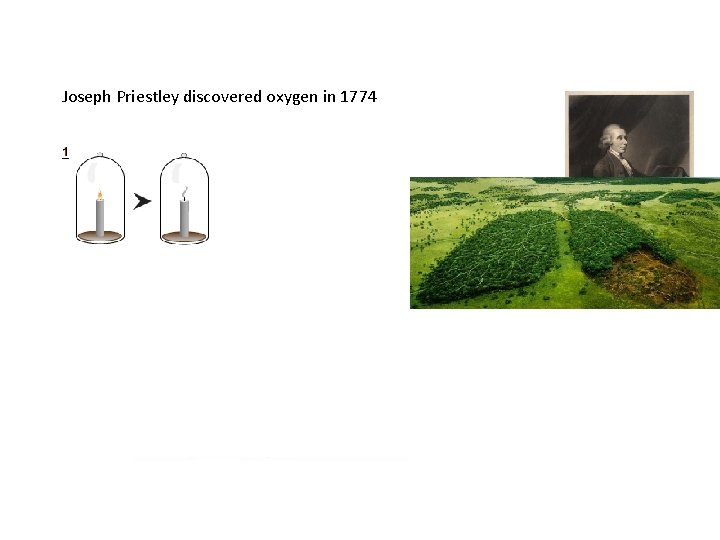
Joseph Priestley discovered oxygen in 1774 www. acs. org/content/acs/en/educ ation/whatischemistry/landmarks/j osephpriestleyoxygen. html

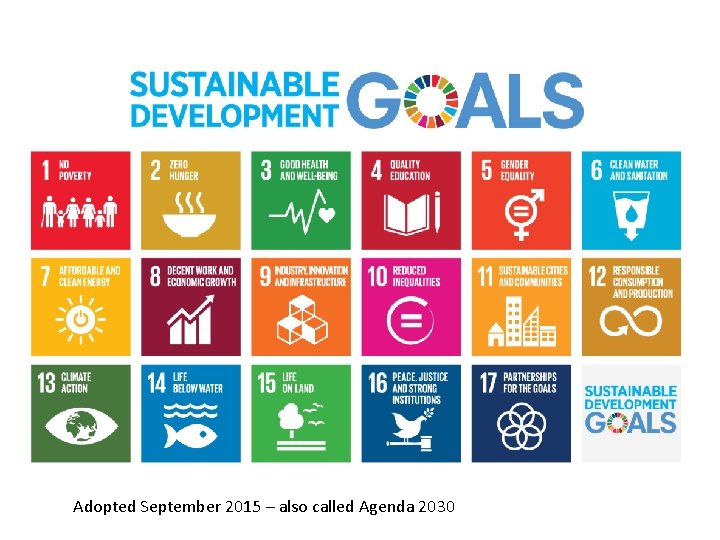
Adopted September 2015 – also called Agenda 2030


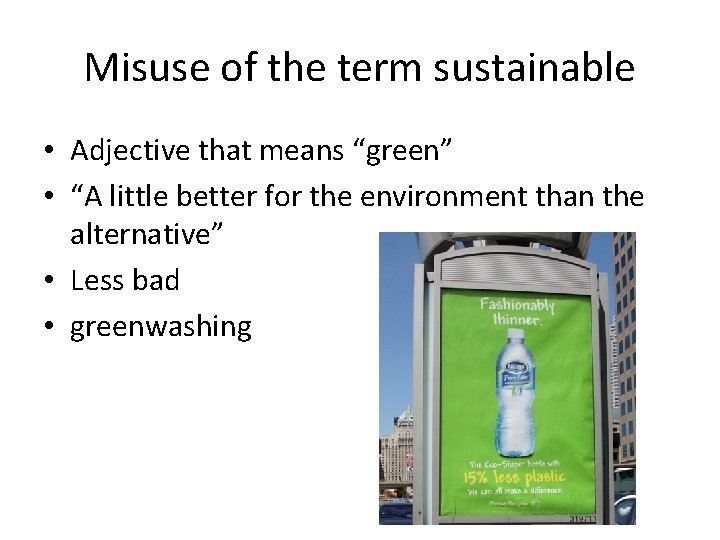
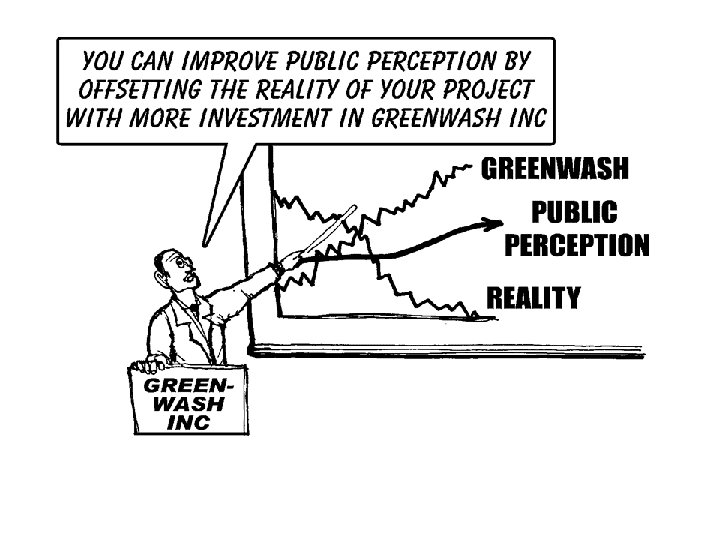
Misuse of the term sustainable • Adjective that means “green” • “A little better for the environment than the alternative” • Less bad • greenwashing

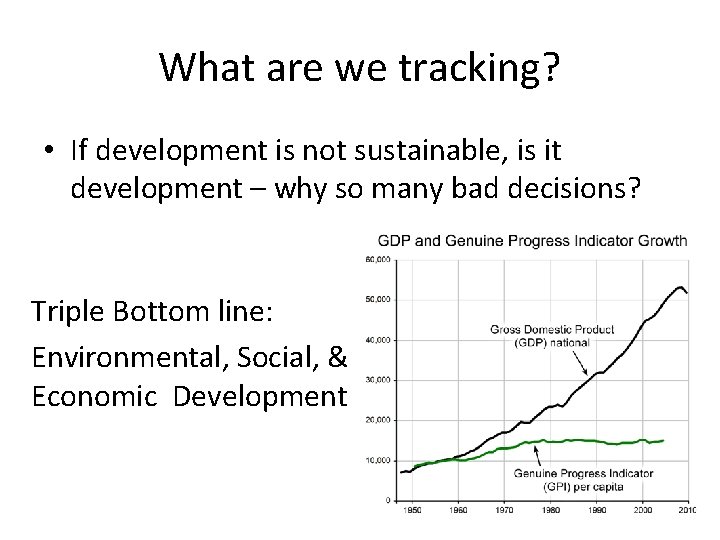
What are we tracking? • If development is not sustainable, is it development – why so many bad decisions? Triple Bottom line: Environmental, Social, & Economic Development
Is sustainability still possible? • “Growing human populations are eating more meat, using more carbon -based energy, shouldering aside more natural resources, and tapping into more renewable and nonrenewable commodities than ever before. ” • “If humanity fails to achieve sustainability, when, and how, will unsustainable trends end? ”
Is sustainability still possible? • Why has it proved so hard to conform human behavior to the needs of a life-supporting future? • Our political and economic institutions evolved before anyone imagined the need to restrain human behavior out of concern for the future.
Great Law of the Iroquois • In every deliberation, we must consider the impact on the seventh generation (~140 years into the future) • What is the purpose of expressing concern for the consequences of decision-making down to the seventh generation from their own?
Guidance for answers • Western insight into the needed physical and ethical transformations • Alternatively, we should look to other traditions as well: indigenous, Eastern
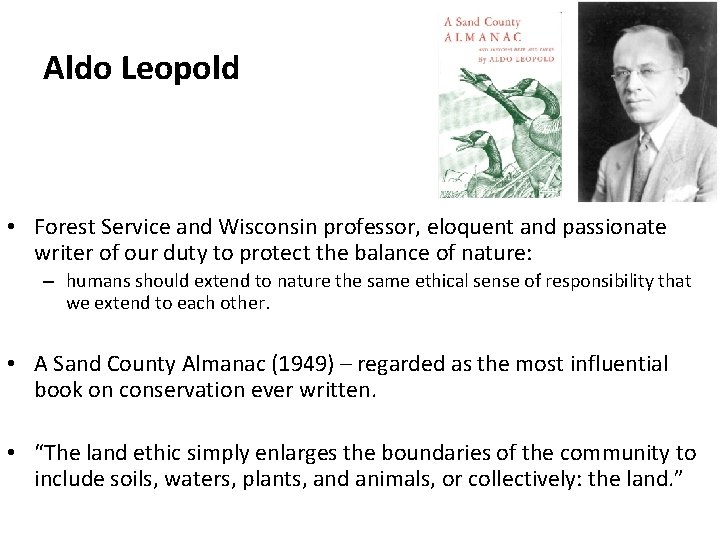
Aldo Leopold • Forest Service and Wisconsin professor, eloquent and passionate writer of our duty to protect the balance of nature: – humans should extend to nature the same ethical sense of responsibility that we extend to each other. • A Sand County Almanac (1949) – regarded as the most influential book on conservation ever written. • “The land ethic simply enlarges the boundaries of the community to include soils, waters, plants, and animals, or collectively: the land. ”
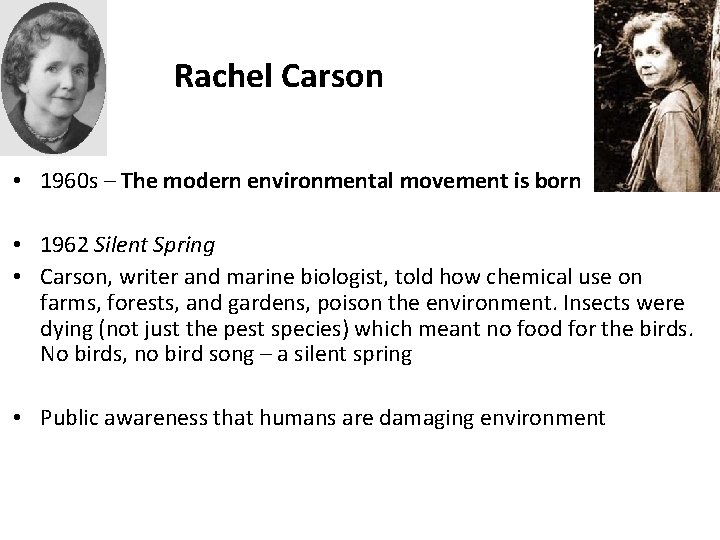
Rachel Carson • 1960 s – The modern environmental movement is born • 1962 Silent Spring • Carson, writer and marine biologist, told how chemical use on farms, forests, and gardens, poison the environment. Insects were dying (not just the pest species) which meant no food for the birds. No birds, no bird song – a silent spring • Public awareness that humans are damaging environment
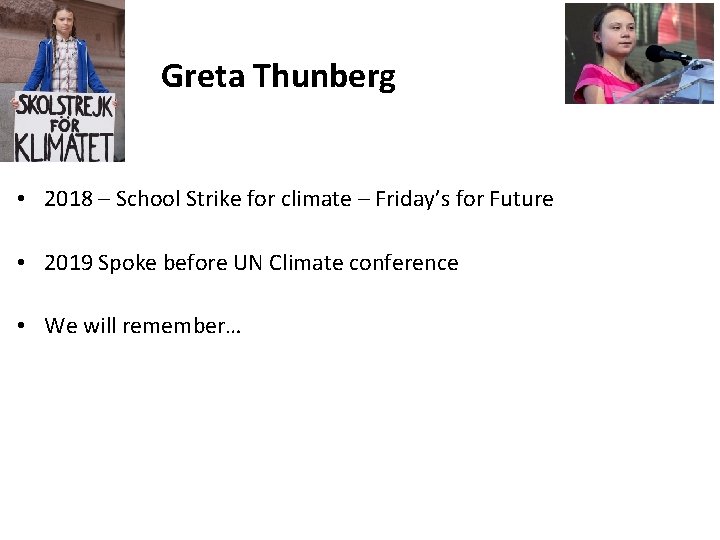
Greta Thunberg • 2018 – School Strike for climate – Friday’s for Future • 2019 Spoke before UN Climate conference • We will remember…

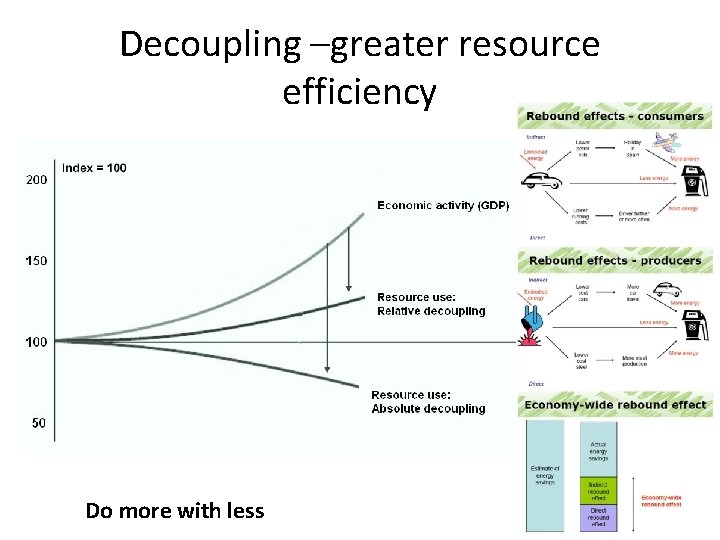
Decoupling –greater resource efficiency Do more with less
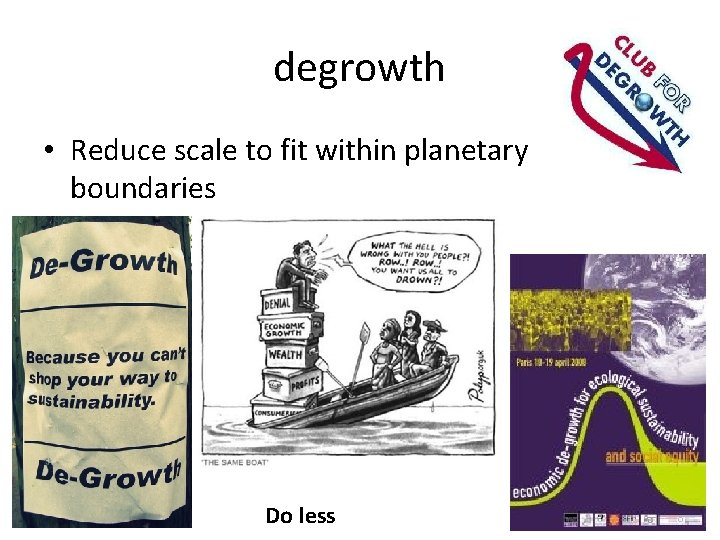
degrowth • Reduce scale to fit within planetary boundaries Do less
- Slides: 48