
Fossils Remains of Ancient Plants And Animals Evidence
- Slides: 20
Fossils Remains of Ancient Plants And Animals, Evidence of Life
Commonly Preserved: Hard Parts of Organisms: • Bones • Shells • Hard Parts of Insects • Woody Material
Rarely Preserved Soft or Easily Decayed Parts of Organisms: • Internal Organs • Skin • Hair • Feathers
Types of Fossils • • • Original Material Casts & Molds Replacement (Petrified Wood) Carbonized Films (Leaves) Footprints, Tracks, Etc. – “Trace Fossils” – Our only preserved record of behavior of fossil organisms
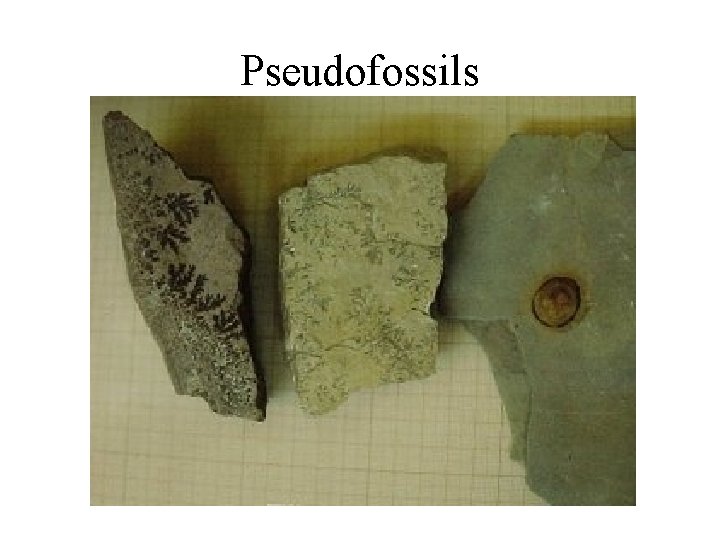
Pseudofossils Look Like Fossils But Aren't • Dendrites • Concretions
Pseudofossils
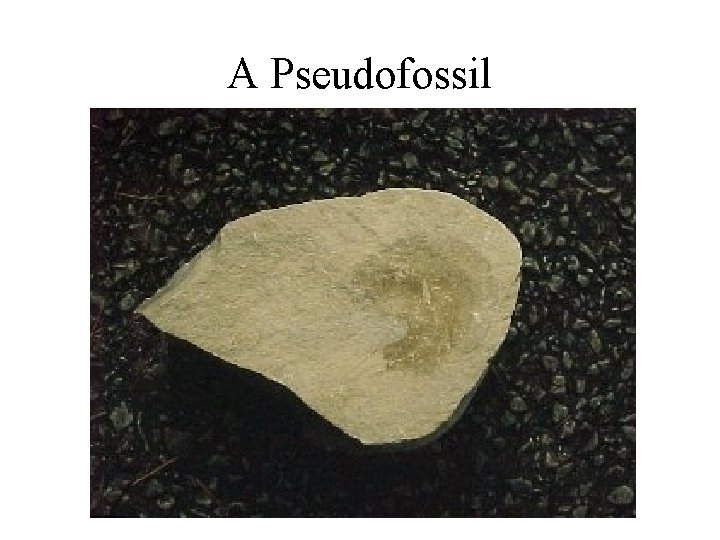
A Pseudofossil
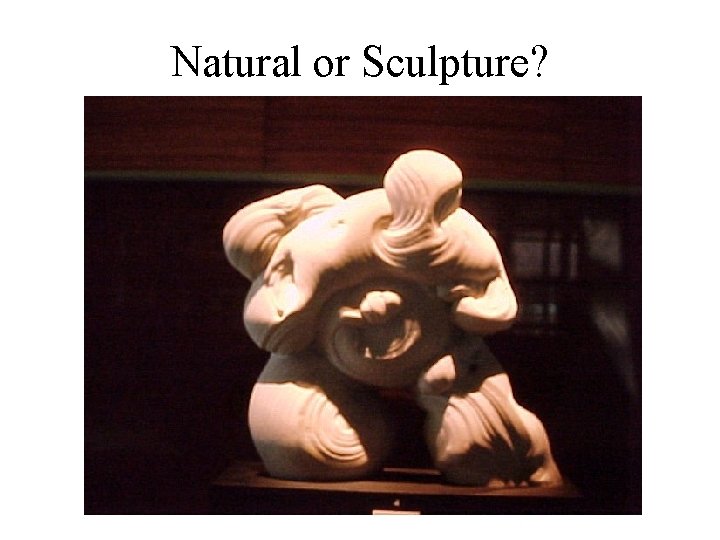
Natural or Sculpture?
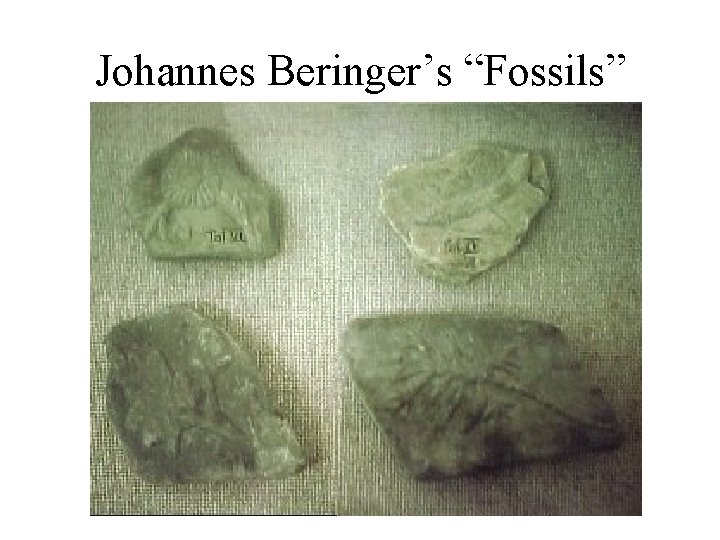
Johannes Beringer’s “Fossils”
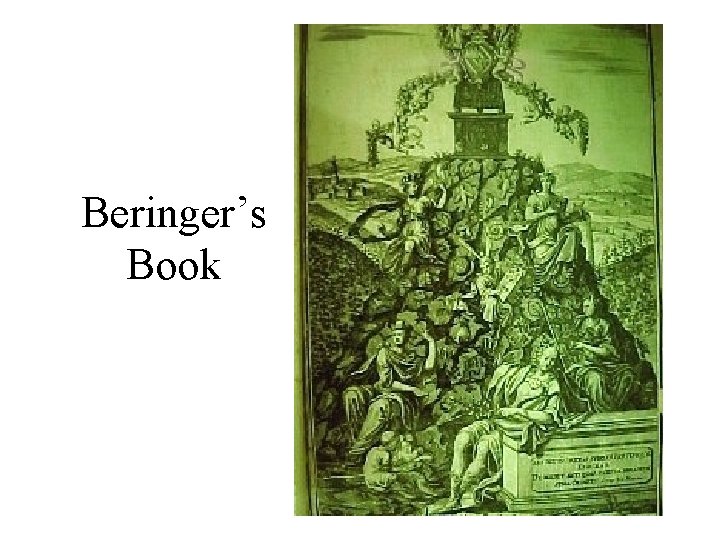
Beringer’s Book
Where Fossils Occur Almost Exclusively in Sedimentary Rocks • Heat of Melting or Metamorphism Would Destroy Almost Every Type of Fossil • Rare Exceptions: – Some Fossils in Low-grade Metamorphic Rocks – Trees Buried by Lava Flow To Be Preserved, Organisms Have to Be: • Buried Rapidly After Death • Preserved From Decay
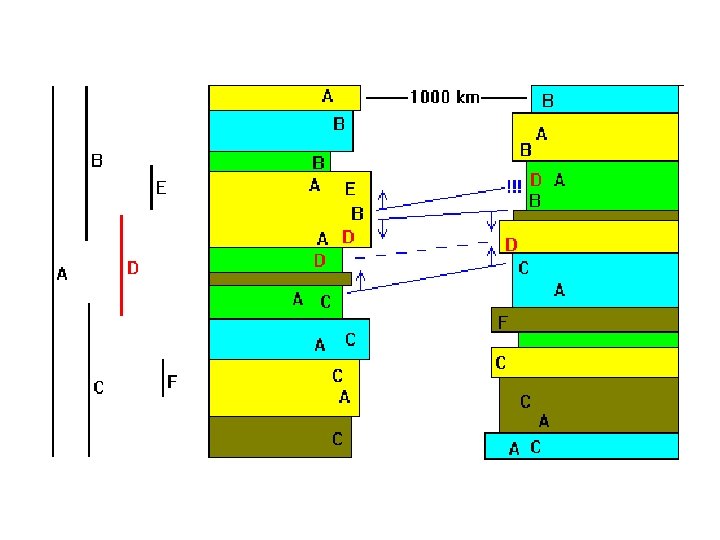
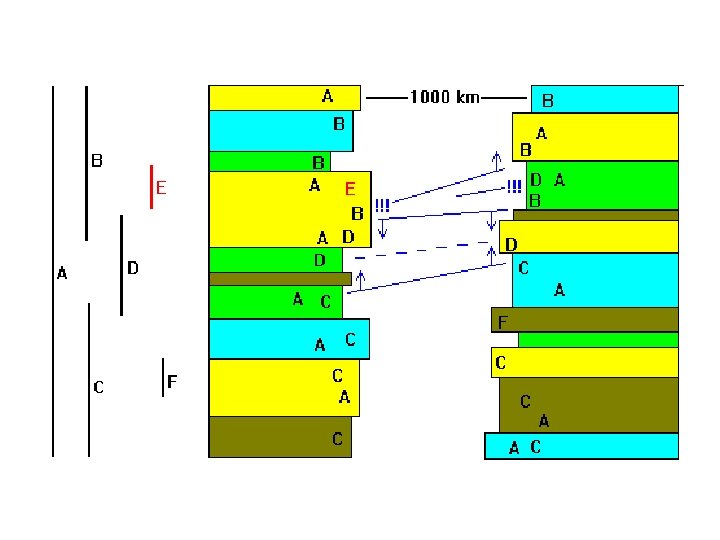
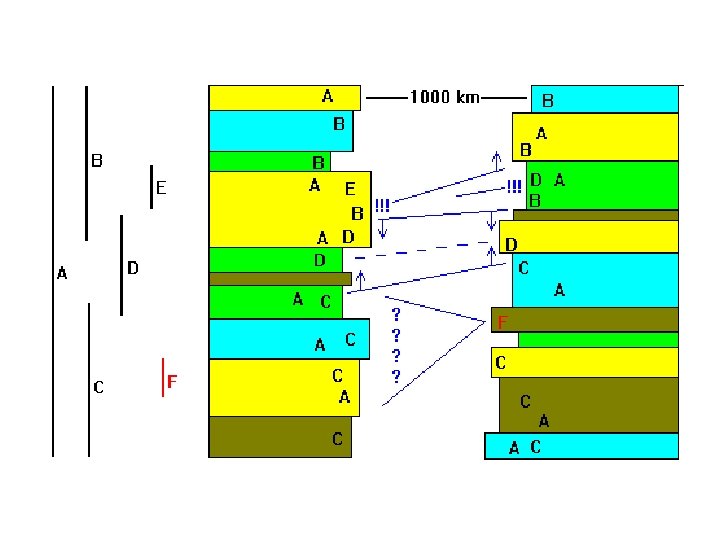
Good Index Fossils • Abundant • Widely-distributed (Global Preferred) • Short-lived or Rapidly Changing
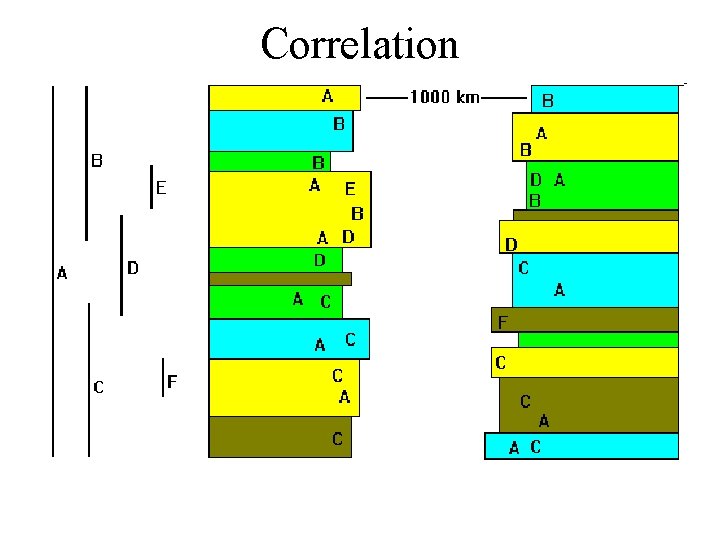
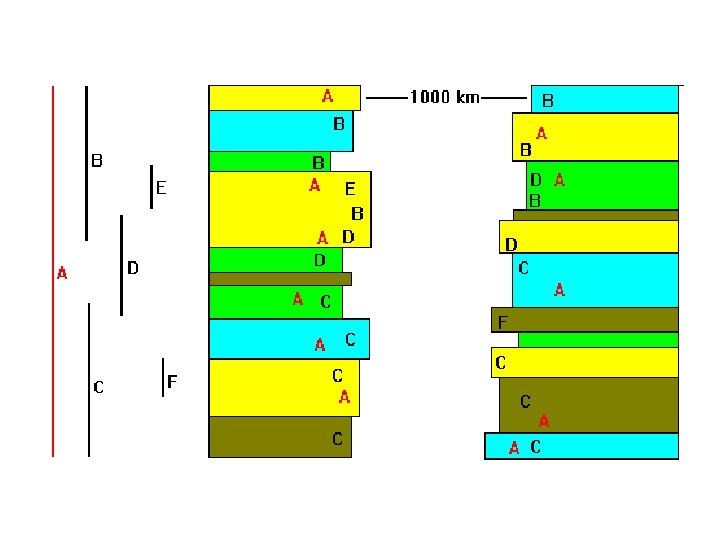
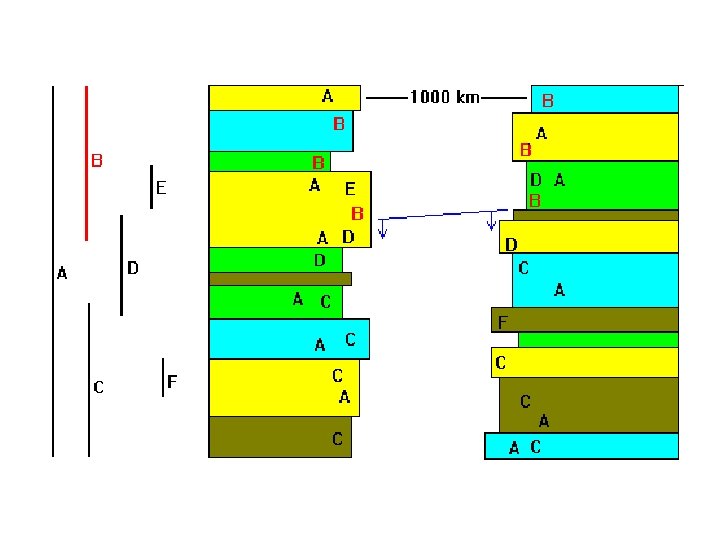
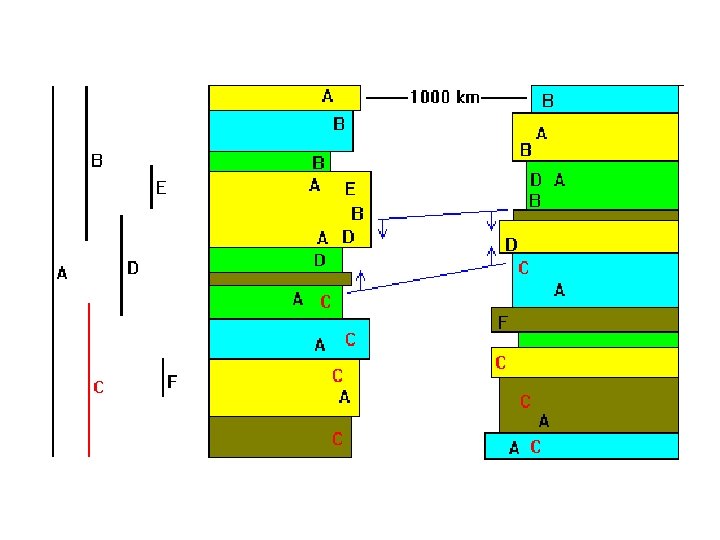
Correlation
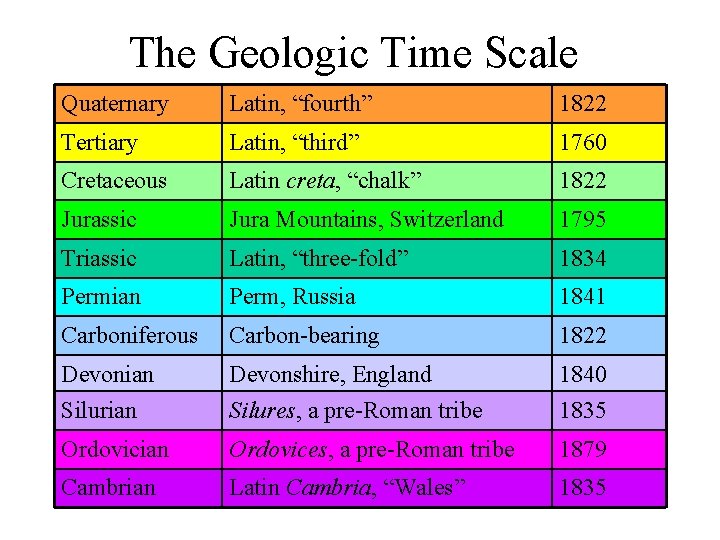
The Geologic Time Scale Quaternary Latin, “fourth” 1822 Tertiary Latin, “third” 1760 Cretaceous Latin creta, “chalk” 1822 Jurassic Jura Mountains, Switzerland 1795 Triassic Latin, “three-fold” 1834 Permian Perm, Russia 1841 Carboniferous Carbon-bearing 1822 Devonian Silurian Devonshire, England Silures, a pre-Roman tribe 1840 1835 Ordovician Ordovices, a pre-Roman tribe 1879 Cambrian Latin Cambria, “Wales” 1835