
Fossil Fuels and Plastics Fossil Fuels Coal Oil

- Slides: 21
Fossil Fuels and Plastics
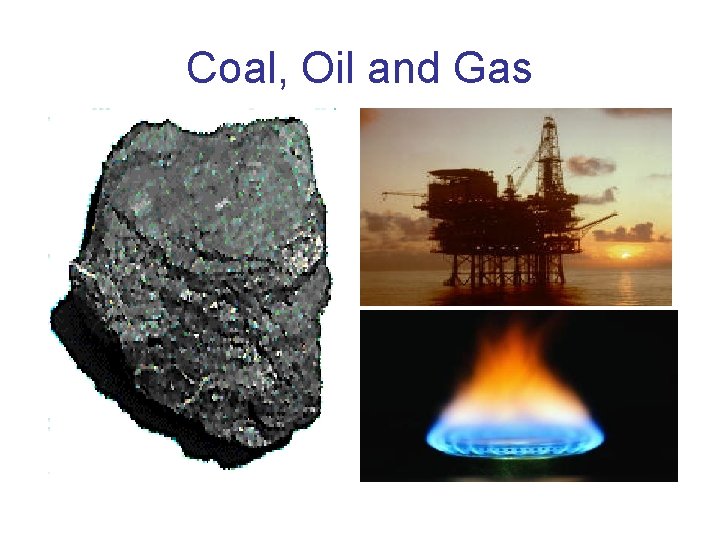
Fossil Fuels • Coal • Oil • Natural Gas (methane)
Coal, Oil and Gas
Hydrocarbons • Compounds that contain hydrogen and carbon only
The chemicals in Fossil Fuels • Fossil fuels are all sources of hydrocarbons • The simplest hydrocarbon is methane CH 4 (natural gas)
Burning Hydrocarbons • Hydrocarbons produce carbon dioxide and water when burned • Hydrocarbon + oxygen carbon dioxide water +
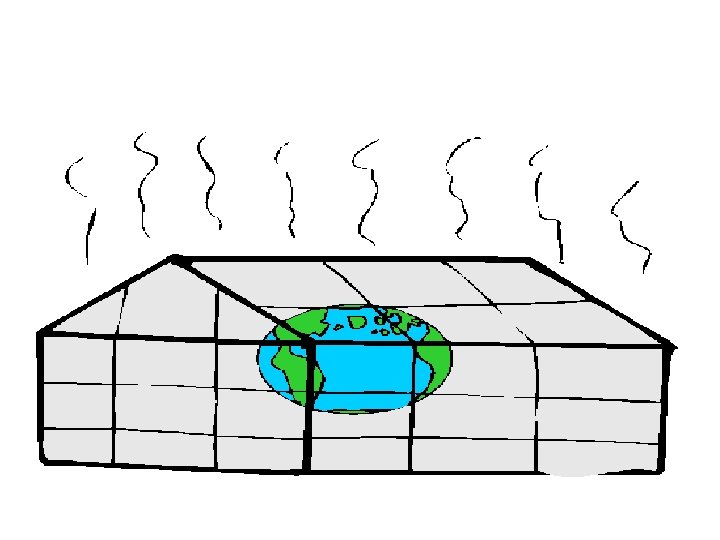
Global warming • This extra carbon dioxide has resulted in the earth’s temperature increasing • This is known as global warming
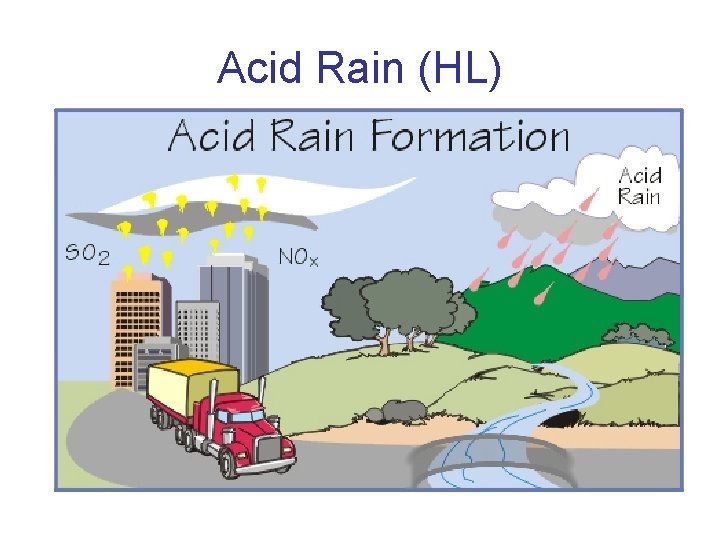
Acid Rain (HL)
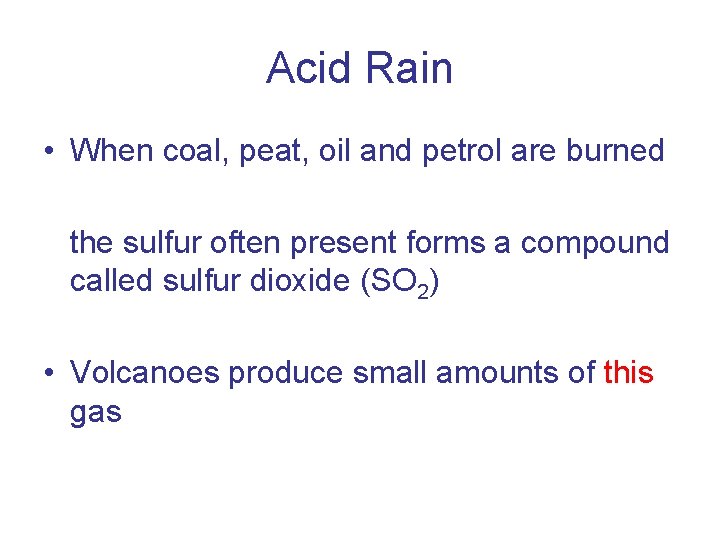
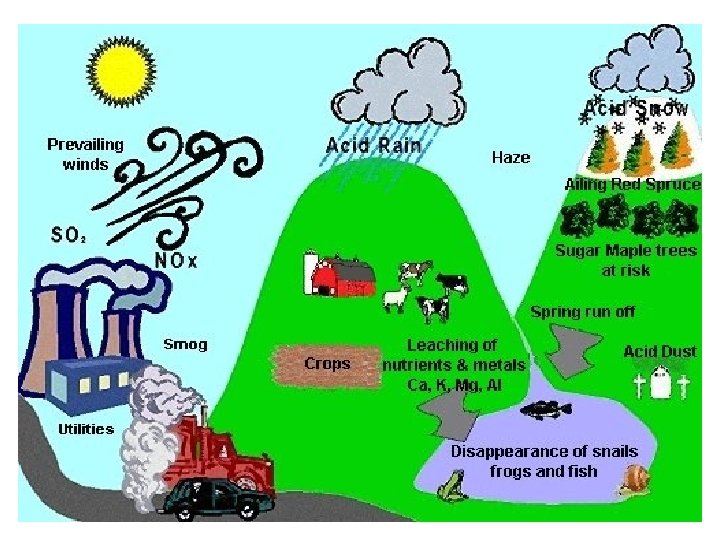
Acid Rain • When coal, peat, oil and petrol are burned the sulfur often present forms a compound called sulfur dioxide (SO 2) • Volcanoes produce small amounts of this gas
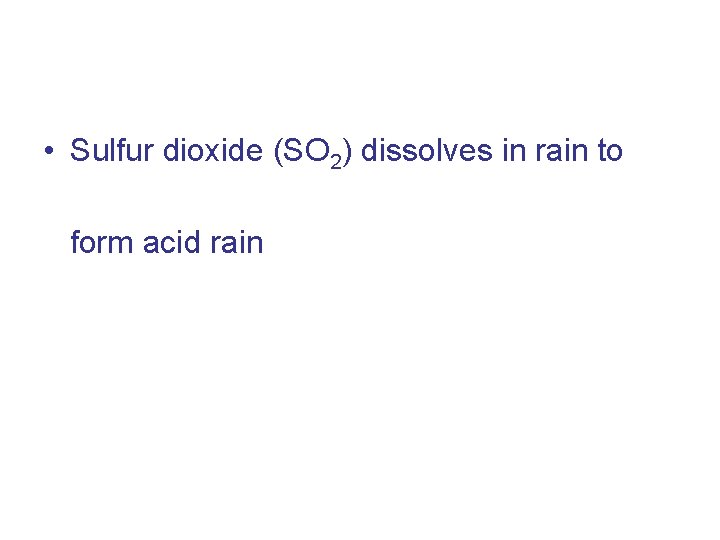
• Sulfur dioxide (SO 2) dissolves in rain to form acid rain
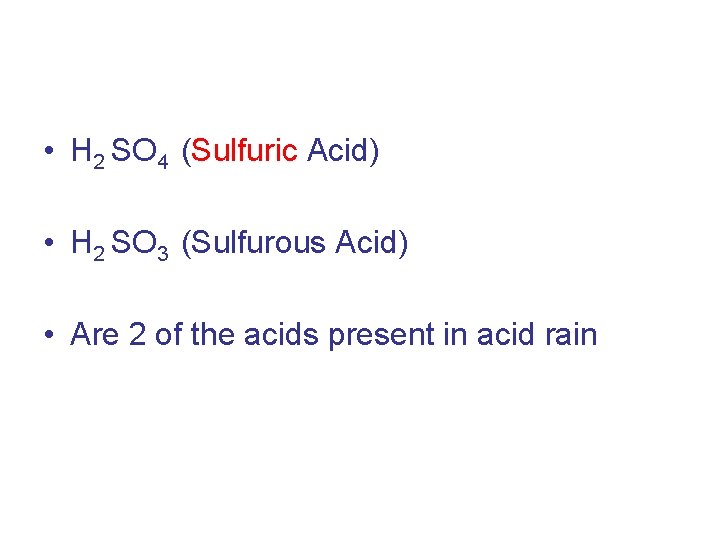
• H 2 SO 4 (Sulfuric Acid) • H 2 SO 3 (Sulfurous Acid) • Are 2 of the acids present in acid rain
Effects of Acid Rain • Causes lakes to become acidic, killing fish • Causes forests to become more acidic, killing trees
Effects of Acid Rain • Acid rain reacts with limestone • The limestone dissolves in the rain • Acid rain attacks iron structures such as bridges • It reduces agricultural production: cereals and grass
Plastics • They are a large family of materials that can be shaped or moulded on heating
Plastics • Plastic bags and squeezy bottles • Pipes and gutters • Hosepipes and shower curtains • Food containers and electrical components
• Packaging and coffee cups • Carpets and combs
Properties of Plastics • Strong and flexible • Long lasting • Waterproof • Good heat insulators • Excellent electrical insulators
Crude Oil • Crude oil provides the raw material for the manufacture of plastics
Pollution by Plastics • Non biodegradable means it does not rot. • To deal with this problem we can recycle • Most can be melted and reused again