
Formation of Deformation Twins in Metallic Crystals S



- Slides: 36
Formation of Deformation Twins in Metallic Crystals S. Mahajan Department of Materials Science and Engineering University of California, Davis, 95616
Formation of Deformation Twins in BCC Crystals
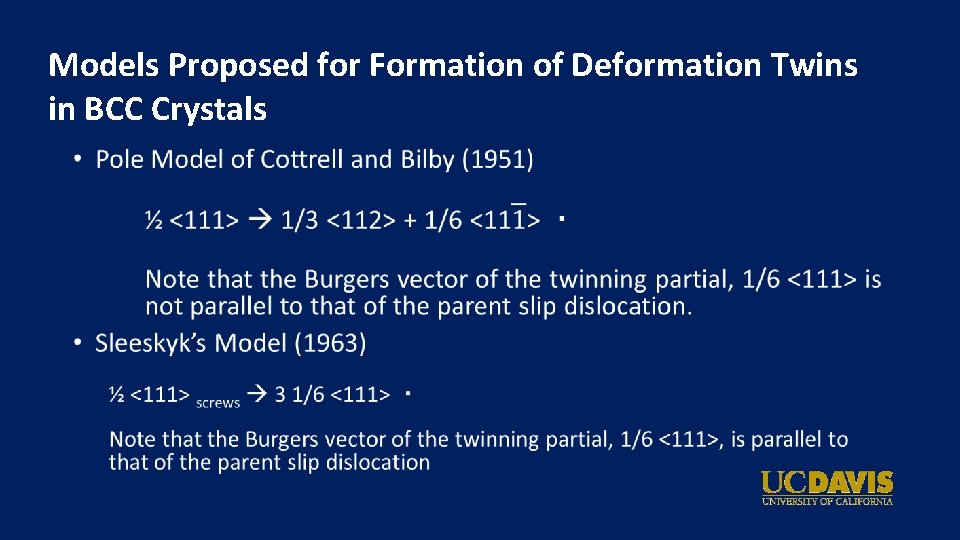
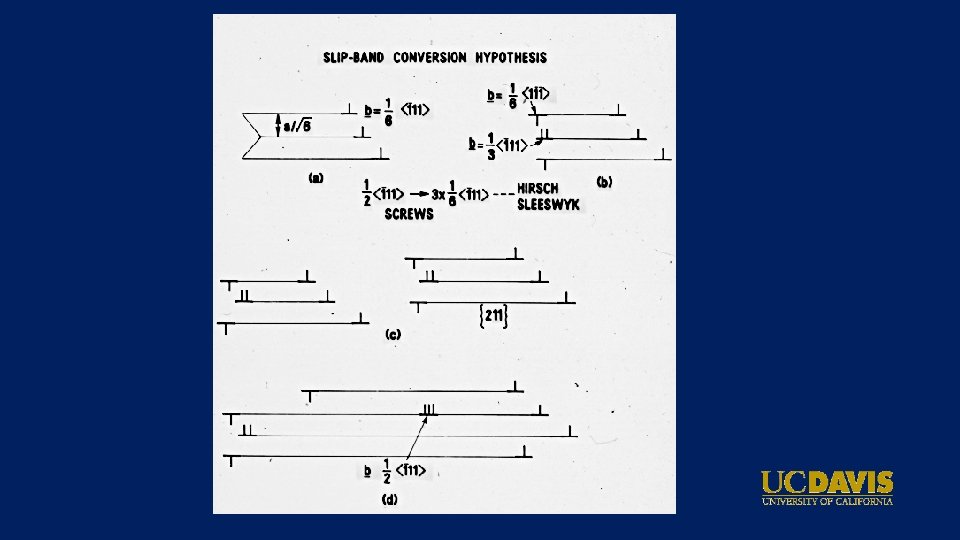
Models Proposed for Formation of Deformation Twins in BCC Crystals •
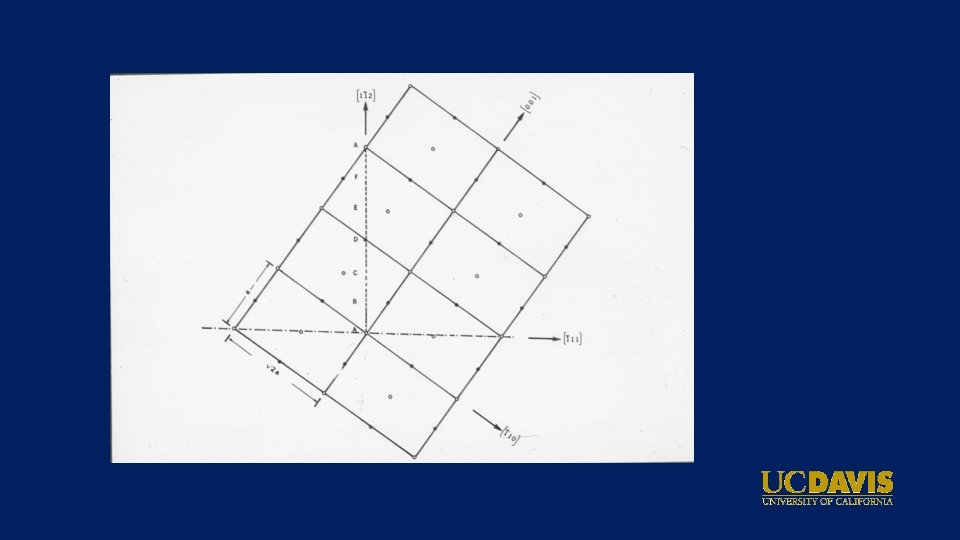
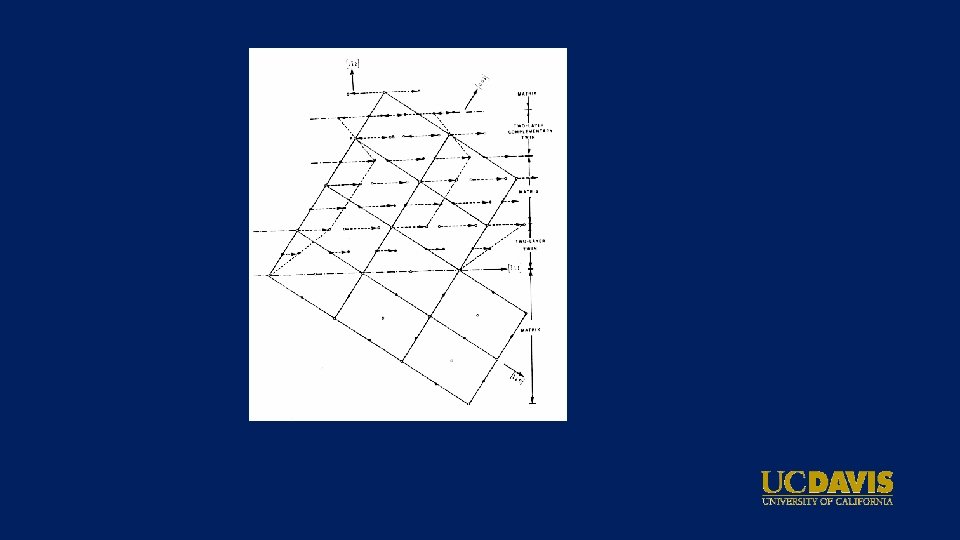
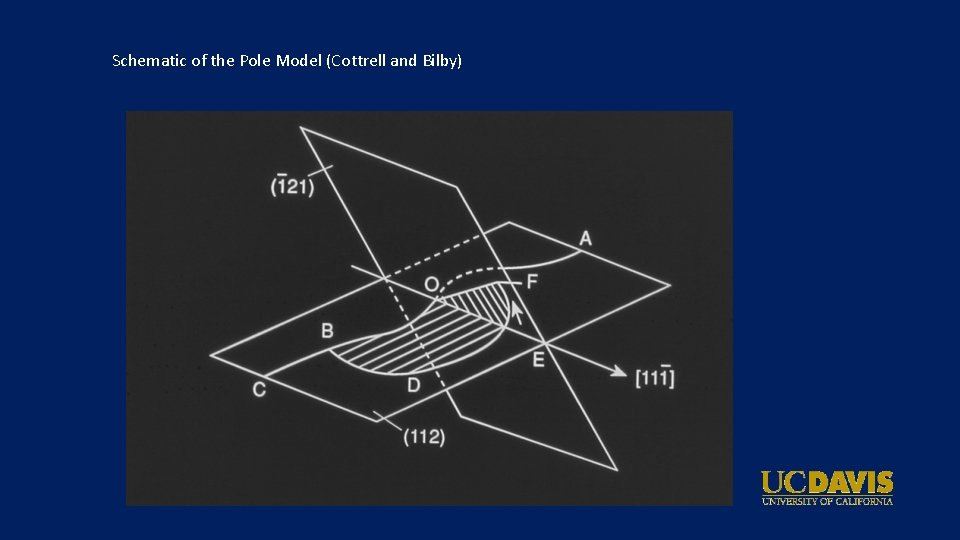
Schematic of the Pole Model (Cottrell and Bilby)
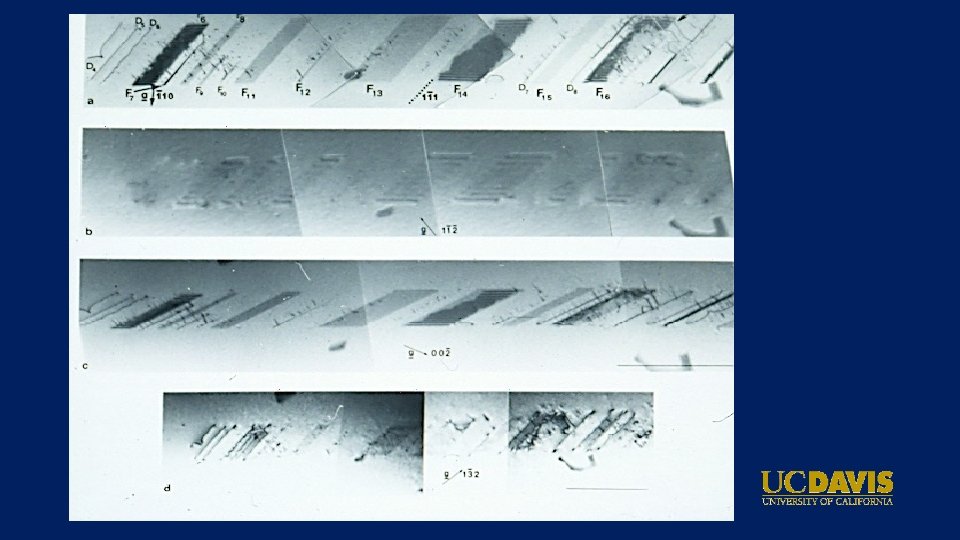
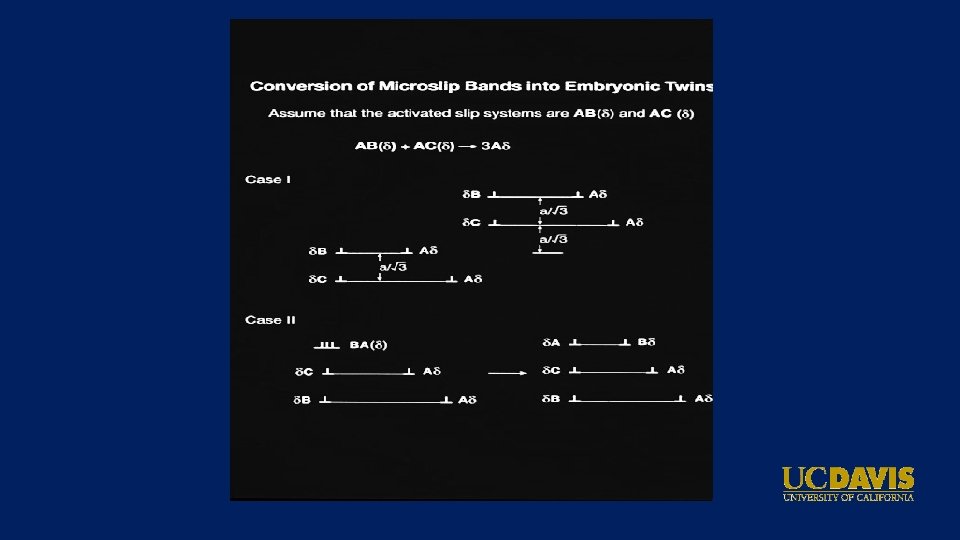
Case I •
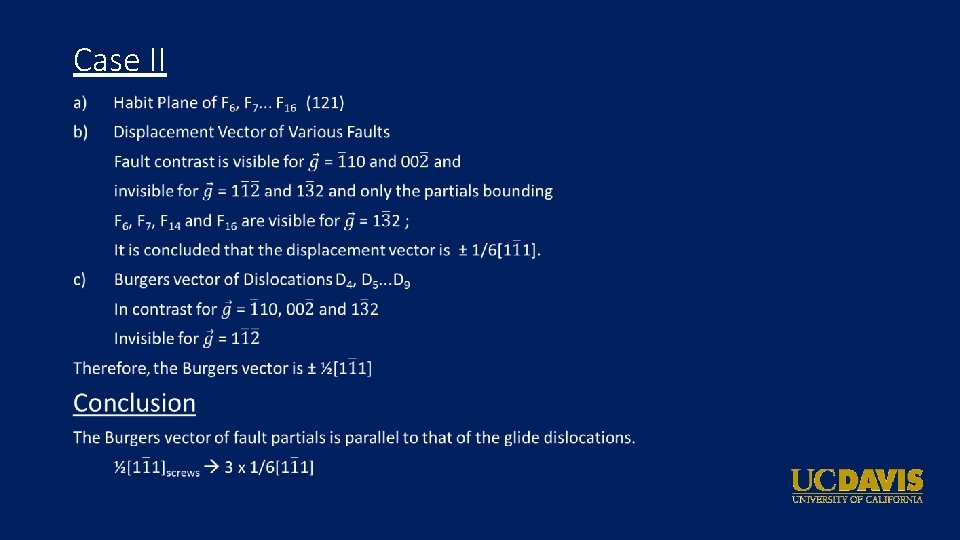
Case II •
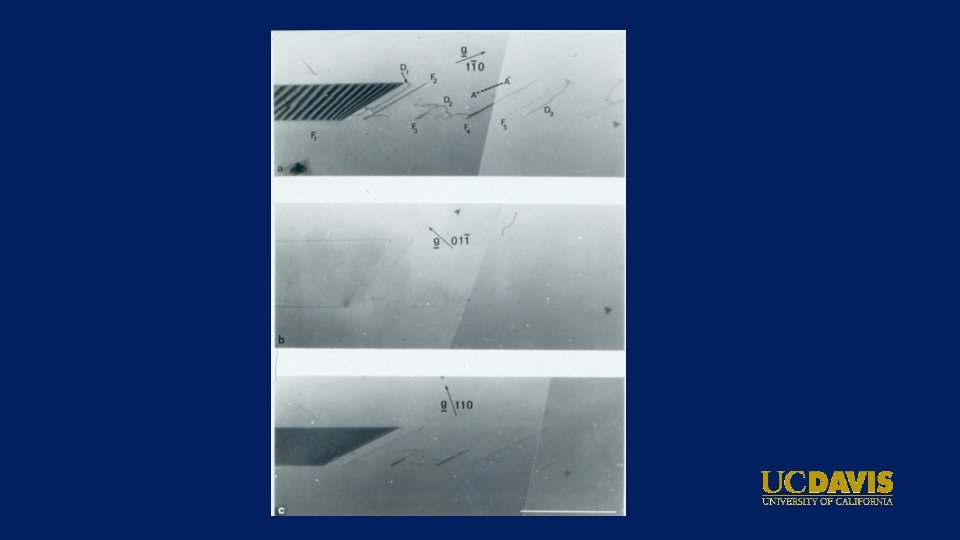
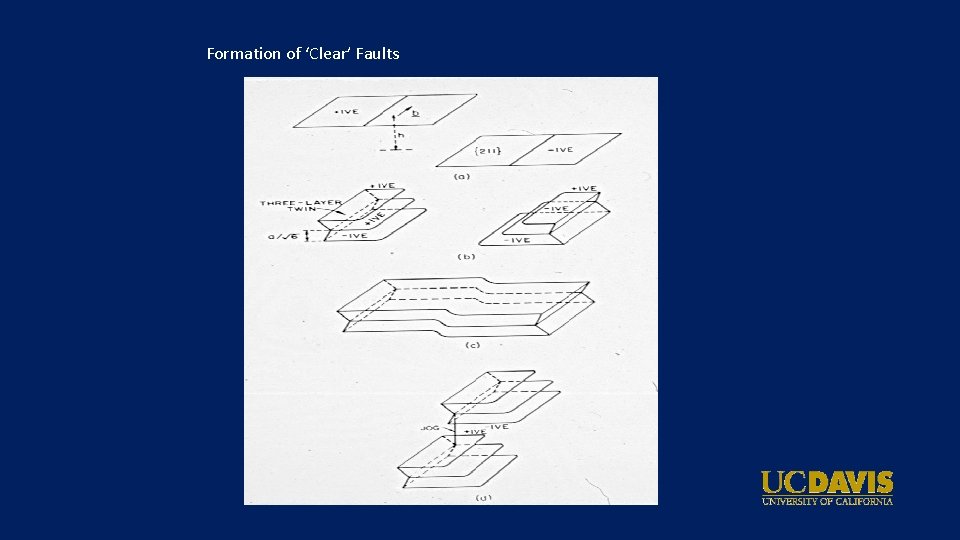
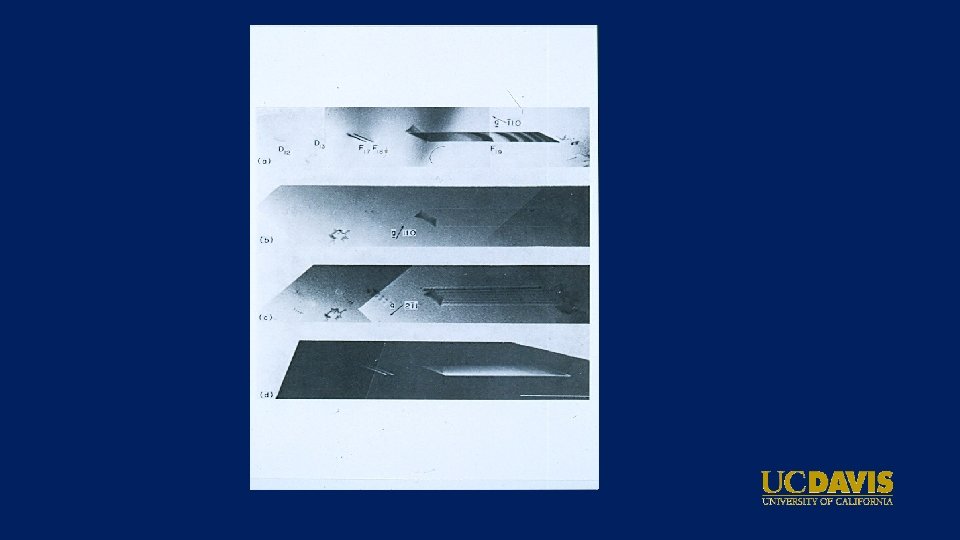
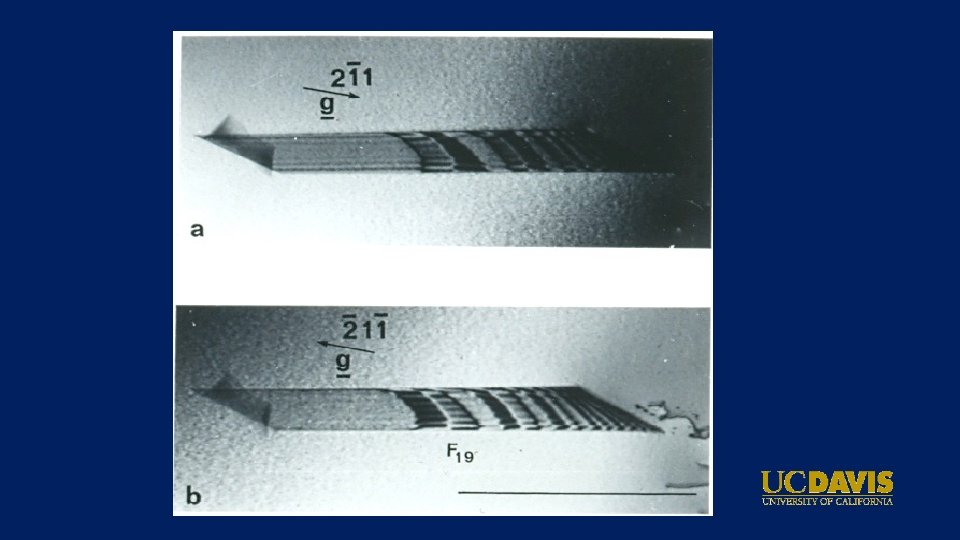
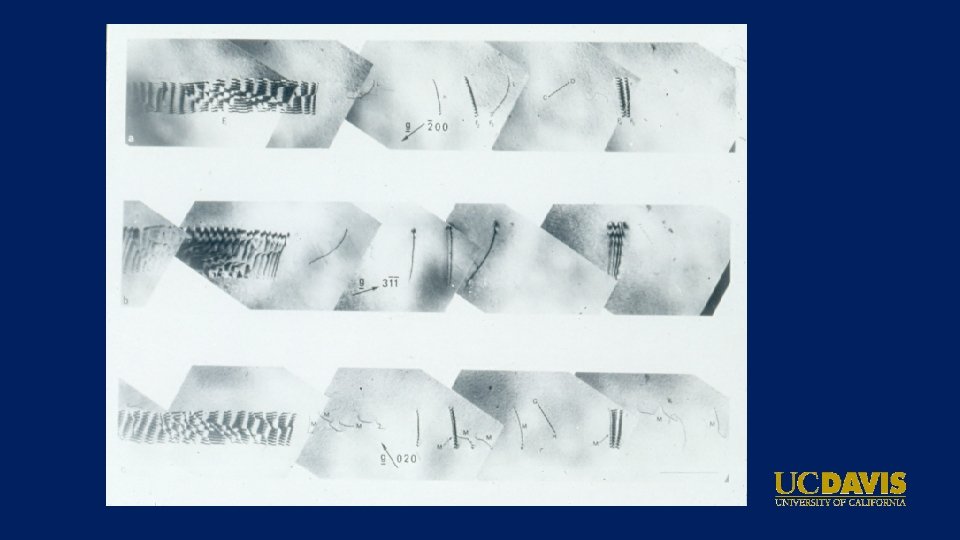
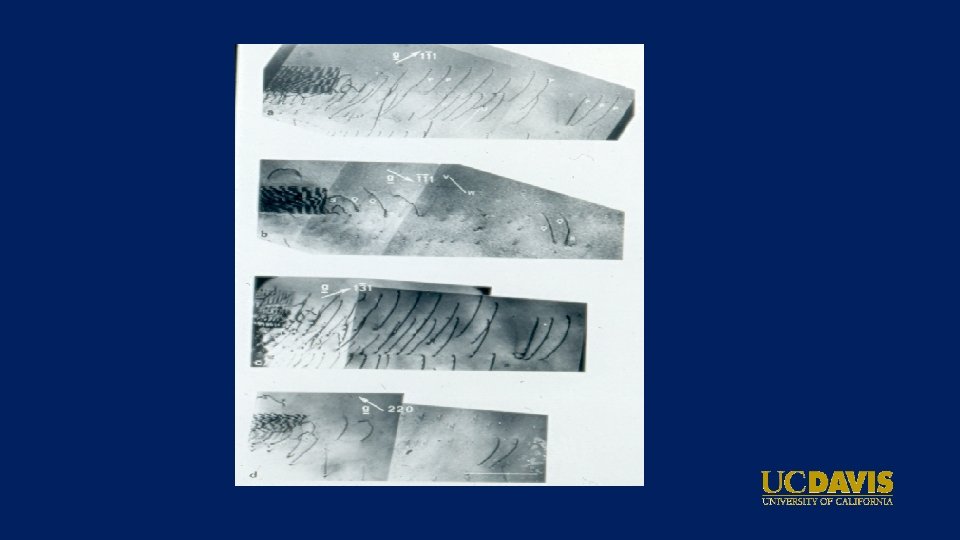
Formation of ‘Clear’ Faults
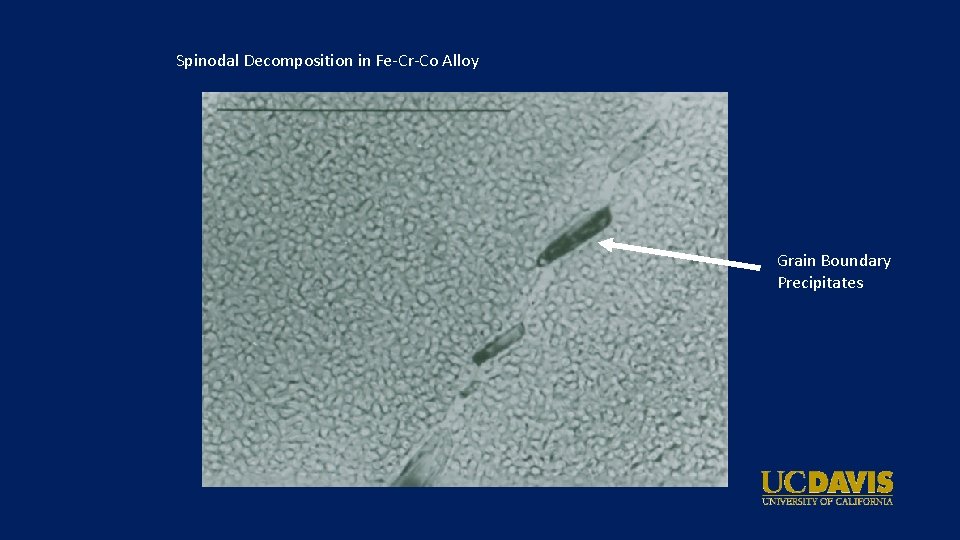
Spinodal Decomposition in Fe-Cr-Co Alloy Grain Boundary Precipitates
Effects of Metallurgical Variables on Deformation Twinning in BCC Crystals
Metallurgical Variables • Critical resolved shear stress for twinning • Deformation temperature • Strain-rate • Alloying
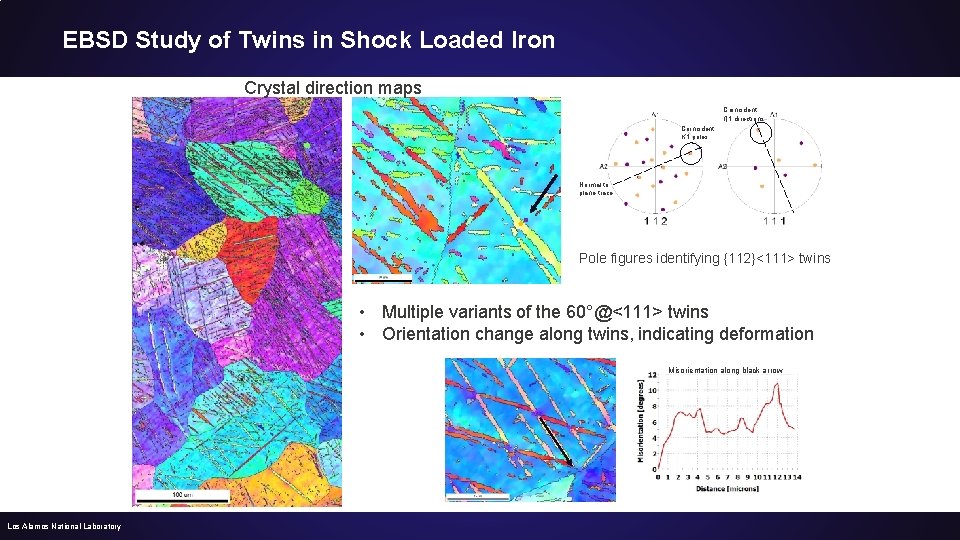
EBSD Study of Twins in Shock Loaded Iron Crystal direction maps Coincident Ƞ 1 directions Coincident K 1 poles Normal to plane trace Pole figures identifying {112}<111> twins • Multiple variants of the 60°@<111> twins • Orientation change along twins, indicating deformation Misorientation along black arrow Los Alamos National Laboratory
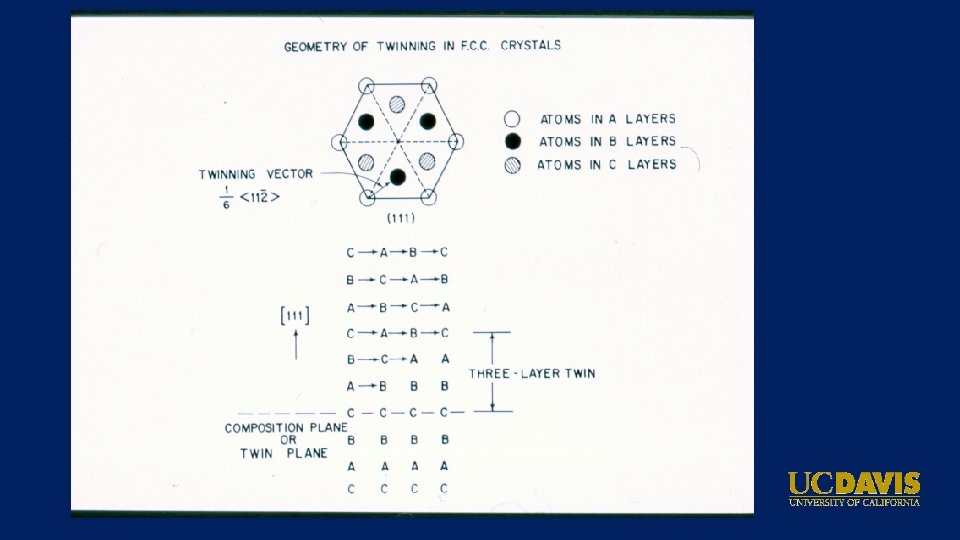
Formation of Deformation Twins in FCC Crystals
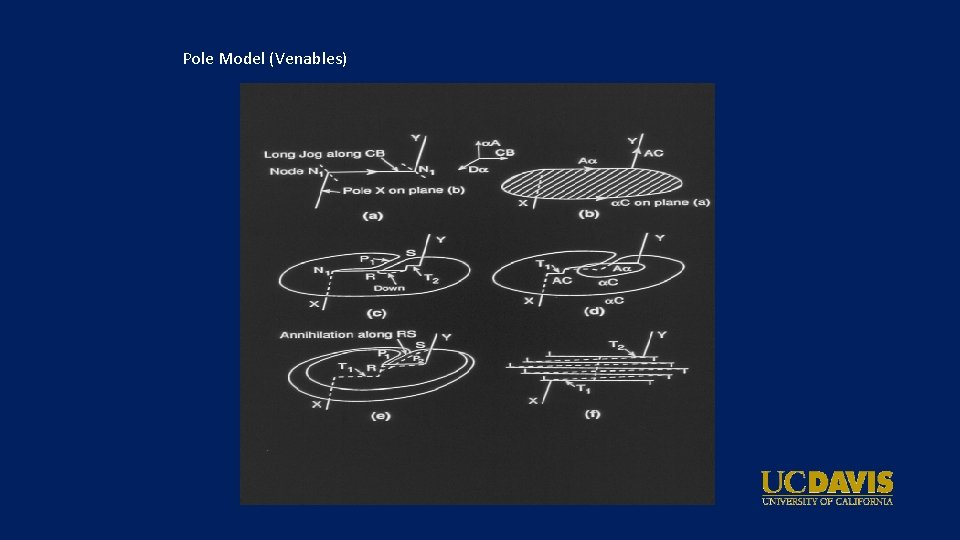
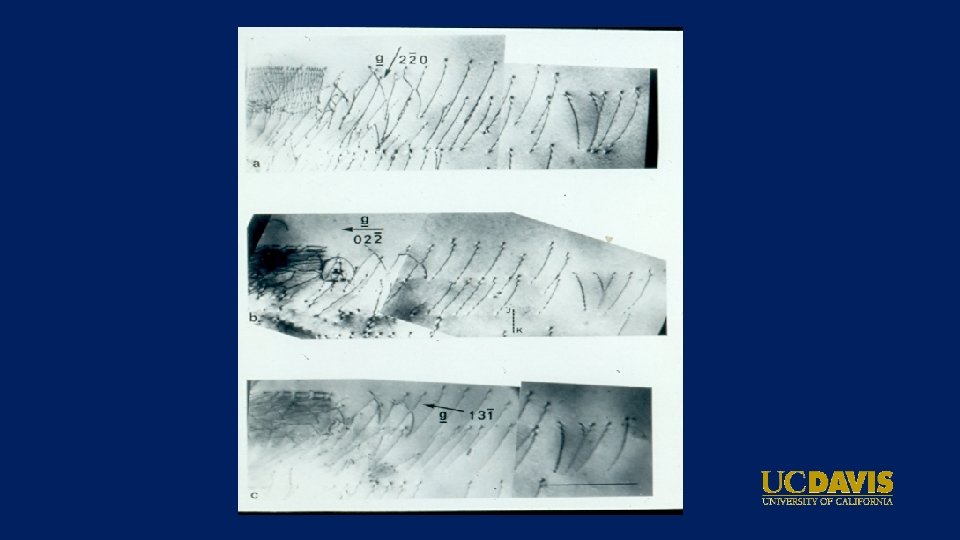
Pole Model (Venables)
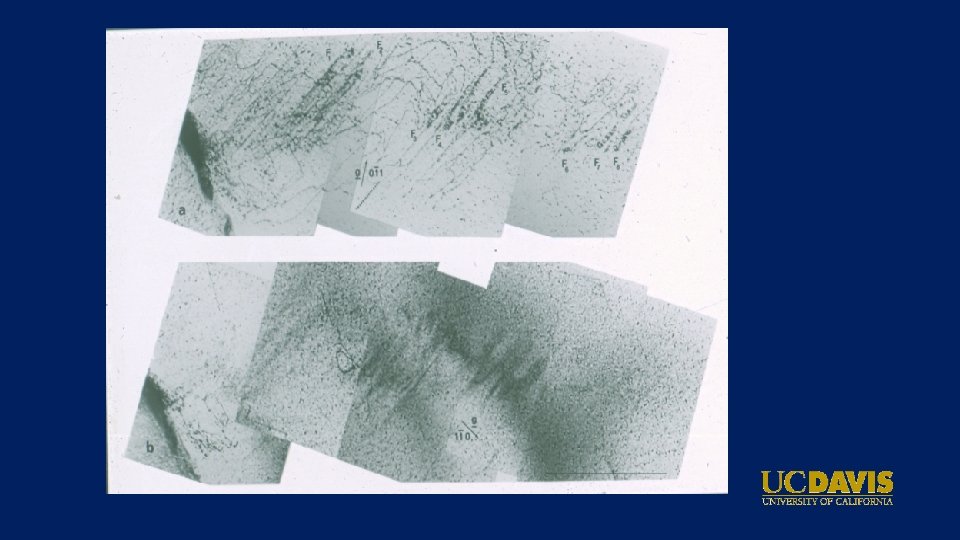
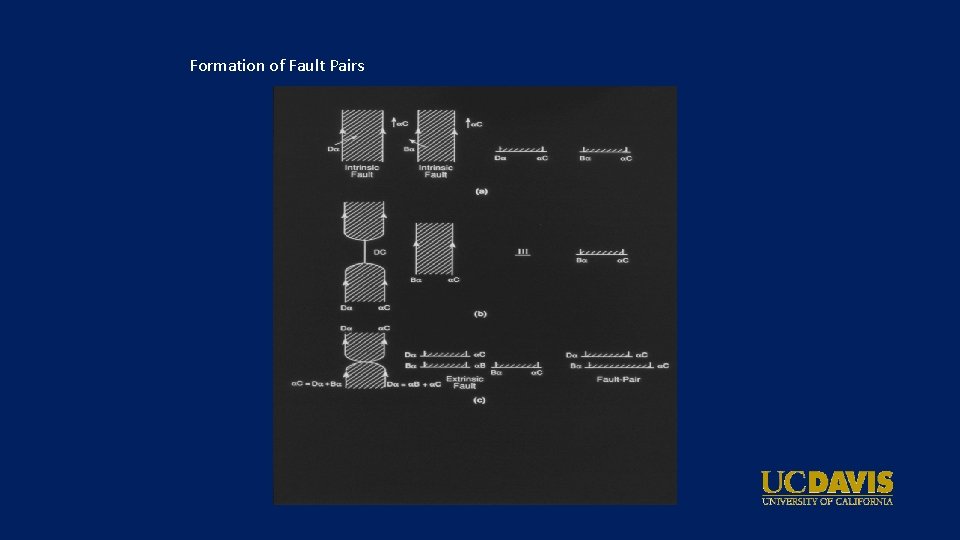
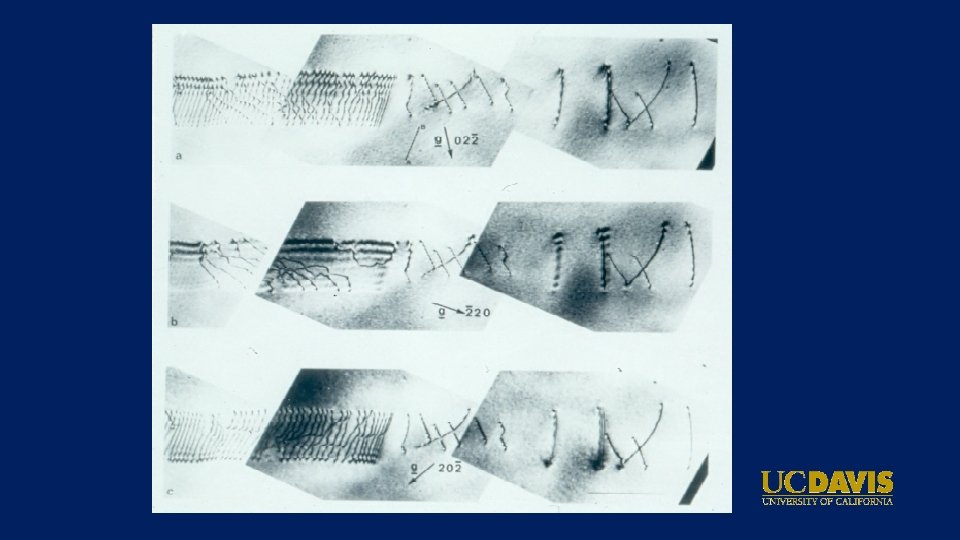
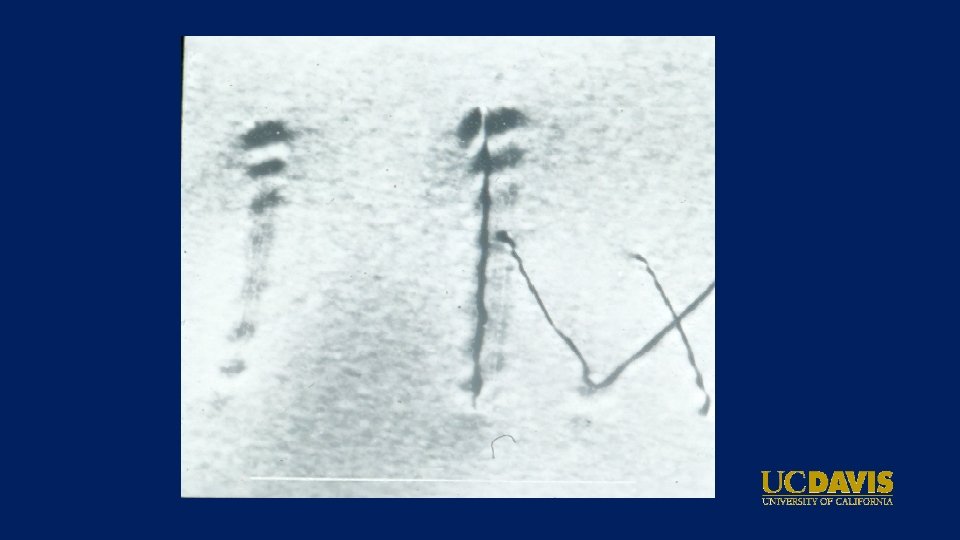
Formation of Fault Pairs
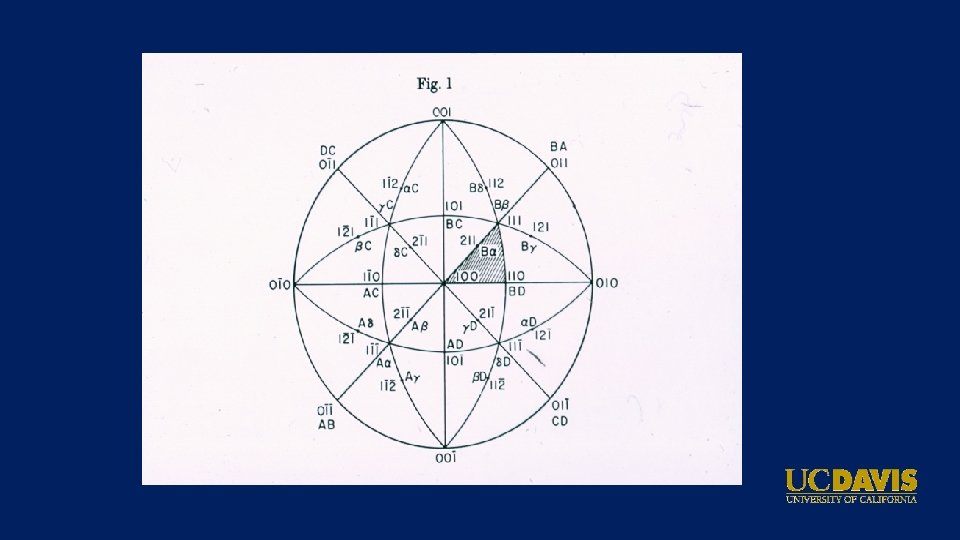
Orientation Dependence of FCC Twinning
Summary and Conclusions • Slip precedes deformation twinning in BCC, FCC and HCP structures • Embryonic twins evolve from dislocations • Microscopic twins form when stress-induced coalescence of embryonic twins occur that are located at different levels within micro-slip bands • Influence of metallurgical variables on deformation twinning can be rationalized in terms of the proposed models