
Format of the AP Environmental Science FreeResponse Section



- Slides: 38
Format of the AP Environmental Science Free-Response Section 90 minutes total No calculator allowed Four questions:
1 document-based question • The document-based question will give you a document or an excerpt from a document and ask you questions based on information it contains. The document can be a newspaper article, brochure, or something similar. 1 data set question • This question will include data you must analyze and interpret. The data may be in a table, graph, chart, or stated within the question. Parts of the question will require calculations; parts will not. 2 synthesis and evaluation questions • These are similar to the document-based question, except they won’t include outside documents. They sometimes include graphs or tables, however, you won’t be expected to do calculations for these types of questions.
You will have 90 minutes to complete the entire freeresponse section, which gives you about 22 minutes per question. However, you don’t need to spend exactly the same amount of time on each question. In fact, you can divide your time between the four essays any way you want.
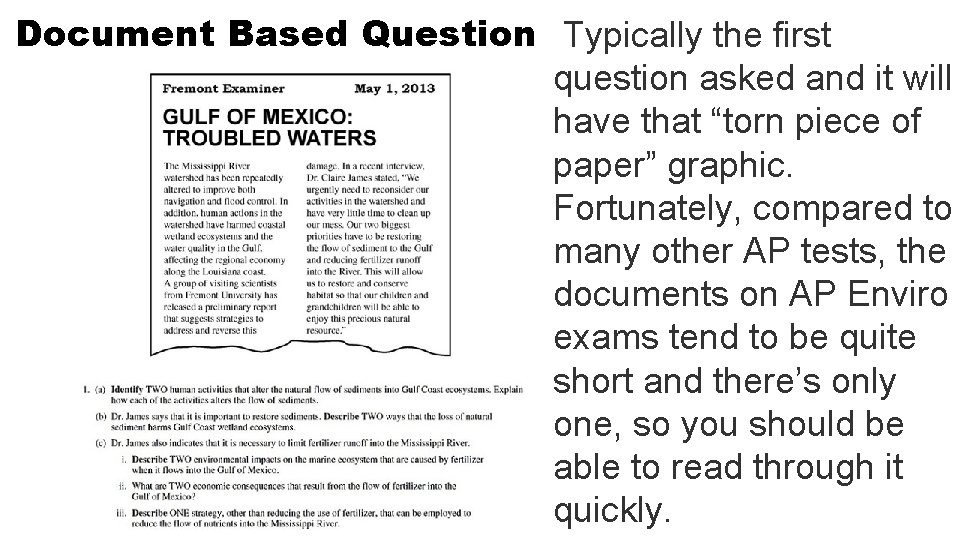
Document Based Question Typically the first question asked and it will have that “torn piece of paper” graphic. Fortunately, compared to many other AP tests, the documents on AP Enviro exams tend to be quite short and there’s only one, so you should be able to read through it quickly.
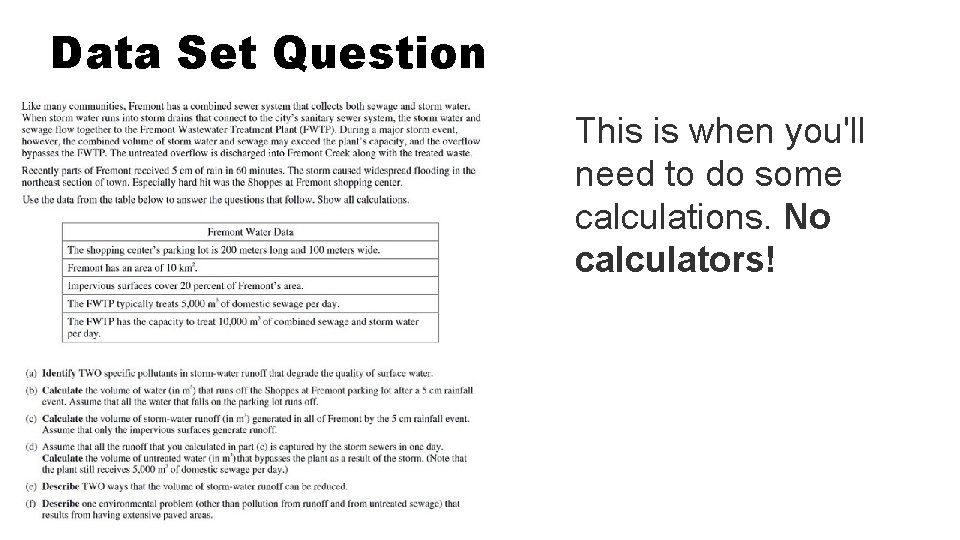
Data Set Question This is when you'll need to do some calculations. No calculators!
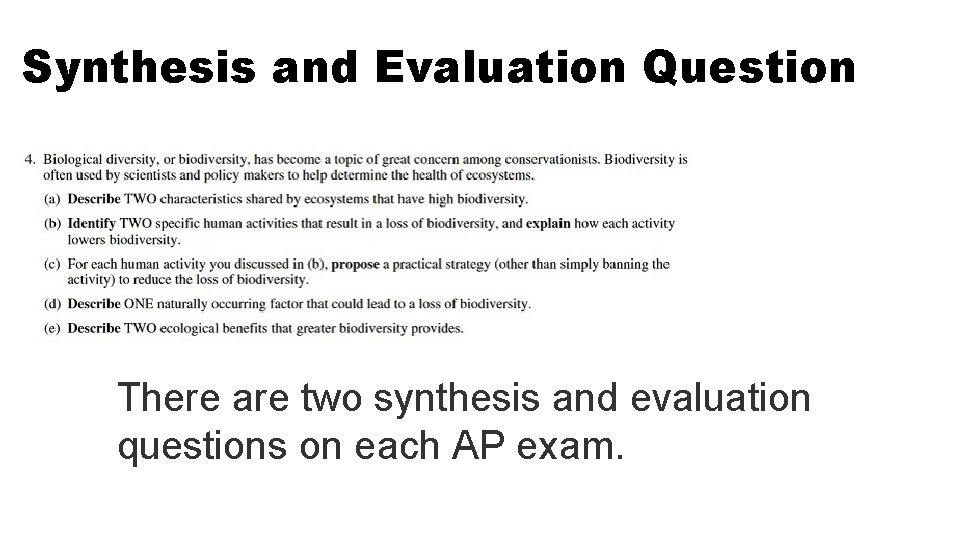
Synthesis and Evaluation Question There are two synthesis and evaluation questions on each AP exam.
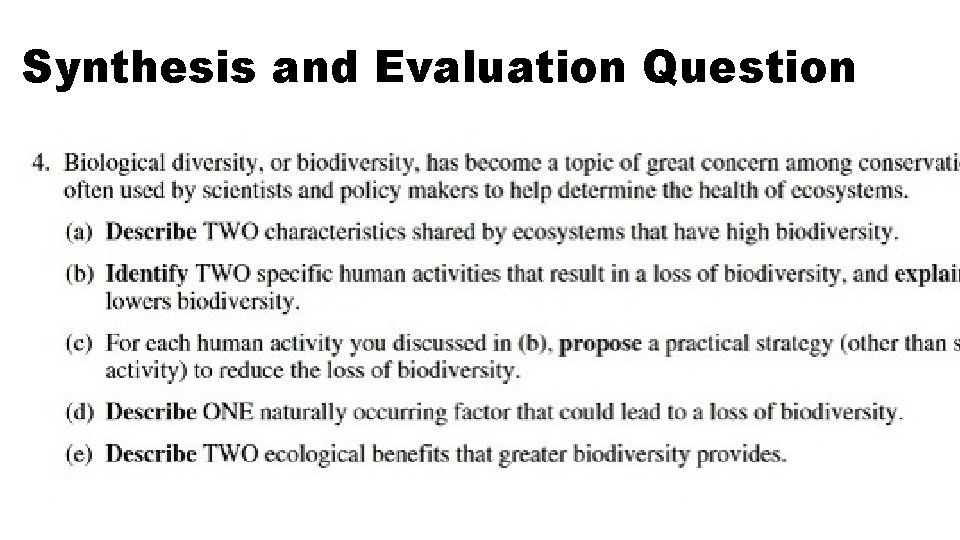
Synthesis and Evaluation Question
Final Thoughts: • • Do not restate the question Write in prose Be time-conscious Read the verbs Label your answers Math -show your work, show units Answer the question asked!
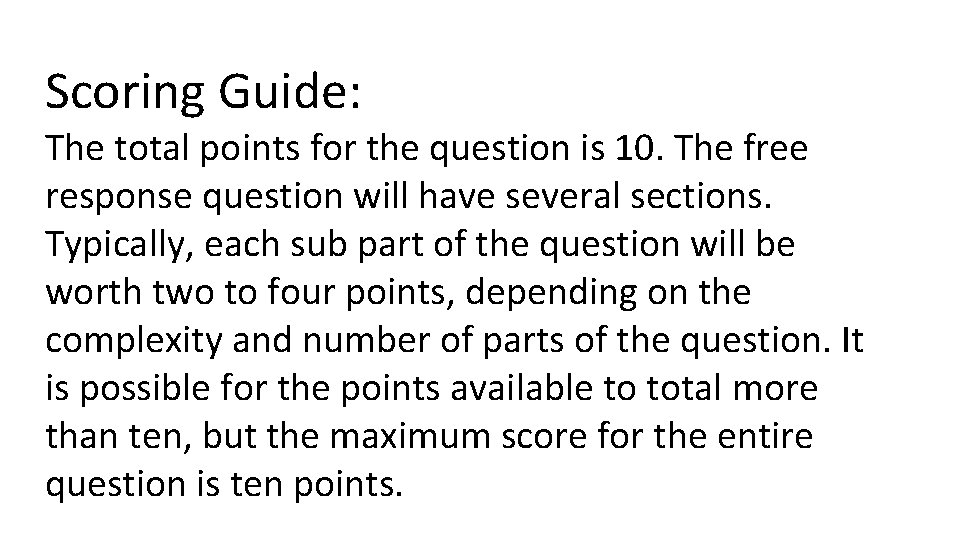
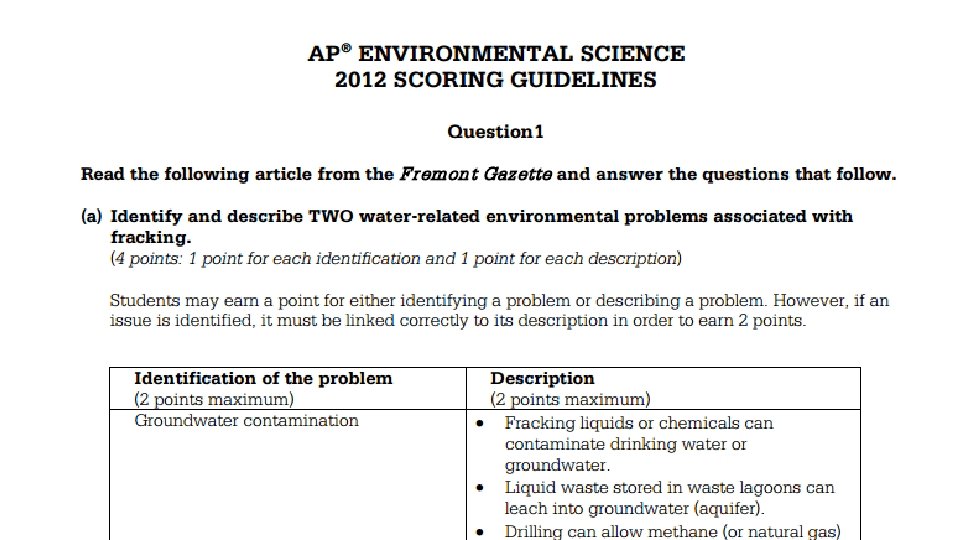
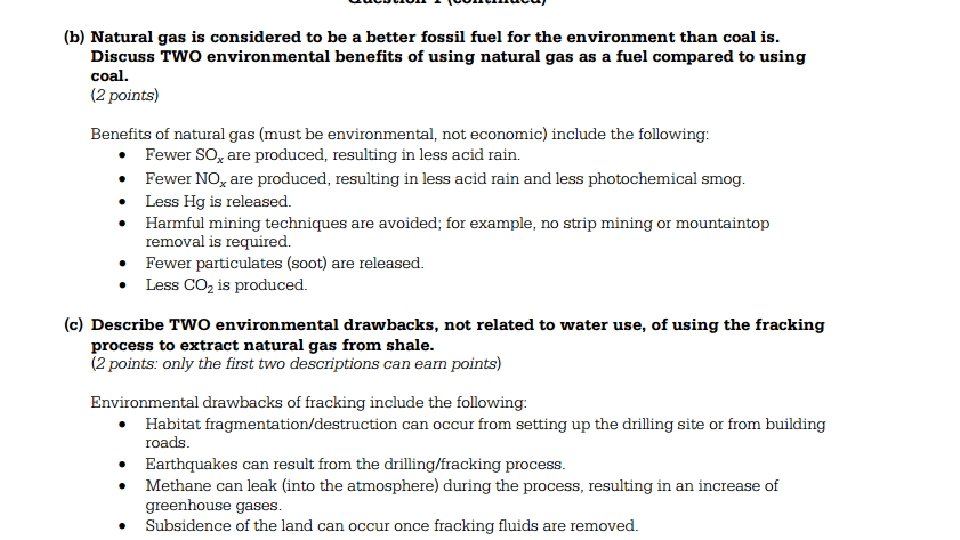
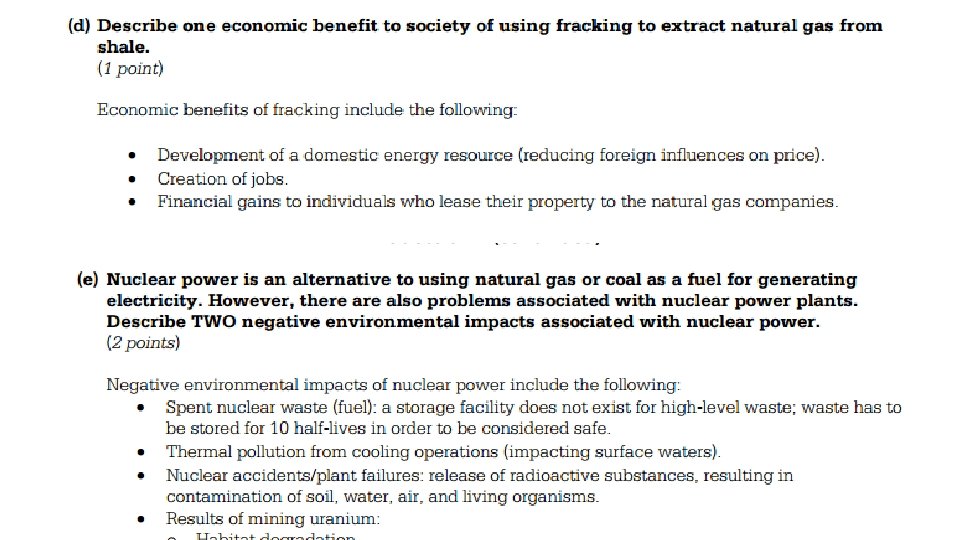
Scoring Guide: The total points for the question is 10. The free response question will have several sections. Typically, each sub part of the question will be worth two to four points, depending on the complexity and number of parts of the question. It is possible for the points available to total more than ten, but the maximum score for the entire question is ten points.
Your Turn…. .
APES “HOT” TOPICS Possible FRQ Topics
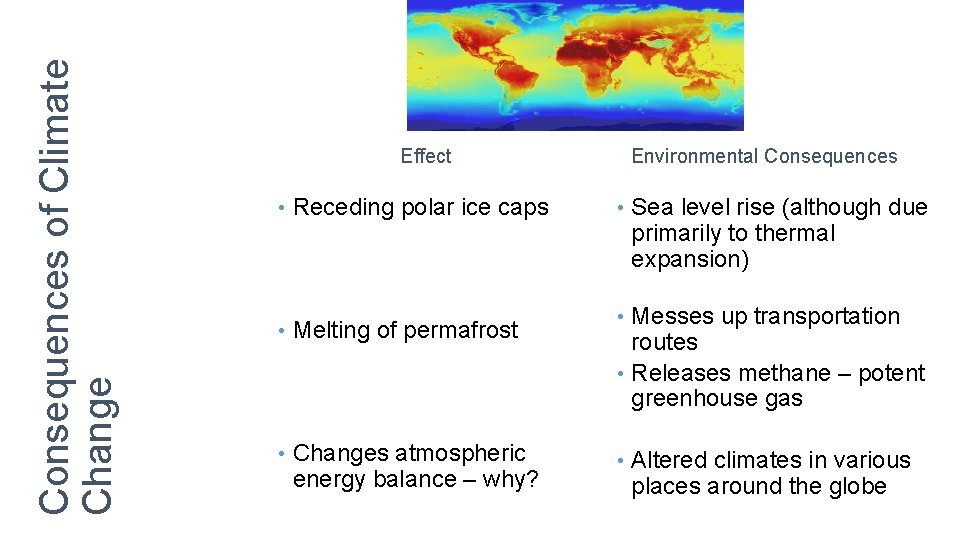
Consequences of Climate Change Effect • Receding polar ice caps • Melting of permafrost • Changes atmospheric energy balance – why? Environmental Consequences • Sea level rise (although due primarily to thermal expansion) • Messes up transportation routes • Releases methane – potent greenhouse gas • Altered climates in various places around the globe
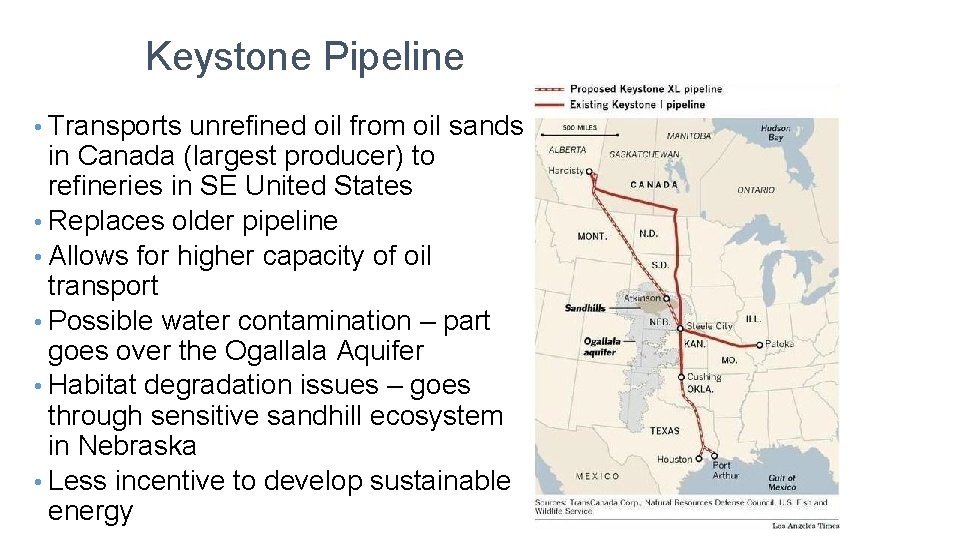
Keystone Pipeline • Transports unrefined oil from oil sands in Canada (largest producer) to refineries in SE United States • Replaces older pipeline • Allows for higher capacity of oil transport • Possible water contamination – part goes over the Ogallala Aquifer • Habitat degradation issues – goes through sensitive sandhill ecosystem in Nebraska • Less incentive to develop sustainable energy
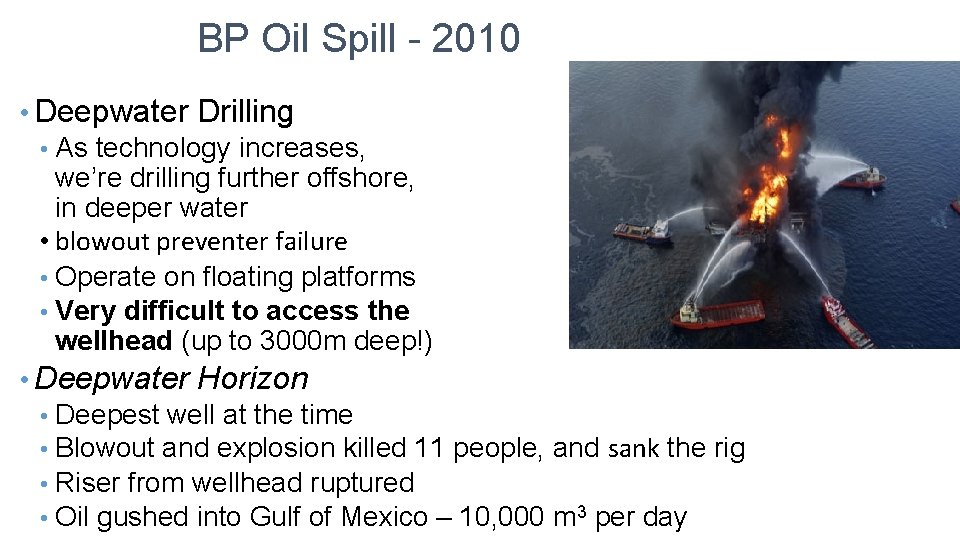
BP Oil Spill - 2010 • Deepwater Drilling • As technology increases, we’re drilling further offshore, in deeper water • blowout preventer failure • Operate on floating platforms • Very difficult to access the wellhead (up to 3000 m deep!) • Deepwater Horizon • Deepest well at the time • Blowout and explosion killed 11 people, and sank the rig • Riser from wellhead ruptured • Oil gushed into Gulf of Mexico – 10, 000 m 3 per day
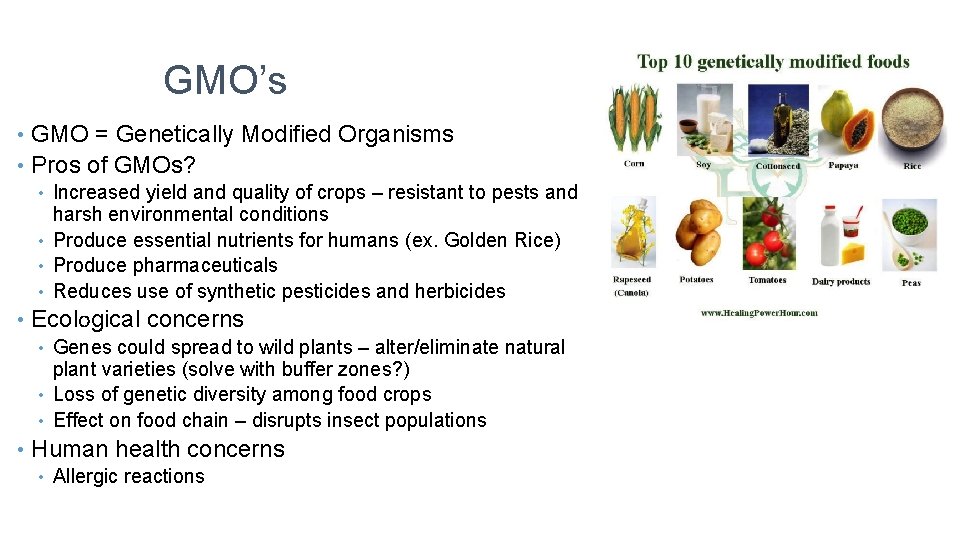
GMO’s • GMO = Genetically Modified Organisms • Pros of GMOs? • Increased yield and quality of crops – resistant to pests and harsh environmental conditions • Produce essential nutrients for humans (ex. Golden Rice) • Produce pharmaceuticals • Reduces use of synthetic pesticides and herbicides • Ecological concerns • Genes could spread to wild plants – alter/eliminate natural plant varieties (solve with buffer zones? ) • Loss of genetic diversity among food crops • Effect on food chain – disrupts insect populations • Human health concerns • Allergic reactions
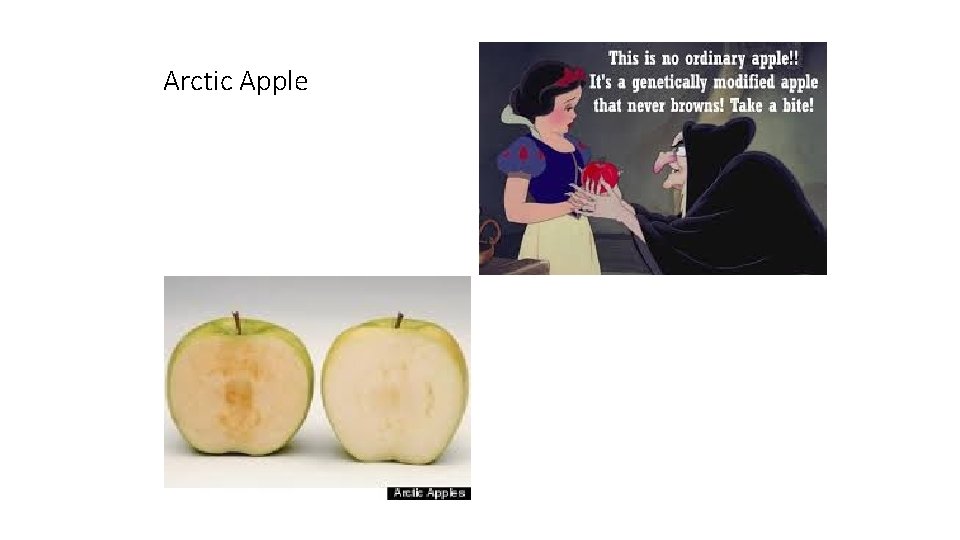
Arctic Apple
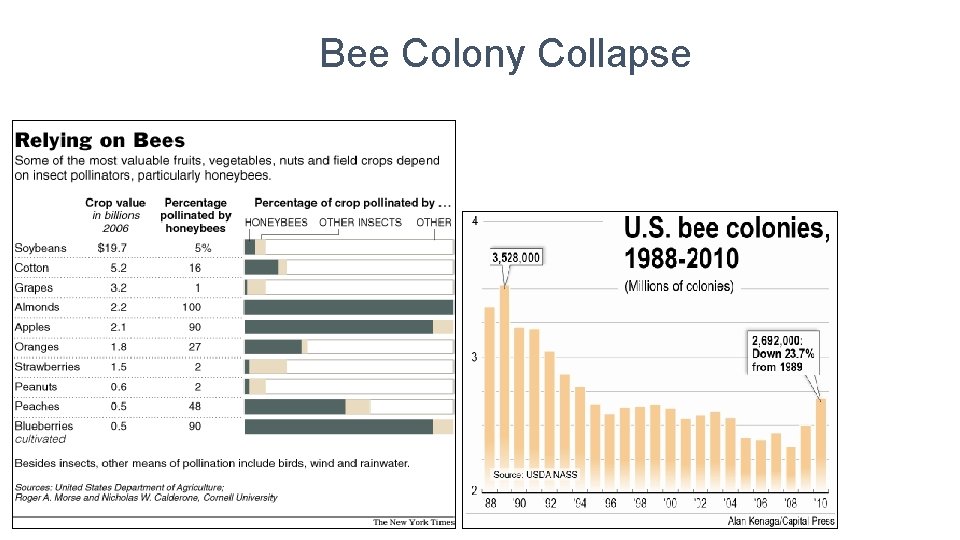
Bee Colony Collapse
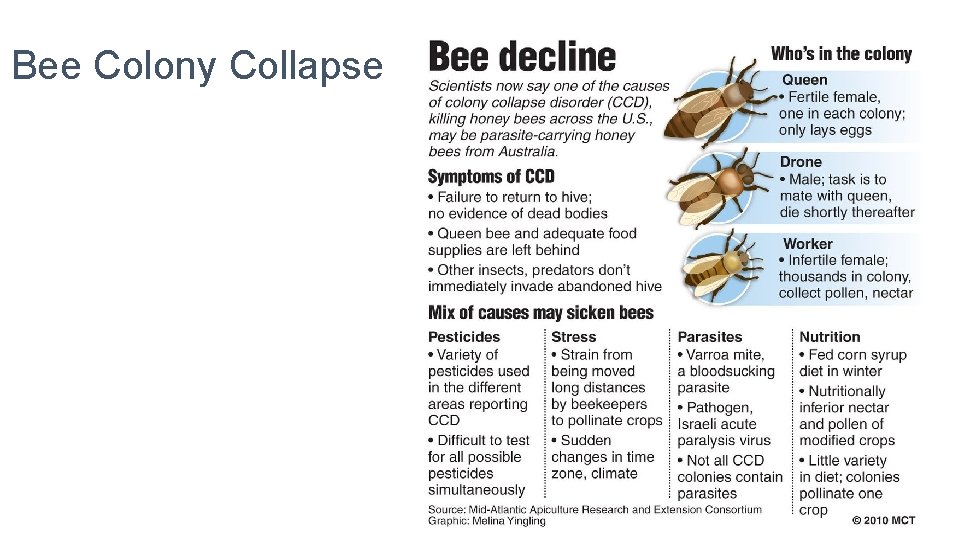
Bee Colony Collapse
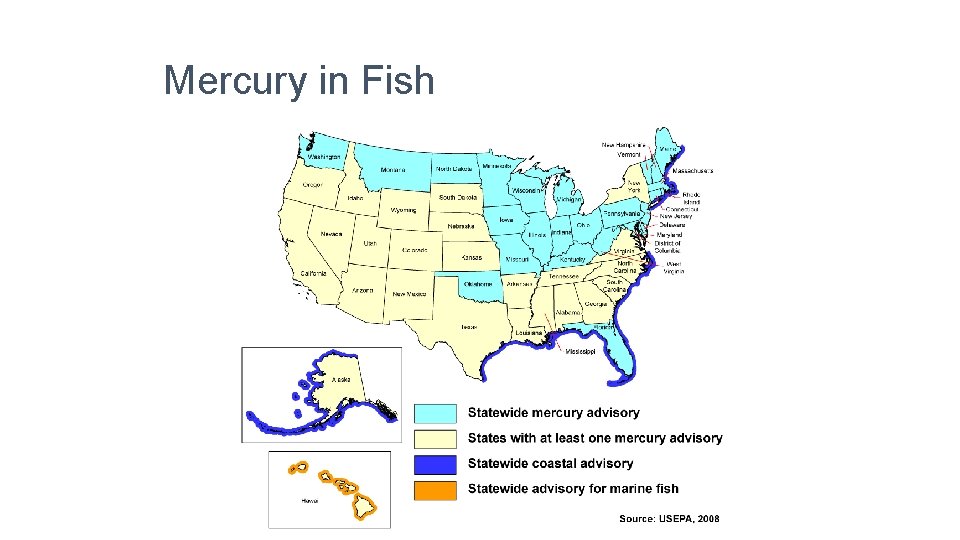
Mercury in Fish
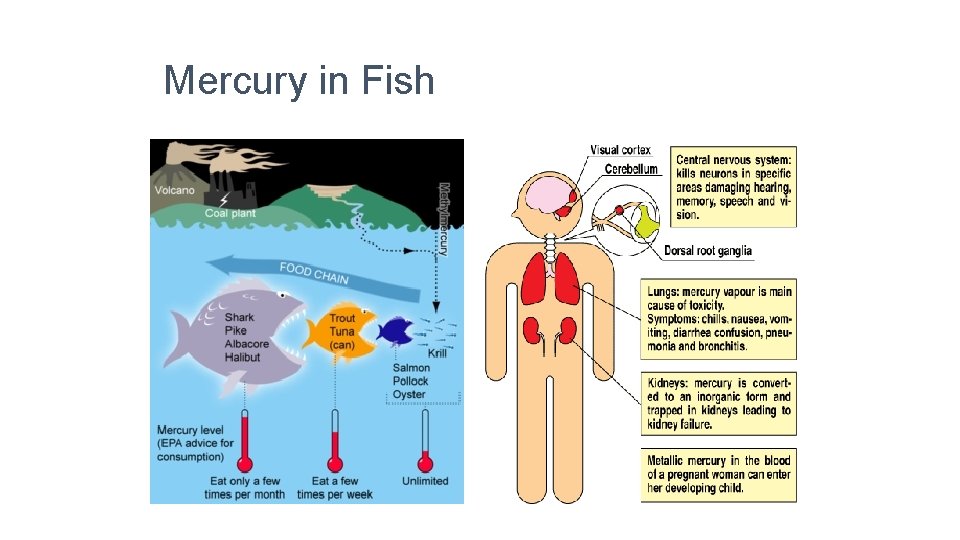
Mercury in Fish
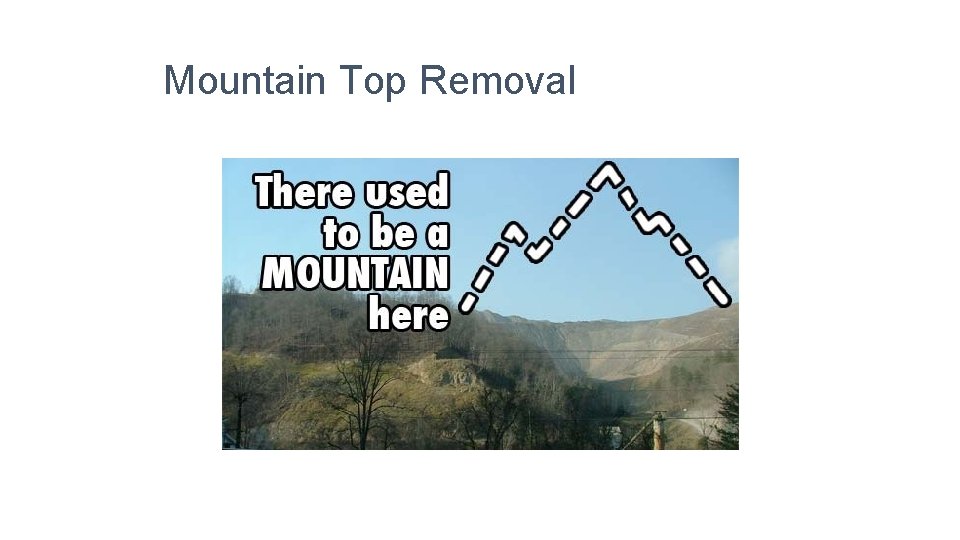
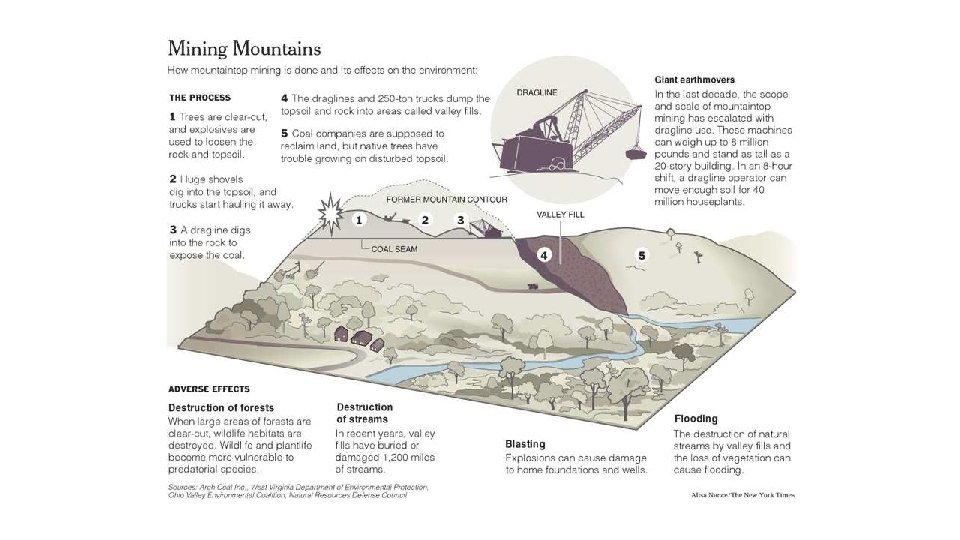
Mountain Top Removal
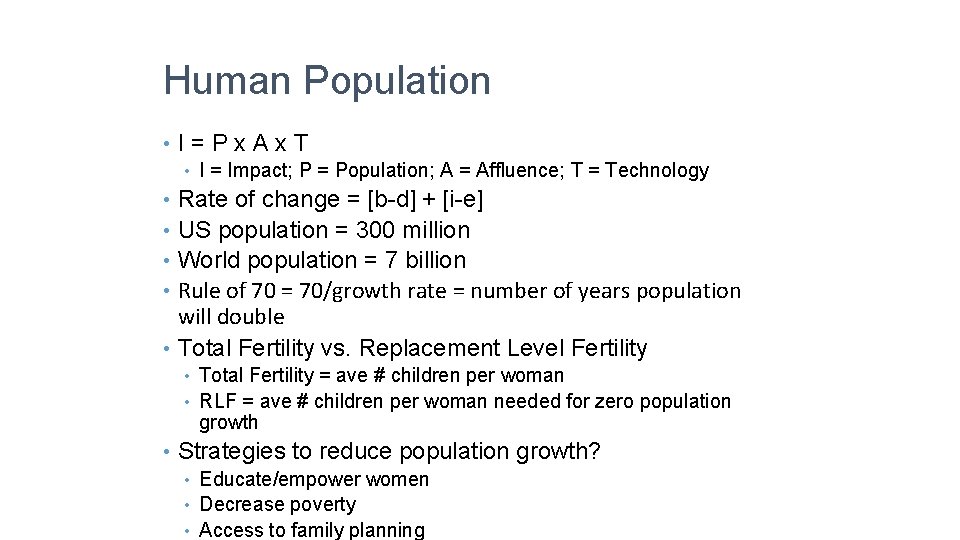
Human Population • I=Px. Ax. T • I = Impact; P = Population; A = Affluence; T = Technology • Rate of change = [b-d] + [i-e] • US population = 300 million • World population = 7 billion • Rule of 70 = 70/growth rate = number of years population will double • Total Fertility vs. Replacement Level Fertility • Total Fertility = ave # children per woman • RLF = ave # children per woman needed for zero population growth • Strategies to reduce population growth? • Educate/empower women • Decrease poverty • Access to family planning
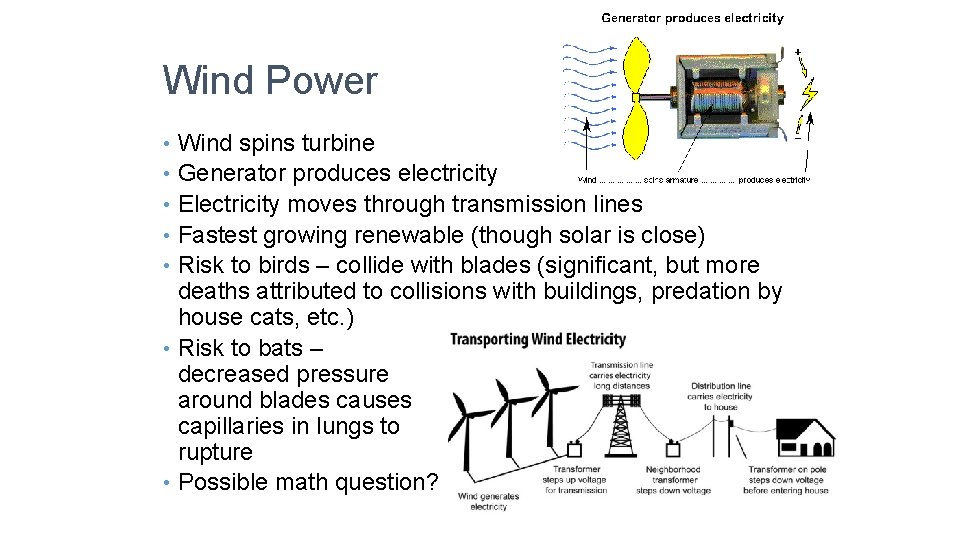
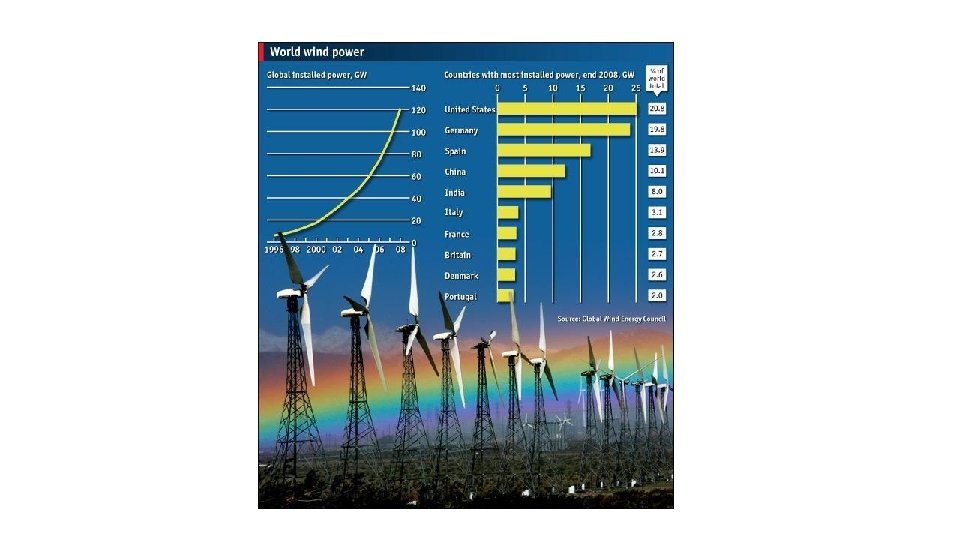
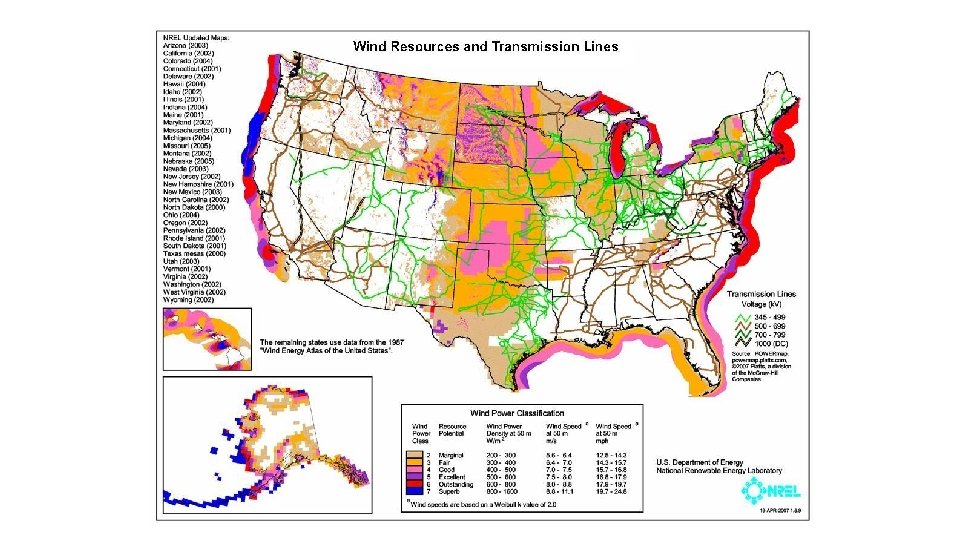
Wind Power Wind spins turbine Generator produces electricity Electricity moves through transmission lines Fastest growing renewable (though solar is close) Risk to birds – collide with blades (significant, but more deaths attributed to collisions with buildings, predation by house cats, etc. ) • Risk to bats – decreased pressure around blades causes capillaries in lungs to rupture • Possible math question? • • •
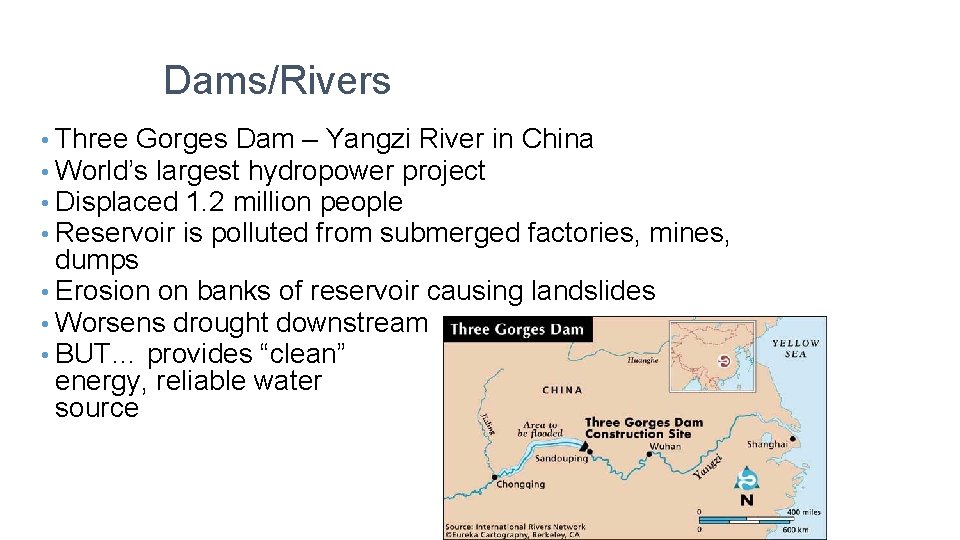
Dams/Rivers • Three Gorges Dam – Yangzi River in China • World’s largest hydropower project • Displaced 1. 2 million people • Reservoir is polluted from submerged factories, mines, dumps • Erosion on banks of reservoir causing landslides • Worsens drought downstream • BUT… provides “clean” energy, reliable water source
Growing Production of Biofuels • Biofuels – most often ethanol from corn or sugarcane • Uses lots of water, fertilizers, pesticides • Fertilizers associated with eutrophication and “dead zone” in Gulf of Mexico • Fertilizer runoff with phosphates and nitrates • Causes algal blooms – shades water plants below • Algae eventually dies • Bacteria decompose dead algae – uses dissolved oxygen • Fish and other animals die
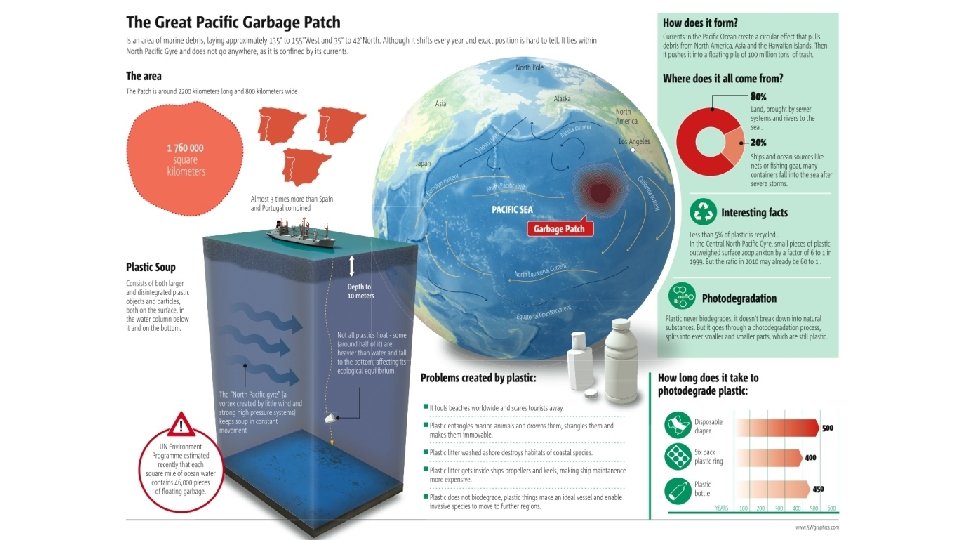
Plastic Bag Ban or Water Bottle Ban Problems: • persistence of plastic in landfill • energy cost and oil dependence in producing bags • 2 liters of oil for every one liter bottle • nonrecyclable plastic bags (bottles are recyclable • Solution: • reusable alternatives are pretty simple • ban or charge? (pricing structure) • how much of a deposit would change your behavior? • fake fields, diapers, other products can be made from recycled bottles
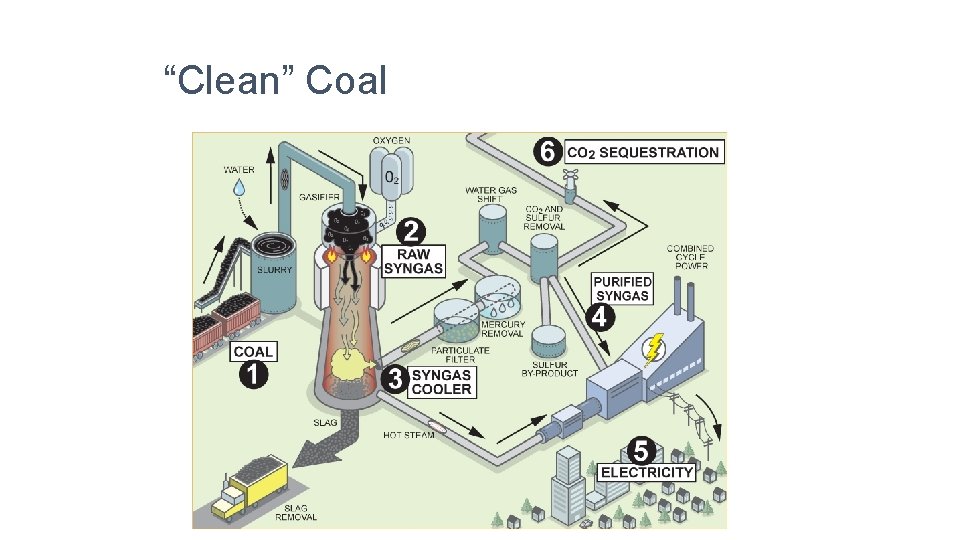
“Clean” Coal
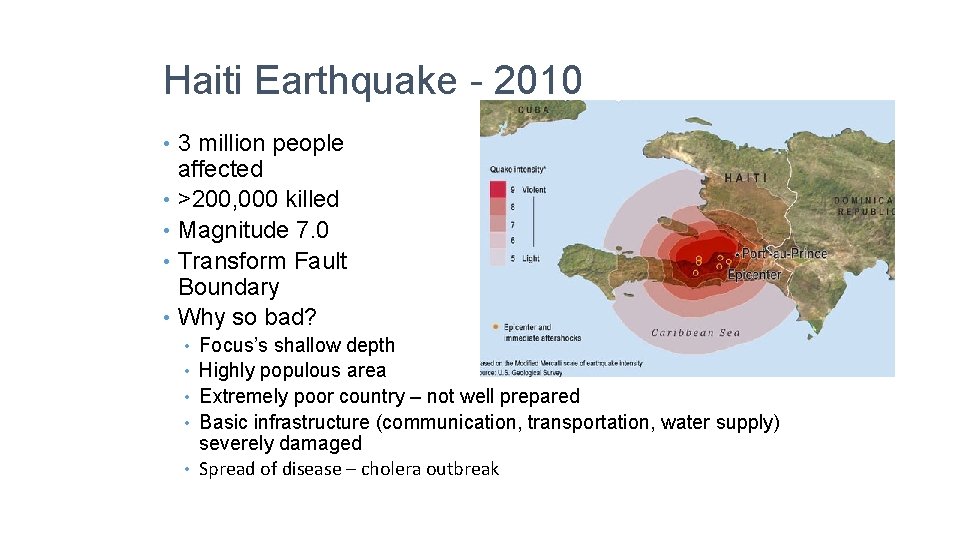
Haiti Earthquake - 2010 • 3 million people affected • >200, 000 killed • Magnitude 7. 0 • Transform Fault Boundary • Why so bad? Focus’s shallow depth Highly populous area Extremely poor country – not well prepared Basic infrastructure (communication, transportation, water supply) severely damaged • Spread of disease – cholera outbreak • •