
Formal Languages Finite Automata Finite Automaton Input String
- Slides: 64
Formal Languages Finite Automata
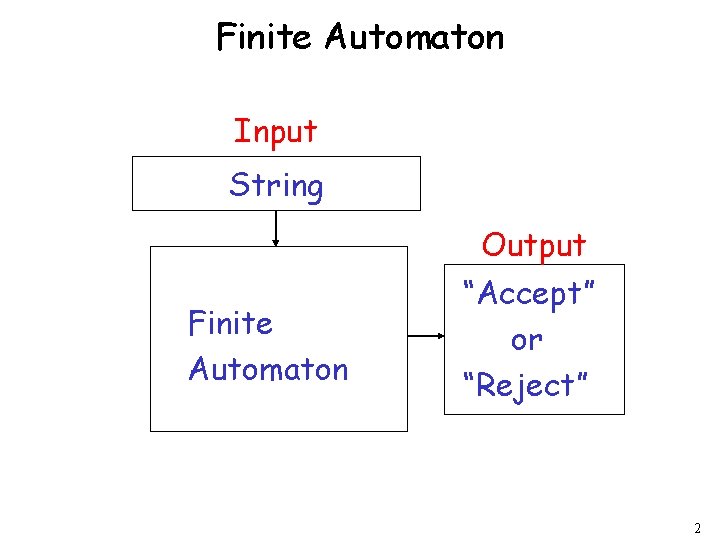
Finite Automaton Input String Output Finite Automaton “Accept” or “Reject” 2
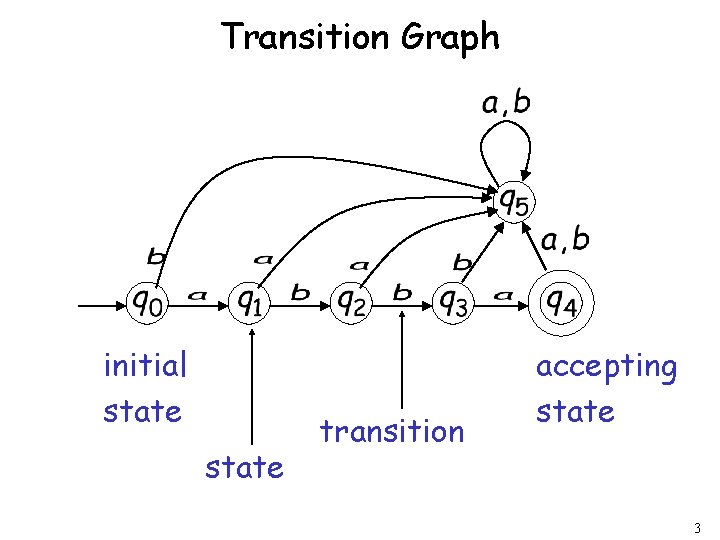
Transition Graph initial state transition accepting state 3
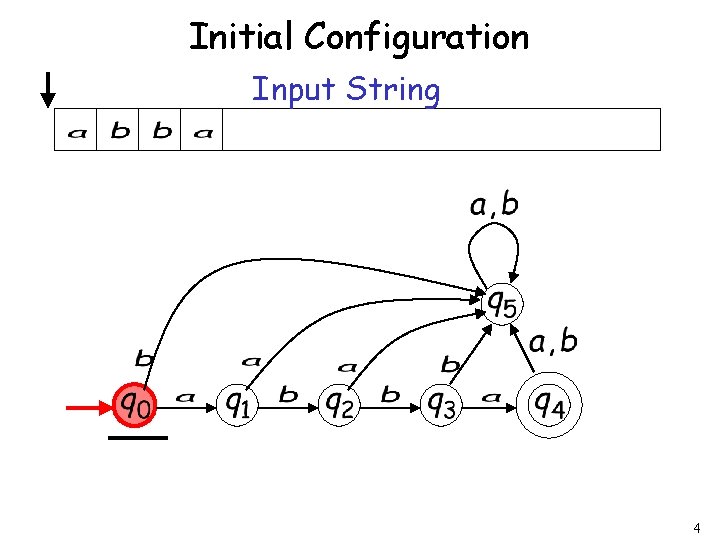
Initial Configuration Input String 4
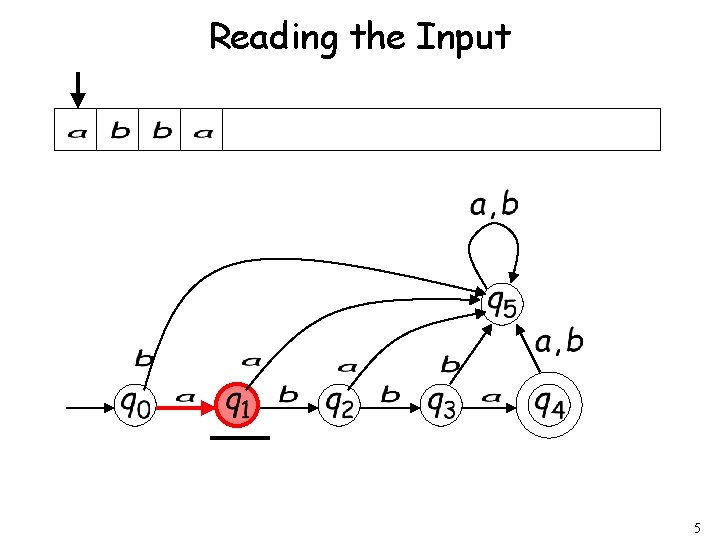
Reading the Input 5
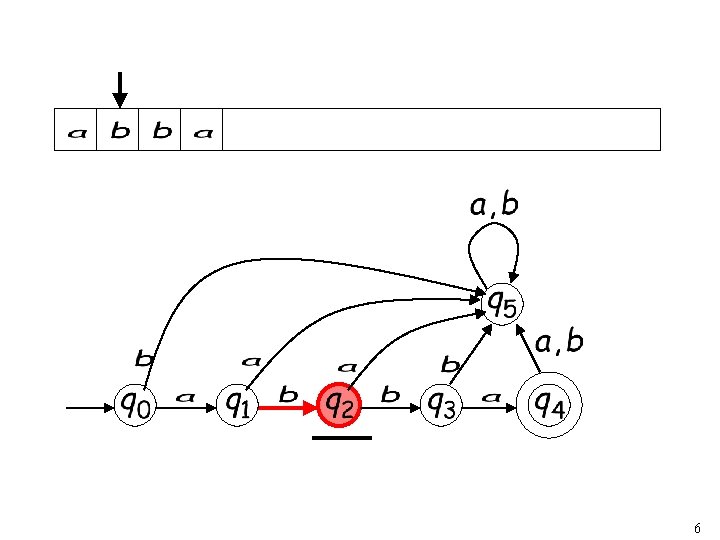
6
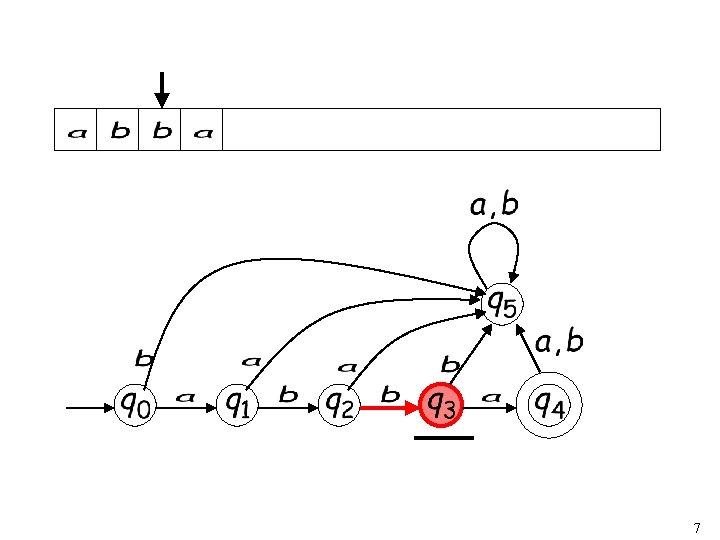
7
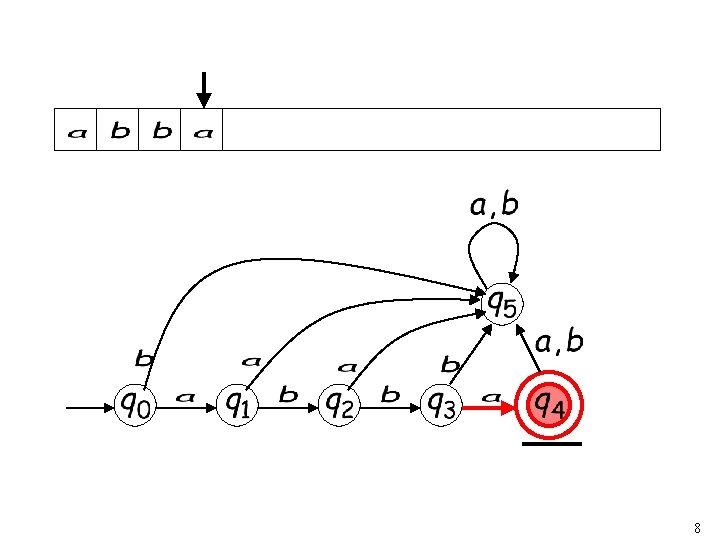
8
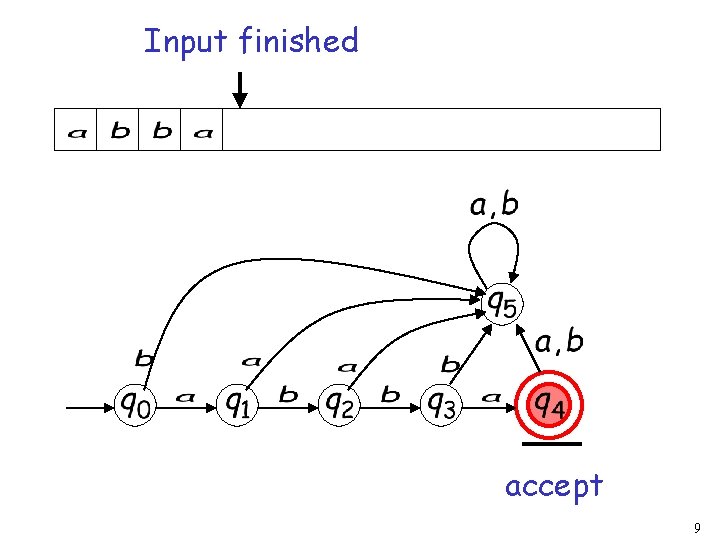
Input finished accept 9
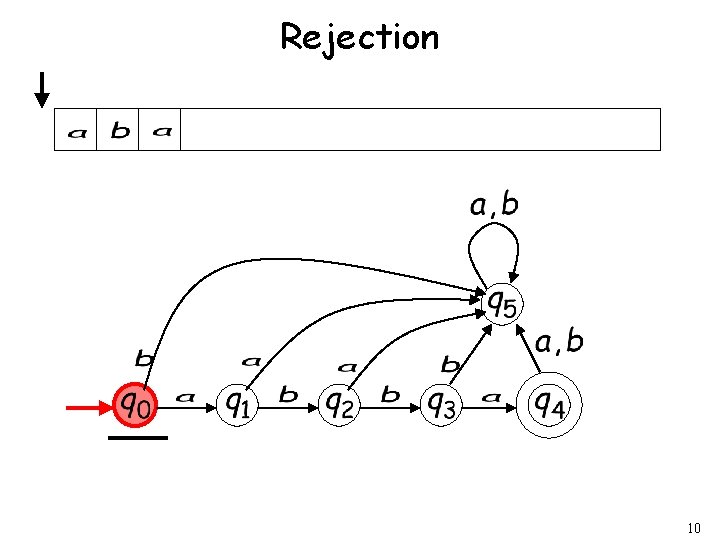
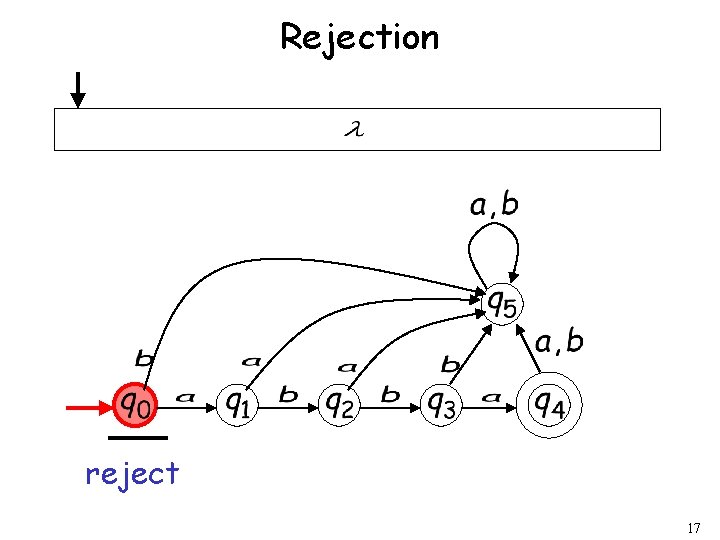
Rejection 10
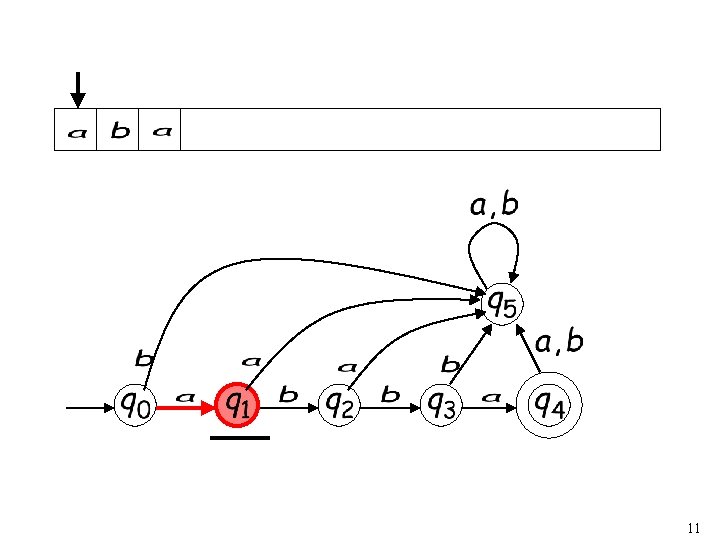
11
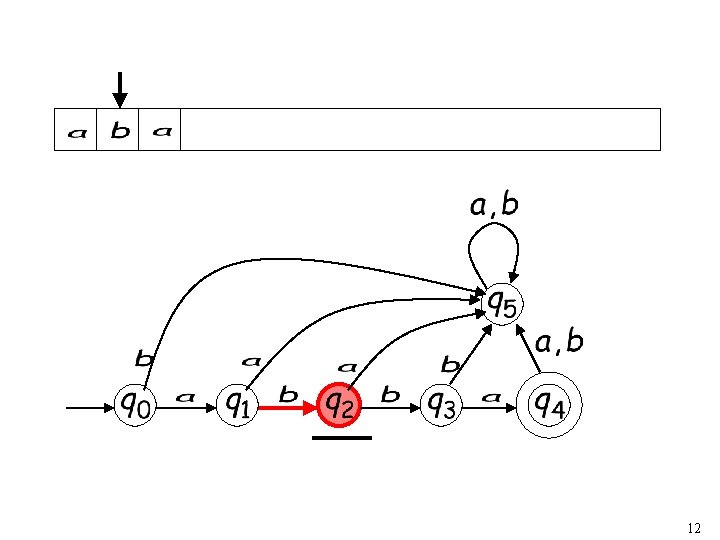
12
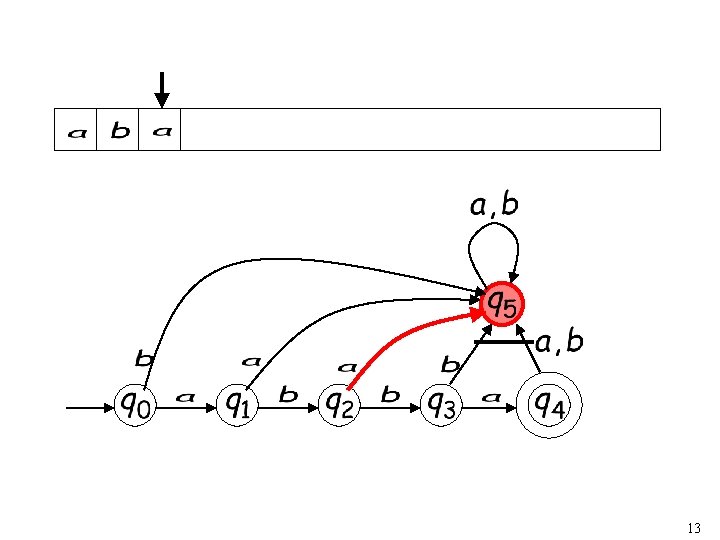
13
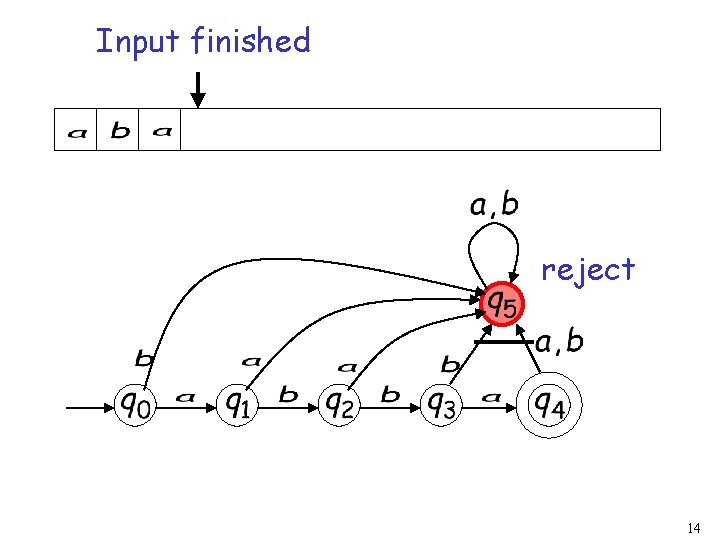
Input finished reject 14
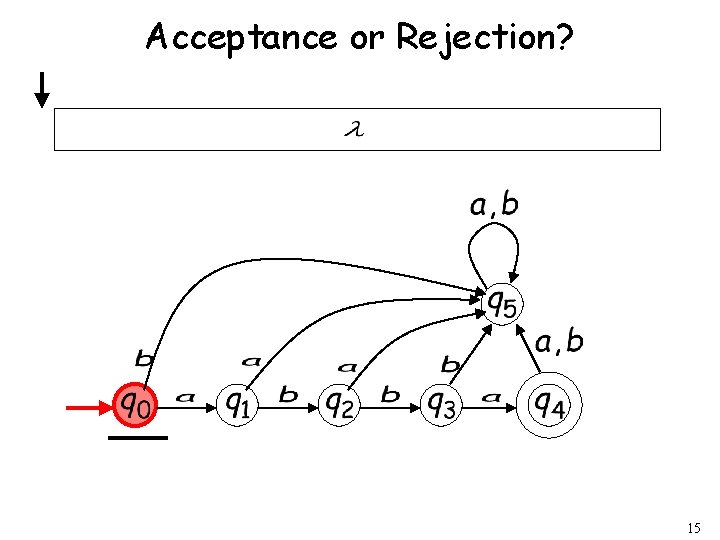
Acceptance or Rejection? 15
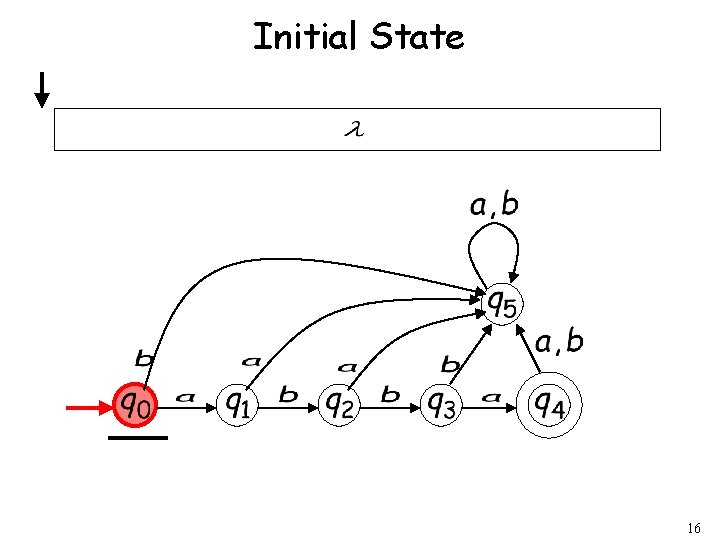
Initial State 16
Rejection reject 17
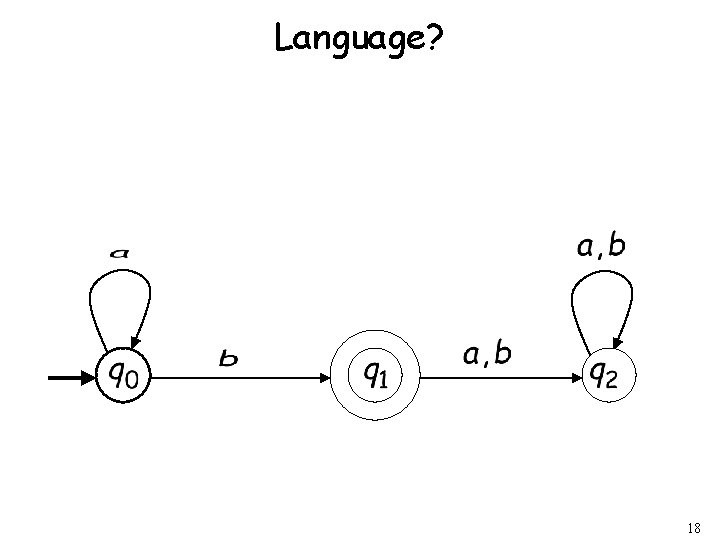
Language? 18
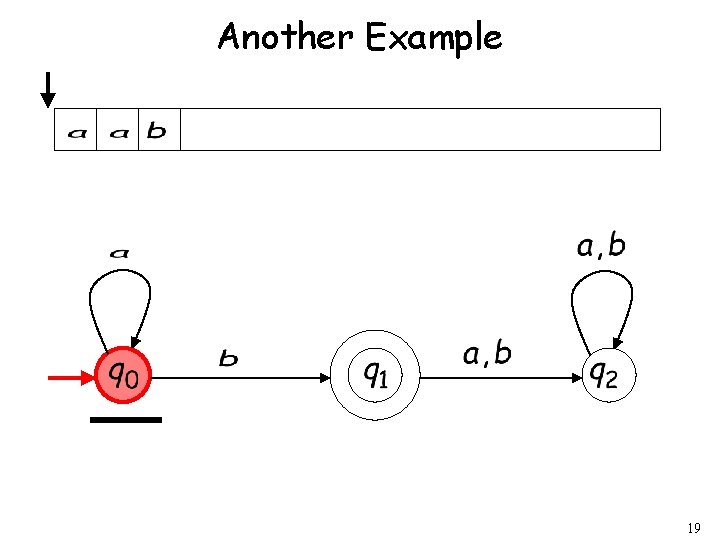
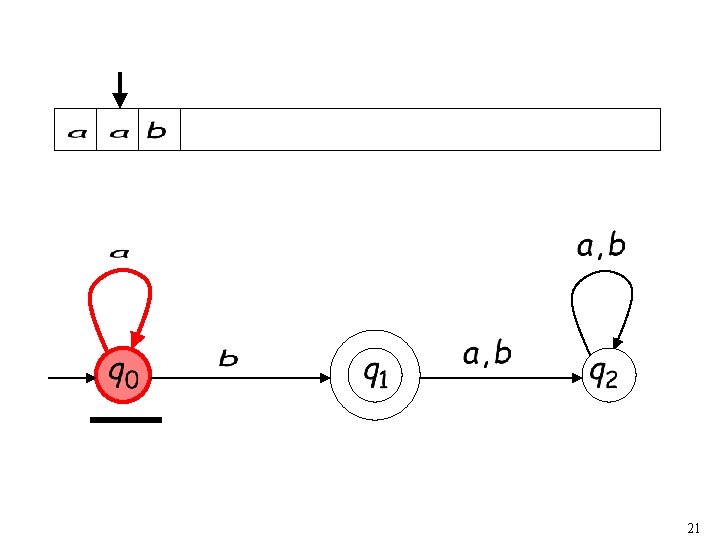
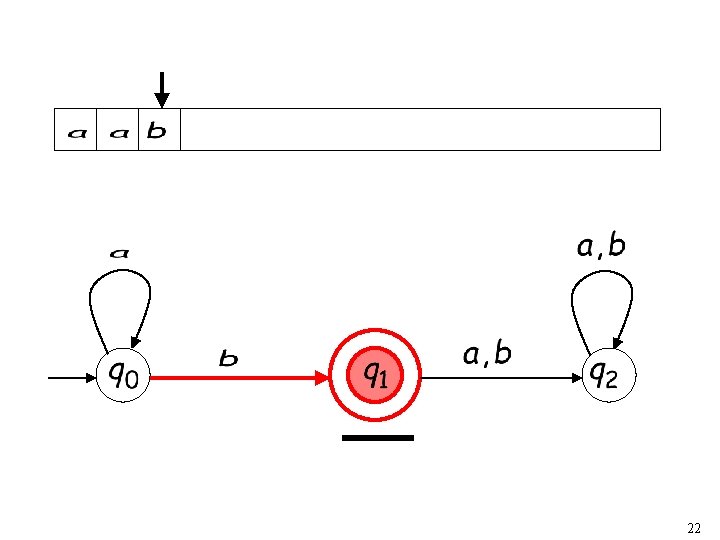
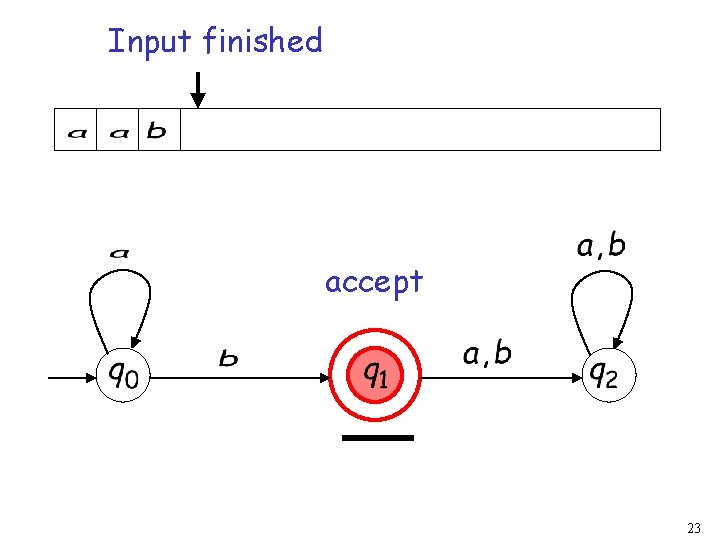
Another Example 19
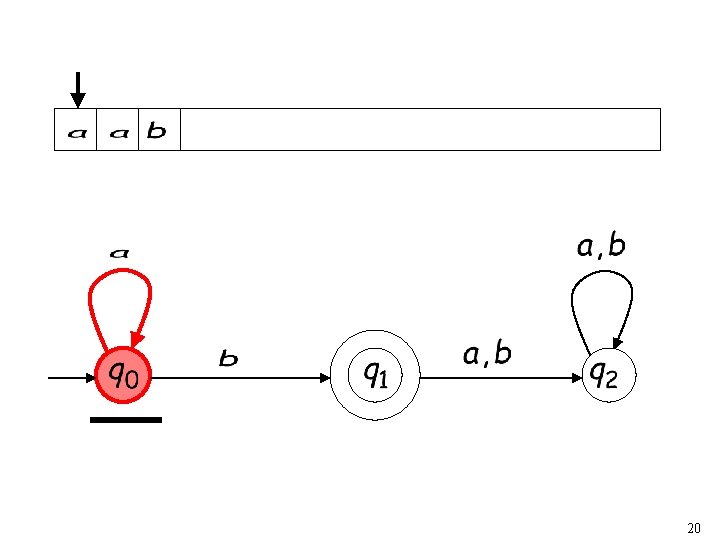
20
21
22
Input finished accept 23
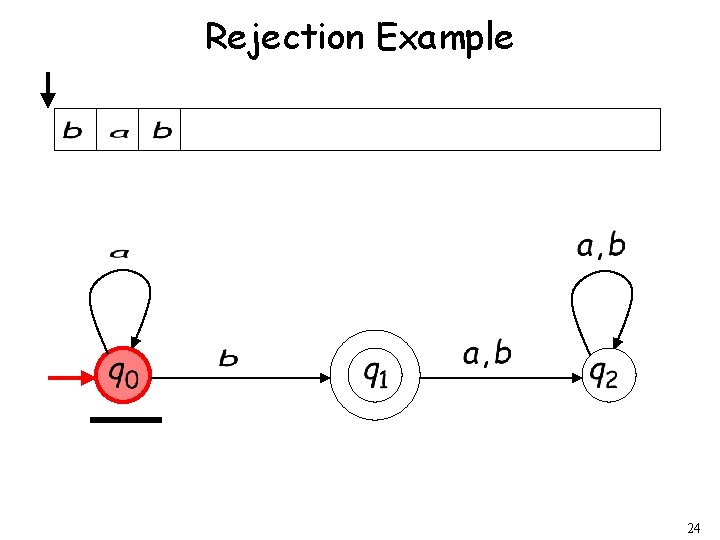
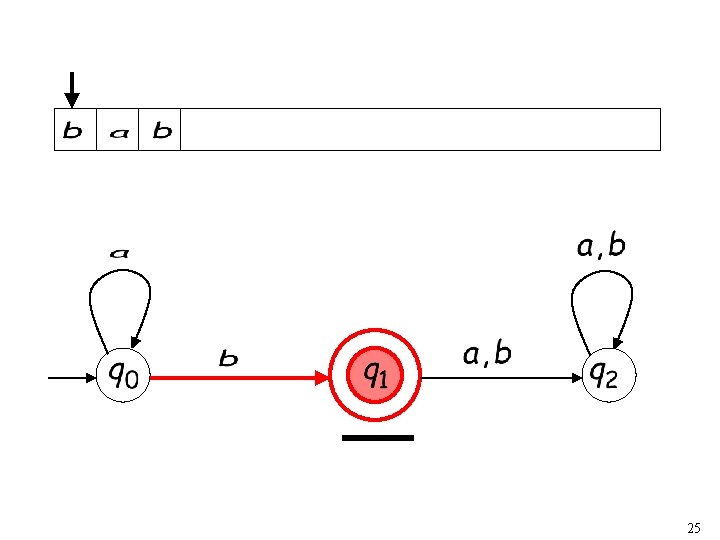
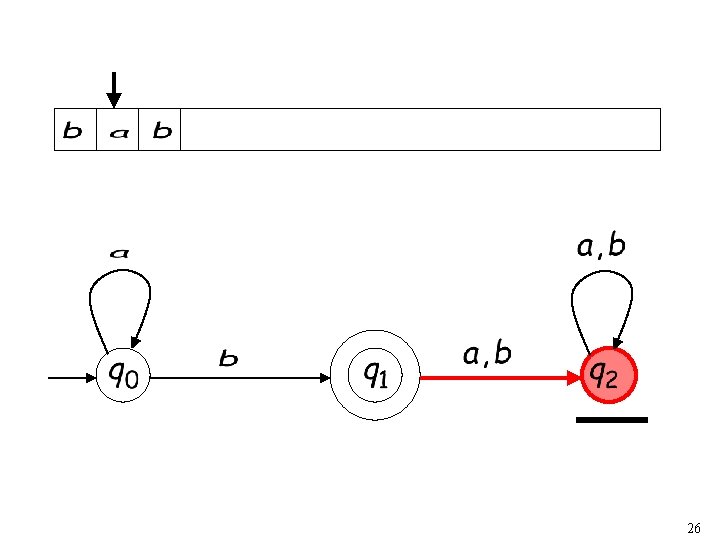
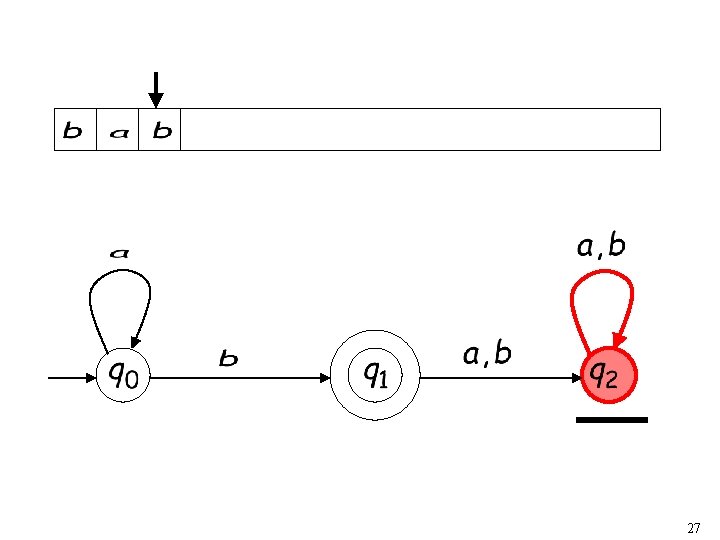
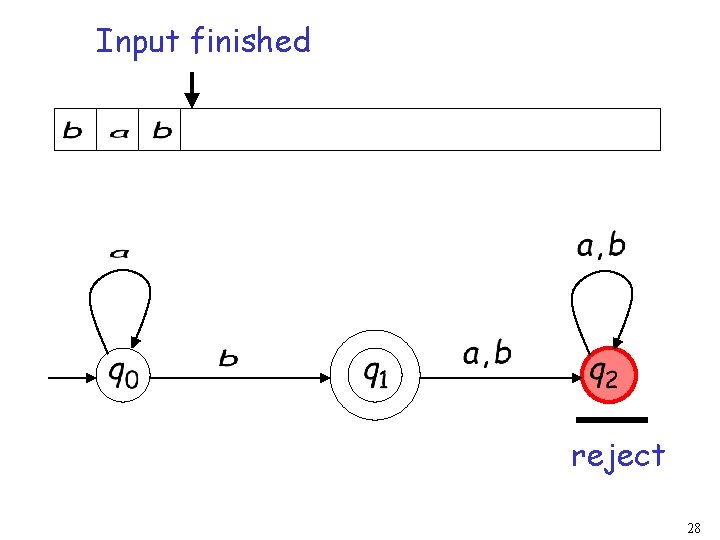
Rejection Example 24
25
26
27
Input finished reject 28
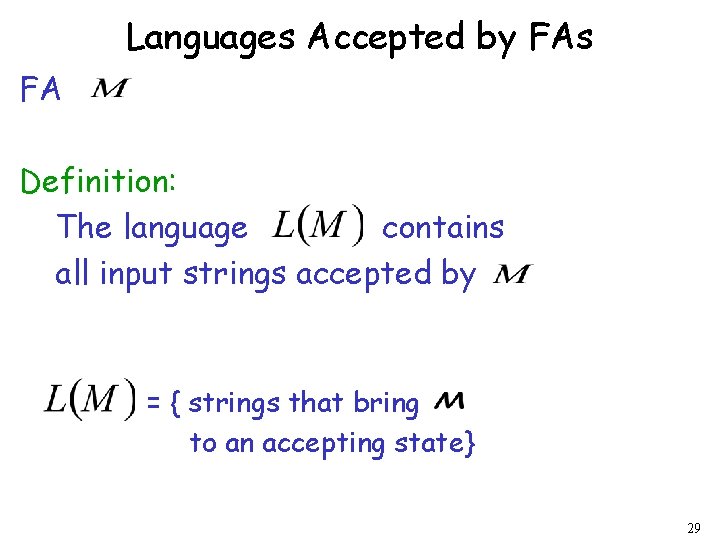
Languages Accepted by FAs FA Definition: The language contains all input strings accepted by = { strings that bring to an accepting state} 29
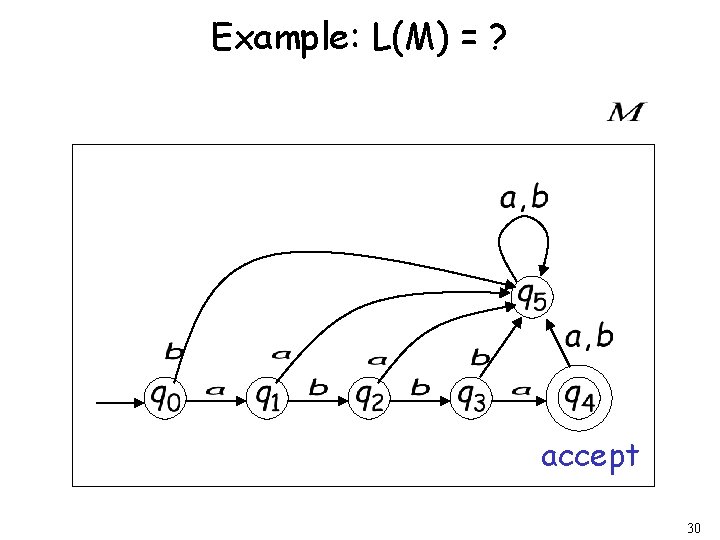
Example: L(M) = ? accept 30
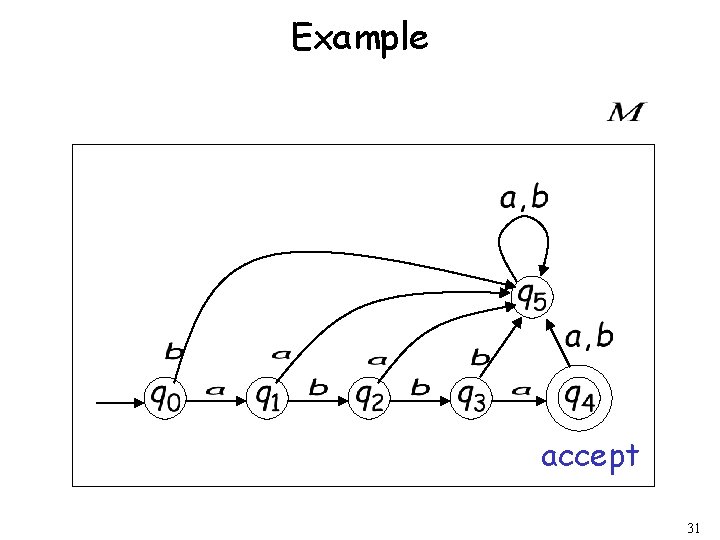
Example accept 31
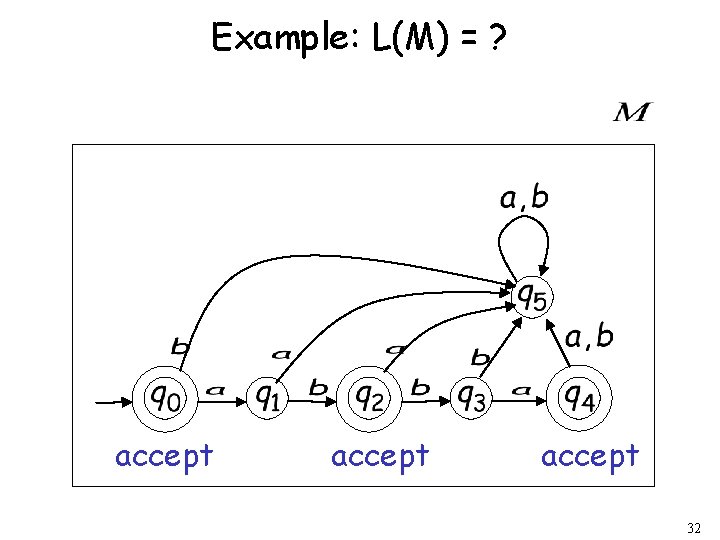
Example: L(M) = ? accept 32
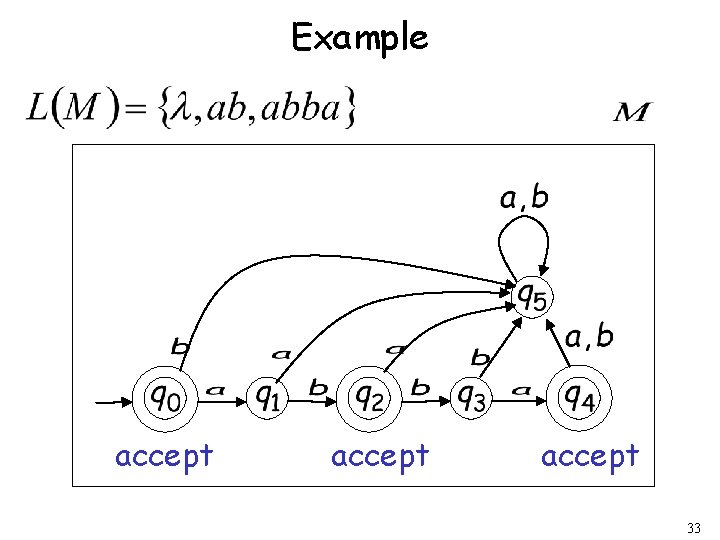
Example accept 33
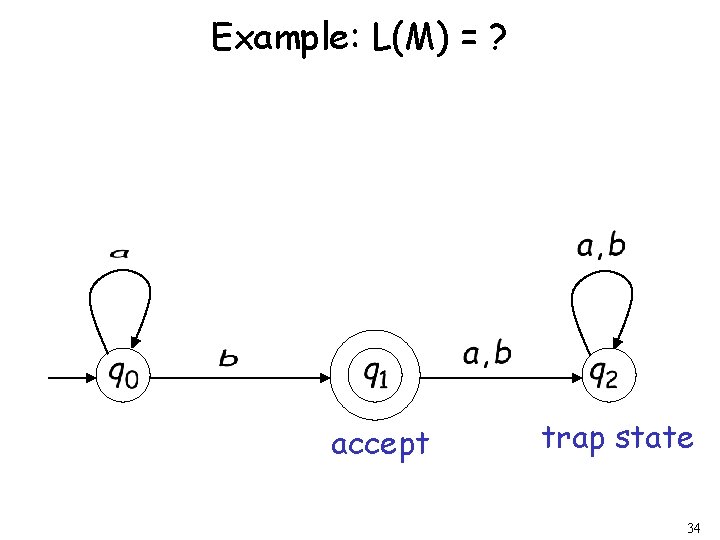
Example: L(M) = ? accept trap state 34
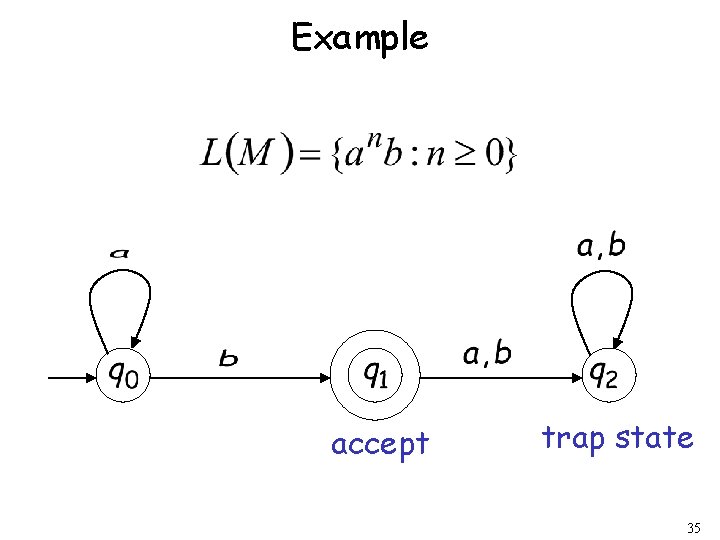
Example accept trap state 35
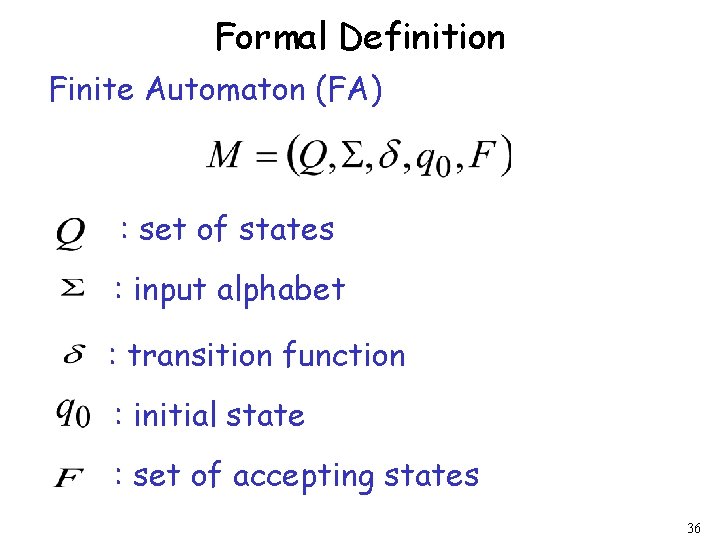
Formal Definition Finite Automaton (FA) : set of states : input alphabet : transition function : initial state : set of accepting states 36
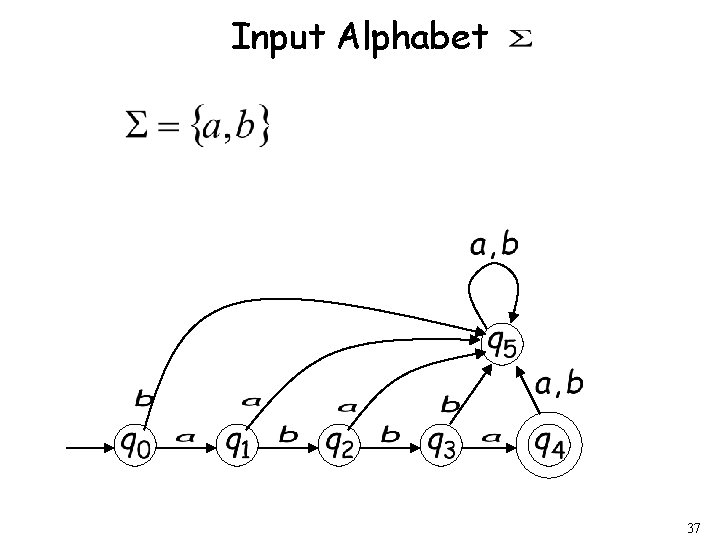
Input Alphabet 37
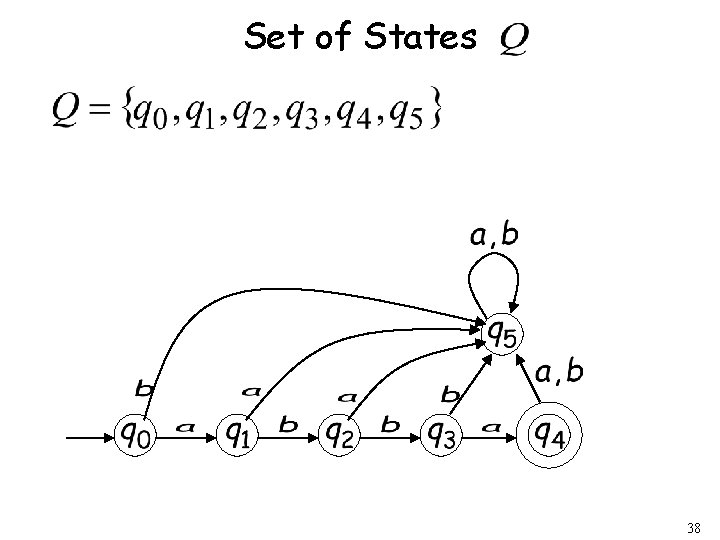
Set of States 38
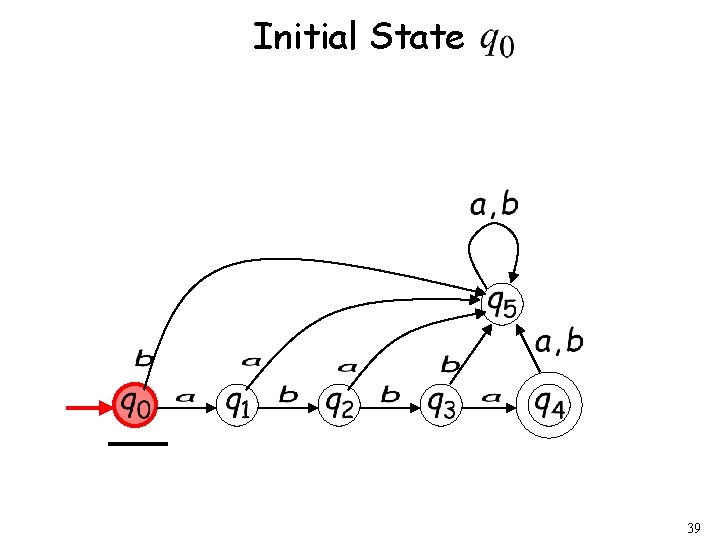
Initial State 39
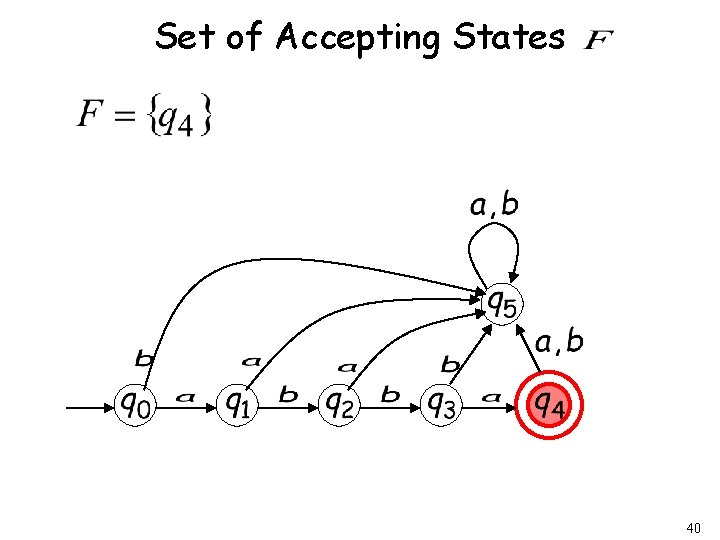
Set of Accepting States 40
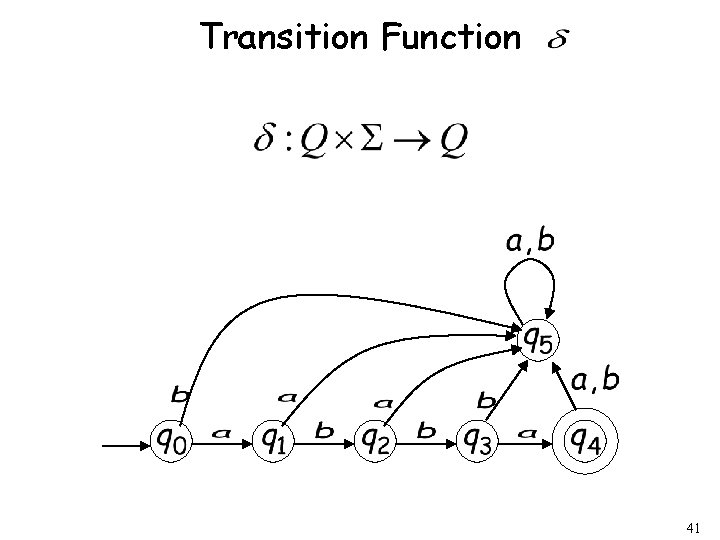
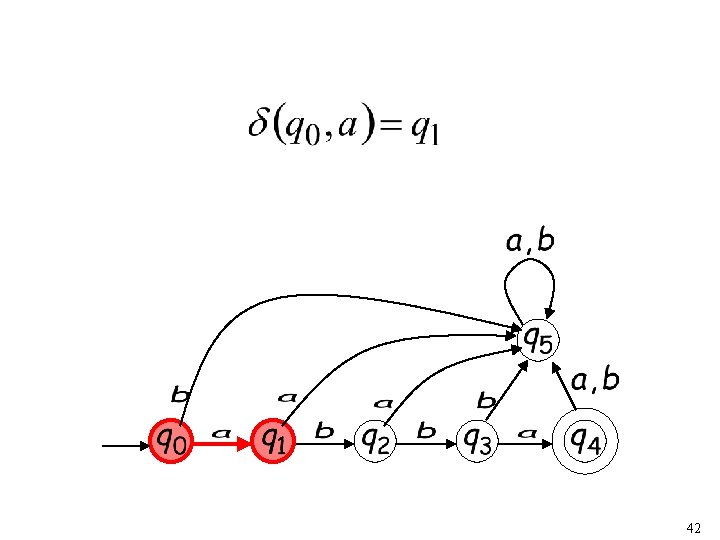
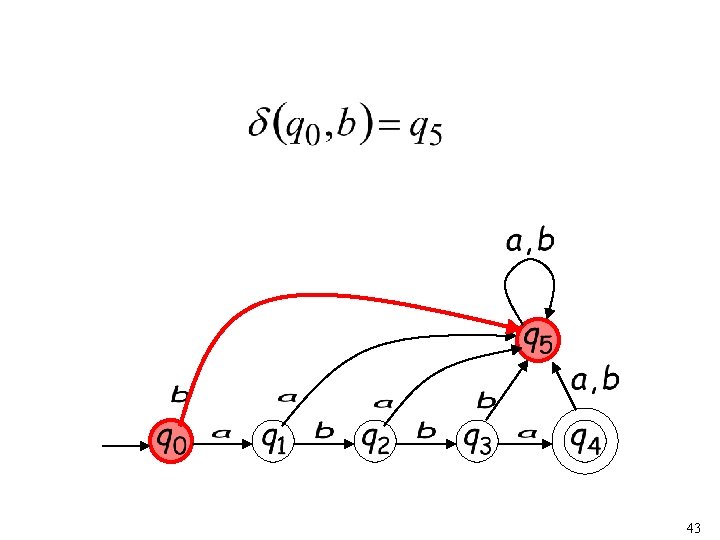
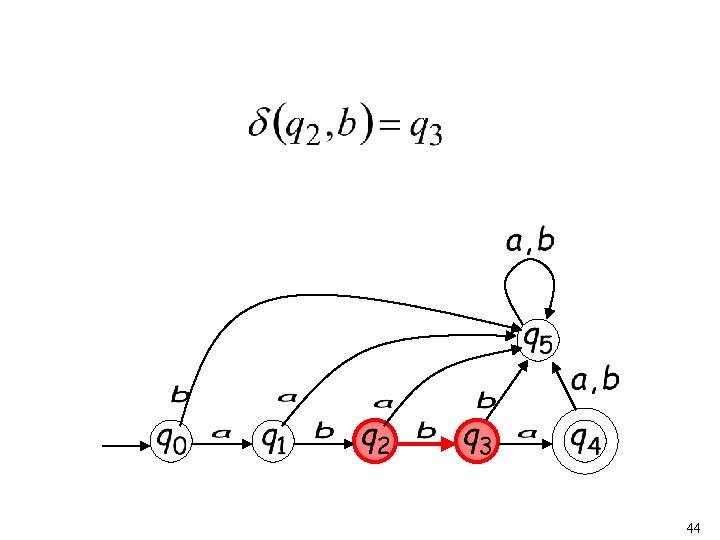
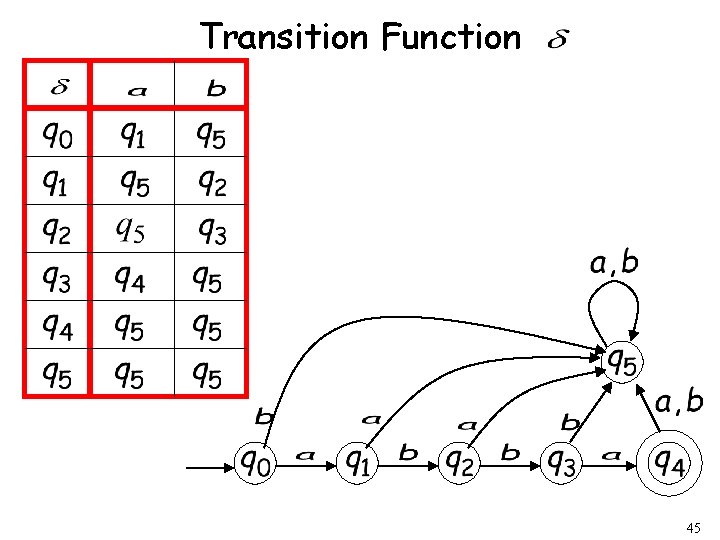
Transition Function 41
42
43
44
Transition Function 45
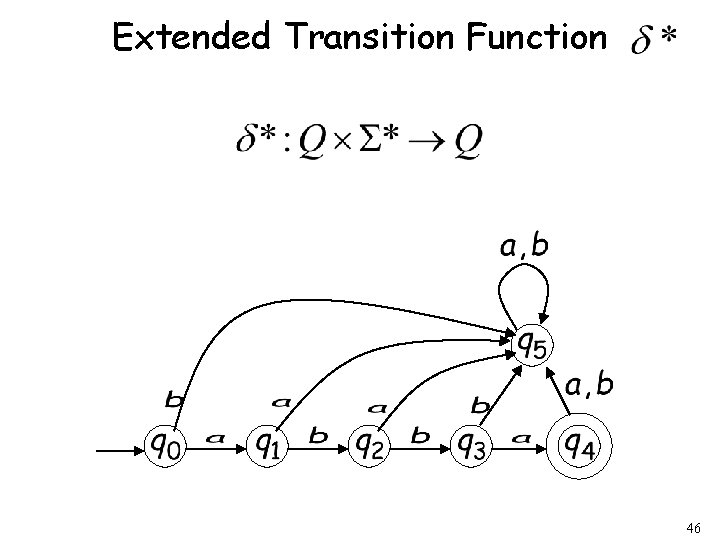
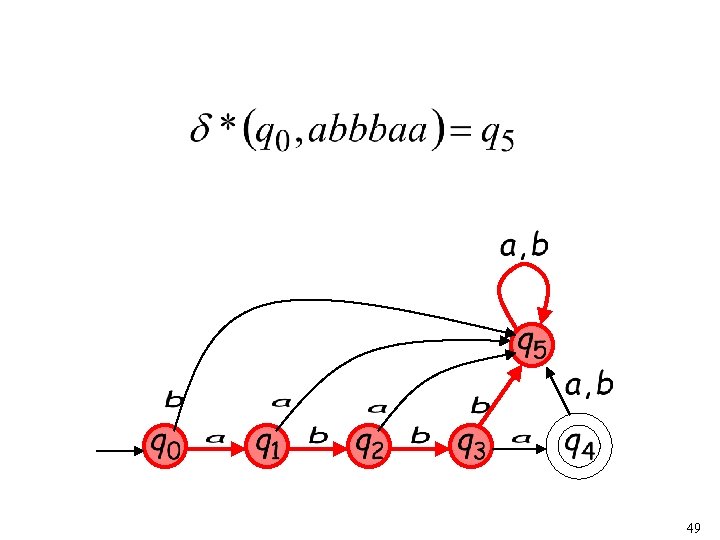
Extended Transition Function 46
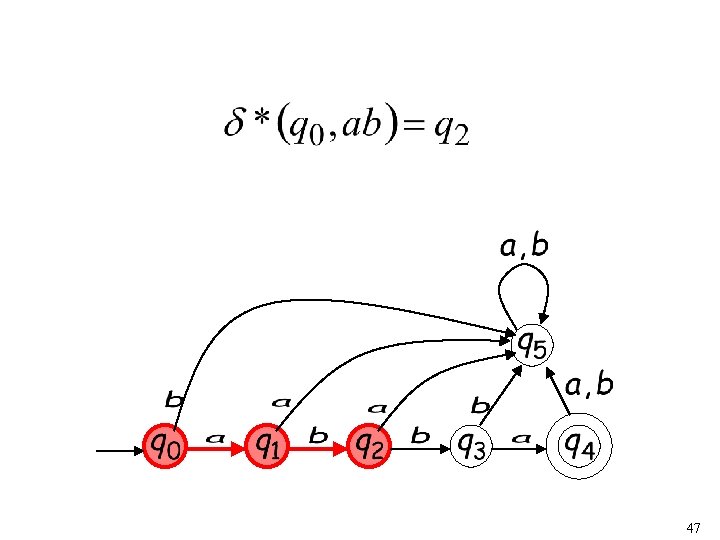
47
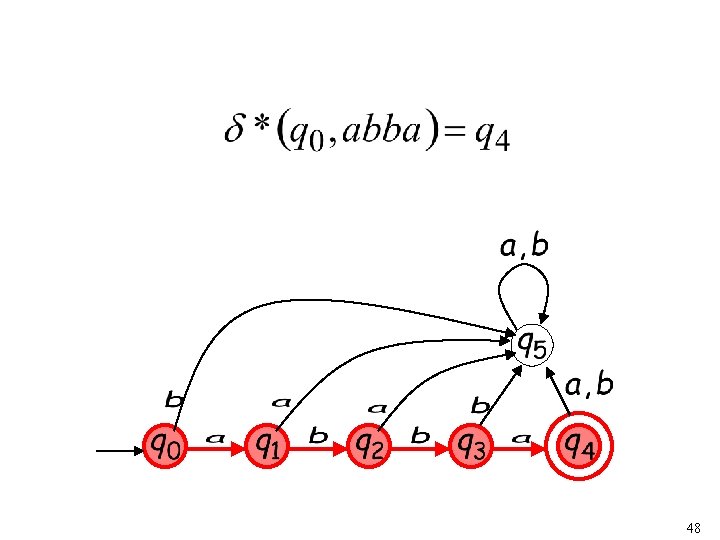
48
49
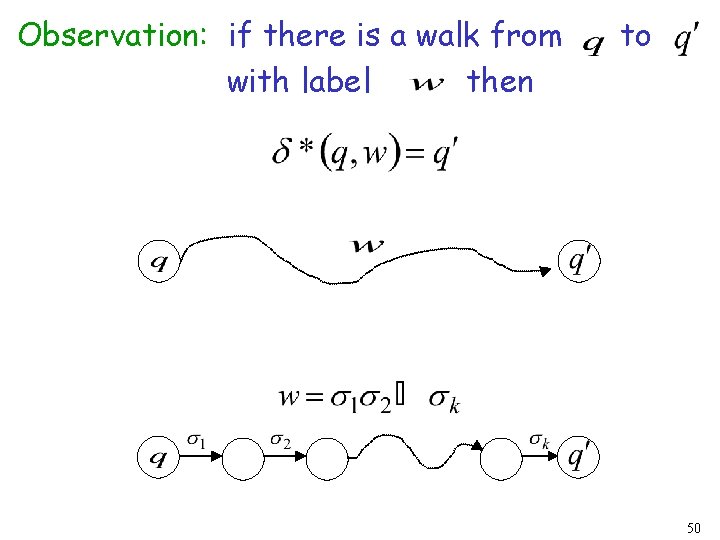
Observation: if there is a walk from with label then to 50
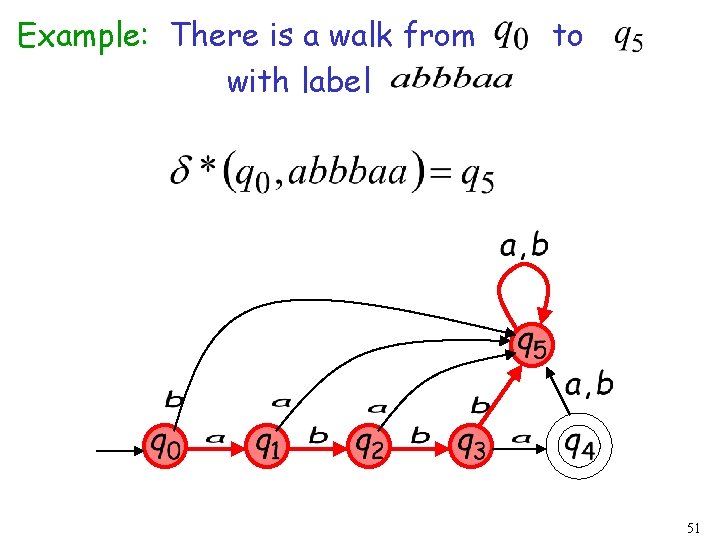
Example: There is a walk from with label to 51
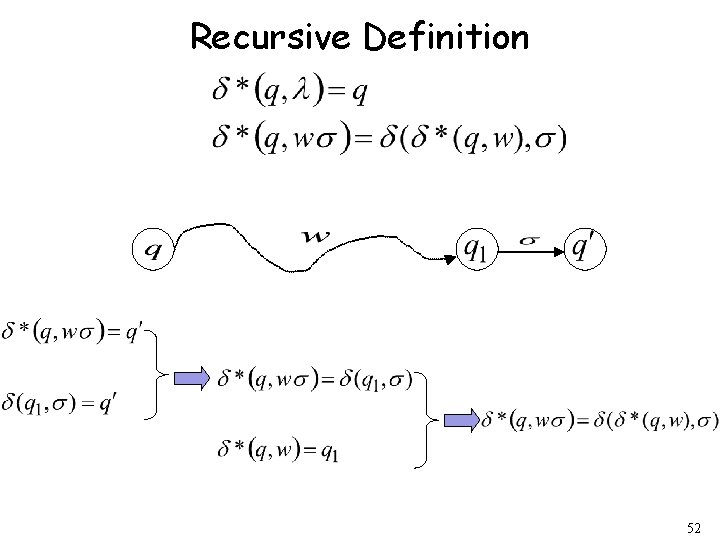
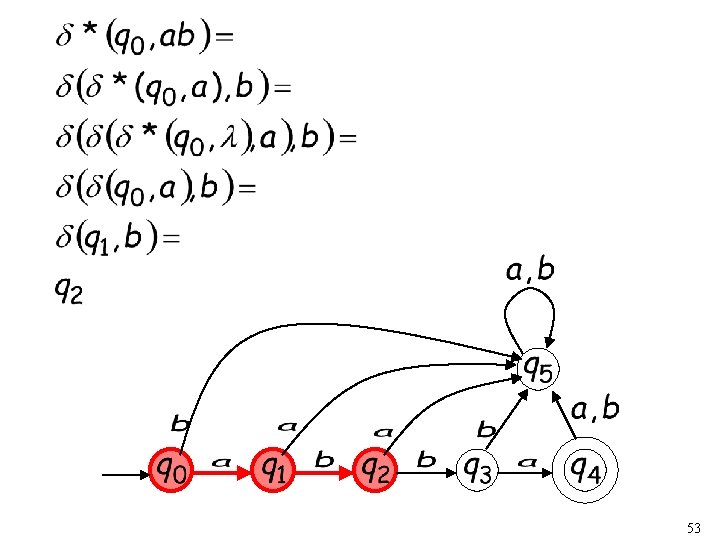
Recursive Definition 52
53
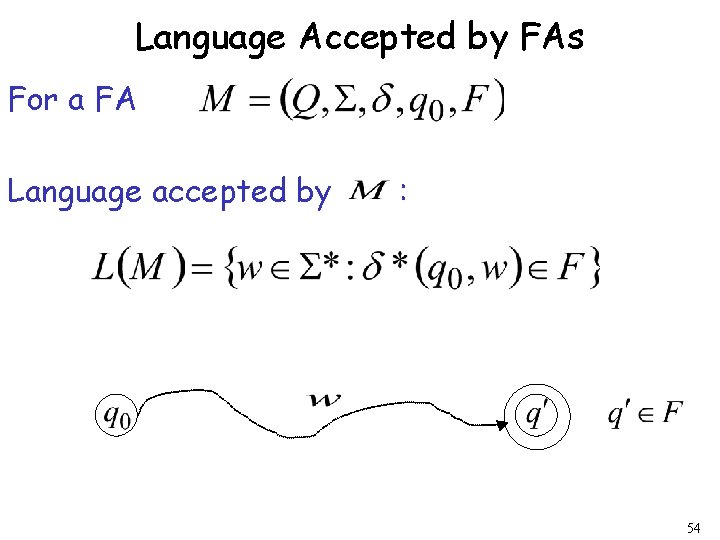
Language Accepted by FAs For a FA Language accepted by : 54
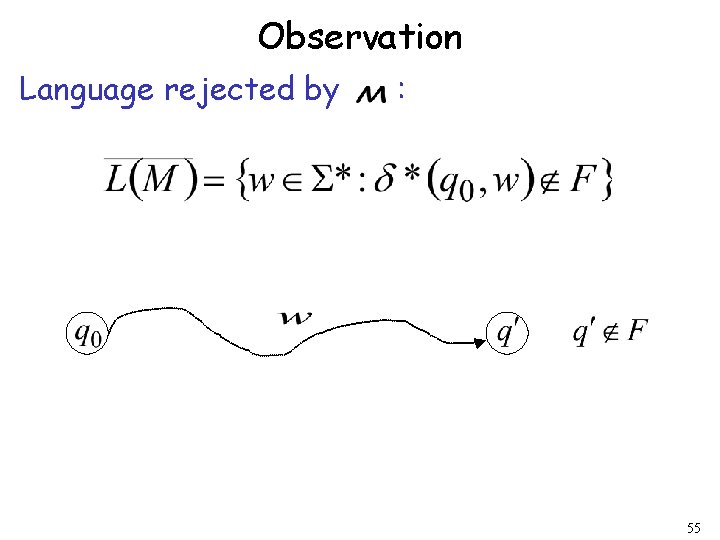
Observation Language rejected by : 55
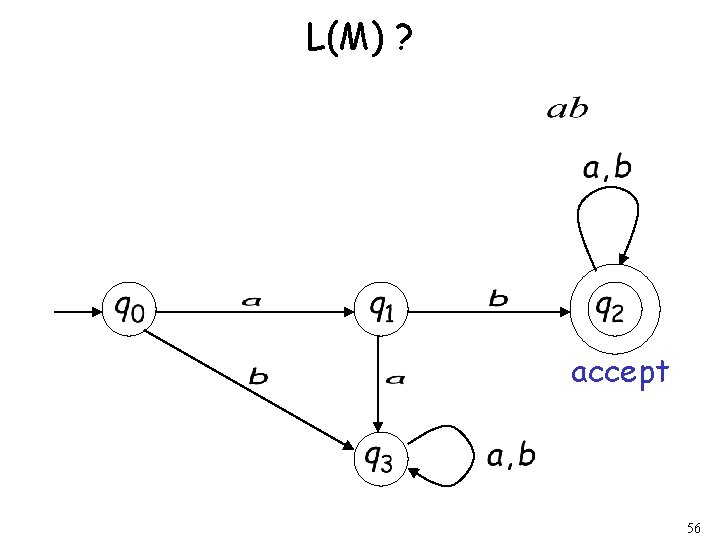
L(M) ? accept 56
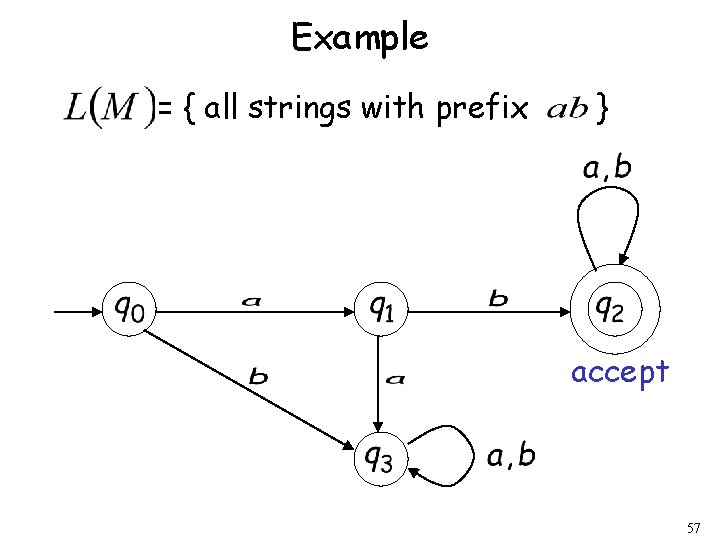
Example = { all strings with prefix } accept 57
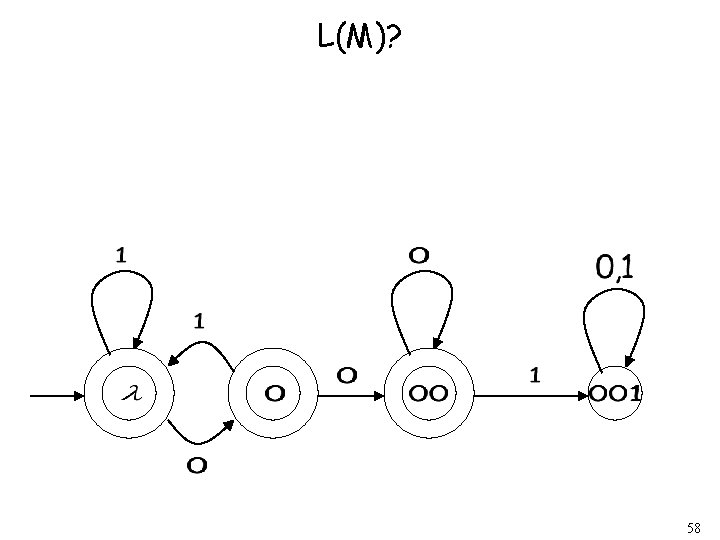
L(M)? 58
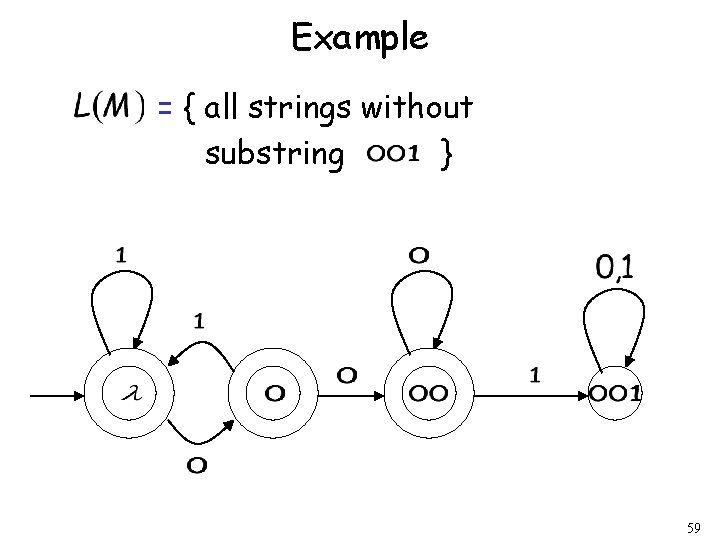
Example = { all strings without substring } 59
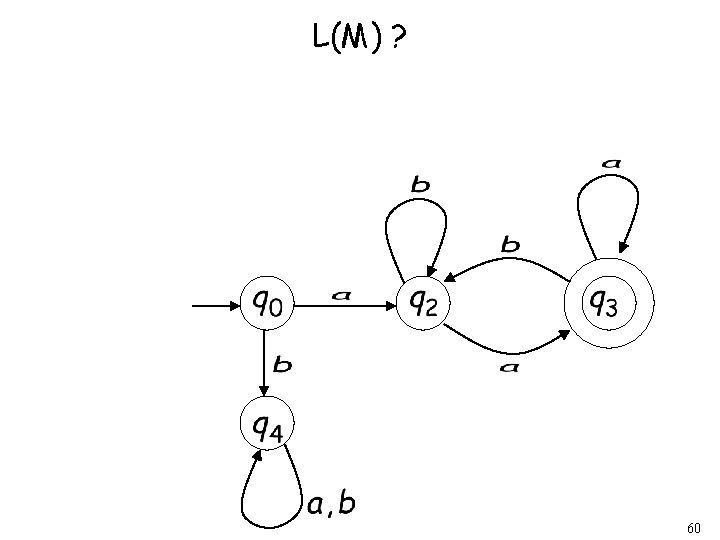
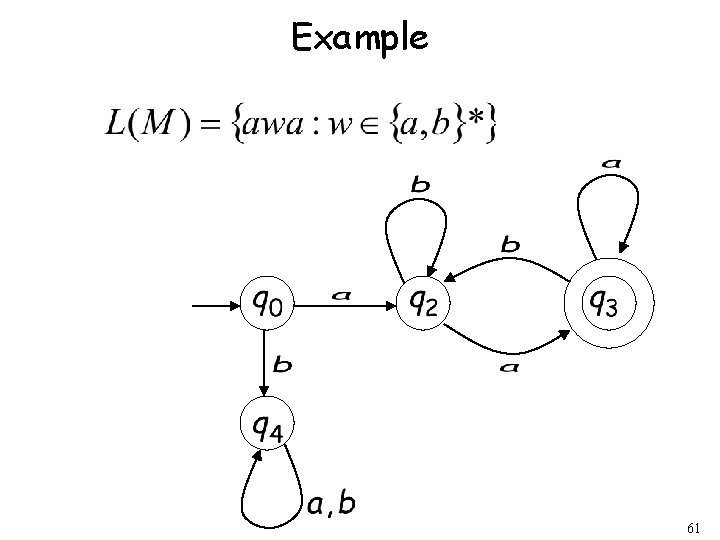
L(M) ? 60
Example 61
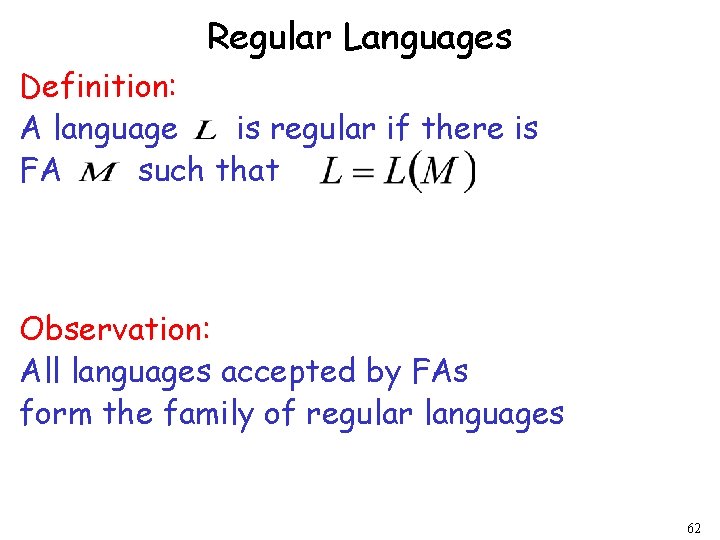
Regular Languages Definition: A language is regular if there is FA such that Observation: All languages accepted by FAs form the family of regular languages 62
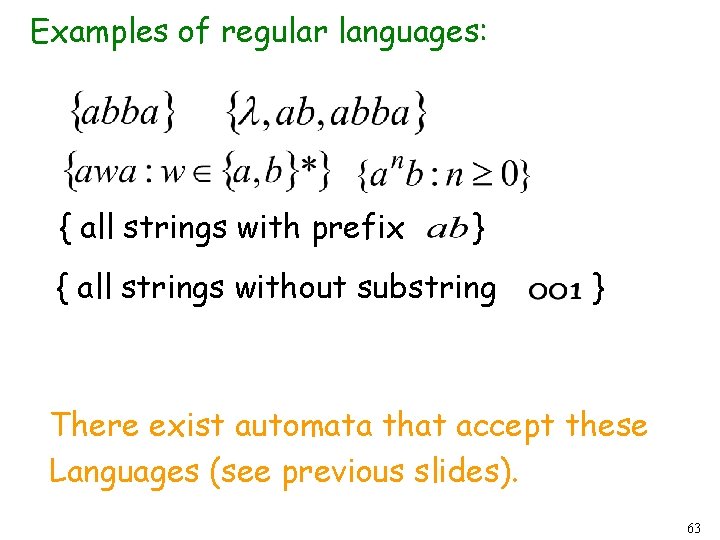
Examples of regular languages: { all strings with prefix } { all strings without substring } There exist automata that accept these Languages (see previous slides). 63
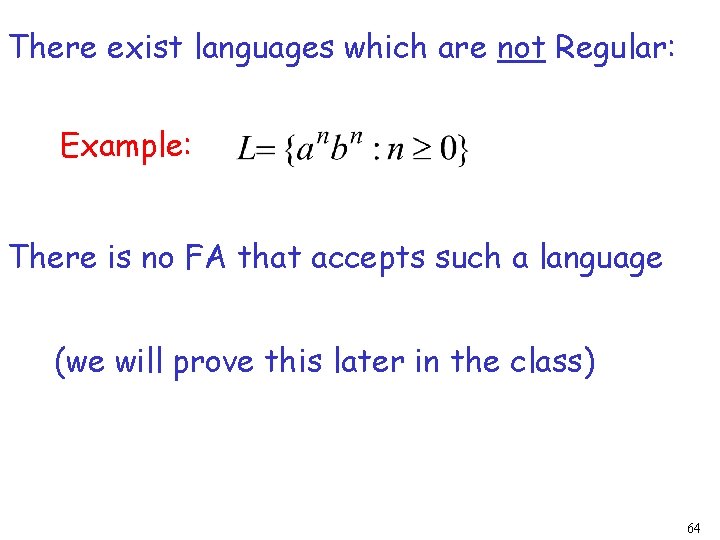
There exist languages which are not Regular: Example: There is no FA that accepts such a language (we will prove this later in the class) 64