
Forensic Anthropology study of the human skeleton to
- Slides: 22
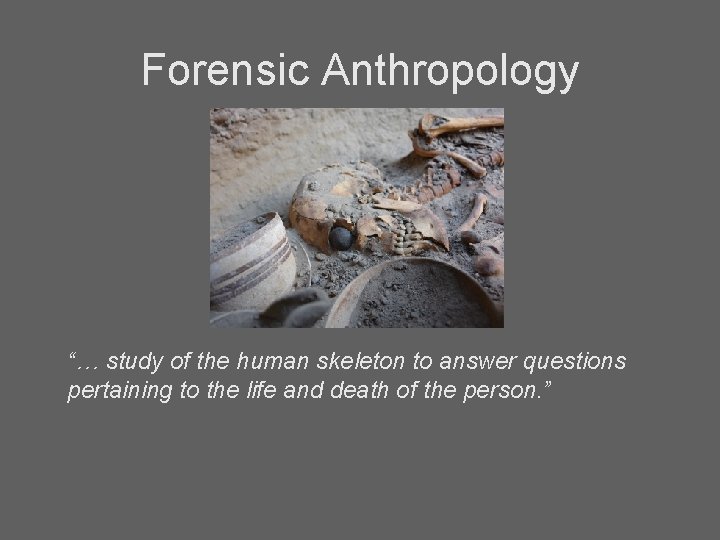
Forensic Anthropology “… study of the human skeleton to answer questions pertaining to the life and death of the person. ”
Questions that a forensic anthropologists asks? 1) Are the remains human? 2) How many people? 3) Are the remains recent? 4) Estimation of age 5) Gender? 6) Race? 7) Height, stature? 8) Trauma? 9) Cause of death? 10) Manner of death?
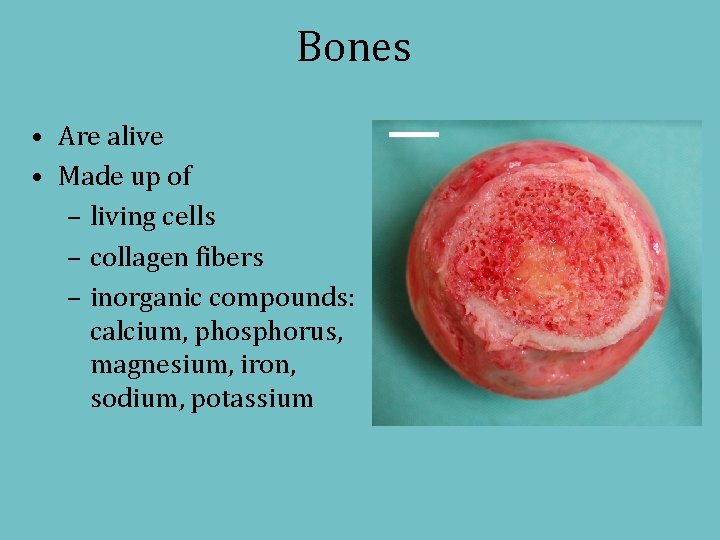
Bones • Are alive • Made up of – living cells – collagen fibers – inorganic compounds: calcium, phosphorus, magnesium, iron, sodium, potassium
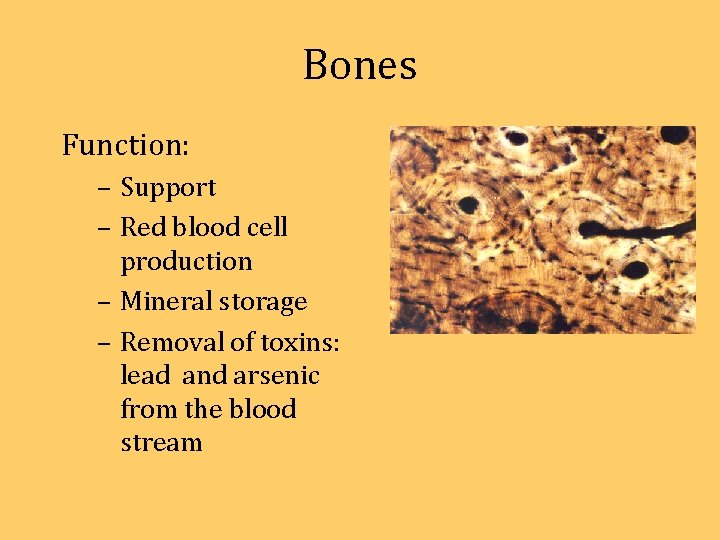
Bones Function: – Support – Red blood cell production – Mineral storage – Removal of toxins: lead and arsenic from the blood stream
Bones • Modeling: process of normal bone growth & shaping, governed by genetics, diet, disease, medication • Remodeling: bones change due to diet, stress, exercise throughout a lifetime
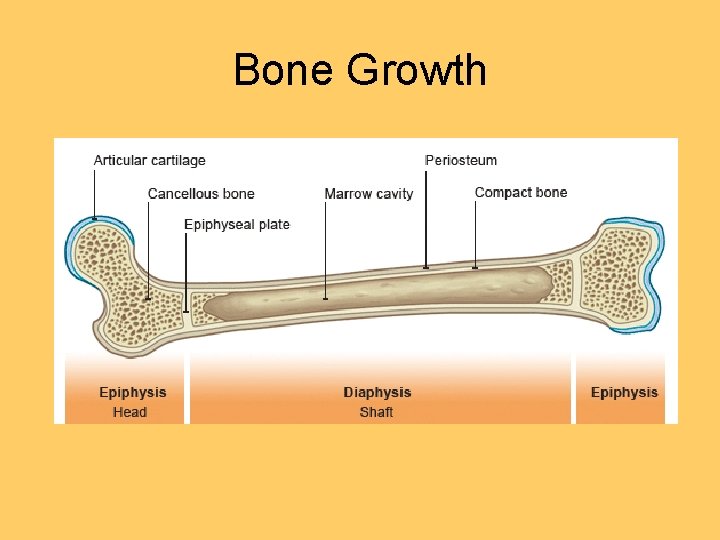
Bone Growth • Occurs at a region called the epiphyseal plate or growth plate. • Testosterone is the primary influence that shapes men's bones, while estrogen has a greater effect on women's bone development. • High levels of estrogen that happen during female puberty cause an earlier closure of the growth plate and this occurs at about age 18 yrs. • Male bone development ends at around age 21, allowing men more time to gain bone mass.
Bone Growth
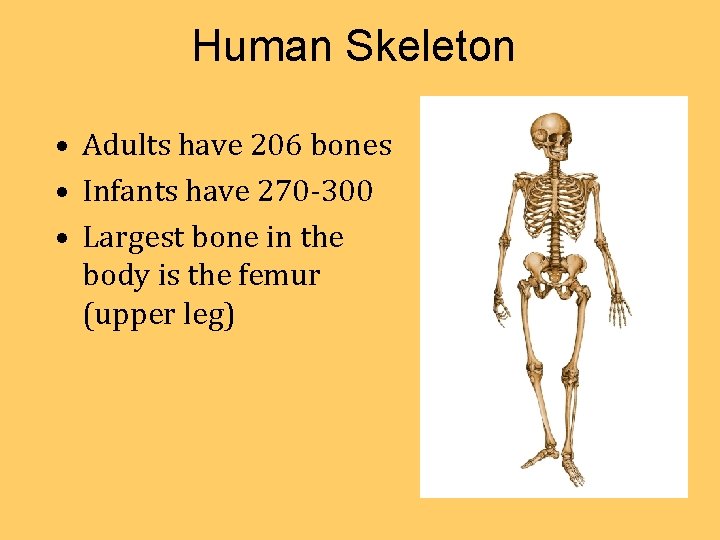
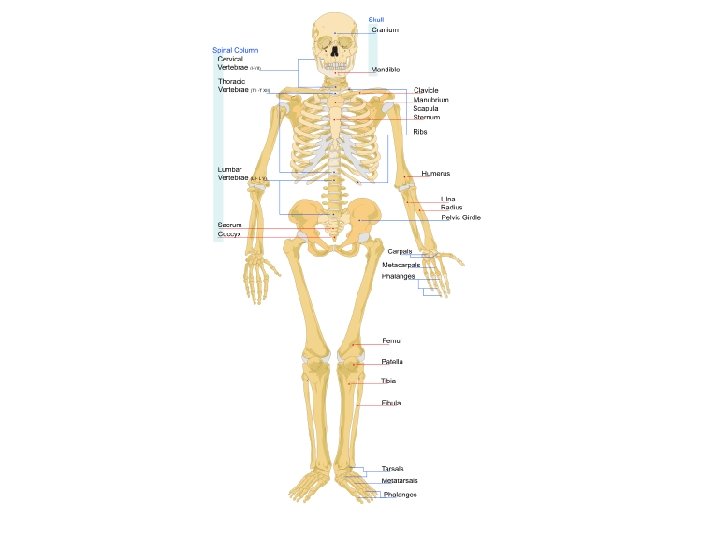
Human Skeleton • Adults have 206 bones • Infants have 270 -300 • Largest bone in the body is the femur (upper leg)
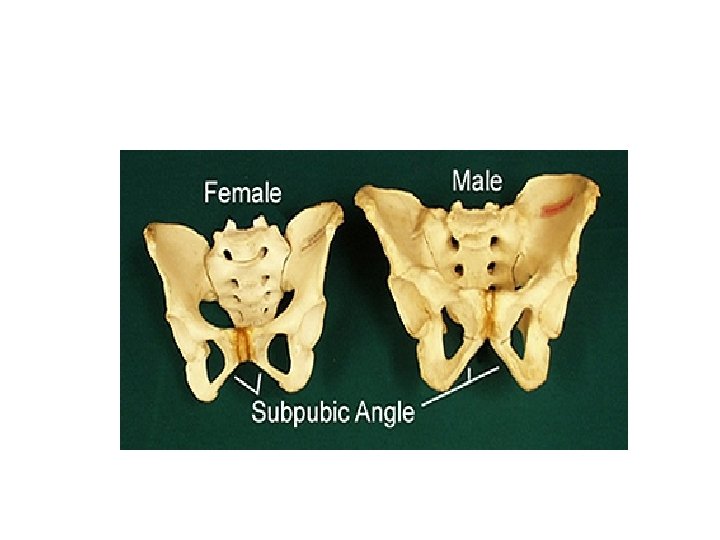
Male or Female? • Skeletal differences are subtle • In general, the adult male skeleton is more robust (thicker) with larger ridges • Mainly examine the pelvis and skull
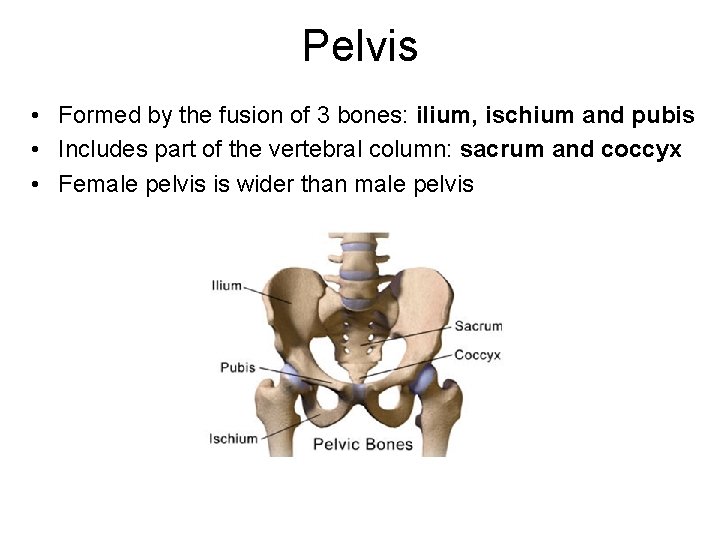
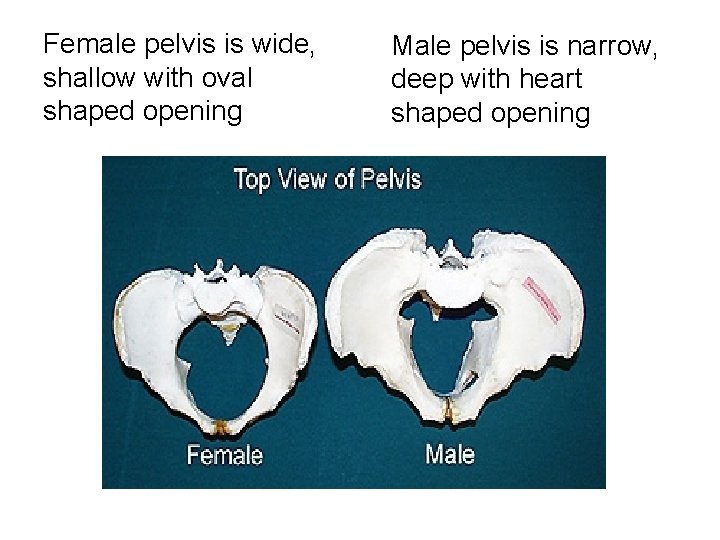
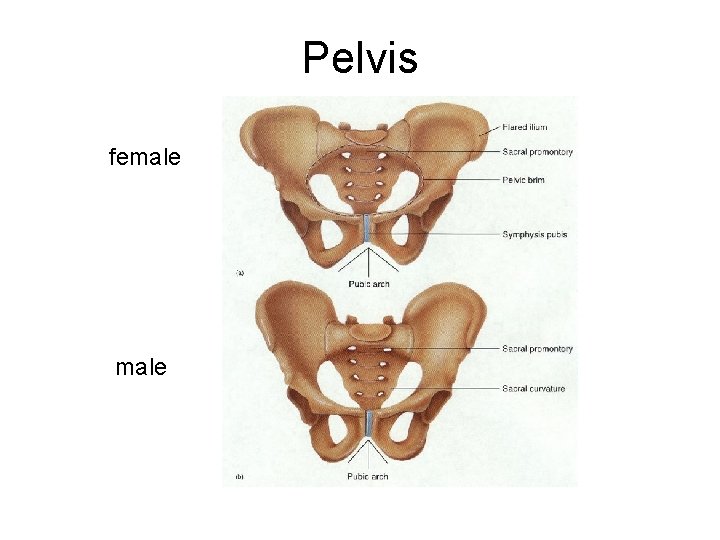
Pelvis • Formed by the fusion of 3 bones: ilium, ischium and pubis • Includes part of the vertebral column: sacrum and coccyx • Female pelvis is wider than male pelvis
Female pelvis is wide, shallow with oval shaped opening Male pelvis is narrow, deep with heart shaped opening
Pelvis female
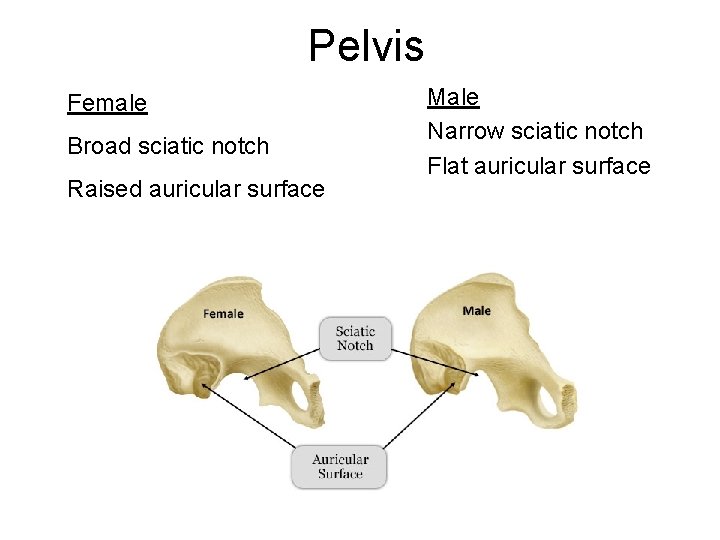
Pelvis Female Broad sciatic notch Raised auricular surface Male Narrow sciatic notch Flat auricular surface
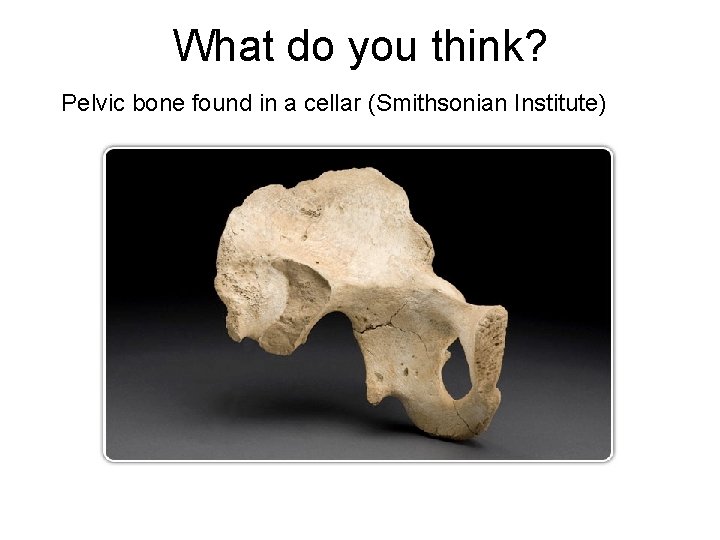
What do you think? Pelvic bone found in a cellar (Smithsonian Institute)
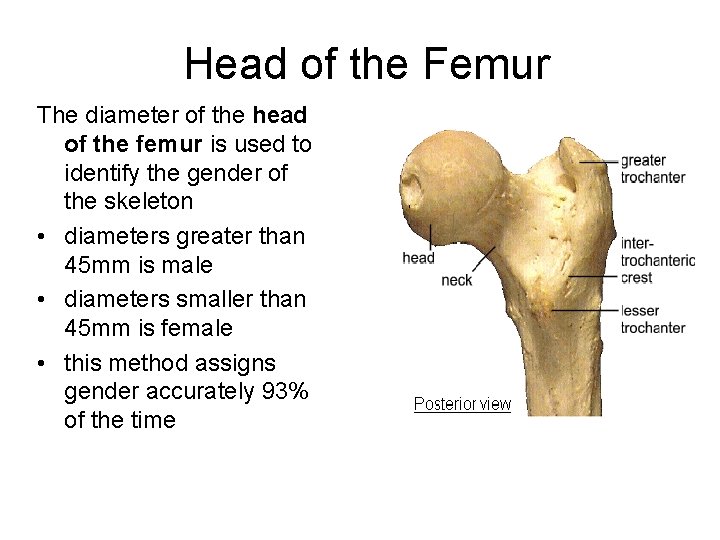
Head of the Femur The diameter of the head of the femur is used to identify the gender of the skeleton • diameters greater than 45 mm is male • diameters smaller than 45 mm is female • this method assigns gender accurately 93% of the time
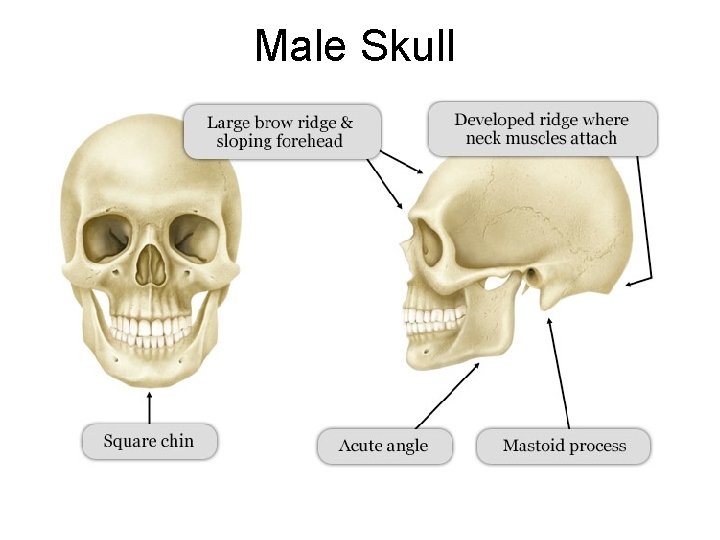
Male Skull • generally larger than female • larger brow ridges • sloping, less rounded forehead • greater definition of muscle attachment areas on the back of the head • larger projections behind the ears (mastoid processes) • square chin with more vertical (acute) angle of the jaw
Male Skull
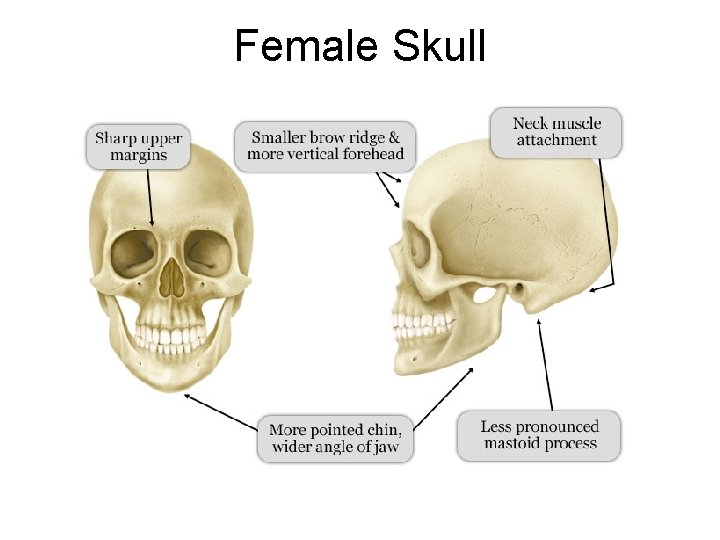
Female Skull • • • Smoother bone surfaces Less pronounced brow ridge Sharp upper margins of eye orbits More vertical forehead Smaller mastoid process Chin more pointed with obtuse angle to jaw
Female Skull
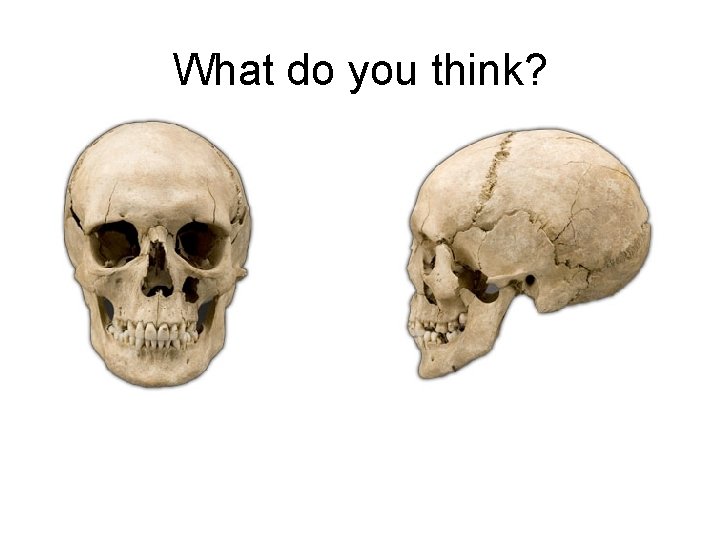
What do you think?