
Forces and Motion Unit 1 Fifth Grade Earth
- Slides: 52
Forces and Motion Unit 1 Fifth Grade
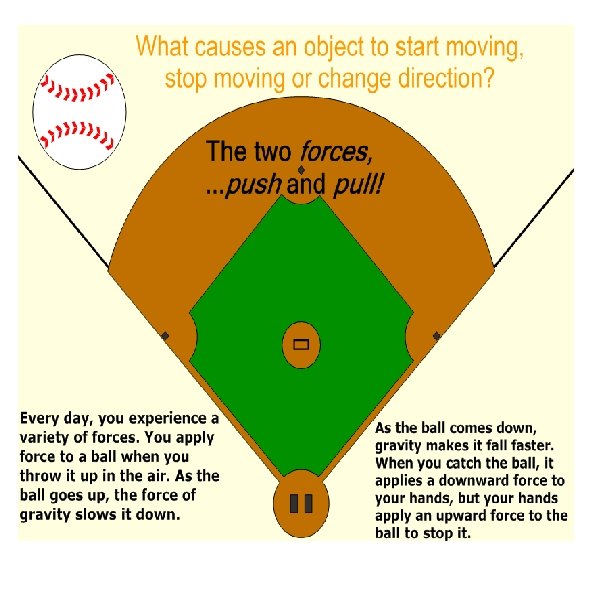
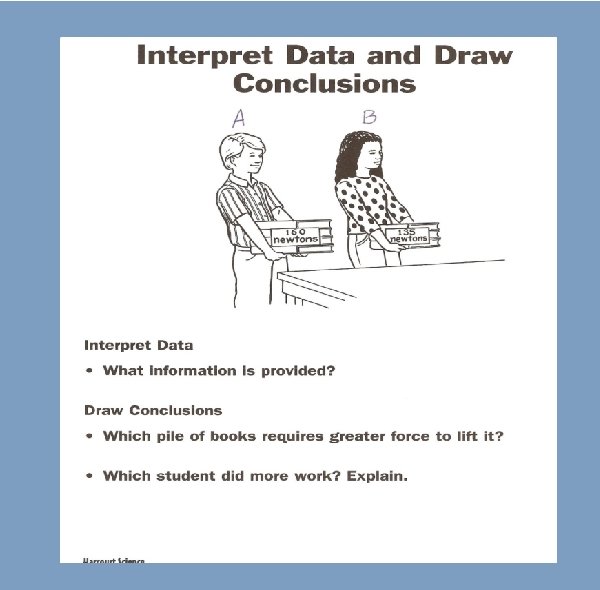
• Earth and everything on it are affected by FORCES. • A force is a PUSH OR A PULL that causes an object to move, STOP, change direction, SPEED up, or slow down. It is measured in units called NEWTONS (N) after Sir Isaac Newton.
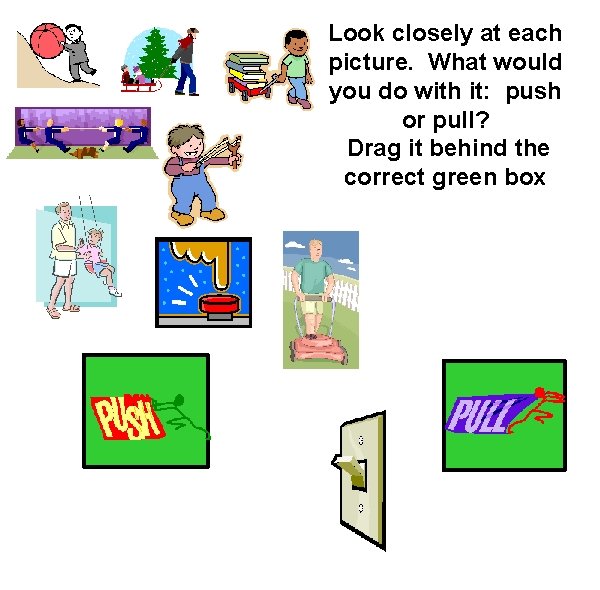
Look closely at each picture. What would you do with it: push or pull? Drag it behind the correct green box
• There are three forces on Earth every day that affect motion: friction, magnetism, and gravity.
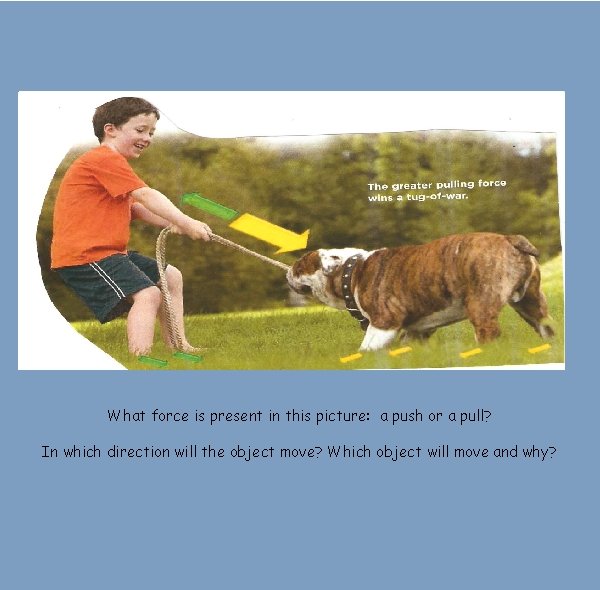
What force is present in this picture: a push or a pull? In which direction will the object move? Which object will move and why?
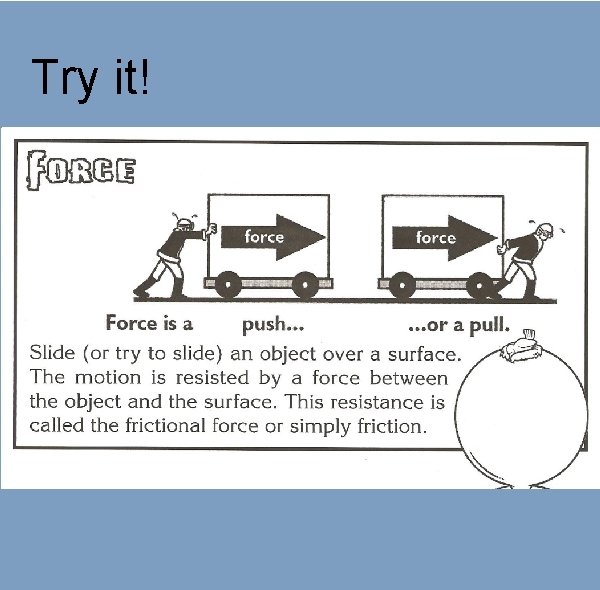
Try it!
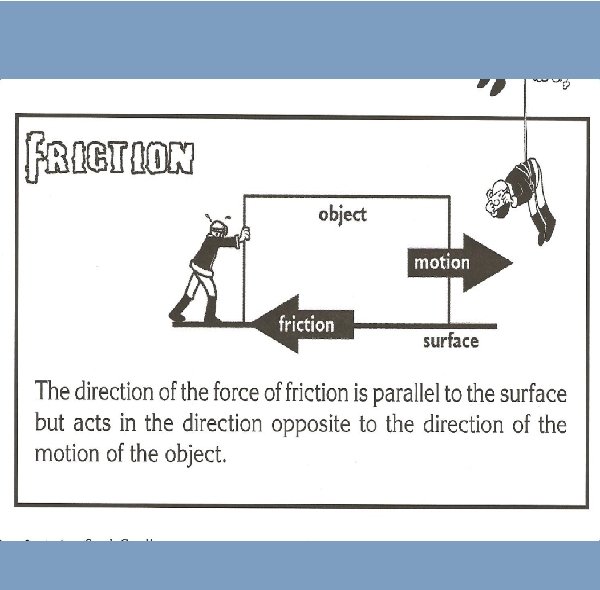
• Video: Friction 3: 09 Friction opposes or acts AGAINST motion. Ø It occurs when two objects RUB against each other. Ø The harder the surfaces press together, the more friction there will be. Ø Friction occurs in LIQUIDS and GASES as well as between solids. Ø Without friction , it would be difficult to slow or stop the motion of objects.
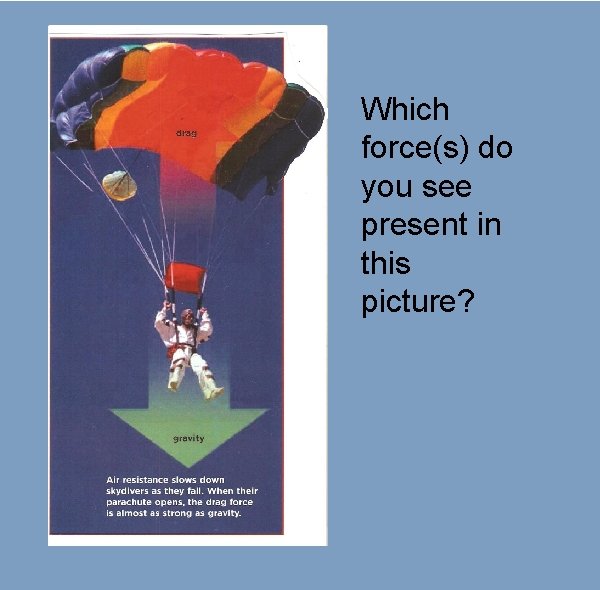
Ø Friction produces HEAT. Ø Friction depends on the object's surface, mass, and shape. Ø Air resistance is like friction. For example, the size of a parachute's canopy can affect how fast the parachute will touch ground. Ø Objects with MORE mass will have more friction. Two bricks will be harder to pull than one brick.
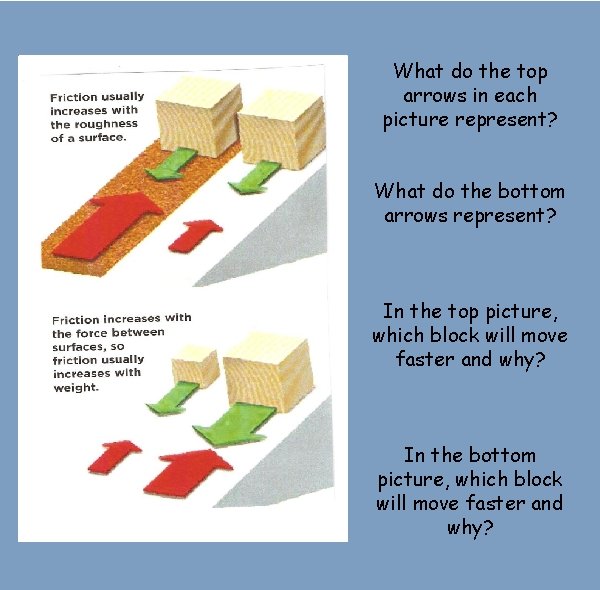
What do the top arrows in each picture represent? What do the bottom arrows represent? In the top picture, which block will move faster and why? In the bottom picture, which block will move faster and why?
Ø LUBRICANTS will reduce friction. Examples include water, grease, wax, and motor oil. Without lubrication, moving parts of machines would slow down or stop very quickly. Ø WHEELS are simple machines that also reduce friction. Heavier objects can be moved more easily across the floor if on wheels.
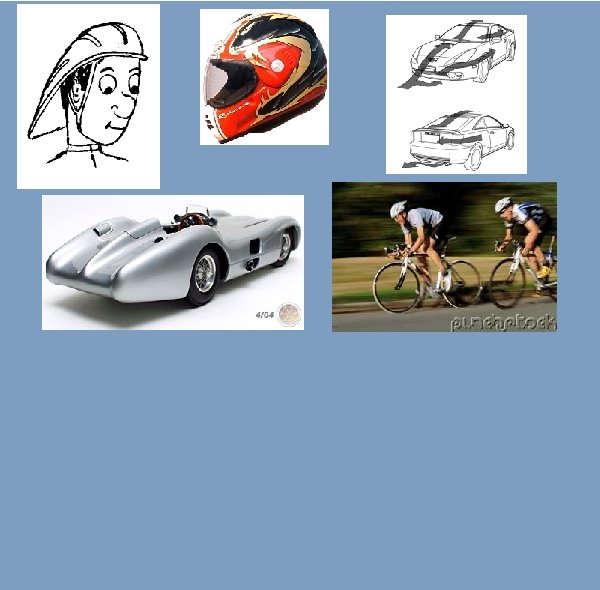
Ø Objects that are aerodynamic will allow less friction. Think of rockets and how they are shaped and cyclists and their helmets. They are rounded so they can glide through the air with little resistance.
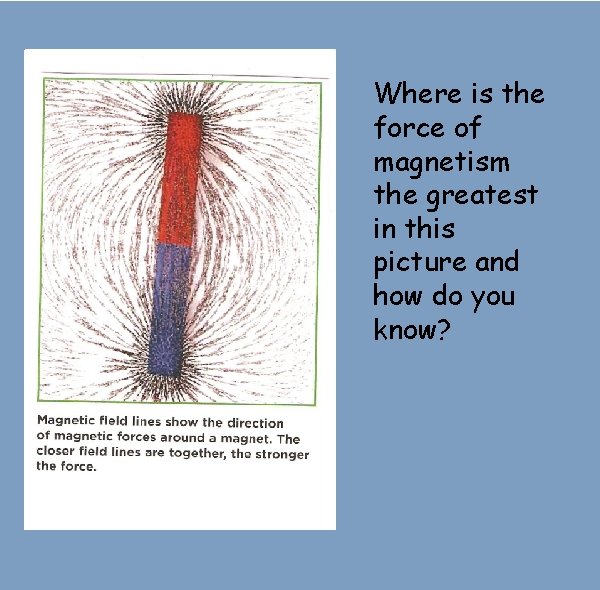
MAGNETISM is the ability of an object to push or pull on another object that has magnetic properties. ·Magnetic force acts at a distance and cannot be seen. ·Magnets have poles (North and South) · Unlike poles (N-S) attract or pull towards each other.
·Like poles (N-N or S-S) repel or push away from each other. ·Magnetism is greater at the poles. ·The closer the objects, the greater the magnetic force.
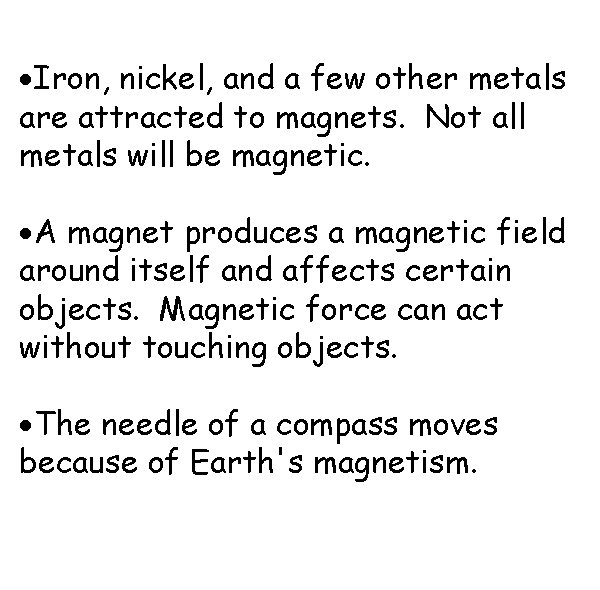
·Iron, nickel, and a few other metals are attracted to magnets. Not all metals will be magnetic. ·A magnet produces a magnetic field around itself and affects certain objects. Magnetic force can act without touching objects. ·The needle of a compass moves because of Earth's magnetism.
Where is the force of magnetism the greatest in this picture and how do you know?
Gravitational Forces
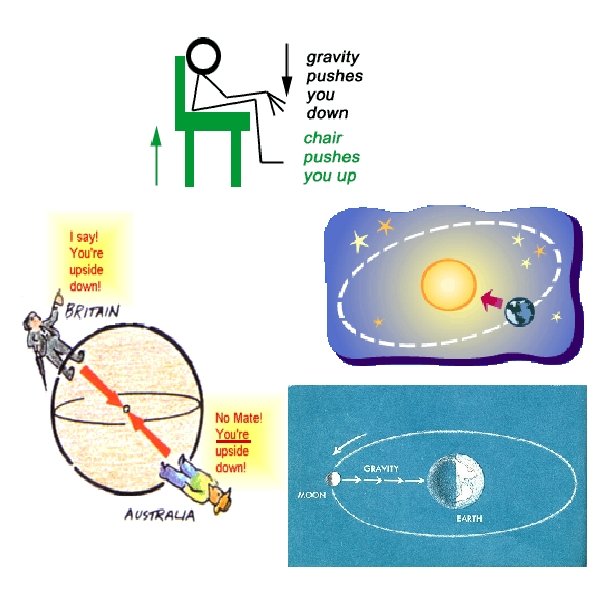
• Gravity affects objects on Earth all the time. ·It hold things to the surface of the Earth. ·It pulls objects (big or small) towards each other. ·Gravity is weaker between smaller objects and larger for objects of greater mass. ·The closer objects are to each other, the greater the force of gravity.
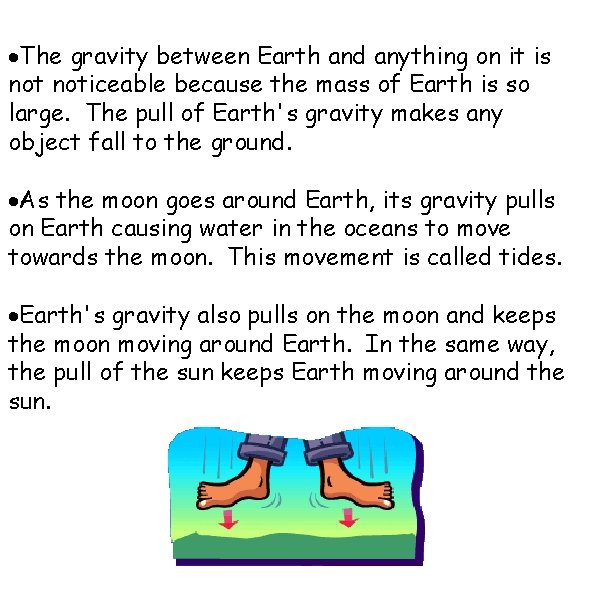
·The gravity between Earth and anything on it is noticeable because the mass of Earth is so large. The pull of Earth's gravity makes any object fall to the ground. ·As the moon goes around Earth, its gravity pulls on Earth causing water in the oceans to move towards the moon. This movement is called tides. ·Earth's gravity also pulls on the moon and keeps the moon moving around Earth. In the same way, the pull of the sun keeps Earth moving around the sun.
Which force(s) do you see present in this picture?
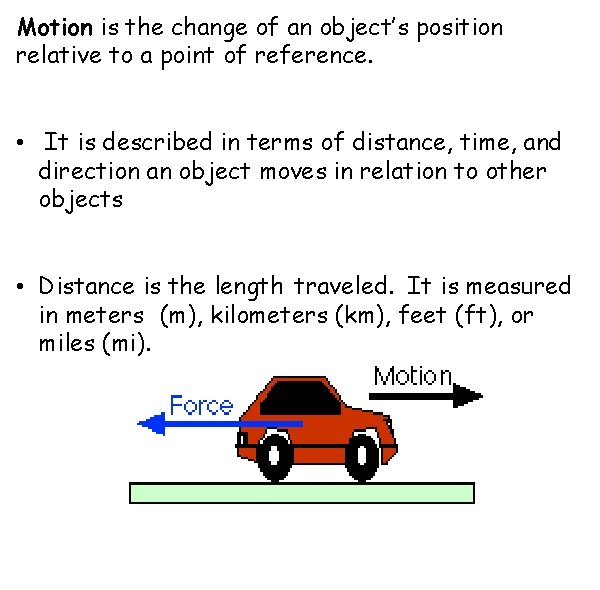
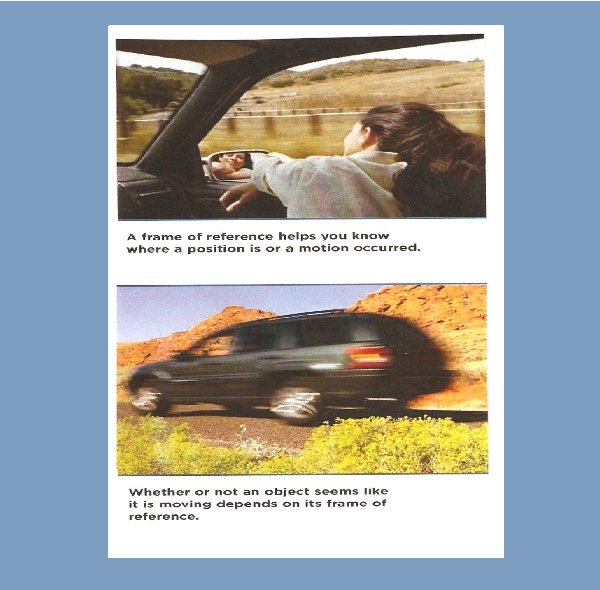
Motion is the change of an object’s position relative to a point of reference. • It is described in terms of distance, time, and direction an object moves in relation to other objects • Distance is the length traveled. It is measured in meters (m), kilometers (km), feet (ft), or miles (mi).
·Speed is a measure of how fast an object is moving. To determine speed you must know time and distance traveled.
·An object is moving if its position CHANGES. ·An object not moving is at REST.
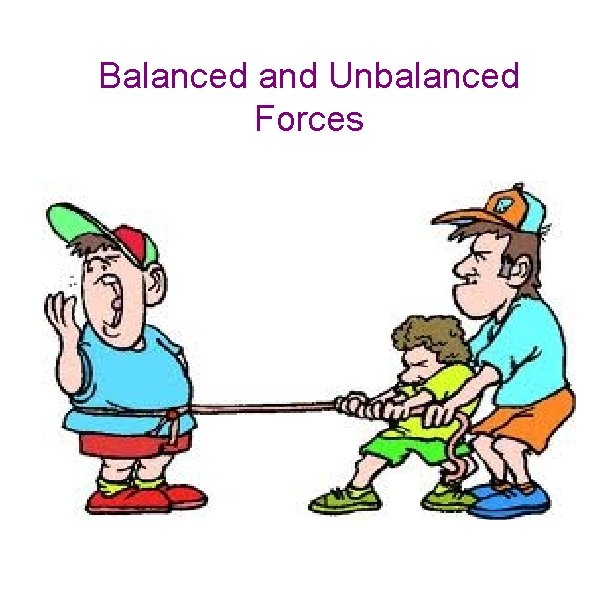
Balanced and Unbalanced Forces
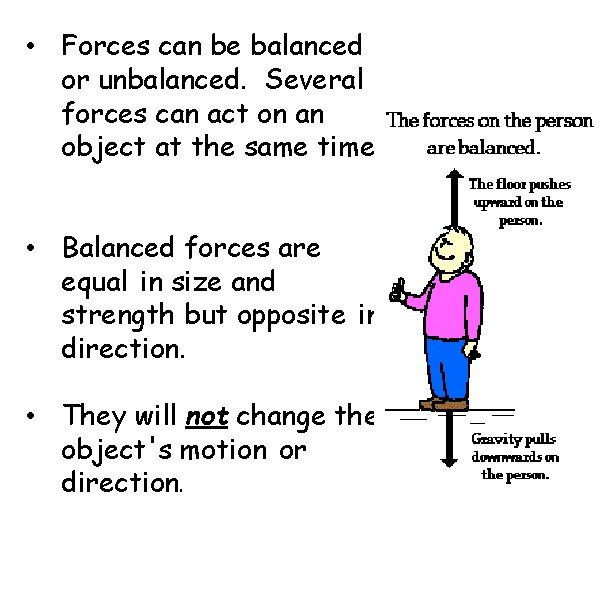
• Forces can be balanced or unbalanced. Several forces can act on an object at the same time. • Balanced forces are equal in size and strength but opposite in direction. • They will not change the object's motion or direction.
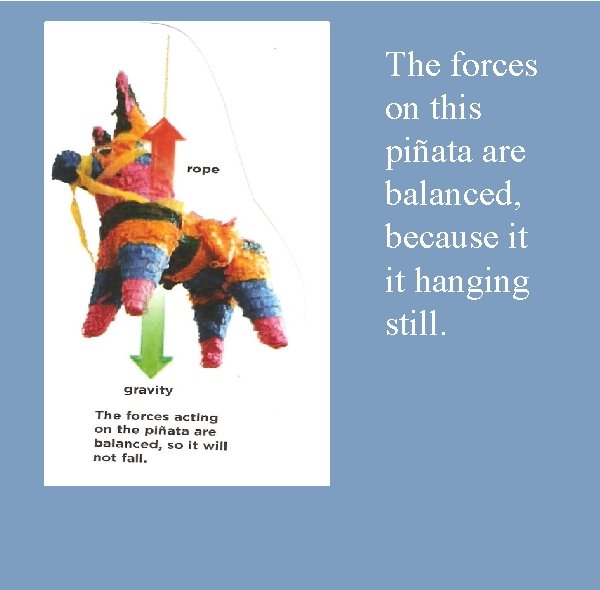
The forces on this piñata are balanced, because it it hanging still.
Unbalanced forces occur when one force is greater than its opposite force. ·Unbalanced forces change the motion of objects. ·If the object is at rest, an unbalanced force will cause it to move in the direction of the force. ·A stronger force (push or pull) will make an object move faster.
·The object's motion will change with unbalanced forces. ·They will cause an object to move, stop, speed up, slow down, or change direction. ·An object will move in the direction of the greater force. ·If force is applied in the same direction as a moving object, the object will speed up. ·If the force is applied in the opposite direction as a moving object, the object will slow down or stop ·If the force is applied to the side of the moving object, the object will turn.
• Rate if motion is the speed of an object or how fast or slow the object is moving. • An object's motion can be affected by a change in FORCE or a change in MASS.
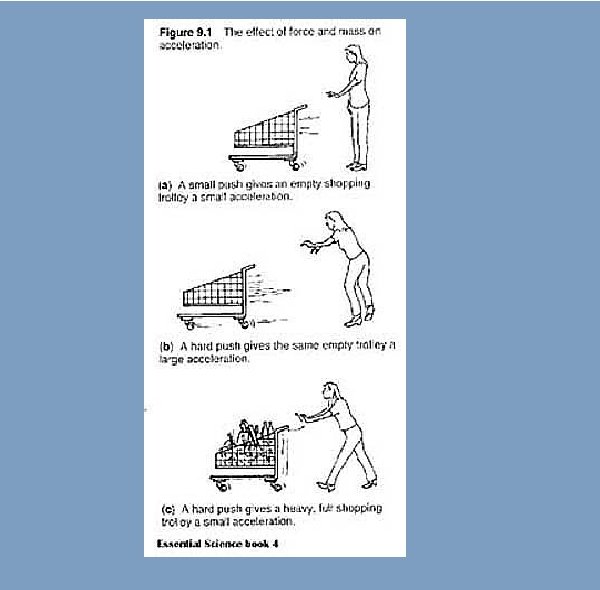
·If two objects with the same mass are acted on by a force, but the force is greater for one of the objects, the one that had the greater force applied will have the GREATER change in speed. ·If equal force is applied to objects of different masses, the object with the LESSER mass will have the greater change in speed. ·It is harder to change the speed of objects with GREATER mass than those with lesser mass.
Newton’s three laws help explain the movement in space and on EARTH. ·An object will remain at REST (or in STRAIGHT line at a constant speed) unless an outside force acts upon it. Basically, objects do not change motion unless they are FORCED to. This is known as INERTIA. This is why you move forward in a car when it suddenly stops (and should always wear your SEATBELT!).
04 Newton, Way Long Ago. wma
·An object's acceleration depends on the SIZE and direction of the FORCE acting on it and the object’s MASS. ·A larger force will cause MORE acceleration than a smaller force. ·Increasing the force on a moving object will cause it to SPEED up; decreasing the force will cause it to SLOW down. ·The DIRECTION of the force will cause the object to speed up, slow down, stop, or change direction. Mass and Weight video 2: 07
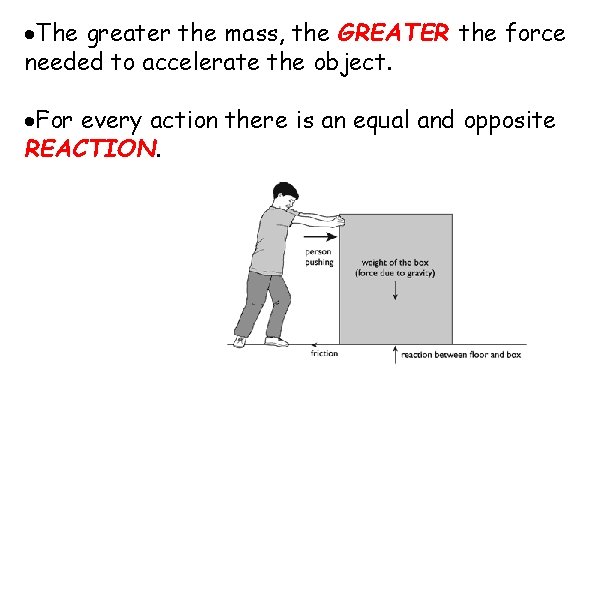
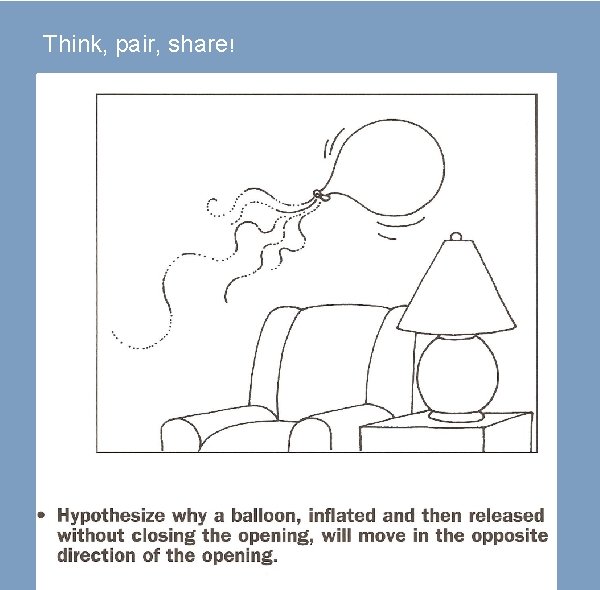
·The greater the mass, the GREATER the force needed to accelerate the object. ·For every action there is an equal and opposite REACTION.
Think, pair, share!
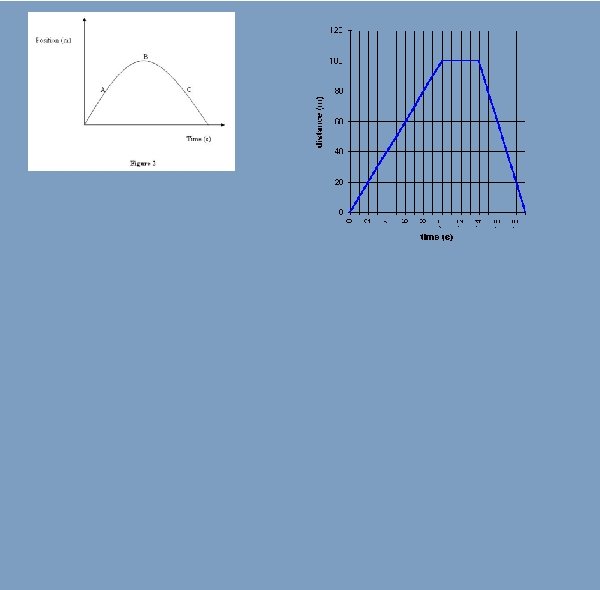
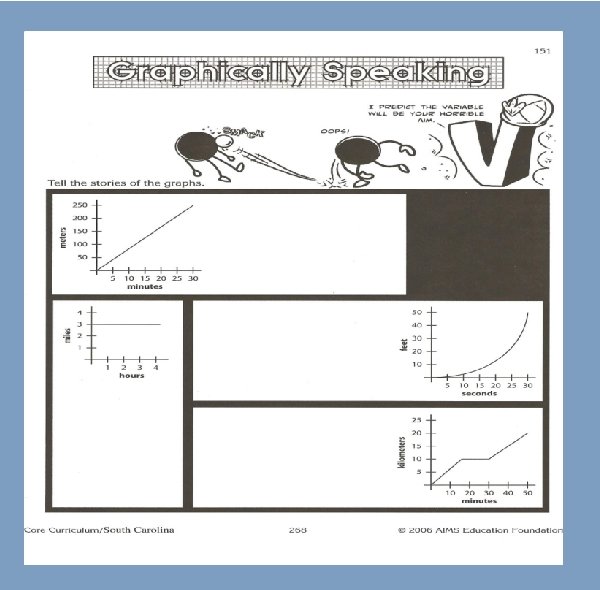
15. Graphing an object’s motion: ·TIME is usually shown on the x (HORIZONTAL) axis ·Distance is usually shown on the y (VERTICAL) axis ·The slope of the line will tell you if speed is FAST (high and steep), SLOW (low and flat), or at a constant speed (STRAIGHT line). ·Remember to label BOTH axes and give your graph a TITLE! Rate_of_motion_7[1]. p pt
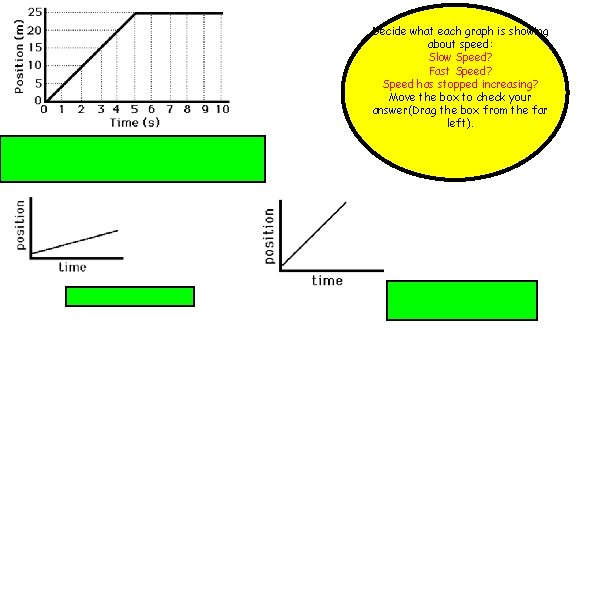
Decide what each graph is showing about speed: Slow Speed? Fast Speed? Speed has stopped increasing? Move the box to check your answer(Drag the box from the far left). Speed has stopped increasing Slow Speed Fast Speed