
Food Web of the Estuary How do plants
Food Web of the Estuary How do plants and animals of the estuary get the energy they need to move and grow?
The sun is the source of energy for all living things. Green plants can change sunlight energy into food (chemical) energy.
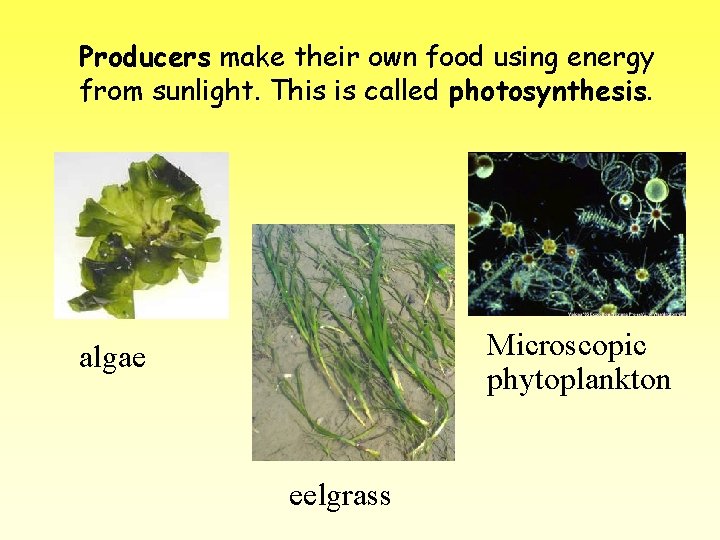
Producers make their own food using energy from sunlight. This is called photosynthesis. Microscopic phytoplankton algae eelgrass
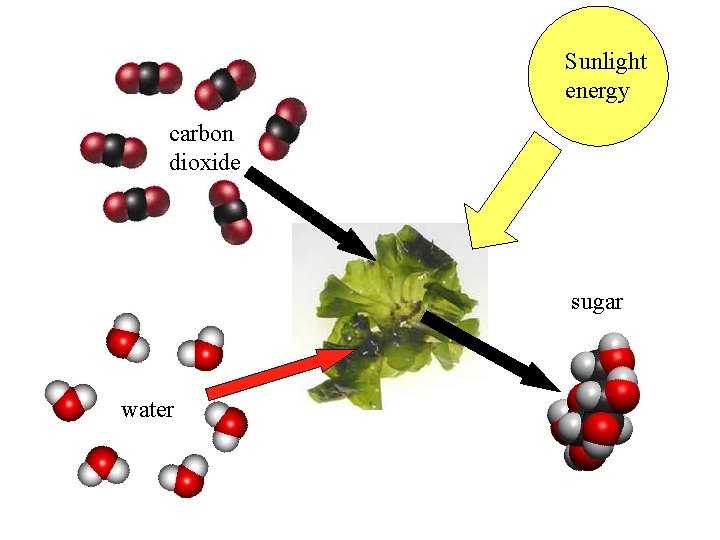
Sunlight energy carbon dioxide sugar water
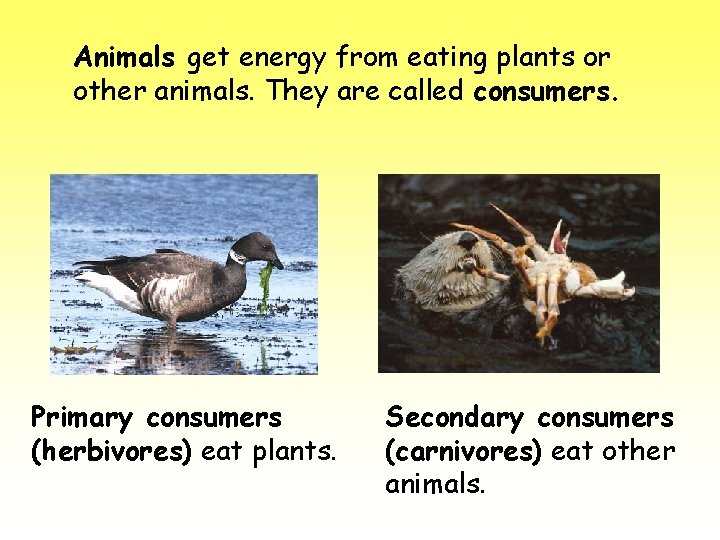
Animals get energy from eating plants or other animals. They are called consumers. Primary consumers (herbivores) eat plants. Secondary consumers (carnivores) eat other animals.
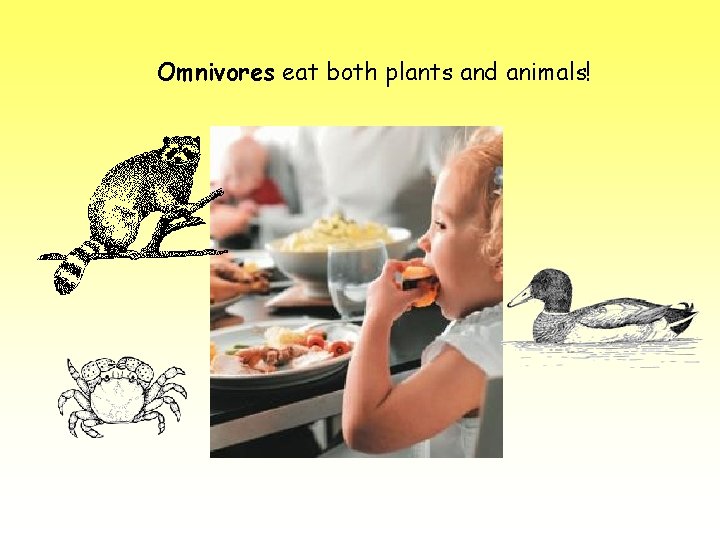
Omnivores eat both plants and animals!
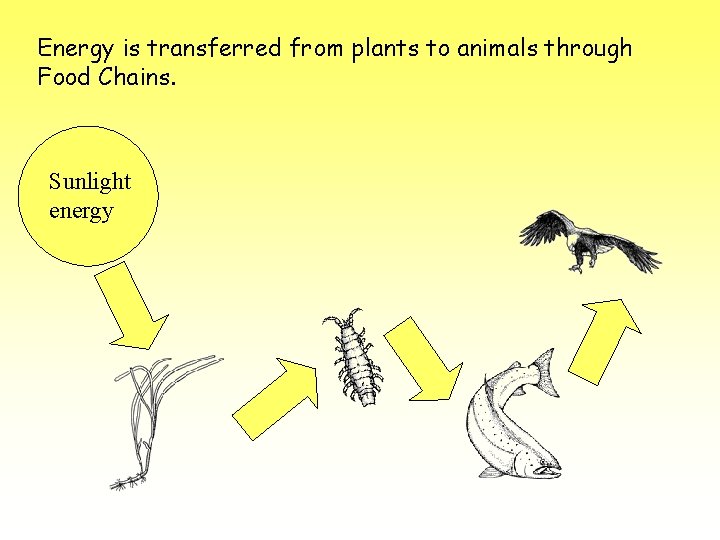
Energy is transferred from plants to animals through Food Chains. Sunlight energy
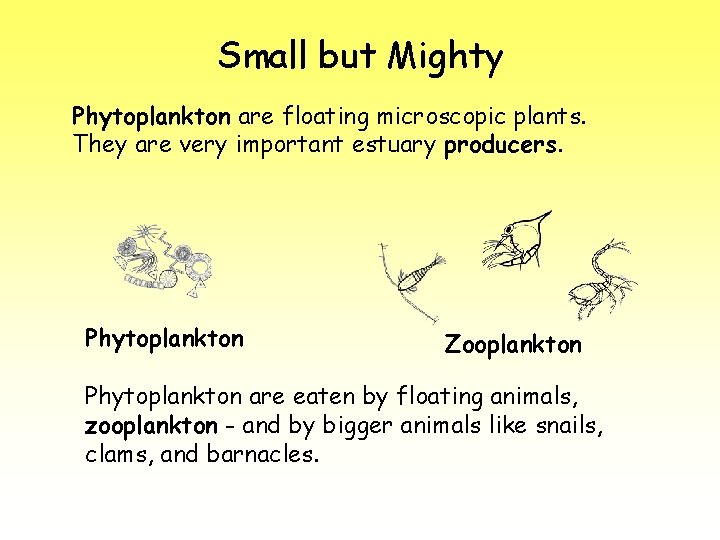
Small but Mighty Phytoplankton are floating microscopic plants. They are very important estuary producers. Phytoplankton Zooplankton Phytoplankton are eaten by floating animals, zooplankton - and by bigger animals like snails, clams, and barnacles.
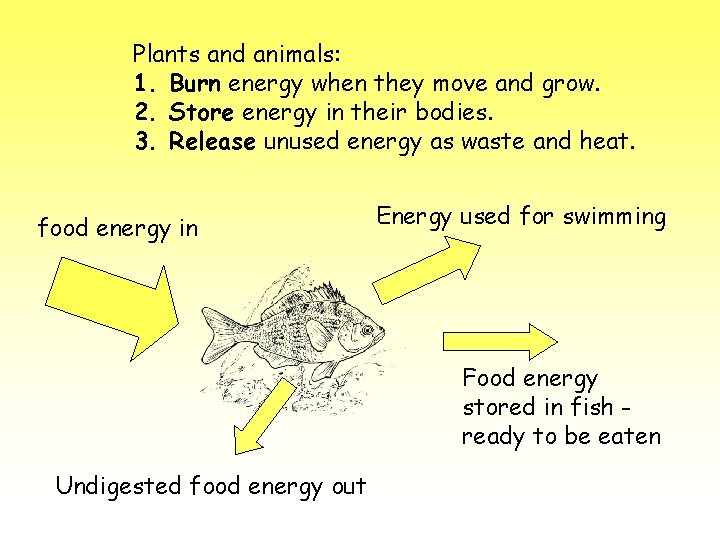
Plants and animals: 1. Burn energy when they move and grow. 2. Store energy in their bodies. 3. Release unused energy as waste and heat. food energy in Energy used for swimming Food energy stored in fish ready to be eaten Undigested food energy out
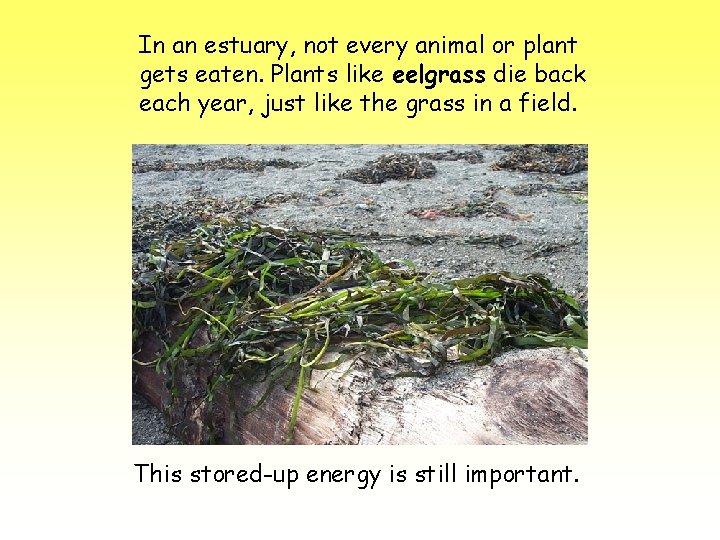
In an estuary, not every animal or plant gets eaten. Plants like eelgrass die back each year, just like the grass in a field. This stored-up energy is still important.
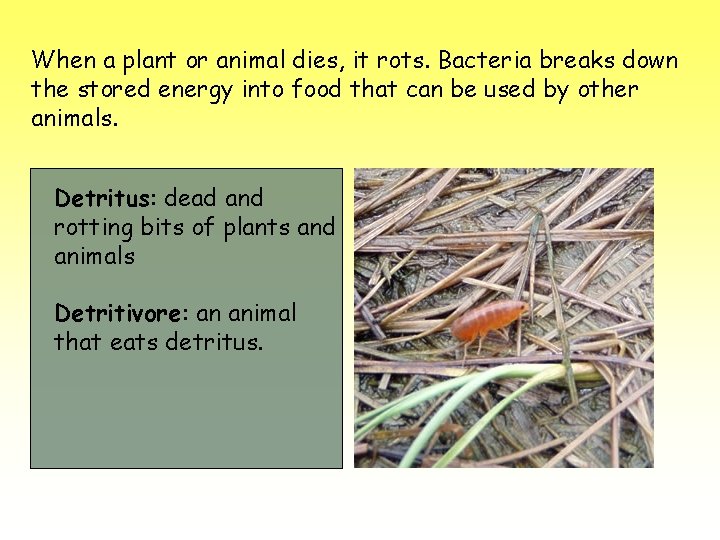
When a plant or animal dies, it rots. Bacteria breaks down the stored energy into food that can be used by other animals. Detritus: dead and rotting bits of plants and animals Detritivore: an animal that eats detritus.
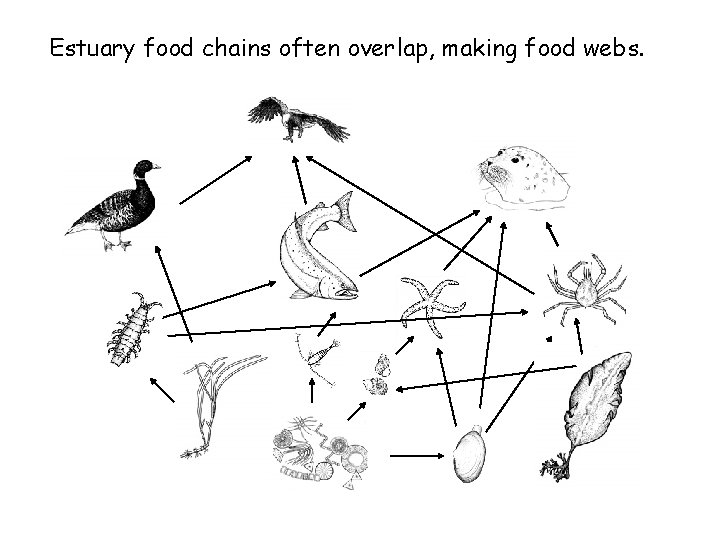
Estuary food chains often overlap, making food webs.

Because many animals eat more than one thing, tracing energy through the estuary can get messy. Relative Importance Of Food Web Linkages Primary (75 -100% of Total) Secondary (50 -74% of Total) Sanderlings, Long & Short-billed Dowitchers, Greater Yellowlegs Great Blue Heron Tertiary (25 -49% of Total) Incidental (0 -24% of Total) Whimbrel, Mallard, Northern Shoveler, Pintail, Western Sandpiper Penpoint Gunnel Pacific Staghorn Sculpin Padded Sculpin Chum Salmon (juv. ) Sharpnose Sculpin Crescent Gunnel Tidepool Sculpin Buffalo Sculpin Valviferan Isopods Saddleback Gunnel Shiner Perch Snake Prickleback Gastropod Molluscs English Sole (juv. ) Cumaceans Gammarid Amphipods Mysids Flabelliferan Isopods Harpacticoid Copepods Polychaete Annelids Brachyuran Crabs Benthic Meiofauna Macrophytic Algae Tunicates Gastropod Molluscs Tanaids Hippolytid, Crangonid, And Penaeid Shrimp Saltmarsh Plants & Eelgrass Phytoplankton Detritus From Simenstad et al. 1979 Starry Flounder (juv. ) Bivalve Molluscs Tubenose Poacher Silverspotted Sculpin Bay Pipefish Nemerteans Small Fish (inc. herring, perch) Snow Goose, Canada Goose, black Brant, American coot Microphytic Algae Anthozoans
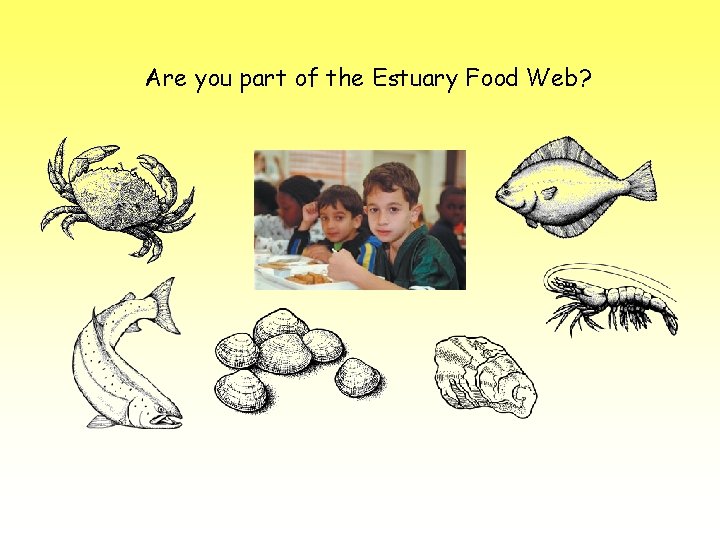
Are you part of the Estuary Food Web?

- Slides: 15