
Food Safety and Food Security Stomach Troubles Microbial
Food Safety and Food Security Stomach Troubles Microbial Growth

Contamination • Chemicals used in agricultural production and industrial wastes contaminate the environment and can find their way into the food supply. • How harmful these chemicals are depends on how long they remain in the environment and whether they are stored in the organisms that consume them or can be broken down and excreted by these organisms
Food Safety • Have you ever had food poisoning? • Whether you know it or not, you probably have. Oftentimes what we call the 24 -hour flu is actually food poisoning, also called food-borne illness. • Most food-borne illness is caused by consuming food that has been contaminated by: • • • microbes occasionally toxic chemicals or other contaminants that find their way into food.
Food Safety • Whether or not you get sick from eating a contaminated food depends on: • • how potent the contaminant is • how much of it you consume and • as well as on your age size, and health
Food Safety • Dietary factors and Nutritional status can affect absorption of contaminants • For example, mercury, which is extremely toxic, is not absorbed well if the diet is high in selenium • Lead absorption is decreased by the presence of iron and calcium in the diet. • Contaminants that are stored in the body after being absorbed are more likely to be toxic because they accumulate over time, eventually causing symptoms of toxicity
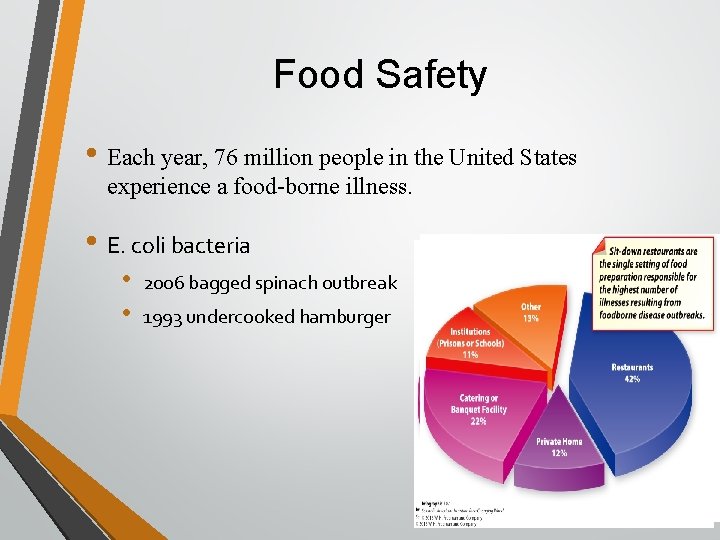
Food Safety • Each year, 76 million people in the United States experience a food-borne illness. • E. coli bacteria • • 2006 bagged spinach outbreak 1993 undercooked hamburger
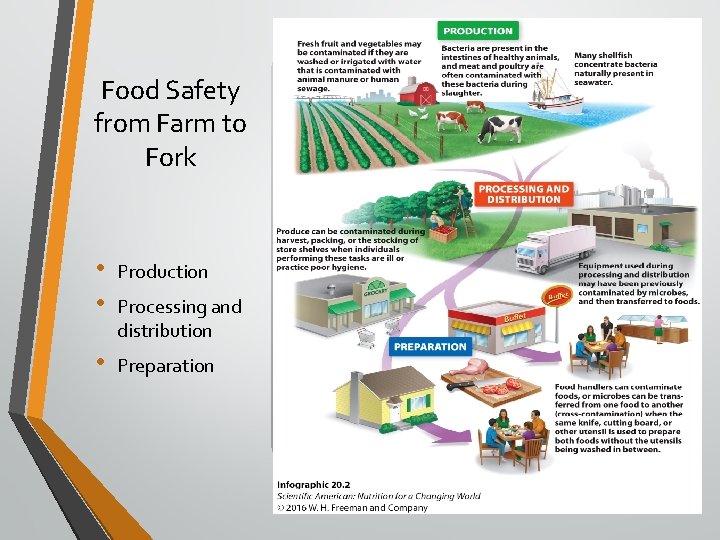
Food Safety from Farm to Fork • • Production • Preparation Processing and distribution

History of Food Safety in American • 1906: Food & Drug Act of 1906. The first law, aka Pure Food Law. • Meat Inspection Act of 1906 • By the U. S. Department of Agriculture (USDA) • Pure Food and Drug Safety Act of 1906 • U. S. Food and Drug Administration (FDA) • 1938: The Food, Drug & Cosmetic Act (FD&C). Safely/honestly packaged, the FDA had the right to remove unsafe product from the shelf. • 1954: The Miller Pesticide Act. Pesticides and their use/residues became tightly regulated. • 1958: The Food, Drug & Cosmetic Act was amended, food companies prove the safety of food additives.
1960: The 1960 Color Additives Amendment to the FD&C Act. The Delaney Clause & GRAS List. Any substance known to cause cancer in man or animal at any level is not safe. 1966: The Fair Package and Labeling Act. 1968: Animal Drug Amendments to the FD&C Act. 1976: Vitamins and Minerals Amendments. 1990: The Nutrition Education & Labeling Act. 1994: The Dietary Supplement, Health & Education Act (DSHEA), The Supplements Facts Panel. 2004: Food Allergy Labeling and Consumer Protection Act of 2004.

Pathogens in Food • • • Most cases of food-borne illness in the United States are caused by food that has been contaminated with pathogens. The pathogens that most commonly affect the food supply include • bacteria, • viruses, • molds, and • parasites. A typical case of food-borne illness causes: A short bout of flu like symptoms including: Abdominal pain Nausea Diarrhea, and Vomiting. However, more severe symptoms, such as kidney failure, arthritis, paralysis, miscarriage, and even death, sometimes occur.
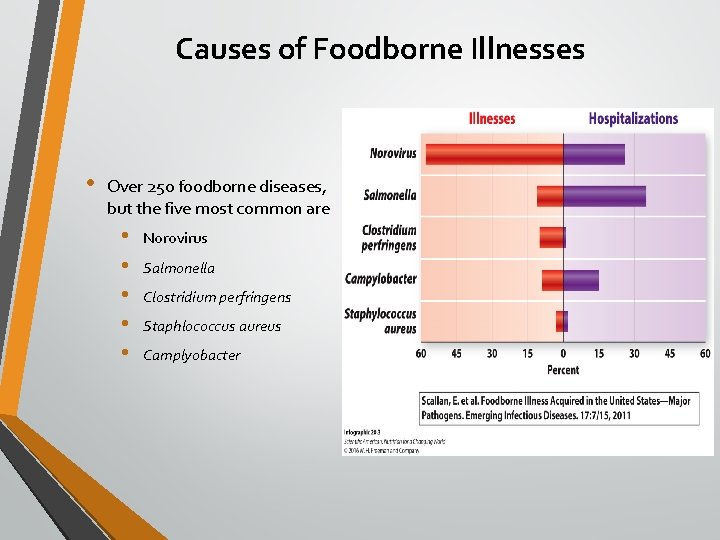
Causes of Foodborne Illnesses • Over 250 foodborne diseases, but the five most common are • • • Norovirus Salmonella Clostridium perfringens Staphlococcus aureus Camplyobacter

Types of Food Related Illnesses • 1. Food-Borne Infection • 2. Food-Borne Intoxication

Food-Borne Infection • Any food-borne illness caused by pathogens that multiply in the human body is called a food-borne infection. • Contracting a food-borne infection usually involves • consumption of pathogens that infect the body or produce toxins within the body Even a food that is contaminated with pathogens can be safe if it is prepared in a manner that destroys any pathogens that are present
Food-Borne Intoxication • Any food-borne illness caused by consuming a food that contains toxins produced by pathogens is referred to as food-borne intoxication. • Even food that contains only a few pathogens can cause food-borne intoxication if the pathogens have produced enough toxin. • Cooking can kill the pathogen but can not remove the toxin produced by the pathogens.
Disease-Causing Microorganisms • 1. Bactria: • Multiply in food when conditions are favorable • Temperature, p. H, salt concentrations, moisture content, oxygen • 2. Fungi & Molds: Includes yeast, molds, mushrooms, and other species • 3. Viruses : Only multiply inside the living cells of a host • 4. Prion: Proteinaceous infectious particle • 5. Parasites: Cannot multiply in food but survive in the environment similar to plants but lacking chlorophyll
Bacterial Food-Borne Infection • It is estimated that about 2 million to 4 million people become infected with the bacterium Salmonella each year in the United States. • • Contaminated: meat dairy products seafood fresh produce, and cereal have caused outbreaks, but: poultry and eggs are the foods most commonly contaminated with the bacterium. Because Salmonella is killed by heat, foods that are likely to be contaminated should be cooked thoroughly •
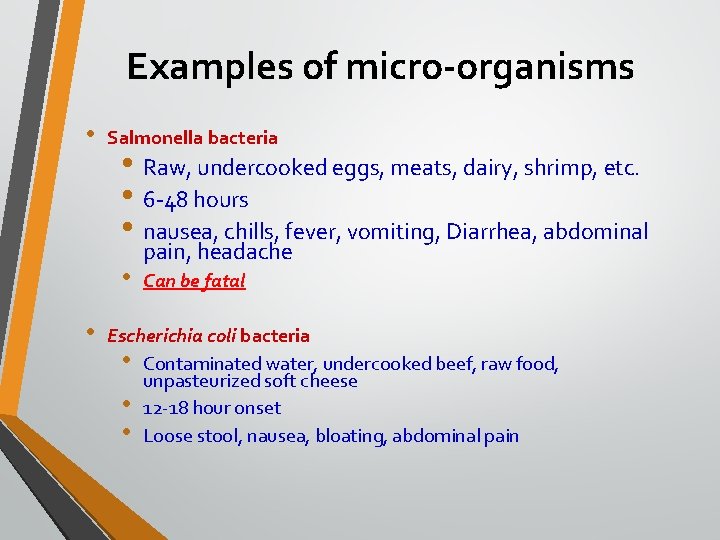
Examples of micro-organisms • Salmonella bacteria • Raw, undercooked eggs, meats, dairy, shrimp, etc. • 6 -48 hours • nausea, chills, fever, vomiting, Diarrhea, abdominal • • pain, headache Can be fatal Escherichia coli bacteria • Contaminated water, undercooked beef, raw food, unpasteurized soft cheese • 12 -18 hour onset • Loose stool, nausea, bloating, abdominal pain
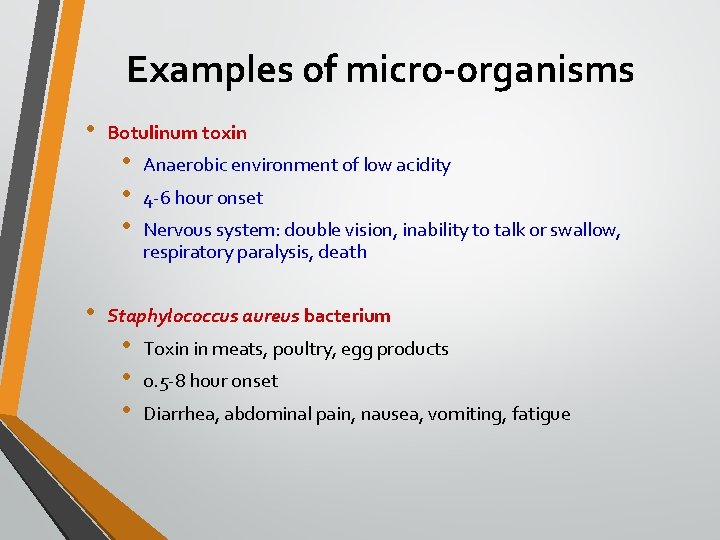
Examples of micro-organisms • • Botulinum toxin • • • Anaerobic environment of low acidity 4 -6 hour onset Nervous system: double vision, inability to talk or swallow, respiratory paralysis, death Staphylococcus aureus bacterium • • • Toxin in meats, poultry, egg products 0. 5 -8 hour onset Diarrhea, abdominal pain, nausea, vomiting, fatigue
Fungi • Includes yeast, molds, mushrooms, and other species similar to plants but lacking chlorophyll. • Mycotoxins are produced from fungal infection of plant crops and pose a biohazard risk. • Asperigillus flavus which produces aflatoxin can grow on fruits, vegetables, grains, nuts and seeds, especially those produced and/or stored in warm and humid climates.
Moldy Foods • • • Many types of mold grow on foods such as: • Cooking and freezing stop mold growth but do not destroy toxins that have already been produced. • If a food is moldy, it should be discarded, the area where it was stored should be cleaned, and neighboring foods should be checked to see if they have also become contaminated. bread cheese, and fruit. Under certain conditions, these molds produce toxins. More than 250 different mold toxins have been identified.
Viruses • Originate as a virion, the complete, infective form of a virus outside a host cell, with a core of RNA or DNA and a capsid. . • Incorporate into host DNA. • • • DNA viruses directly integrate. RNA viruses are reverse transcribed to DNA and then integrate. Use the hosts metabolism to replicate, make capsids, and infect more cells.
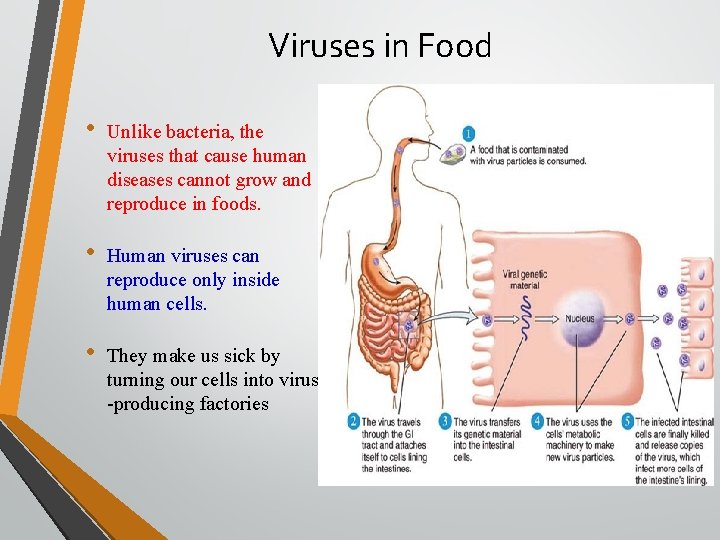
Viruses in Food • Unlike bacteria, the viruses that cause human diseases cannot grow and reproduce in foods. • Human viruses can reproduce only inside human cells. • They make us sick by turning our cells into virus -producing factories
Example of viral contamination • Hepatitis A virus • From foods handled by non-sanitary hepatitis A carrier (virus replicates in the liver and is released into bile) • • • From contaminated shellfish 15 -50 days onset Liver inflammation, nausea, vomiting, jaundice
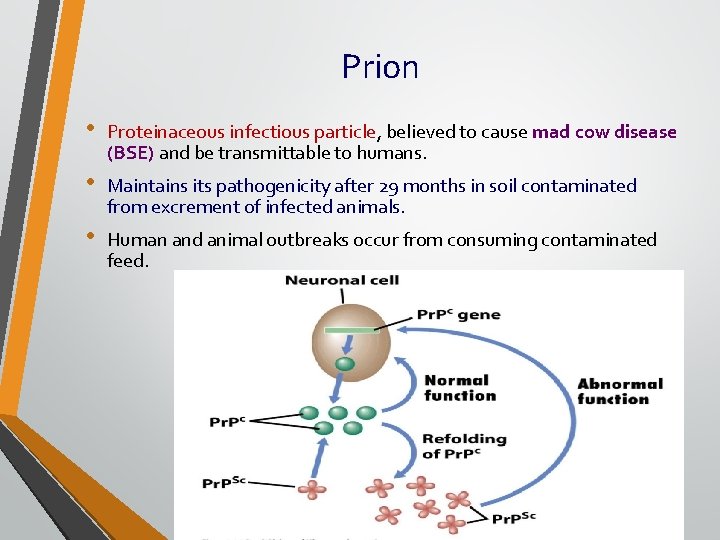
Prion • Proteinaceous infectious particle, believed to cause mad cow disease (BSE) and be transmittable to humans. • Maintains its pathogenicity after 29 months in soil contaminated from excrement of infected animals. • Human and animal outbreaks occur from consuming contaminated feed.
Parasites in Food • Some parasites are microscopic single-celled animals, while others are worms large enough to be seen with the naked eye. • Parasites that can be transmitted through consumption of contaminated food and water cause food-borne illness. • Giardia lamblia is a single-celled parasite that is often contracted by hikers who drink untreated water from streams contaminated with animal feces.
Common Sources of Foodborne Pathogens • • • Raw or undercooked meat or poultry Raw fish, partially cooked seafood, and refrigerated smoked seafood Raw shellfish and their juices Unpasteurized (raw) milk and products made with raw milk Soft cheeses made from unpasteurized milk Raw or undercooked eggs or foods containing raw or undercooked eggs Unwashed fresh vegetables, including lettuce/salads Unpasteurized fruit or vegetable juices Hot dogs, luncheon meats, other deli-style meat Salads such as ham salad, chicken salad, or seafood salad Unpasteurized, refrigerated pâtés or meat spreads Raw sprouts
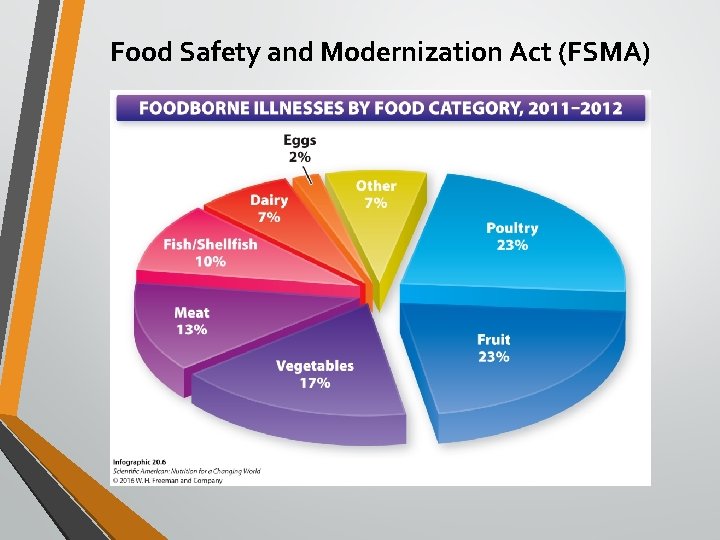
Food Safety and Modernization Act (FSMA)
Food Safety and Modernization Act (FSMA) • Signed into law in 2011 • Applied HACCP (Hazard Analysis and Critical Control Points) throughout the food supply • Gave FDA more authority: • • • Allowed to establish regulations for fruit and vegetable production Can recall contaminated foods Ensures food defense
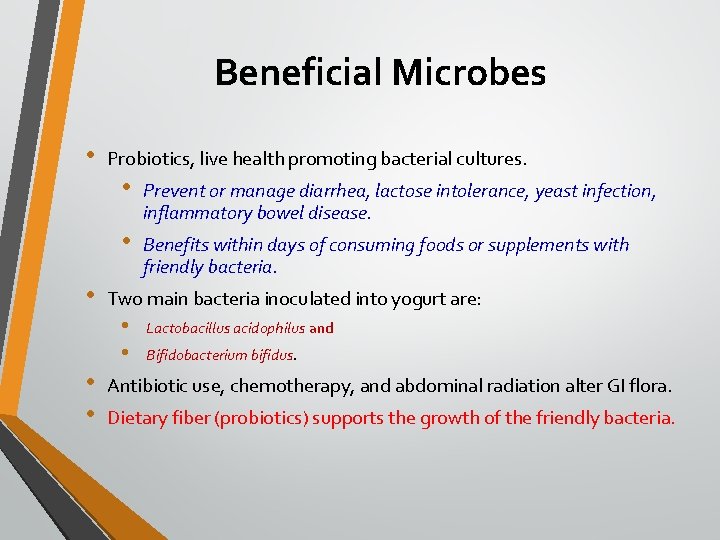
Beneficial Microbes • • Probiotics, live health promoting bacterial cultures. • Prevent or manage diarrhea, lactose intolerance, yeast infection, inflammatory bowel disease. • Benefits within days of consuming foods or supplements with friendly bacteria. Two main bacteria inoculated into yogurt are: • • Lactobacillus acidophilus and Bifidobacterium bifidus. Antibiotic use, chemotherapy, and abdominal radiation alter GI flora. Dietary fiber (probiotics) supports the growth of the friendly bacteria.
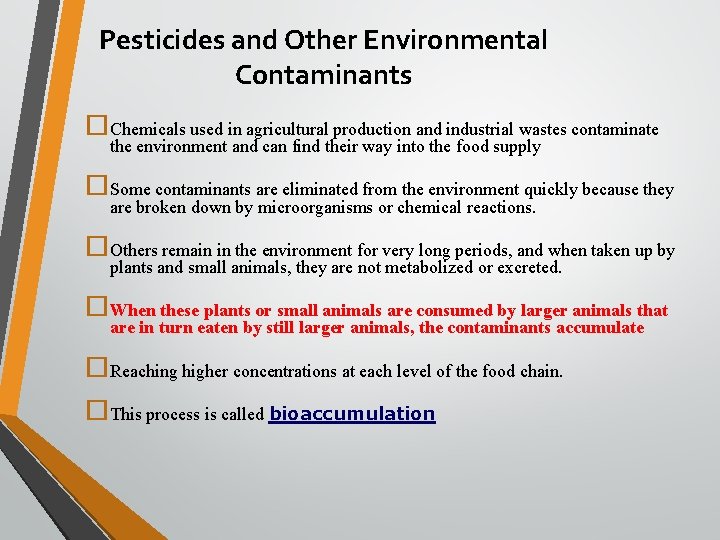
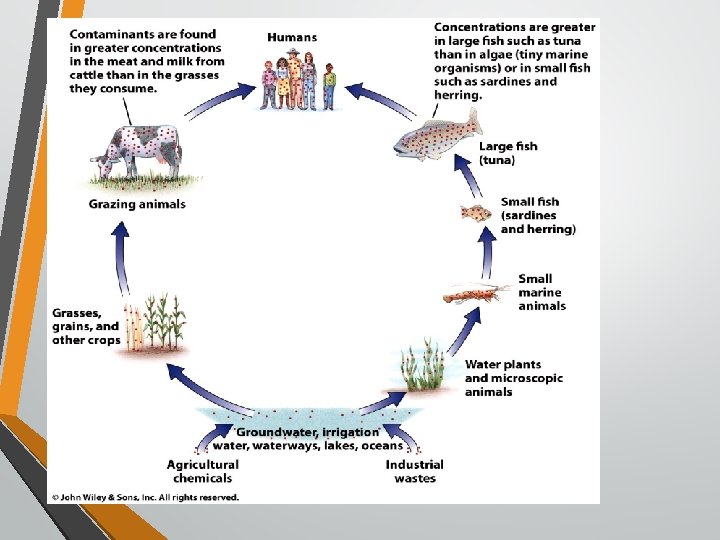
Pesticides and Other Environmental Contaminants Chemicals used in agricultural production and industrial wastes contaminate the environment and can find their way into the food supply Some contaminants are eliminated from the environment quickly because they are broken down by microorganisms or chemical reactions. Others remain in the environment for very long periods, and when taken up by plants and small animals, they are not metabolized or excreted. When these plants or small animals are consumed by larger animals that are in turn eaten by still larger animals, the contaminants accumulate Reaching higher concentrations at each level of the food chain. This process is called bioaccumulation
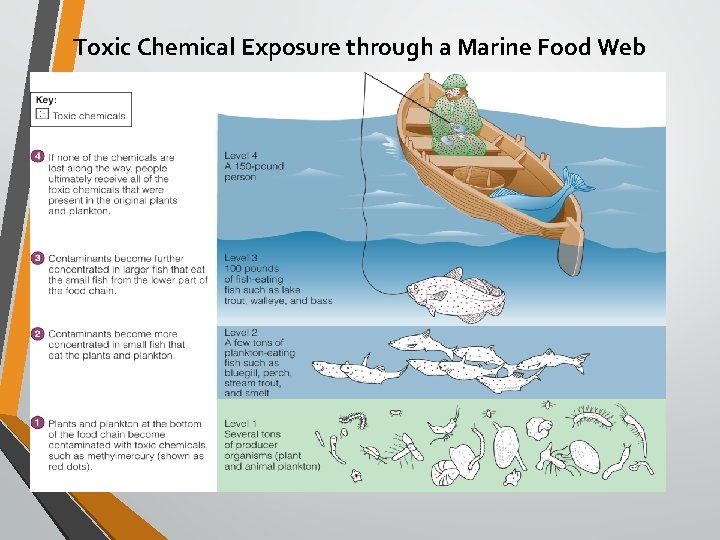
Toxic Chemical Exposure through a Marine Food Web
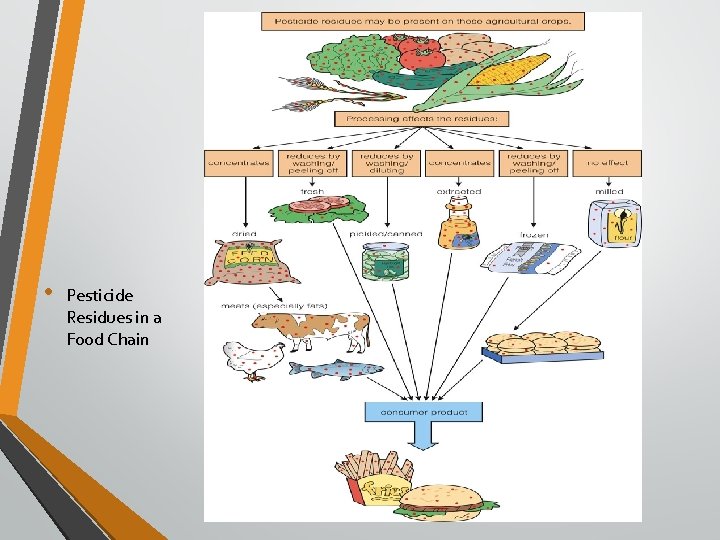
• Pesticide Residues in a Food Chain
Food Additives
Food Additives • Substances generally recognized as safe (GRAS) • • Food Additives Amendment of 1958 GRAS list: a list of ingredients, established by the FDA, that had long been in use and were believed safe • Subject to revision as new facts become known
Food Additives: Types • • • Intentional • • • For restoration, enrichment, or fortification of the product For preservation and safety of the product For enhanced appearance, flavor, or texture of the product Incidental • A substance that comes in contact with food during growth or processing (pesticides) Indirect • Something present in the food package which may then be present in the food
Purposes of Intentional Food Additives • Nutritional enrichment of the product • Preservation and safety of the product • Enhanced appearance, flavor, or texture of the product
Categories of Intentional Food Additives • • Antimicrobial agents: Salt, sugar, nitrates, nitrites • • • Bleaching: Peroxides Antioxidants: BHA, BHT, vitamin E, vitamin C Nutrients: Vitamins and minerals Artificial colors/flavors (flavor enhancers): Dyes, MSG, sweeteners Chelating: Citric acid, malic acid, tartaric acid Stabilizers: Starch, pectin, dextrin
Eat Well Be Well Eat Fresh Eat Local • Why choose a farmers’ market? 1. They help develop a food culture—seasonal variety of locallygrown foods 2. 3. 4. 5. Foods are less processed, and less packaging is used Foods are usually fresher Farmers’ markets encourage healthier food choices Farmers’ markets boost local economies—middleman is eliminated
Food Issues Consumer Awareness
Safe Handling of Food Consumer Awareness • Understand microbial growth. • Know the most common types of bacteria that cause foodborne illness (Salmonella, Clostridium, & Staphylococcus). • Know food poisoning health complications: • Severe GI distress (cramps, diarrhea, nausea & vomiting). • Acid/base imbalance, fluid & electrolyte loss. • Cook & store foods properly. Recognize troublesome foods and eating situations like picnics or buffets.
Safe Handling of Food Consumer Awareness • • • Buying food: reputable grocers, avoid dented cans, crushed boxes, etc. Storing food: refrigerate/freeze perishable items quickly. Process raw meat within 2 days & store in coldest part of refrigerator. Preparing food: wash hands, defrost meat properly, marinade foods in refrigerator, avoid cross contamination in grocery bags, on counters, on cutting boards, with hands. Wash tops of cans prior to opening, rinse fresh fruits & vegetables in water.
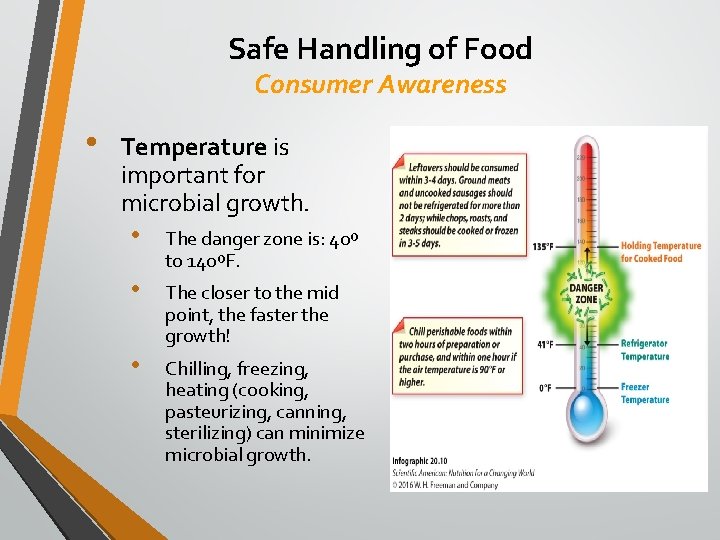
Safe Handling of Food Consumer Awareness • Temperature is important for microbial growth. • The danger zone is: 40º to 140ºF. • The closer to the mid point, the faster the growth! • Chilling, freezing, heating (cooking, pasteurizing, canning, sterilizing) can minimize microbial growth.
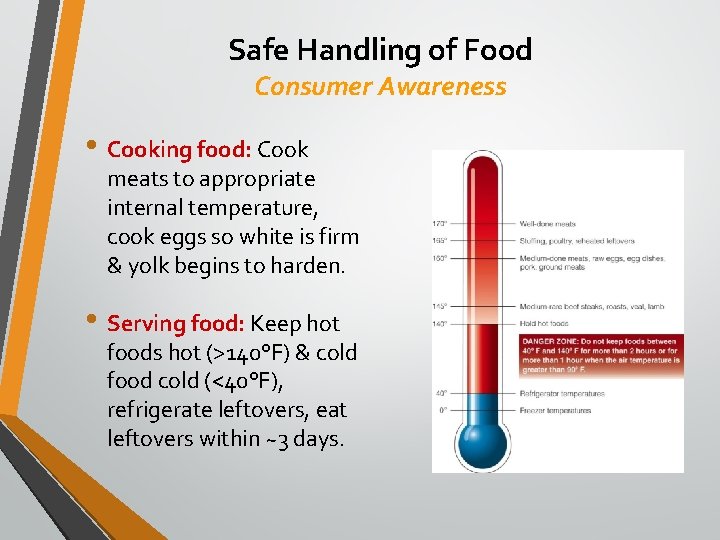
Safe Handling of Food Consumer Awareness • Cooking food: Cook meats to appropriate internal temperature, cook eggs so white is firm & yolk begins to harden. • Serving food: Keep hot foods hot (>140°F) & cold food cold (<40°F), refrigerate leftovers, eat leftovers within ~3 days.
Safe Handling of Food Consumer Awareness • • • Water is important for microbial growth. • Dehydration is a method of controlling microbial growth. Protein is important for microbial growth. • Protein-rich foods are common carriers of pathogenic bacteria. The p. H of a food affects microbial growth. • Acidic and alkaline foods do not support bacterial growth.
Chemical Processing Killing or Minimizing Microorganisms Manufacturing methods to extend shelf life • Examples of chemicals that minimize microbial growth • Sugar and salt, • Sodium benzoate in margarine, • Calcium propionate in bread, and • Sorbic acid in cheese wrappers.
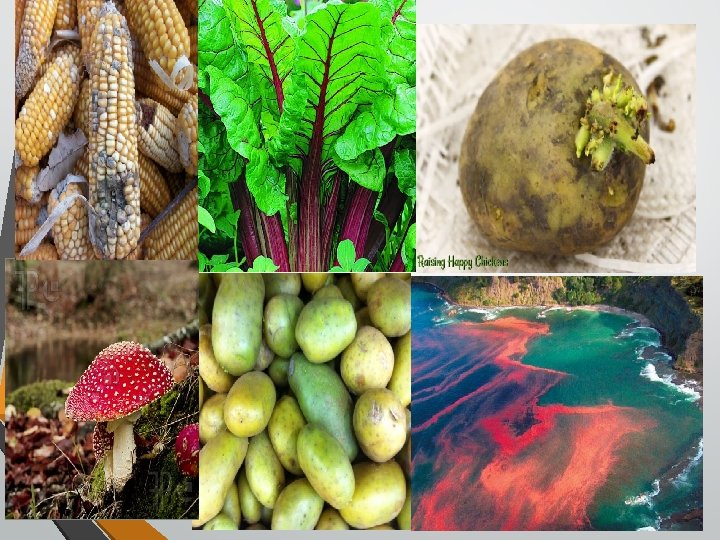
Food Safety Concerns: Natural Toxicants • • Mold & fungi produce mycotoxins and aflatoxins Poisonous mushrooms Oxalic acid in Rhubarb leaves Solanine in the green part of potatoes Goitrogens in cabbage family vegetables Cyanogens in raw lima beans & apricot pits Red tide toxin in blooming sea algae Other toxins in certain herbs such as belladonna, hemlock, & sassafras
Food Safety Concerns: Incidental Additives • Pesticides, hormones, etc. • Ways to reduce pesticide intake include: • • • trim fat vary meats wash fresh produce (scrub and rinse) discard outer leafy vegetables peel waxed fruit and vegetables
Antibiotics & Hormones • Commonly used when raising animals in conventional food production. • Used to reduce animal sickness while accelerating growth to meet food production demands. • Possible health consequences: • Antibiotic resistance and multiple drug resistance in animals and humans from antibiotics. • Endocrine disruption potentially leading to fertility problems and cancer from hormones.

Technologies
Safe Handling of Food Killing or Minimizing Microorganisms • Food irradiation also called cold pasteurization, is used in more than 40 countries to treat everything from frog legs to rice. • • Irradiation exposes food to high doses of : • in order to kill microbes and insects and inactivate enzymes that cause germination and ripening of fruits and vegetables Irradiation: Controls insects & microbes • FDA approved • Irradiated foods are labeled • X-rays, gamma radiation, or high-energy electrons
Safe Handling of Food Killing or Minimizing Microorganisms • Modified Atmosphere Packaging: minimizes the amount of oxygen in the environment. • Oxygen is usually replaced with carbon dioxide & nitrogen • Controls oxidative enzymes
GMO Concerns • Biotechnology and genetic engineering • Flavr Savr tomato: slow-ripening tomato created • through genetic engineering • Trans genetics: process of transferring genes from one species to another unrelated species Why are plants GM? • For insect & viral resistance, • herbicide tolerance, • delayed ripening, • plant sterility, and • modified oils.
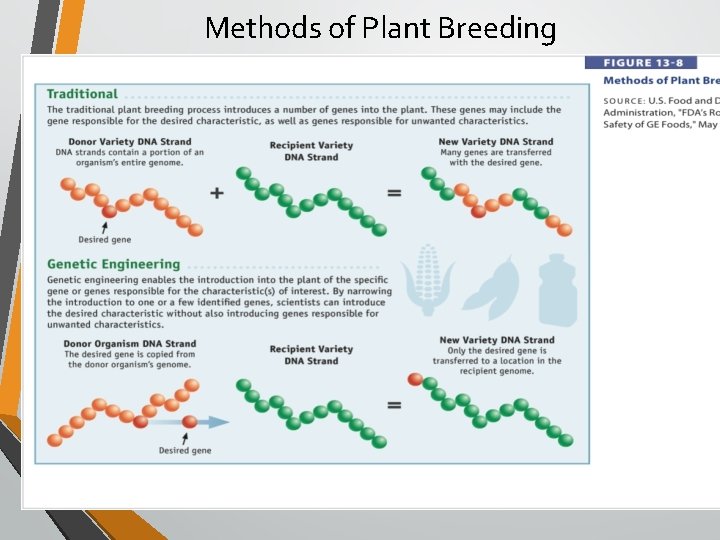
Methods of Plant Breeding
GMO Concerns • Potential risks of genetically engineered foods and crops • Inadequate controls • Transfer of allergens • Unpredictability • Undesired gene movement • Environmental hazards • Altered nutritional profile.
Conventional vs. Organic Food Production
Conventional vs. Organic Food Production • Conventional plant practices • commonly use pesticides, nitrogen fertilizers, sewage sludge, genetically modified organisms (GMO), and irradiation. • Conventional animal practices • commonly use hormones, antibiotics, conventionally produced feed, tallow (animal fat), manure can be applied to the land, grazing (70%) and confinement (30%).
• Organic food: • farmers use renewable resources and conserve soil and water to enhance environmental quality for the future. Nitrogen in soil is maintained by composting and the action of decomposers. Animals are less confined. • USDA Certified Organic Foods: • Government inspects and certifies farms as organic. All conventional aspects prohibited, including GMO.
Sustainability • Implies safety and security of the food supply • 2014 report by the nonprofit Center for Food Safety recommends • Eating fresh, unprocessed foods • Buying local, in-season produce • Choosing organic foods • Eliminating industrial meat and dairy consumption • Reducing food waste
Food Insecurity • The inability to acquire or consume an adequate quality or sufficient quantity of food in socially acceptable ways • Poverty and food insecurity are interdependent • U. S. government assistance programs • Nutrition Assistance Program (SNAP) • National School Lunch Program • Special Supplemental Nutrition Program for Women, Infants, and Children (WIC) • Child and Adult Care Food Program • School Breakfast Program • Elderly Nutrition Program
• Prolonged inability to acquire enough food to meet dietary energy requirements • Chronic hunger • Concern in children • Increased susceptibility to infections • Fatal consequences of illness • Impaired growth and development • -----------------------
- Slides: 63