
Food Choices Project Team Anita Fletcher Sharon Newbury
Food Choices Project Team: Anita Fletcher, Sharon Newbury, Amy Worboys, Chris Holder
Diet and Disease Risk “A healthy diet teamed with regular exercise and not smoking can eliminate 80 per cent of heart disease, 90 percent of type 2 diabetes, 70 percent of stroke and at least 30 - 40 per cent of cancer cases” Professor Walter Willett, M. D. , Chair, Department of Nutrition, Harvard School of Public Health
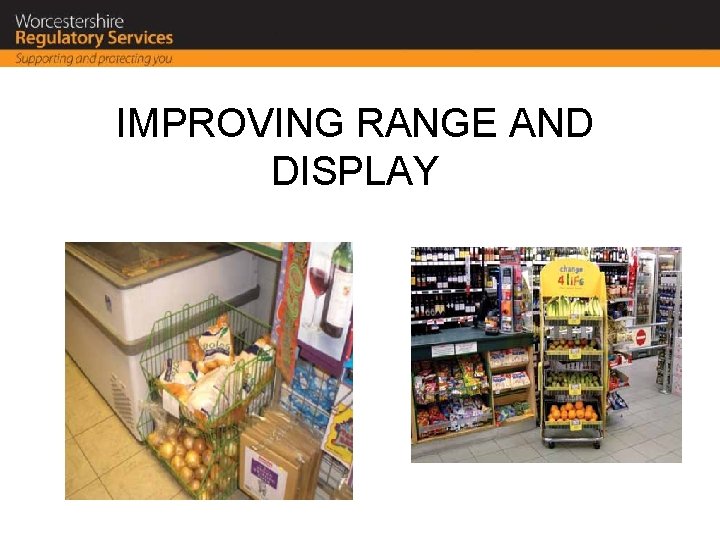
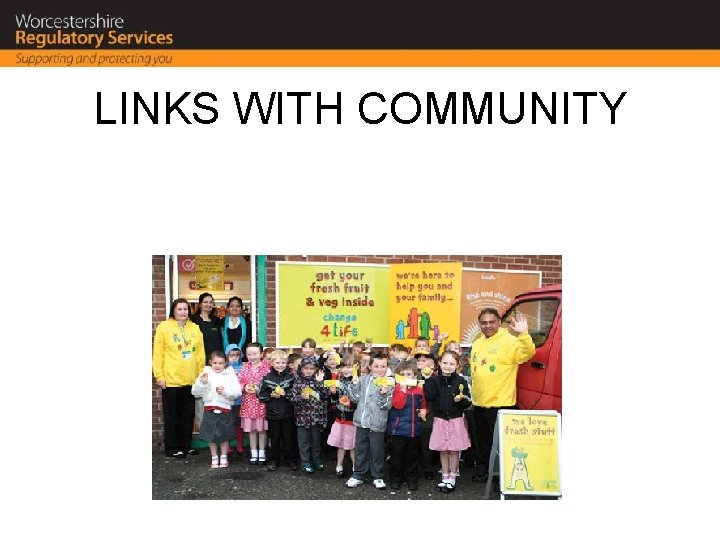
Convenience Stores Prompting the purchase of fresh fruit and vegetables in low income areas
Rational and Target Group • The 5 a day programme from 2004 is associated with a significant awareness of the 5 a day message but a smaller increase in actual consumption of fruit and vegetables. • Average consumption of fruit and vegetables is an estimated 3. 5 portions/day equating to around 2. 3 kg week. • Only 30% of the population achieve 5 or more portions /day • 20% people eat less than 1 portion/day and these consumers are more prevalent in areas of deprivation.
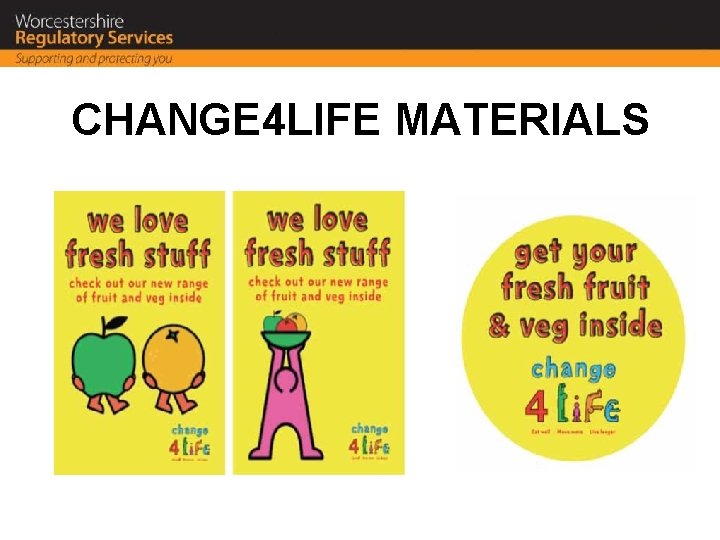
Aims • To increase sales of fruit and vegetables in low income areas by focusing on improving range, merchandising, quality and communication in store, • Increase awareness of fruit and vegetables to the consumer through good sign posting within retail stores • Use the Change 4 Life brand • Introducing recipe cards and Hate Waste materials • Promote the initiative by linking with other programmes in the local community and school setting, • Use training materials for participating retailers in accordance with their needs.
IMPROVING RANGE AND DISPLAY

Chilled and Ambient Displays
CHANGE 4 LIFE MATERIALS
LINKS WITH COMMUNITY

Truckers Tucker Project
Rational and Target Groups "Obesity is linked to social class, being more common among those in the routine or semi-routine occupational groups than the managerial and professional groups. The link is stronger among women. In 2001, 30 per cent of women in routine occupations were classified as obese compared with 16 per cent in higher managerial and professional occupations. ” Source: Office National Statistics
Aims • To influence food choices towards healthier options at caterers operating mobile services in • lay-bys, • truck stops • located on or delivering to industrial estates, • • • Reach the target groups of routine and manual workers, Improve the nutritional content of menus, Where appropriate, reduce portion size Make available healthier options such as fresh fruit Making less visible unhealthy options such as chocolate, by moving it from the till point • Without impacting on the business’s bottom line
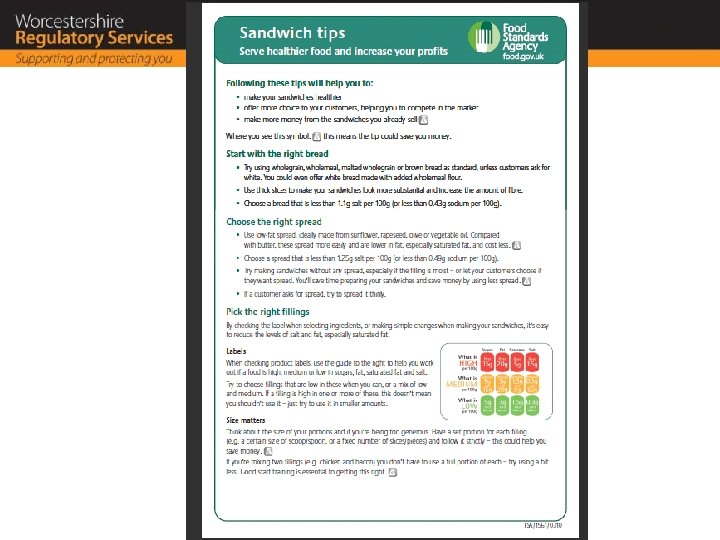
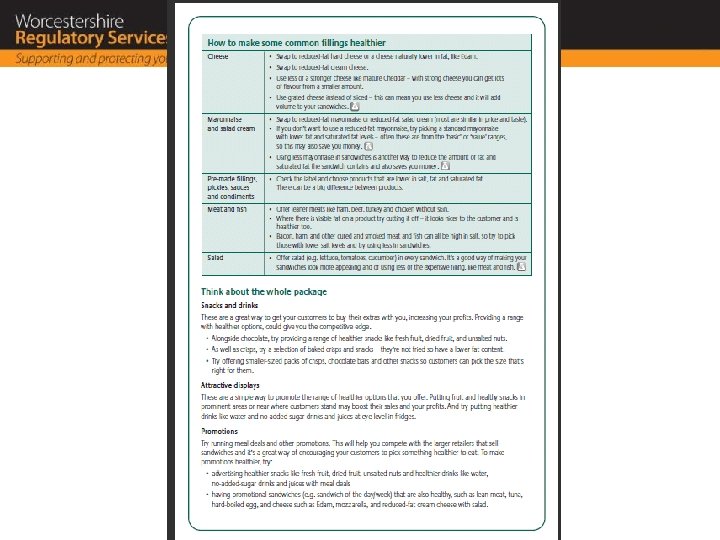
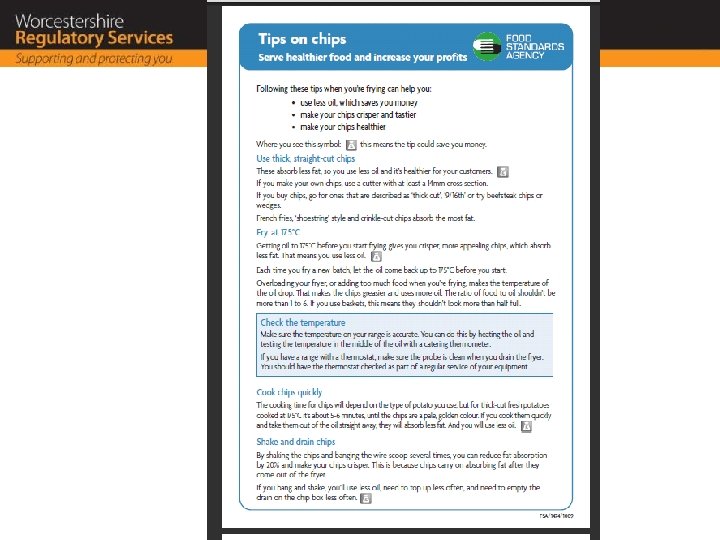
MAKING SMALL CHANGES • No longer adding butter to sandwiches with moist fillings • Switching from normal to reduced fat mayonnaise and halving the amount used in fillings • Introducing a new mayo-free tuna filling • Making chocolate less visible by moving it from the till point to the chilled cabinet • Increasing the volume and quality of fruit on display • Use thick, straight-cut chips • Fry at 175°C as less fat will be absorbed • Cook chips quickly so that they absorb less oil • Shake and drain chips as 20% less fat will be absorbed • Looking after the oil – filter it to keep it clean • Use a healthier oil – those lower in saturated fat • No longer adding salt to any foods sold • Standardising portion sizes of fillings and significantly reducing quantity used
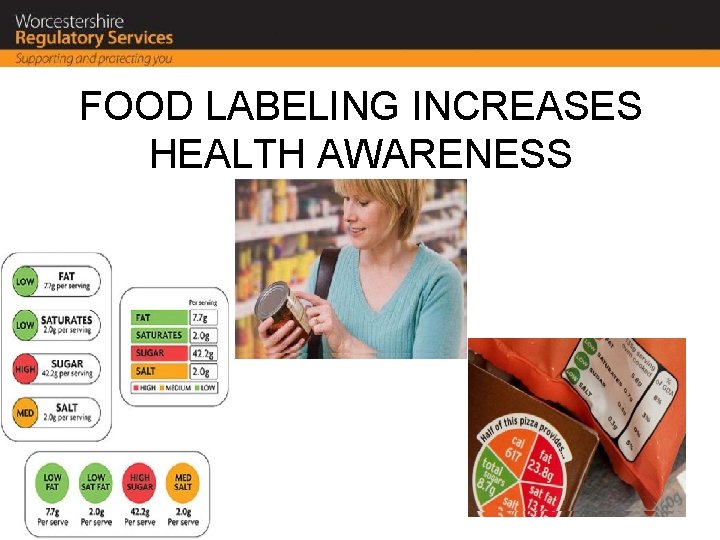
FOOD LABELING INCREASES HEALTH AWARENESS
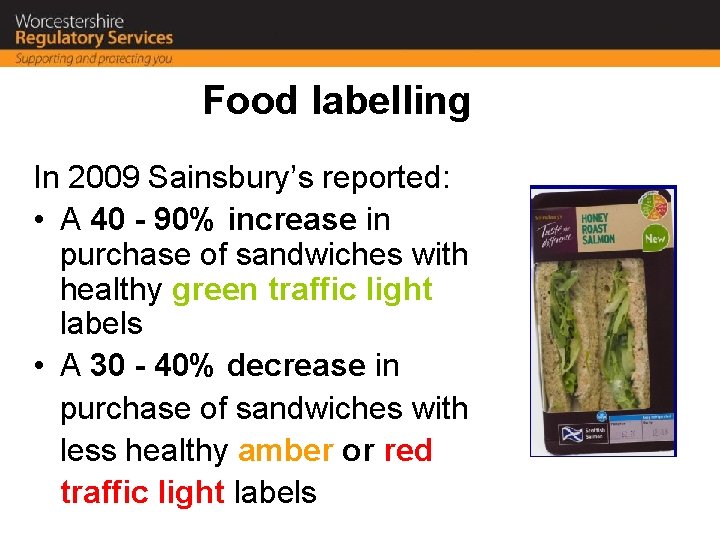
Food labelling In 2009 Sainsbury’s reported: • A 40 - 90% increase in purchase of sandwiches with healthy green traffic light labels • A 30 - 40% decrease in purchase of sandwiches with less healthy amber or red traffic light labels
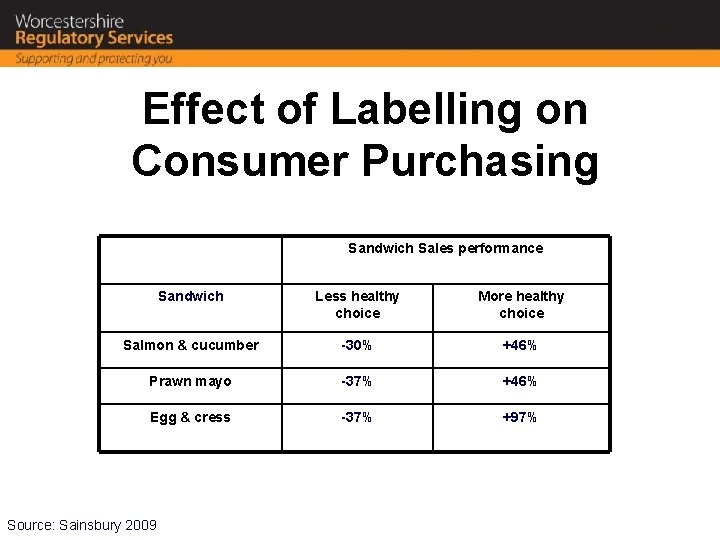
Effect of Labelling on Consumer Purchasing Sandwich Sales performance Sandwich Less healthy choice More healthy choice Salmon & cucumber -30% +46% Prawn mayo -37% +46% Egg & cress -37% +97% Source: Sainsbury 2009

QUESTIONS?
- Slides: 21