
Fluvial Processes and Esturine Environments Formation of Salt
- Slides: 27
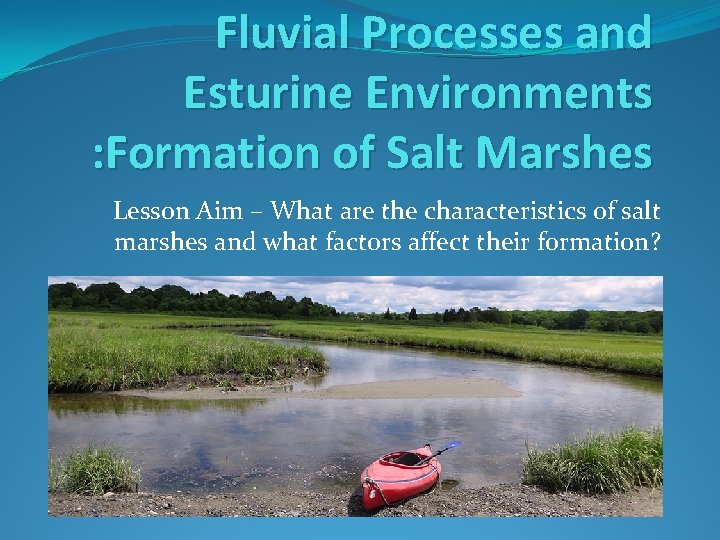
Fluvial Processes and Esturine Environments : Formation of Salt Marshes Lesson Aim – What are the characteristics of salt marshes and what factors affect their formation?
A question of scale �‘Salt marsh’ is quite a generic term that covers any salty estuarine structure that has become largely colonised by plants.
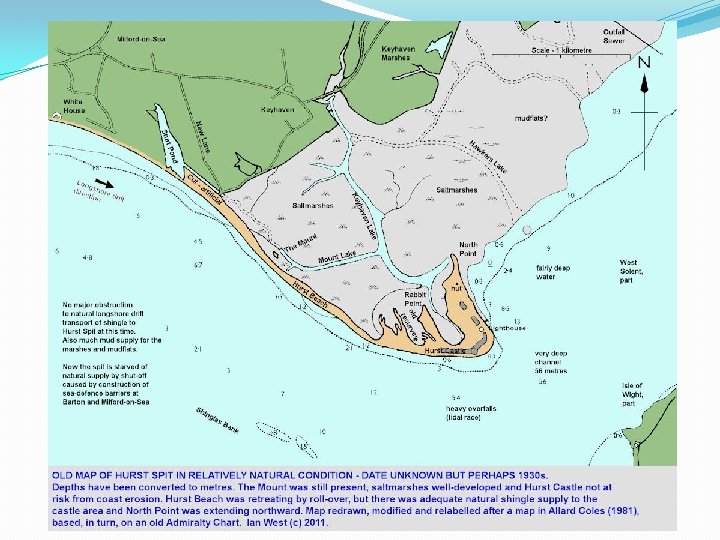
Background �Both estuaries and deltas are locations where rivers extend into the coastal zone. They result from the interaction between marine and fluvial (river) processes ie the mix of salt and fresh water. The degree of mixing in an estuary influences ecosystem development �Sediment comes from three different sources: �Fluvial (River)/glacial based sources �Estuary margin sources – spit formation and tributaries feeding into salt marshes (Hurst Castle) �Sources from outside the estuary itself ie Longshore drift / cliff erosion down drift of the estuary itself
�In the low energy environment of an estuary, the dominant process is deposition, so the estuary can be regarded as a sediment sink for sand mud. �Mud flats, inter-tidal creeks (channels and rills) are landforms exposed at low tide. These depositional features do show some degree of sorting with the coarsest material settling in the higher low energy areas: �In terms of energy input, the outer (seaward)part of the estuary receives much more tidal energy whilst the inner part (landward side) receives much more energy from river currents. �The result is that finer sediments (mud) are transported through these two areas into the less energetic central zone where they are deposited. The coarser sands tend to be deposited in the inner and outer parts of the estuary and the finer in the central zone.
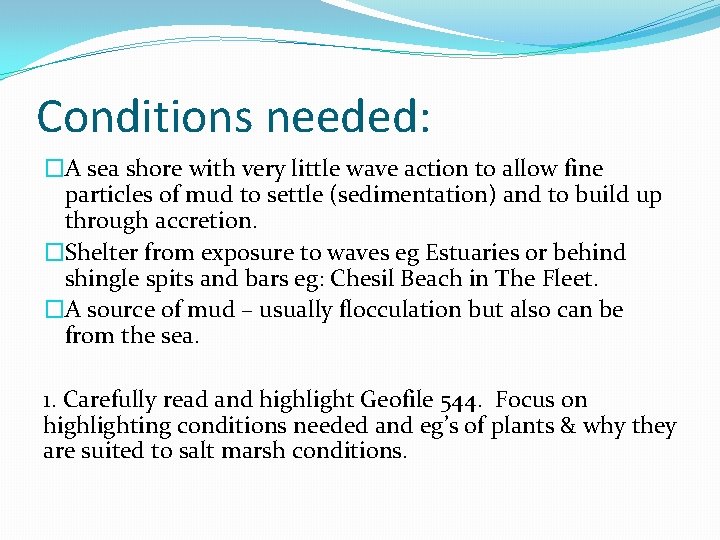
Conditions needed: �A sea shore with very little wave action to allow fine particles of mud to settle (sedimentation) and to build up through accretion. �Shelter from exposure to waves eg Estuaries or behind shingle spits and bars eg: Chesil Beach in The Fleet. �A source of mud – usually flocculation but also can be from the sea. 1. Carefully read and highlight Geofile 544. Focus on highlighting conditions needed and eg’s of plants & why they are suited to salt marsh conditions.
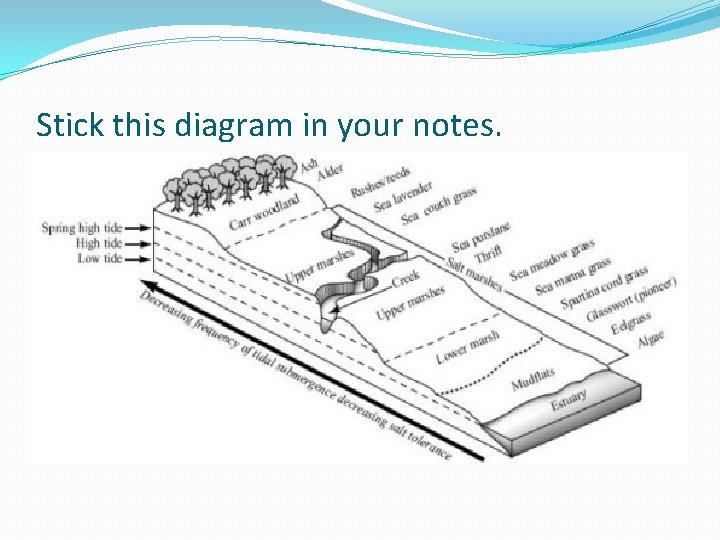
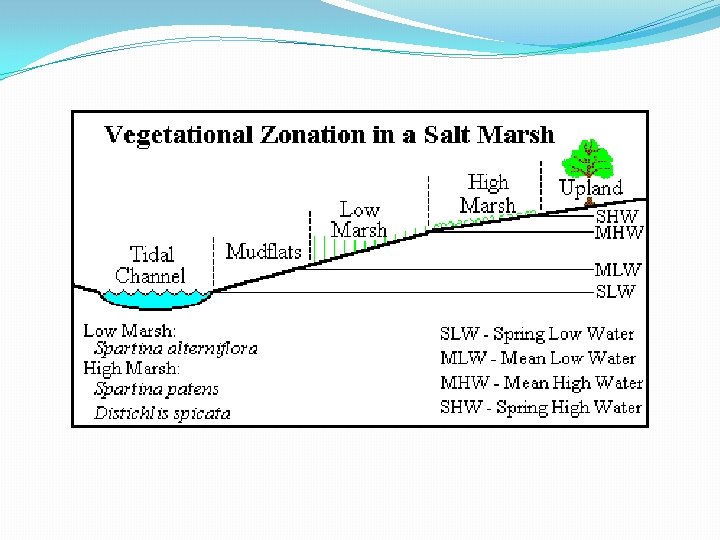
Stick this diagram in your notes.
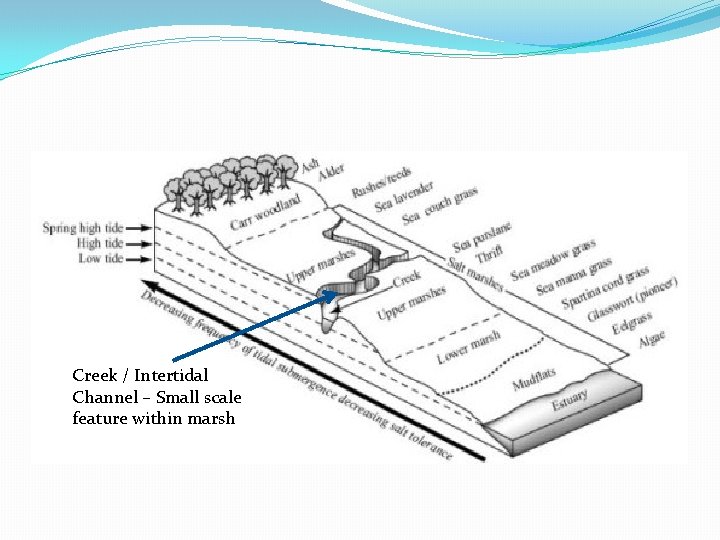
Creek / Intertidal Channel – Small scale feature within marsh
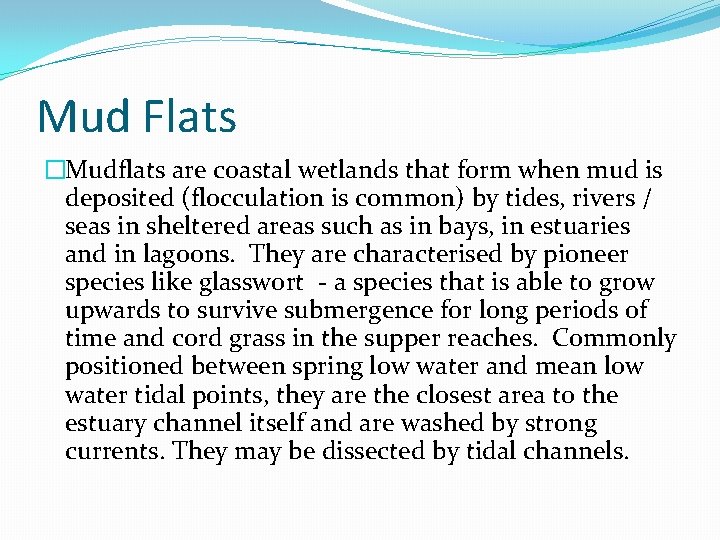
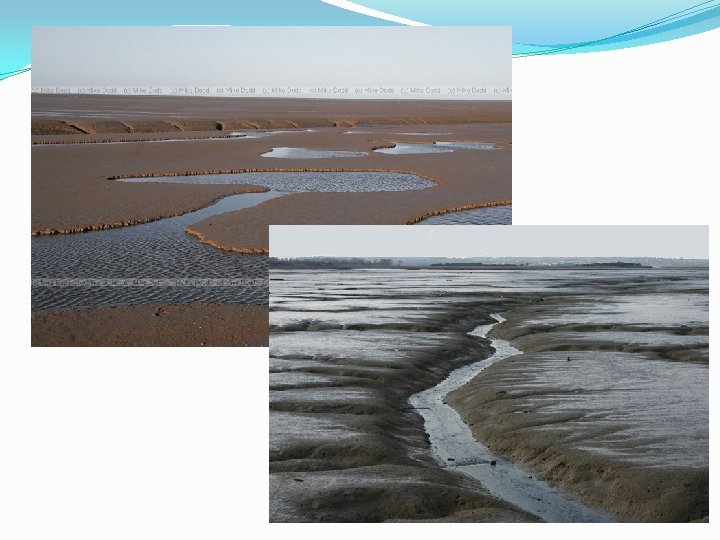
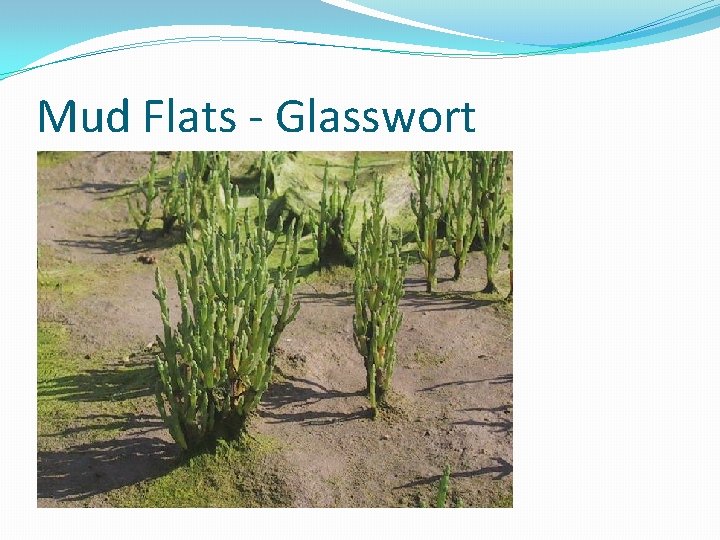
Mud Flats �Mudflats are coastal wetlands that form when mud is deposited (flocculation is common) by tides, rivers / seas in sheltered areas such as in bays, in estuaries and in lagoons. They are characterised by pioneer species like glasswort - a species that is able to grow upwards to survive submergence for long periods of time and cord grass in the supper reaches. Commonly positioned between spring low water and mean low water tidal points, they are the closest area to the estuary channel itself and are washed by strong currents. They may be dissected by tidal channels.
�mud flats
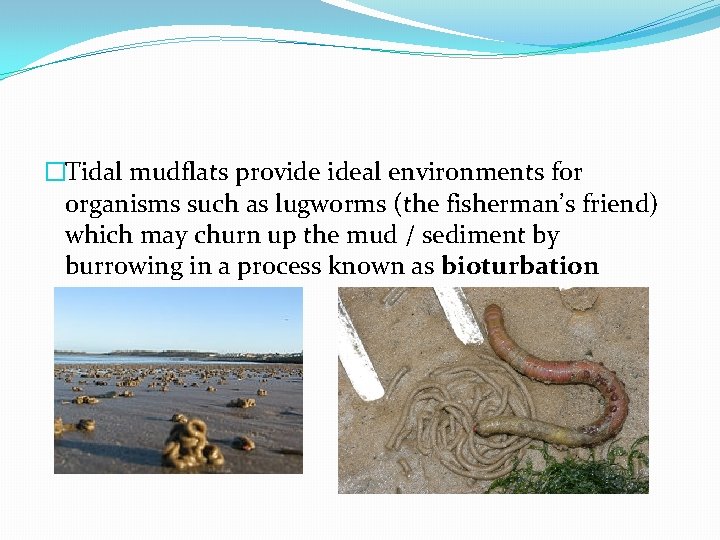
�Tidal mudflats provide ideal environments for organisms such as lugworms (the fisherman’s friend) which may churn up the mud / sediment by burrowing in a process known as bioturbation
Mud Flats - Glasswort
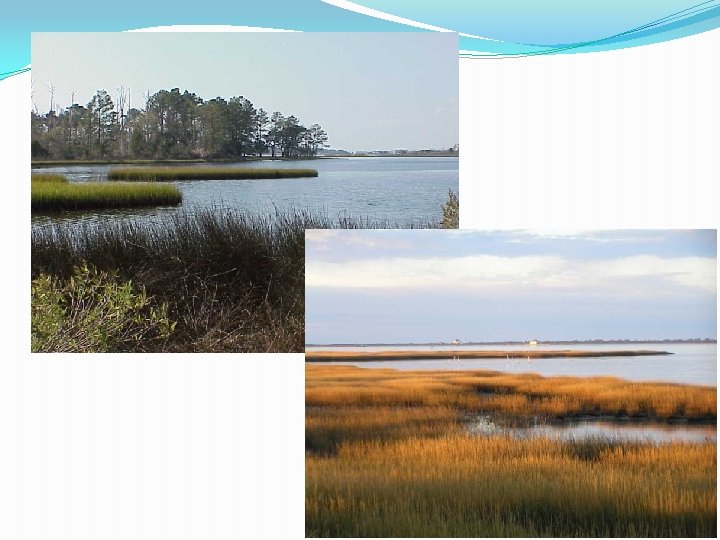
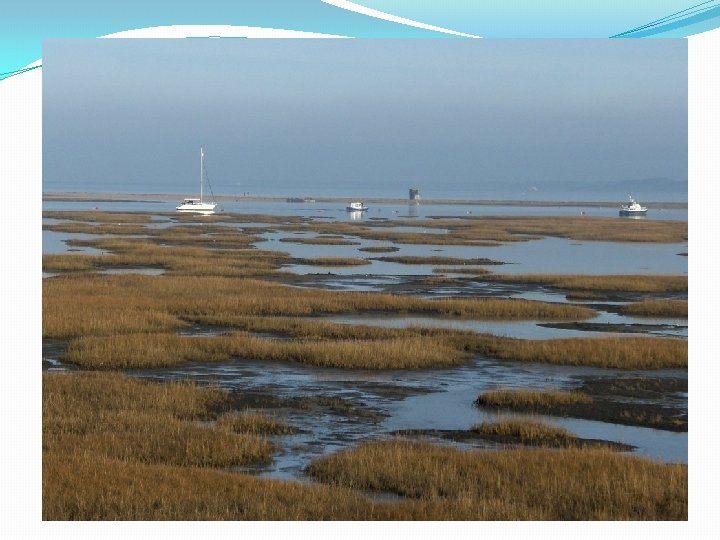
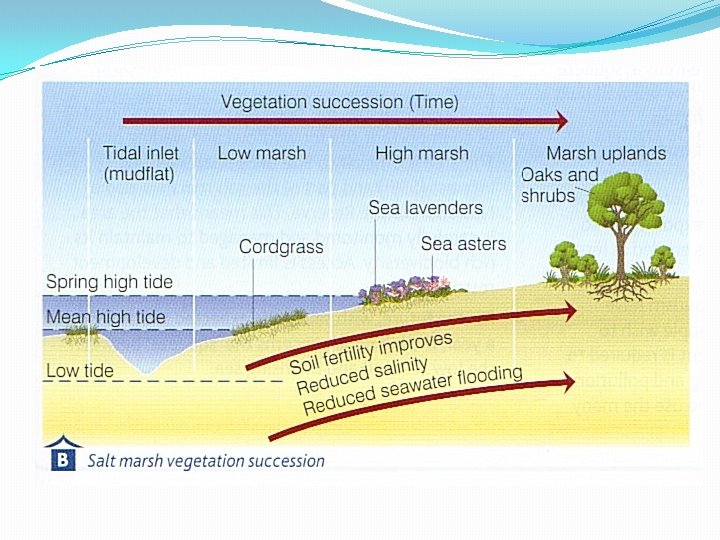
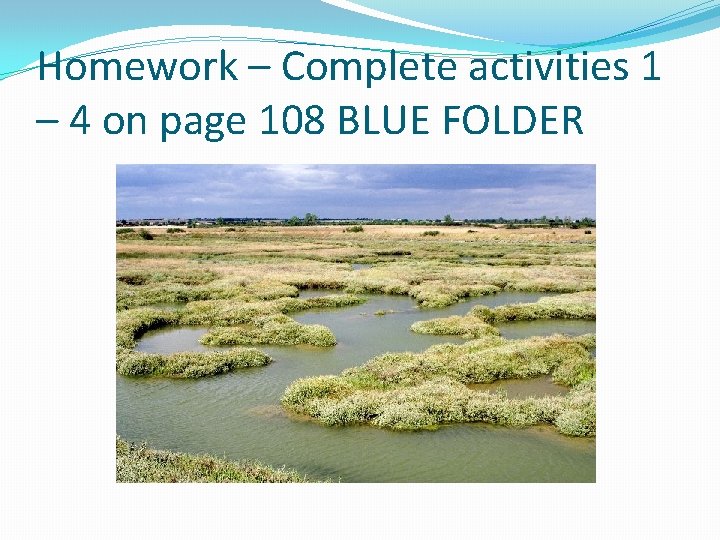
Salt Marshes �Are a type of marsh that is found in the transitional zone between land the mud flats of a river estuary. They contain a number of zones ‘Low Marsh’, High Marsh’ and ‘Upland’ where, given the correct conditions Temperate Deciduous Woodland may be found (CCV – conditions permitting). �At the macroscale, they are near horizontal platforms that slope gently seawards but at the microscale, they contain a variety of features : channels, rills, salt pans (around tidal creeks) �As the rate of sediment accretion is fastest on the lower part of the platform (Low Marsh), these areas are elevated at a much quicker rate, making the platform almost horizontal over time.
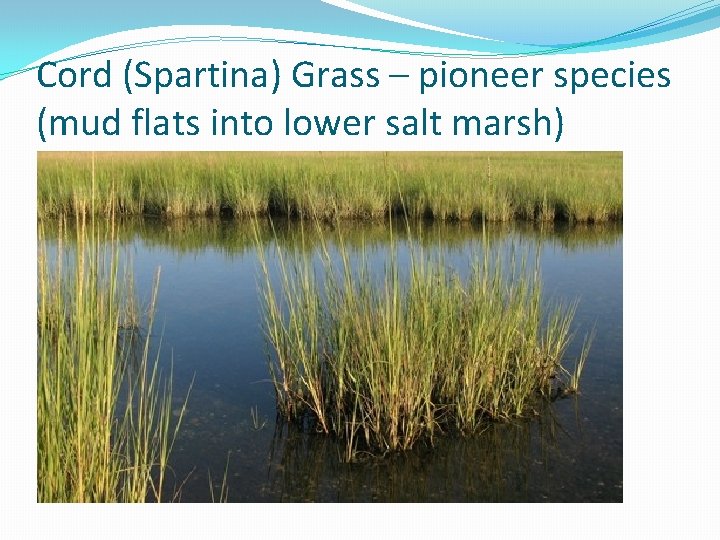
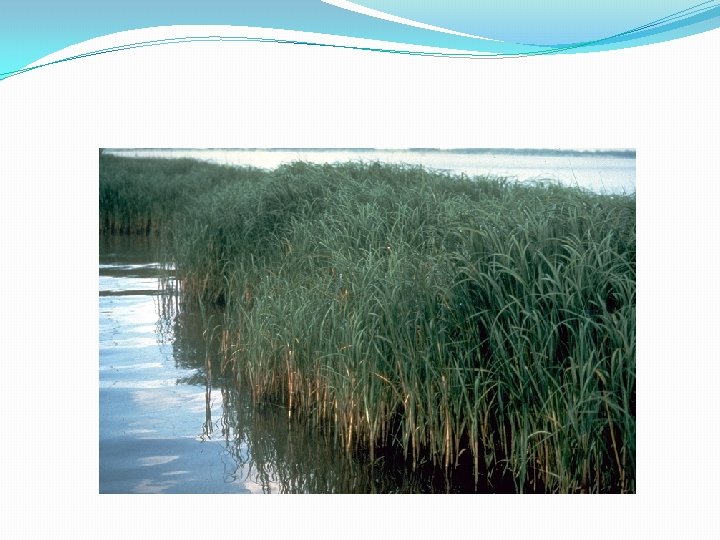
Cord (Spartina) Grass – pioneer species (mud flats into lower salt marsh)
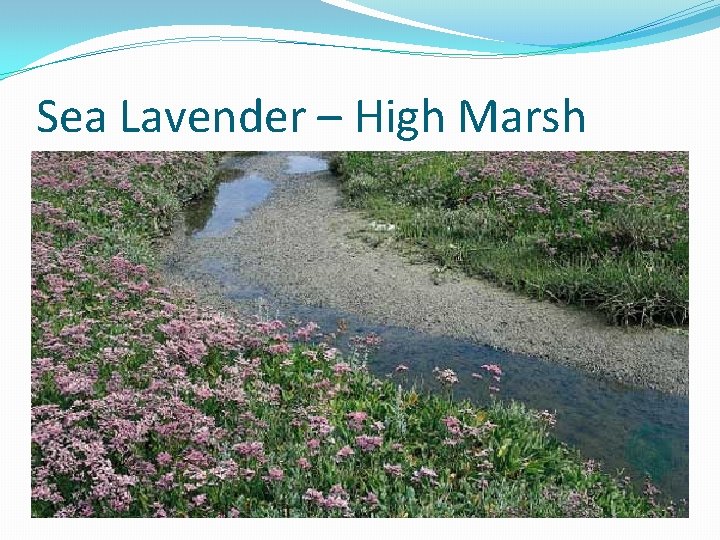
Sea Lavender – High Marsh
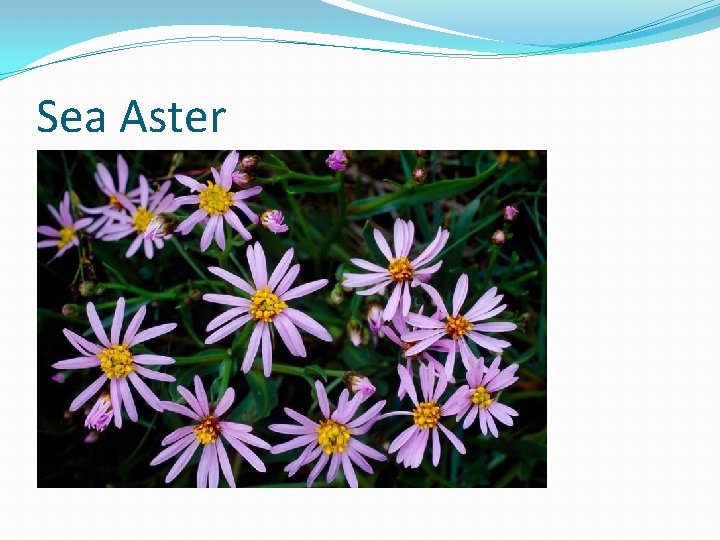
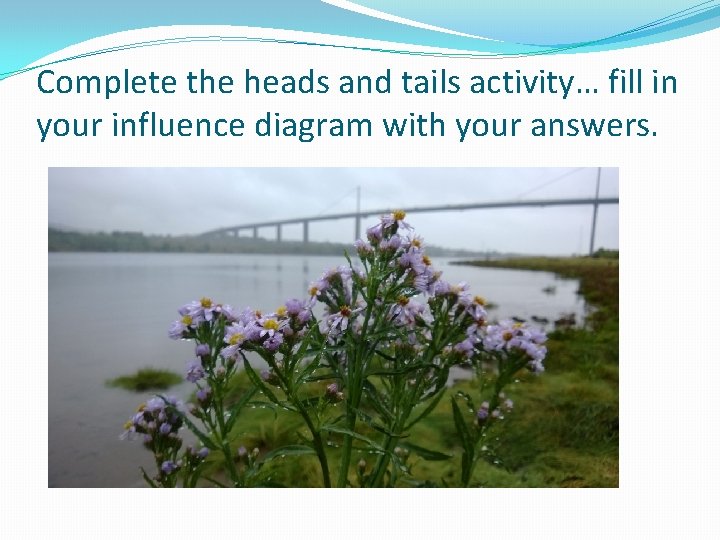
Sea Aster
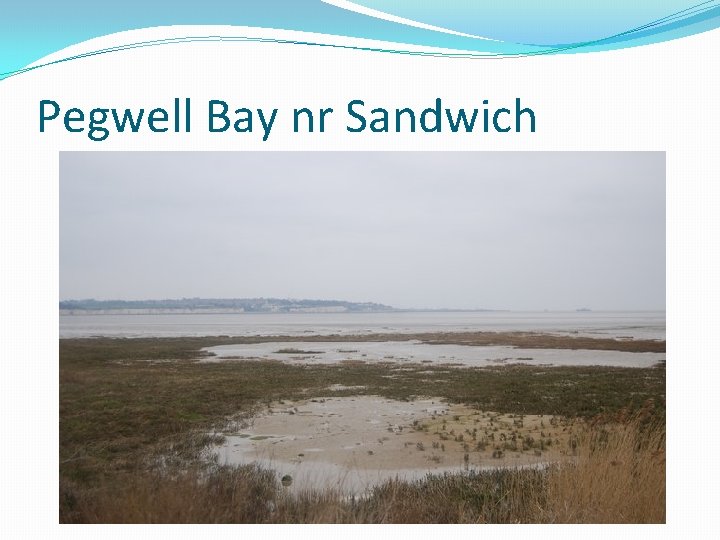
Pegwell Bay nr Sandwich
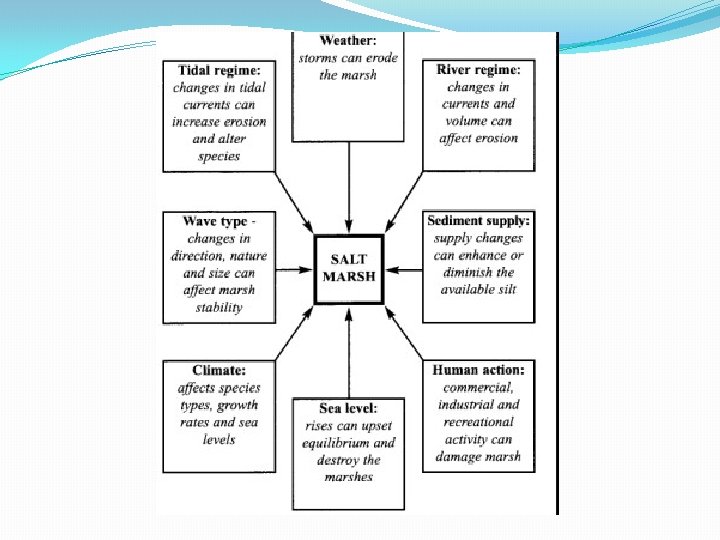
�Saltmarshes are both complex and fragile. Like many other coastal sedimentary systems, they are extremely sensitive to changing coastal environmental conditions that affect the rate of sediment accretion or to the level of erosive processes. �Environmental changes may be natural ie the rise of sea level or storms (although enhanced global warming is bringing this ‘natural’ origin into question) or be as a result of human intervention such as the draining of land, reclamation or accidental introduction of foreign species such as Spartina Grass
Complete the heads and tails activity… fill in your influence diagram with your answers.
Homework – Complete activities 1 – 4 on page 108 BLUE FOLDER
Wallasea Island �http: //www. crossrail. co. uk/news/articles/crossrailsfinal-shipment-of-earth-arrives-at-wallasea-island �http: //www. crossrail. co. uk/news/articles/sea-wallbreach-marks-significant-step-in-ground-breaking-uk -conservation-project