
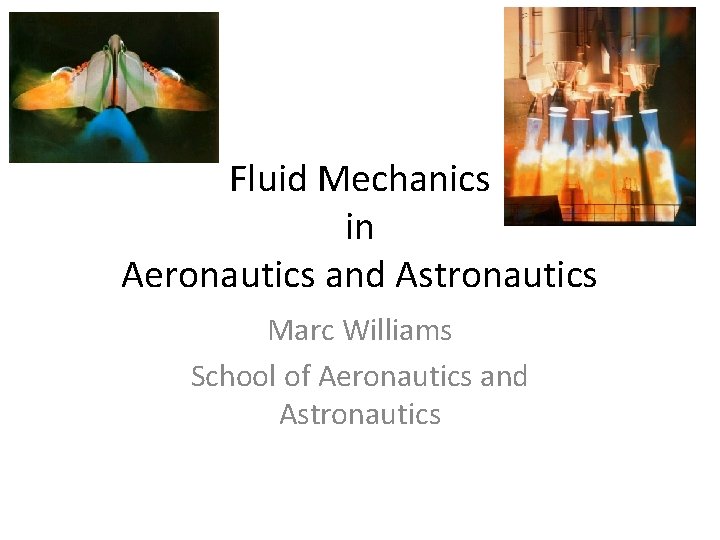
Fluid Mechanics in Aeronautics and Astronautics Marc Williams


- Slides: 40
Fluid Mechanics in Aeronautics and Astronautics Marc Williams School of Aeronautics and Astronautics
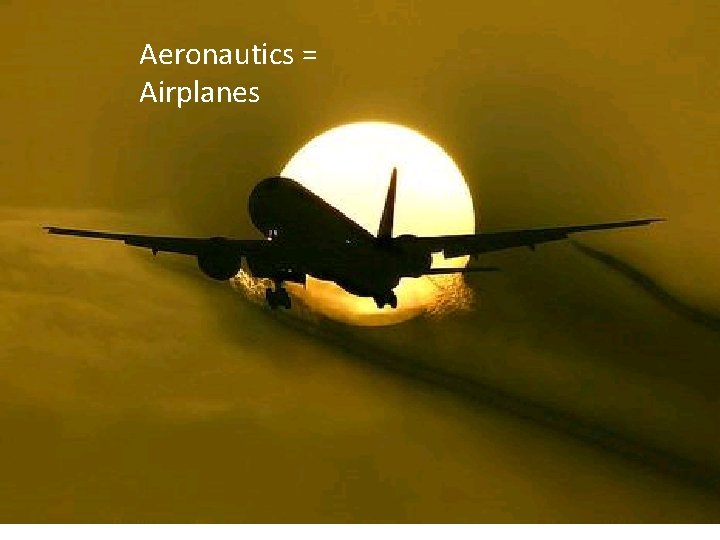
Aeronautics = Airplanes
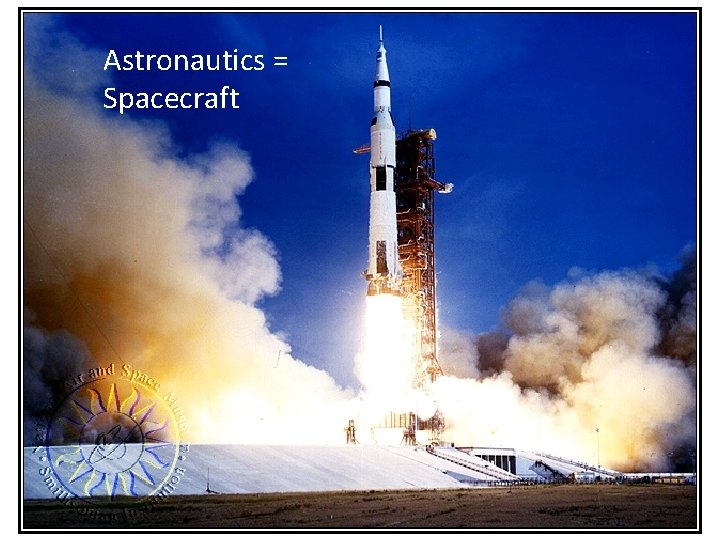
Astronautics = Spacecraft
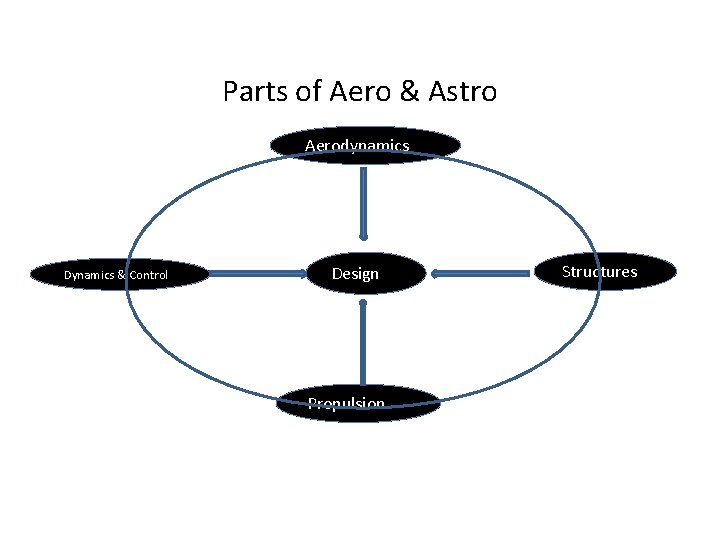
Parts of Aero & Astro Aerodynamics Dynamics & Control Design Propulsion Structures
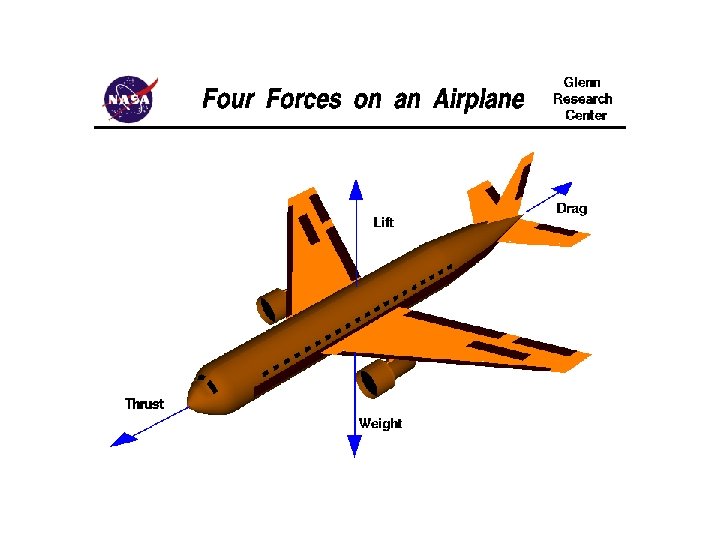
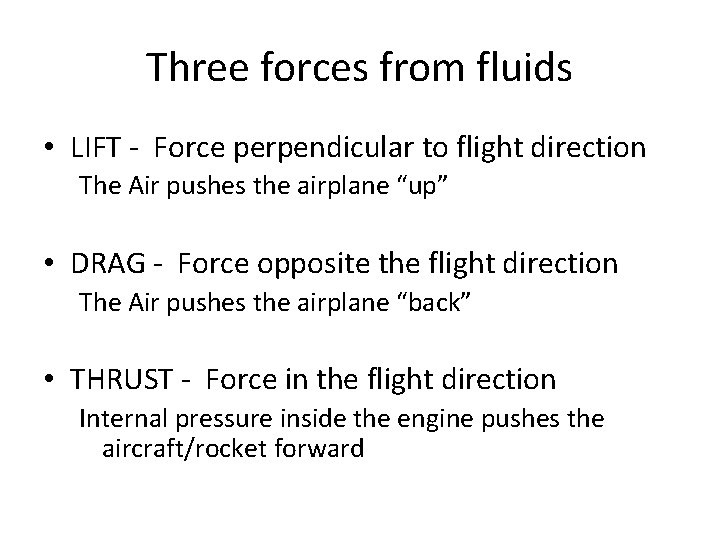
Three forces from fluids • LIFT - Force perpendicular to flight direction The Air pushes the airplane “up” • DRAG - Force opposite the flight direction The Air pushes the airplane “back” • THRUST - Force in the flight direction Internal pressure inside the engine pushes the aircraft/rocket forward
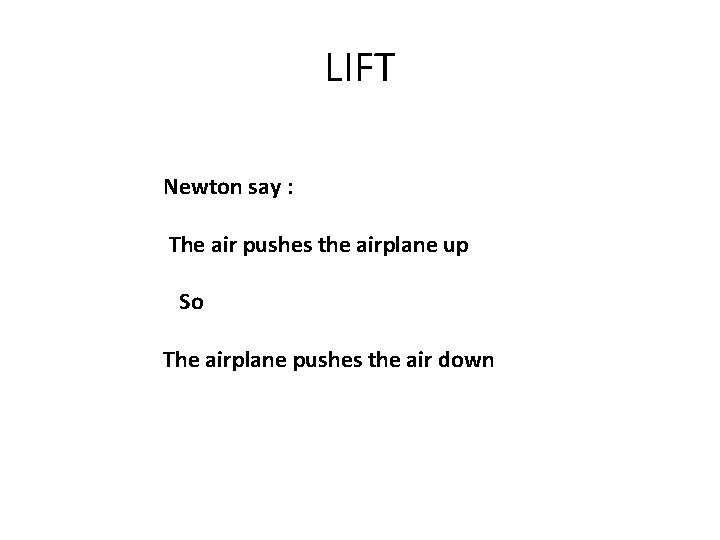
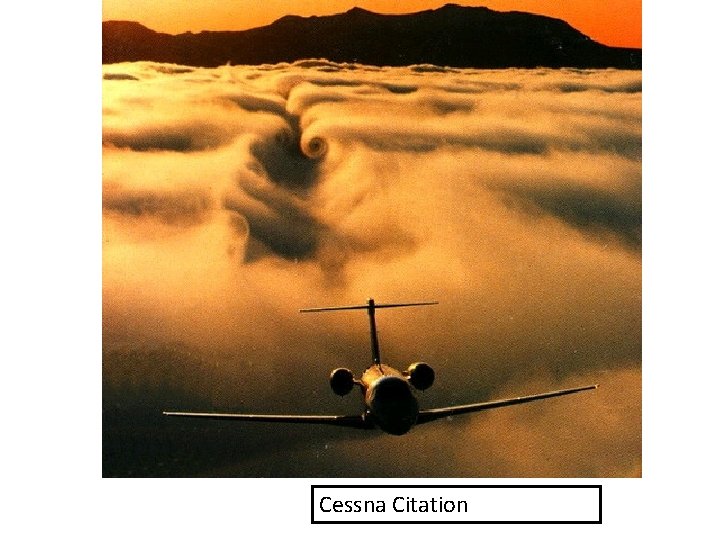
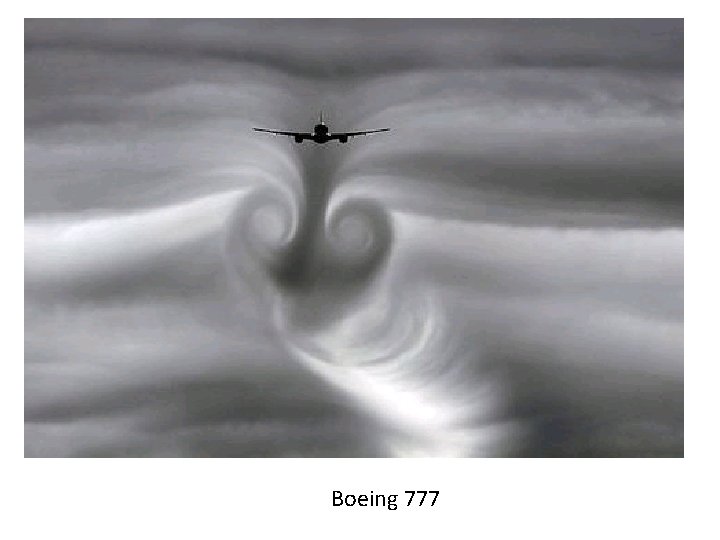
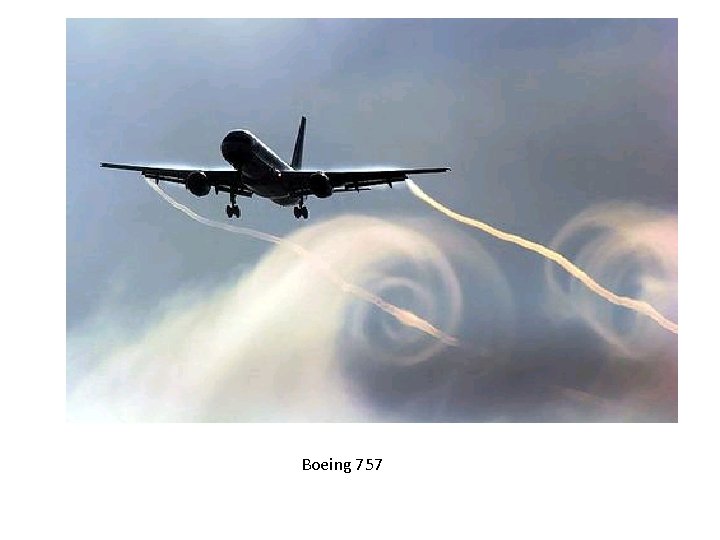
LIFT Newton say : The air pushes the airplane up So The airplane pushes the air down
Cessna Citation
Boeing 777
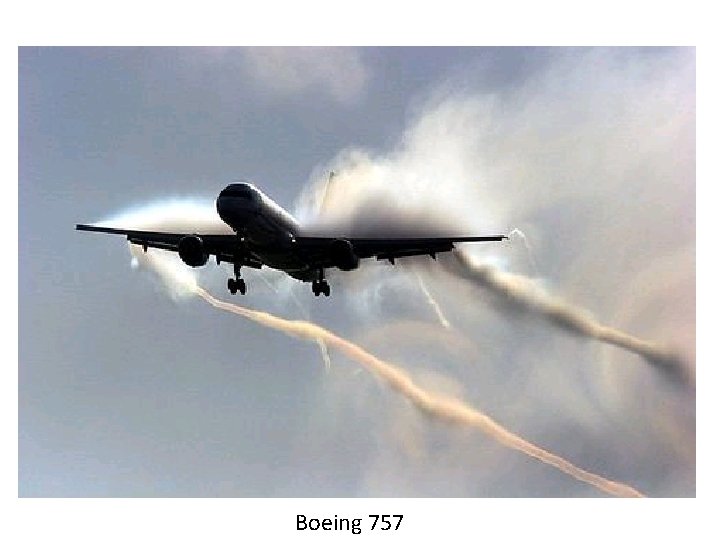
Boeing 757
DRAG • The air sticks to the airplane, pushing it back (Viscosity== Friction drag) • The airplane imparts kinetic energy to the air behind it…. This energy comes from the engines, And shows up as a drag (Induced Drag, or Drag due to Lift)
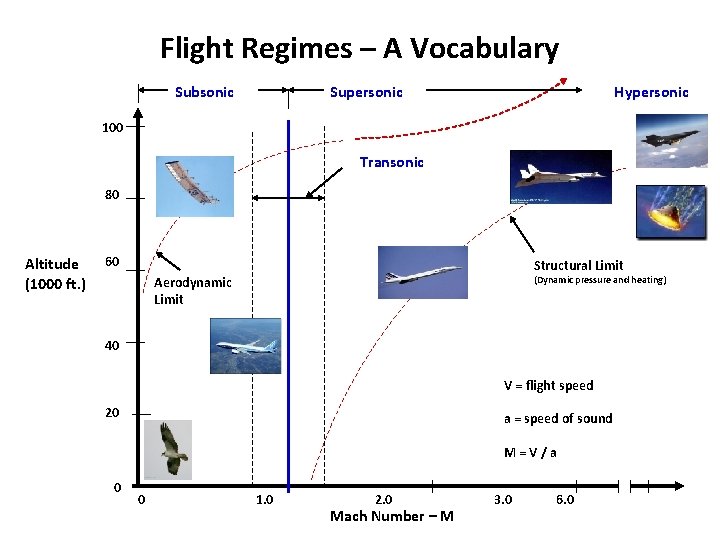
Flight Regimes – A Vocabulary Subsonic Supersonic Hypersonic 100 Transonic 80 Altitude (1000 ft. ) 60 Structural Limit (Dynamic pressure and heating) Aerodynamic Limit 40 V = flight speed 20 a = speed of sound M=V/a 0 0 1. 0 2. 0 Mach Number – M 3. 0 6. 0
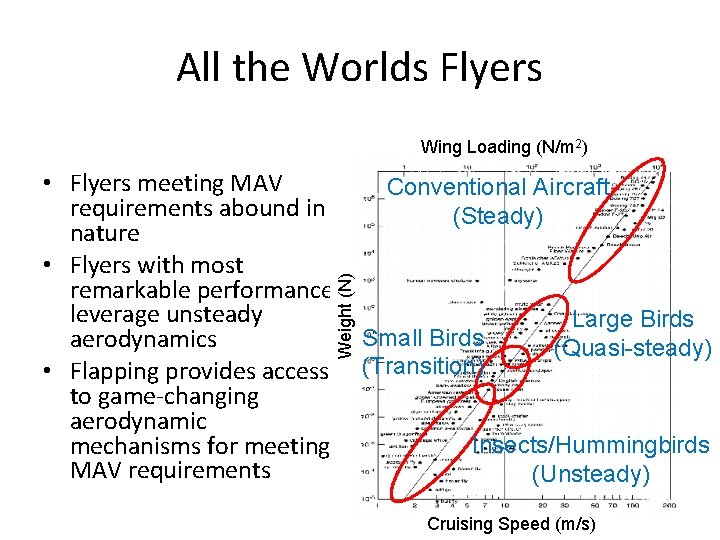
All the Worlds Flyers Wing Loading (N/m 2) Conventional Aircraft (Steady) Weight (N) • Flyers meeting MAV requirements abound in nature • Flyers with most remarkable performance leverage unsteady aerodynamics • Flapping provides access to game-changing aerodynamic mechanisms for meeting MAV requirements Small Birds (Transition) Large Birds (Quasi-steady) Insects/Hummingbirds (Unsteady) Cruising Speed (m/s)
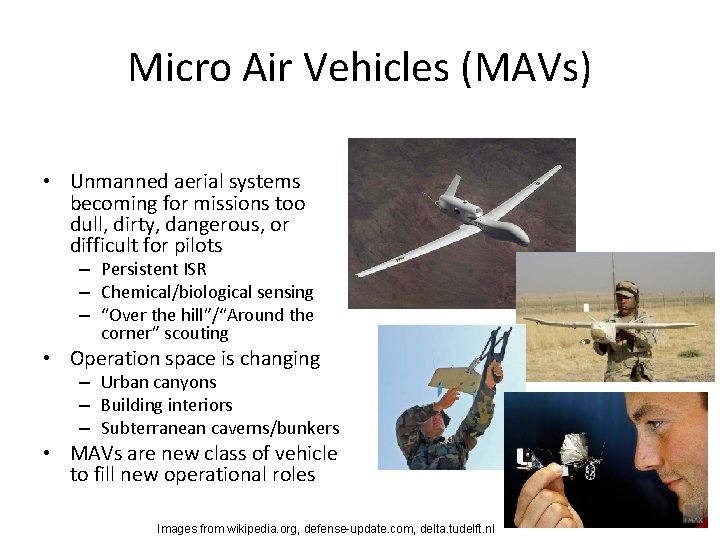
Micro Air Vehicles (MAVs) • Unmanned aerial systems becoming for missions too dull, dirty, dangerous, or difficult for pilots – Persistent ISR – Chemical/biological sensing – “Over the hill”/“Around the corner” scouting • Operation space is changing – Urban canyons – Building interiors – Subterranean caverns/bunkers • MAVs are new class of vehicle to fill new operational roles Images from wikipedia. org, defense-update. com, delta. tudelft. nl
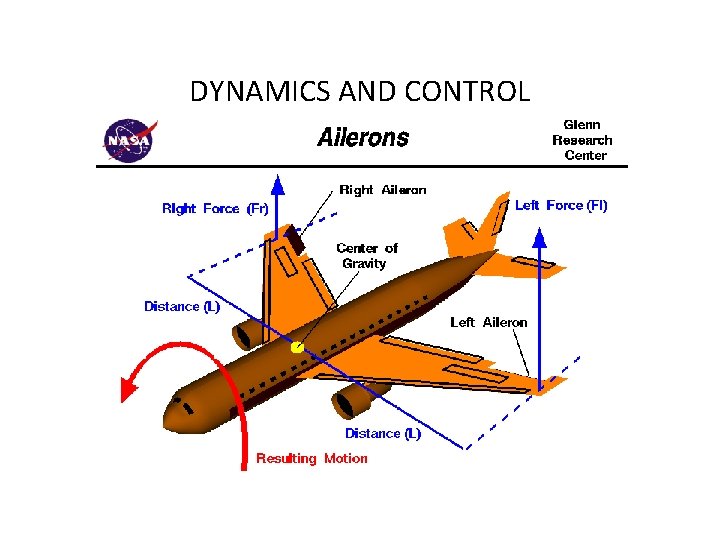
DYNAMICS AND CONTROL http: //www. grc. nasa. gov/WWW/K-12/airplane/alr. html
Mach Number Effects • Mach Number = Speed / Speed of Sound = 340 m/s = 770 mph • Mach squared = Kinetic Energy / Thermal Energy
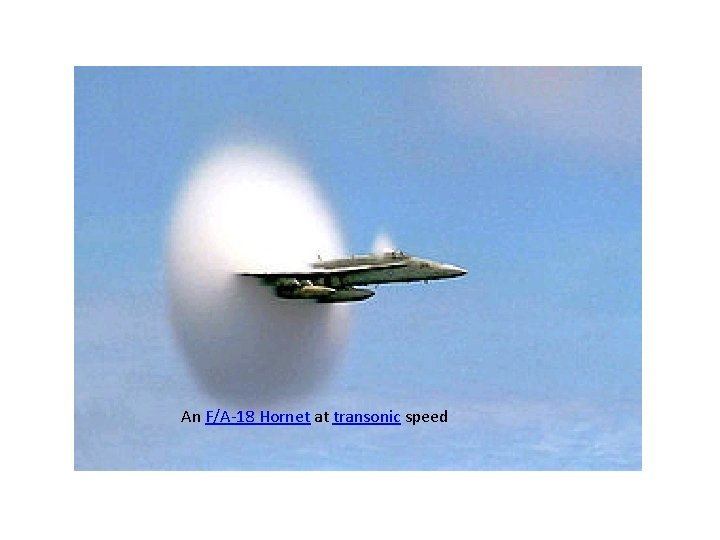
An F/A-18 Hornet at transonic speed
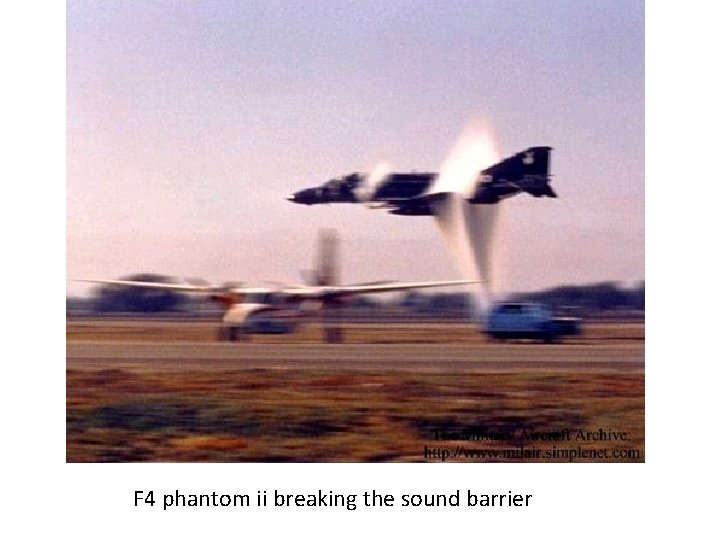
F 4 phantom ii breaking the sound barrier
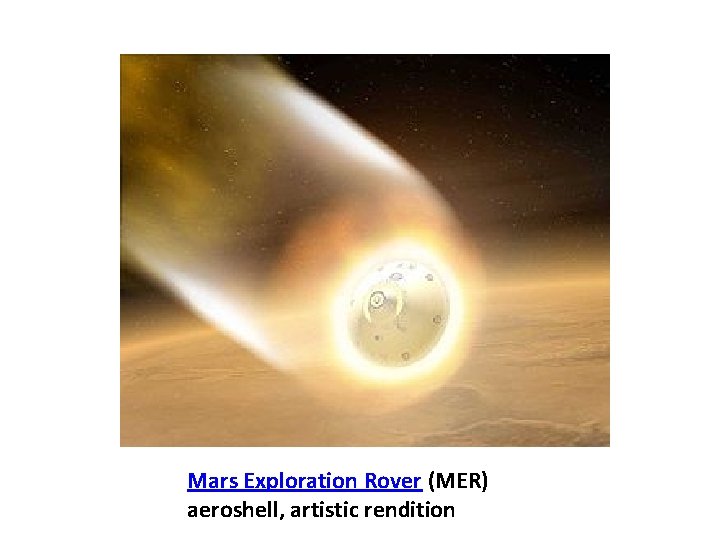
Mars Exploration Rover (MER) aeroshell, artistic rendition
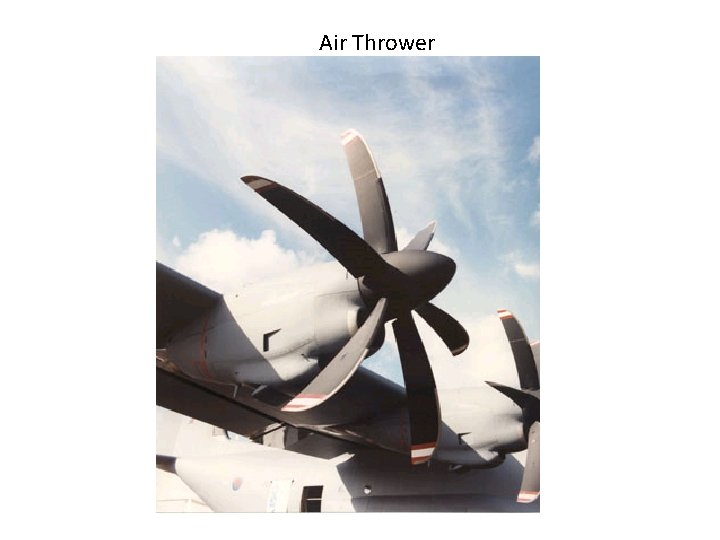
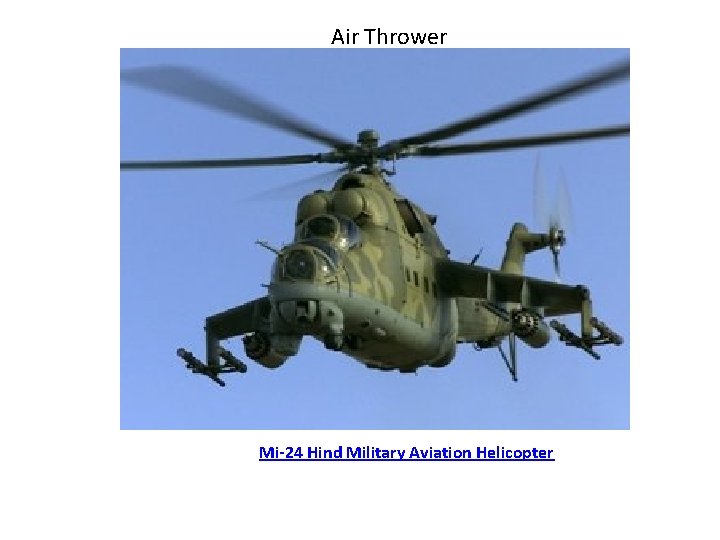
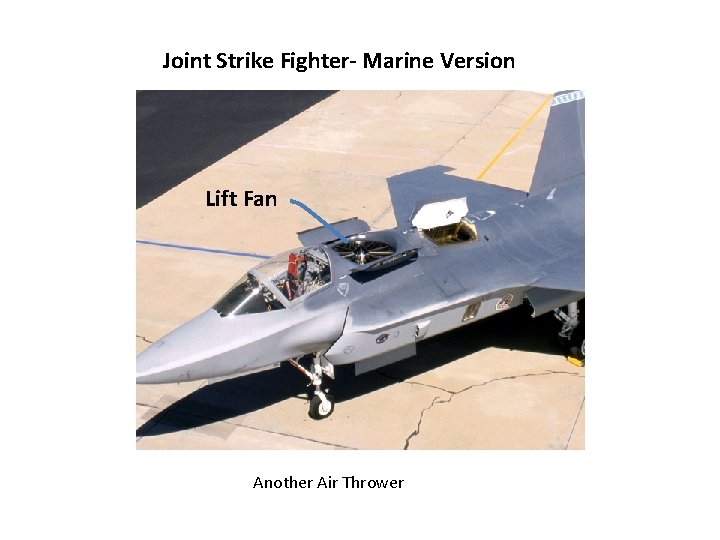
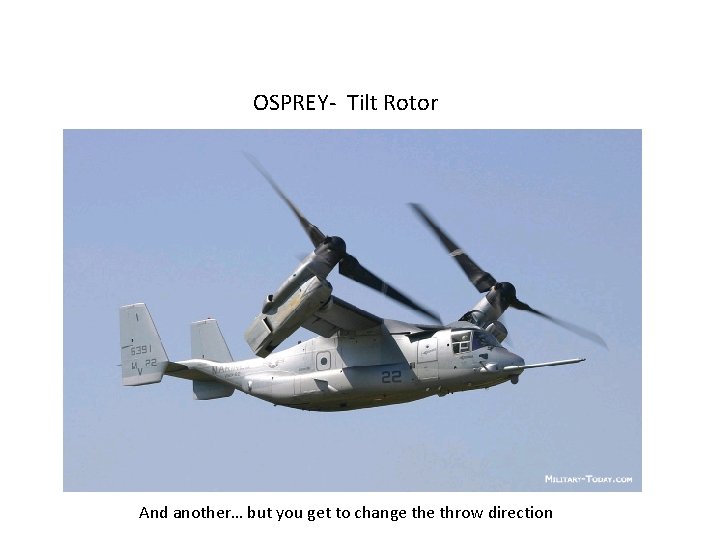
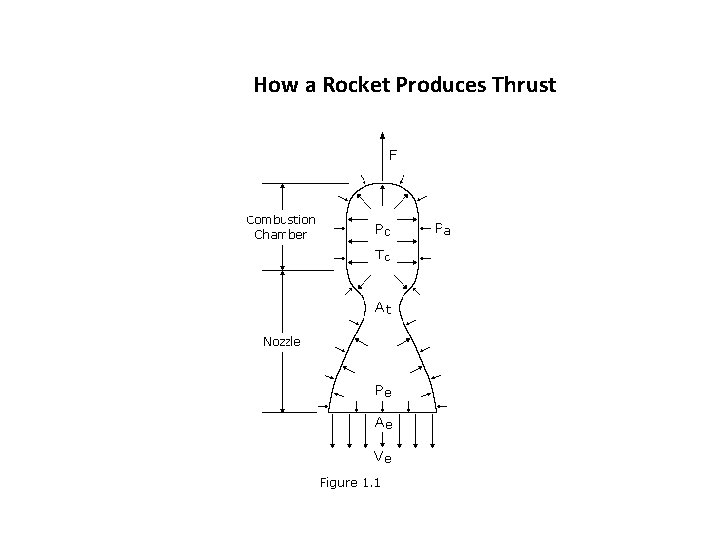
Thrust • Thrust is produced by throwing something opposite to the direction you want to go (Newton again) You can throw air You can throw hot exhaust gases You can throw rocks… but fluids are easier to work with
Air Thrower
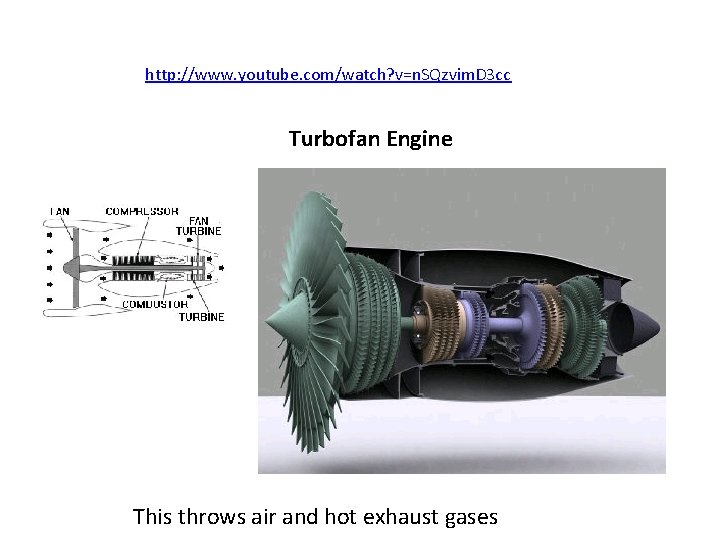
http: //www. youtube. com/watch? v=n. SQzvim. D 3 cc Turbofan Engine This throws air and hot exhaust gases
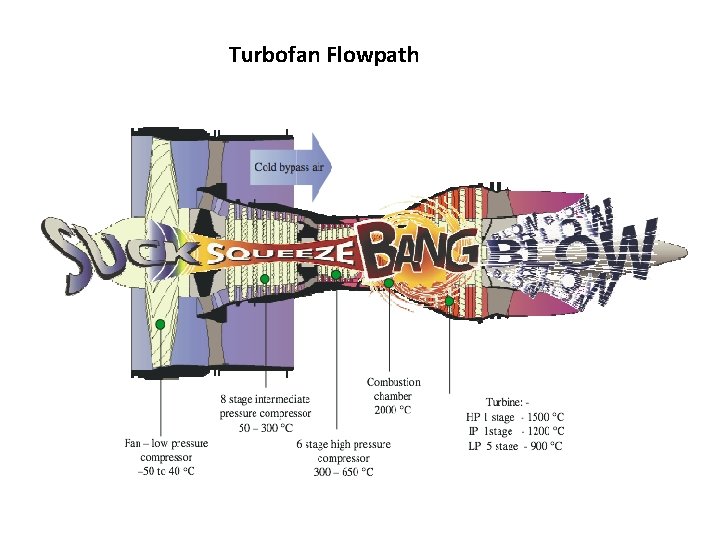
Turbofan Flowpath
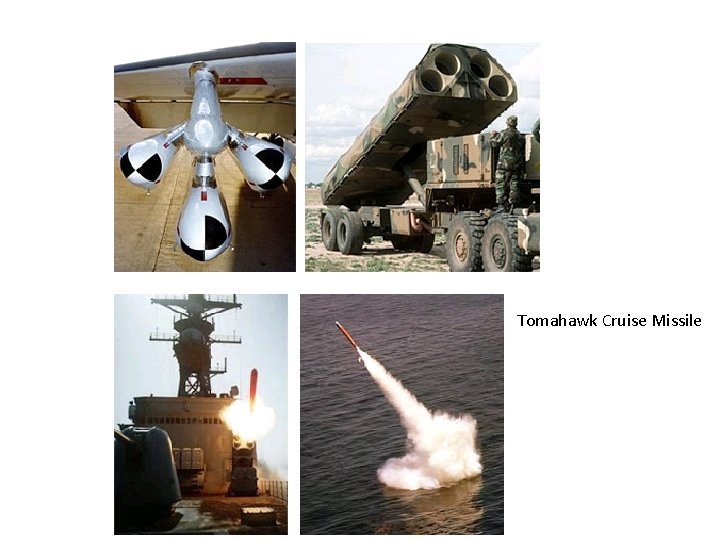
Tomahawk Cruise Missile
Air Thrower Mi-24 Hind Military Aviation Helicopter
Joint Strike Fighter- Marine Version Lift Fan Another Air Thrower
OSPREY- Tilt Rotor And another… but you get to change throw direction
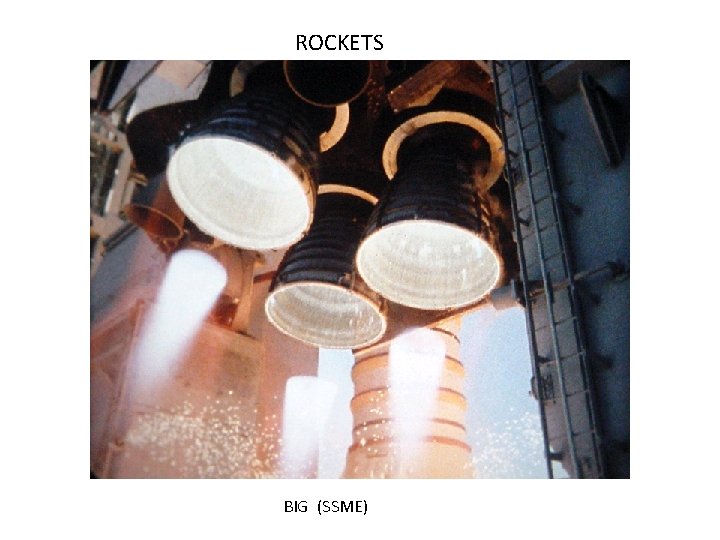
Rockets – Pure Hot Gas Throwers
How a Rocket Produces Thrust
ROCKETS BIG (SSME)
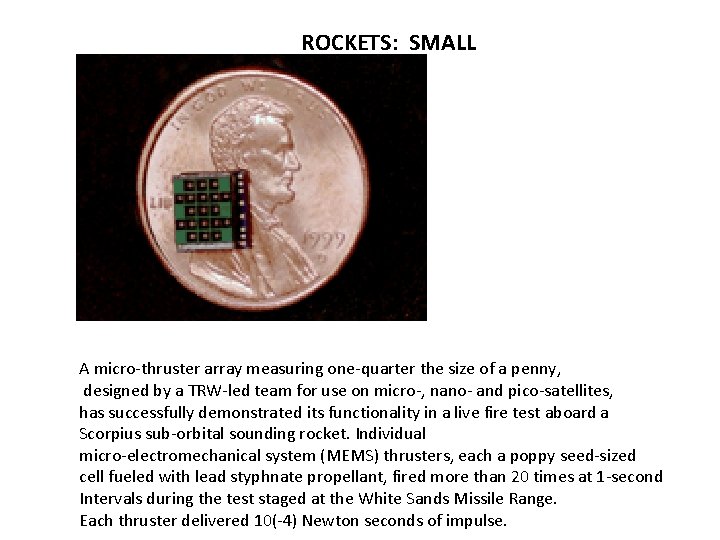
ROCKETS: SMALL A micro-thruster array measuring one-quarter the size of a penny, designed by a TRW-led team for use on micro-, nano- and pico-satellites, has successfully demonstrated its functionality in a live fire test aboard a Scorpius sub-orbital sounding rocket. Individual micro-electromechanical system (MEMS) thrusters, each a poppy seed-sized cell fueled with lead styphnate propellant, fired more than 20 times at 1 -second Intervals during the test staged at the White Sands Missile Range. Each thruster delivered 10(-4) Newton seconds of impulse.
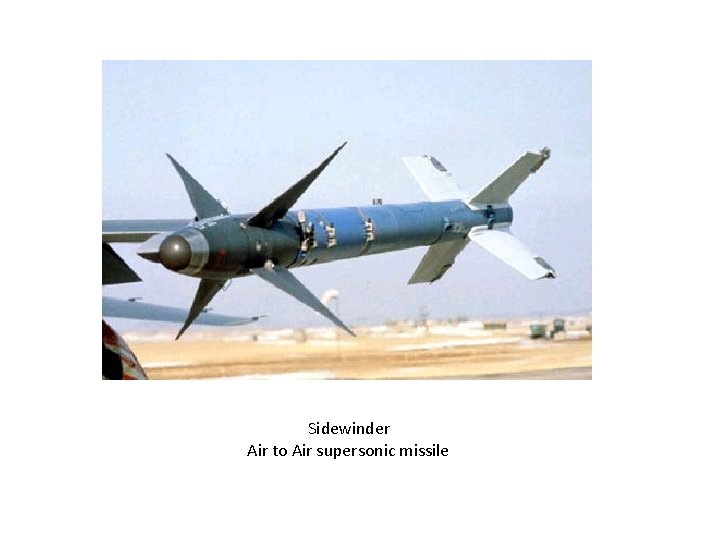
Sidewinder Air to Air supersonic missile
THE END Have a great summer
Dynamic Stall on an Airfoil
Boeing 757
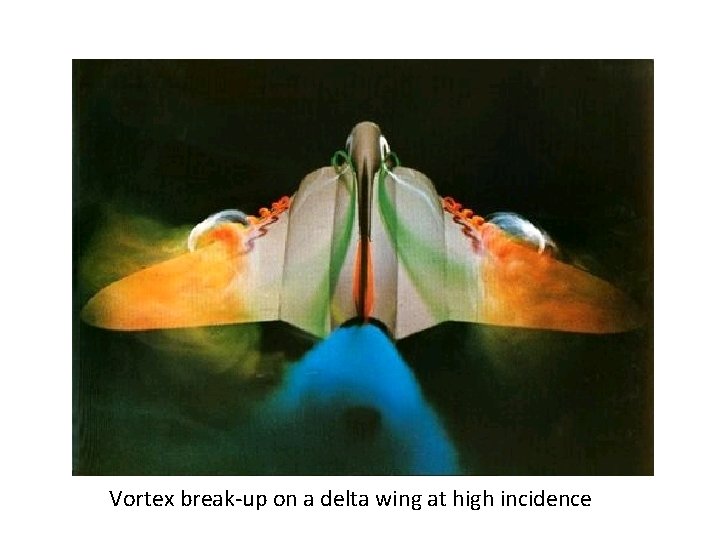
Vortex break-up on a delta wing at high incidence