
Fluid mechanics and the cardiovascular system Dr K
- Slides: 20
Fluid mechanics and the cardiovascular system Dr. K. W. Chow Mechanical Engineering
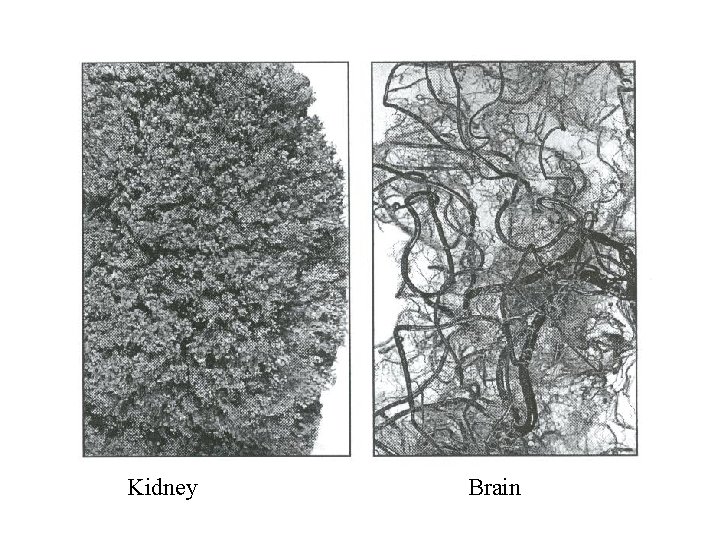
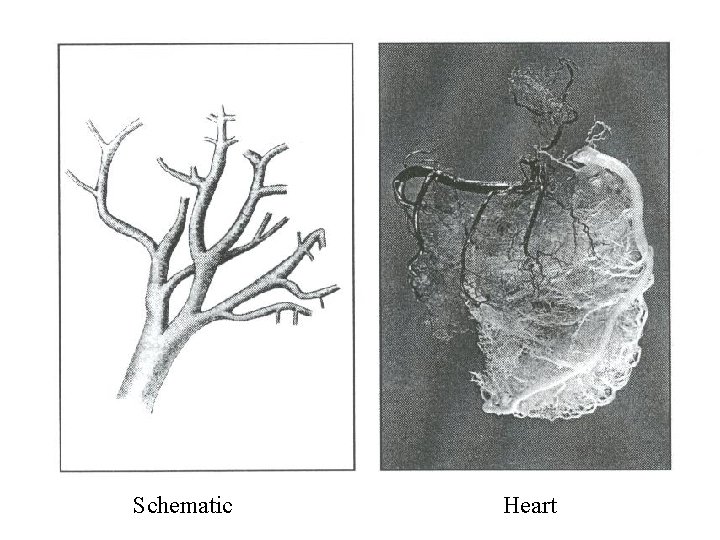
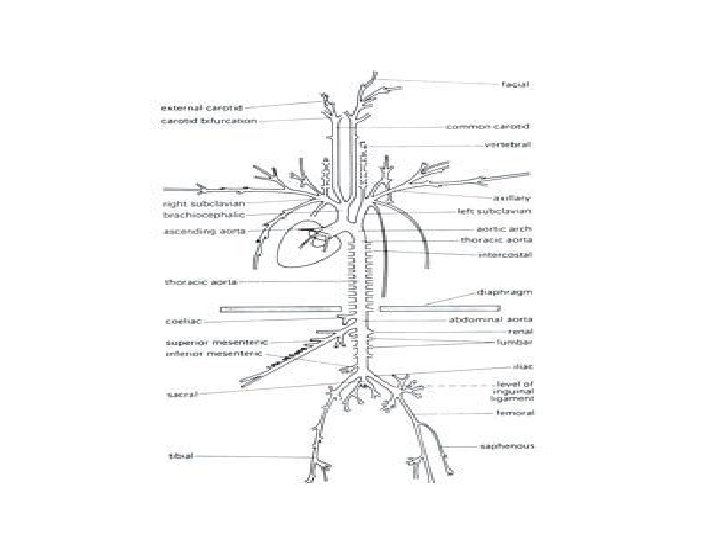
Flows in tubes and pipes occur frequently in nature.
Kidney Brain
Schematic Heart
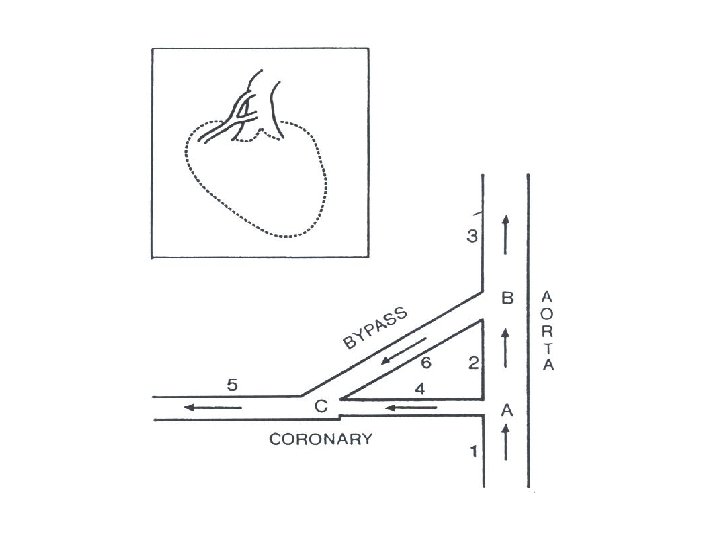
Two issues in this talk : Scientific: Branching of blood vessels. Clinical: Reflection of waves in blood vessels, models of bypass operations.
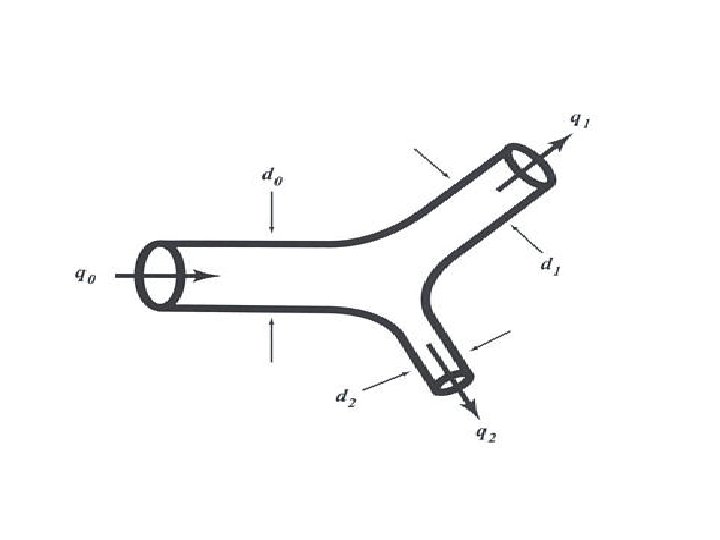
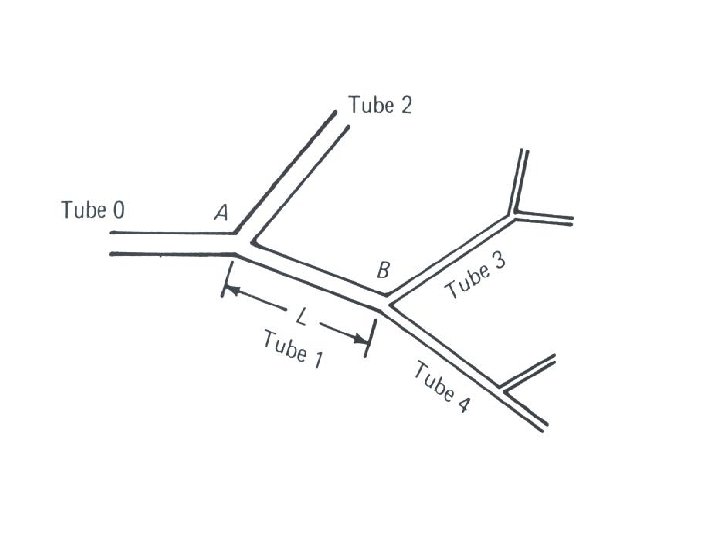
Why do blood vessels almost always branch into two smaller units rather than three, four, five or ……?
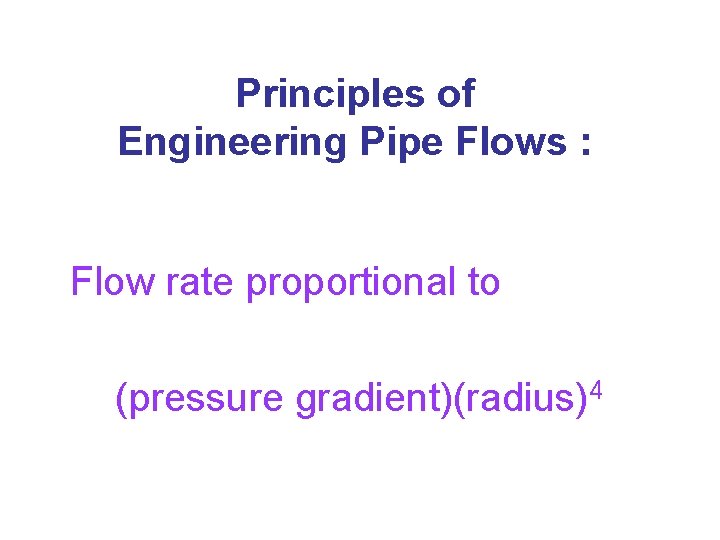
Principles of Engineering Pipe Flows : Flow rate proportional to (pressure gradient)(radius)4
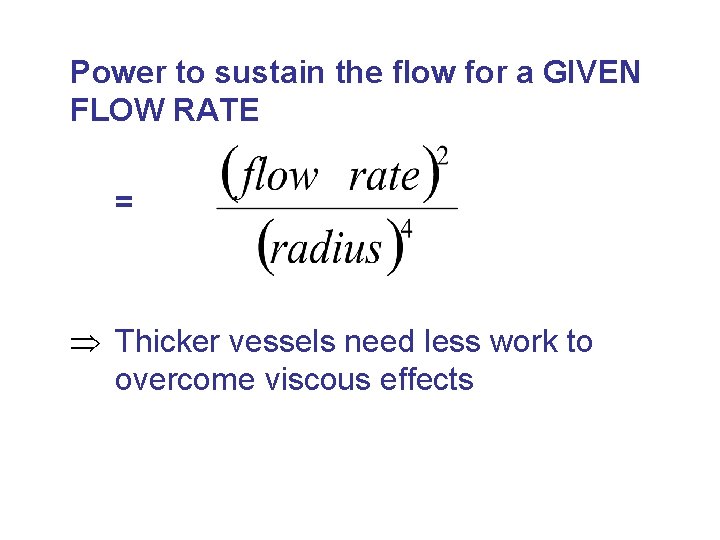
Power to sustain the flow for a GIVEN FLOW RATE = Thicker vessels need less work to overcome viscous effects
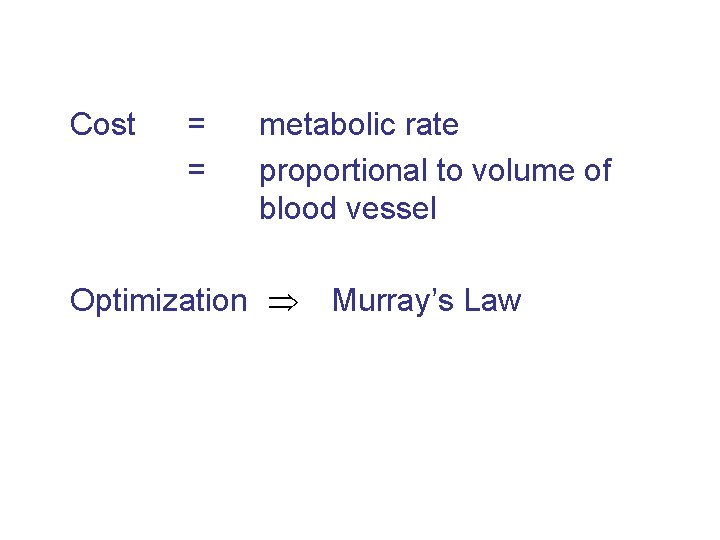
Cost = = metabolic rate proportional to volume of blood vessel Optimization Murray’s Law
Applying this optimization principle, preliminary results indicate that a branching into three units does indeed generate a higher cost, and thus branching into two daughter vessels is preferred.
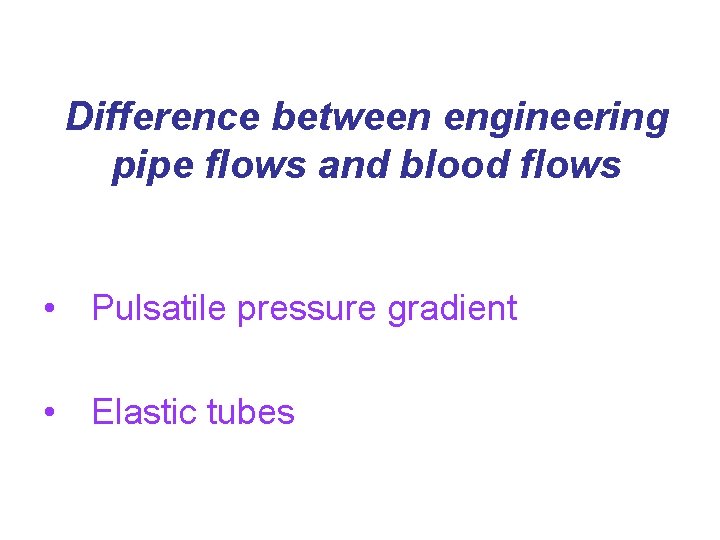
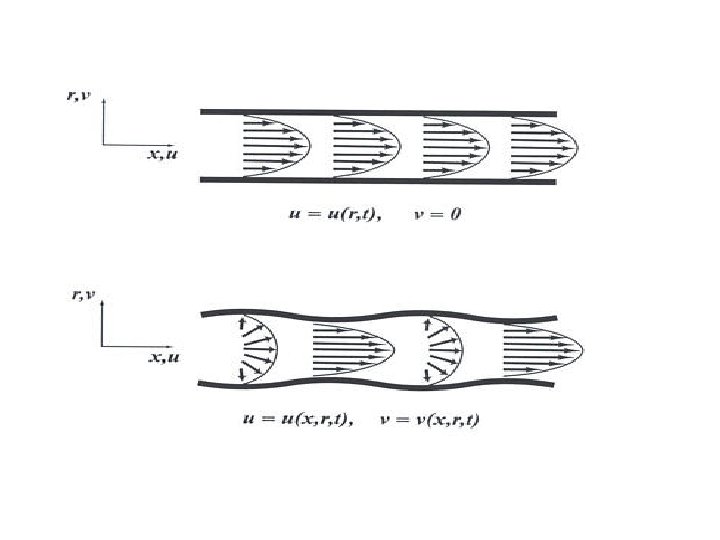
Difference between engineering pipe flows and blood flows • Pulsatile pressure gradient • Elastic tubes
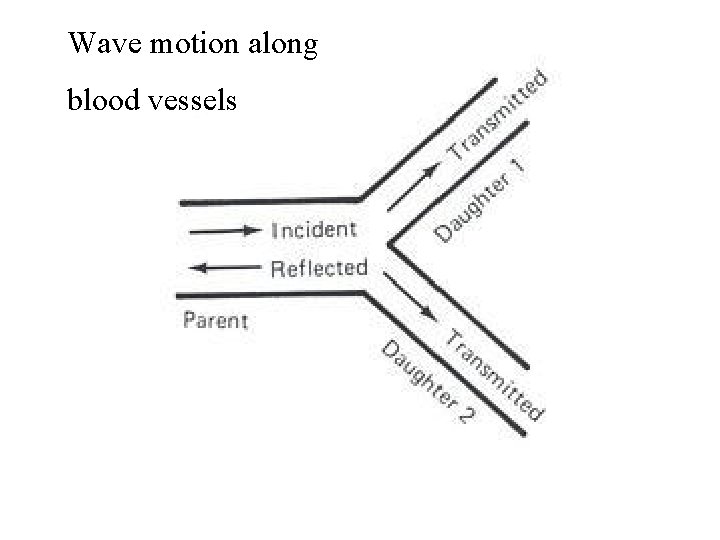
Wave motion along blood vessels
Bypss model (Alderson and Zamir, Journal of Biomechanics, 2001) • Pressure wave related to the flow • Reflection coefficient • Impedance
Coronary bypass operations • Cross sectional area? • Elastic modulus of vessels?
Conclusions Principles of fluid mechanics can be profitably applied to blood flows along the cardiovascular system.