
Flow types o Internal o External Relative velocity
- Slides: 41
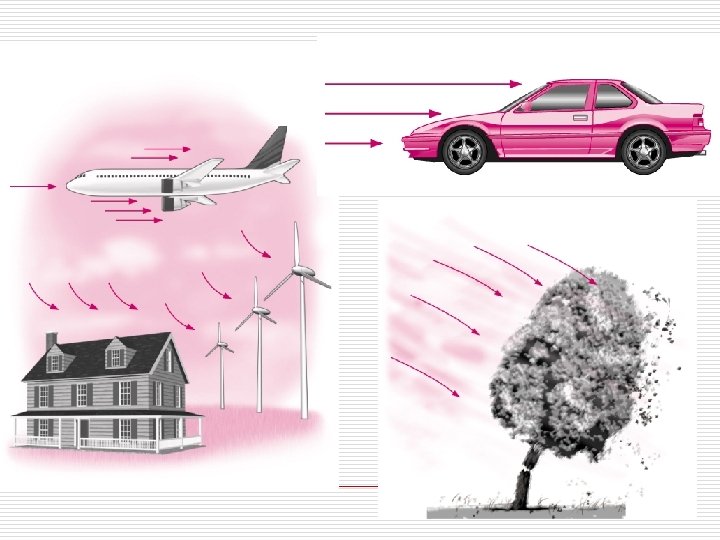
Flow types o Internal o External • Relative velocity between fluid & object • Auto moving through air • Water moving against bridge abutment • Wind against building
Drag force o Resistance to “forward” motion – push back in direction of fluid flow o Depends on • Fluid/object velocities • Fluid properties • Geometry of object • Surface roughness
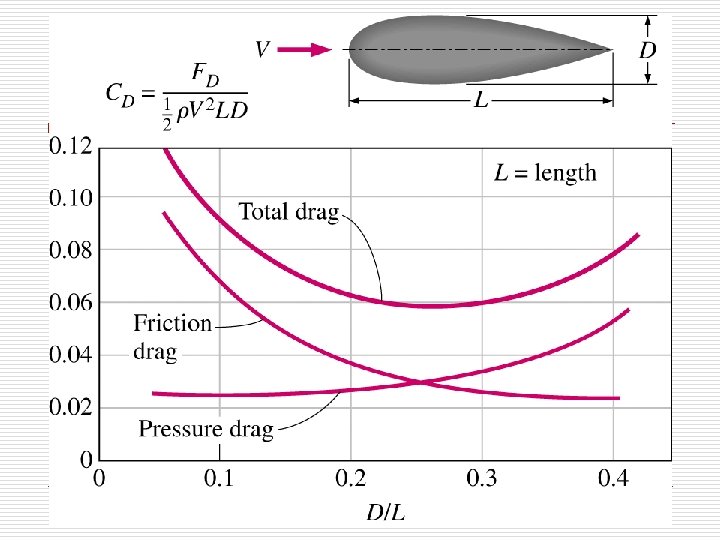
Drag Forces o Two types • Friction drag: viscous shear effects as flow moves over object surface. Acts parallel to surface • Form drag: affected by geometry of object. Acts perpendicular to object
Drag force o Theory: integrate pressure & shear forces over object surface. • Complex mathematics • Empirical approach
Similitude o o • • • Model simulates prototype Reliance on dimensionless parameters Reynolds Number Relative roughness Drag coefficient - CD
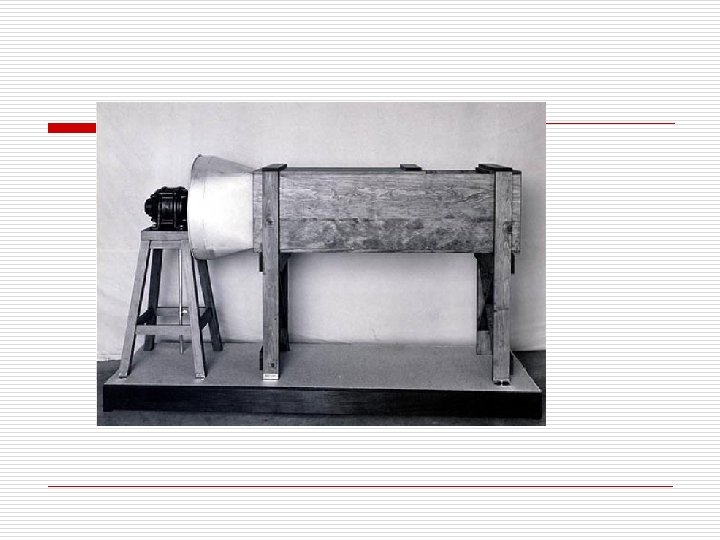
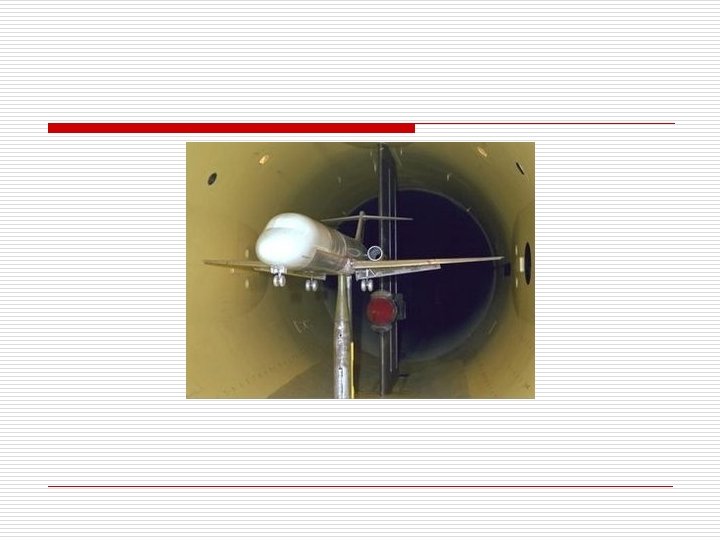
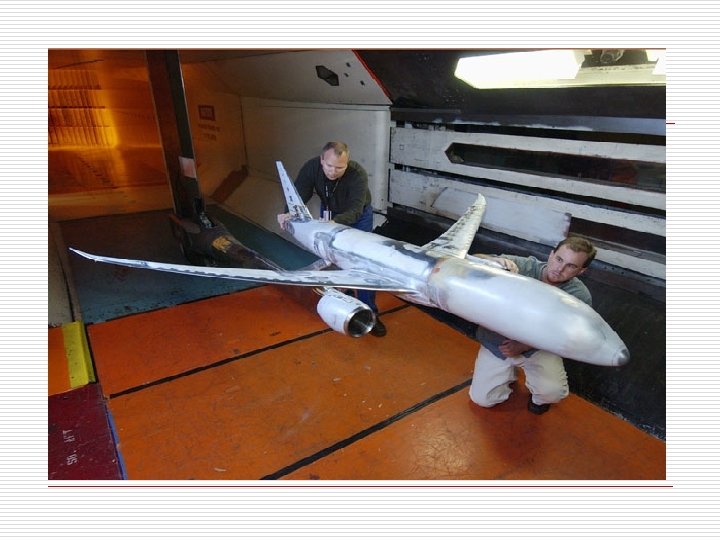
Wind tunnels o • • Experimental drag determinations Buildings Ships Bridge supports/abutments Vehicles
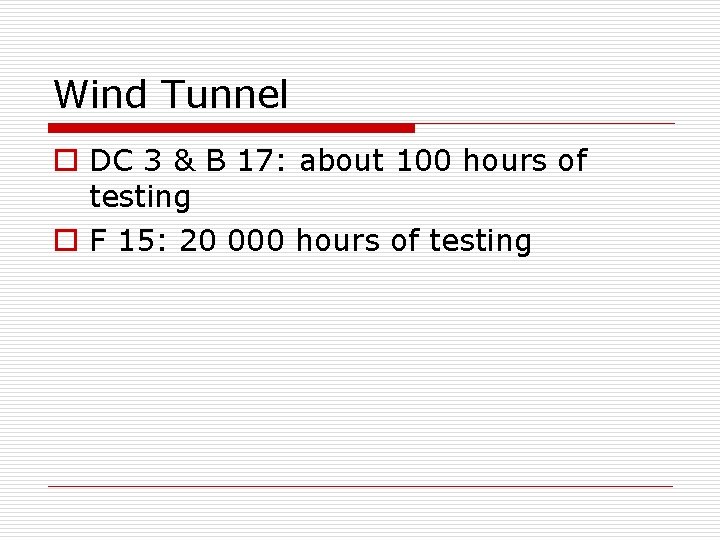
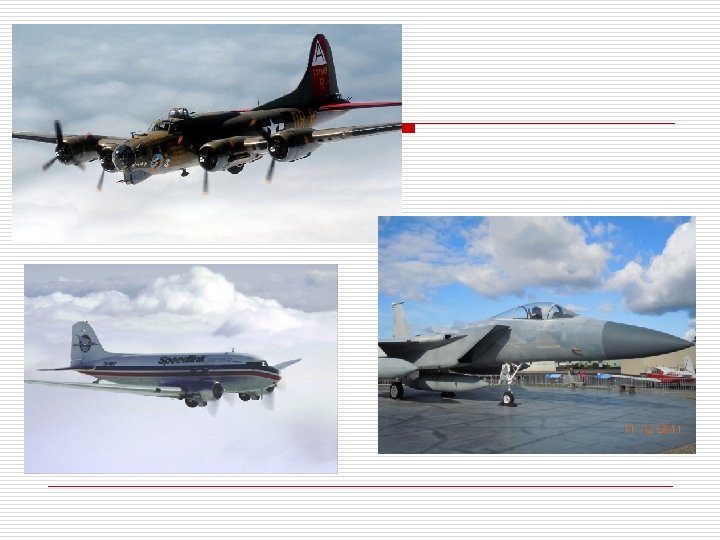
Wind Tunnel o DC 3 & B 17: about 100 hours of testing o F 15: 20 000 hours of testing
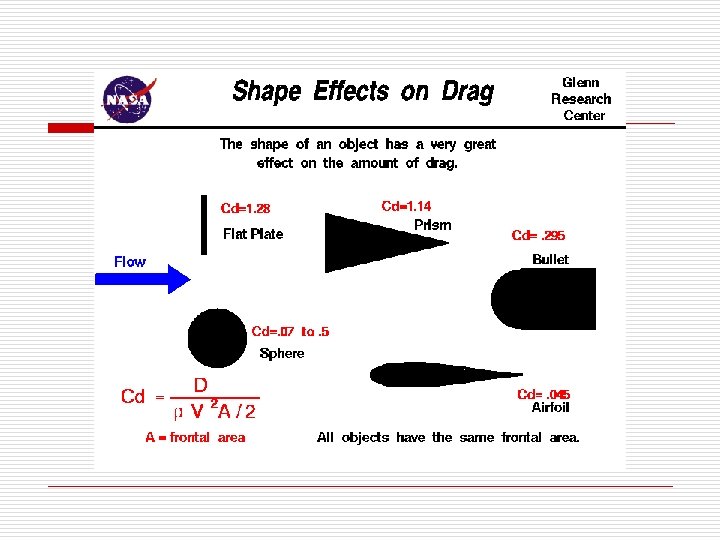
Drag Coefficient o Includes both pressure & friction drags: one usually dominates • Airfoil – friction; viscous shear drag • Auto – pressure; form drag
Drag force o • • • Assume for experimentation No adjacent surfaces Free stream velocity uniform & steady No free surface in fluid
Drag force o Simplification: power to move vehicle on level ground • Rolling friction • Drag force
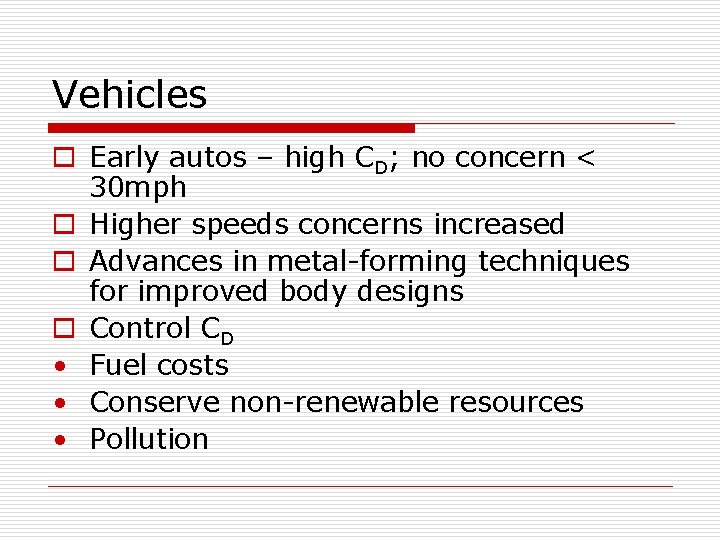
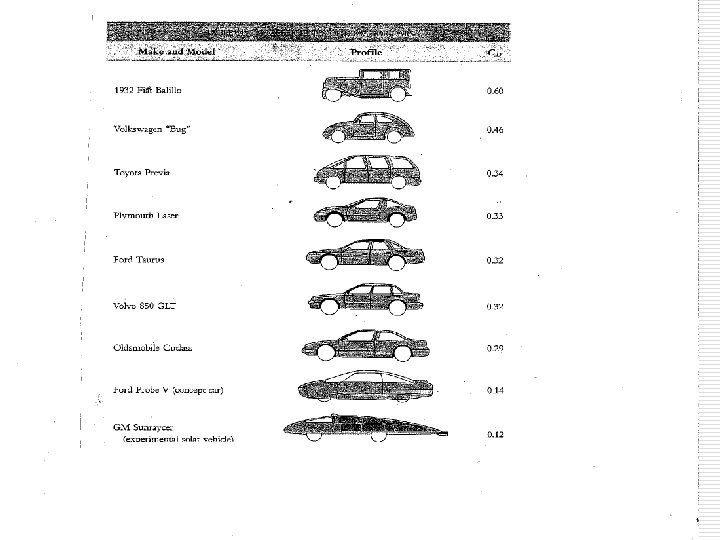
Vehicles o Early autos – high CD; no concern < 30 mph o Higher speeds concerns increased o Advances in metal-forming techniques for improved body designs o Control CD • Fuel costs • Conserve non-renewable resources • Pollution
Vehicles o o • • Nose of auto Trunk of auto Surface finish Discontinuities Mirrors Door handles Wheel wells Air intakes
Vehicles o • • • Reduced drag vs other factors Visibility Passenger accommodation Aesthetics
Fluid Mechanics Lab o • • Simple shapes Disk Hemisphere Sphere Teardrop
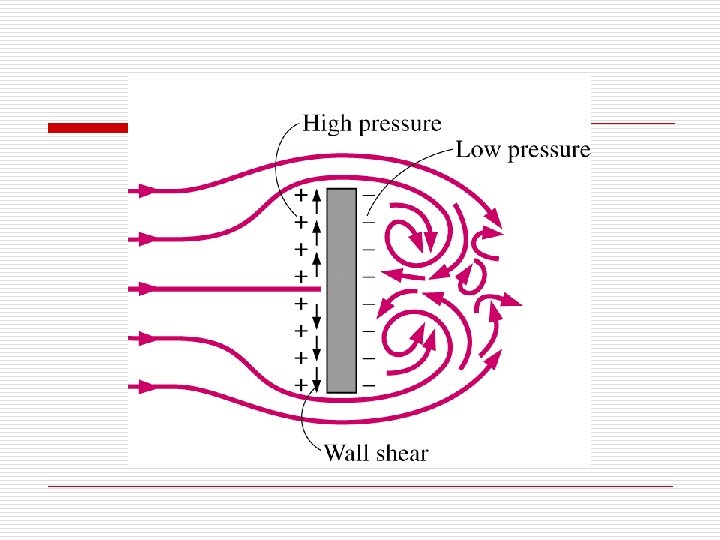
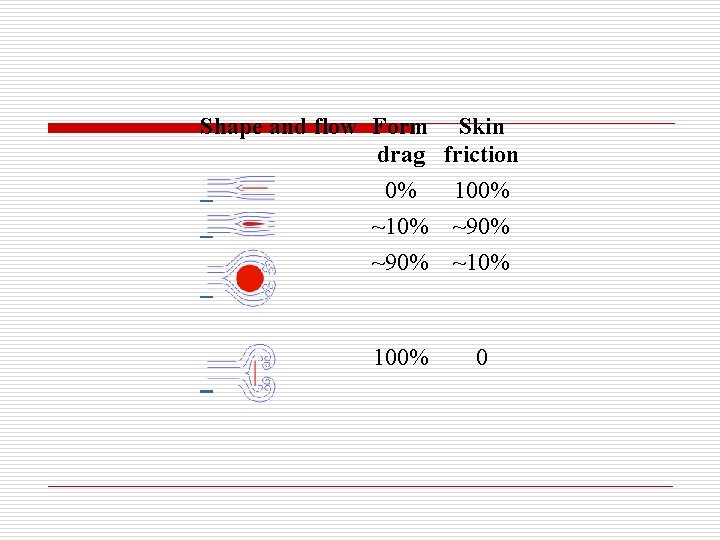
Pressure drag o Flat disk • All pressure; no friction drag • Streamline separation → wake; low pressure region. Adverse pressure gradient • P front-to-back
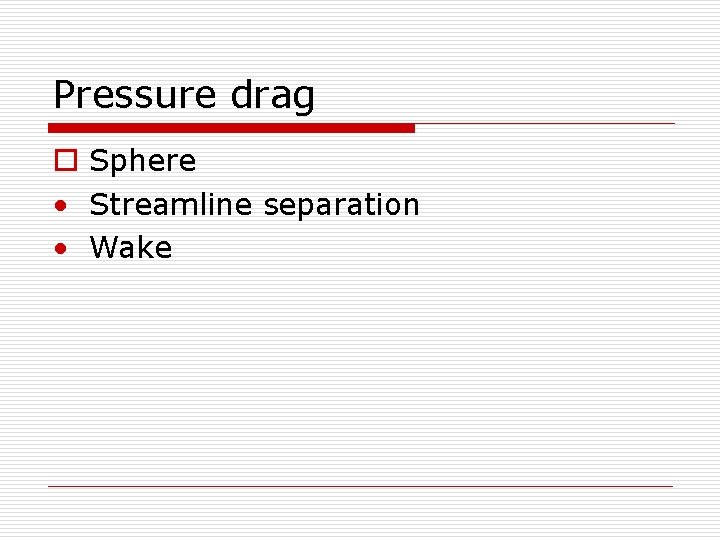
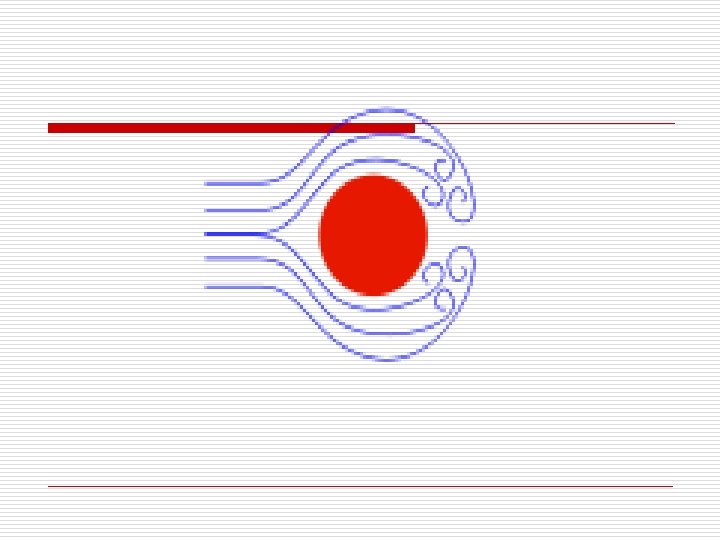
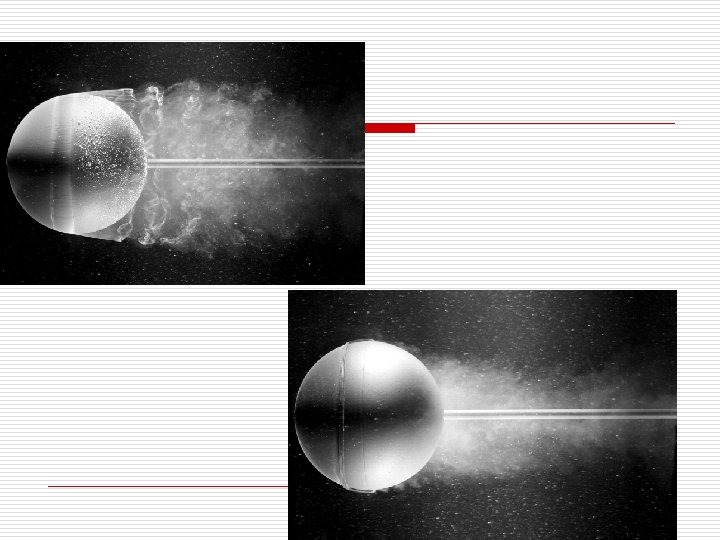
Pressure drag o Sphere • Streamline separation • Wake
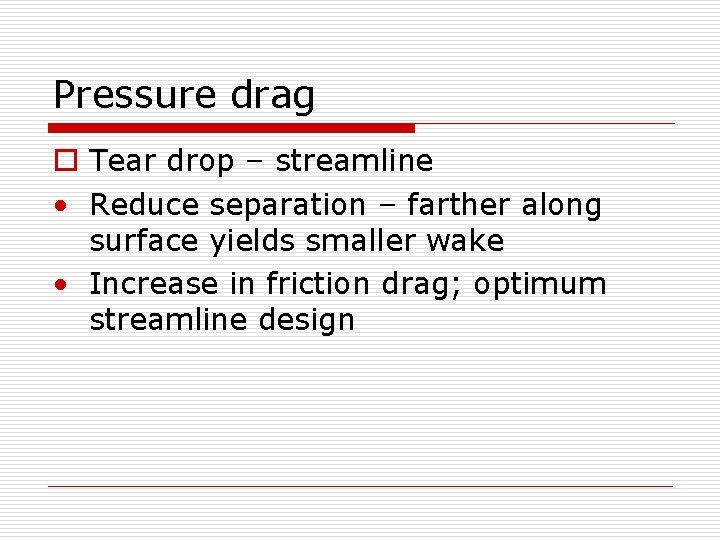
Pressure drag o Tear drop – streamline • Reduce separation – farther along surface yields smaller wake • Increase in friction drag; optimum streamline design
Shape and flow Form Skin drag friction 0% 100% ~10% ~90% ~10% 100% 0
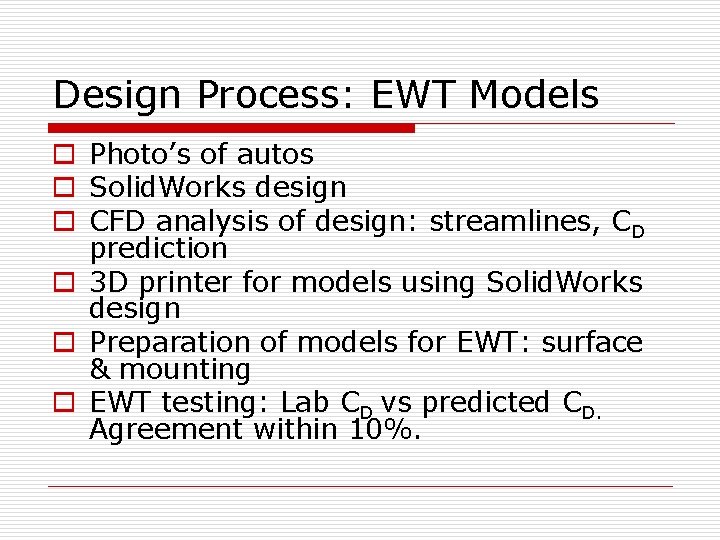
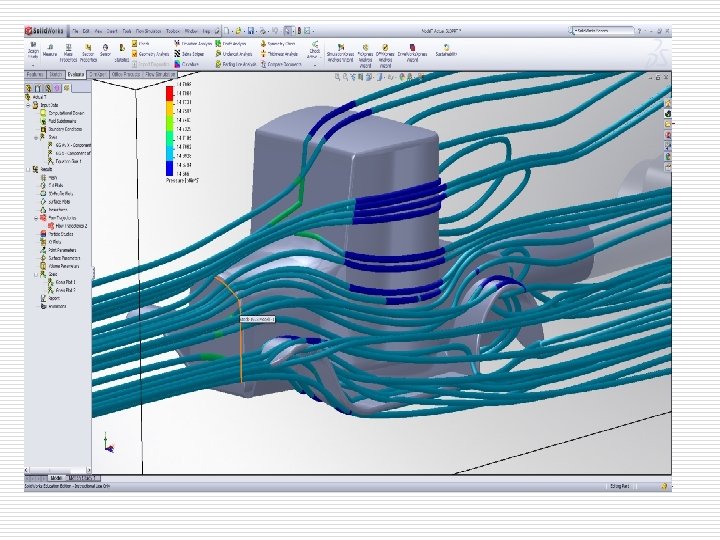
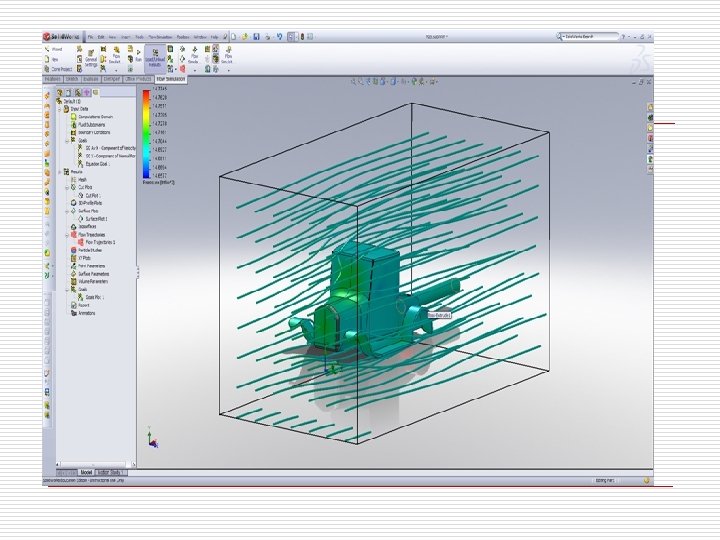
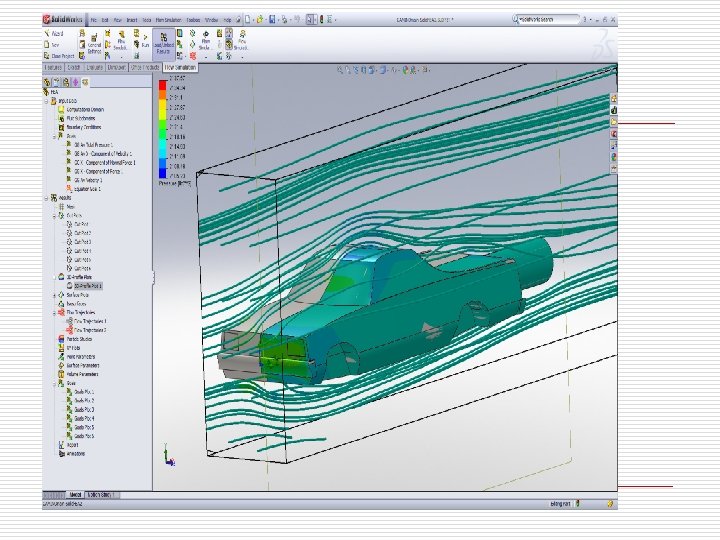
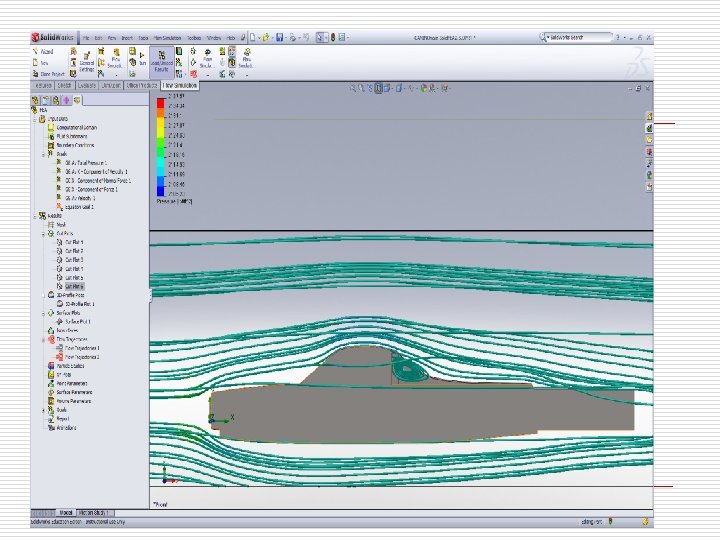
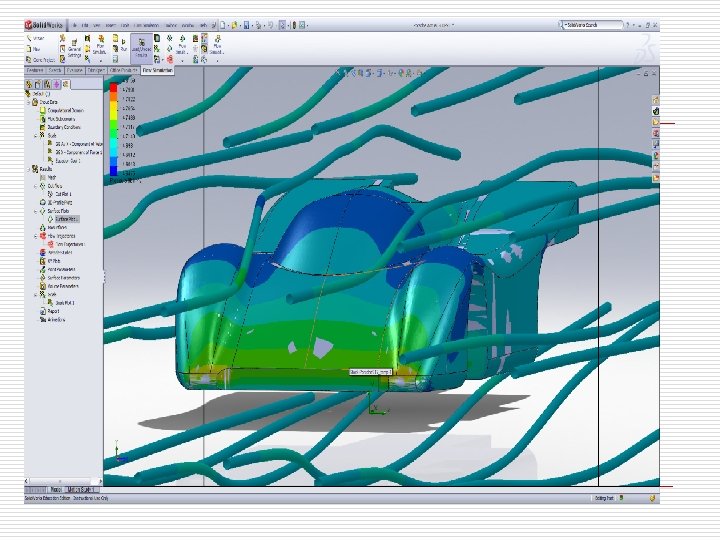
Design Process: EWT Models o Photo’s of autos o Solid. Works design o CFD analysis of design: streamlines, CD prediction o 3 D printer for models using Solid. Works design o Preparation of models for EWT: surface & mounting o EWT testing: Lab CD vs predicted CD. Agreement within 10%.
Assignment o Chapter 17 up to Section 17. 8