
FLOW IN PIPES With special thanks to Mr


- Slides: 27
` FLOW IN PIPES With special thanks to Mr. VAKILZADE KNTU CIVIL ENGINEERIG FACULTY
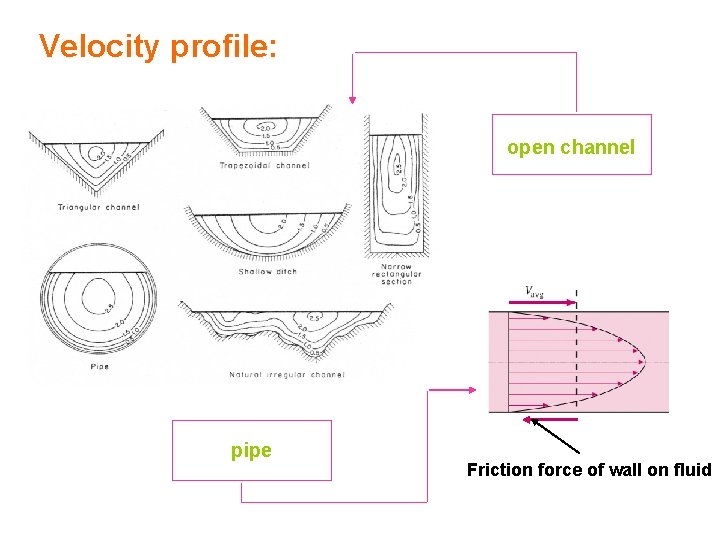
Velocity profile: open channel pipe Friction force of wall on fluid
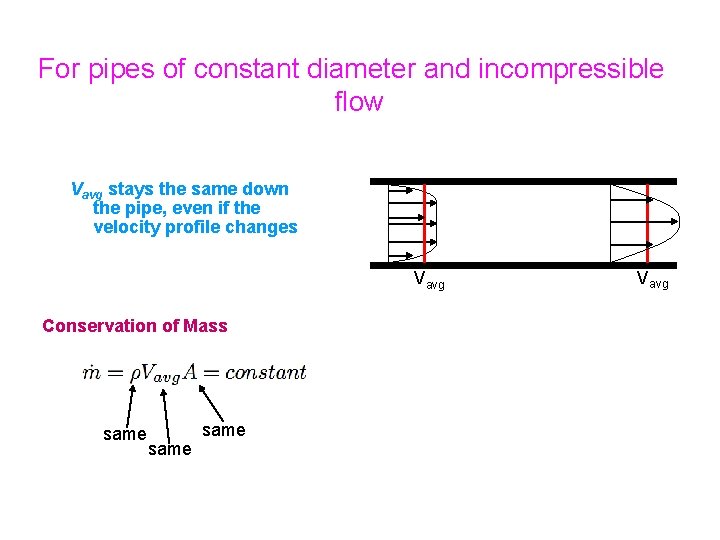
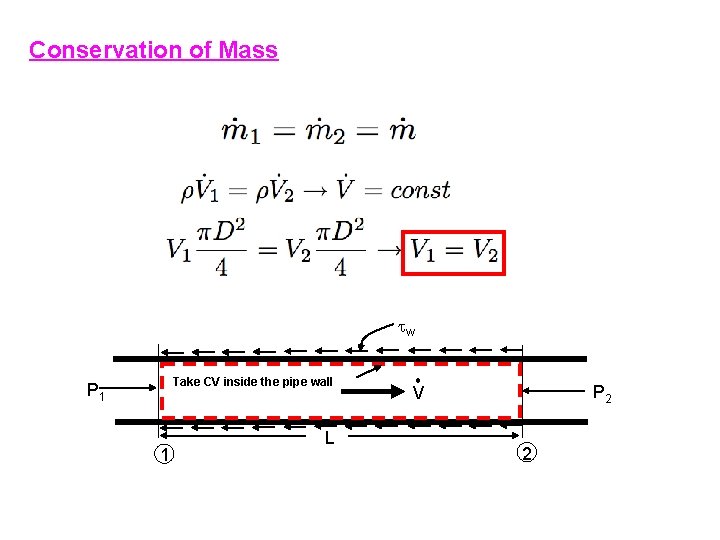
For pipes of constant diameter and incompressible flow Vavg stays the same down the pipe, even if the velocity profile changes Vavg Conservation of Mass same Vavg
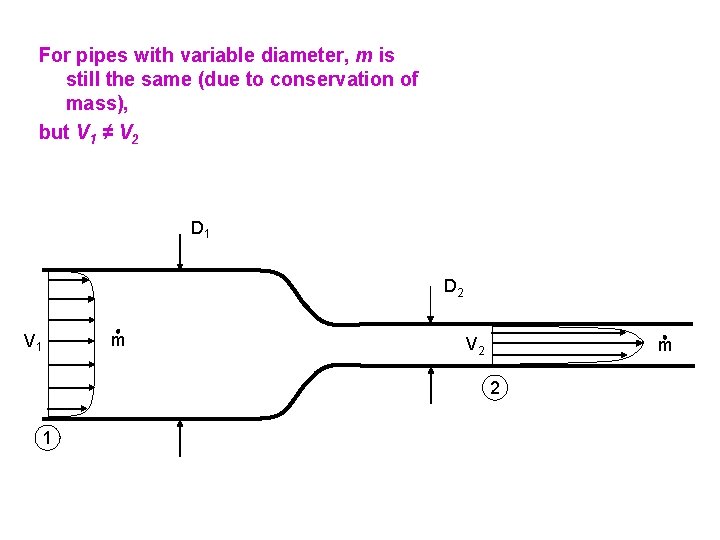
For pipes with variable diameter, m is still the same (due to conservation of mass), but V 1 ≠ V 2 D 1 D 2 V 1 m V 2 m 2 1
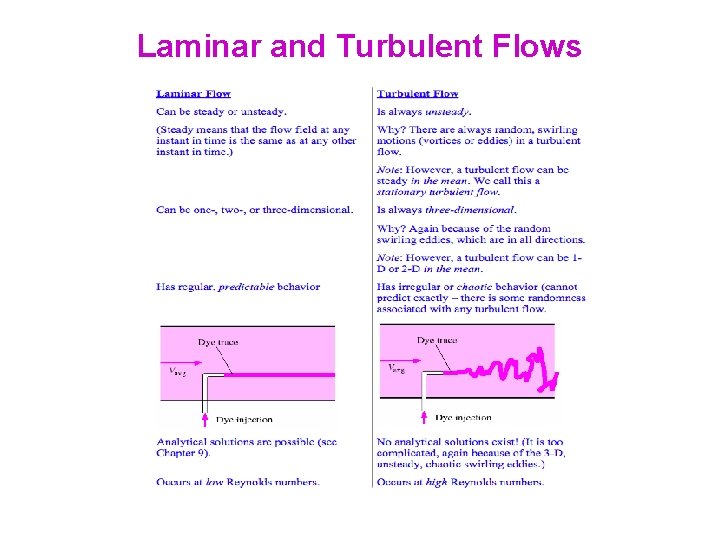
Laminar and Turbulent Flows
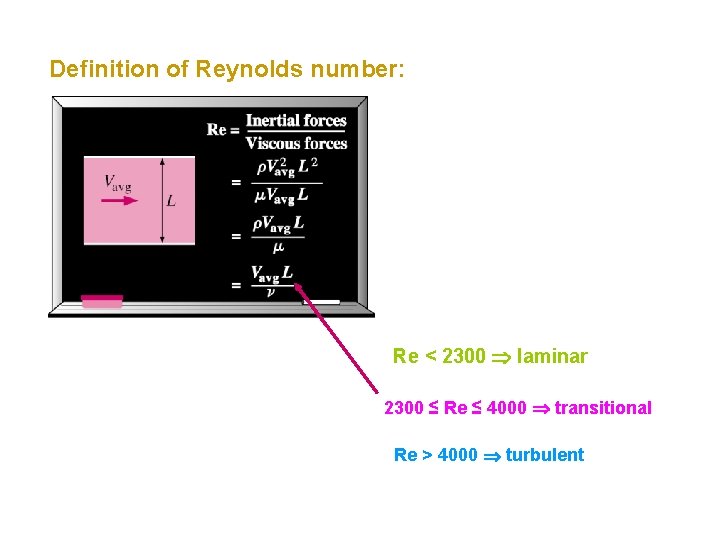
Definition of Reynolds number: Re < 2300 laminar 2300 ≤ Re ≤ 4000 transitional Re > 4000 turbulent
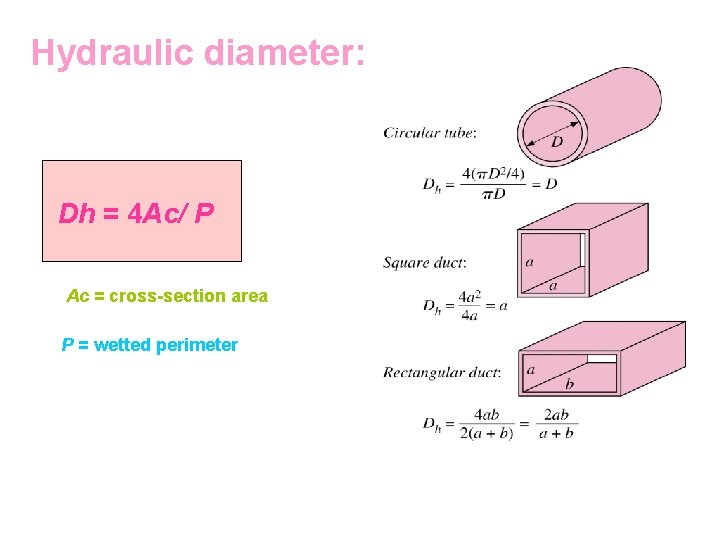
Hydraulic diameter: Dh = 4 Ac/ P Ac = cross-section area P = wetted perimeter
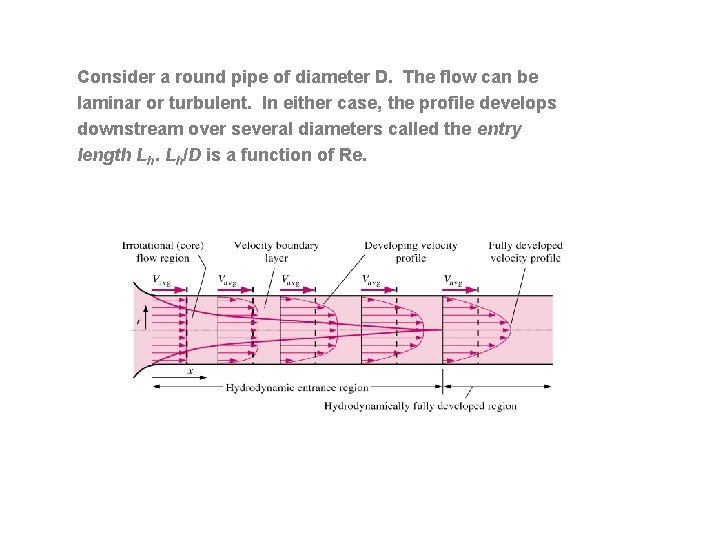
Consider a round pipe of diameter D. The flow can be laminar or turbulent. In either case, the profile develops downstream over several diameters called the entry length Lh. Lh/D is a function of Re.
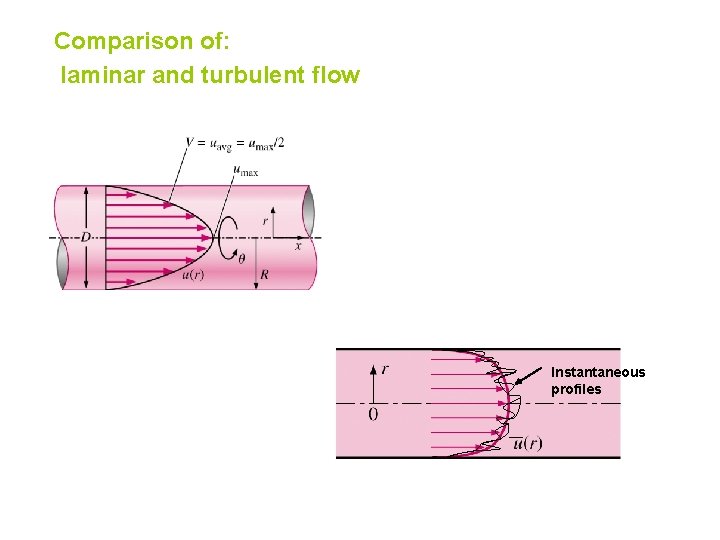
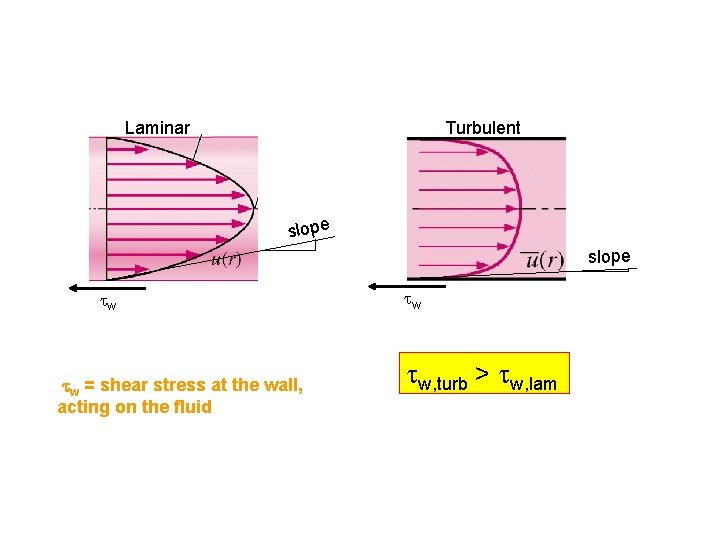
Comparison of: laminar and turbulent flow Instantaneous profiles
Laminar Turbulent slope w w = shear stress at the wall, acting on the fluid w w, turb > w, lam
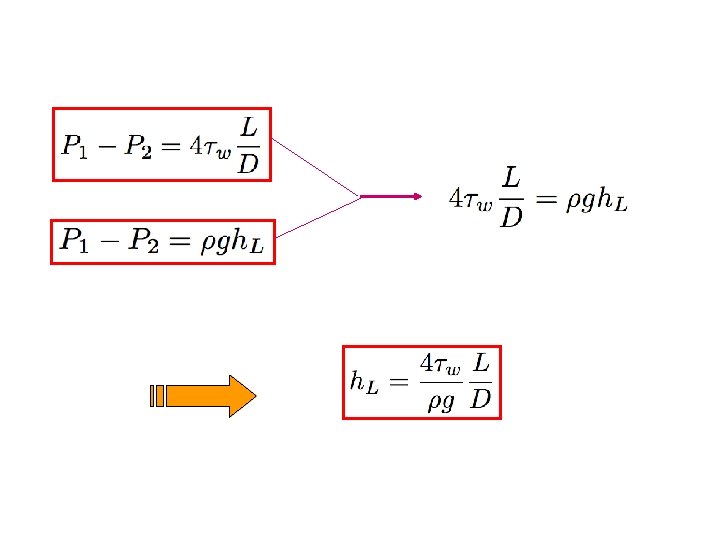
Conservation of Mass w Take CV inside the pipe wall P 1 1 L P 2 V 2
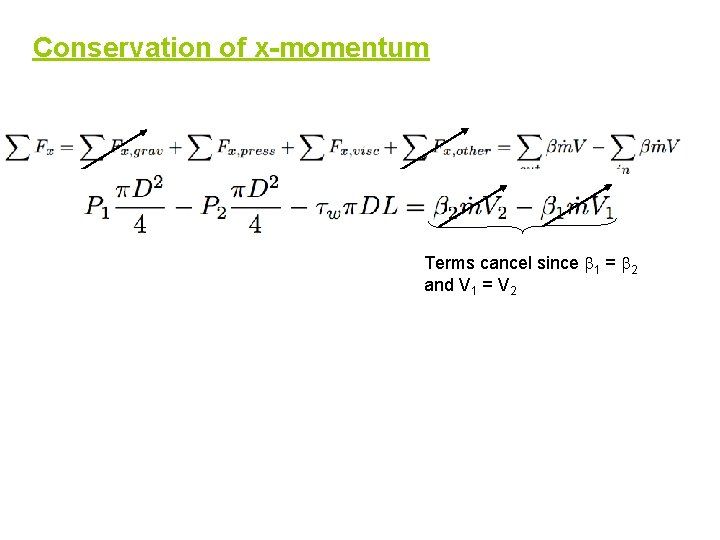
Conservation of x-momentum Terms cancel since 1 = 2 and V 1 = V 2
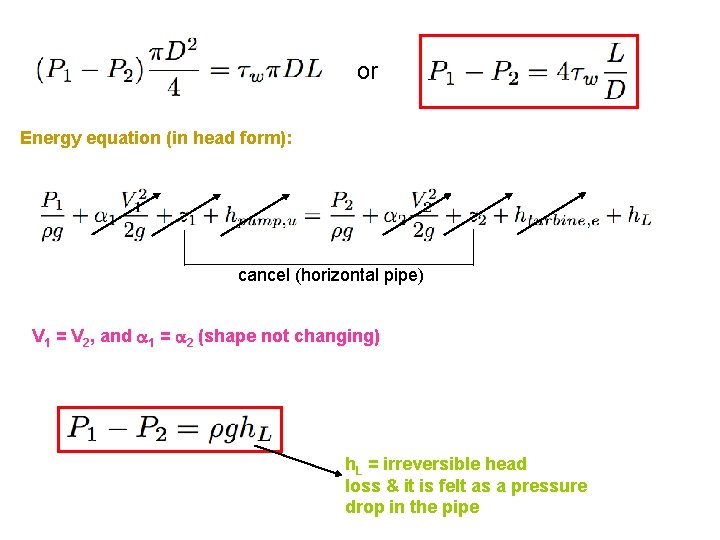
or Energy equation (in head form): cancel (horizontal pipe) V 1 = V 2, and 1 = 2 (shape not changing) h. L = irreversible head loss & it is felt as a pressure drop in the pipe
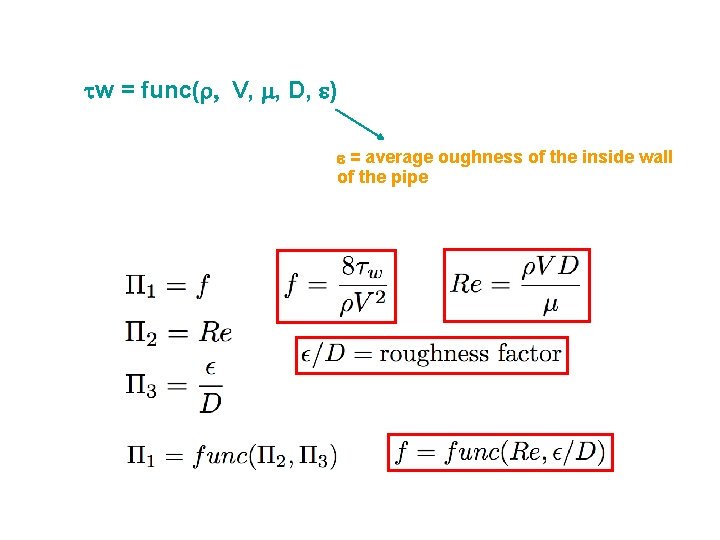
w = func( V, , D, ) = average oughness of the inside wall of the pipe
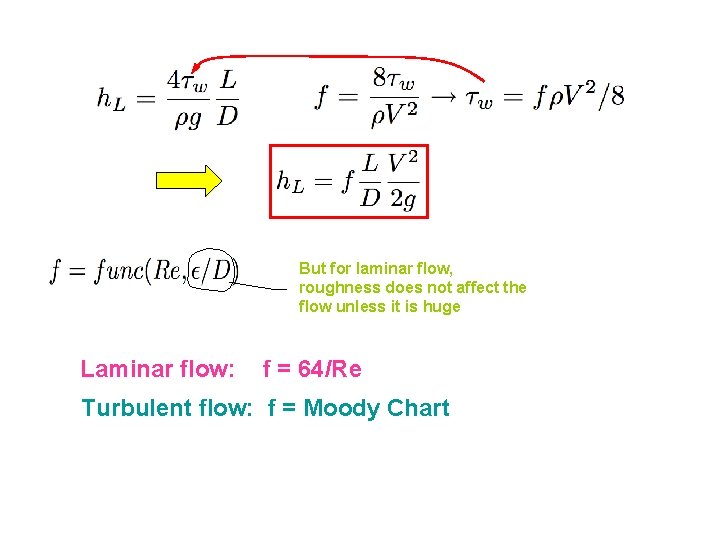
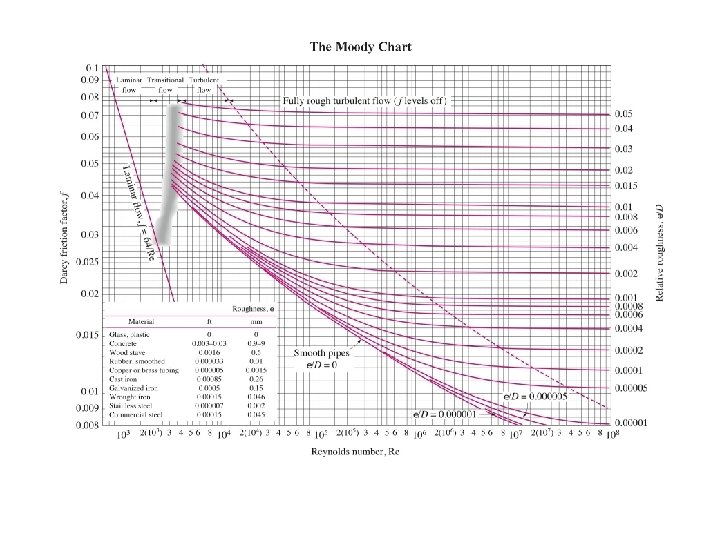
But for laminar flow, roughness does not affect the flow unless it is huge Laminar flow: f = 64/Re Turbulent flow: f = Moody Chart
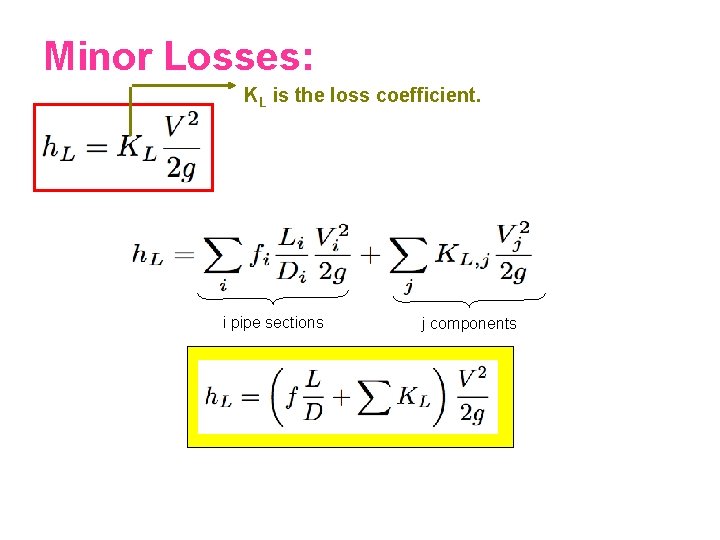
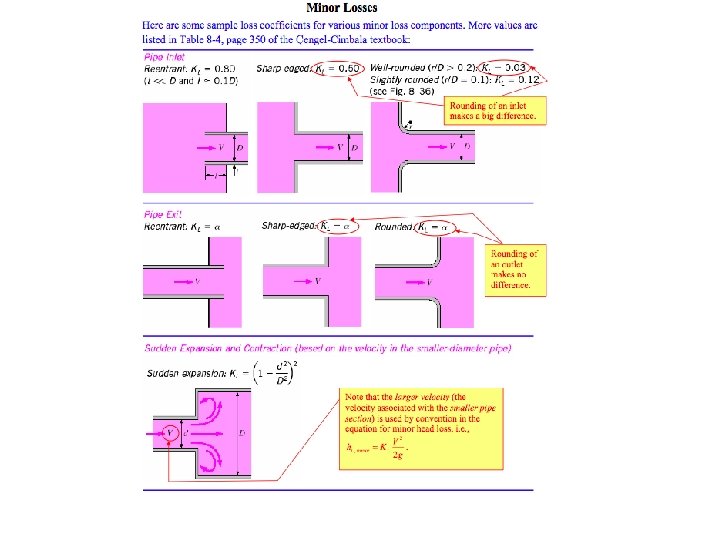
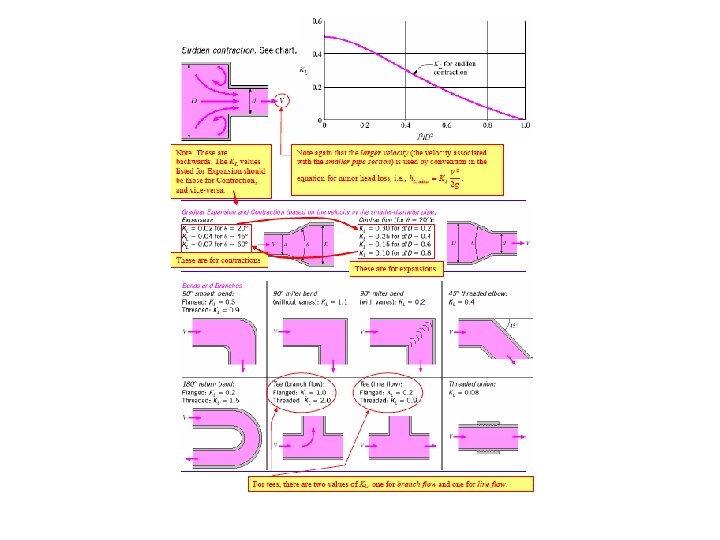
Minor Losses: KL is the loss coefficient. i pipe sections j components
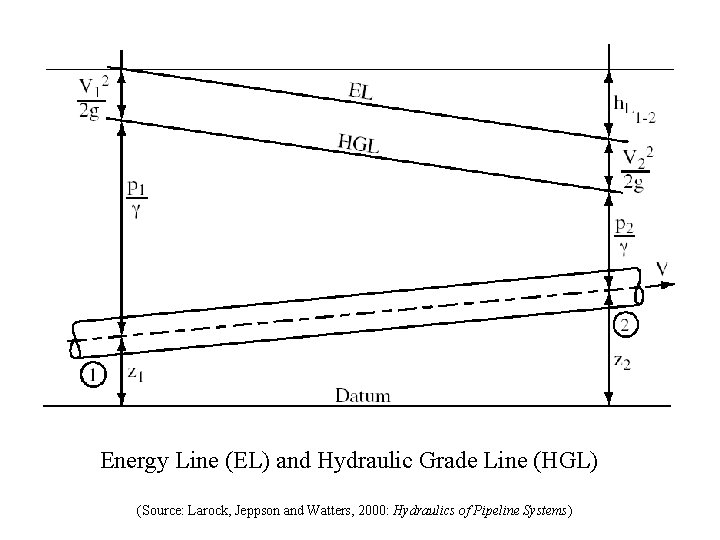
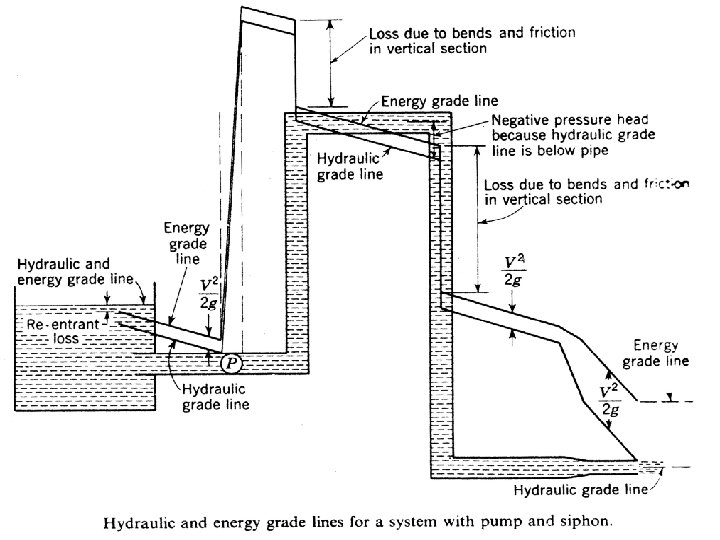
Energy Line (EL) and Hydraulic Grade Line (HGL) (Source: Larock, Jeppson and Watters, 2000: Hydraulics of Pipeline Systems)
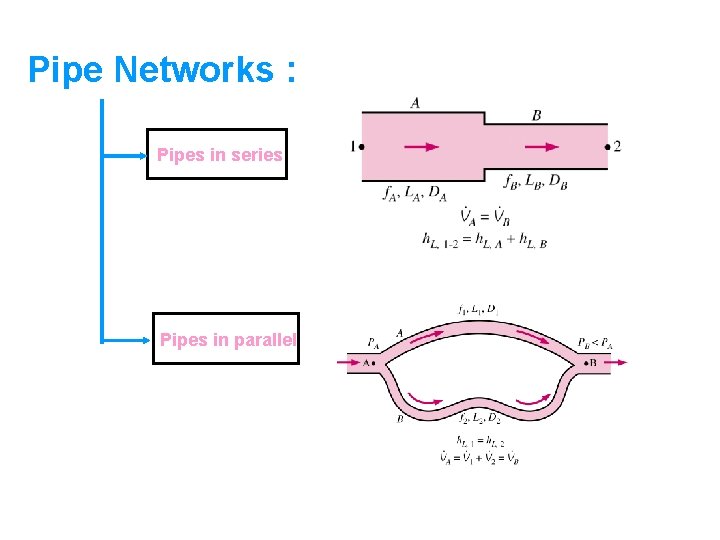
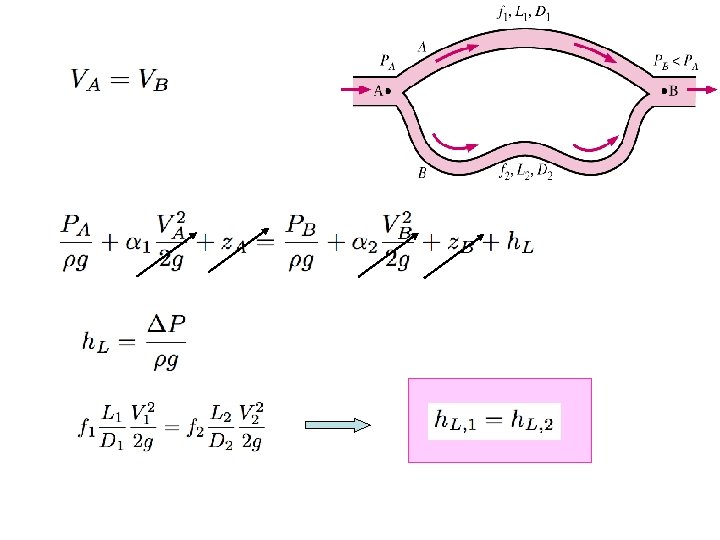
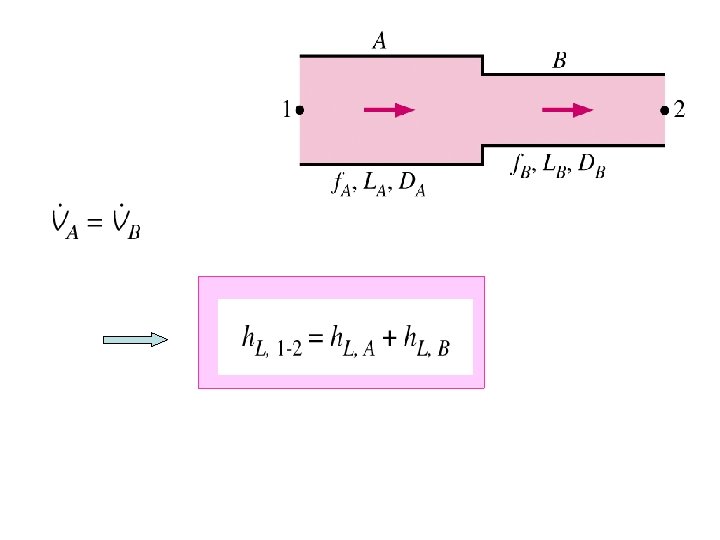
Pipe Networks : Pipes in series Pipes in parallel
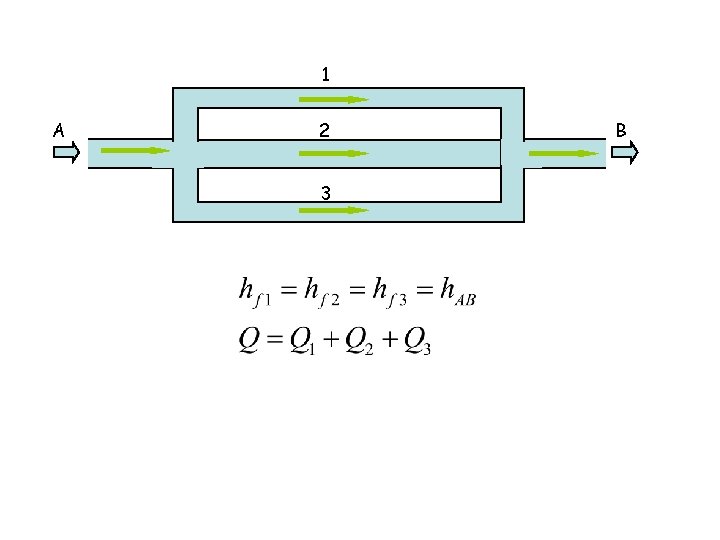
1 A 2 3 B
Any question?