
Flow cytometry Andreas Romaine Methods in Cardiac Research

- Slides: 19
Flow cytometry Andreas Romaine Methods in Cardiac Research 2016
Overview • • • What is flow cytometry? How does it work? Applications Considerations for your project Questions?
What is it? • Laser based system that measures the properties of single cells • Measures the size, granularity and fluorescence intensity of cells and particles • Can compare the expression of multiple cell markers on individual cells
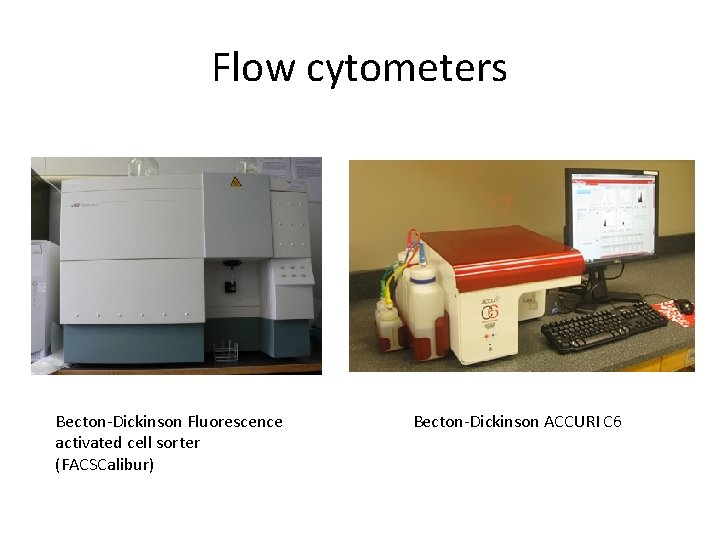
Flow cytometers Becton-Dickinson Fluorescence activated cell sorter (FACSCalibur) Becton-Dickinson ACCURI C 6
How it works 1. 2. 3. 4. Light scatter detection (antibody independent) Fluorescence detection Combining parameters and Gating Multicolour flow cytometry and Compensation
Forward and Side Scatter Sheath fluid flow Forward light scatter (FSC)- size Side light scatter (SSC)- granularity Laser light source Scattered light Detector
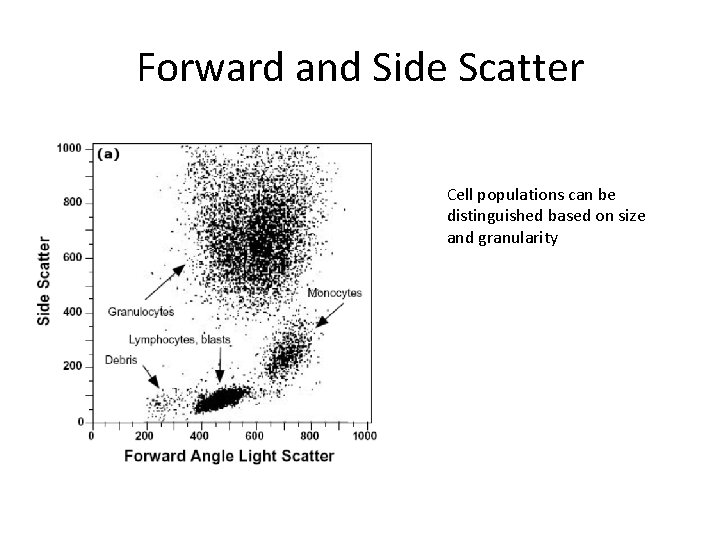
Forward and Side Scatter Cell populations can be distinguished based on size and granularity
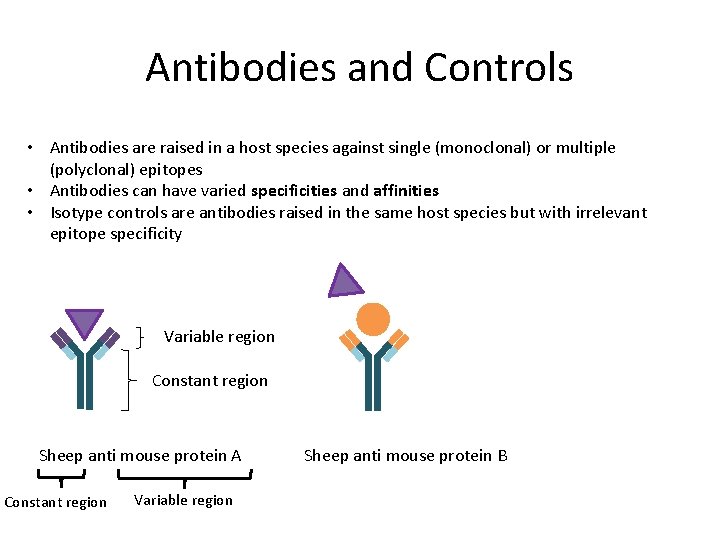
Antibodies and Controls • Antibodies are raised in a host species against single (monoclonal) or multiple (polyclonal) epitopes • Antibodies can have varied specificities and affinities • Isotype controls are antibodies raised in the same host species but with irrelevant epitope specificity Variable region Constant region Sheep anti mouse protein A Constant region Variable region Sheep anti mouse protein B
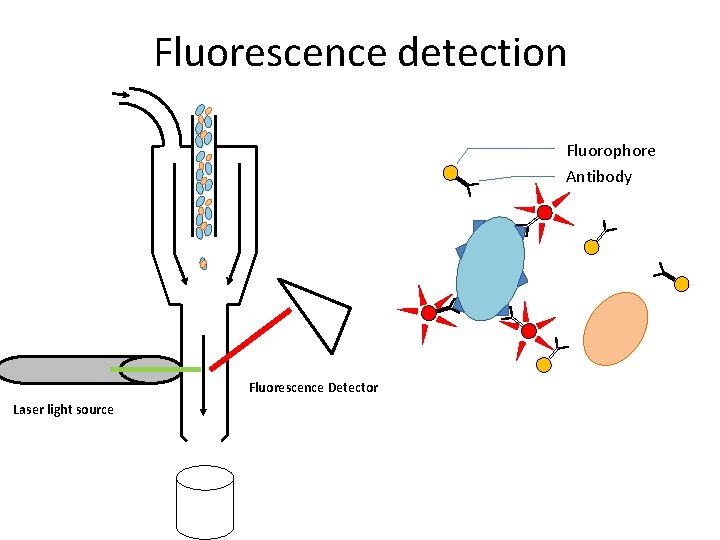
Fluorescence detection Fluorophore Antibody Fluorescence Detector Laser light source
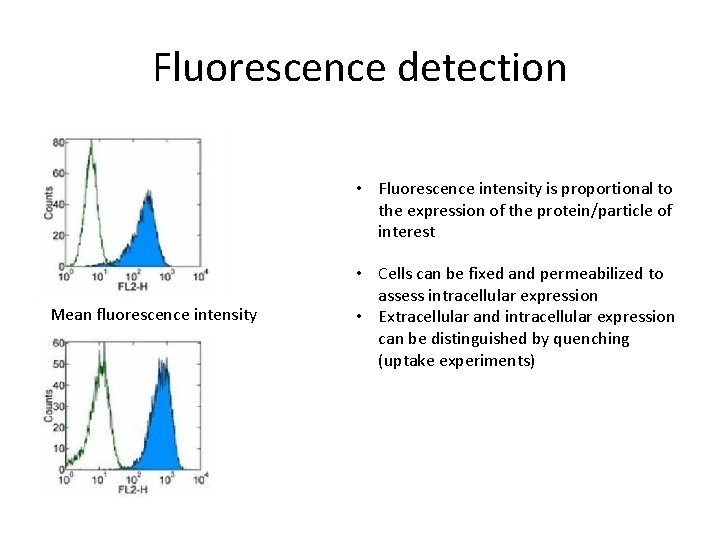
Fluorescence detection • Fluorescence intensity is proportional to the expression of the protein/particle of interest Mean fluorescence intensity • Cells can be fixed and permeabilized to assess intracellular expression • Extracellular and intracellular expression can be distinguished by quenching (uptake experiments)
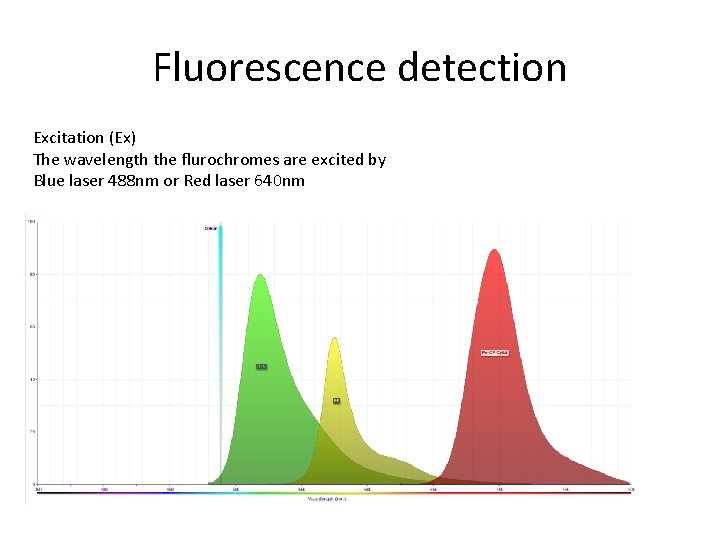
Fluorescence detection Excitation (Ex) The wavelength the flurochromes are excited by Blue laser 488 nm or Red laser 640 nm
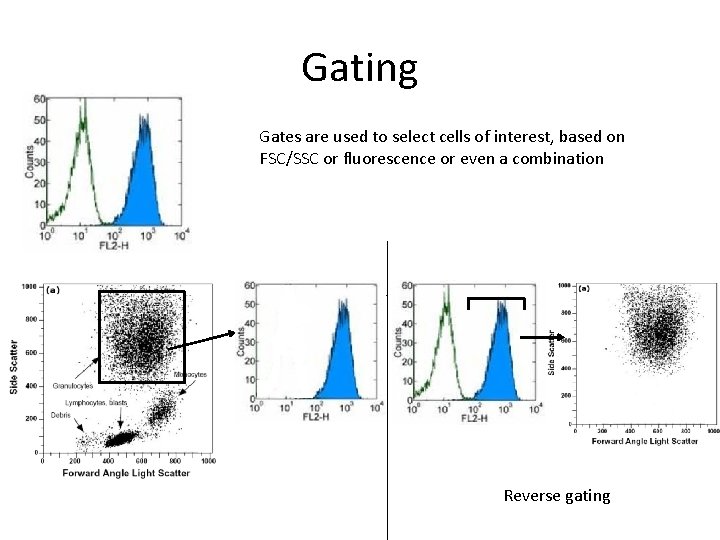
Gating Gates are used to select cells of interest, based on FSC/SSC or fluorescence or even a combination Reverse gating
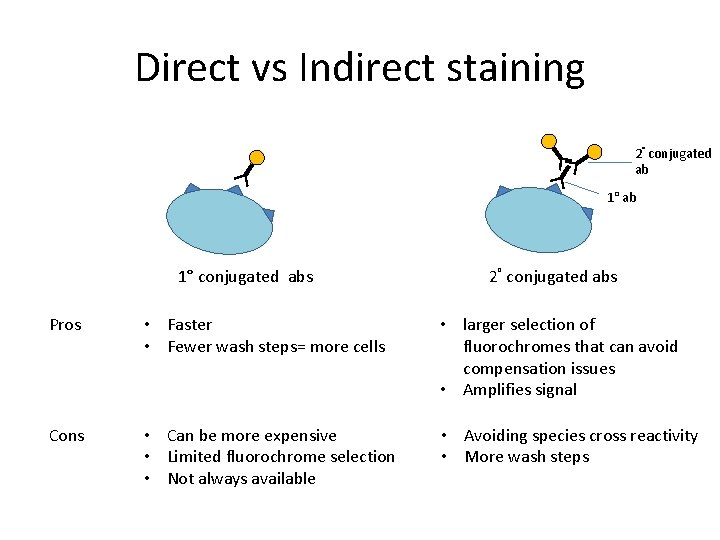
Direct vs Indirect staining 2° conjugated ab 1° conjugated abs 2° conjugated abs Pros • Faster • Fewer wash steps= more cells • larger selection of fluorochromes that can avoid compensation issues • Amplifies signal Cons • Can be more expensive • Limited fluorochrome selection • Not always available • Avoiding species cross reactivity • More wash steps
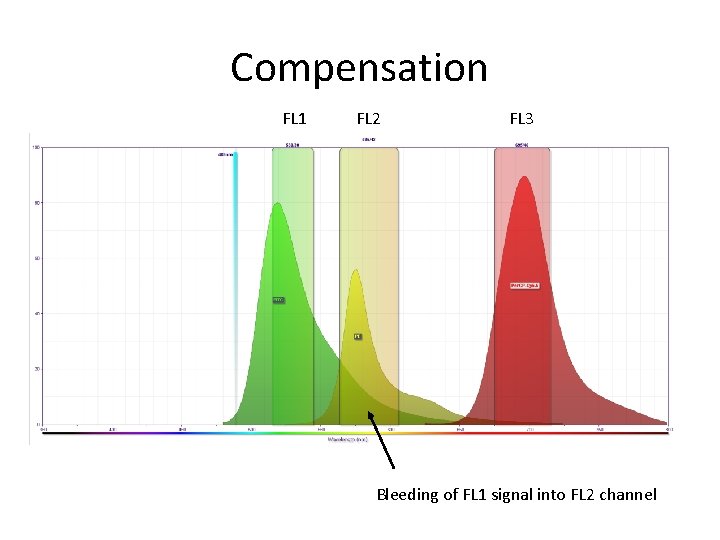
Compensation FL 1 FL 2 FL 3 Bleeding of FL 1 signal into FL 2 channel
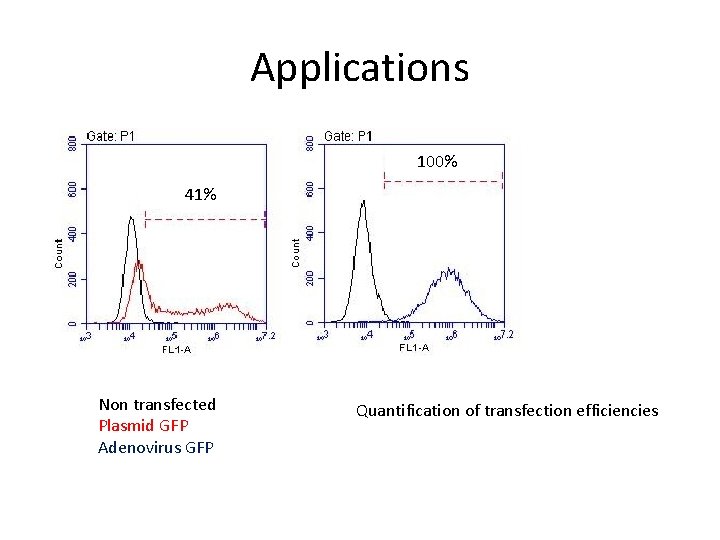
Applications 100% 41% Non transfected Plasmid GFP Adenovirus GFP Quantification of transfection efficiencies
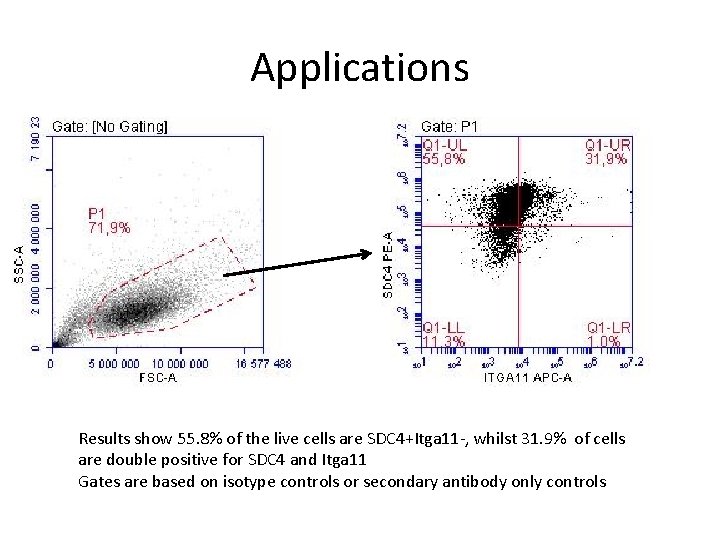
Applications Results show 55. 8% of the live cells are SDC 4+Itga 11 -, whilst 31. 9% of cells are double positive for SDC 4 and Itga 11 Gates are based on isotype controls or secondary antibody only controls
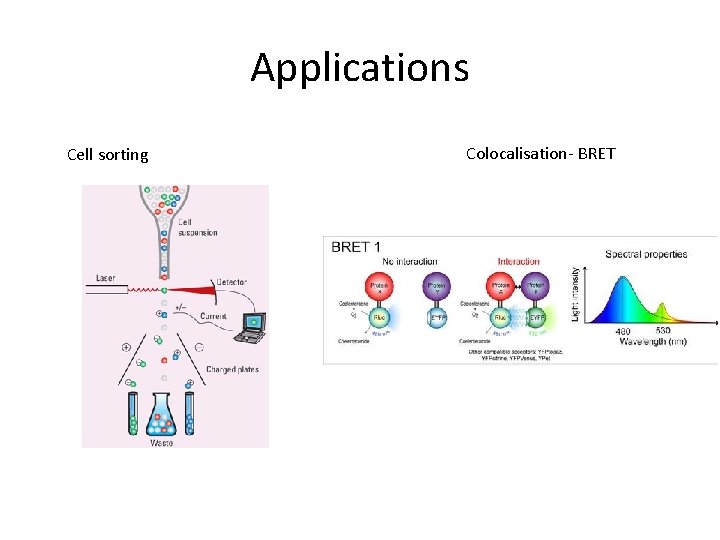
Applications Cell sorting Colocalisation- BRET
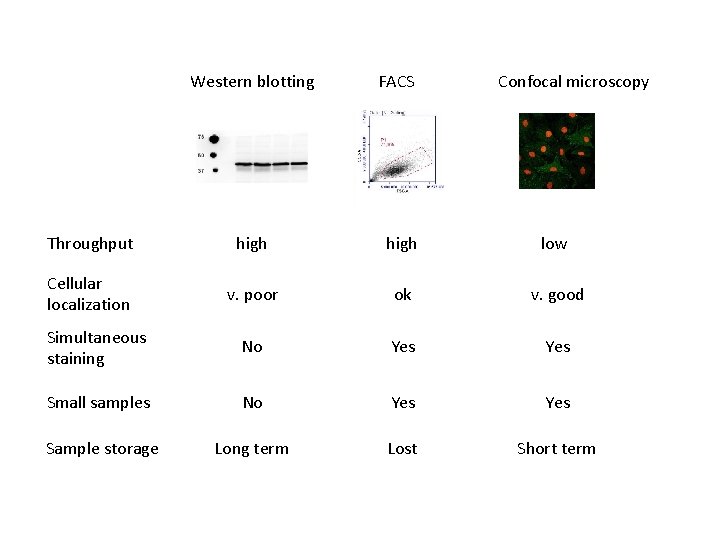
Western blotting FACS Confocal microscopy Throughput high low Cellular localization v. poor ok v. good Simultaneous staining No Yes Small samples No Yes Sample storage Long term Lost Short term
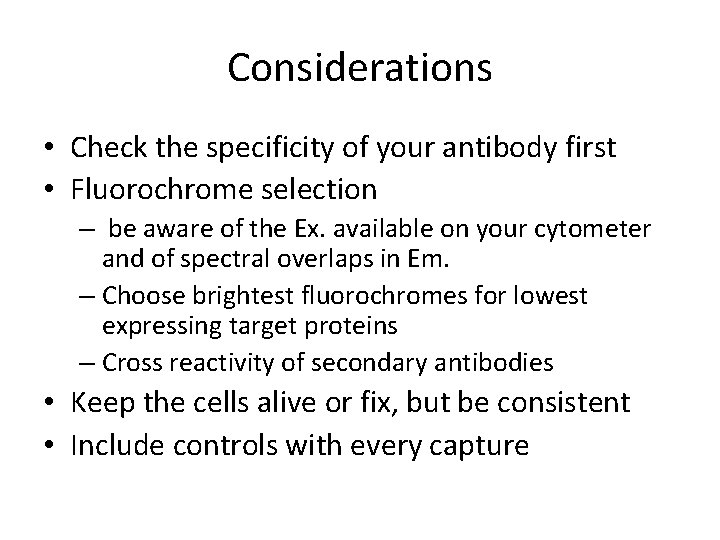
Considerations • Check the specificity of your antibody first • Fluorochrome selection – be aware of the Ex. available on your cytometer and of spectral overlaps in Em. – Choose brightest fluorochromes for lowest expressing target proteins – Cross reactivity of secondary antibodies • Keep the cells alive or fix, but be consistent • Include controls with every capture