
Florida Keys National Marine Sanctuary Marine Zoning and

- Slides: 26
Florida Keys National Marine Sanctuary Marine Zoning and Regulatory Review Status and Process Overview FWC Boating Advisory Council May 15, 2013 Sean Morton FKNMS Superintendent
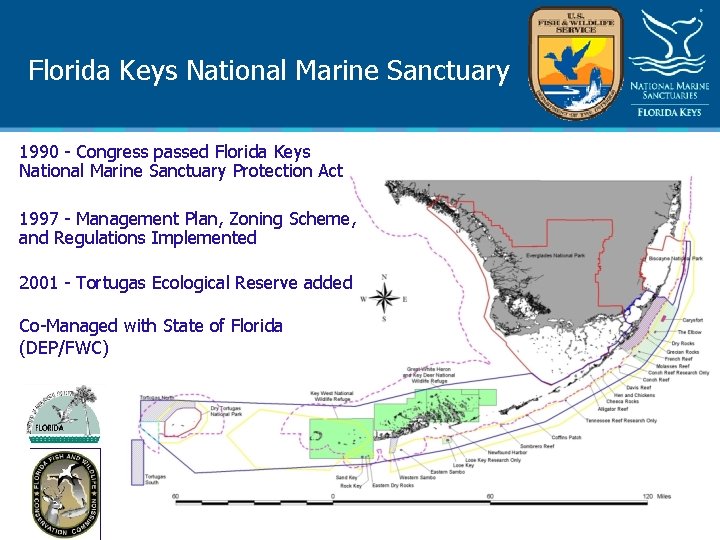
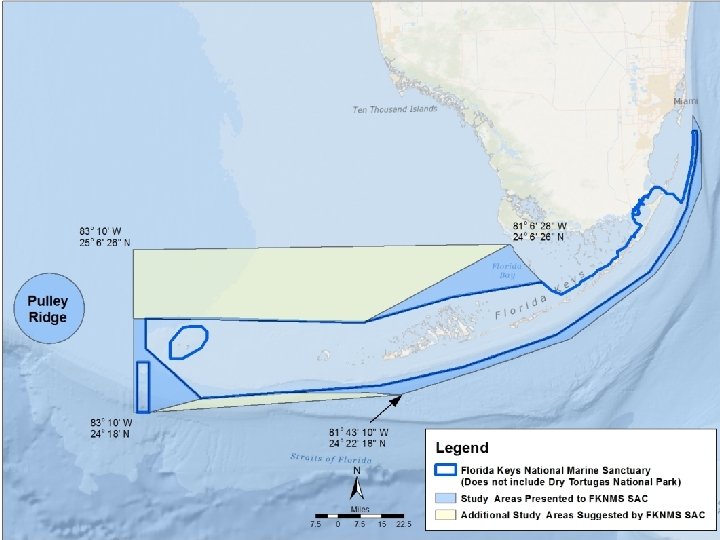
Florida Keys National Marine Sanctuary 1990 - Congress passed Florida Keys National Marine Sanctuary Protection Act 1997 - Management Plan, Zoning Scheme, and Regulations Implemented 2001 - Tortugas Ecological Reserve added Co-Managed with State of Florida (DEP/FWC)
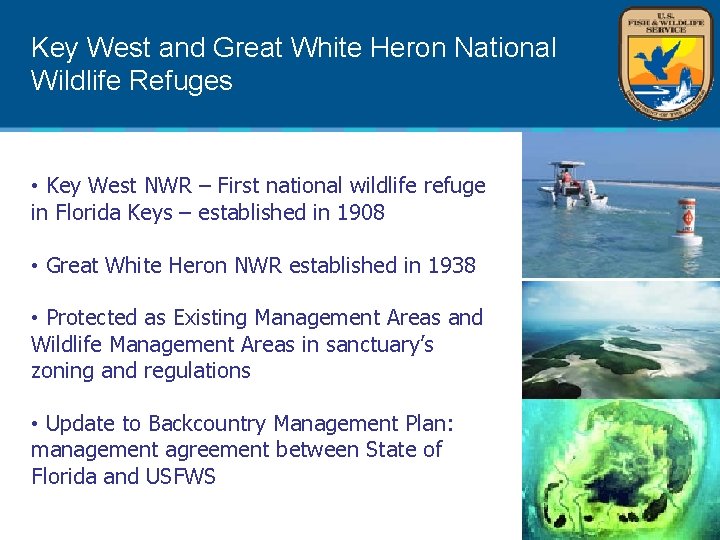
Key West and Great White Heron National Wildlife Refuges • Key West NWR – First national wildlife refuge in Florida Keys – established in 1908 • Great White Heron NWR established in 1938 • Protected as Existing Management Areas and Wildlife Management Areas in sanctuary’s zoning and regulations • Update to Backcountry Management Plan: management agreement between State of Florida and USFWS
Why conduct the review? • Community interest! • Periodic evaluation and public input is good management • Science shows we can make improvements in management • Emerging threats – climate change, invasive species, new marine uses • Requirements – federal law and state resolutions, action plans adopted in 2007
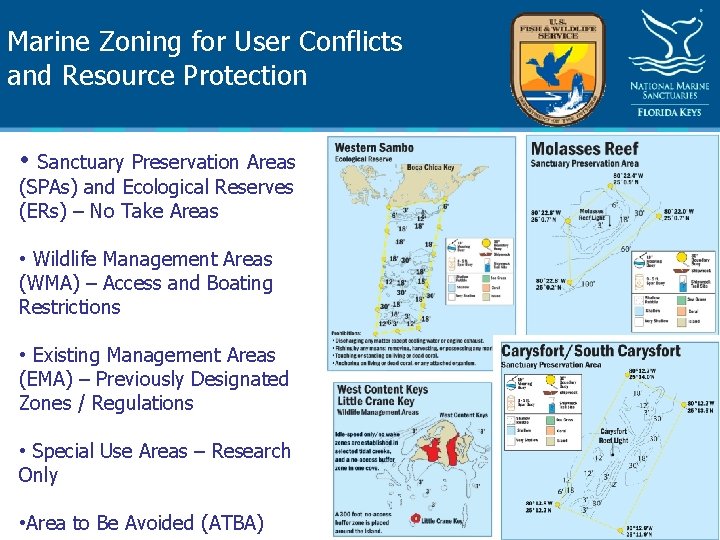
Marine Zoning for User Conflicts and Resource Protection • Sanctuary Preservation Areas (SPAs) and Ecological Reserves (ERs) – No Take Areas • Wildlife Management Areas (WMA) – Access and Boating Restrictions • Existing Management Areas (EMA) – Previously Designated Zones / Regulations • Special Use Areas – Research Only • Area to Be Avoided (ATBA)
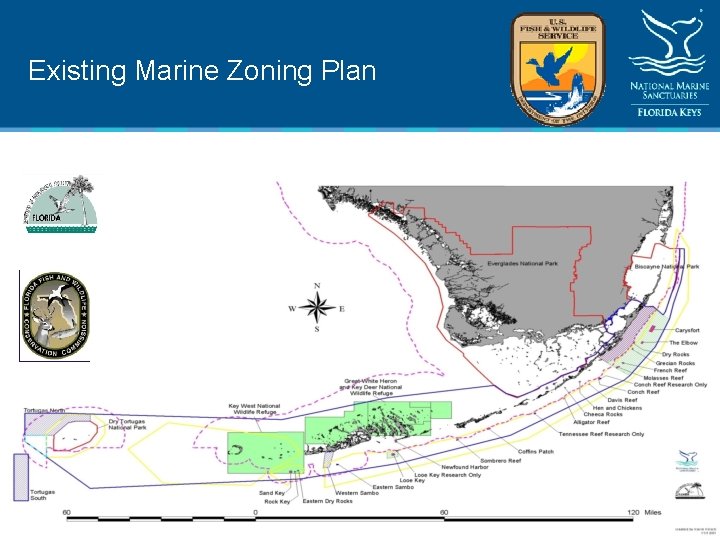
Existing Marine Zoning Plan
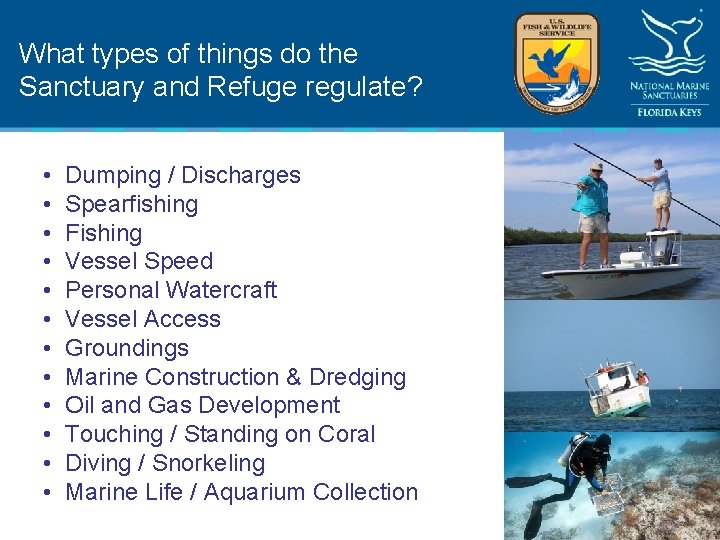
What types of things do the Sanctuary and Refuge regulate? • • • Dumping / Discharges Spearfishing Fishing Vessel Speed Personal Watercraft Vessel Access Groundings Marine Construction & Dredging Oil and Gas Development Touching / Standing on Coral Diving / Snorkeling Marine Life / Aquarium Collection
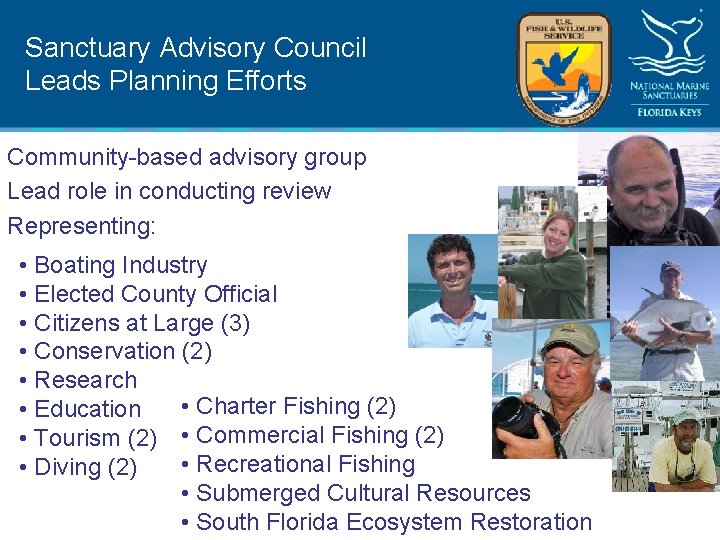
Sanctuary Advisory Council Leads Planning Efforts Community-based advisory group Lead role in conducting review Representing: • Boating Industry • Elected County Official • Citizens at Large (3) • Conservation (2) • Research • Charter Fishing (2) • Education • Tourism (2) • Commercial Fishing (2) • Recreational Fishing • Diving (2) • Submerged Cultural Resources • South Florida Ecosystem Restoration
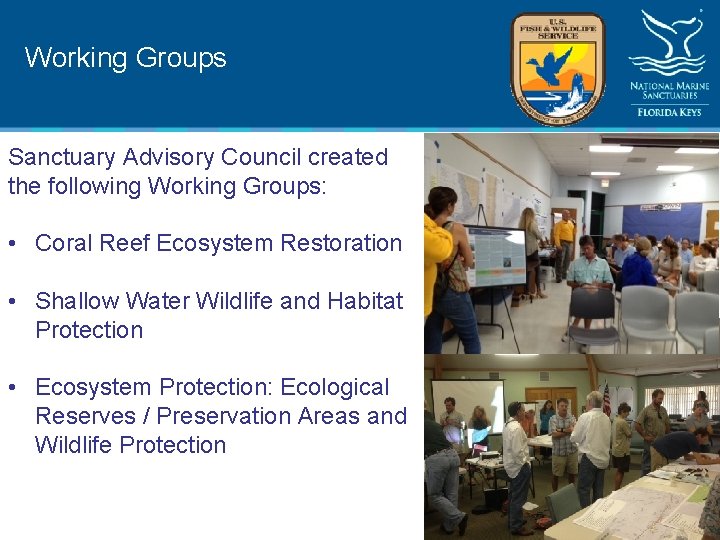
Working Groups Sanctuary Advisory Council created the following Working Groups: • Coral Reef Ecosystem Restoration • Shallow Water Wildlife and Habitat Protection • Ecosystem Protection: Ecological Reserves / Preservation Areas and Wildlife Protection
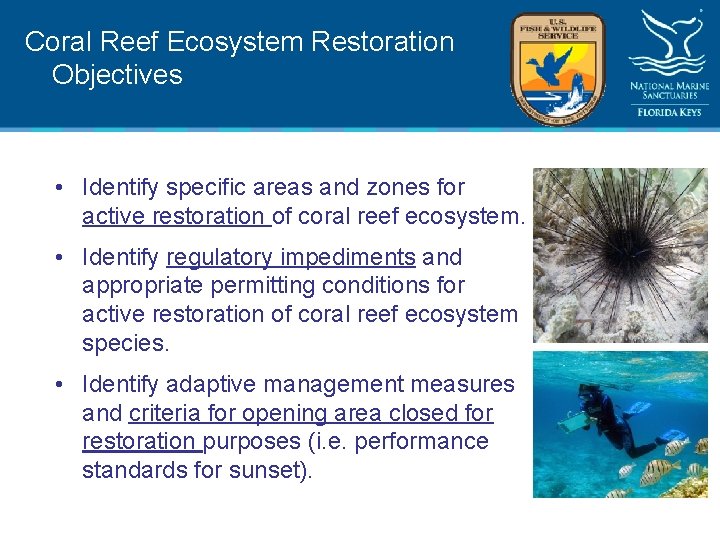
Coral Reef Ecosystem Restoration Objectives • Identify specific areas and zones for active restoration of coral reef ecosystem. • Identify regulatory impediments and appropriate permitting conditions for active restoration of coral reef ecosystem species. • Identify adaptive management measures and criteria for opening area closed for restoration purposes (i. e. performance standards for sunset).
Shallow Water Wildlife and Habitat Protection – Objectives • Evaluate existing Wildlife Management Areas for effectiveness in protecting wildlife and their habitats under current as well as emerging public uses and environmental conditions • Develop recommendations considering existing regulations and zoning – mainly use of vessel restrictions on access, anchoring, speed, and channel marking – to further protect seagrass and critical shallow water habitats in FKNMS. • Address concentrated uses that diminish and destroy seagrass and shallow water habitats. Cont.
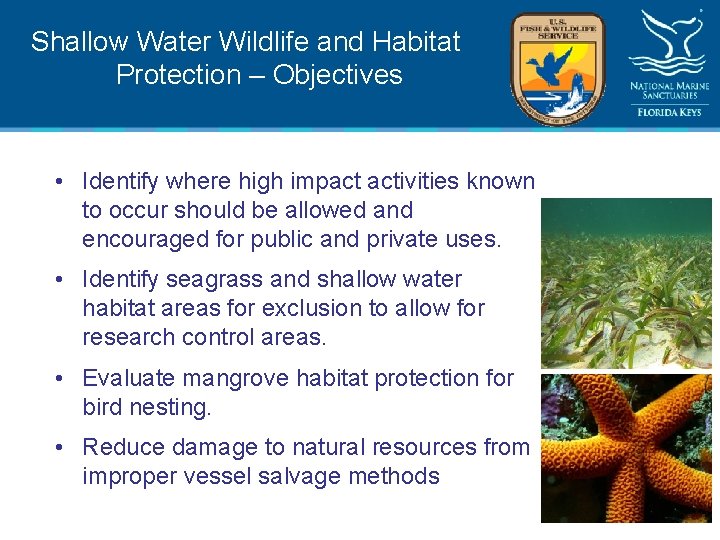
Shallow Water Wildlife and Habitat Protection – Objectives • Identify where high impact activities known to occur should be allowed and encouraged for public and private uses. • Identify seagrass and shallow water habitat areas for exclusion to allow for research control areas. • Evaluate mangrove habitat protection for bird nesting. • Reduce damage to natural resources from improper vessel salvage methods
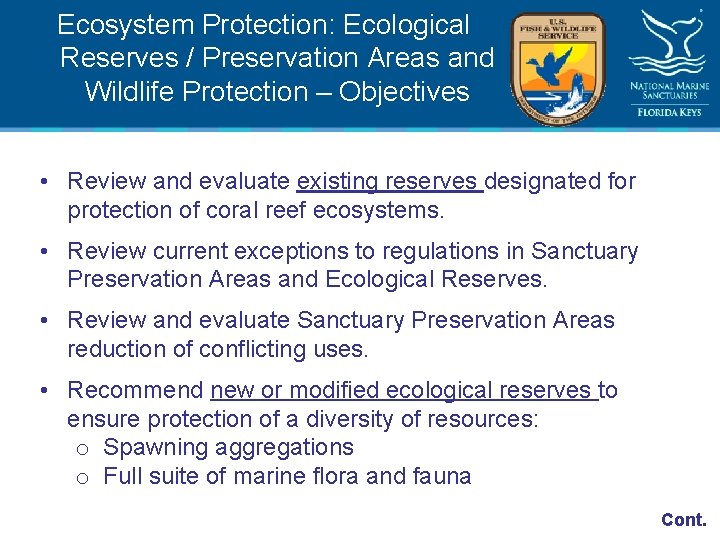
Ecosystem Protection: Ecological Reserves / Preservation Areas and Wildlife Protection – Objectives • Review and evaluate existing reserves designated for protection of coral reef ecosystems. • Review current exceptions to regulations in Sanctuary Preservation Areas and Ecological Reserves. • Review and evaluate Sanctuary Preservation Areas reduction of conflicting uses. • Recommend new or modified ecological reserves to ensure protection of a diversity of resources: o Spawning aggregations o Full suite of marine flora and fauna Cont.
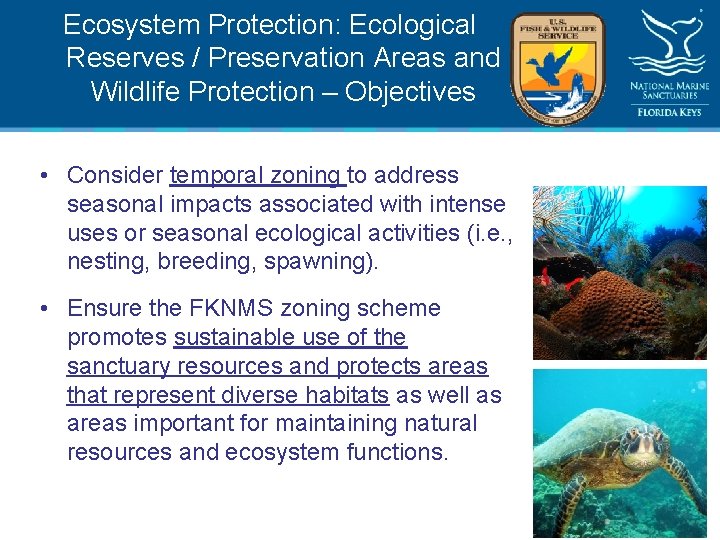
Ecosystem Protection: Ecological Reserves / Preservation Areas and Wildlife Protection – Objectives • Consider temporal zoning to address seasonal impacts associated with intense uses or seasonal ecological activities (i. e. , nesting, breeding, spawning). • Ensure the FKNMS zoning scheme promotes sustainable use of the sanctuary resources and protects areas that represent diverse habitats as well as areas important for maintaining natural resources and ecosystem functions.
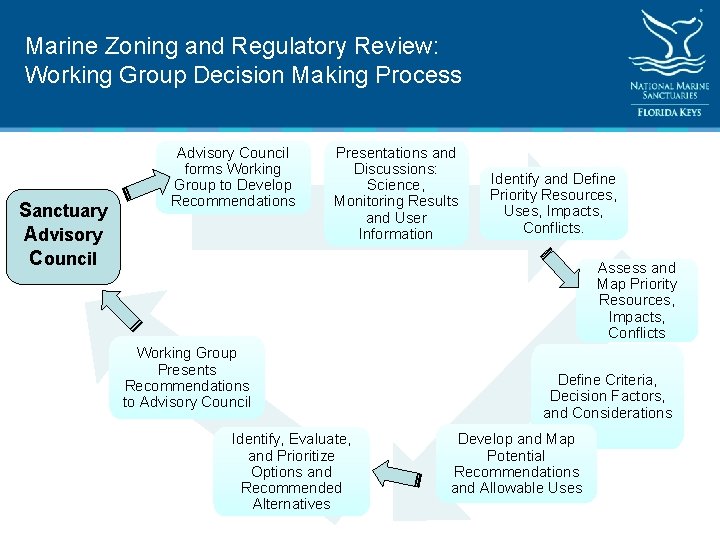
Marine Zoning and Regulatory Review: Working Group Decision Making Process Sanctuary Advisory Council forms Working Group to Develop Recommendations Presentations and Discussions: Science, Monitoring Results and User Information Identify and Define Priority Resources, Uses, Impacts, Conflicts. Assess and Map Priority Resources, Impacts, Conflicts Working Group Presents Recommendations to Advisory Council Identify, Evaluate, and Prioritize Options and Recommended Alternatives Define Criteria, Decision Factors, and Considerations Develop and Map Potential Recommendations and Allowable Uses
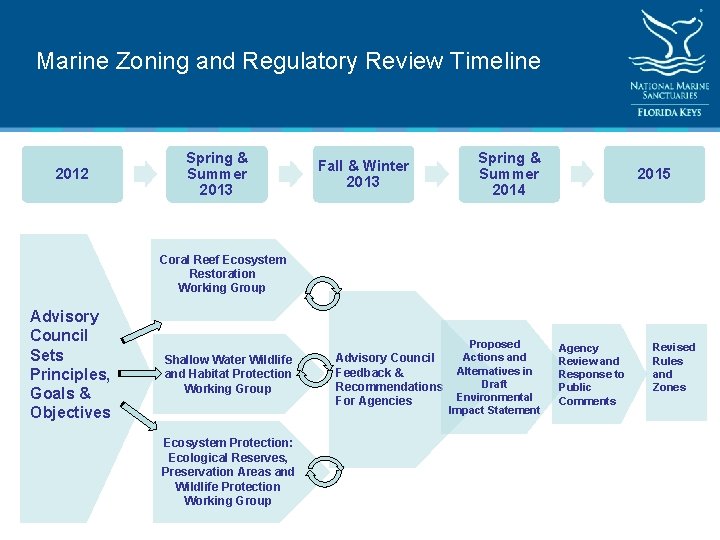
Marine Zoning and Regulatory Review Timeline 2012 Spring & Summer 2013 Fall & Winter 2013 Spring & Summer 2014 2015 Coral Reef Ecosystem Restoration Working Group Advisory Council Sets Principles, Goals & Objectives Shallow Water Wildlife and Habitat Protection Working Group Ecosystem Protection: Ecological Reserves, Preservation Areas and Wildlife Protection Working Group Advisory Council Feedback & Recommendations For Agencies Proposed Actions and Alternatives in Draft Environmental Impact Statement Agency Review and Response to Public Comments Revised Rules and Zones
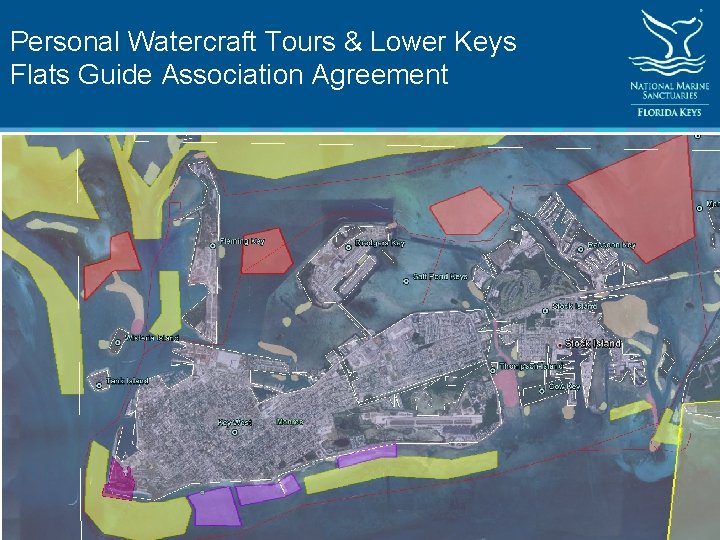
Personal Watercraft Tours & Lower Keys Flats Guide Association Agreement
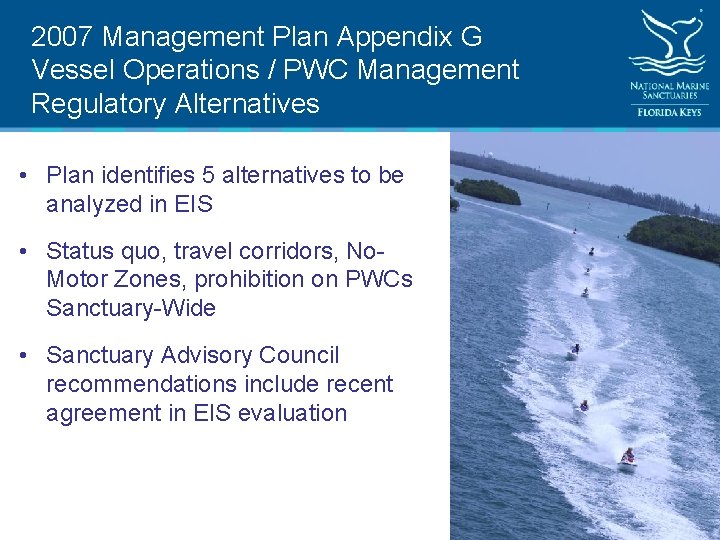
2007 Management Plan Appendix G Vessel Operations / PWC Management Regulatory Alternatives • Plan identifies 5 alternatives to be analyzed in EIS • Status quo, travel corridors, No. Motor Zones, prohibition on PWCs Sanctuary-Wide • Sanctuary Advisory Council recommendations include recent agreement in EIS evaluation
How to keep engaged and where to find more information: Visit our website at floridakeys. noaa. gov Contact your Advisory Council Working Group Chair: • Shallow Water Habitats and Wildlife: Jack Curlett jackcurlett@bellsouth. net • Coral Reef Ecosystem Restoration: Ken Nedimyer sealifefl@bellsouth. net • Ecosystem Protection: Chris Bergh – cbergh@tnc. org Follow us on Facebook: facebook. com/floridakeysnoaagov facebook. com/floridakeysrefuges Contact us at: sean. morton@noaa. gov
Questions
Back Up Slides
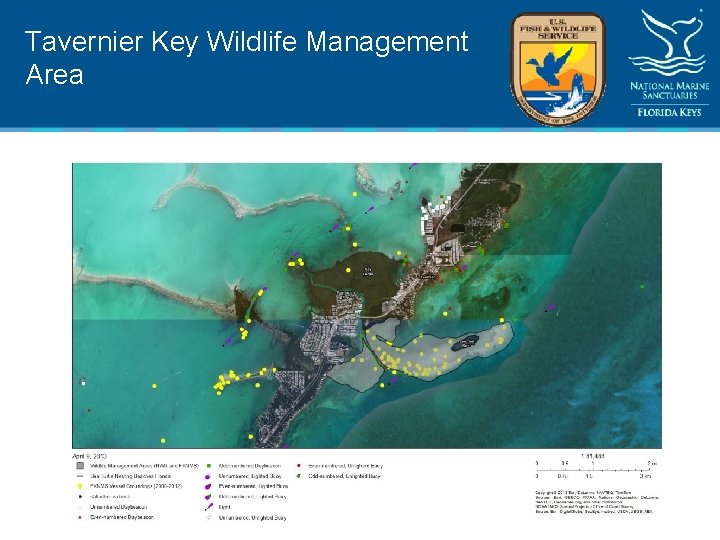
Tavernier Key Wildlife Management Area
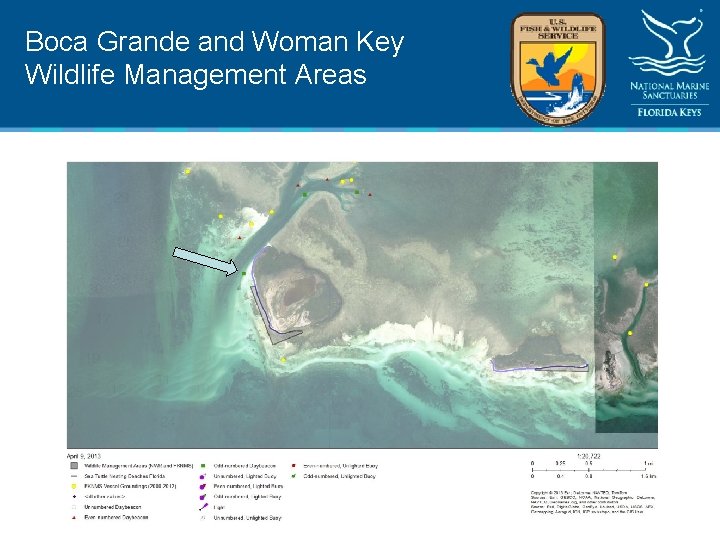
Boca Grande and Woman Key Wildlife Management Areas
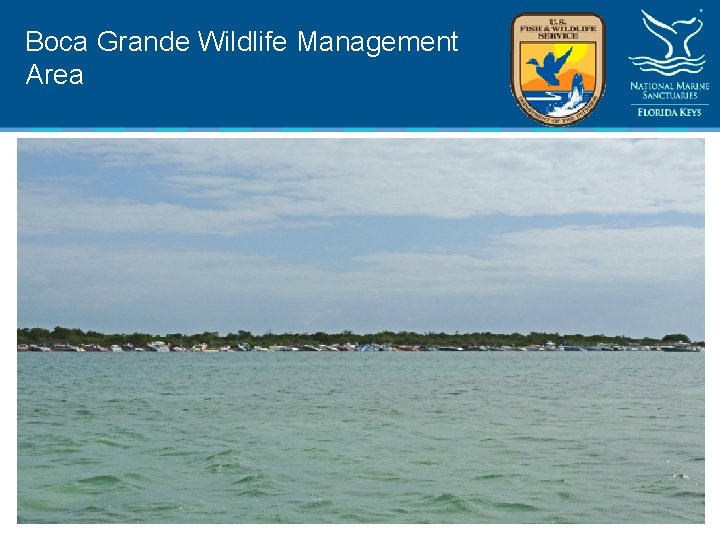
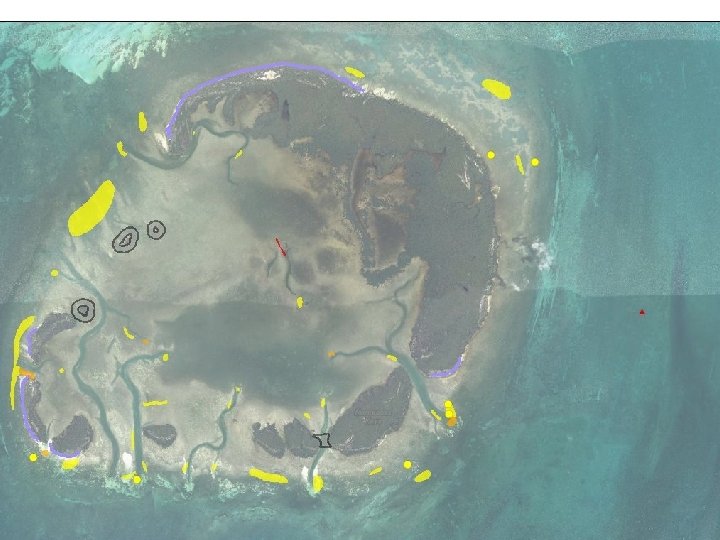
Boca Grande Wildlife Management Area
Marquesas Keys Wildlife Management Area